
In the shadow of the protective Alps, we, Tanja and Gernot, dream of a life shaped by nature and our own self-sufficiency. These dreams eventually found their way across the ocean to Canada, where we decided to realize our dream of self-sufficiency and permaculture.
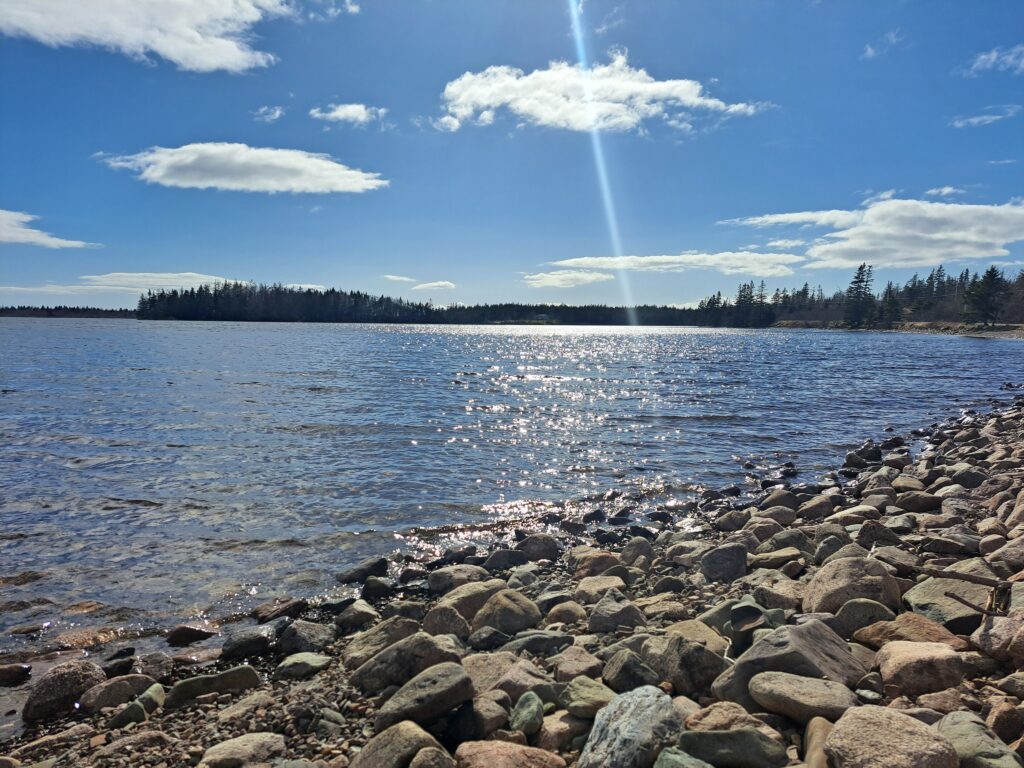
A Life in Harmony with Nature
The call of the wilderness and the longing for a life in harmony with nature is particularly irresistible for Gernot. I was inspired by his dreams of a place where we could grow our own food, care for our environment, and live in harmony with the seasons. Canada seemed to be the ideal destination to realize these dreams.
Choosing Canada
When Gernot and I considered the various options for our move, several factors played a crucial role. One of them was land prices. Compared to our homeland in Austria, Canada offered more affordable opportunities to acquire land and realize our dreams of self-sufficiency.
Another important aspect was latitude. Canada extends across similar geographic latitudes as Austria, which means the climate and seasons are comparable. This is of great importance to us, as we don’t want to completely separate ourselves from our alpine roots in our new home.
Of course, our personal preferences also play a role in the decision to emigrate to Canada. While Gernot is a lover of sunshine and hot temperatures, I feel extremely comfortable in snowy landscapes and by warm tile stoves. Therefore, it was important for us to find a compromise where neither of us has to give up our preferences. The decision for a location with a similar latitude to Austria allows me to enjoy the Canadian winters, while Gernot thrives in the warmth of summer. It’s a win-win situation that considers our individual needs and preferences and allows both of us to feel at home in our new place.
The Reality of Global Developments
Furthermore, global developments play a role in our decision to emigrate to Canada. The increasing political instability and uncertainty in many parts of the world led us to search for a place that is considered safe and stable. Canada, with its reputation as a peaceful and cosmopolitan country, offers us the kind of environment in which we want to build our future.
Challenges Along the Way
During our journey and preparation for the move, we constantly encounter challenges that test our resolve.
Traveling with our beloved animals, two cats and a dog, was a logistical challenge that we were able to overcome.


Furthermore, we have to face the statements of other people who question our plans or express doubts. But we don’t let ourselves be discouraged and trust in our convictions and research.
Another challenge is the constant confrontation with bureaucratic hurdles. Although we move to different places in the world, the bureaucracy in the form of residence and work permits always seems to be the same. But we learn to be patient and navigate through the process, even if it’s sometimes frustrating.
This blog is meant to tell our story of how our alpine roots unite with my Canadian dream to realize a life of self-sufficiency and permaculture. You can learn more about our concrete plans for the forest garden and permaculture projects in our project articles.
Your Thoughts?
We would love to hear from you! Share your stories, tips, or concerns with us – we’re excited about the exchange.
Back to the main Page
Explore more Articles
more plants
Leave a Reply