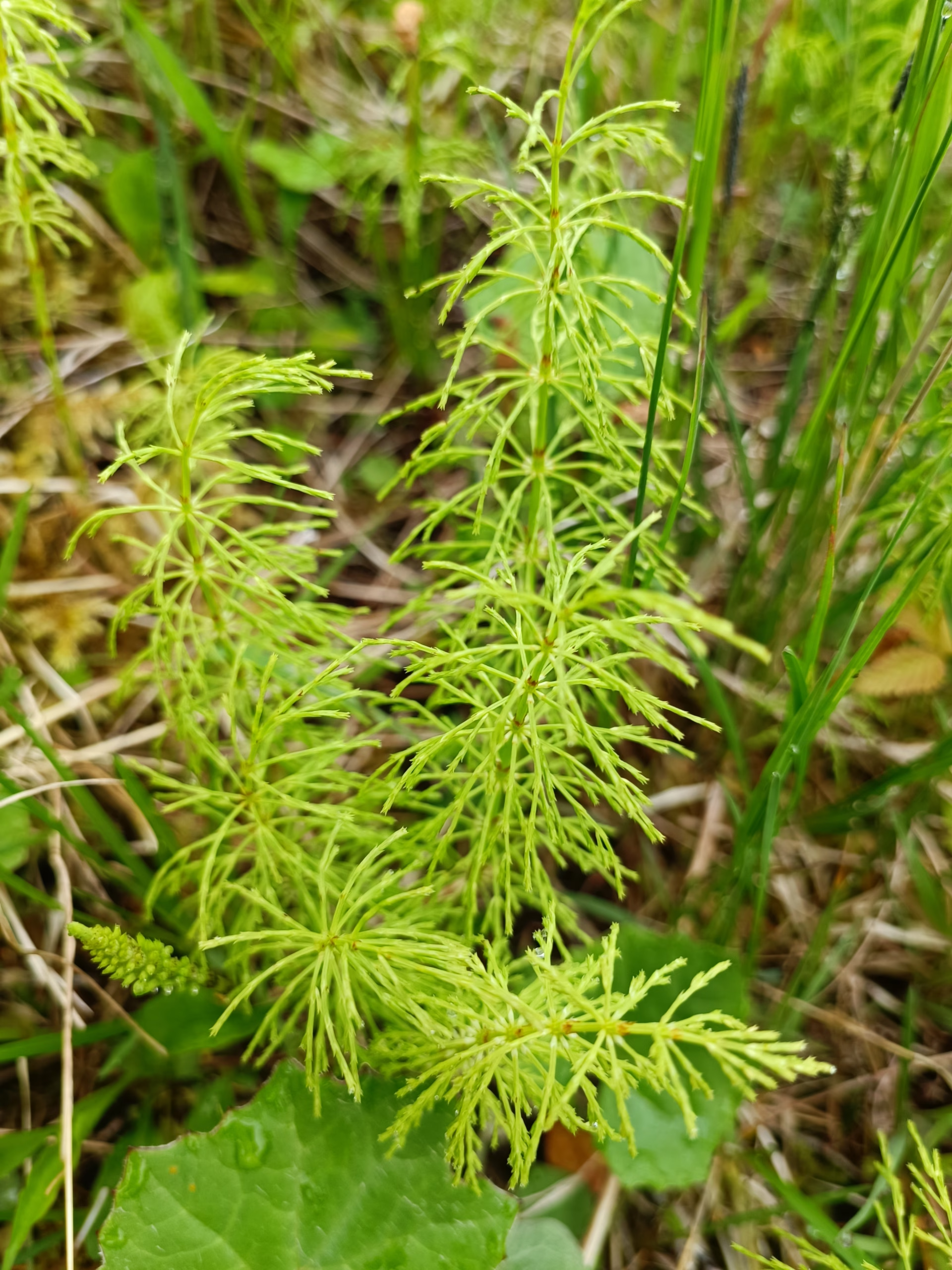
Field horsetail is a living fossil and one of the oldest plant species on our planet.

Name

  • German: Ackerschachtelhalm, Zinnkraut
  • English: Field Horsetail, Common Horsetail
  • Latin: Equisetum arvense

Plant Group

  • Family: Equisetaceae
  • Subgroup: Horsetails

Distribution

  • original Origin: Europe, North America, Asia
  • current Distribution: Worldwide in temperate climates

Identification

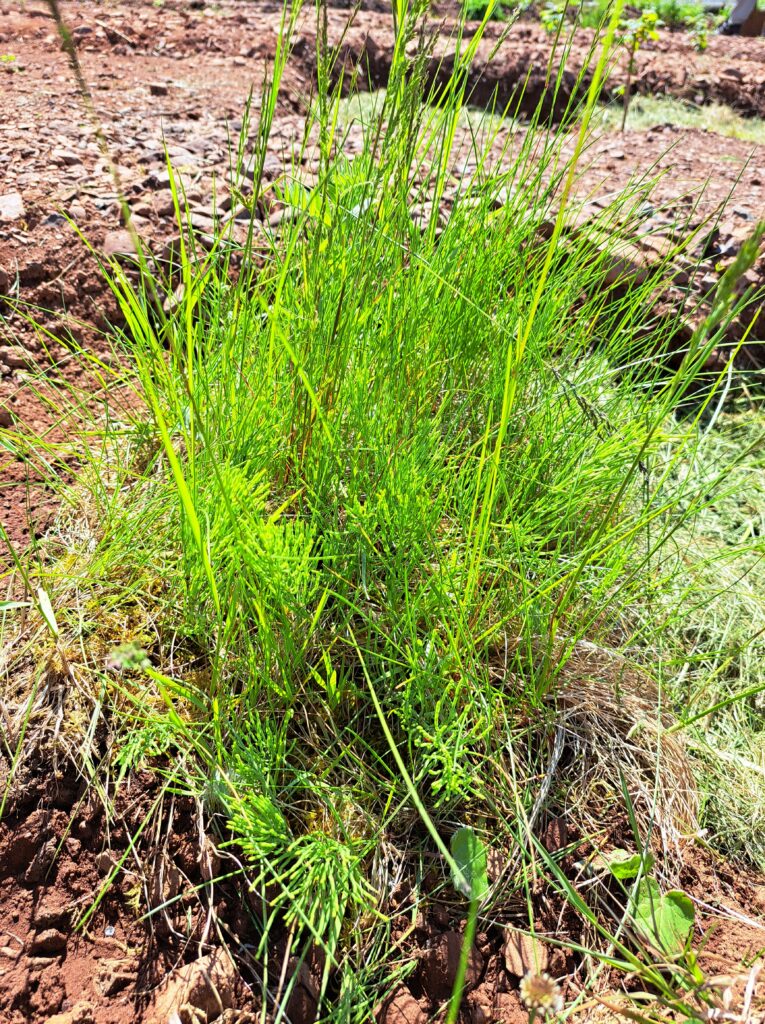
  • Height: Up to 50 cm
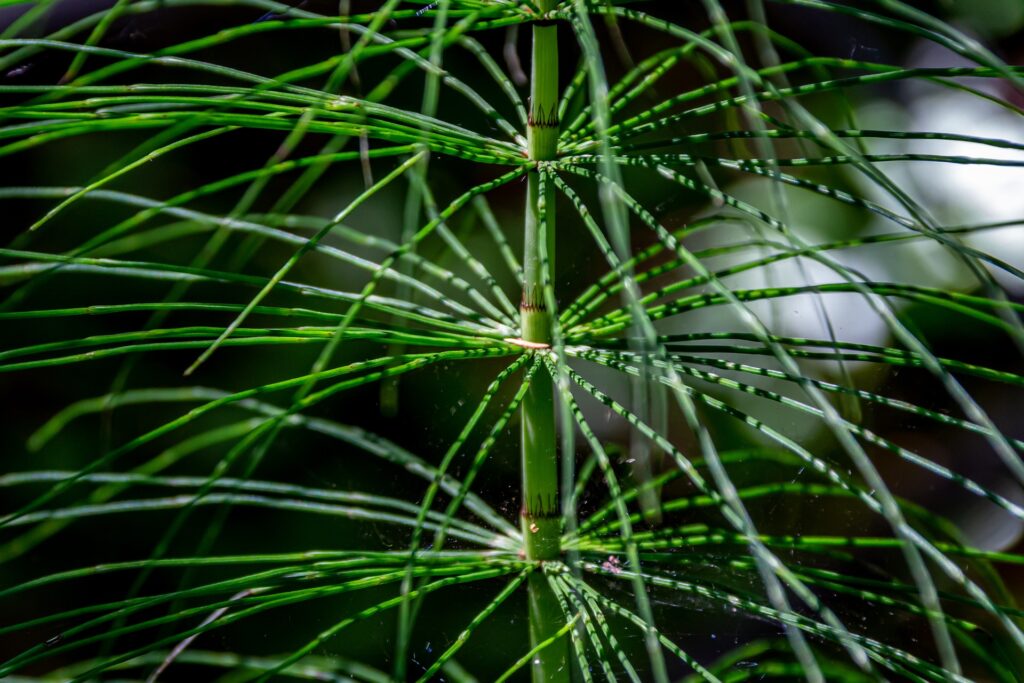
  • Leaves: Scale-like leaves arranged in whorls around the stem
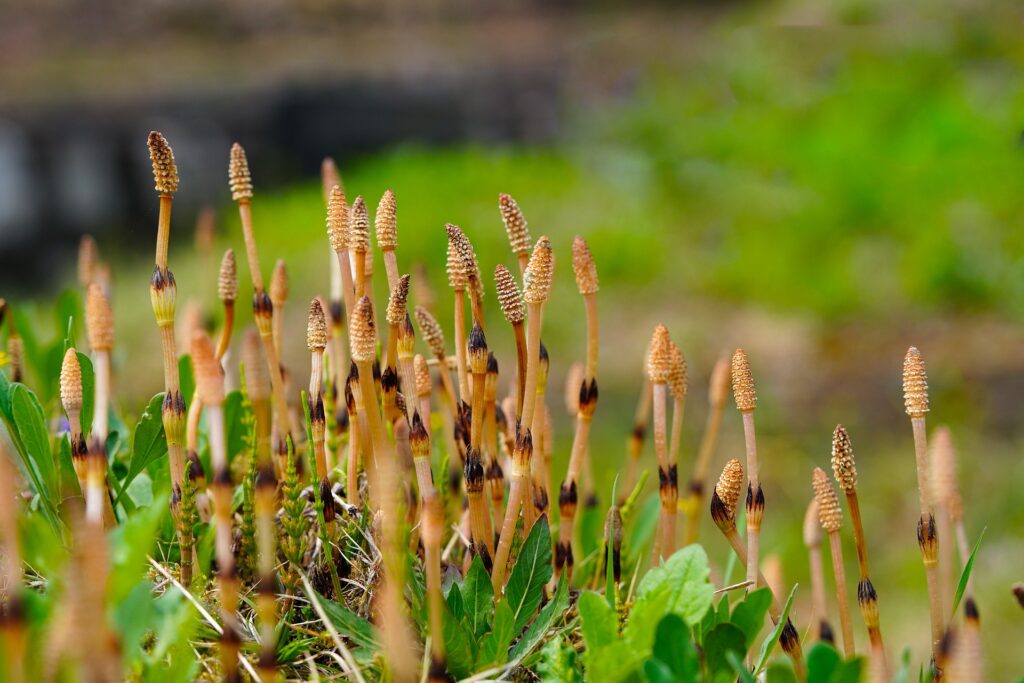
  • Flowers: No flowers; reproduces through spores
  • Fruits: No fruits; spore capsules at the tips of shoots
  • Bark / Stem: Thin, green, segmented stems with rough surface

Usage

  • Medicinal: Connective Tissue & Excretion
  • Structural Support: Due to its extremely high content of soluble silica, it supports the regeneration of connective tissue, skin, hair, and nails.
  • Flushing Therapy: Acts as a natural diuretic and is traditionally used to cleanse the urinary tract.
  • External Application: As a compress or bath, it promotes wound healing and has mild anti-inflammatory effects on skin irritations.
  • Culinary: Nutrient-Rich Wild Food
  • Nutrient Companion: The young shoots are rather subtle and mild in flavor. They are rarely used as a main ingredient but rather finely chopped in salads or soups to benefit from the valuable minerals.
  • Gentle Preparation: Since the silica is dissolved during cooking, the plant is excellent for strengthening broths or as a base for a mineral-rich herbal tea.
  • Important Note: Due to the enzyme thiaminase, it should be used in cooking as a supplement and ideally heated to ensure full digestibility.
  • Ecological / Decorative: Biological System Strengthening
  • Biological Plant Protection: A cold water extract or decoction from horsetail is a highly effective means of strengthening other plants. The contained silica integrates into cell walls and forms a natural barrier against fungal diseases such as mildew, scab, or rust.
  • Indicator Plant for Soil: Its presence provides important data about your land. It often indicates soil compaction, waterlogging, or a disturbed water balance in the ground.
  • Pioneer Performance: It is a survivor that unlocks minerals from deeper soil layers with its deep roots and makes them available to the system.
  • Other:
  • Natural Abrasive: Its nickname “pewter weed” is not without reason. The hard silicon crystals in the stems make it an excellent, fine abrasive for metals (such as pewter and brass) or for finishing wood surfaces.
  • Survival Tool: In field kitchens or when camping, it can be used as an ecological “steel wool” for cleaning pots and sooty cookware.
  • Dye Plant: In textile art, the summer shoots can be used to dye wool, producing delicate yellow to green tones depending on the mordant.

Toxicity

  • for Humans:
  • Conditionally Edible: The plant contains the enzyme thiaminase, which breaks down vitamin B1 in the body. Occasional consumption or tea enjoyment is safe for healthy adults. However, long-term high-dose consumption or a pure raw food diet should be avoided to not endanger vitamin balance.
  • Preparation: Heating (boiling/simmering) largely deactivates thiaminase, making the application safer.
  • Special Groups: Due to its strong effect on the kidneys and mineral balance, caution is advised for those with impaired kidney function, heart failure, and during pregnancy and breastfeeding.
  • for Animals:
  • Hazard Potential: Particularly dangerous for horses and cattle in larger quantities. It leads to so-called “staggers” (equisetosis).
  • Symptoms: The destruction of vitamin B1 leads to massive coordination disorders, skittishness, muscle twitching, and in extreme cases death by paralysis.
  • Hay Problem: Since thiaminase remains active even when dried in hay, ecological control of pastures and meadows is essential for animal keepers.

Risk of Confusion

  • Similar Plants:
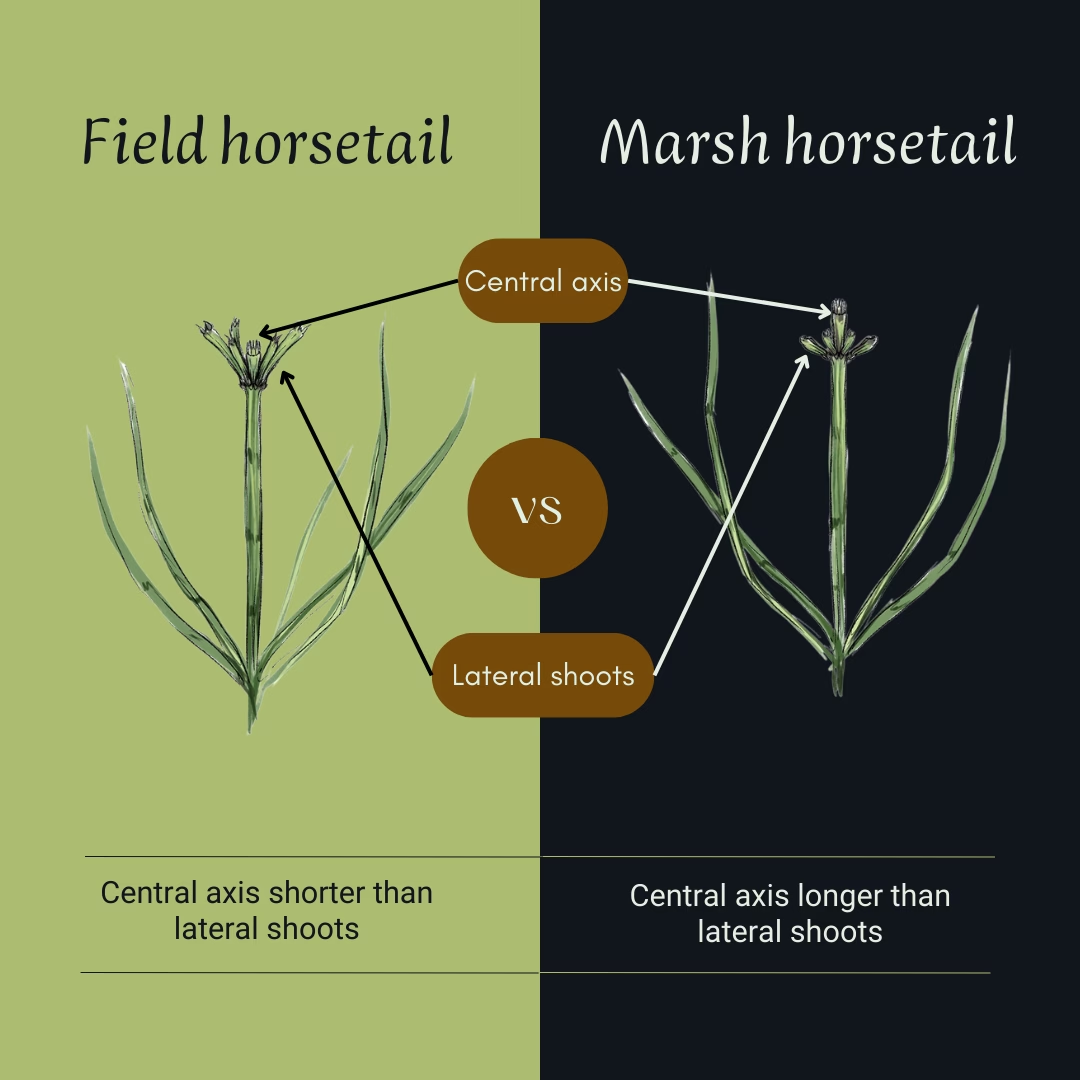
  • Marsh Horsetail (Equisetum palustre) – DANGEROUS
    Location: As the name suggests, almost exclusively in very wet locations, moors, and swamp meadows.
    Main Feature (The Sheath Rule): Look at the lowest segment of the side shoots. In marsh horsetail, this is shorter than the toothed leaf sheath on the main stem.
    Stem: The grooves in the main stem are deeper, and the central cavity is significantly smaller (less than 1/3 of total diameter).
    Danger: Contains the toxin palustrine. It leads to paralysis and severe internal irritation.
  • Giant Horsetail (Equisetum telmateia)
    Size: Unmistakable. It grows up to 1.50 m tall (field horsetail usually only up to 50 cm).
    Appearance: The stems are almost white to ivory-colored, very thick, and have extremely numerous, dense whorl branches. It looks almost like a small conifer.
    Use: It is not poisonous like marsh horsetail but contains fewer of the valuable ingredients of field horsetail.

additional Information

  • Maintenance:
  • Field horsetail is a low-maintenance ancient plant that needs to be contained rather than cared for in the garden. Its deep rhizomes make it extremely resistant to drought and cold. If you want to use it specifically for your own needs, it’s enough to assign it a place where it can spread without displacing other crops.
  • Growth Conditions:
  • It is an indicator of soil condition: it prefers moist, sandy, or loamy soils with good light exposure. Its mass occurrence often indicates soil compaction or waterlogging in the subsoil – valuable data for your land planning.
  • Special Notes:
  • Due to its invasive nature and deep-reaching roots, cultivation in the garden should be strategically planned. Once established, it is difficult to remove. Use this characteristic positively: it is a permanent resource for mineral-rich plant extracts and thus strengthens your entire garden ecosystem.

Recipes

Horsetail Tea

Classic decoction from common horsetail. A gentle 30–40 minute simmer releases bioavailable forms of silica into the water. Mildly grassy taste; traditionally used to support skin, hair, nails, and connective tissue.
Prep Time 5 minutes
Cook Time 40 minutes
Total Time 45 minutes
Course Tea
Cuisine Home apothecary
Servings 2

Equipment

  • small lidded saucepan water cooker
  • tea strainer or paper filter
  • kitchen scale or measuring spoons
  • heatproof jug or cups

Ingredients
  

  • 5-10 g dried horsetail coarsely cut
  • 500 ml cold water
  • optional a splash of lemon juice after straining

Instructions
 

  • Place the herb and cold water in the saucepan and bring to a boil once.
  • Reduce heat, cover, and simmer very gently for 30–40 minutes.
  • Strain through a fine sieve or filter, let cool for about 10 minutes, and drink fresh.
  • Suggested use 1–2 cups per day, as a short course for 1–2 weeks if appropriate.

Notes

  • What “decoction” means A decoction is an extraction where plant material is brought to a boil and gently simmered for an extended time. This suits tougher plant parts and helps release constituents like soluble silica.
  • Quality and safety Use only common horsetail Equisetum arvense; do not confuse with marsh horsetail Equisetum palustre. Ideally use pharmacopeia grade material.
  • Caution Not for pregnancy or breastfeeding, not for children. Use caution with heart or kidney conditions and with diuretics. For longer-term use, seek medical advice.
  • Garden use For a plant-strengthening spray simmer 40–60 minutes, cool, dilute 1 to 5 with water, and mist the leaves.
  • Taste tip Blend with nettle or linden blossoms for a softer flavor.
  • Storage Best consumed fresh. Refrigerate leftovers and use within 12 hours.
Horsetail Compresses

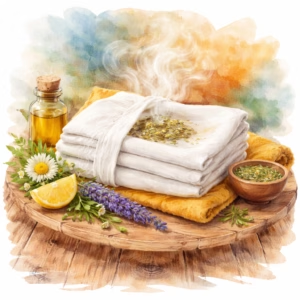
A simple lukewarm infusion of dried horsetail used to moisten a cloth or gauze and apply to minor, lightly bleeding or irritated areas. Steep in boiling water, cool to lukewarm, soak and apply. For larger wounds or heavy bleeding, seek medical care; avoid prolonged or excessive use without professional guidance.
Prep Time 20 minutes
Cook Time 5 minutes
Total Time 25 minutes
Course Compress
Cuisine Home apothecary

Equipment

  • small saucepan or kettle
  • heatproof bowl
  • measuring cup
  • tea strainer or cheesecloth
  • clean cloth or sterile gauze
  • tongs or a clean spoon for handling the hot cloth
  • clean towel for drying the area
  • kitchen thermometer optional, to check lukewarm temperature

Ingredients
  

  • 2 teaspoons dried horsetail
  • 500 ml hot water

Instructions
 

  • Bring the water to a boil.
  • Place the dried horsetail in a heatproof bowl.
  • Pour the boiling water over the herb.
  • Let the infusion cool until lukewarm.
  • Soak a clean cloth or sterile gauze in the liquid and wring out gently.

Notes

Lay the soaked cloth or gauze on the affected area to help slow minor bleeding.
The lukewarm infusion can also be used as a poultice for irritated or lightly bleeding skin.
Medical advice For larger wounds or heavy bleeding, seek medical care. Horsetail should not be used in large amounts or for extended periods without professional guidance, as high doses may cause side effects.
Sautéed Horsetail with Sesame and Soy Sauce

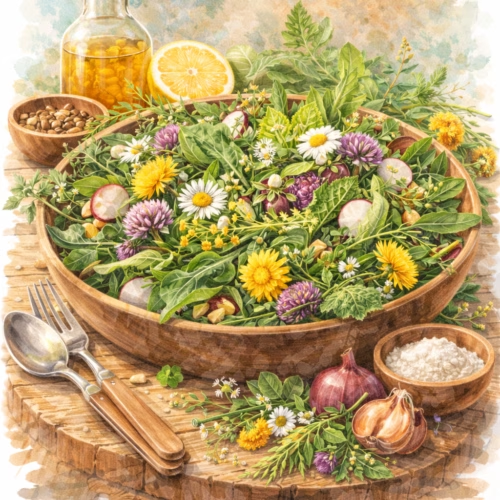
Quick, savory stir-fry of very young horsetail shoots: briefly blanched, then sautéed with sesame oil, garlic, and ginger, finished with soy sauce, a touch of maple, and toasted sesame seeds. Ready in about 40 minutes, serves 1, and pairs well with steamed rice. Use only tender, correctly identified shoots from clean sites; blanching improves texture and helps reduce bitterness.
Prep Time 20 minutes
Cook Time 19 minutes
Total Time 39 minutes
Course Dish, Main Course
Cuisine Kitchen
Servings 1

Equipment

  • cutting board and knife
  • colander
  • medium saucepan
  • bowl with ice water
  • large skillet or wok
  • measuring spoons
  • spatula or tongs

Ingredients
  

  • 200 g fresh young horsetail shoots tender tips only
  • 1 tablespoon sesame oil
  • 1 garlic clove finely chopped
  • 1 teaspoon fresh ginger finely chopped
  • 2 tablespoons soy sauce
  • 1 teaspoon toasted sesame seeds
  • 1 teaspoon maple syrup optional for a touch of sweetness
  • salt and pepper to taste

Instructions
 

  • Wash the horsetail shoots thoroughly and trim away any tough parts so only the tender tips remain.
  • Bring a saucepan of water to a boil. Blanch the shoots for 1–2 minutes, then plunge into ice water to keep their green color. Drain very well.
  • Heat the sesame oil in a skillet over medium heat.
  • Add garlic and ginger and sauté about 30 seconds until fragrant.
  • Add the horsetail shoots and stir fry for 3–5 minutes until tender but still bright.
  • Stir in soy sauce and the optional maple syrup and toss to coat evenly.
  • Season with a pinch of salt and pepper.
  • Plate and sprinkle with toasted sesame seeds.

Notes

  • Serving suggestion Serve with steamed rice or as part of an Asian style meal. The flavor is lightly nutty and savory.
    For best edibility always use very young, tender horsetail shoots. Older parts become tough and fibrous.
  • Source and safety Use only correctly identified common horsetail from a clean, uncontaminated source.
    • Horsetail can accumulate heavy metals from polluted soils.
  • The quick blanch and ice bath improve texture and help reduce bitterness.
  • Optional additions A pinch of chili flakes for heat or 1 teaspoon rice vinegar at the end for brightness.

medical Disclaimer

The recipes and information provided here are for informational purposes only and do not replace the advice of a physician or other healthcare professional. If you have any health concerns or uncertainties, you should always consult a doctor.

Back to the main Page

Explore more Articles

more plants

Leave a Reply

Your email address will not be published. Required fields are marked *

Rezept Bewertung