
In a closed loop there is no waste – only resources in the wrong place. Anyone working the land in a region like Cape Breton quickly learns that nitrogen is the true currency of growth. Instead of reaching for industrial fertilizers, we can tap into a highly efficient resource we produce ourselves every single day: urine. This article shows you how to use it safely as a soil activator, how to strengthen your soil life, and how to take one more step toward true self-sufficiency.
Human urine is perhaps the most underestimated resource available to us daily – and the most powerful bridge to the regenerative force of the soil.
The Basics: The Chemistry of Self-Sufficiency
To understand the logic behind this method, we need to look at urine for what it biologically is: a highly concentrated nutrient solution remarkably similar in composition to modern liquid fertilizers. But while industrial products often act as isolated “chemical injections”, urine functions as a catalyst for biological activity.
What’s Really Inside – The Anatomy of Liquid Gold
Urine is approximately 95% water. The remaining 5%, however, is a powerhouse of dissolved compounds that cost a fortune in conventional agriculture. Here is a detailed breakdown of what you are actually giving your soil:
- Urea – The Long-Term Nitrogen Engine: Urea is the core component. Urine delivers nitrogen primarily in this organic form. What makes it special: unlike synthetic nitrate, which leaches away almost immediately, urea must first be “converted” in the soil. Soil bacteria produce the enzyme urease, which breaks urea down into ammonium and eventually into nitrate.
- Why this matters: The process is temperature-dependent. Nitrogen only becomes plant-available when it is warm enough for the soil food web (the edaphon) to work actively – in other words, precisely when the plant needs it most.
- Dissolved Phosphates – The Cellular Energy Source: Urine contains significant amounts of phosphorus. Inside the plant, phosphorus is the key component of ATP (adenosine triphosphate) – think of it as the battery powering every single plant cell.
- Why this matters: Without phosphorus, cell division stalls. Urine delivers this element in a water-soluble form that strongly supports root development in spring – and a strong root system is the best insurance against Cape Breton’s unpredictable weather.
- Potassium – The Hydration Manager: Potassium governs water balance and frost hardiness. It regulates turgor pressure (the internal pressure of cells) and controls the stomata – the tiny pores on leaves.
- Why this matters: Plants with adequate potassium can close their stomata more efficiently in heat, making them resistant to drought. Potassium also acts as a natural antifreeze in cell sap – a critical advantage during our short, volatile summers and early autumn frosts.
- Micronutrients – The Forgotten Vitamins of the Earth: This is where urine outperforms cheap synthetic fertilizers that typically contain only “NPK” (nitrogen, phosphorus, potassium).
- Magnesium: The central atom of chlorophyll. Without it, photosynthesis cannot happen – it is the foundation of deep, healthy leaf green.
- Calcium: Acts like “mortar” between cell walls, giving plants structure and resilience against the coastal wind.
- Boron & Sulphur: These trace elements are often in short supply. They regulate flower fertility and the formation of proteins and vitamins in the fruit.
Your Lifestyle as a Recipe
The quality of this self-produced liquid fertilizer is no accident, and it differs fundamentally from the static, always-identical formula of a bag bought at the garden centre. While commercial products are built on an artificially fixed norm, your urine is a dynamic reflection of your own metabolism – shaped entirely by what your kidneys filter out each day.
Everything you consume – food, fluids, and other substances – is processed by your kidneys and determines the exact “recipe” of your soil activator. Nutrient density is therefore the direct feedback of your lifestyle. Quality here does not mean the sterile purity of a machine, but living biological value. Factors such as diet, age, and health flow into the resource daily, making you an active designer of your own fertilizer. Every decision at the dinner table has a direct impact on the regenerative capacity of your soil.
Diet: The Elemental Signature
Protein Focus (Nitrogen): Nitrogen content correlates directly with protein intake. A protein-rich diet – whether from meat or legumes like lentils and beans – produces a particularly nitrogen-dense, “sharp” fertilizer that drives leaf growth. In theory, you could deliberately adjust your diet during the collection phase to influence the composition – we honestly haven’t tried that systematically yet, but the idea fascinates us.
Plant Focus (Potassium): Eating plenty of fruit and vegetables raises the potassium content of your urine. And here the loop closes in an almost poetic way: the potassium from our food passes through us, returns to the soil via urine, is absorbed by roots – and ends up back on our plate in the next harvest. We pass it on, and we get it back.
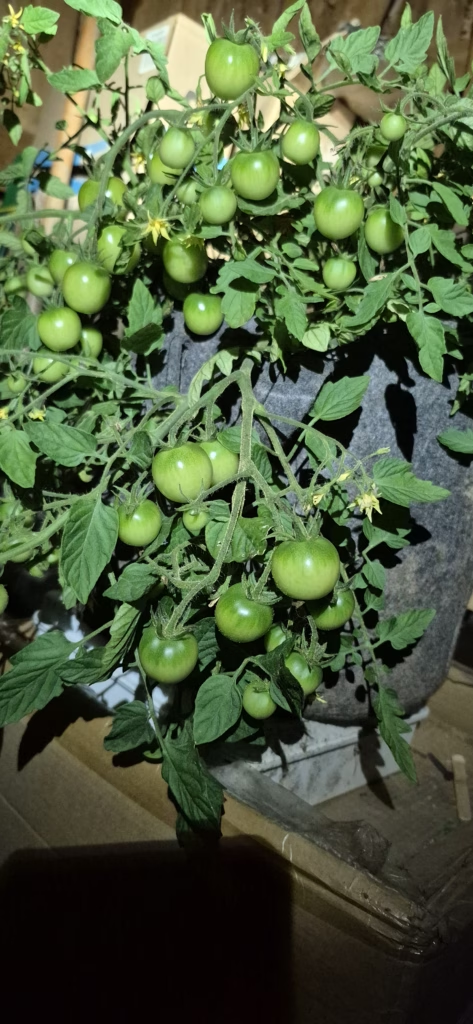
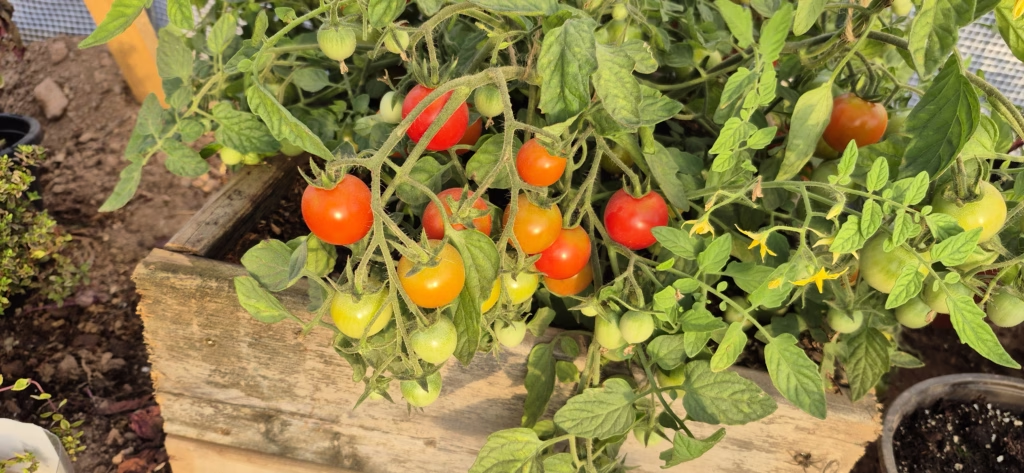
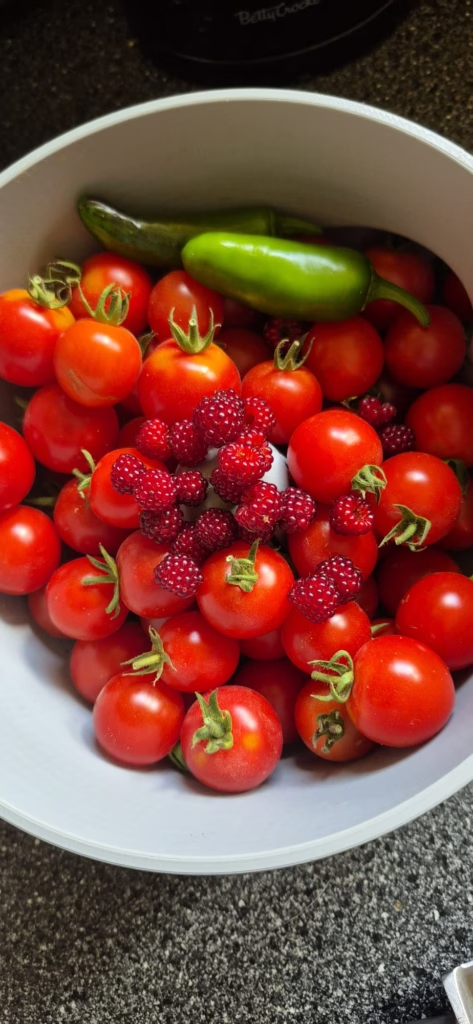
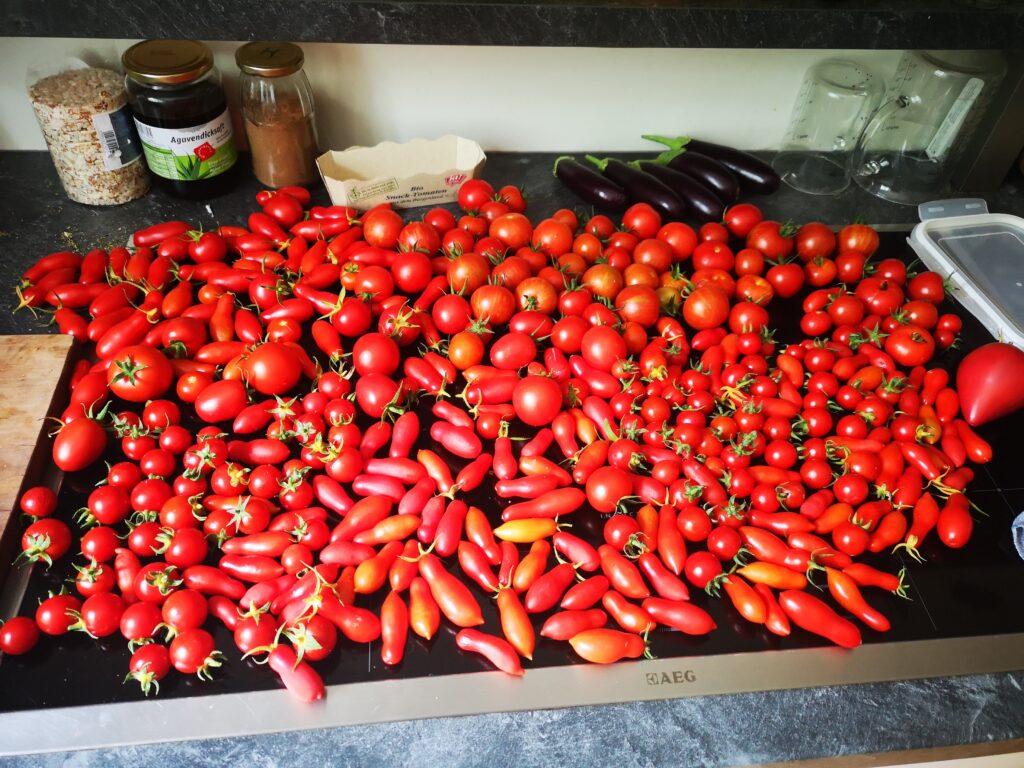
A small story from our garden archive: We often look back with a smile at our time in Austria. We had an incredible tomato surplus that year, and the fruit was so aromatic and sweet that friends and neighbours constantly asked for our “secret”.
Gernot, who tended the tomatoes lovingly with a mixture of nettle liquid fertilizer and his own diluted urine, would answer drily: “I just pee on them.”
The look on people’s faces was priceless every time – a mix of disbelief and the sudden urge to bring back the tomato they had just eaten. Once the initial shock faded, most of them got it: whether it’s slurry from a neighbouring farm or our own filtered urine in the bed – at the end of the day, it’s the same nitrogen and potassium molecules. The only difference is cultural conditioning. Anyone who has tasted those tomatoes quickly forgets the squeamishness and recognises the highly efficient logic behind it.
Sodium Warning (Salt): Processed foods often contain a lot of hidden salt. Since sodium in high concentrations can damage soil structure and stress the microbial community, a high-salt diet requires greater dilution – at least 1:15 or 1:20 instead of the usual 1:10 – to prevent soil salinisation.
Age: The Dynamics of Growth
Adults (The Flow-Through System): Since a fully grown body no longer builds new basic structures, it is biologically in a net-zero balance.
- Important to understand: This does not mean we have no need for nutrients. We need them enormously for ongoing maintenance, cell repair, and hormone production. But everything the body “uses up” for maintenance must make room for fresh nutrients – and is excreted.
- Why do so many people still have deficiencies? Usually because intake falls below daily maintenance needs, or absorption in the gut is poor.
- Even when we are deficient: what our body filters out through the kidneys as “used up” is still a highly concentrated feast for the soil.
Children & Teenagers (The Builders): During growth phases, phosphorus is bound into bone and nitrogen into muscle tissue. The resulting urine is lower in nutrients and therefore “gentler” – ideal for young, sensitive seedlings or low-feeding herbs.
Health and Medication: System Hygiene
The kidneys pass residues of antibiotics, hormones, and strong painkillers directly into urine, so careful risk management is needed here. Urine produced during a course of medication should never go onto the vegetable bed – to prevent accumulation in the food chain.
The solution is the hot compost filter: during the active thermophilic phase (above 55°C / 131°F), specialised bacteria biologically break down and neutralise complex chemical compounds. This keeps the cycle safe while still making use of the resource in ornamental areas or for general soil improvement.
How Gernot Collects – Without a Composting Toilet
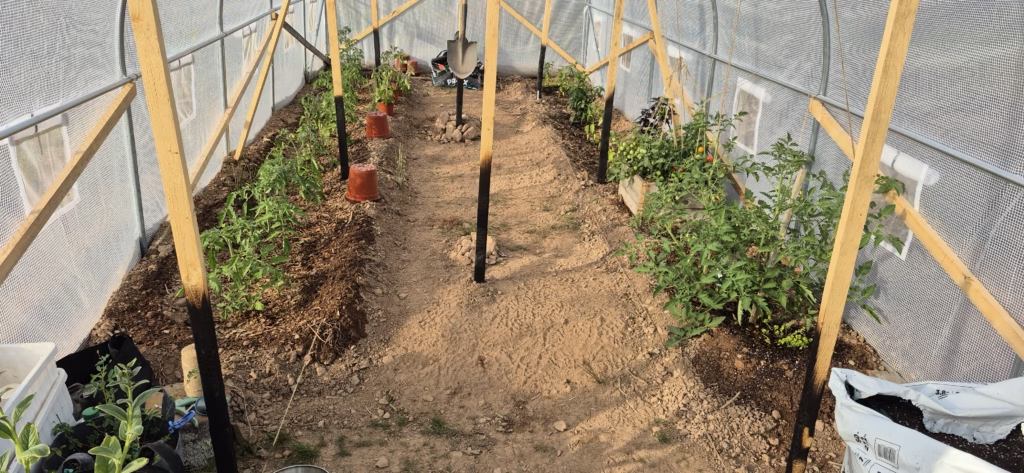
A composting toilet with automatic urine separation would be convenient – we don’t have one yet. And that’s no obstacle at all. Gernot uses a straightforward system: roughly 1 to 2 months before the planned application, he begins collecting urine in sealed containers. Simple plastic jerry cans with tight-fitting lids are perfectly adequate – the key is keeping them well sealed so that ammonia does not escape and nutrients are preserved.
This lead time makes practical sense: Cape Breton’s short spring moves fast once the last frost passes in mid-May. When the ground thaws and soil life stirs, you want to be ready to apply immediately – not still waiting weeks for enough to accumulate. Starting in early April means you’ll have a solid supply by mid-May.
There is one unexpected benefit to storing: fresh urine smells like urine. Aged urine develops ammonia – but when diluted and worked into the soil, that ammonia dissipates quickly and is taken up directly by the microbial community.
You don’t need expensive infrastructure to get started. A clean container and a consistent habit are enough – the rest is patience and good timing.
The Ideal Application Window for Cape Breton
Timing matters with this method – not because urine is particularly delicate, but because it reaches its full potential only when soil life is active and plants are genuinely growing.
For our Cape Breton climate, the following window has proven most effective:
- Main season: mid-May to end of July. The last frost here typically falls around mid-May. From that point, soil temperatures rise, microbial activity picks up, and urea can be converted into plant-available nitrogen. This is the moment we have been collecting for since April.
- For perennials, shrubs, and fruit trees, the sensible application window closes around the end of July. Fertilising later risks pushing plants into a flush of leafy growth, leaving them unprepared for the first autumn frost – which can arrive as early as October here.
- Annual vegetables: possible into August. Tomatoes, squash, corn, and other annuals have no need to prepare for winter dormancy – you can continue applying every 2 to 4 weeks right up to harvest.
- Time of day: Apply early in the morning or late in the evening when temperatures are cooler. This reduces ammonia volatilisation and allows the soil to absorb nutrients more effectively.
- Do not apply: when the ground is frozen, during heavy rain (leaching), or directly onto flowering or fruiting plants.
Whether it’s mid-May or early August – all of these guidelines serve one purpose: making sure the nutrients reach where they are actually needed. And that’s not the plant. It’s what lives beneath it.
Spark, Not Infusion – Waking the Life Beneath Your Feet
Beneath your feet exists an extraordinary universe. The edaphon – the entirety of all soil organisms, from invisible microbes to earthworms – is the true digestive system of your land. Only these tiny inhabitants can break nutrients down into forms that plant roots can actually absorb.
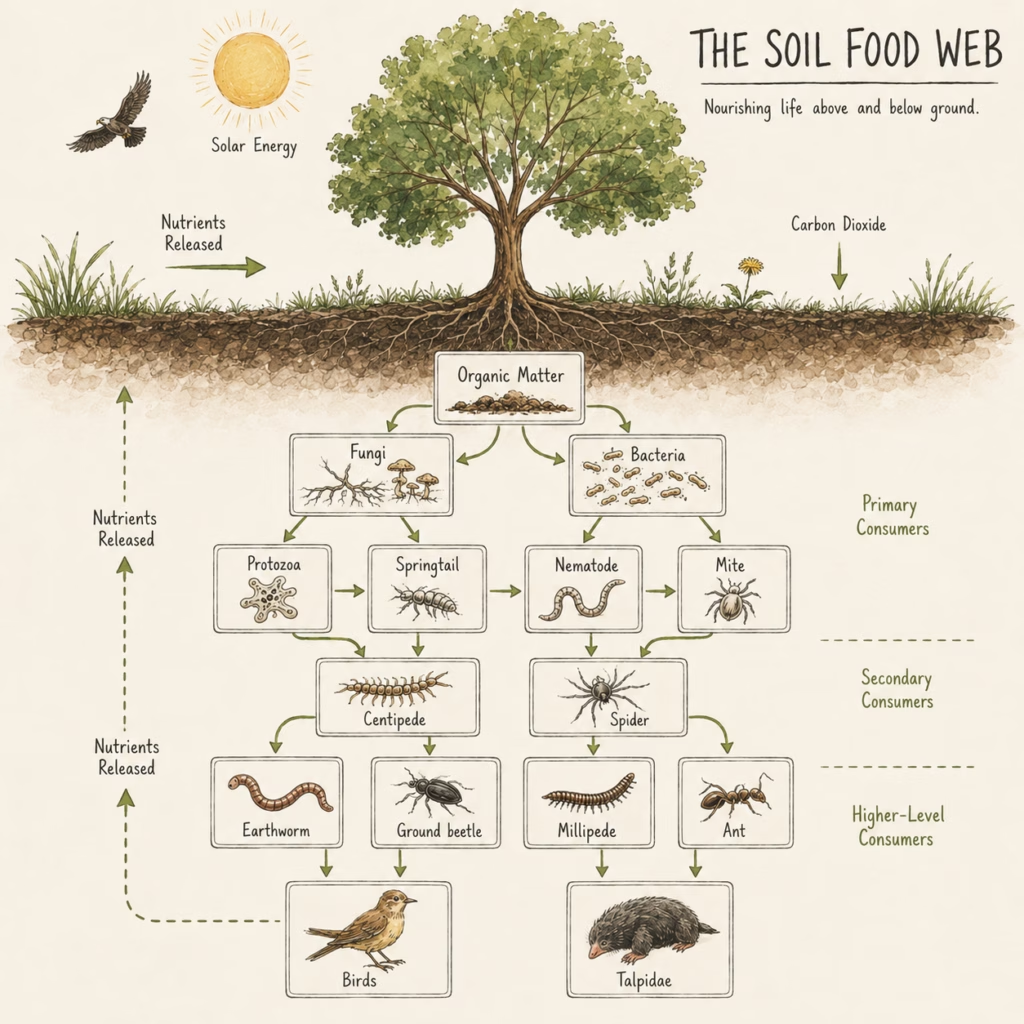
Nährstoffzyklus Foto: KI-generiert (DALL-E / OpenAI)
In our book Living Soil – Understanding and Using the Earth we explore this hidden world in depth and show you how to put these life forms to work for you.
Without an active edaphon, any fertiliser is wasted – it simply sits in the soil until the next heavy rain washes it into the groundwater. In regions with high rainfall – and Atlantic rain is a regular presence in Cape Breton – this happens fast, loading waterways with nutrients instead of feeding roots.
Urine in this living context is far more than a nutrient solution. It is a spark – food and signal at the same time. Synthetic fertilisers, by contrast, tend to make soil life “lazy” by delivering nutrients in a form that requires no microbial effort. Worse, the high salt pressure of industrial products can actively damage and dehydrate the organisms that make healthy soil possible.
How We Put It Into Practice
To make the system work without harming the soil or wasting nutrients, we follow a few straightforward but firm principles.
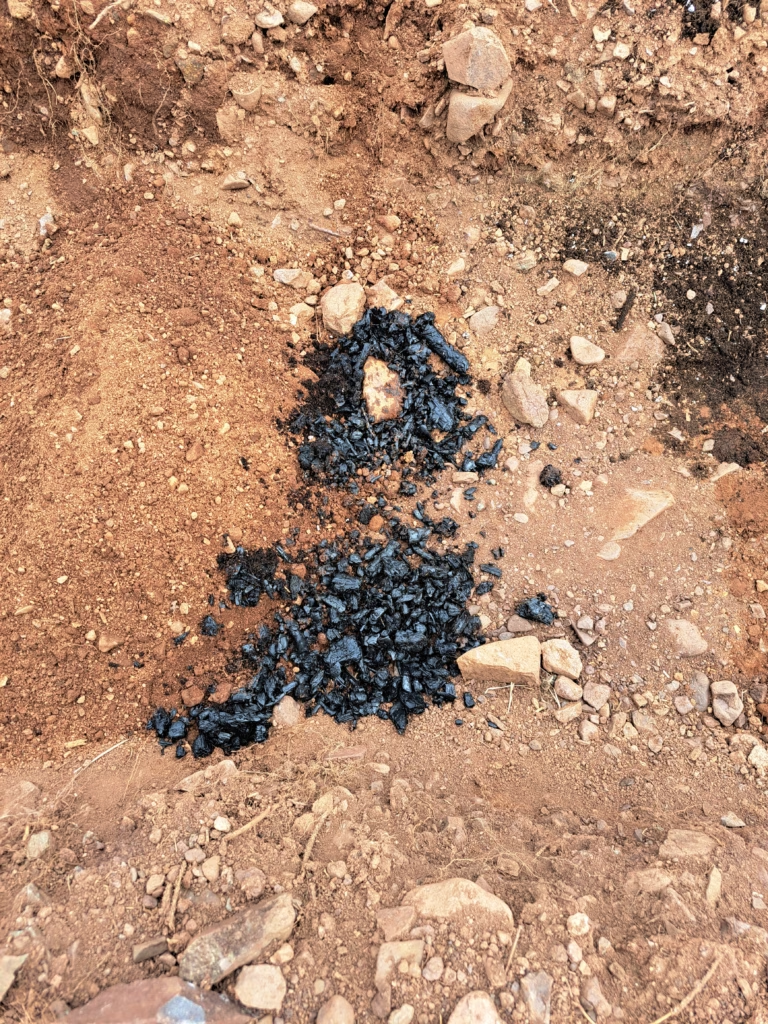
The Living Storage Cell (Biochar): Combined with biochar, urine becomes an exceptionally effective team. The char provides protected habitat; the urine provides the first nutrient charge – together they create a lasting “soil battery” that holds nutrients and releases them gradually to plant roots.
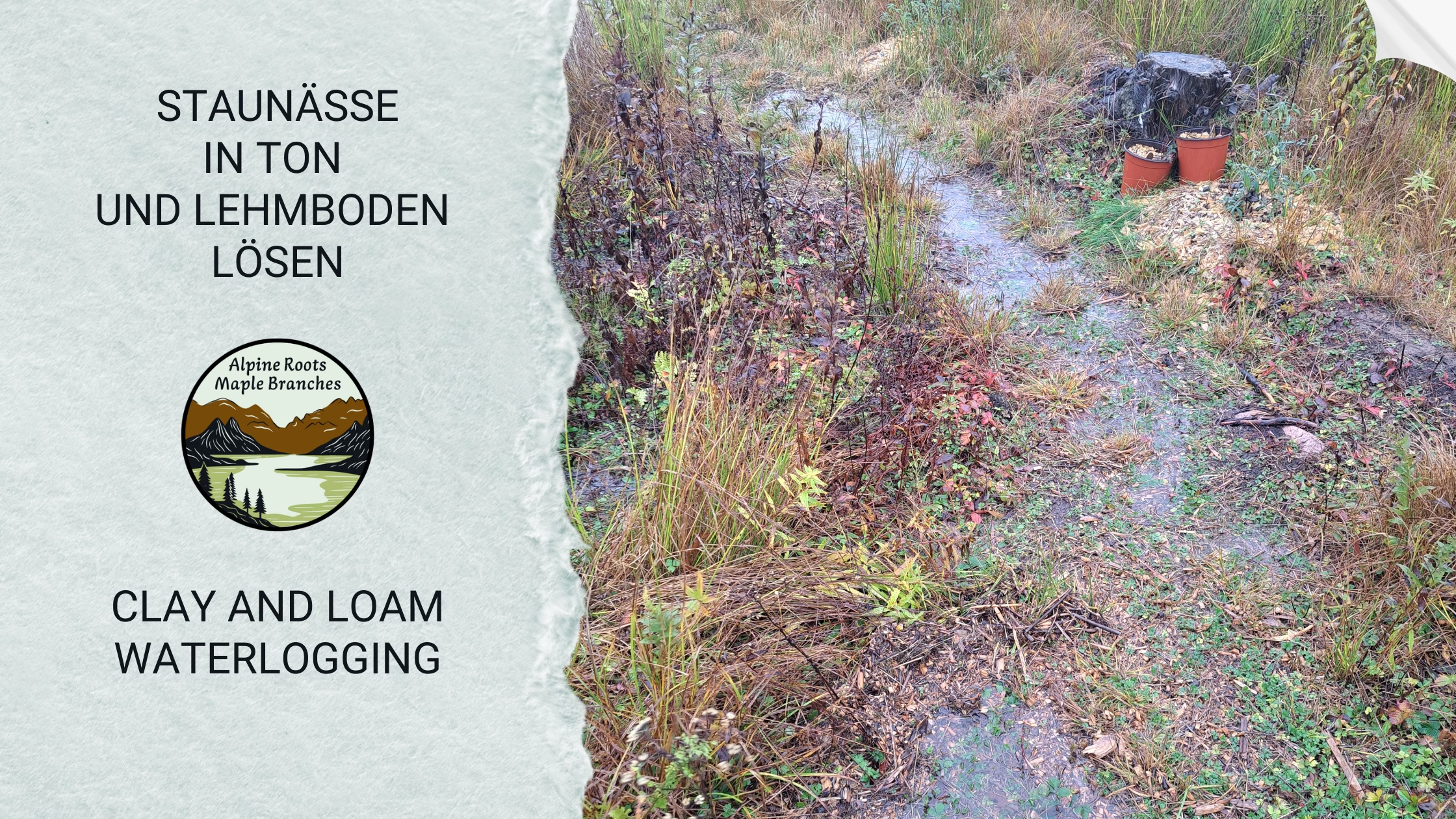
Relief for Clay Soils: In our post on waterlogging and clay soils, we look at the root causes of compacted earth. Urine works as an accelerator here: it draws in microorganisms that help restore structure and gradually open up dense soil.
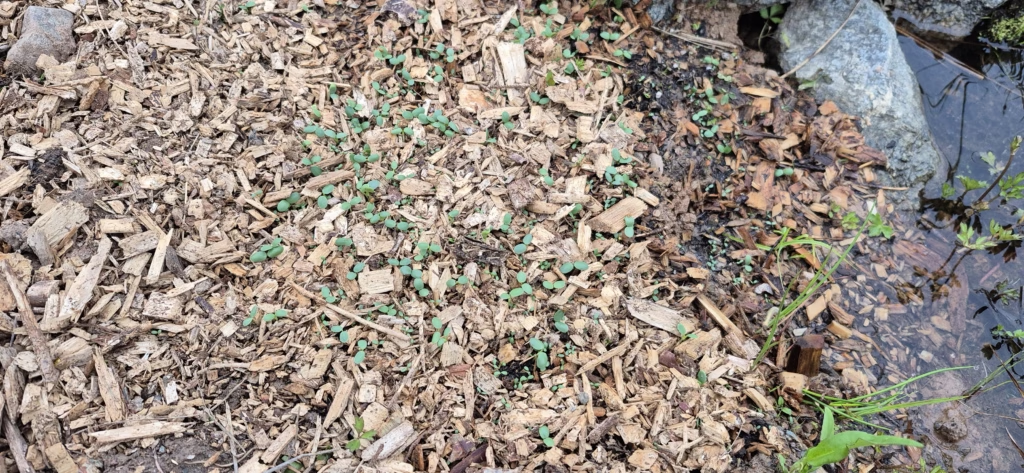
Why Nettles Are Missing – and How Urine Changes That: Nettles are considered tough and unfussy – yet they’re absent from many sites. We use urine to create fertile hotspots. In our post on the Nettle Paradox we explain why this valuable plant so often fails to establish on our island: the soil is simply too nitrogen-poor. Targeted urine applications create the nutrient-rich patches that nettles need to take hold.
Sovereignty Through Closed-Loop Thinking
Once we understand that we are not feeding the plant but the soil – and that the soil then feeds the plant – our entire perspective shifts. We move from passive consumers to active shapers of our own resources.
Back to the main Page
Explore more Articles
more plants
Leave a Reply