What It Would Take to Feed Yourself

This article shows, step by step, what it would take for two adults to feed themselves from their own land for a full year. We translate nutrient targets into concrete crop choices and areas: calorie staples (potatoes, sweet potatoes, winter squash, roots), protein from dry beans, soy, lentils and lupins, leafy/brassica greens, sauce and summer vegetables, grains and pseudograins for bread and pasta, plus fat-rich seeds, berries, fruit trees and nuts. Realistic field and storage losses are budgeted; processing (canning, fermenting, milling, flaking) and storage needs are built in. The result is a practical, cool-climate-ready plan with total area requirements, seasonal workload, and resilient meal building blocks that keep plates filled year-round.

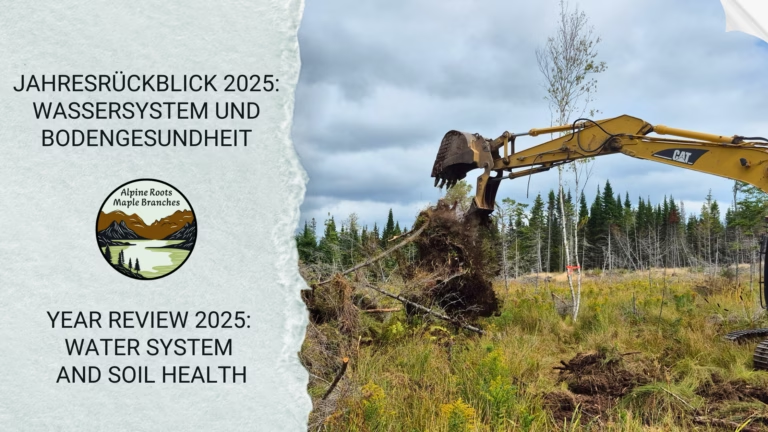
Year in Review 2025: Water System and Soil Health

2025 was a year of quiet but decisive changes on our land in Cape Breton: a new water system with a second pond, prepared beds, a polytunnel, first harvests and many hours of observation. Looking back, it becomes clear how closely water management, soil health and mental wellbeing are interwoven in our everyday life.

Planning your vegetable garden: goals and eating habits

Before you order seeds or design new beds, it helps to step back and ask two simple questions: what do you want your garden to do for you, and how does your household really eat? When you align garden goals with your everyday meals – instead of an idealised wishlist – planning suddenly becomes clearer, more realistic and far easier to sustain through the season.

Last Minute Gift

Still looking for a last minute Christmas gift that feels meaningful
Support the planting of fruit trees or the long term creation of a mixed woodland and help something real take root
And if the recipient wants, they can follow the learning journey through the blog and see how sustainable forest building works step by step

Red Clover: History and Symbolism

Red clover is far more than a humble meadow plant. This article traces its role in agricultural history, explains how clover became a symbol of prosperity, and shows how red clover now sits at the intersection of climate mitigation, soil fertility, symbolism, and modern herbal medicine.

A New Clipart Library for My Content

I’ve discovered CraftNest as a large clipart and design library that I plan to use for future blog posts, recipes, PDFs and other materials. The platform offers far more than just farming motifs – it includes a wide range of cliparts, coloring books, junk journal pages, sublimation designs and SVG files in different styles, many of them as PNGs with transparent backgrounds and commercial use included, making them suitable for both print and web projects.

Haunting Season on the Island

A personal take on Halloween on Cape Breton: why the island glows by September, how events and shared venues connect rural distances, which Gaelic Samhain roots still echo, and how we fold sustainability into everyday life—from swap ideas to the homegrown pumpkin. Rounded out with current Canadian stats on participation, spending, and shopping timelines.

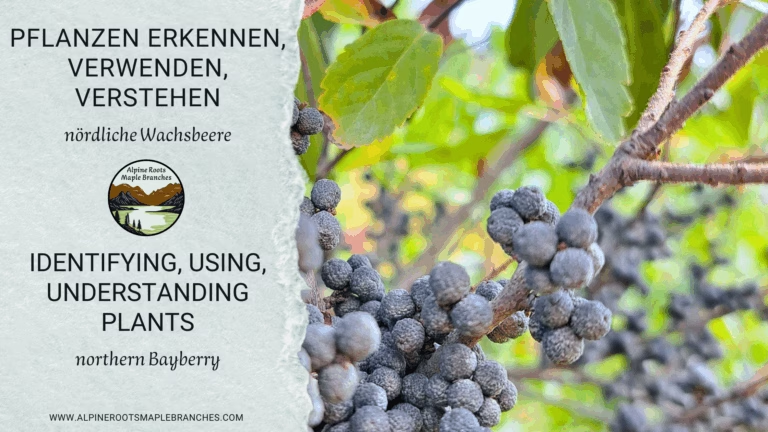
Bayberry: Culture, Candles, Compost

The Northern Bayberry is far more than a source of natural wax. Between coastal winds and colonial history, it tells a story of sustainable craft, folklore, and ecological resilience. Today, it is quietly returning — in candles, compost, and culture.