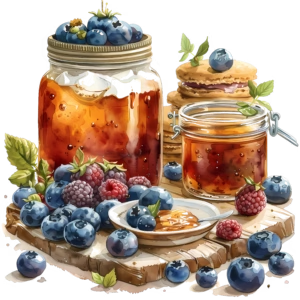
Goldenrod Syrup
A light, floral syrup made by simmering fresh goldenrod blossoms, then sweetening the strained infusion with sugar or honey and a touch of lemon. Lovely in tea, sparkling water, or over desserts.
Equipment
- Medium saucepan with lid
- Fine sieve or muslin cloth
- Heatproof measuring jug
- Ladle and funnel
- Clean bottles or jars with lids
- Optional: kitchen thermometer
Ingredients
- 2 handfuls fresh goldenrod flowers no tough stems
- 500 ml water
- 500 g sugar or runny honey about 2½ cups sugar
- ½ lemon juice optional a few strips of zest
Instructions
- Make the infusion: Combine flowers and water in a saucepan. Bring just to a simmer, cover, and cook gently for 15 minutes.
- Strain: Pour through a fine sieve or muslin into a measuring jug, pressing lightly. Discard the plant material.
- Sweeten: Return the strained liquid to the pan. Add sugar or honey and the lemon juice (and optional zest).
- If using sugar: Heat to a gentle boil, stirring until fully dissolved; simmer 5–10 minutes until lightly syrupy.
- If using honey: Warm gently below a boil, stirring until dissolved; keep the heat low to preserve aroma.
- Bottle: Ladle hot syrup into clean, hot bottles or jars. Wipe rims and seal. Let cool, then refrigerate.
- Use: Stir 1–2 tablespoons into tea or sparkling water, drizzle over yogurt, pancakes, waffles, fruit, or ice cream.
Notes
- Flavor: Goldenrod is delicately floral; lemon brightens and balances the sweetness.
- Consistency: A target of ~103–104 °C (217–219 °F) gives a light syrup. It will thicken slightly as it cools.
- Storage: Keep refrigerated and use within 4–6 weeks.
- Pantry option: For longer storage, process sealed bottles 10 minutes in a gently boiling water bath (add 5 minutes above ~300 m / 1000 ft). Store cool and dark; refrigerate after opening and use within 2–3 weeks.
- Sourcing: Use correctly identified goldenrod blooms, clean and unsprayed.
- Safety: Honey is not suitable for infants under 12 months. If you’re sensitive to plants in the Asteraceae family, test cautiously.