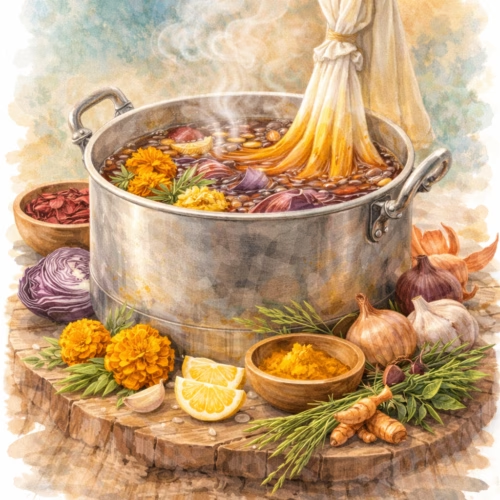
Bayberry Dye Bath
A gentle, plant-based dye made from bayberry residues left after wax extraction. Simmer to extract color, strain, then dye pre-wetted natural fibers. Expect pale greenish to gray/olive tones depending on fiber, mordant, and pH.
Equipment
- Large non-reactive pot (stainless steel)
- Second pot or bucket for straining
- Fine sieve or muslin cloth
- Stirring spoon (wood or stainless)
- Tongs or dye stick
- Gloves and apron
- Thermometer (optional)
- Bucket/bowl for pre-soaking fibers
Ingredients
- Bayberry residues after wax extraction, well drained
- Water
- Natural fabrics or yarns cotton, linen, wool, silk, pre-washed and pre-wetted
- Optional mordants
- – Protein fibers wool/silk: alum 10–15% WOF
- – Cellulose cotton/linen: alum 5–10% WOF + 5% cream of tartar or citric acid
- Optional modifiers
- – 1–2% iron ferrous sulfate of WOF for olive/gray-green shift
- – 1 tsp vinegar cooler, fresher tone or 1 tsp baking soda (warmer tone)
Instructions
- Prepare fibers: Wash to remove finishes/oils. Pre-soak in clean water. Mordant if desired (see amounts), rinse lightly, keep damp.
- Extract dye: Cover bayberry residues with water in the stainless pot. Simmer gently (not a rolling boil) for 30–60 minutes.
- Strain: Pour through a sieve/muslin into a second vessel; press residues lightly. Return the clear dye liquor to the dye pot.
- Dye: Add pre-wetted fibers. Maintain just under a simmer for 60–120 minutes, moving gently for even color. Do not boil wool.
- Cool & set: Remove from heat and let fibers cool in the bath 30–60 minutes.
- Rinse & dry: Lift out, rinse in cool water until clear, gently squeeze, and dry in the shade.
- Modify (optional): For olive tones, dip damp fibers 5–10 minutes in a very weak iron bath (1–2% WOF), watch the shift closely, then rinse well.
Notes
- Shade range: Pale greenish to gray/olive; protein fibers take deeper color than cellulose.
- pH effect: Slightly acidic → cooler green-gray; slightly alkaline → warmer olive.
- Clarity: Filtering the liquor reduces flecks and yields cleaner color.
- Scaling: For deeper shades, increase residues (up to a brimming pot per 100 g fiber) or extend dye time.
- Fastness: Improves with proper mordanting and a 24–48 h cure before first wash; use pH-neutral soap.
- Safety & Sustainability
- Wear gloves; keep food and dye equipment separate.
- Ventilate well and avoid copper/iron pots (they shift color).
- Dispose of plant waste in household trash/compost; don’t pour concentrated baths into waterways.