
The Nettle Paradox: Why the Island Denies Us Its Presence
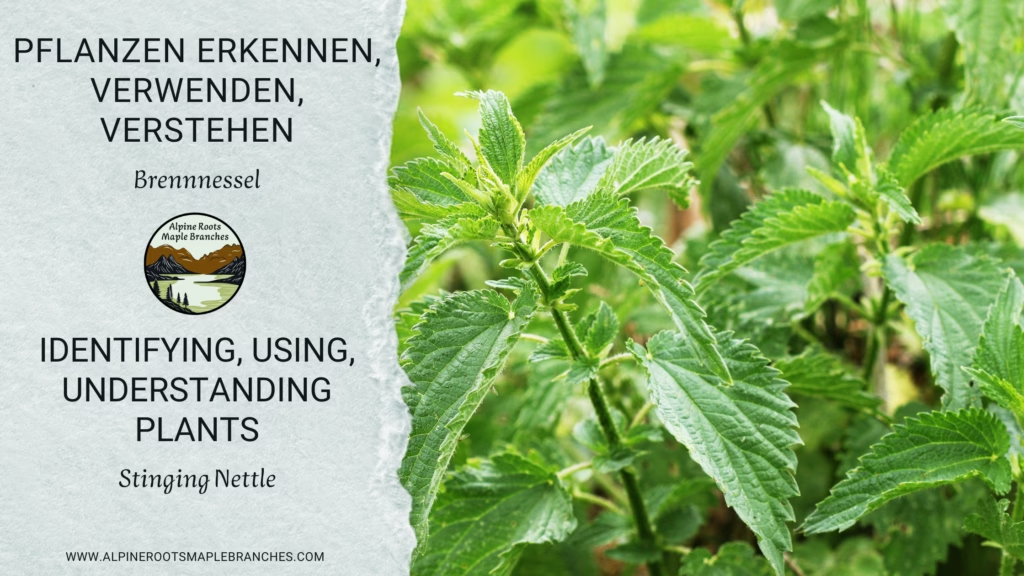
Discover the Nettle Paradox in Cape Breton: Why this resilient plant is absent from the boreal wild and how we are strategically reintroducing it. Learn about our ecological pioneer work, from soil pH management and 15% safety-buffered yield planning to the production of high-performance liquid manure for short growing seasons. A deep dive into biodiversity, soil health, and sustainable self-sufficiency in Climate Zone 5b/6a.
Red Clover: History and Symbolism
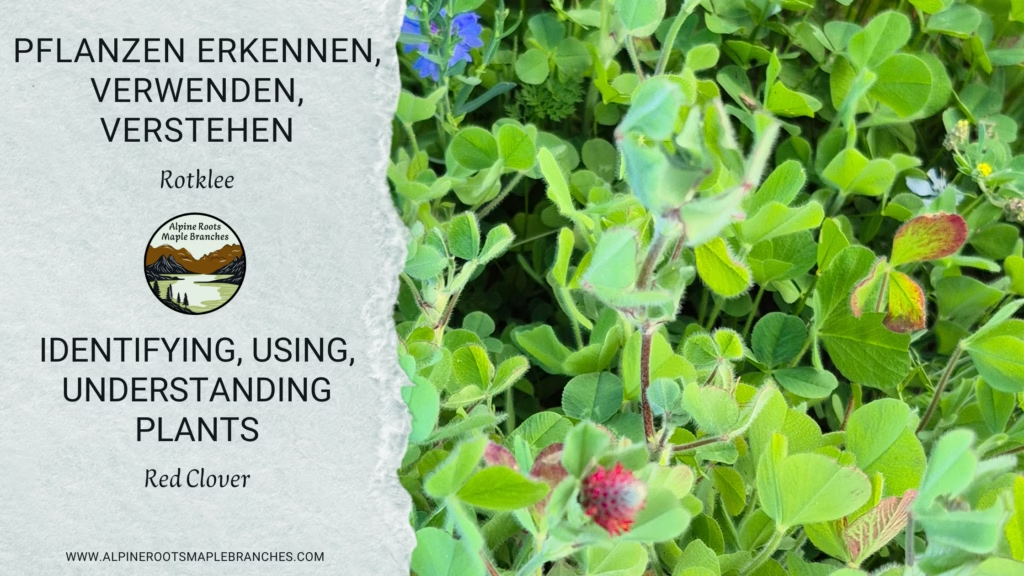
Red clover is far more than a humble meadow plant. This article traces its role in agricultural history, explains how clover became a symbol of prosperity, and shows how red clover now sits at the intersection of climate mitigation, soil fertility, symbolism, and modern herbal medicine.
Bittersweet Nightshade: identify and act
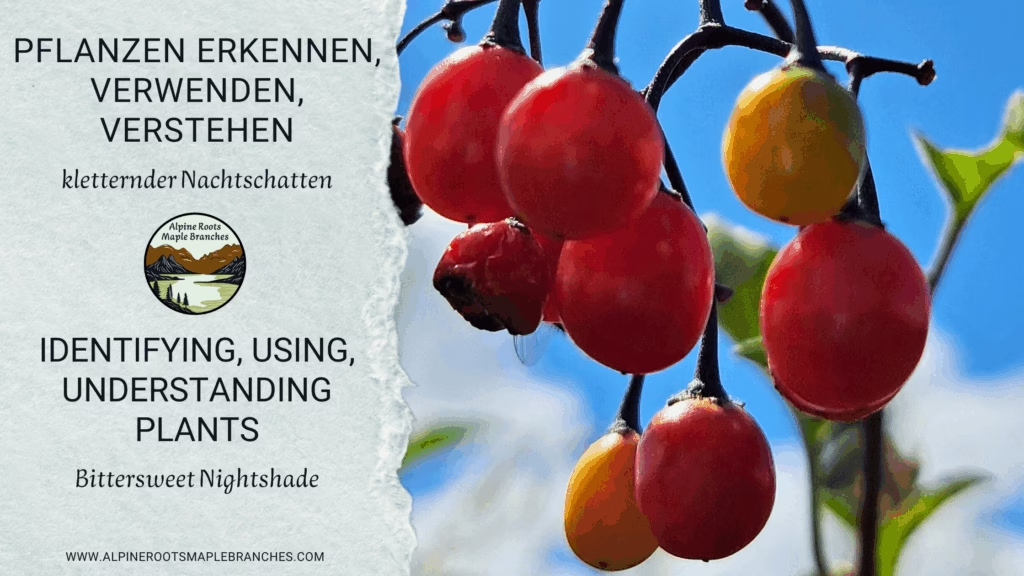
Bittersweet Nightshade is poisonous but ecologically active: it can feed pollinating bees via buzz pollination, add cover/structure, and provide bird food.
Bayberry: Culture, Candles, Compost
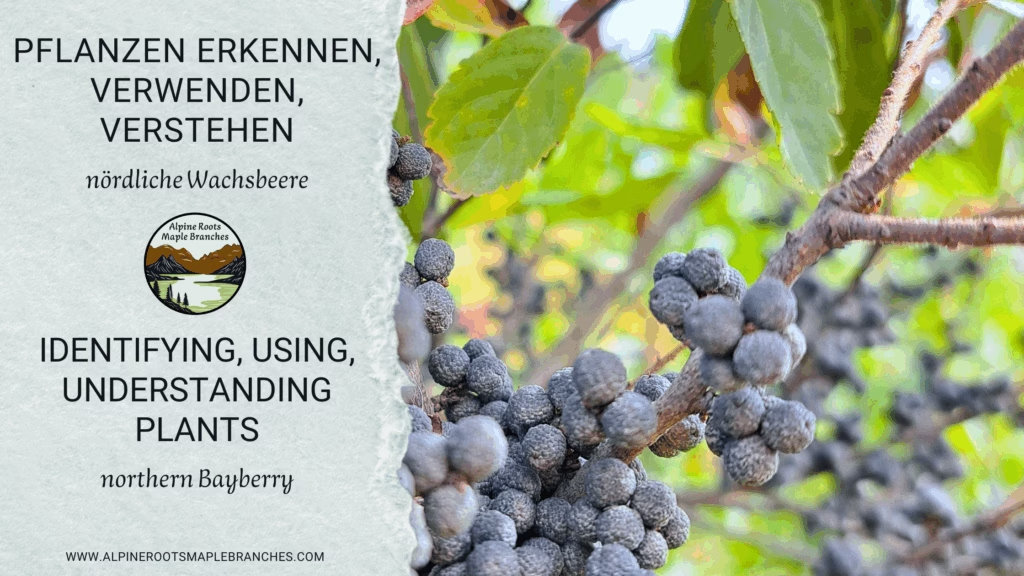
The Northern Bayberry is far more than a source of natural wax. Between coastal winds and colonial history, it tells a story of sustainable craft, folklore, and ecological resilience. Today, it is quietly returning — in candles, compost, and culture.
Canada Goldenrod – golden abundance along the wayside
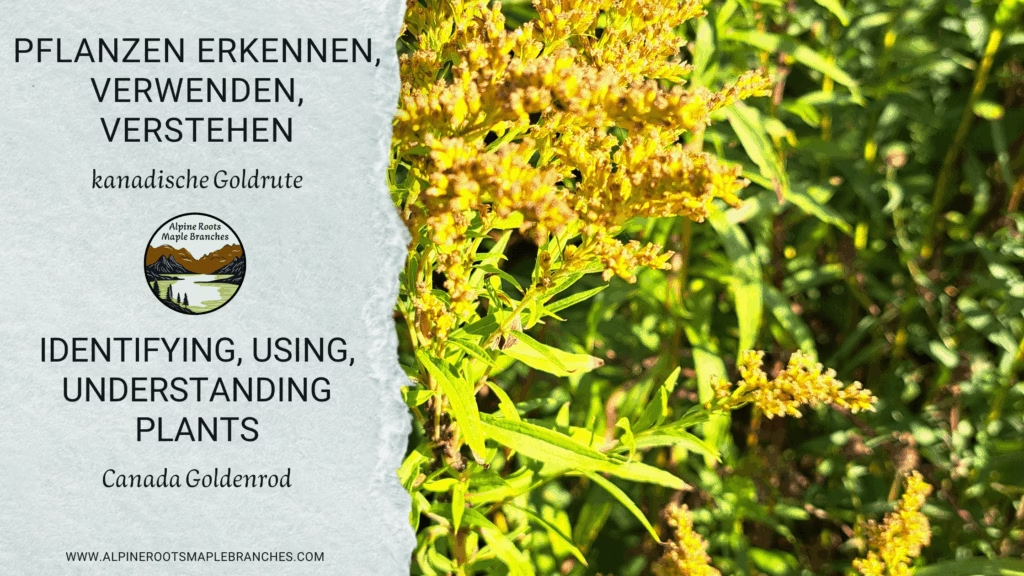
Canada Goldenrod lights up late summer with golden blossoms that feed pollinators and offer us healing, nourishment, and craft. Once seen only as invasive, this resilient plant reveals a wealth of uses – from herbal teas and tinctures to natural dyes and cosmetics – when harvested with care.
Usnea – Forest Wisdom in Threads

Usnea, also known as beard lichen, is more than forest decoration. As a bioindicator of clean air and a quiet herbal ally, it thrives where nature still breathes. In this post, you’ll discover its healing properties, how to identify it, and why respectful use matters more than ever.
When the Soil Lives, Everything Thrives
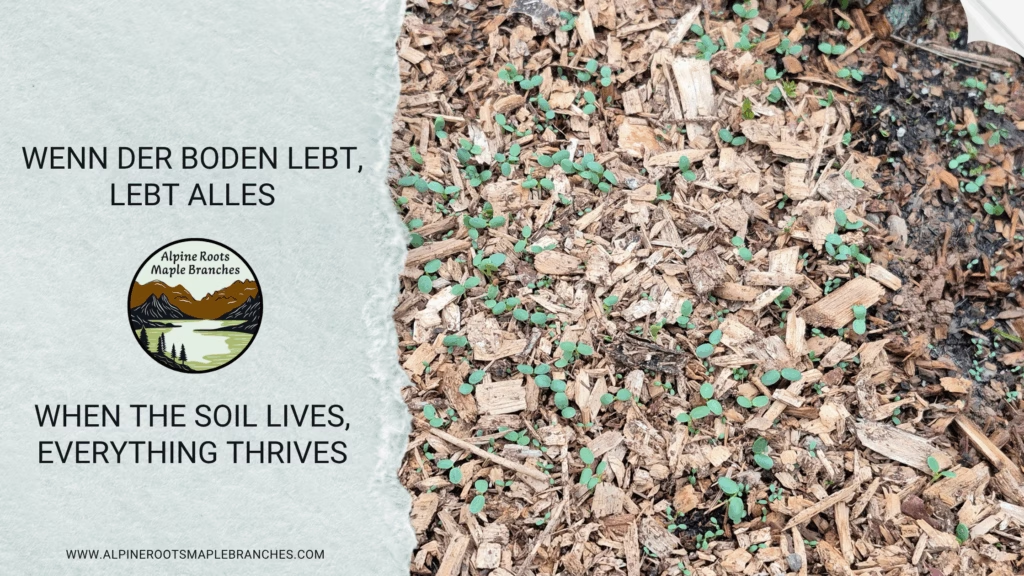
Healthy soil is the foundation of every thriving garden. It stores water, supplies nutrients, and supports a resilient ecosystem. This article explains how living soil works, why humus matters, and how to care for and improve your garden’s soil in natural, sustainable ways.
Why Gardening Makes You Happy
Gardening is gentle medicine for body and mind—balancing hormones, reducing stress, cultivating mindfulness, and nurturing resilience. It offers a deep sense of self-efficacy and connection to nature. This article explores the science behind why working with plants, soil, and sunlight heals us—even when the harvest fails.
Planting Garlic Made Easy: Tips for a Bountiful Harvest
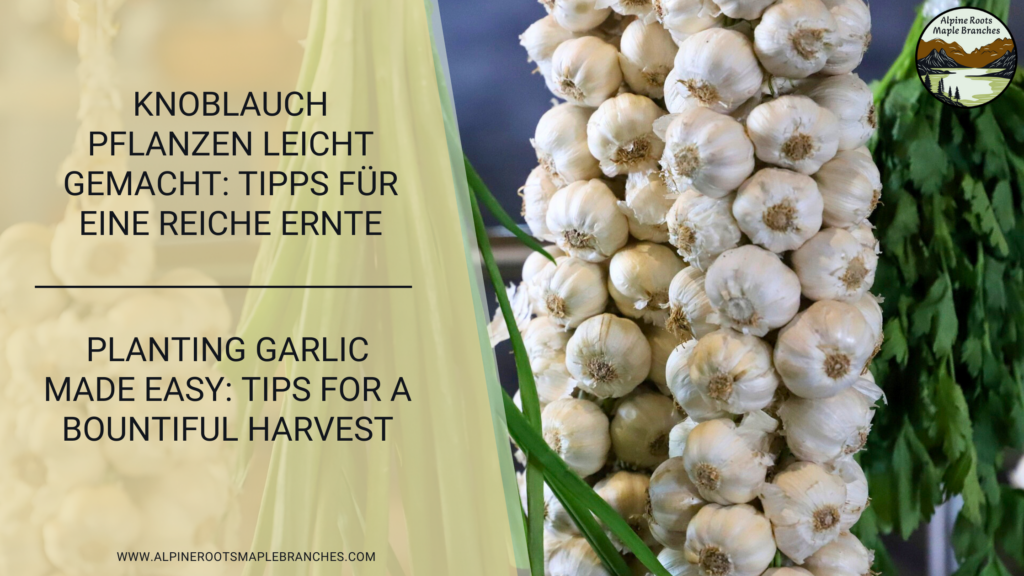
Garlic is a versatile plant that is not only easy to grow but also offers many health benefits. In USDA hardiness zone 5b, which covers much of North America, average annual temperatures range from 4°C to 10°C (39°F to 50°F). Winter temperatures can drop as low as -26.1°C to -23.3°C (-15°F to -10°F), while summer […]
The Hidden Treasures of the Lowbush Blueberry – A Powerhouse from the Forest
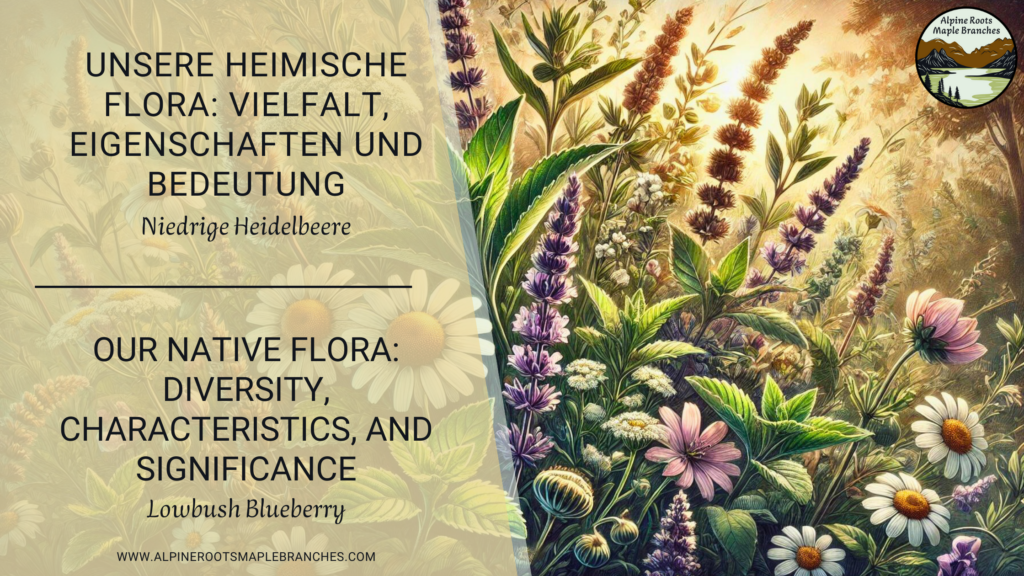
On our property, in the lower fifth, we found it: the Lowbush Blueberry. Discovering several large patches of wild blueberries brought us great joy. You can read more about our find in the recent blog post, „Blueberries, Construction Projects, and Animal Challenges.“ For detailed information about the plant itself, feel free to check out the plant […]