Bittersweet Nightshade: identify and act
Bittersweet Nightshade is poisonous but ecologically active: it can feed pollinating bees via buzz pollination, add cover/structure, and provide bird food.
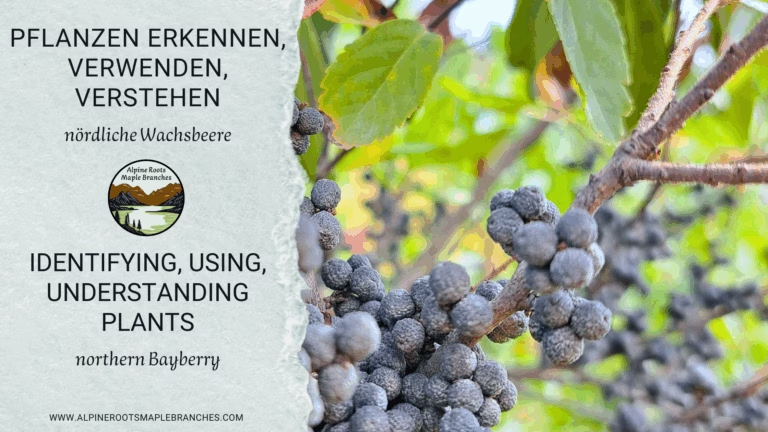
The Northern Bayberry is far more than a source of natural wax. Between coastal winds and colonial history, it tells a story of sustainable craft, folklore, and ecological resilience. Today, it is quietly returning — in candles, compost, and culture.
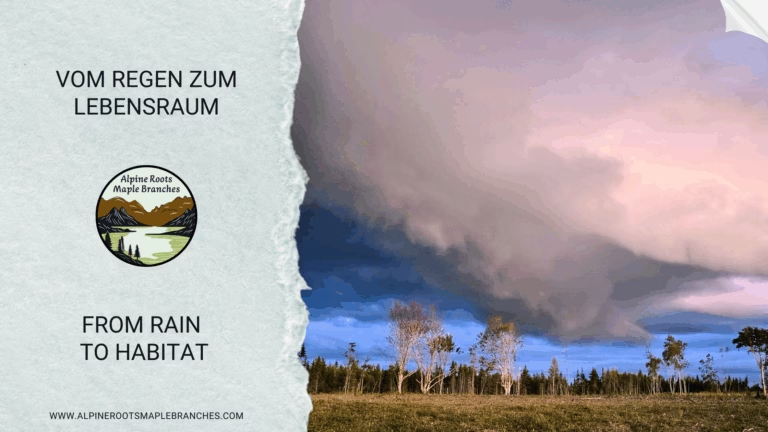
A year of watching before digging: how we harvest, steer, and store hillside rain with a diversion drain, gentle overflows, and a new pond. After nearly 16 rain-free weeks, our water system is the difference between stress and stability for soil, plants, and wildlife.
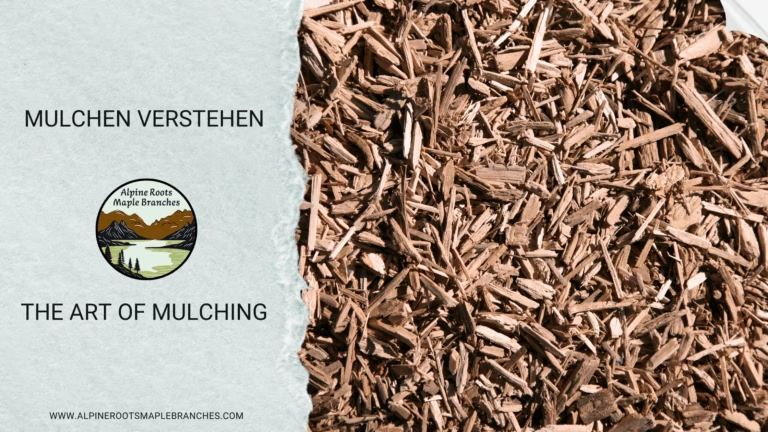
Mulching protects soil, conserves moisture, and supports soil life. Learn which materials work best, their pH effects, and how to mulch in Zone 6a.
Pirate Days transform St. Peter’s each September into a vibrant pirate village. What began as a local initiative has grown into a colorful festival of parades, costumes, treasure hunts, and fireworks. Blending maritime history, community spirit, and tourism, it has become a cultural highlight on the Bras d’Or Lake.
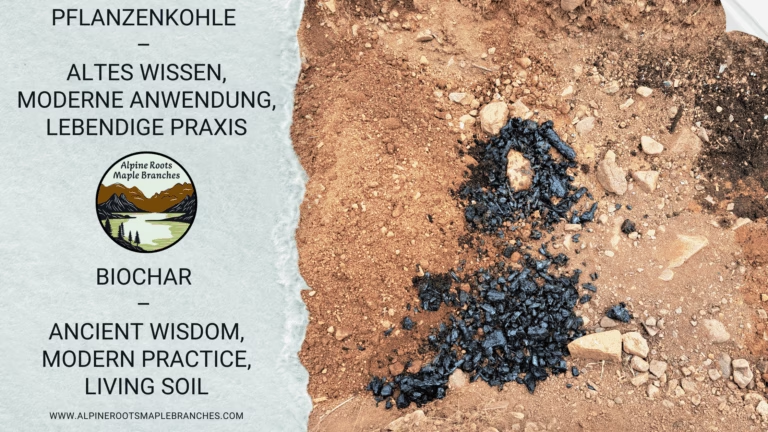
Biochar is more than just “charred wood.” Rooted in ancient traditions like Terra Preta, it combines science and practice to improve soil, boost resilience, and lock away carbon. Learn how it’s made, why “charging” matters, and how it transforms gardens into sustainable, living systems.
Canada Goldenrod lights up late summer with golden blossoms that feed pollinators and offer us healing, nourishment, and craft. Once seen only as invasive, this resilient plant reveals a wealth of uses – from herbal teas and tinctures to natural dyes and cosmetics – when harvested with care.
Classifieds are more than just a place to shop cheaply. They keep items in circulation, save resources, and foster connections within communities. From free building materials for garden projects to everyday items finding a second life – sharing through online marketplaces has become part of a sustainable culture.
Whether you’re starting a vegetable bed or planting perennials, success in the garden depends not only on light, soil, and water – but also on your zone. Plant hardiness zones help you choose species that survive local winters. In this detailed guide, we explore what hardiness zones are, how they’re structured globally, and what they mean for growers on Cape Breton Island, located in Zone 6a. With practical tips, a full USDA zone table, and zone-specific planting advice, this article is your roadmap to climate-smart gardening.
Small blogs often carry the biggest ideas – but they rarely get seen. That’s why we’ve joined Trusted Blogs. The platform helps bloggers like us become more visible, connect with the right audience, and find meaningful collaborations. Why we made this move – and why it might inspire you too.