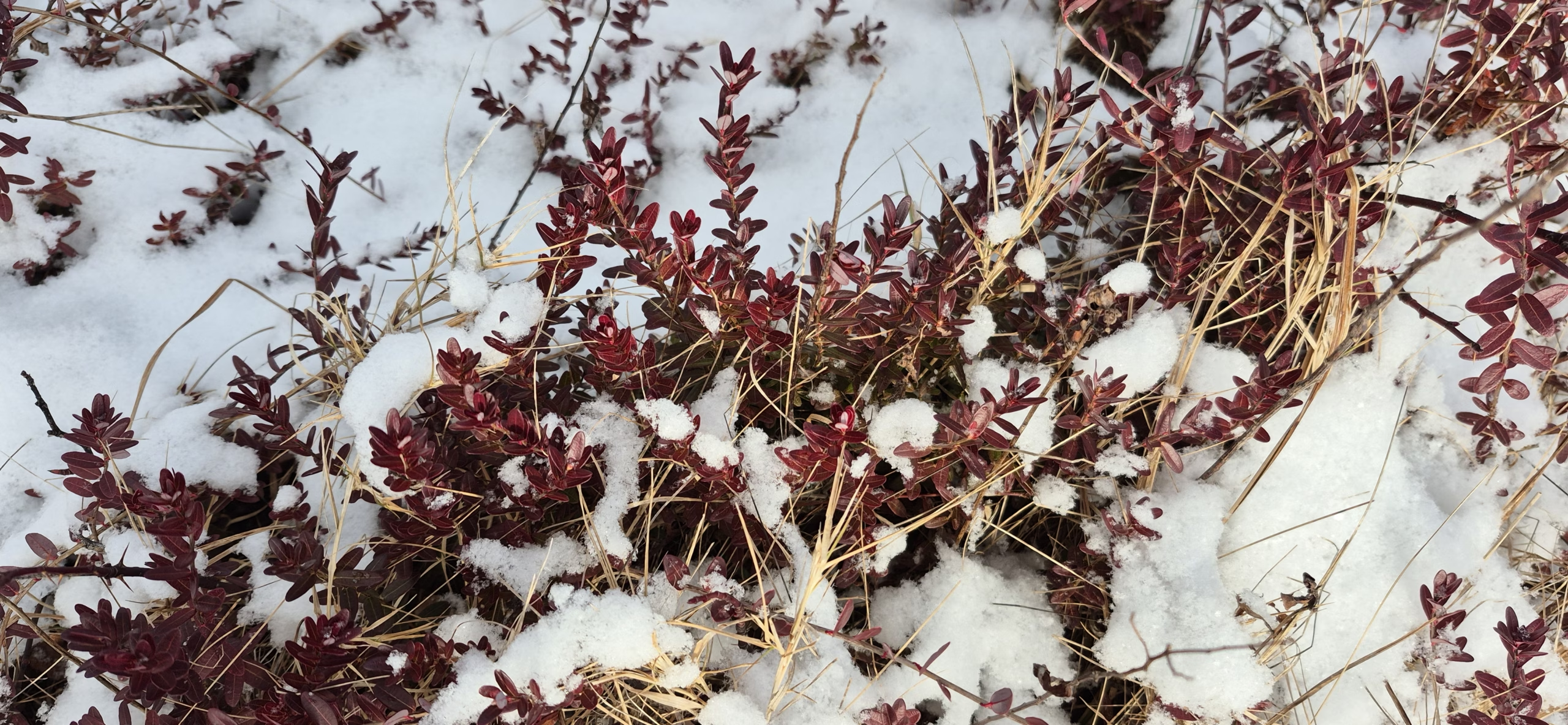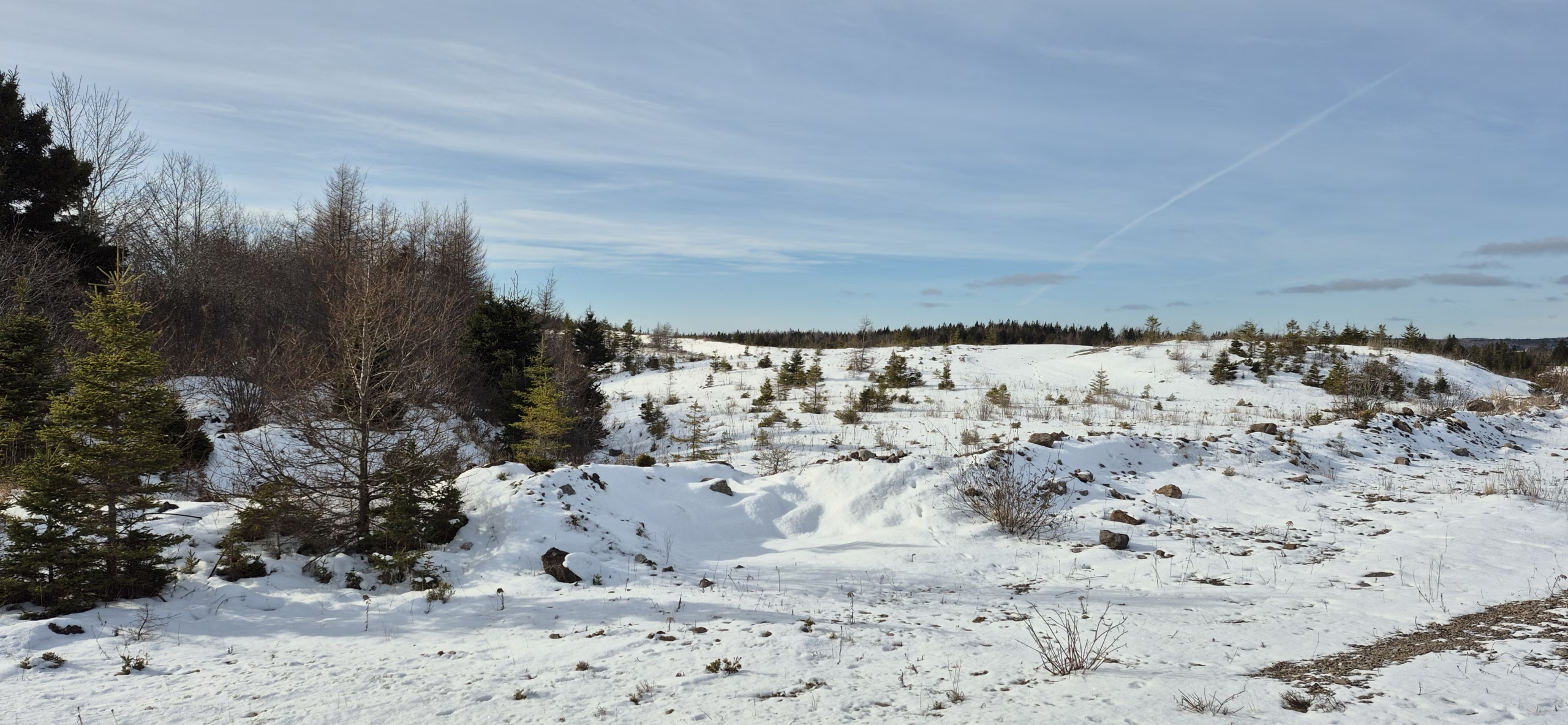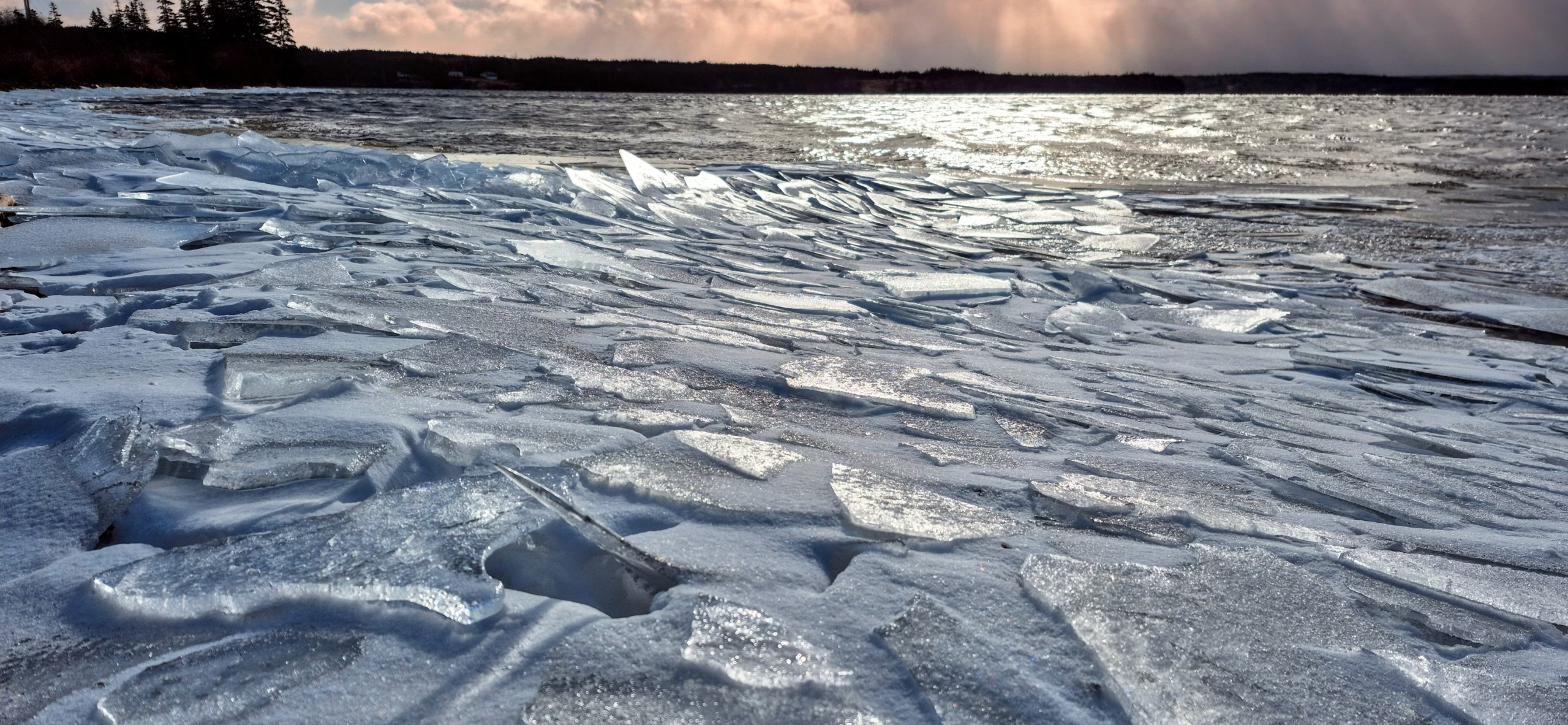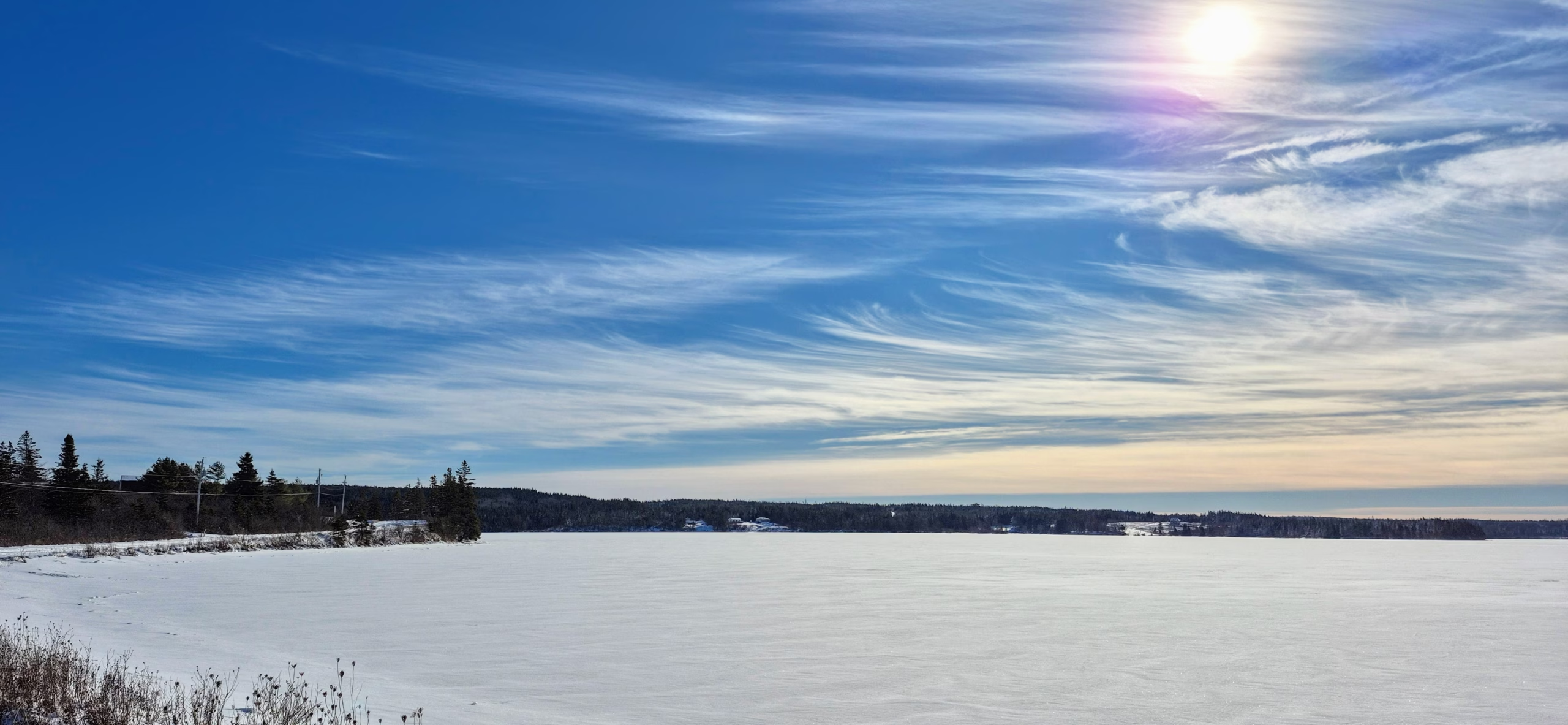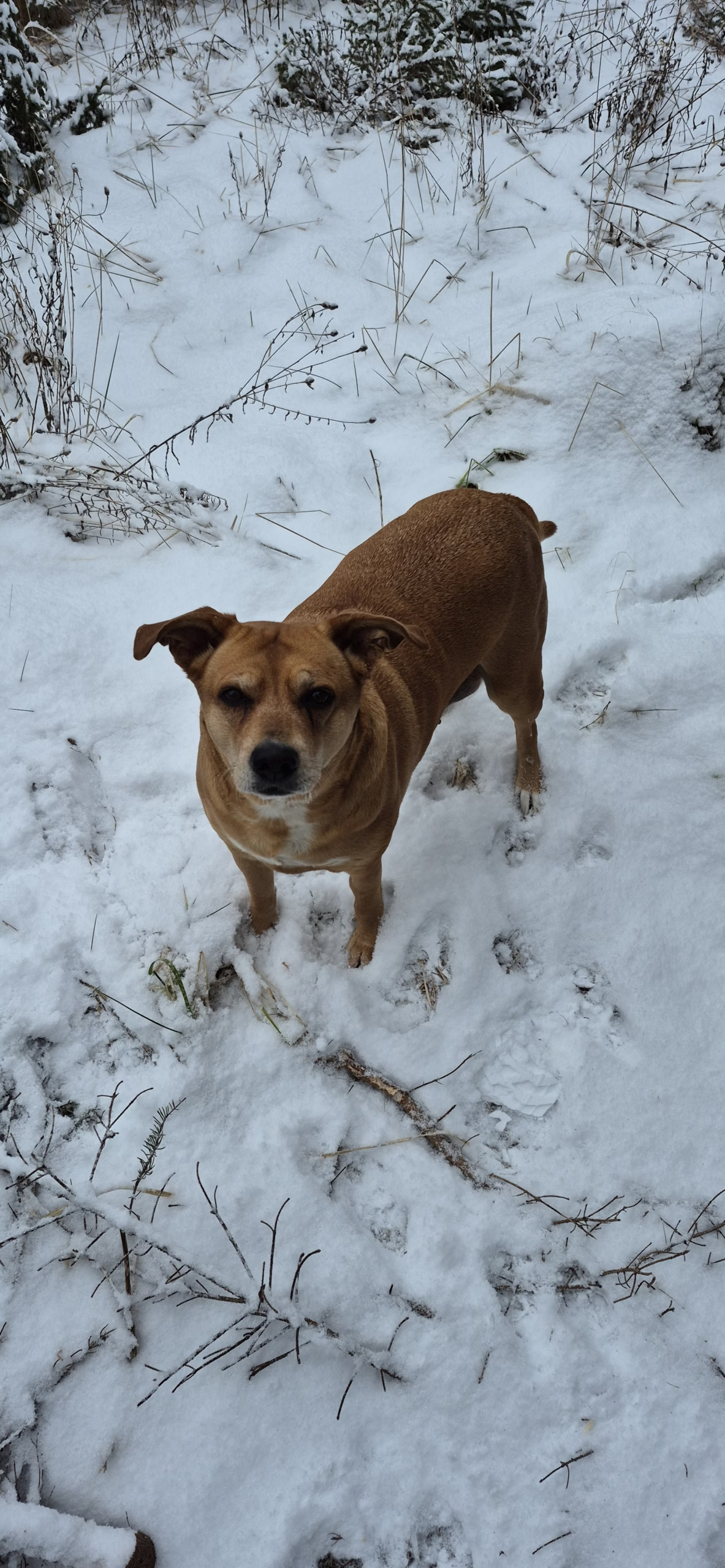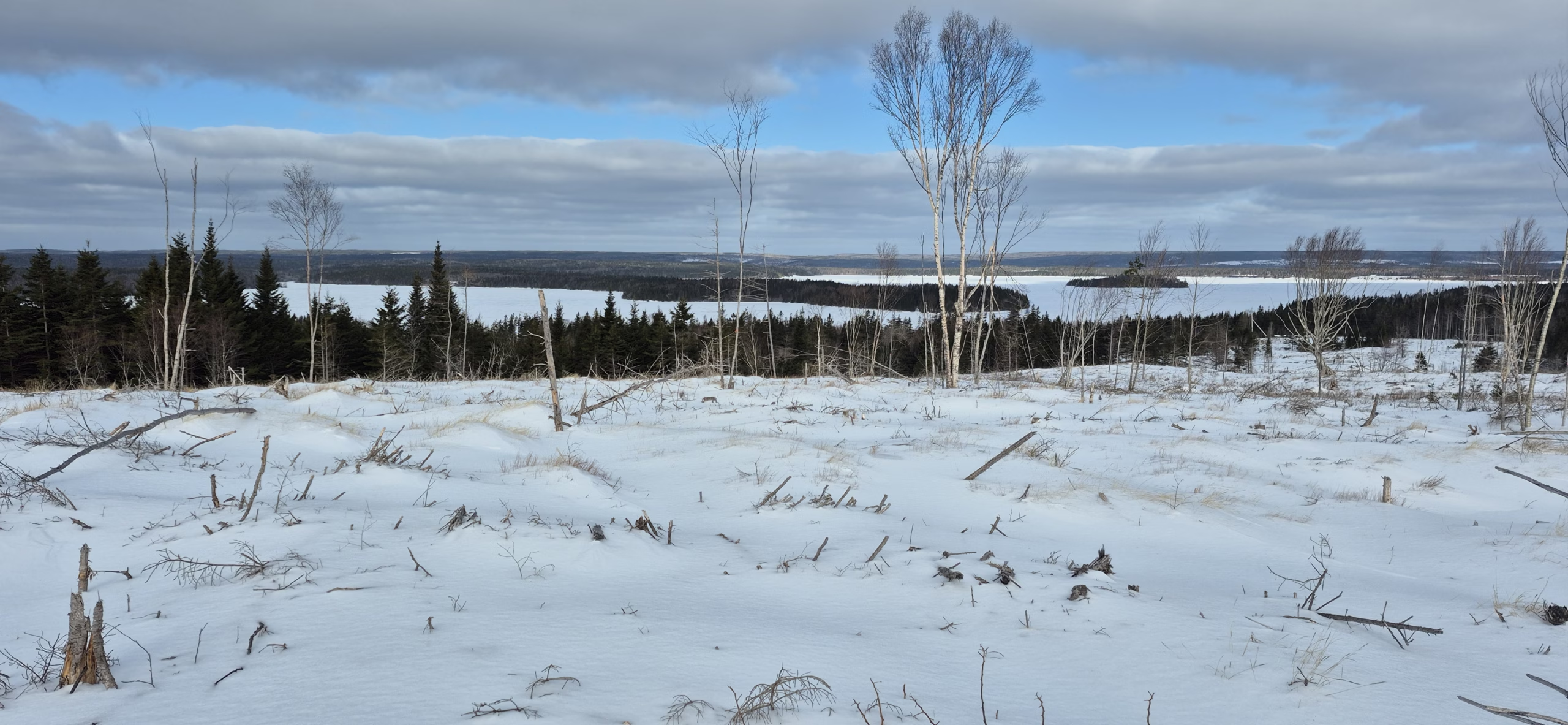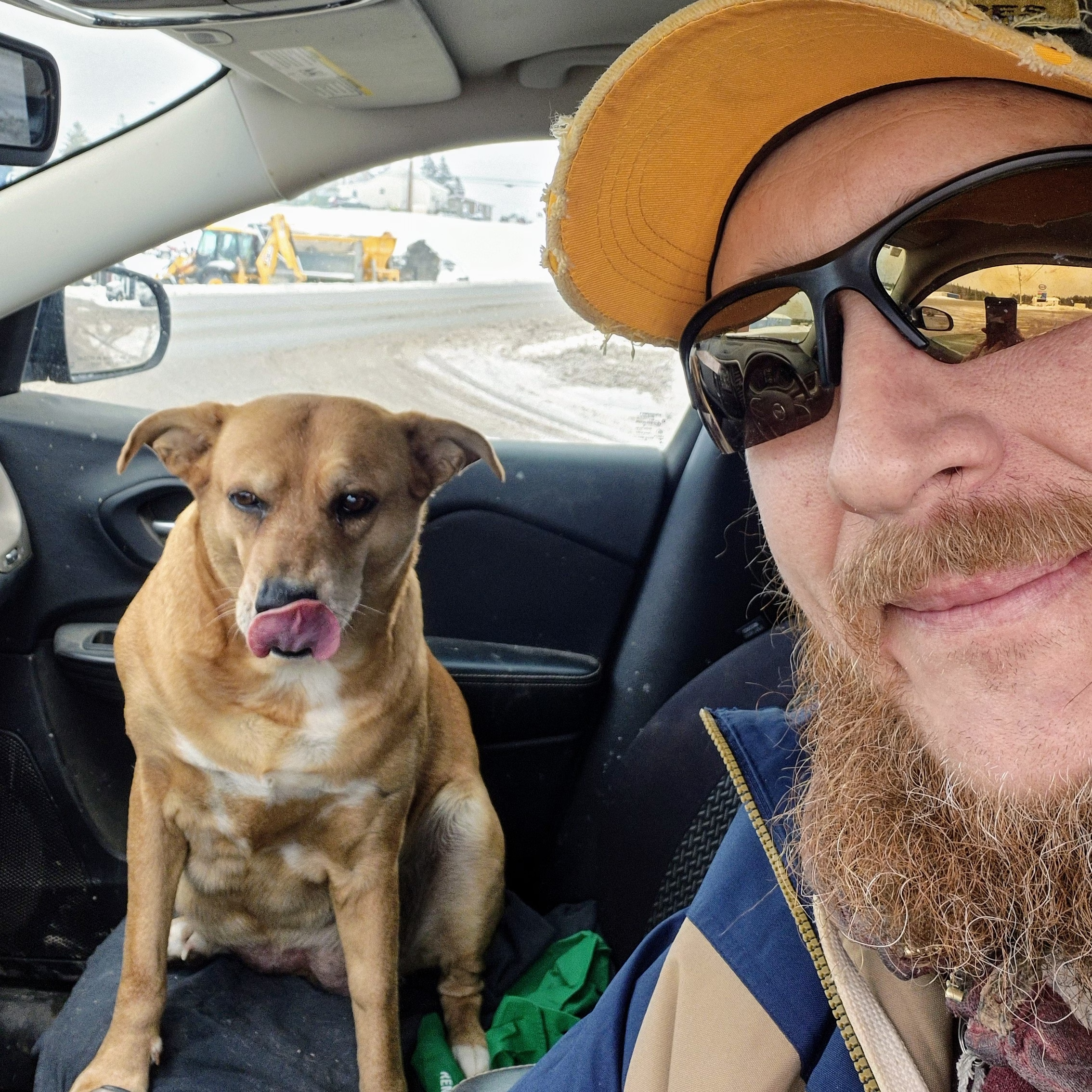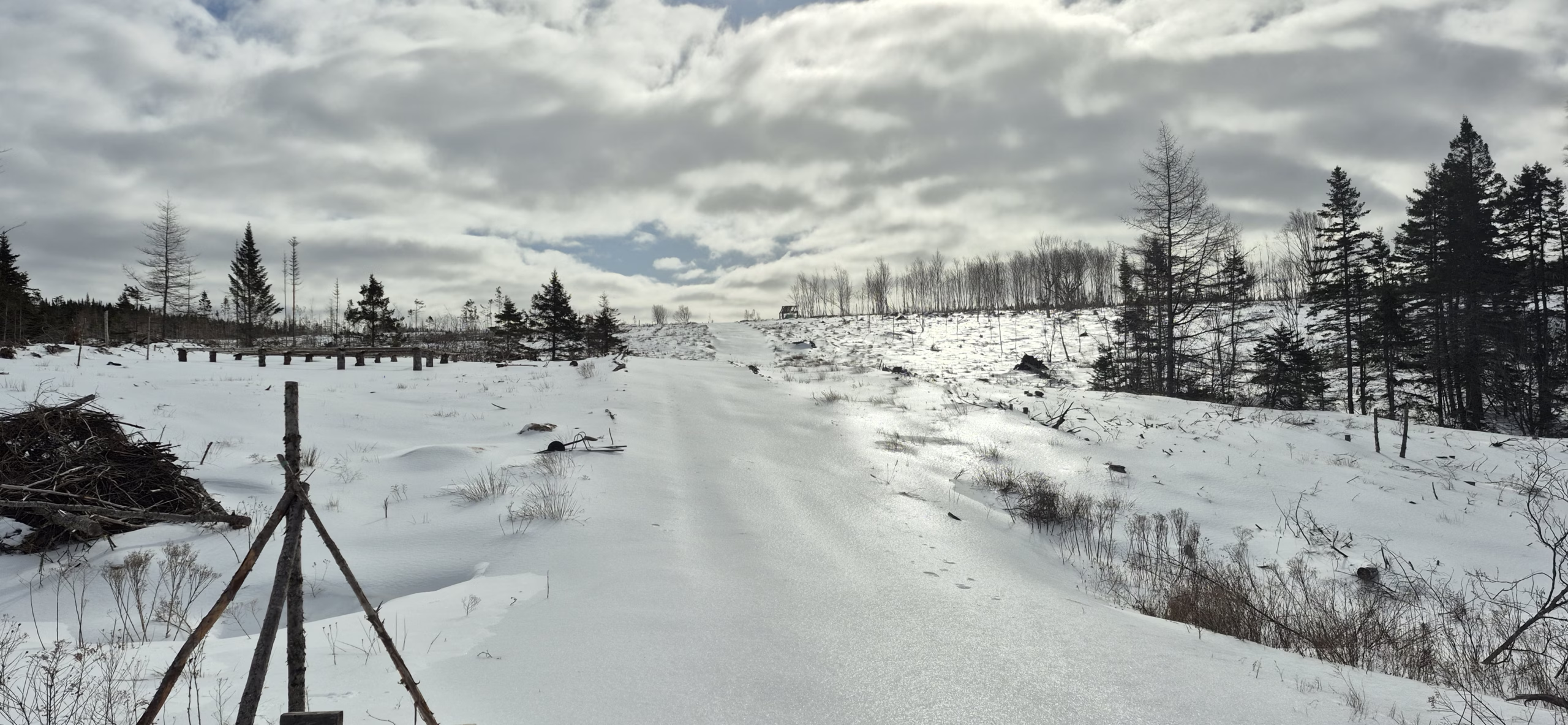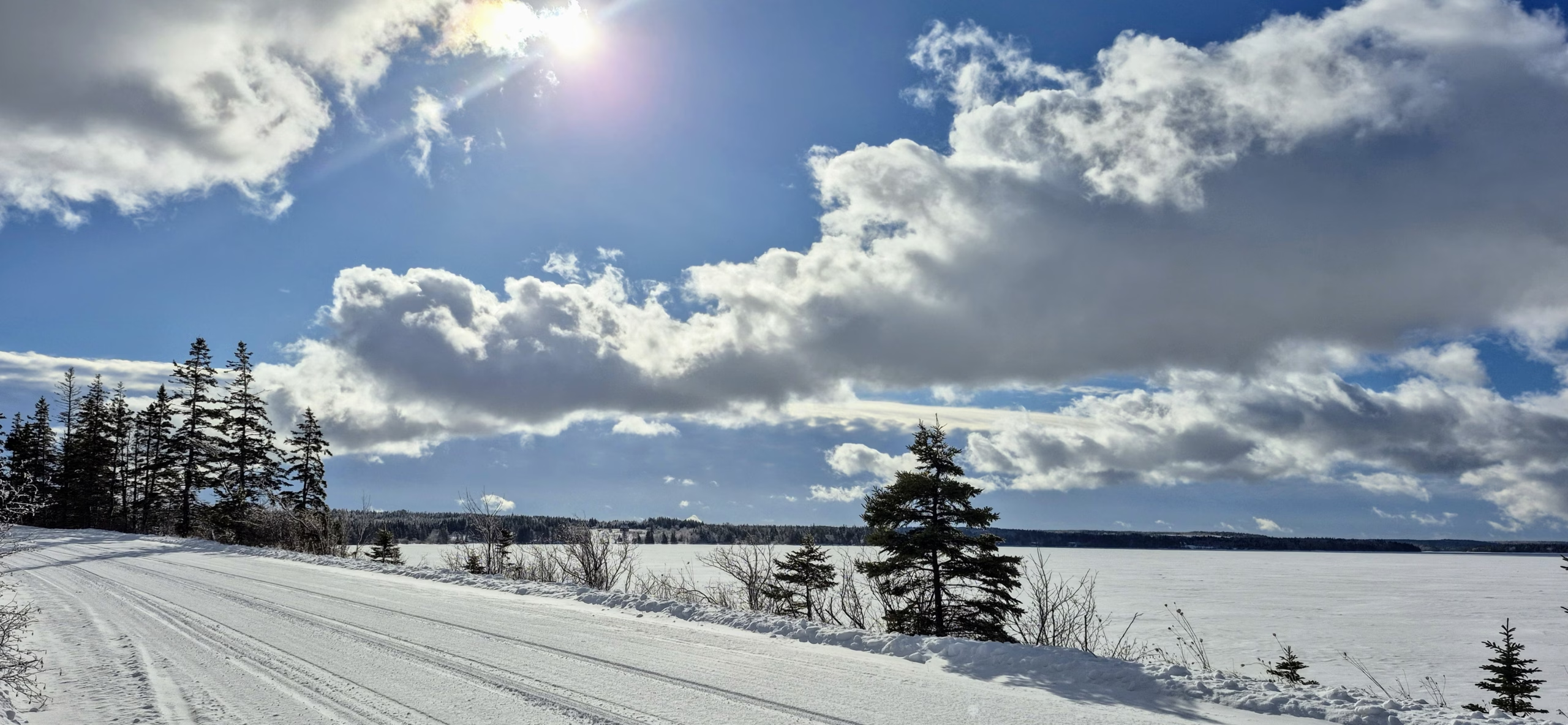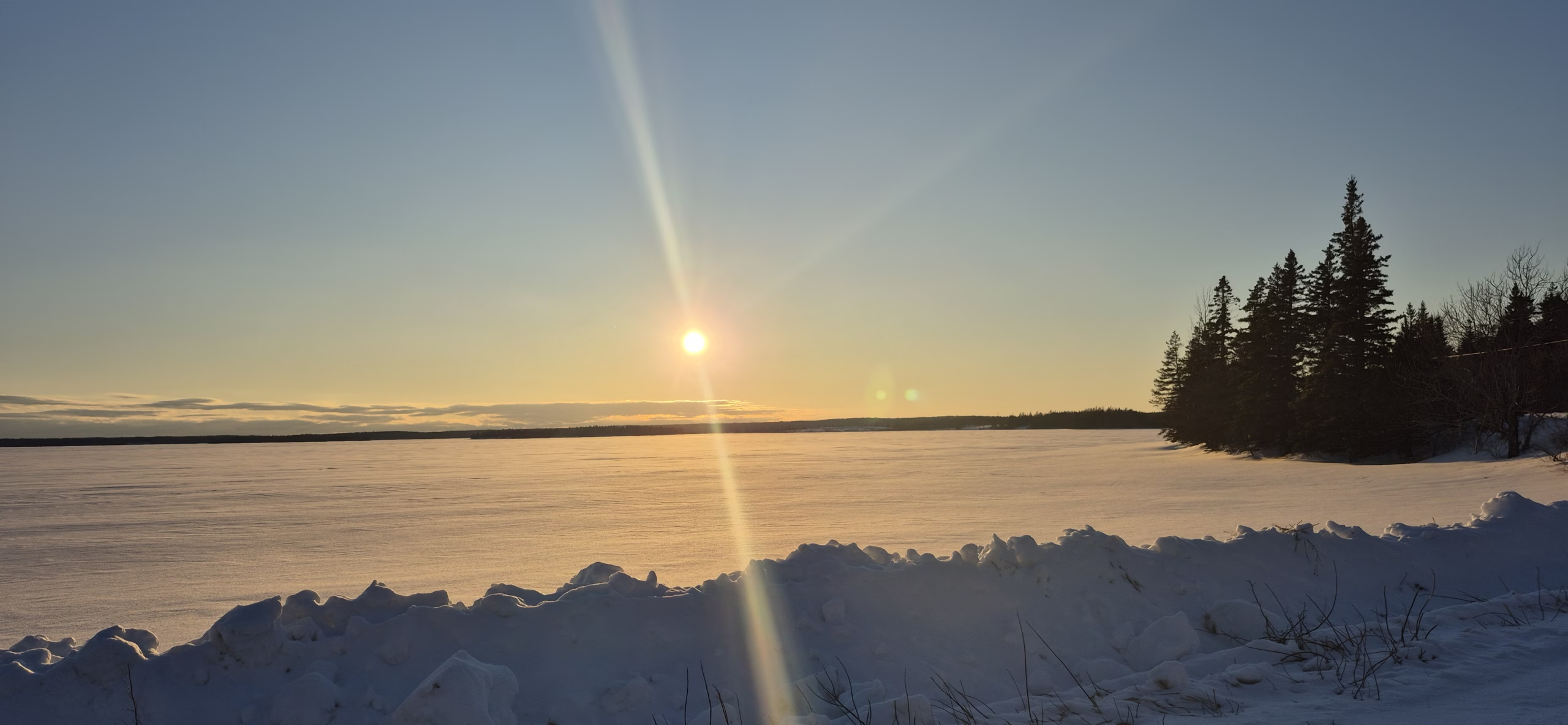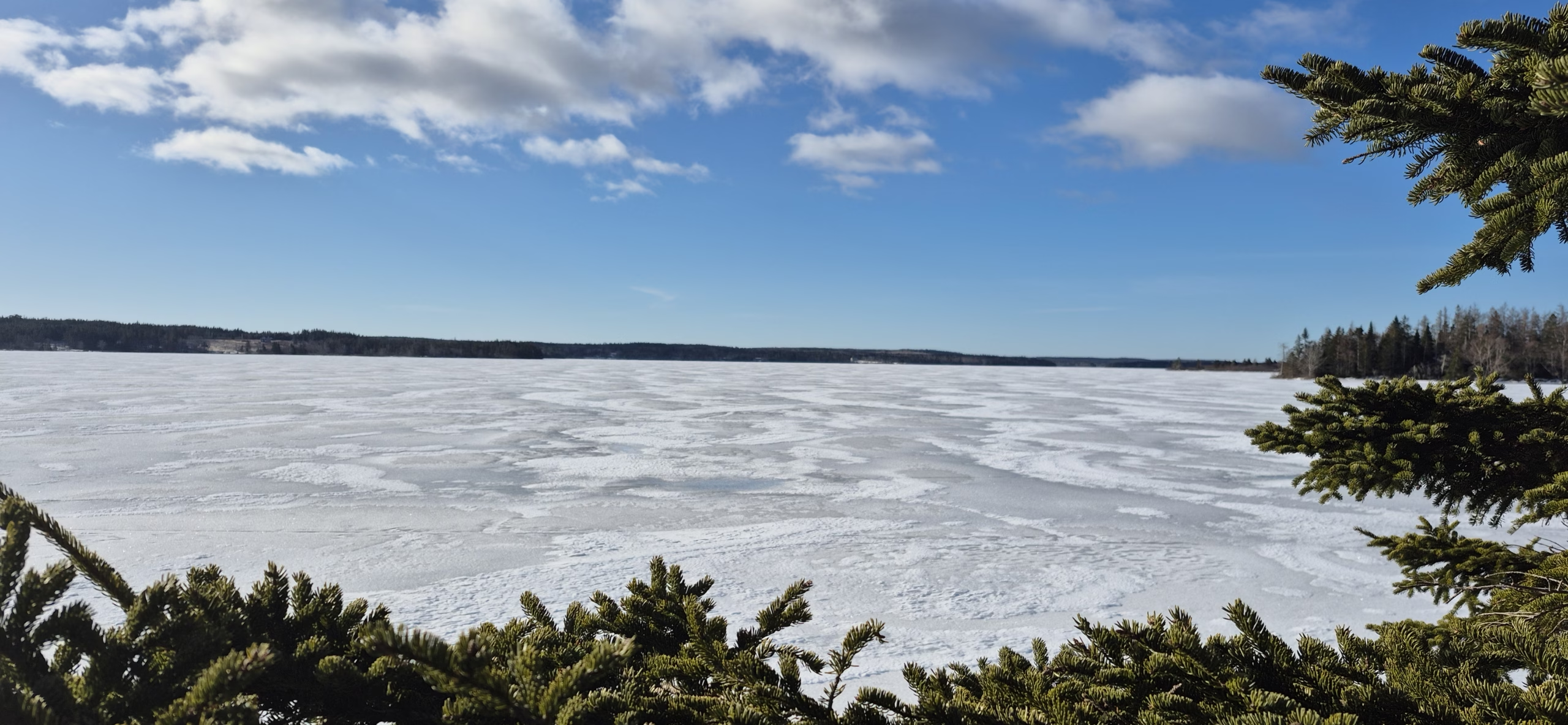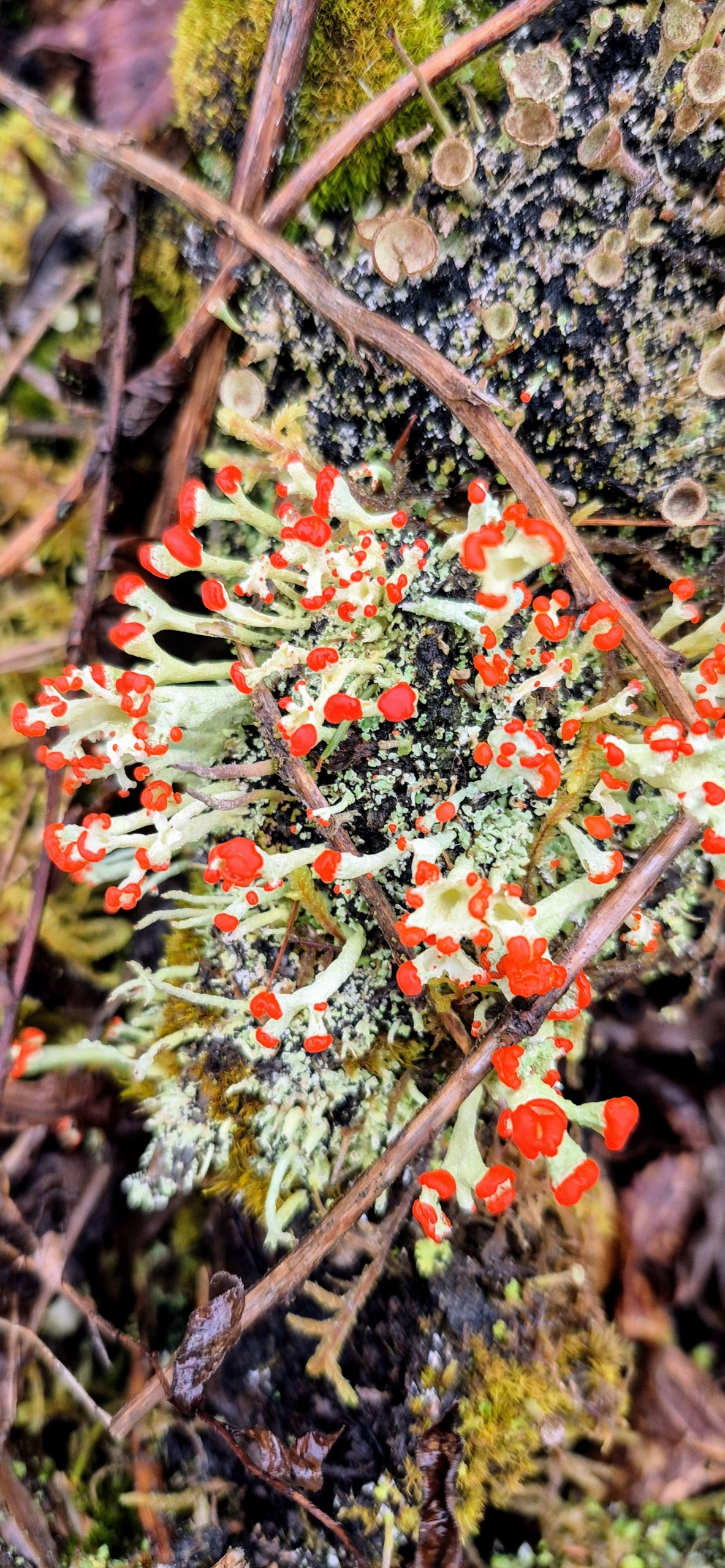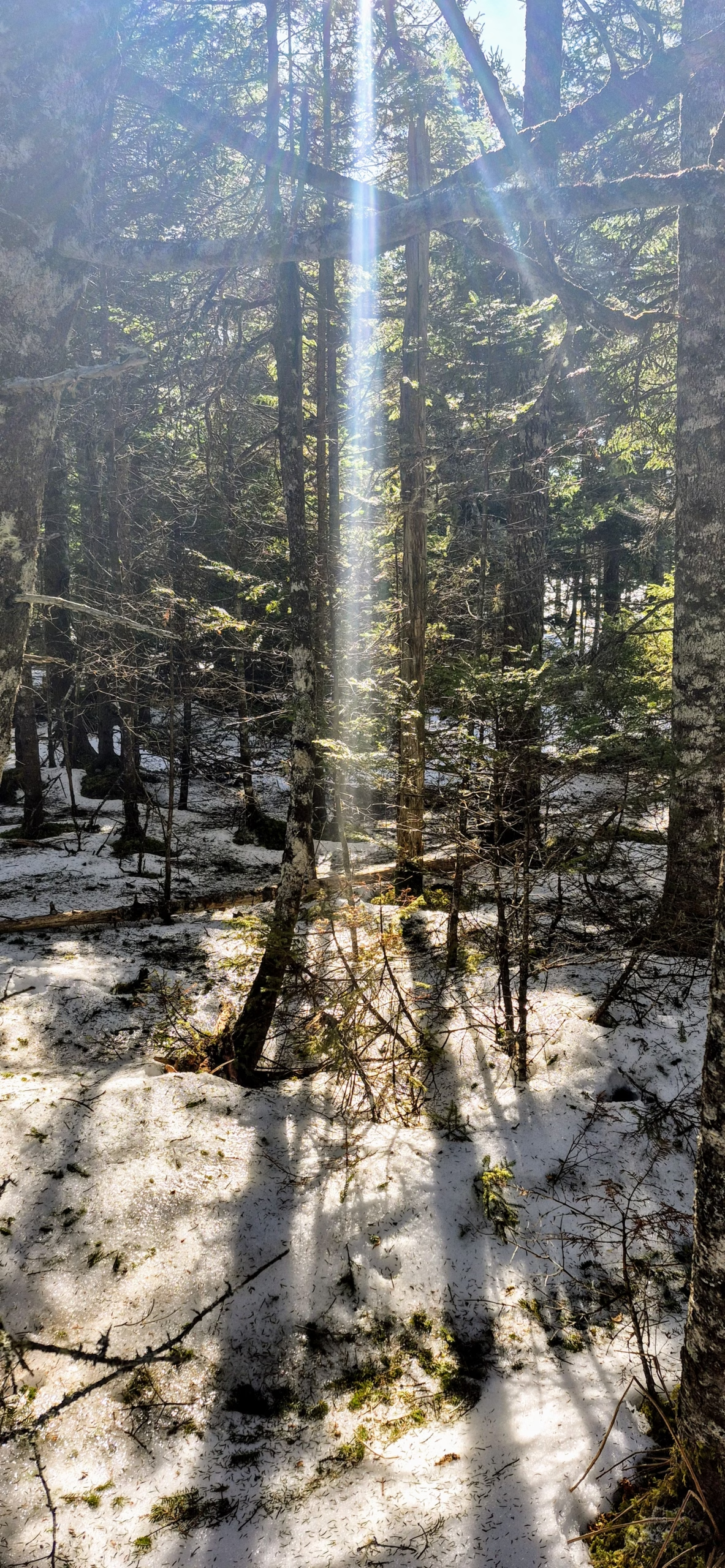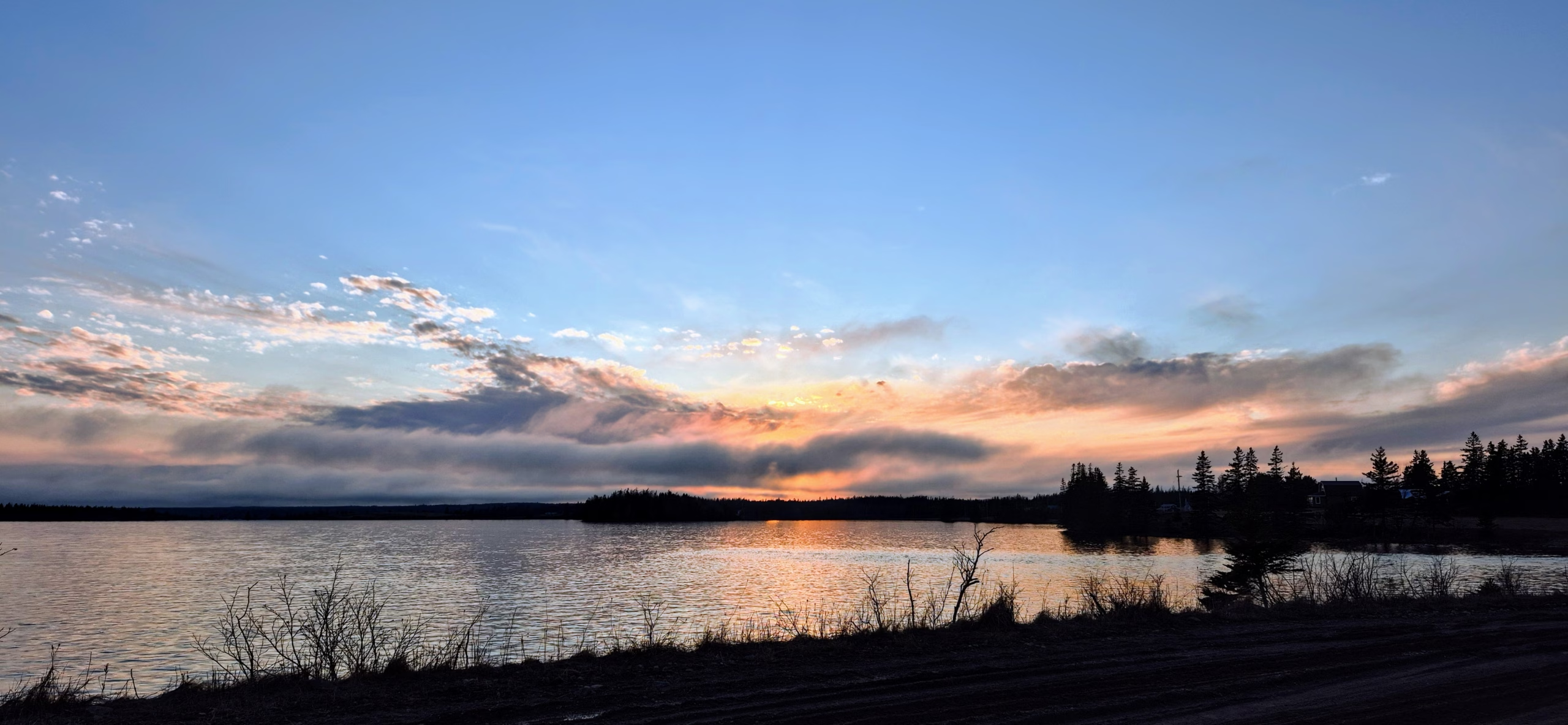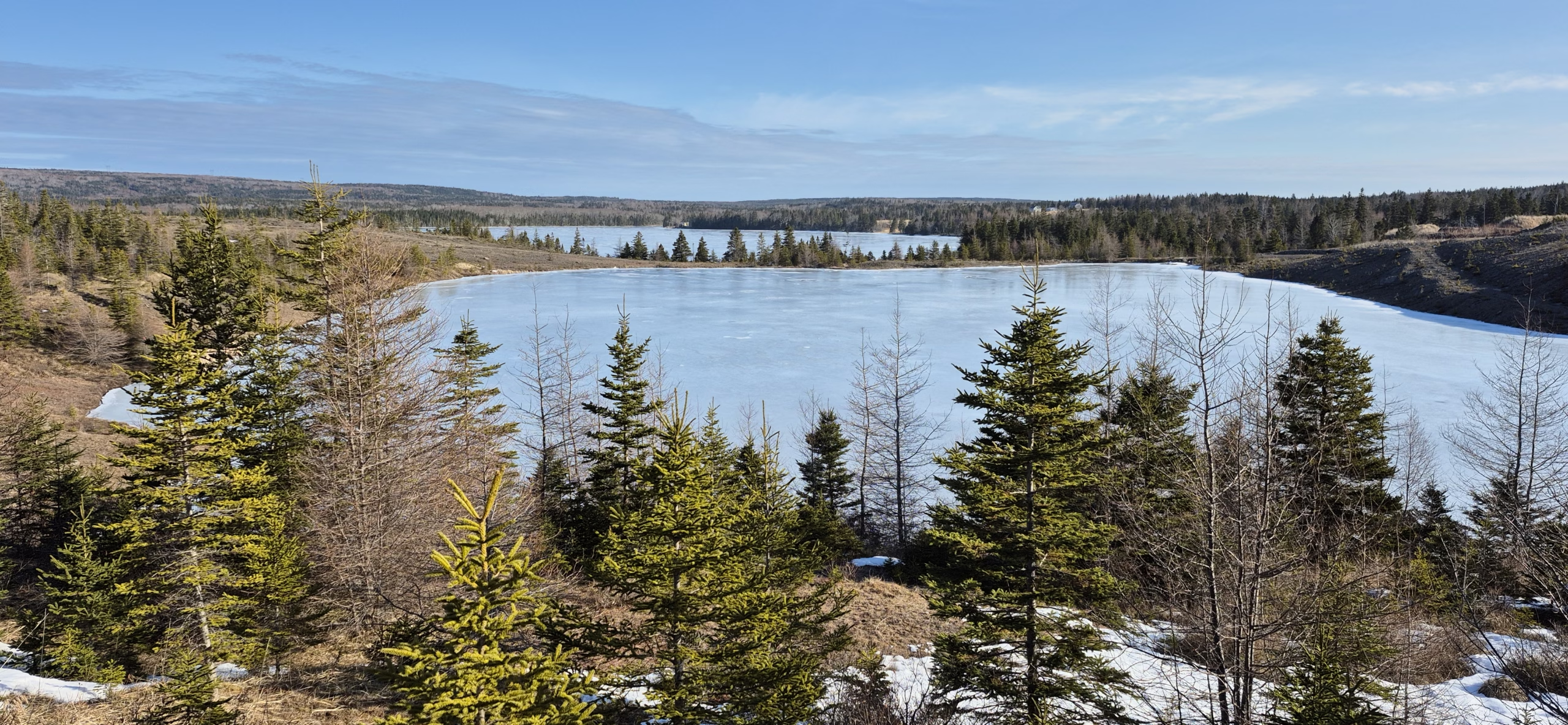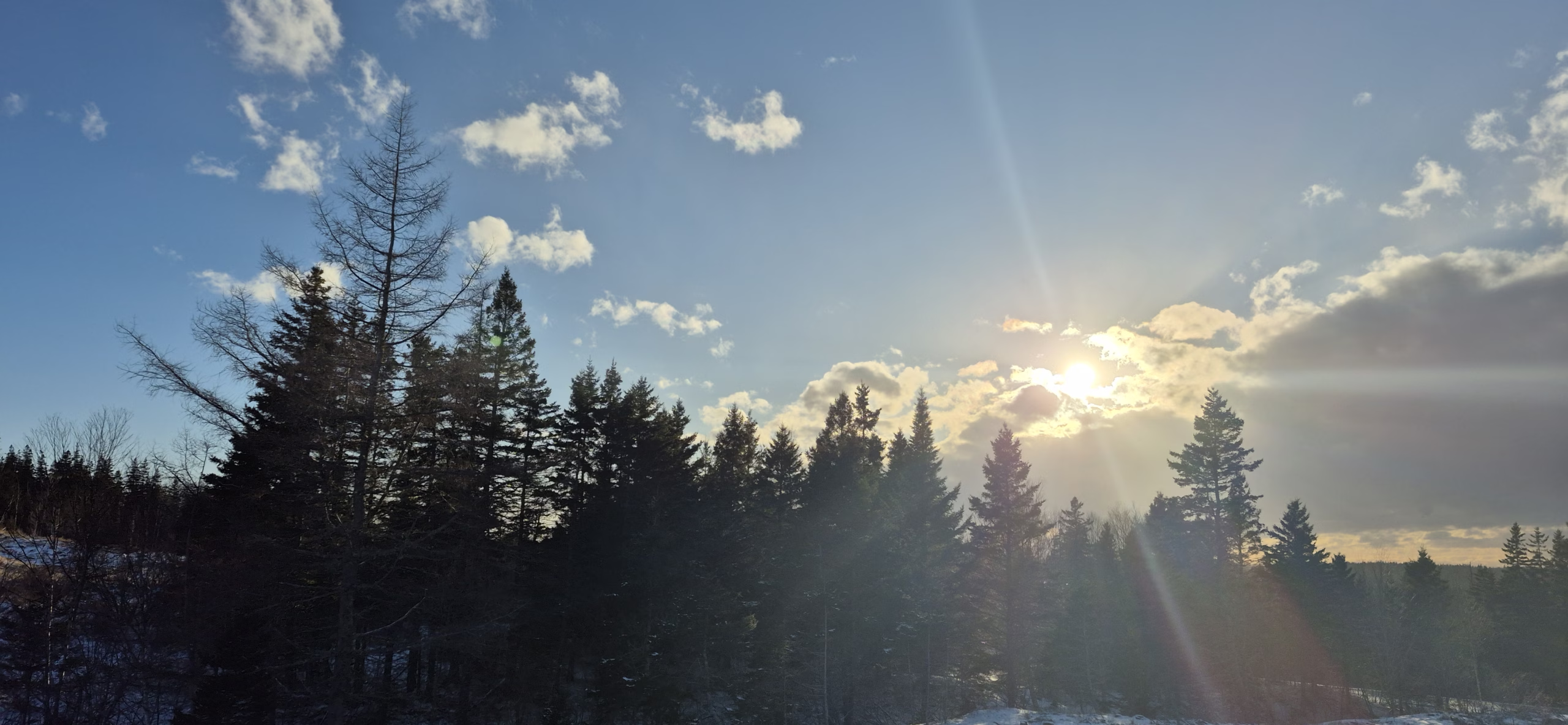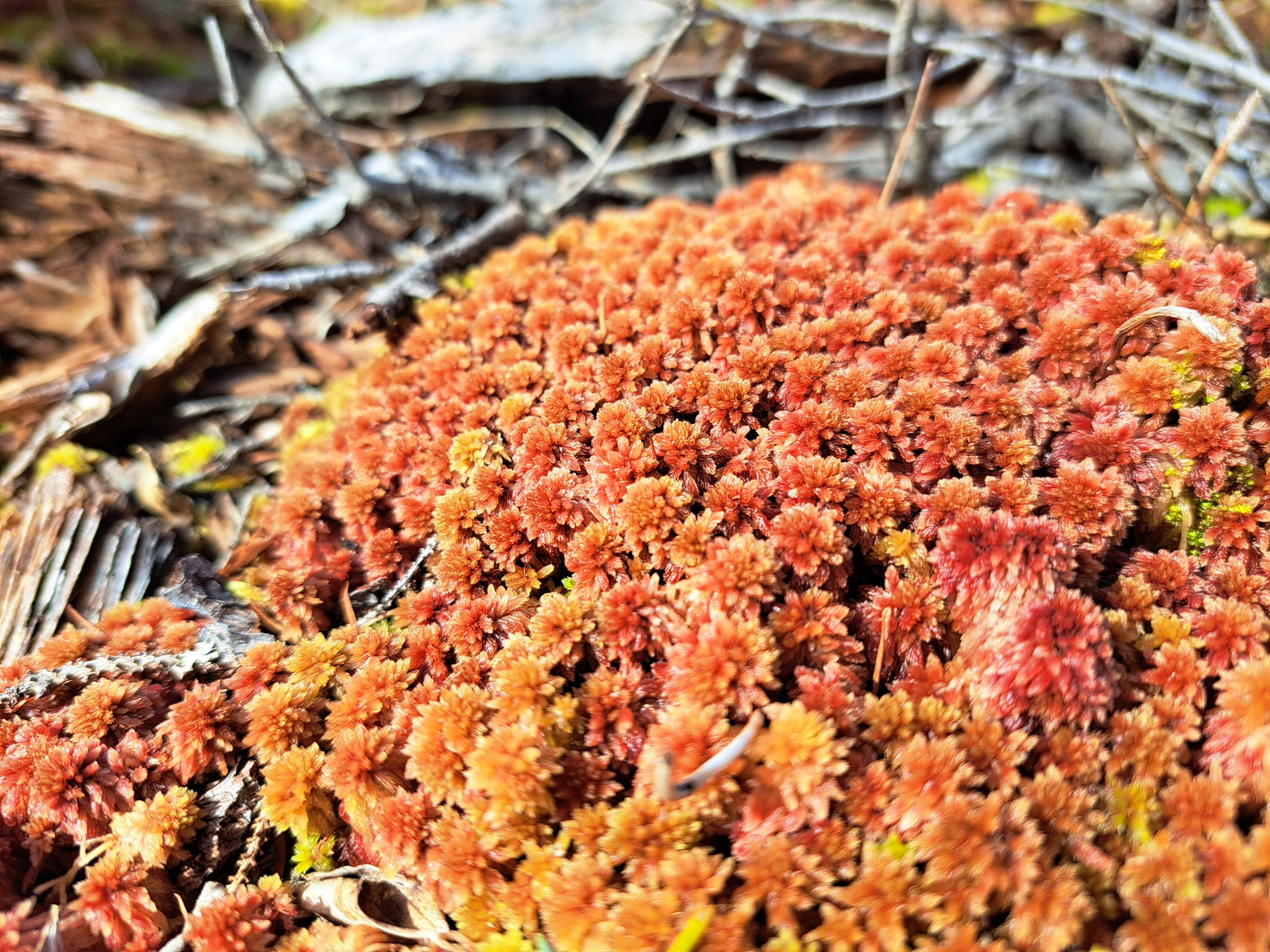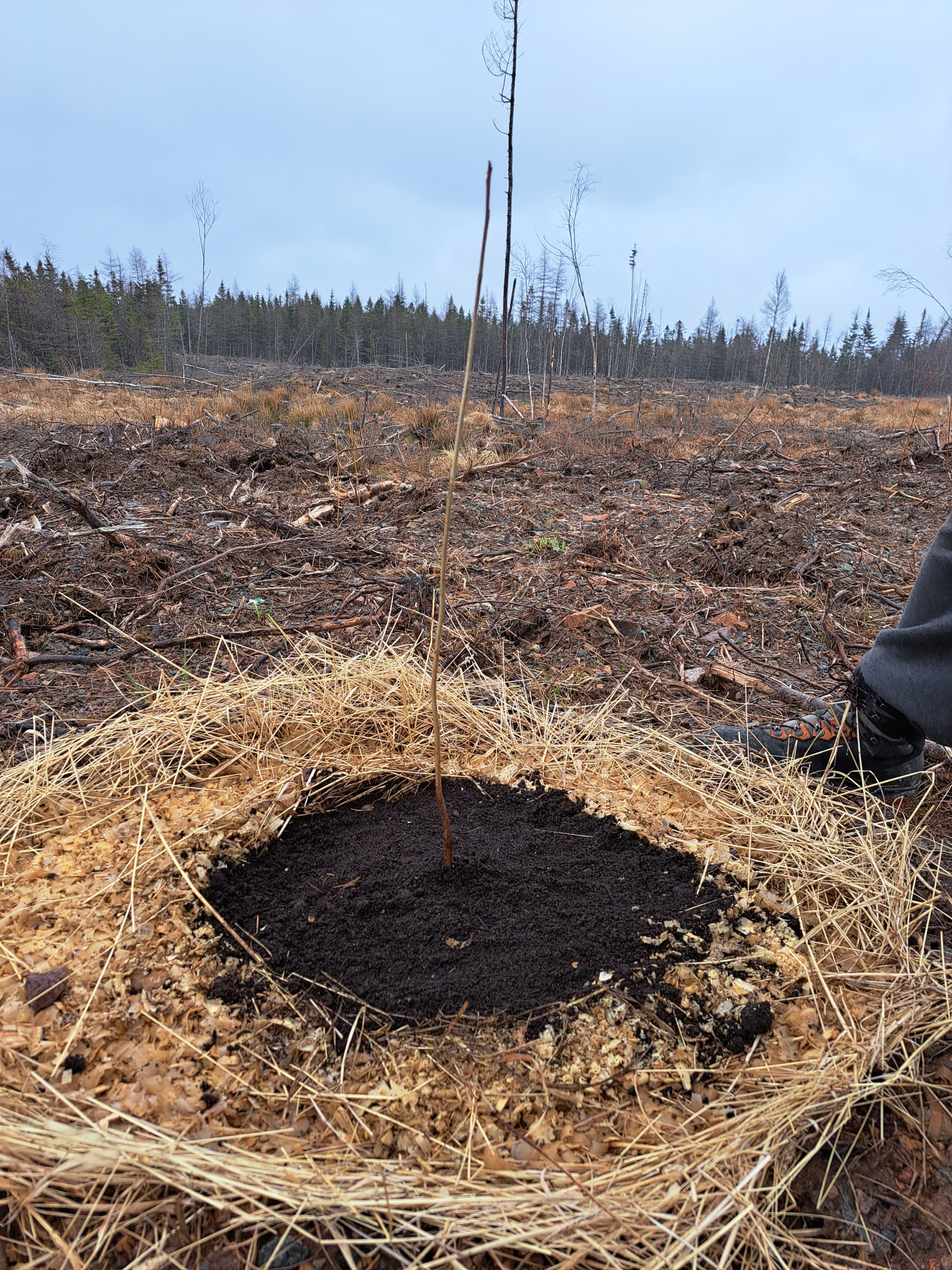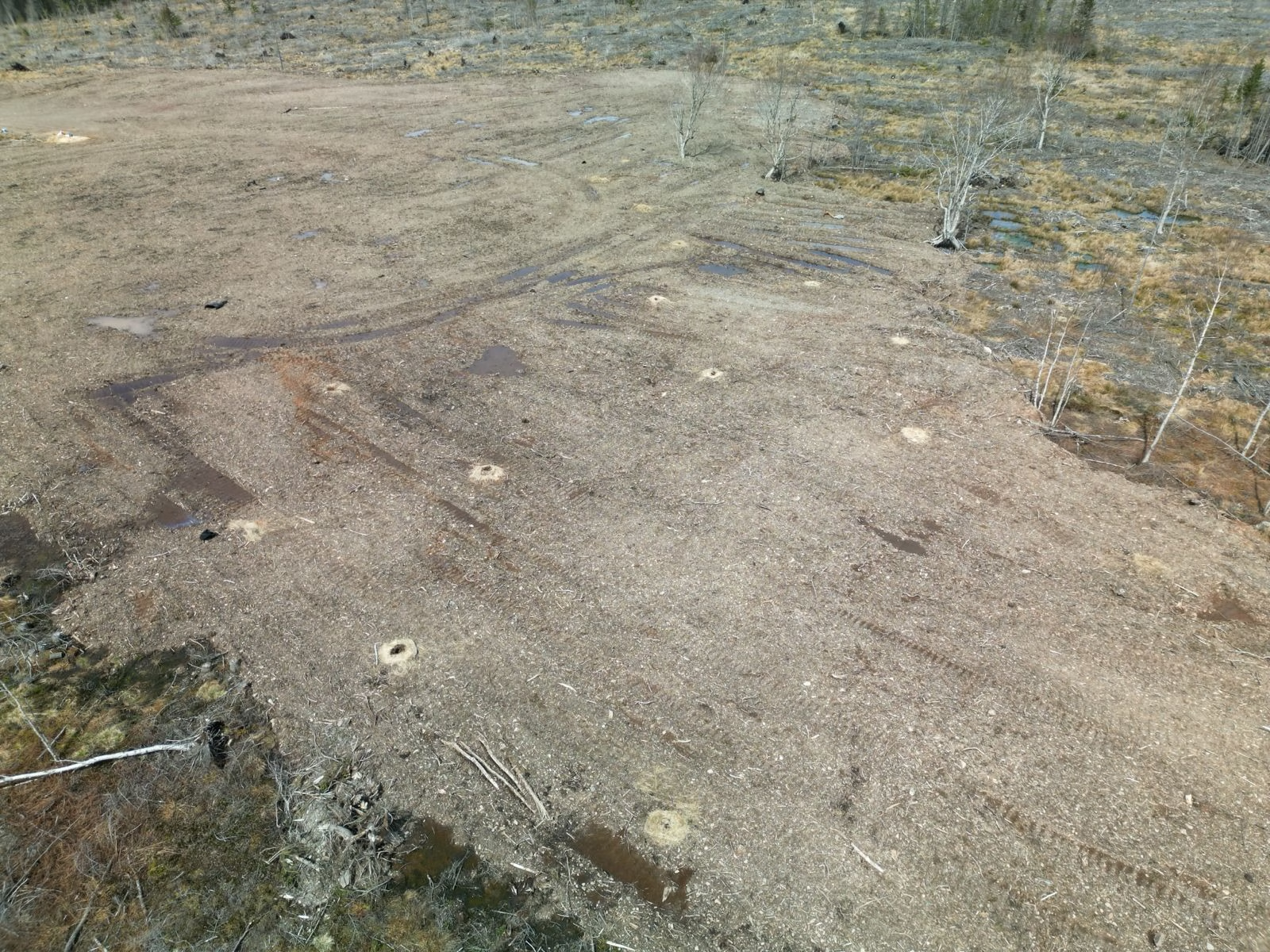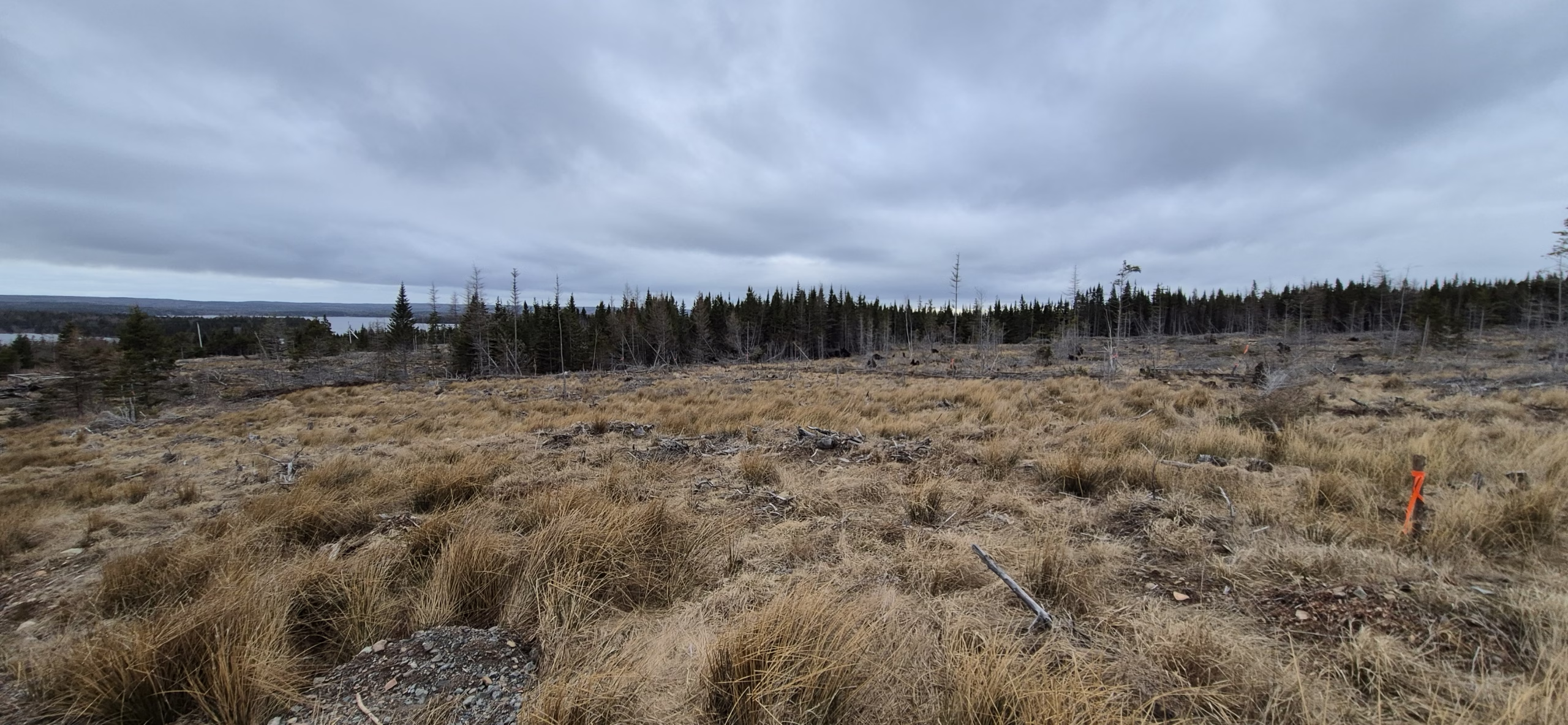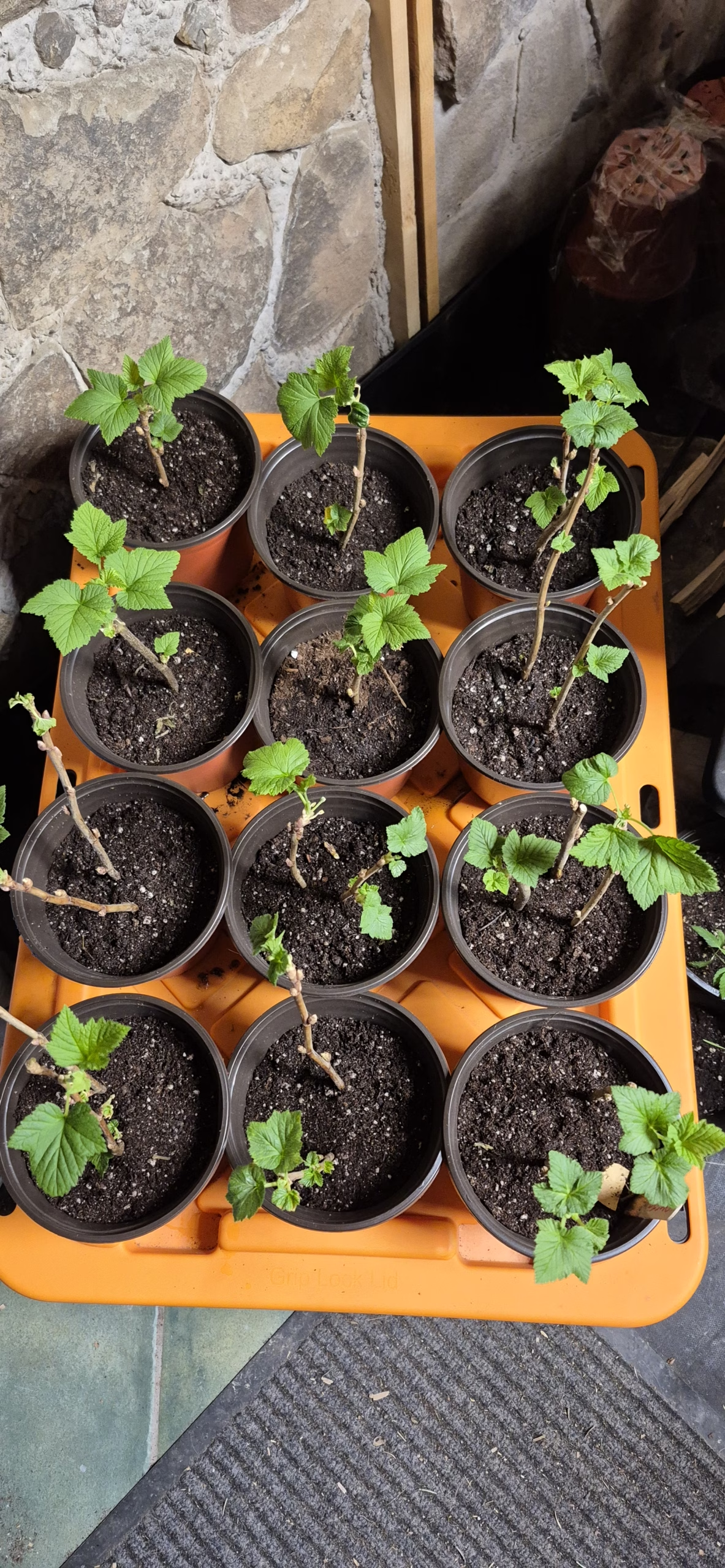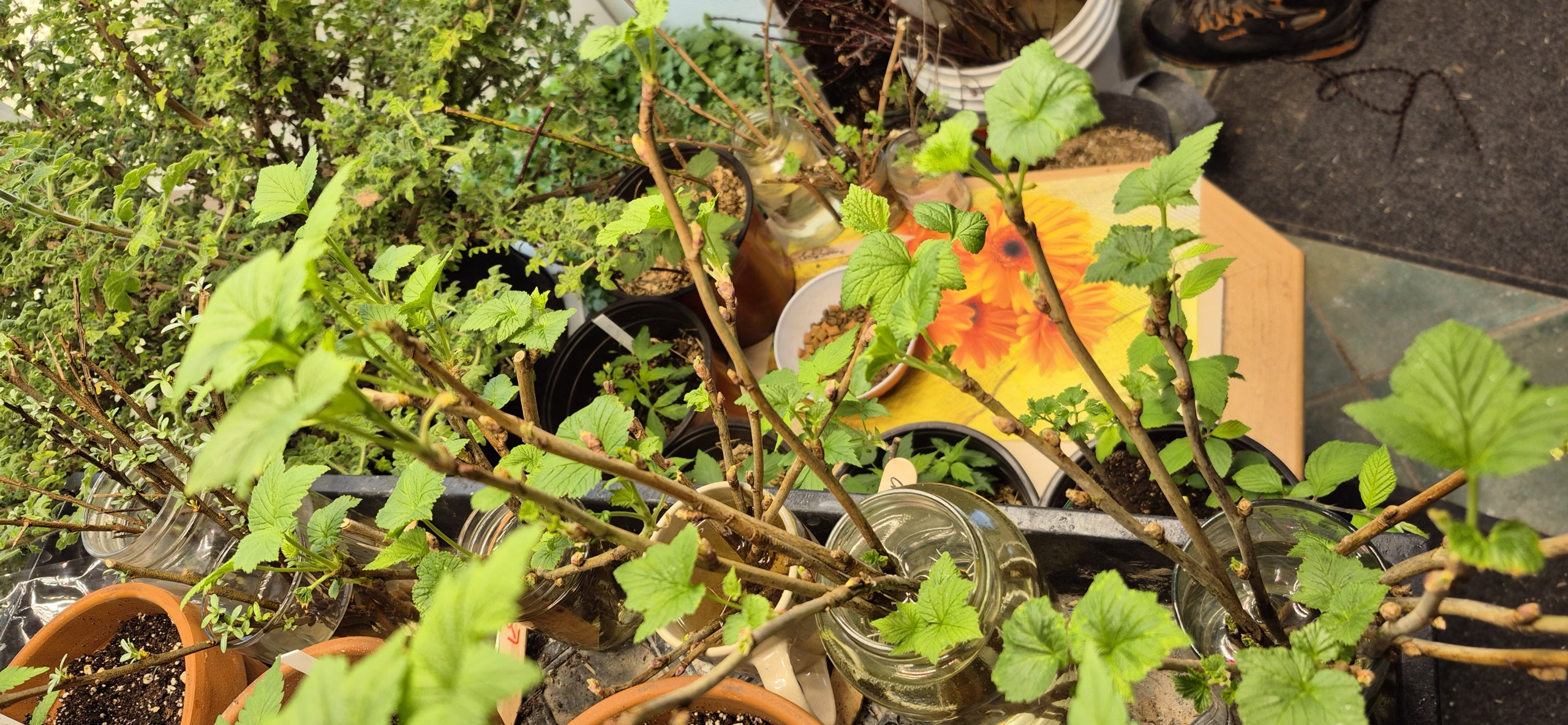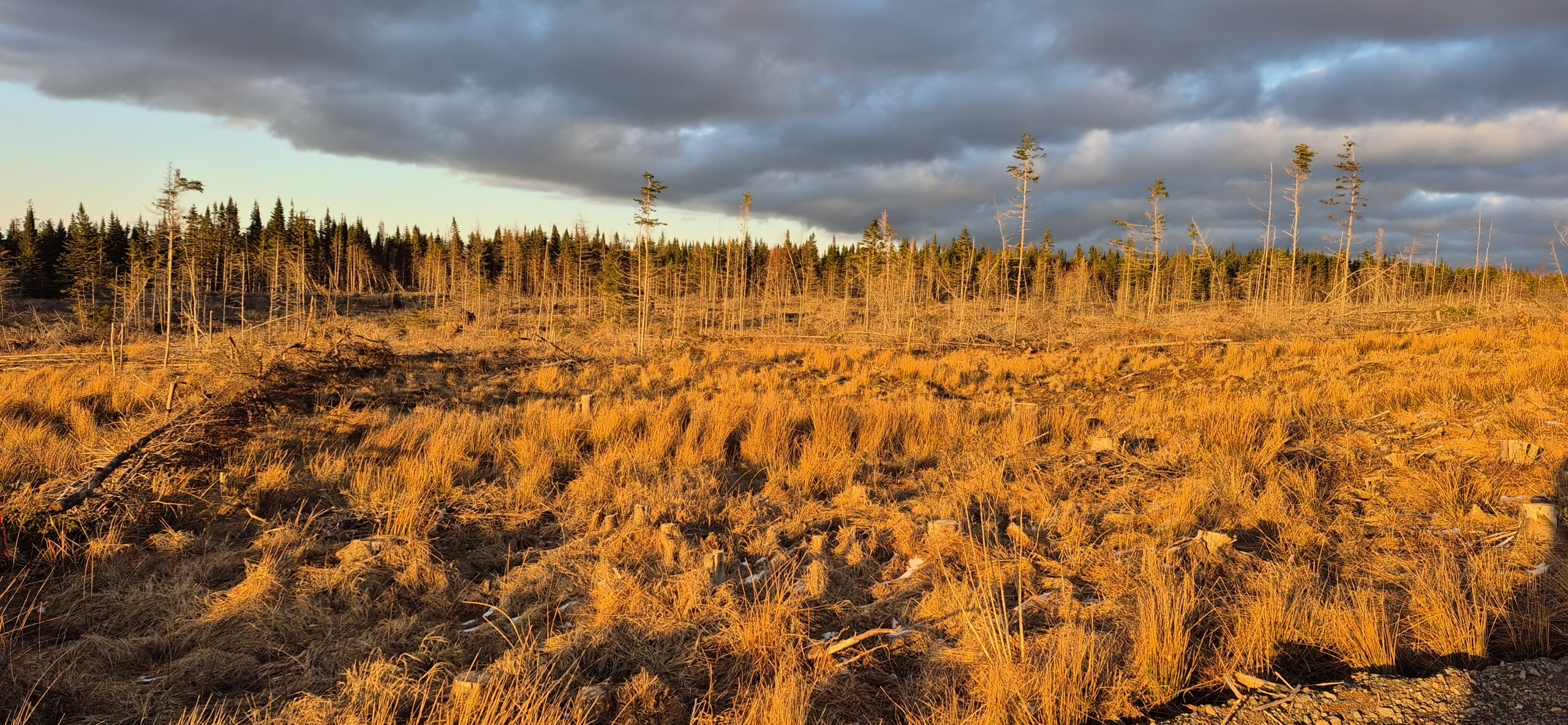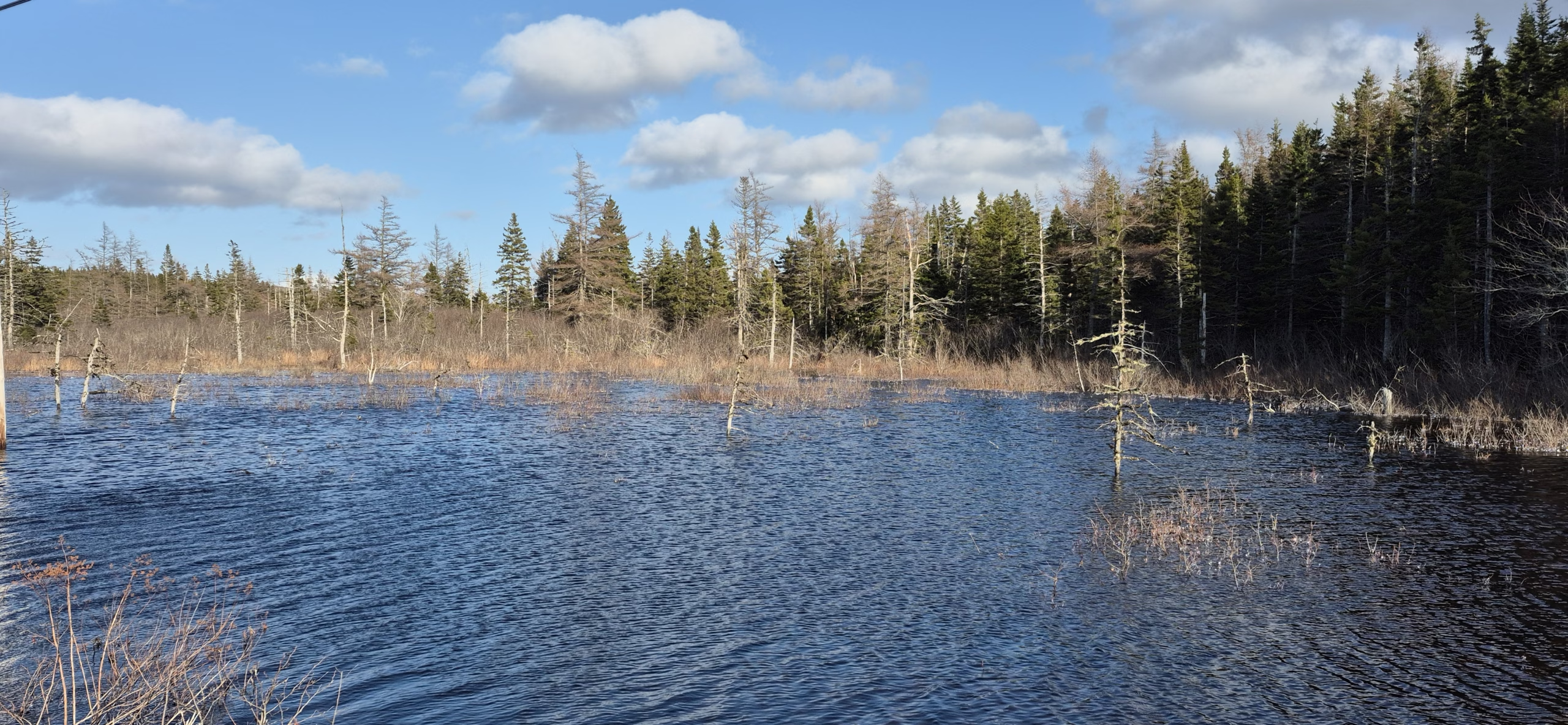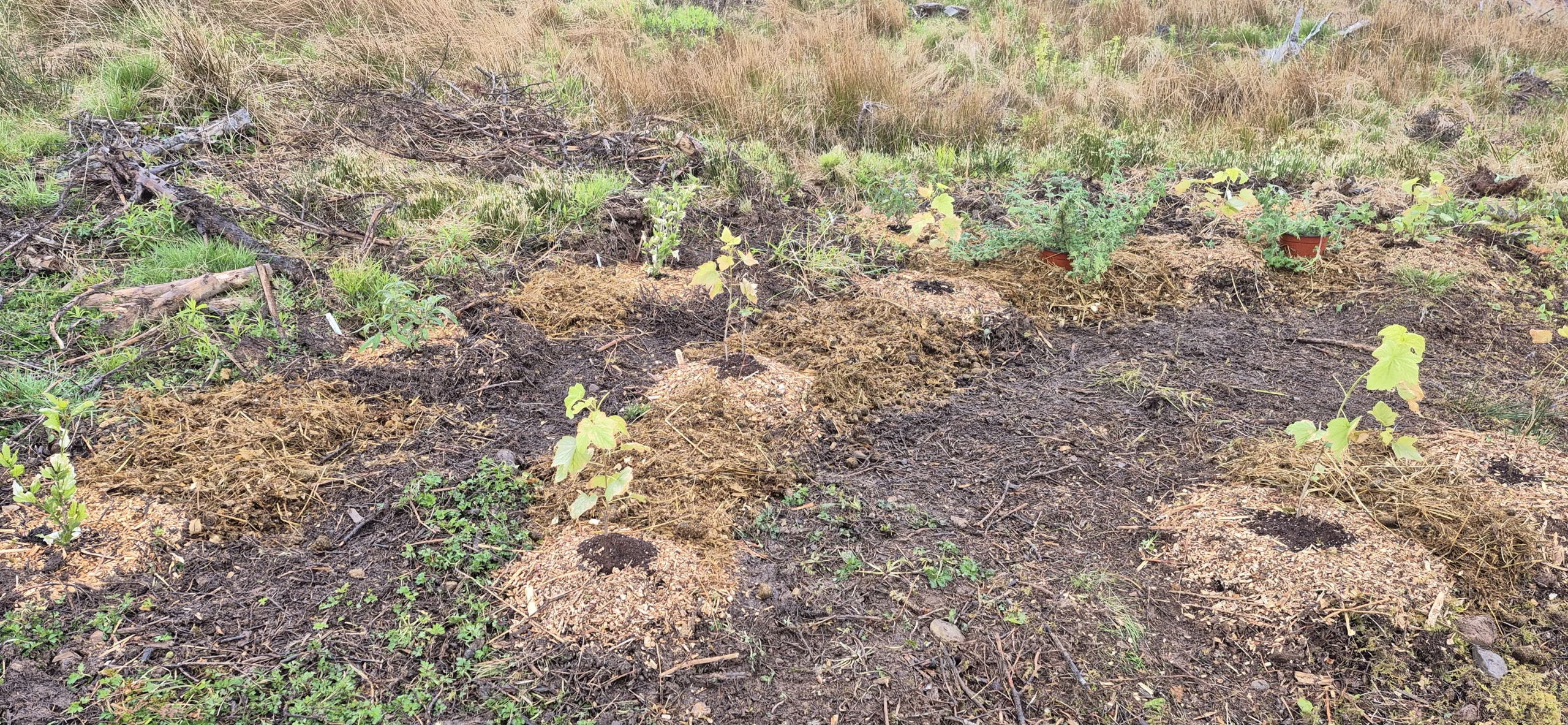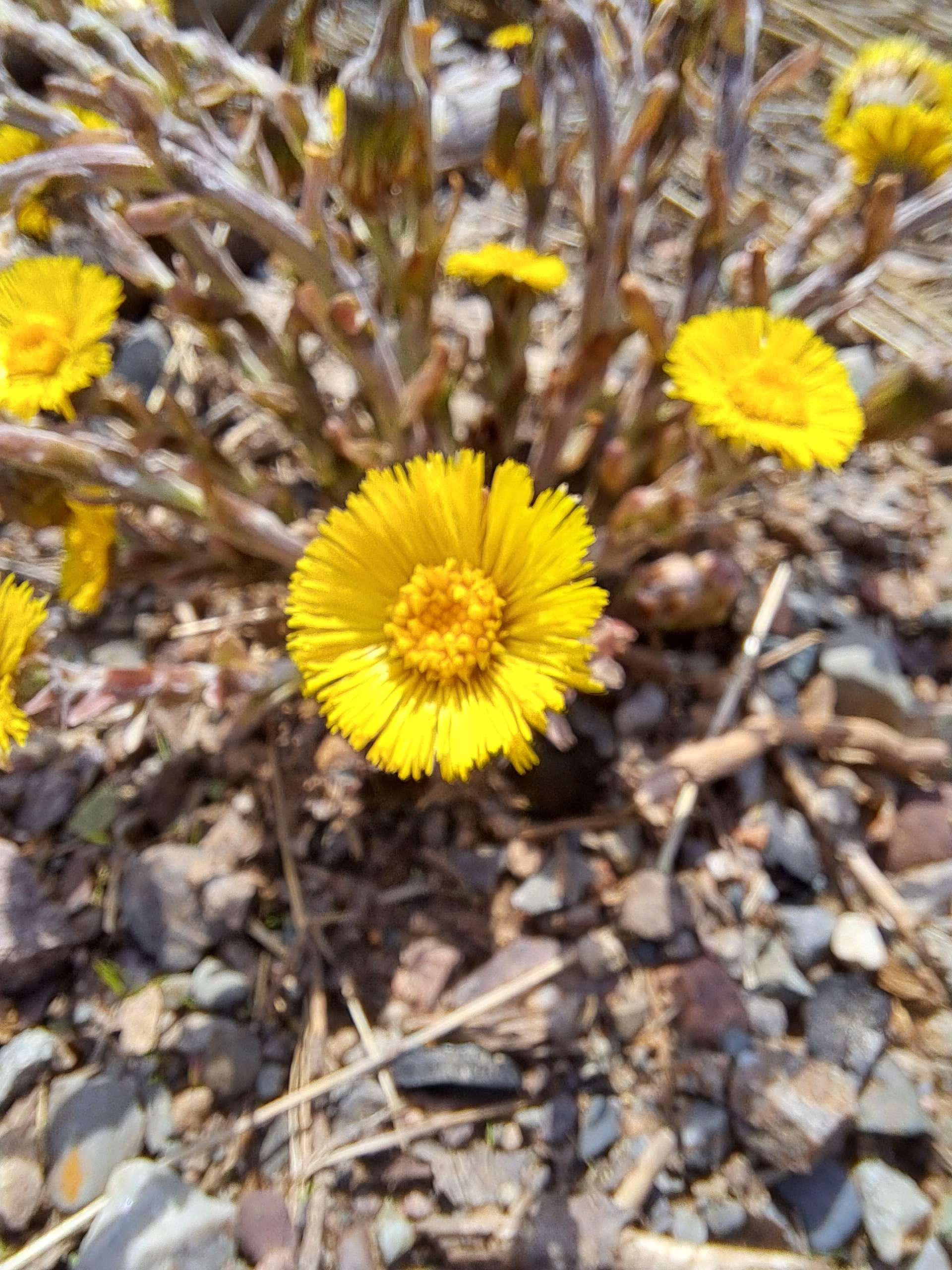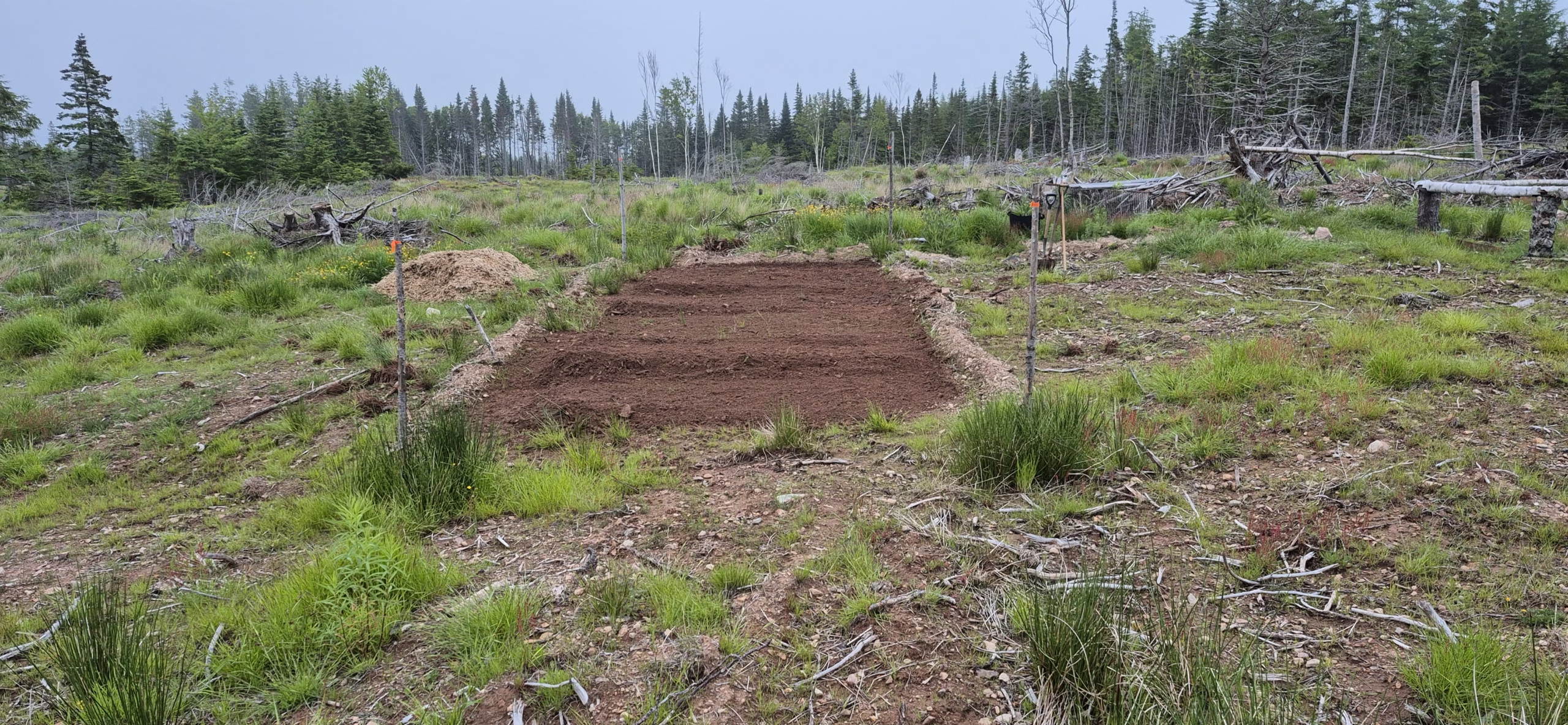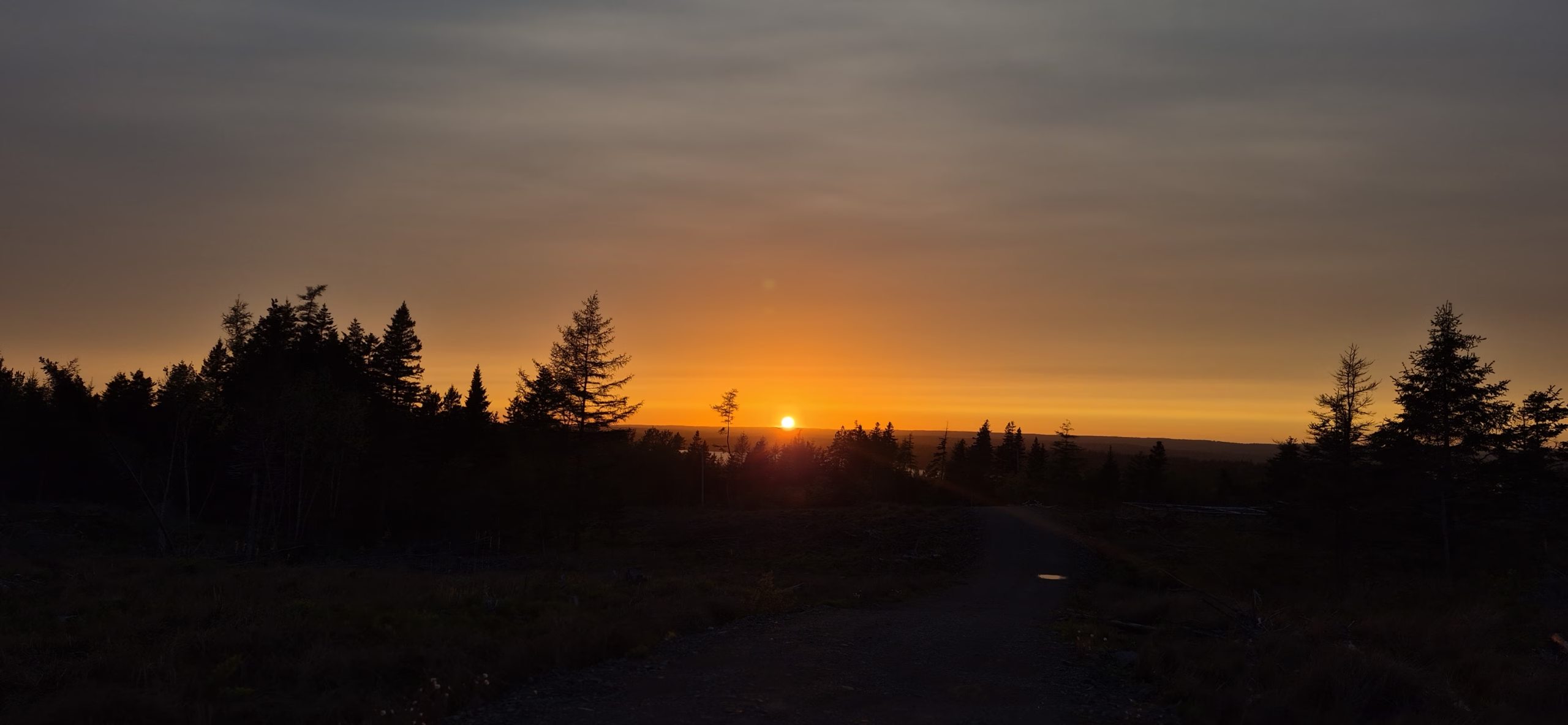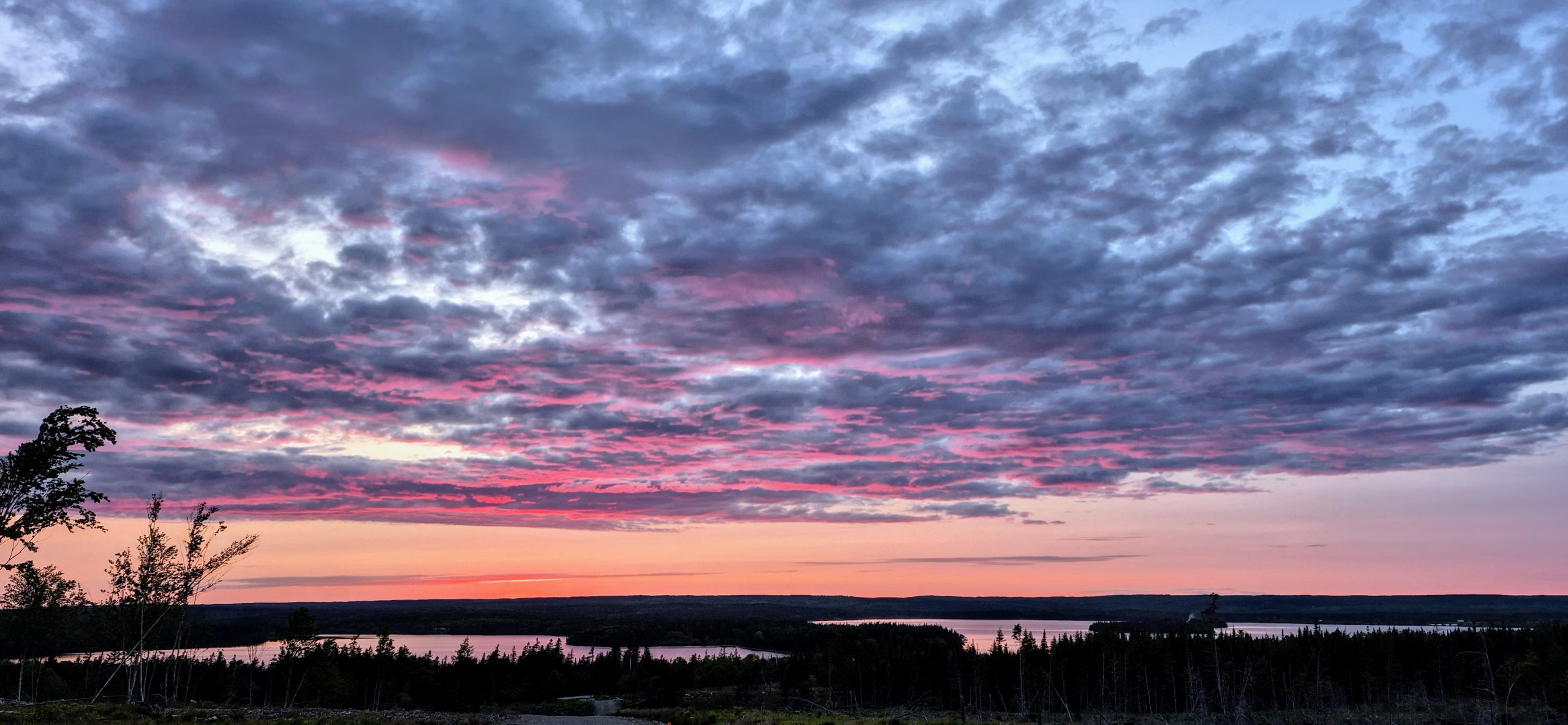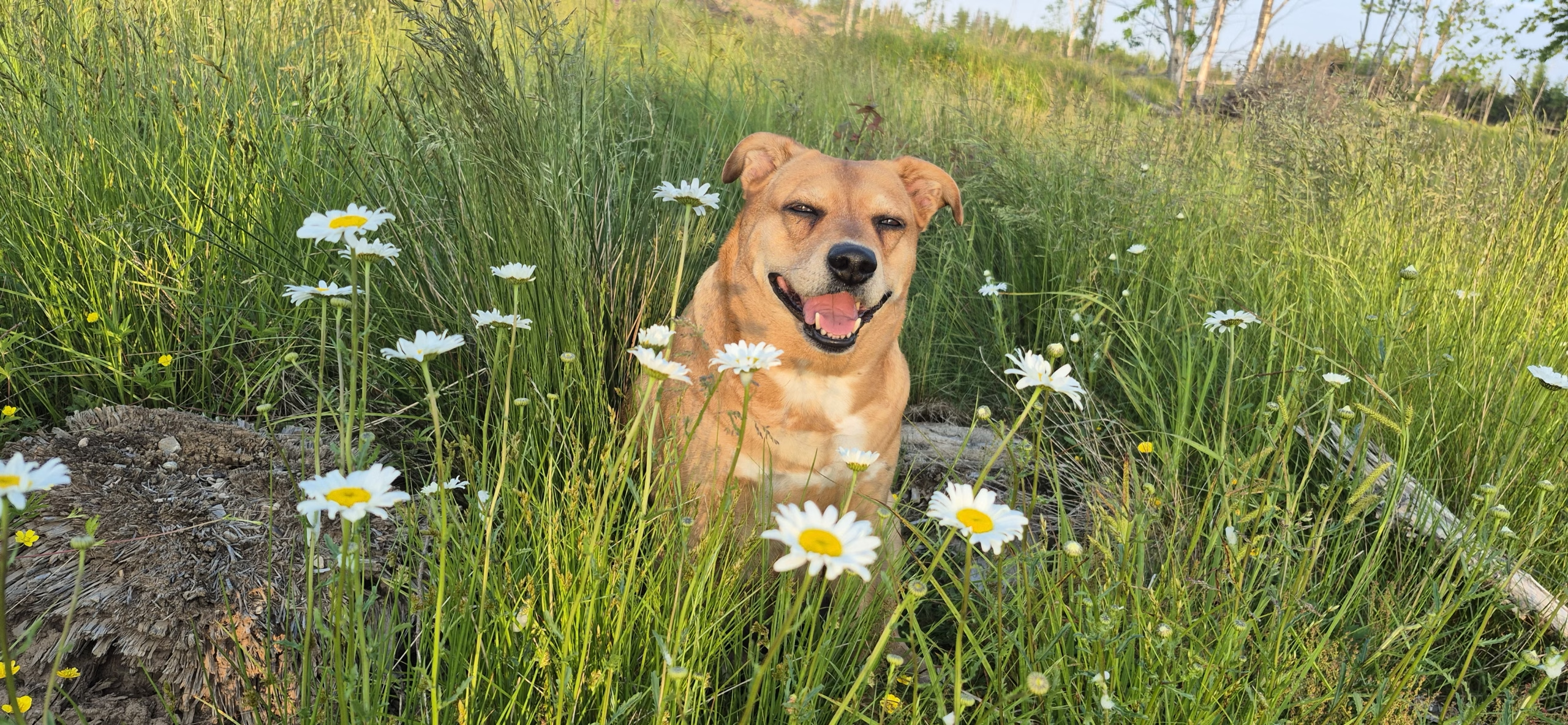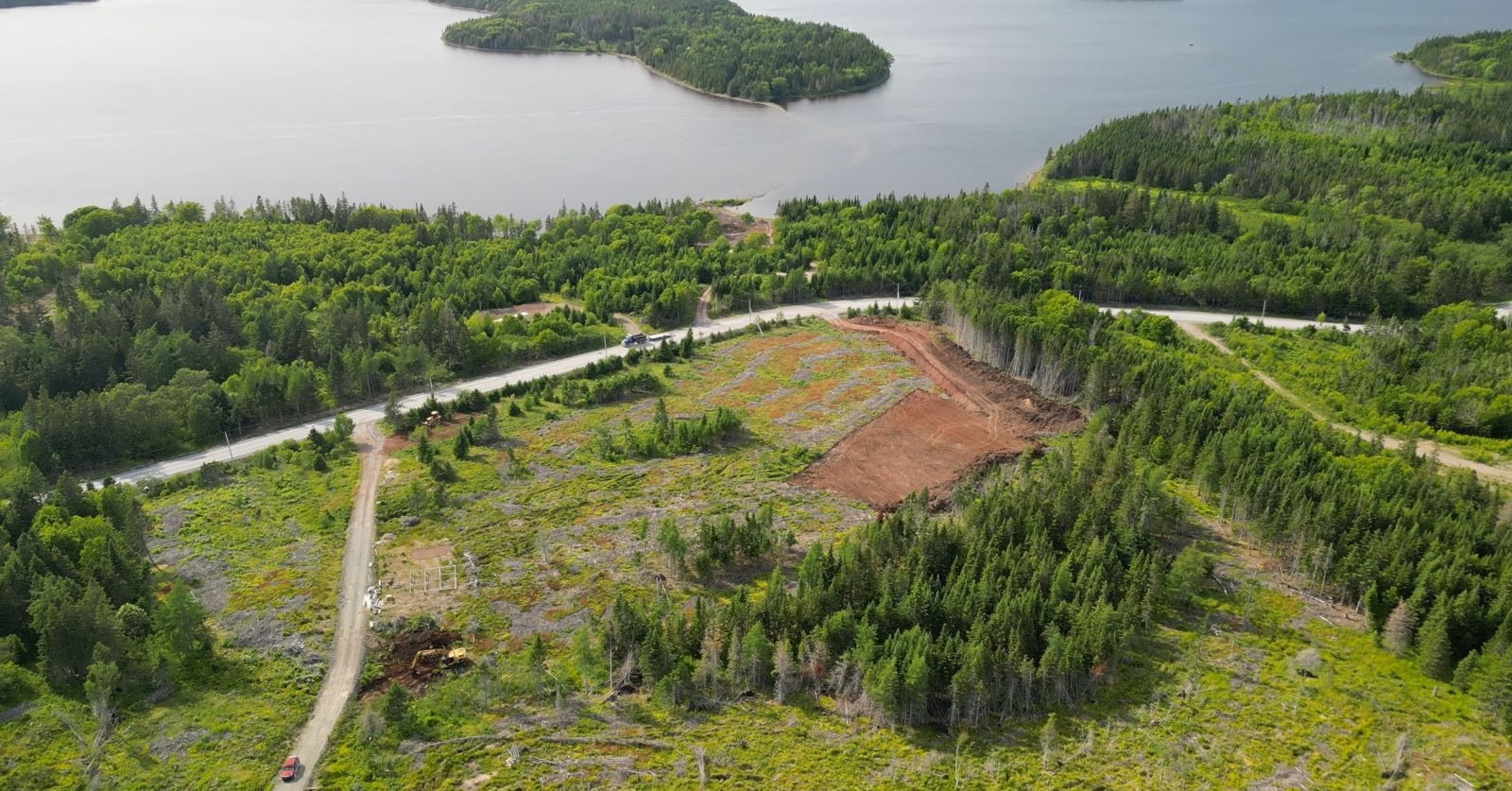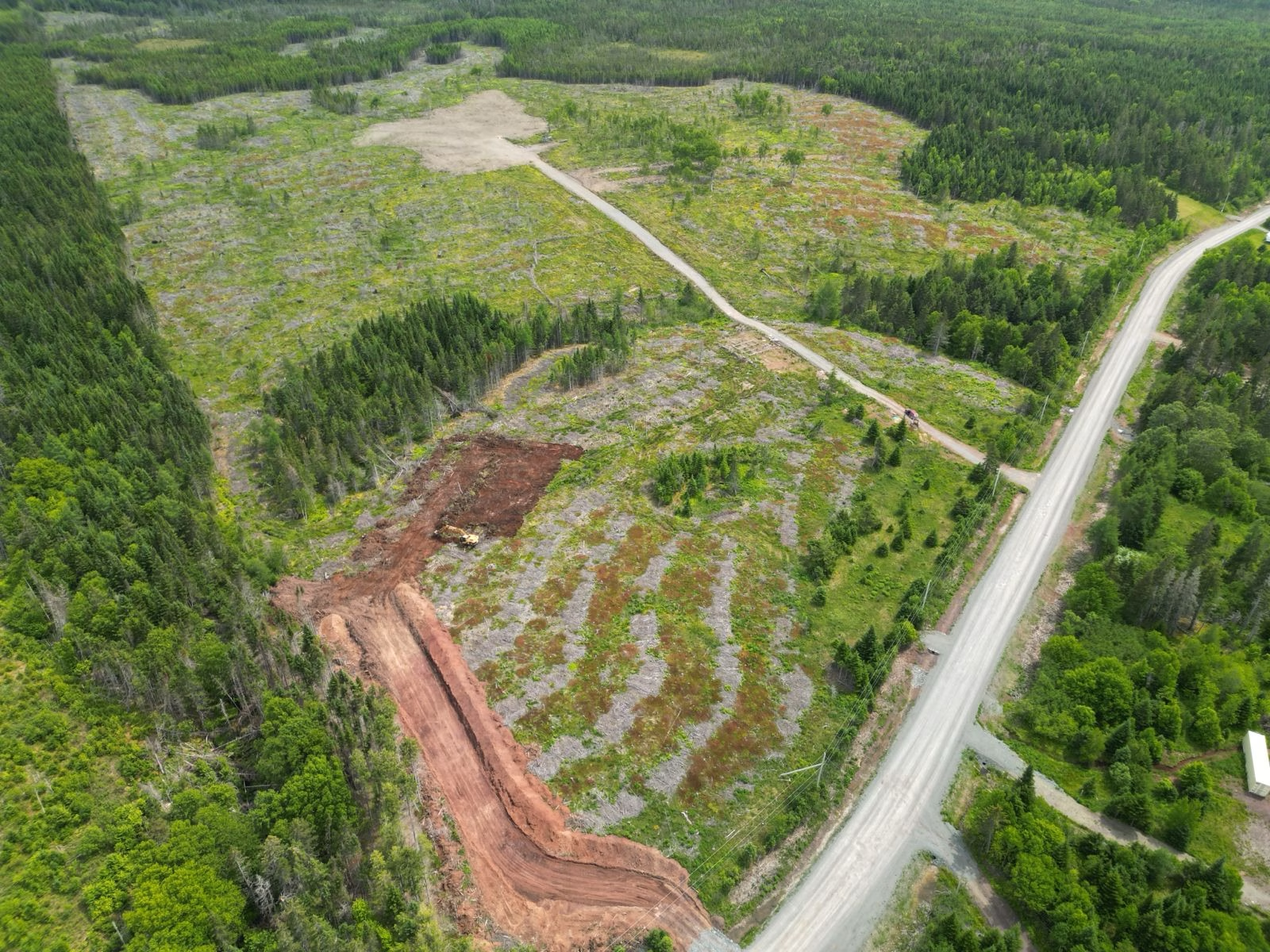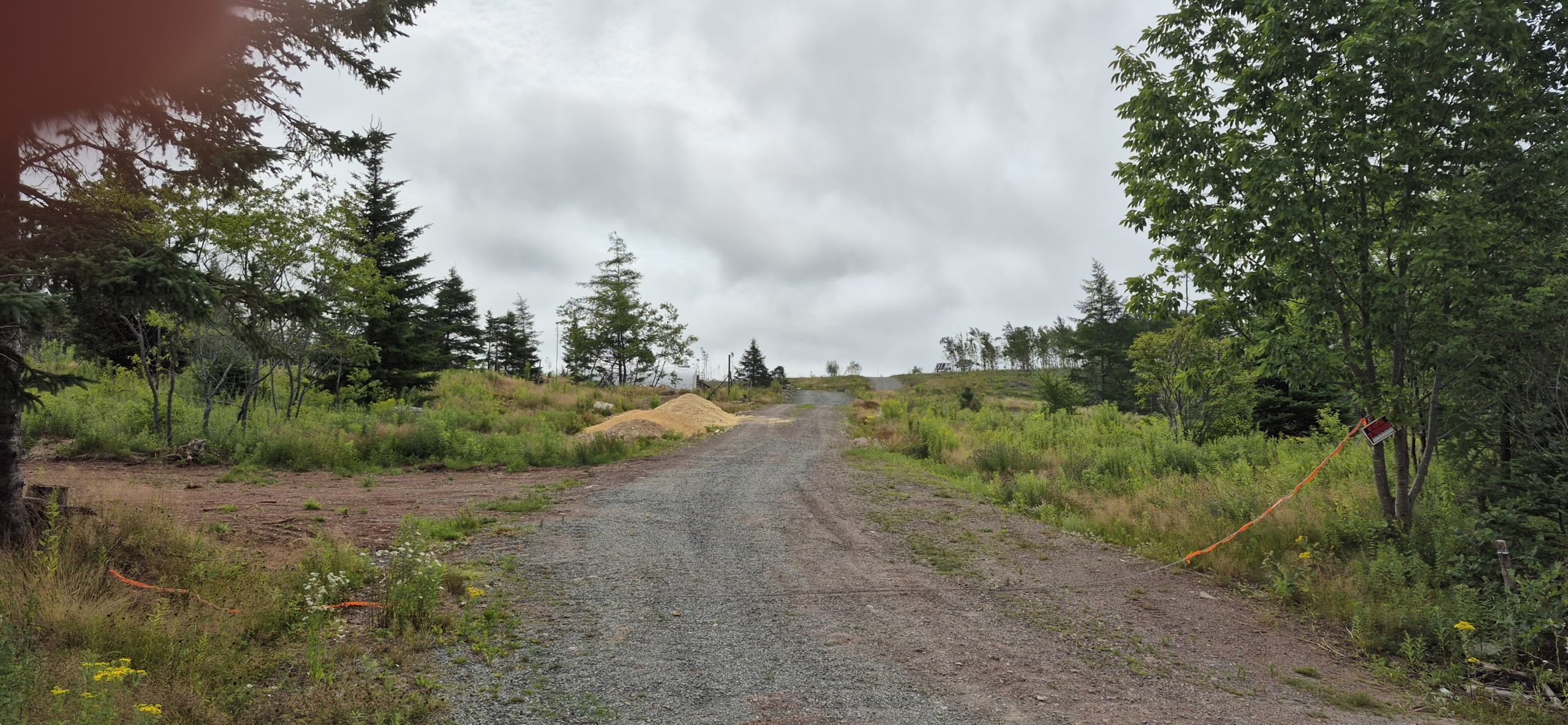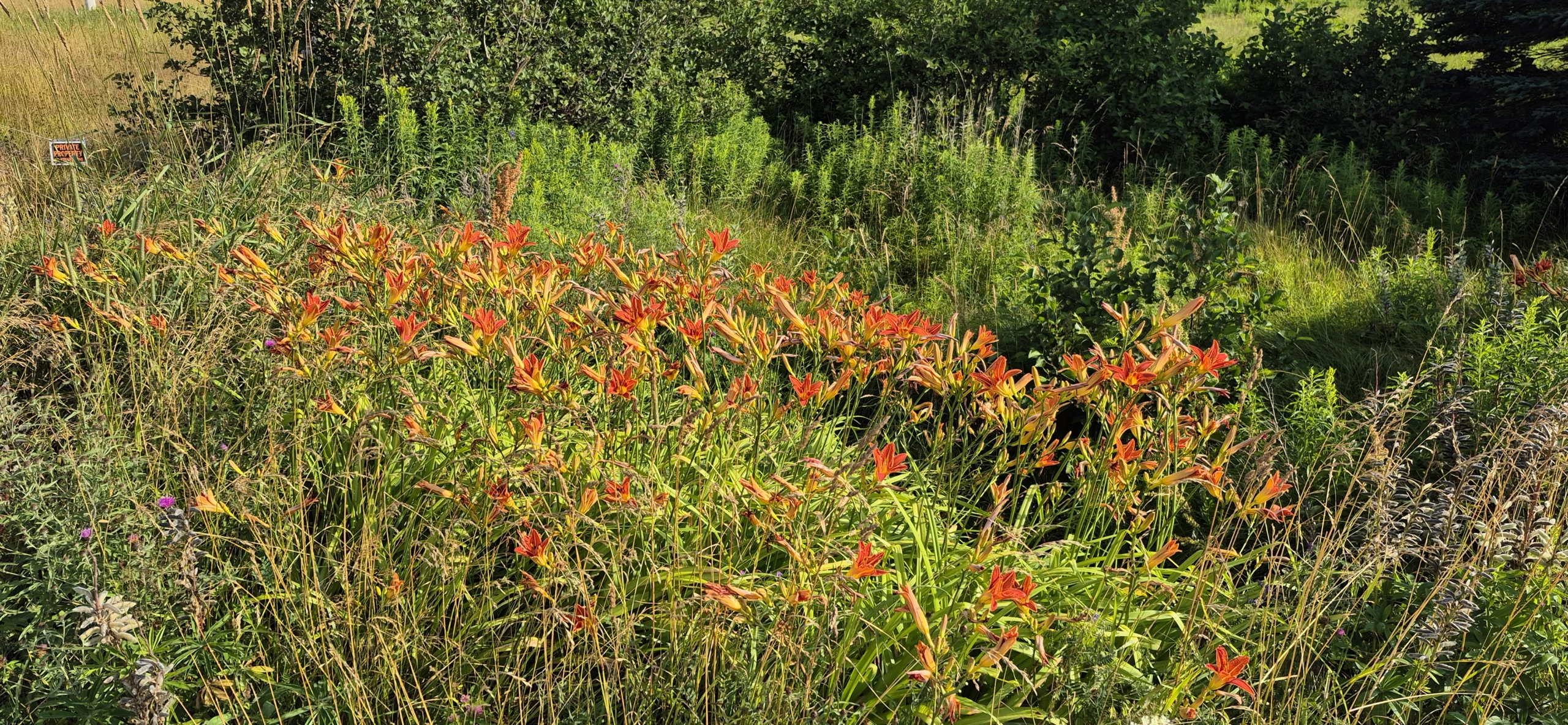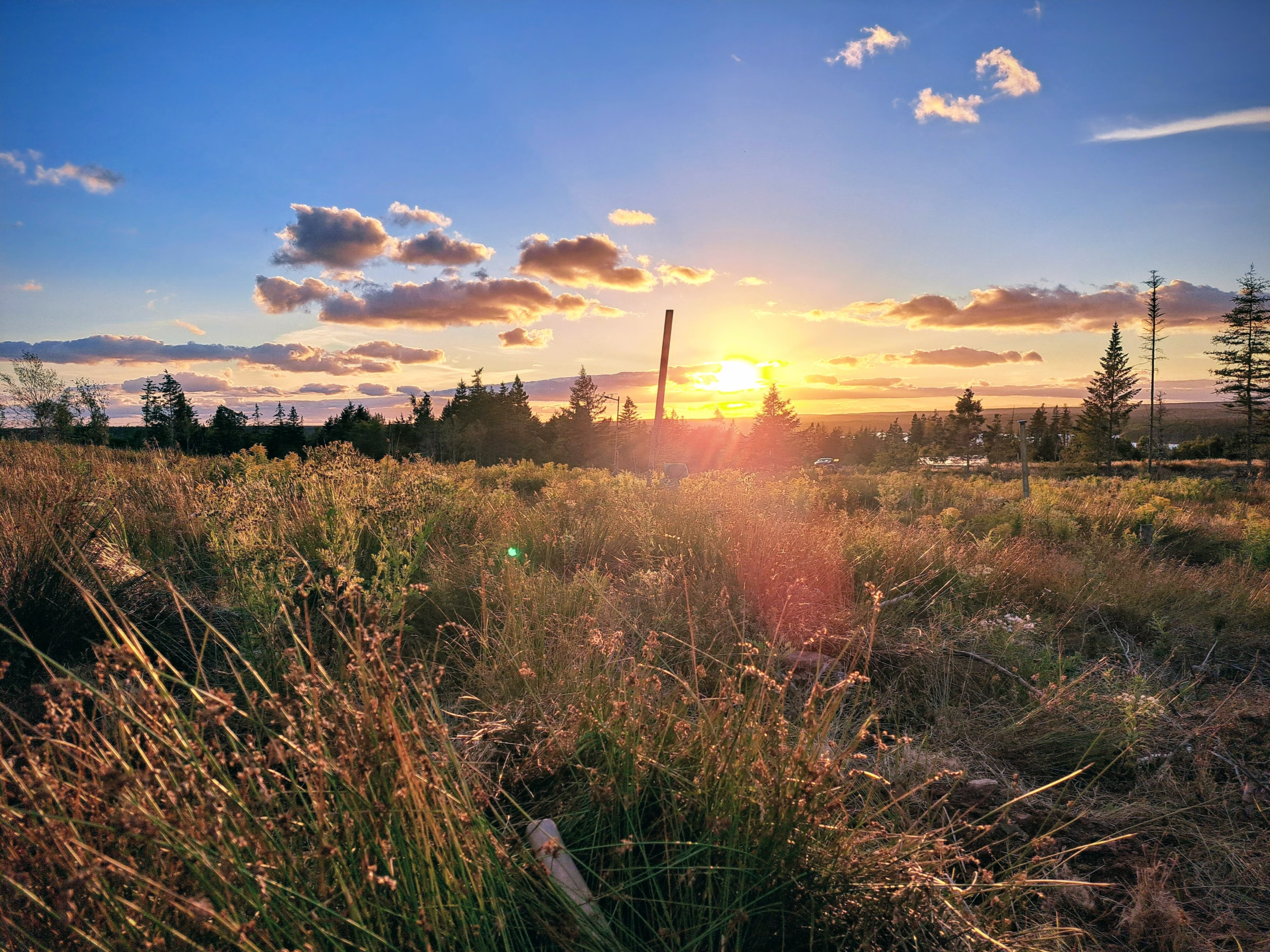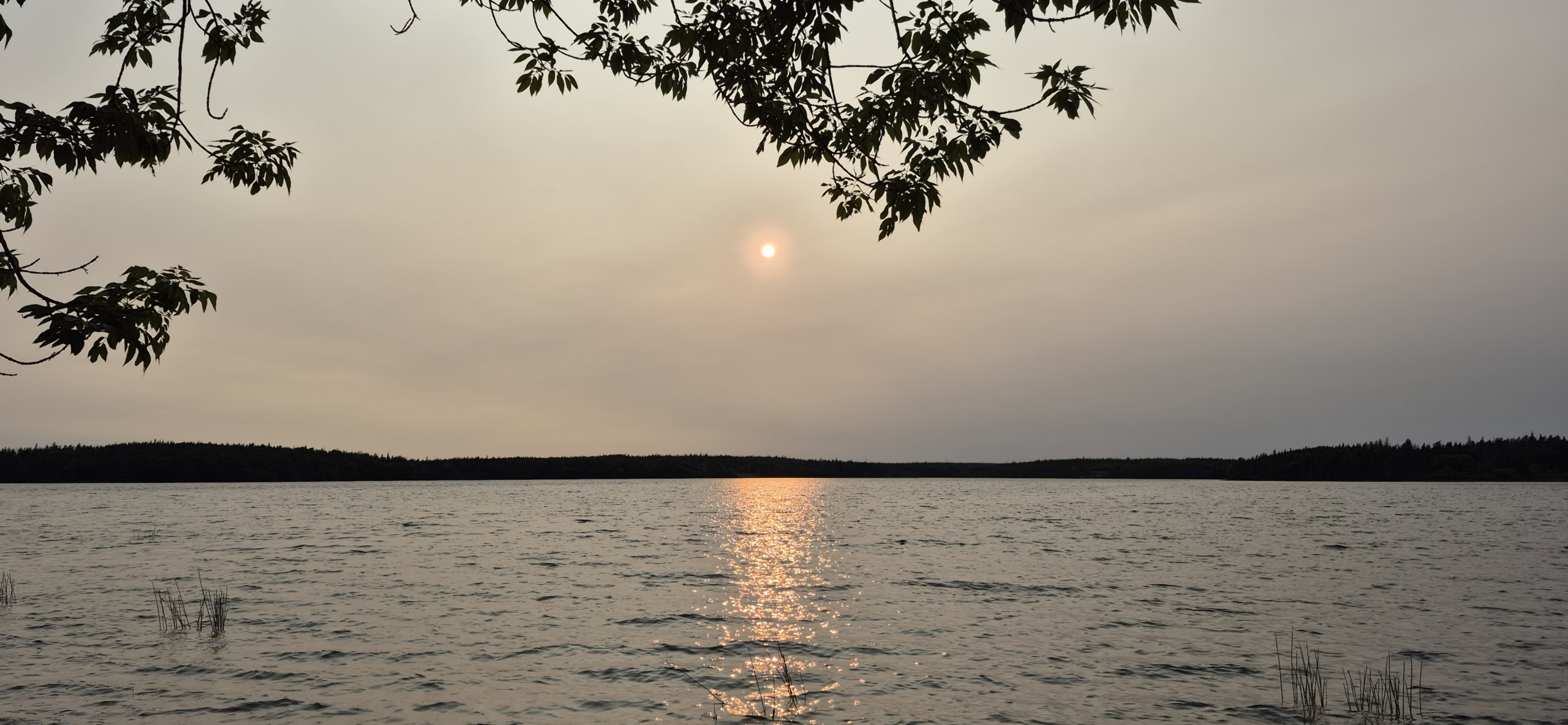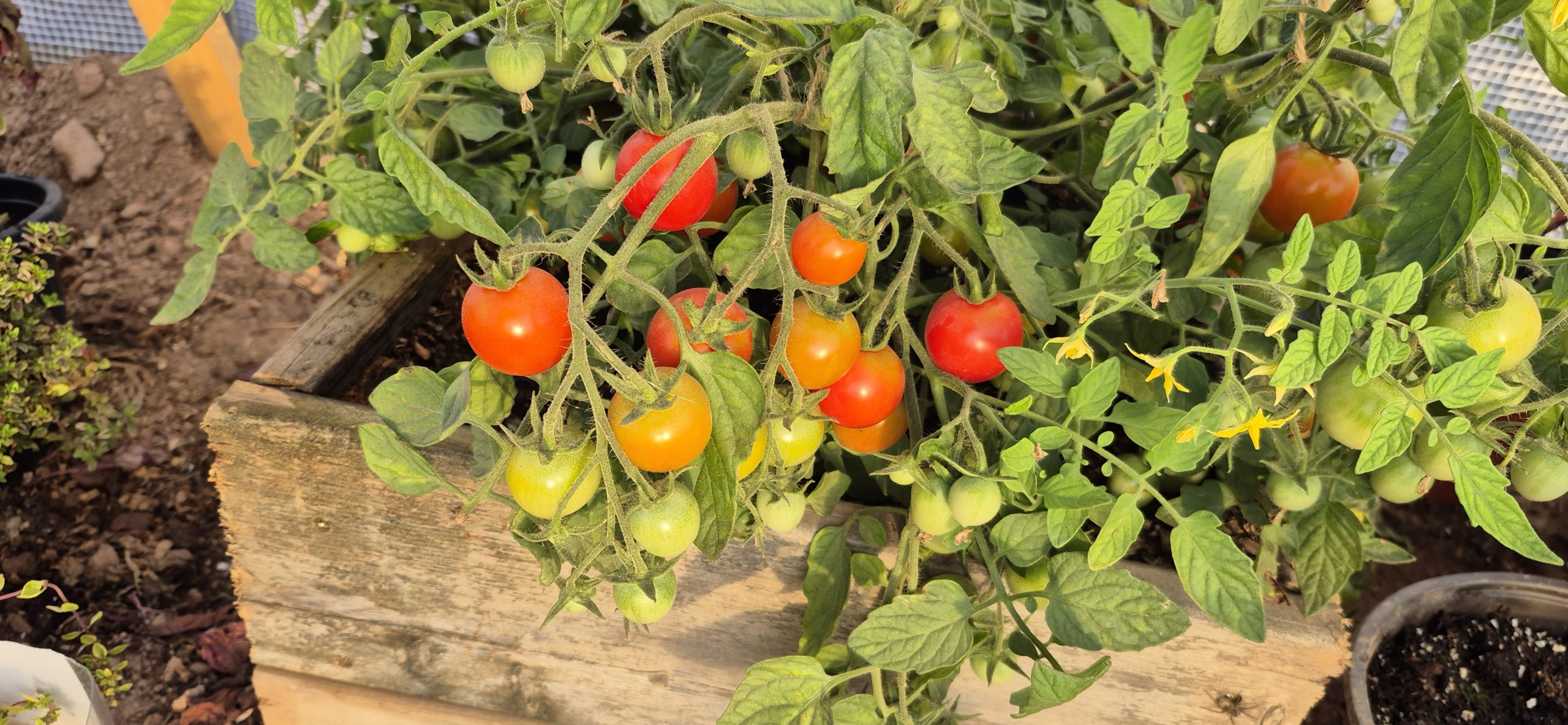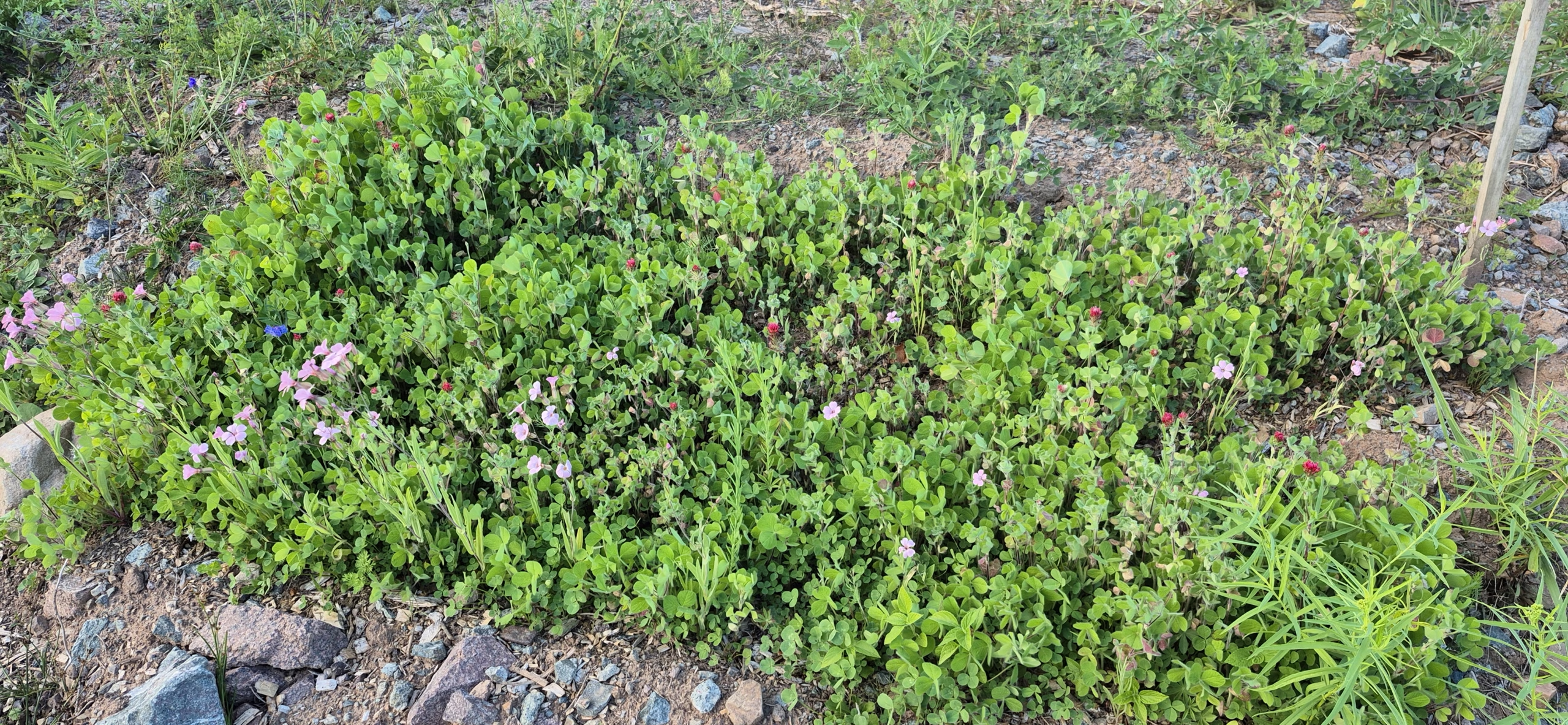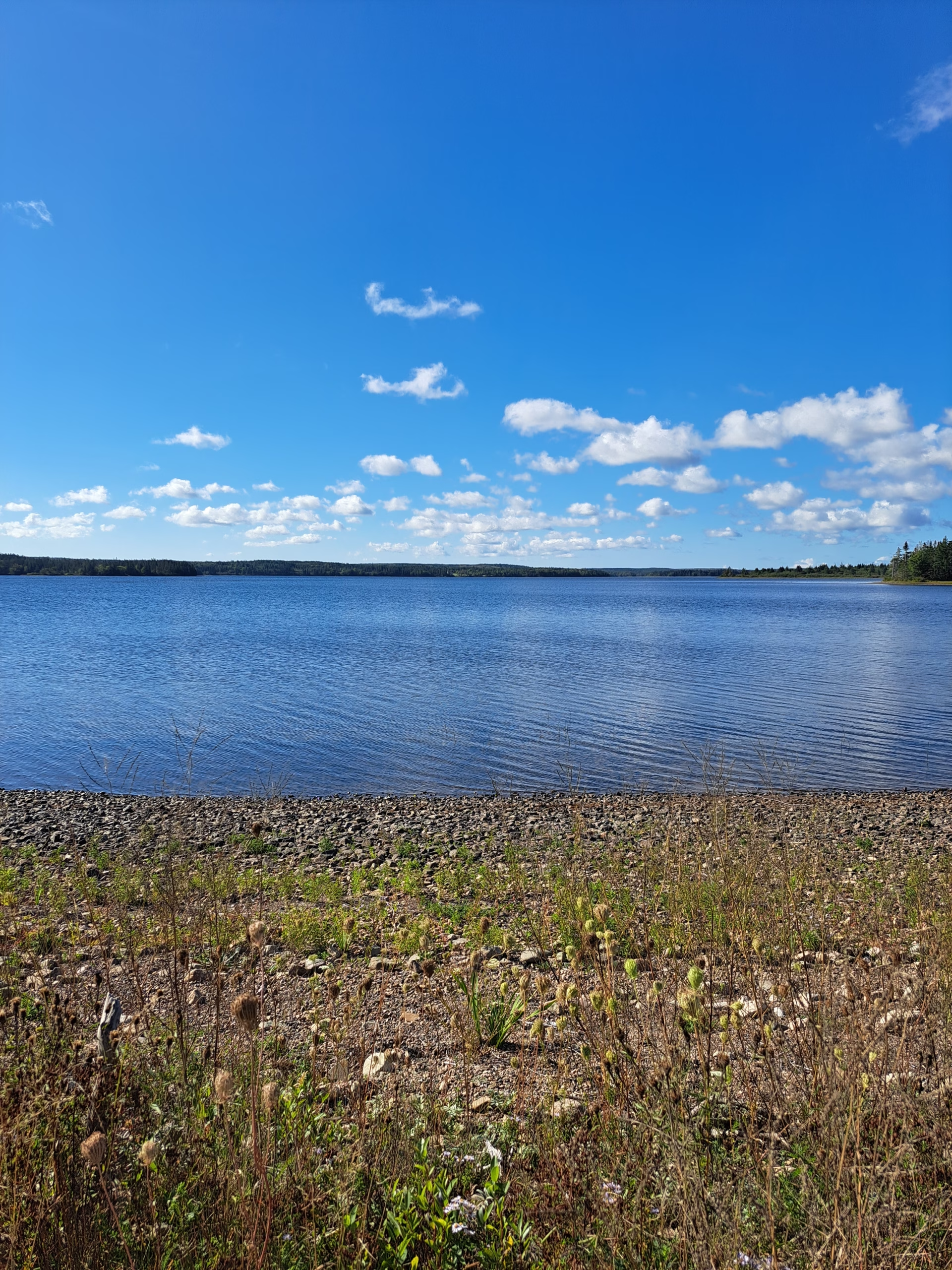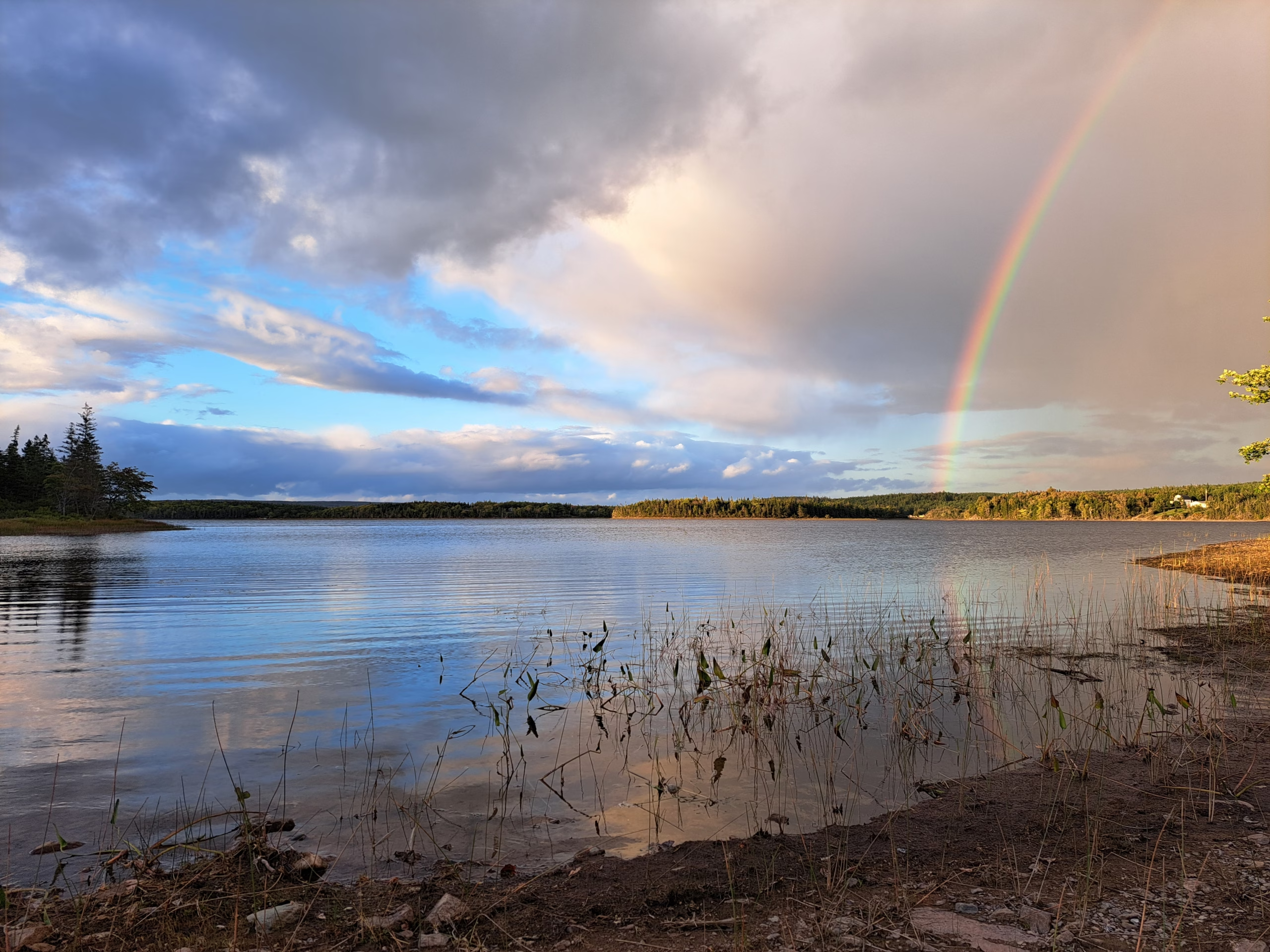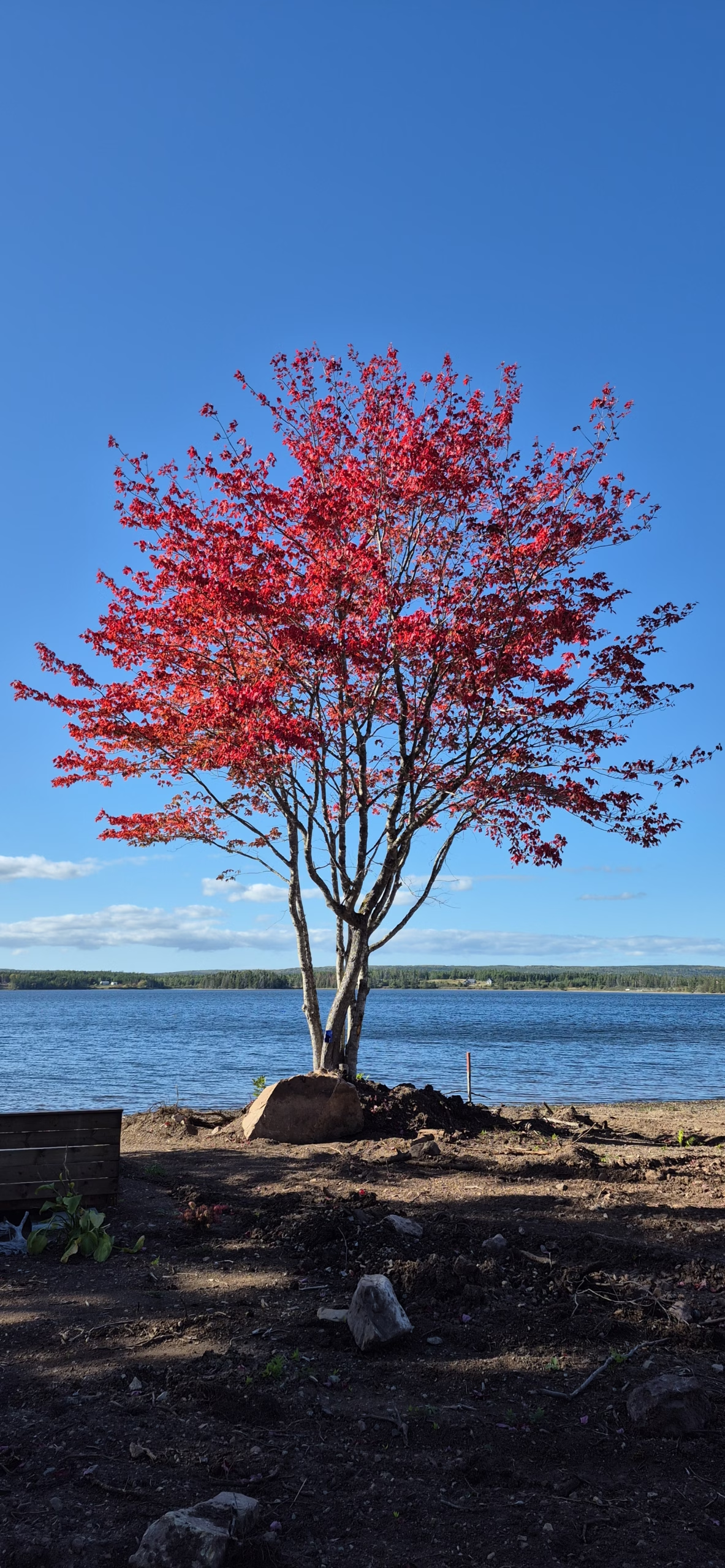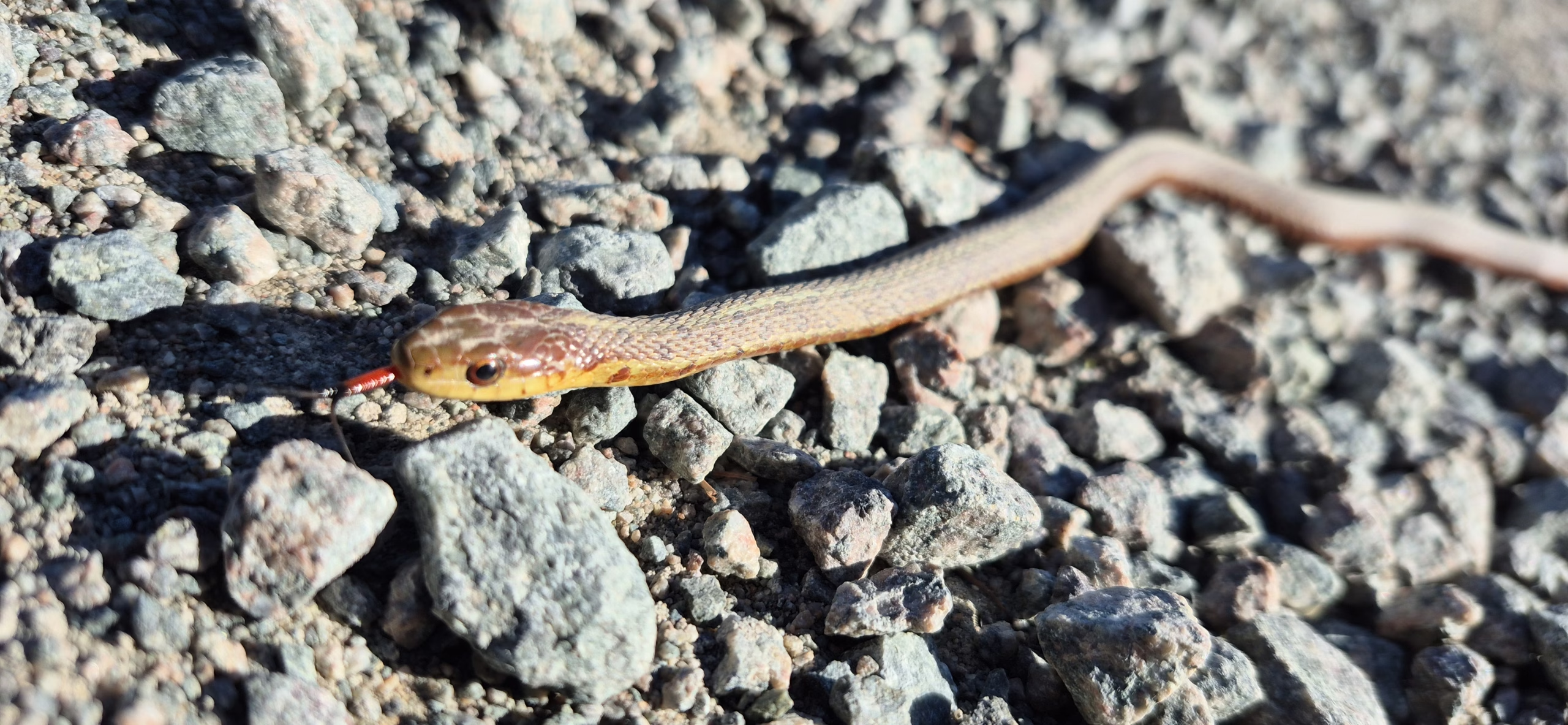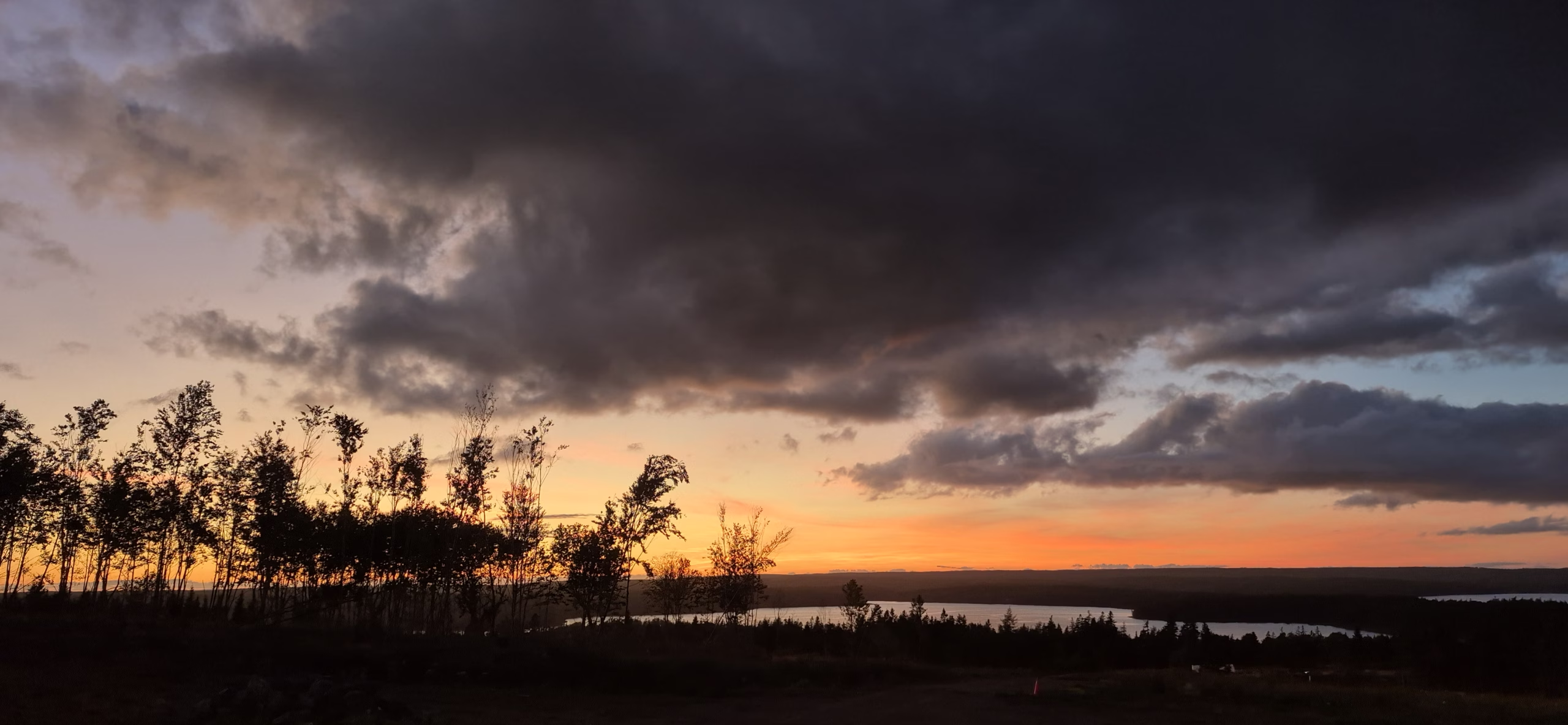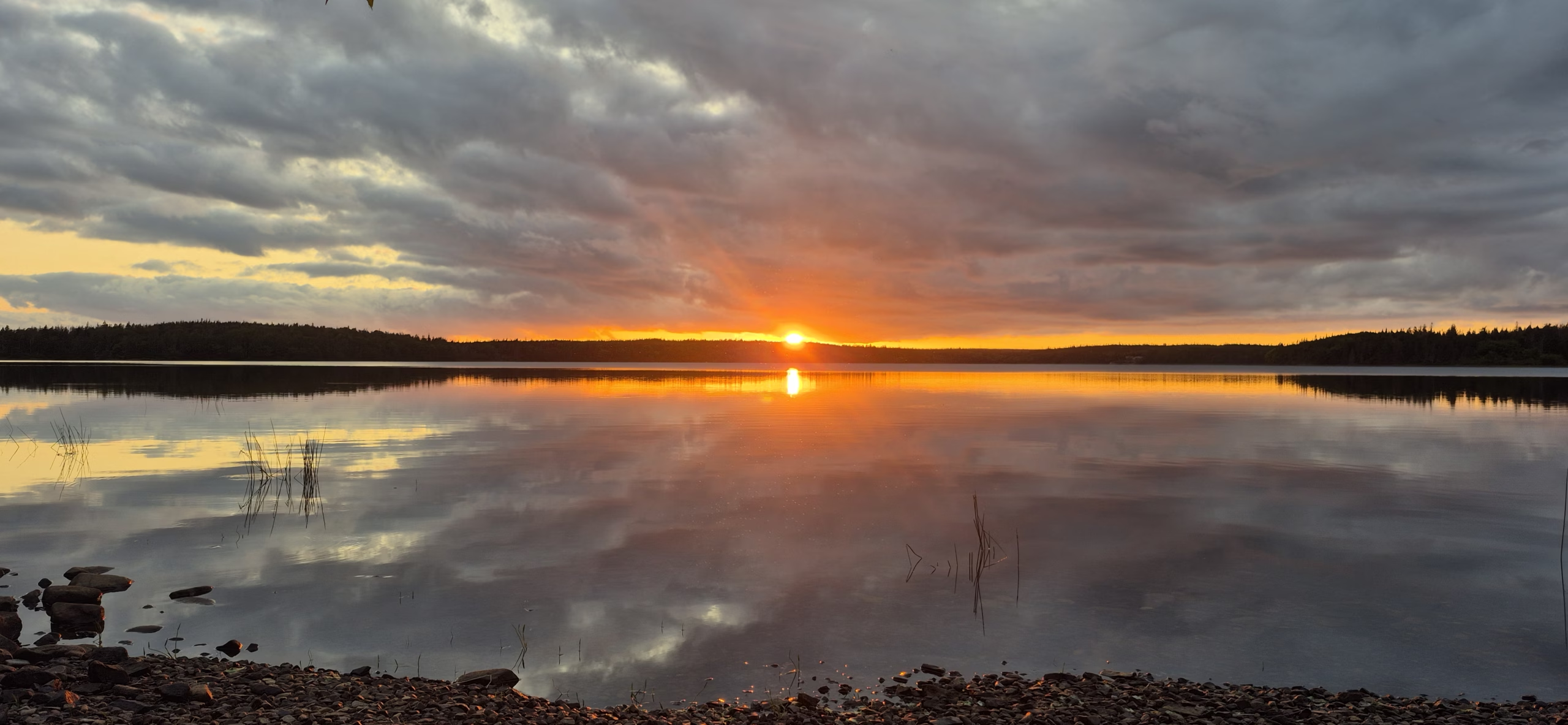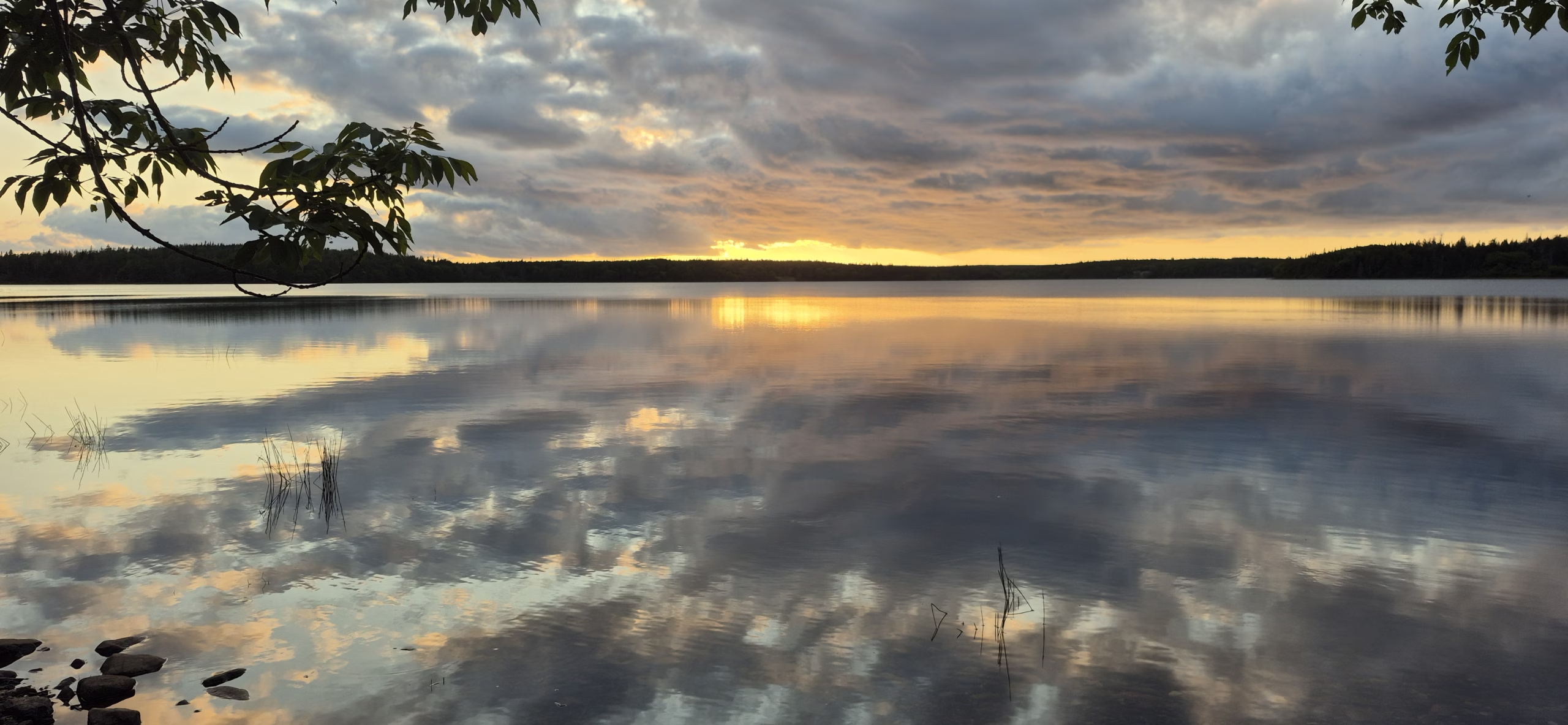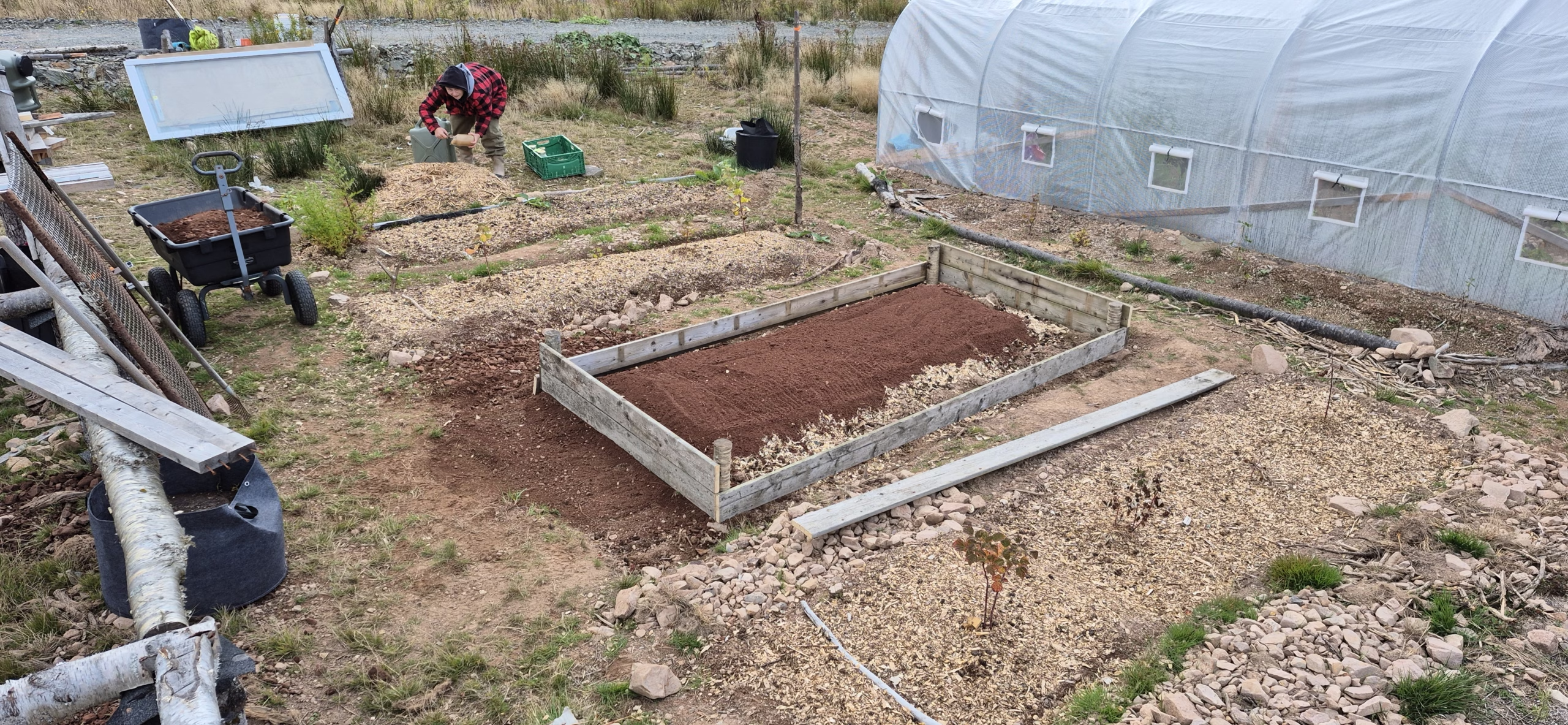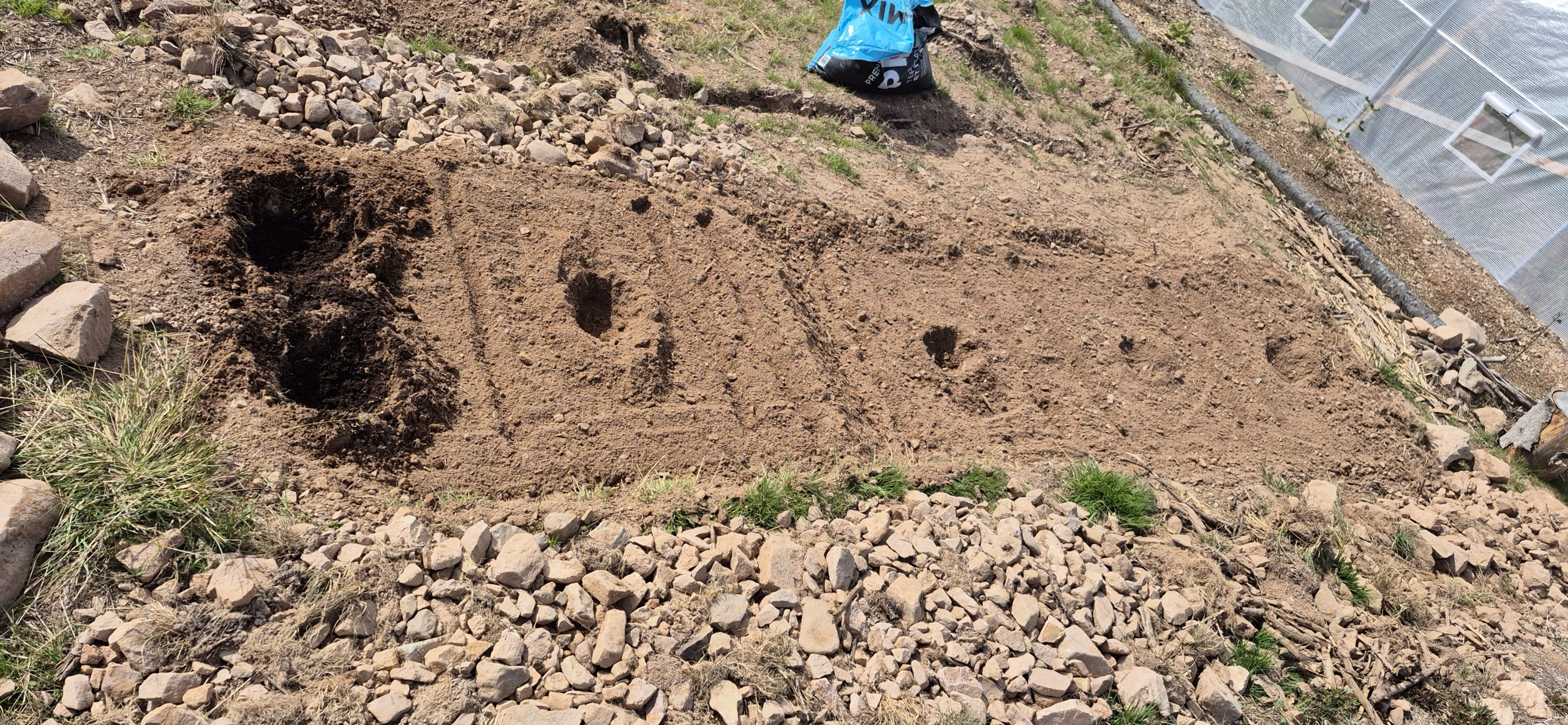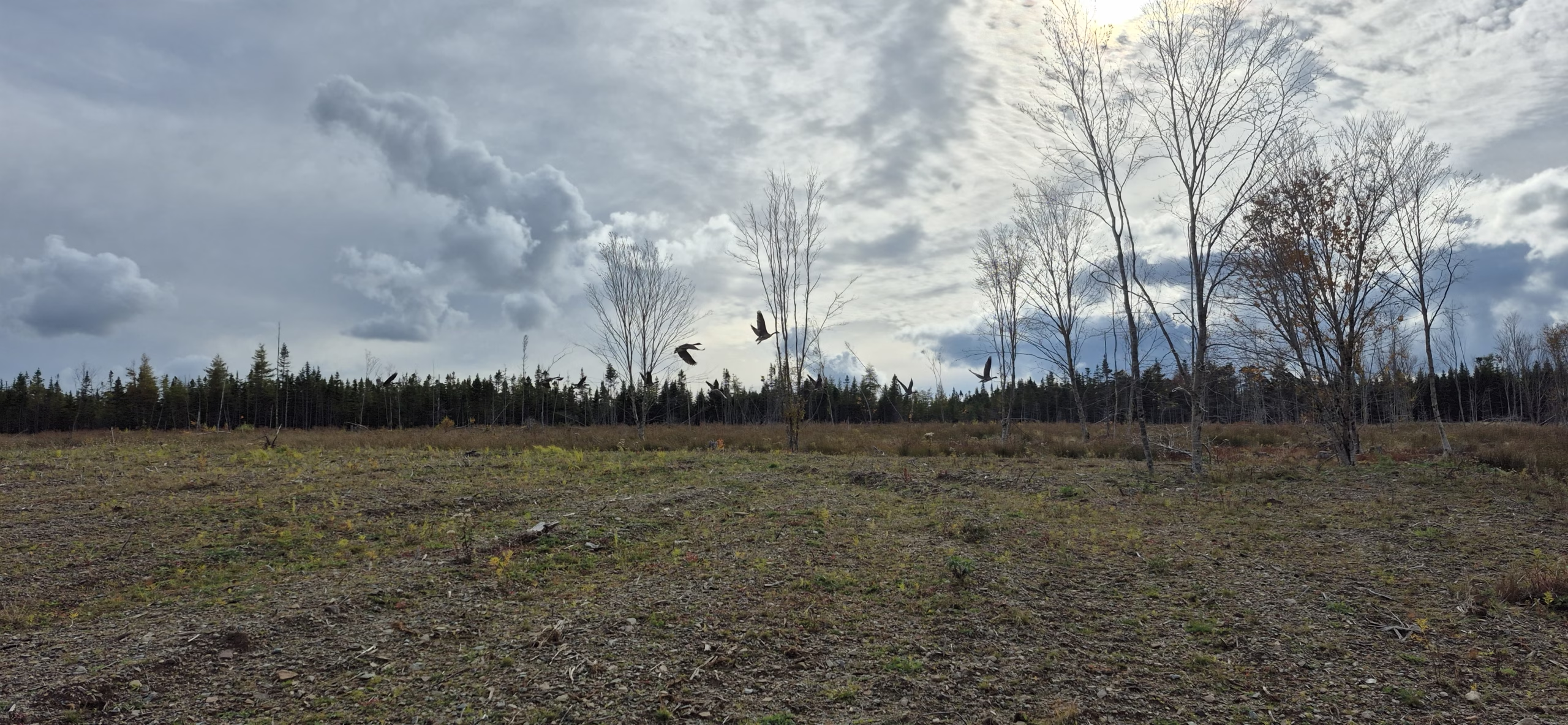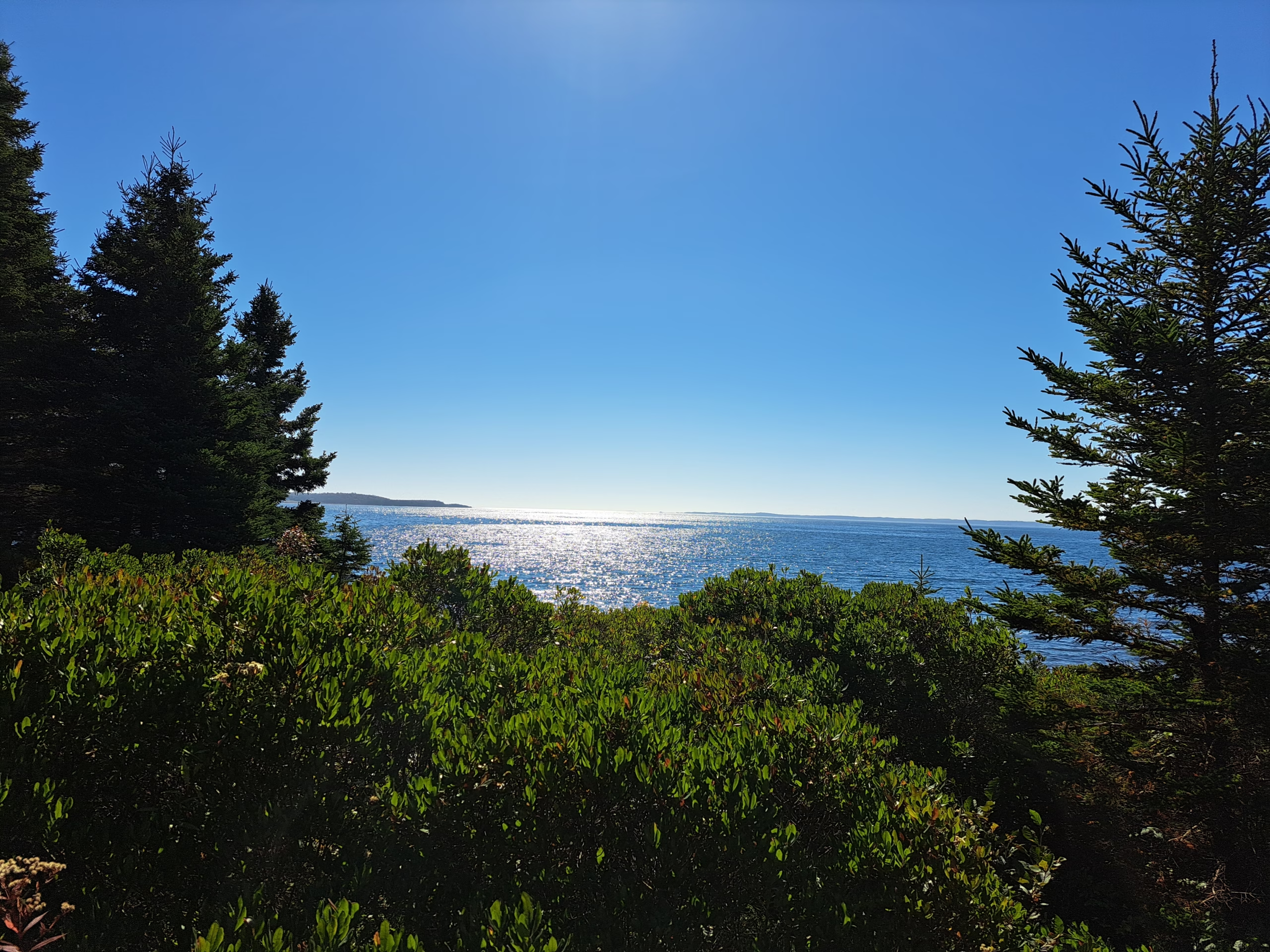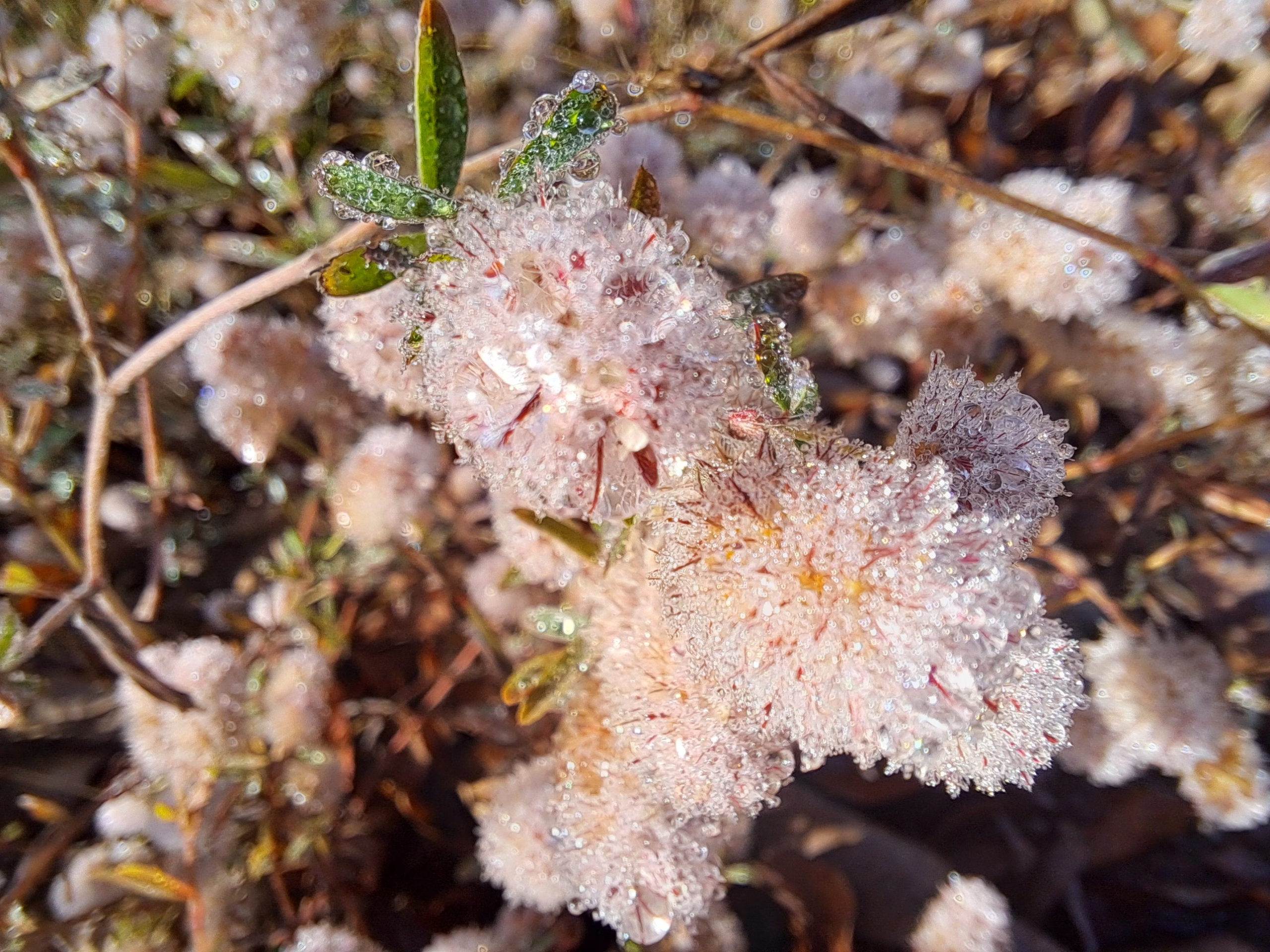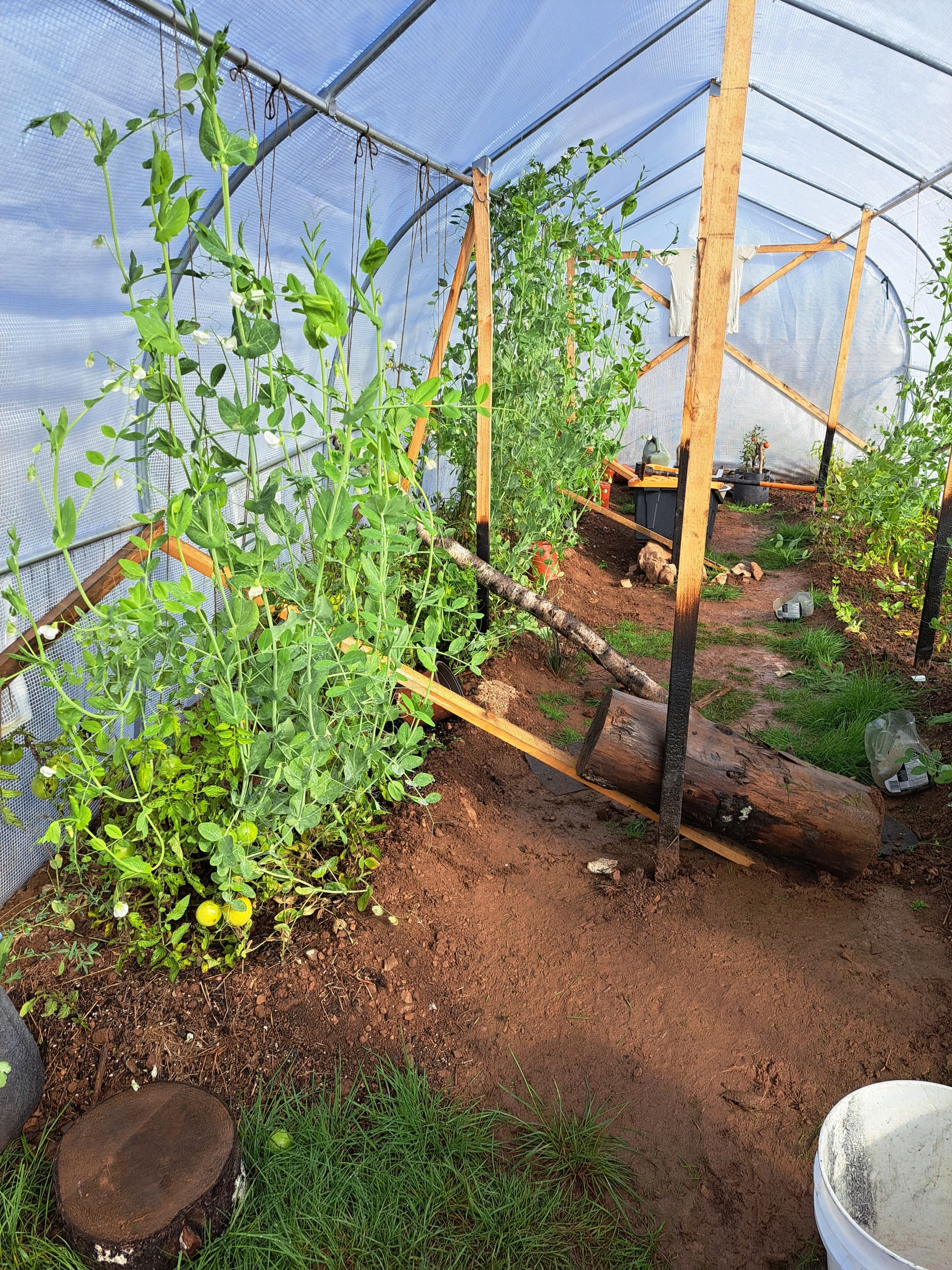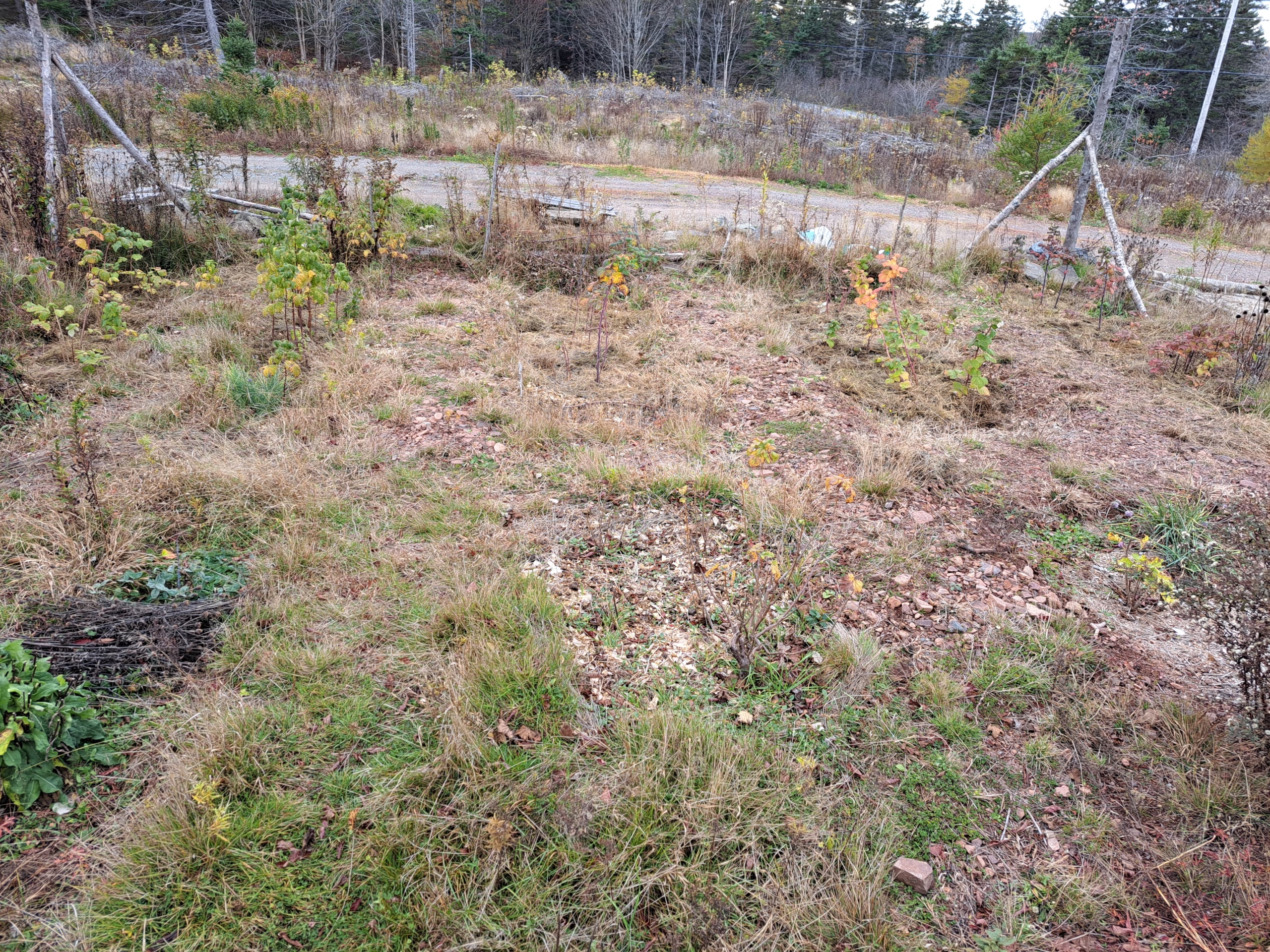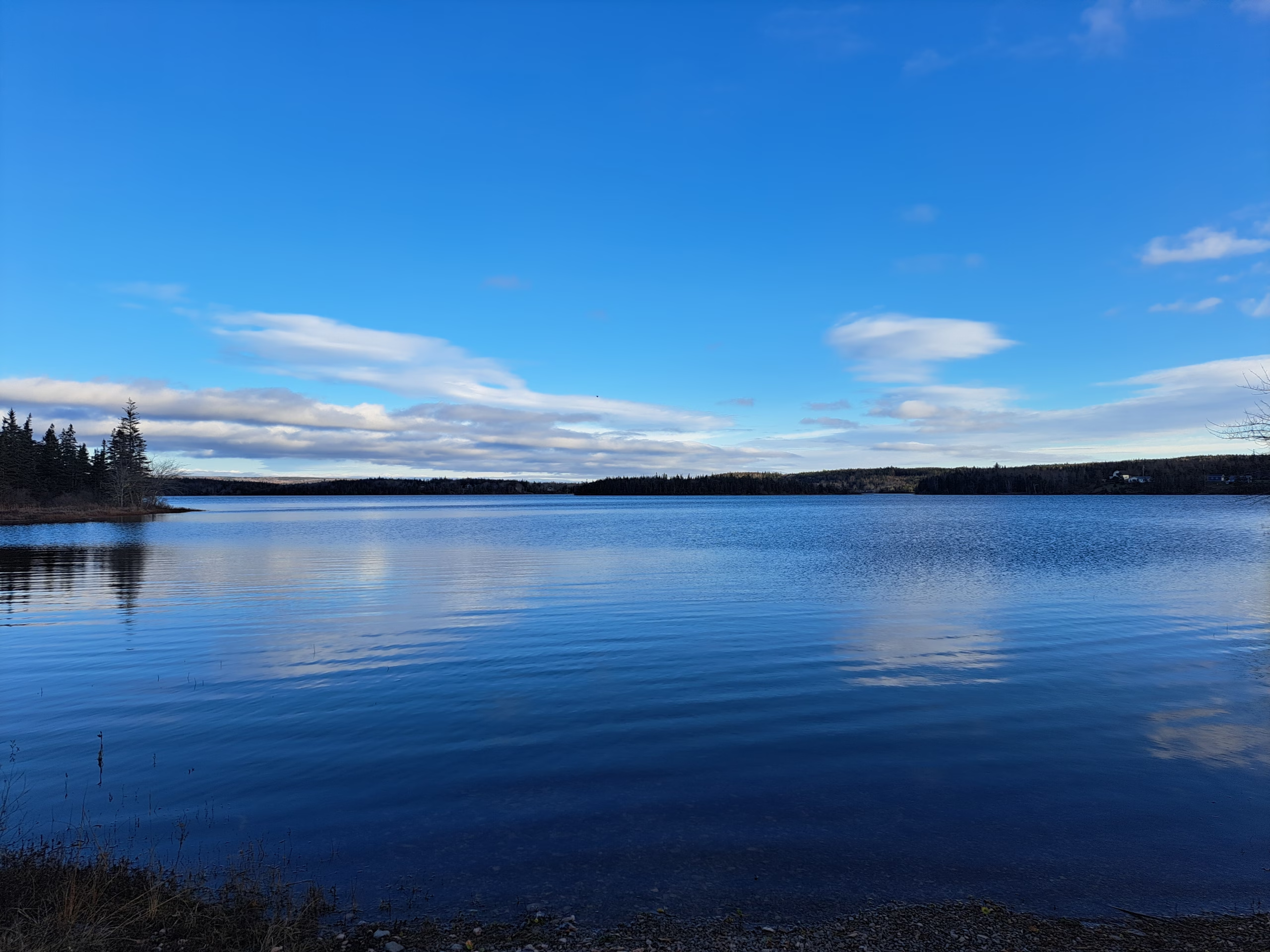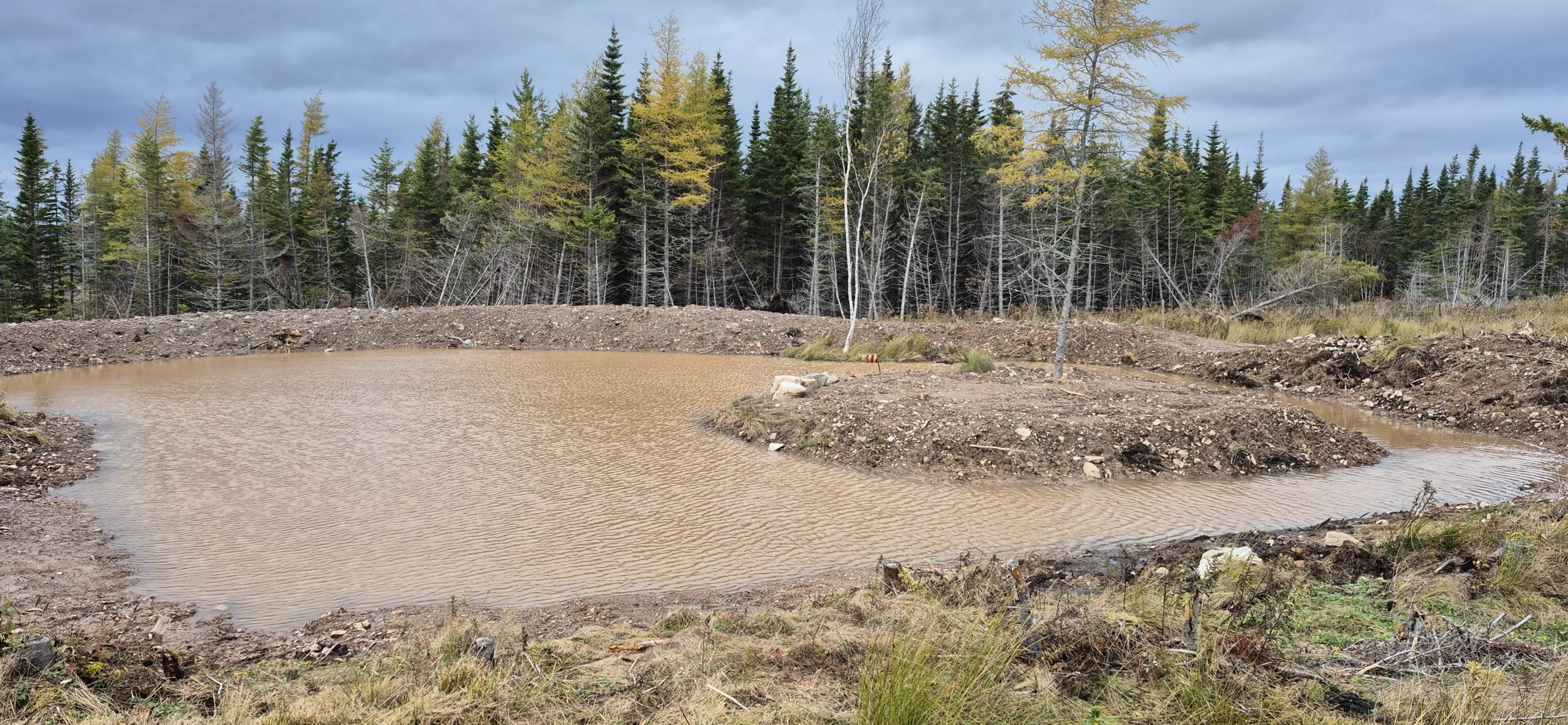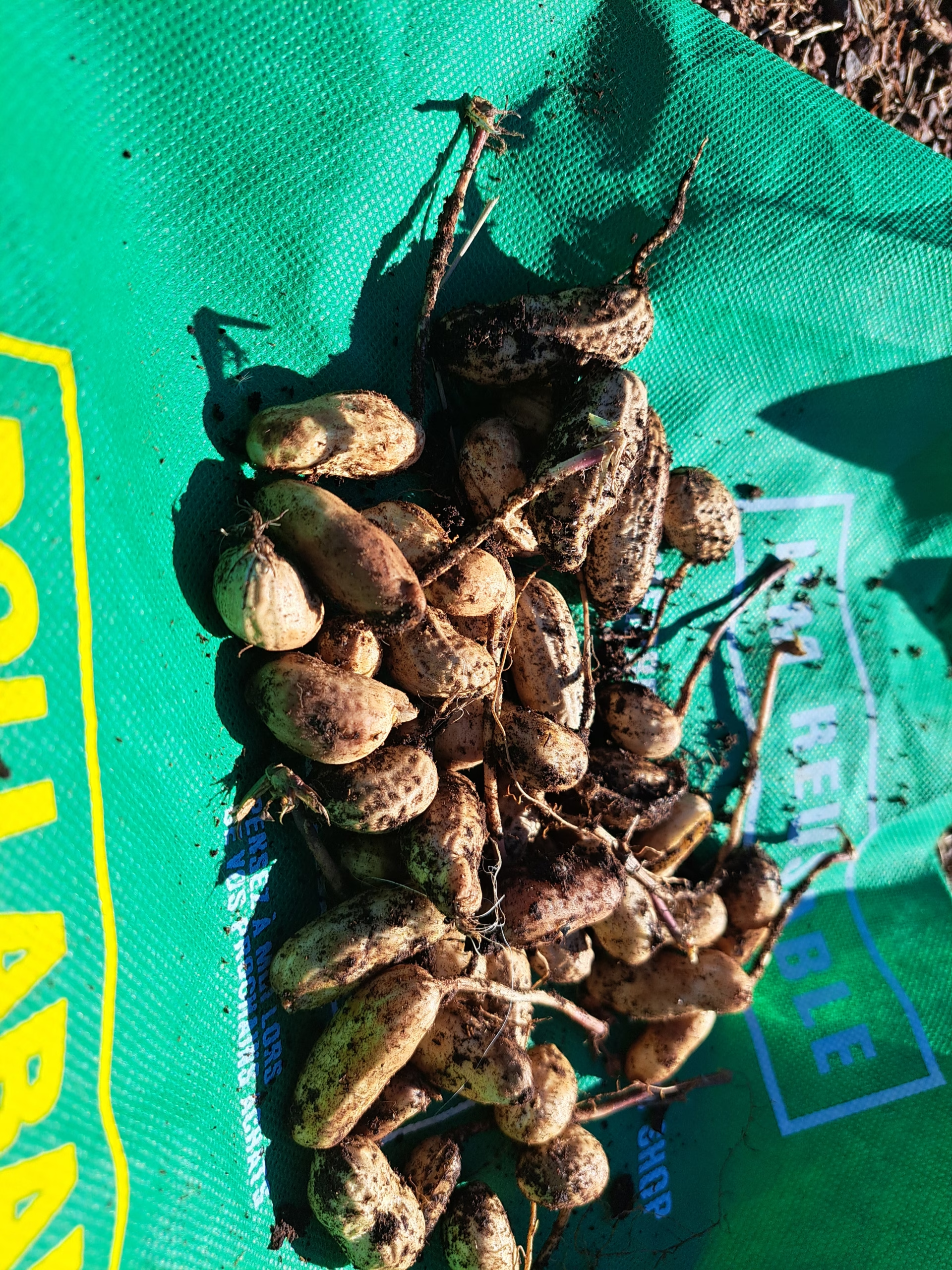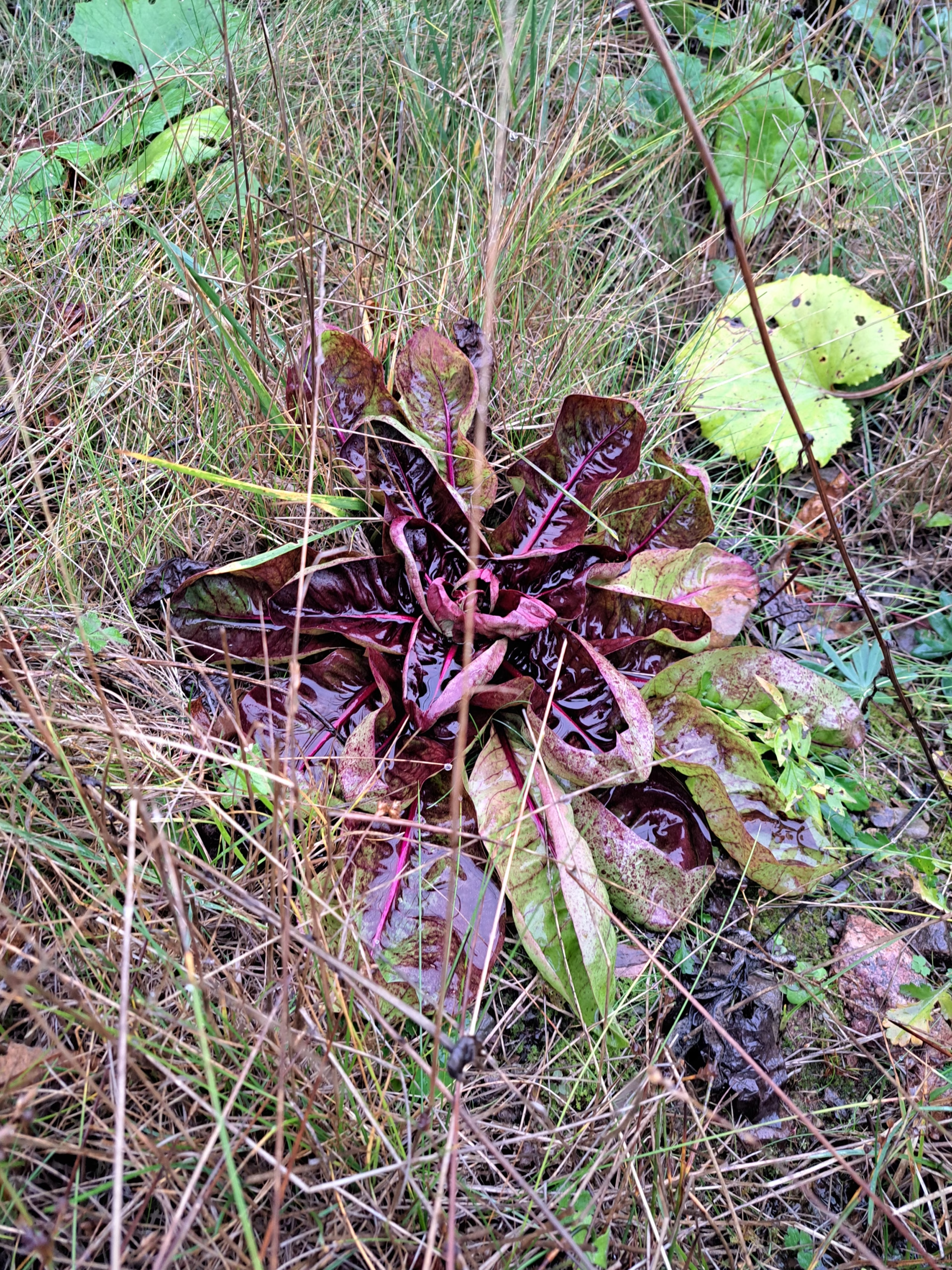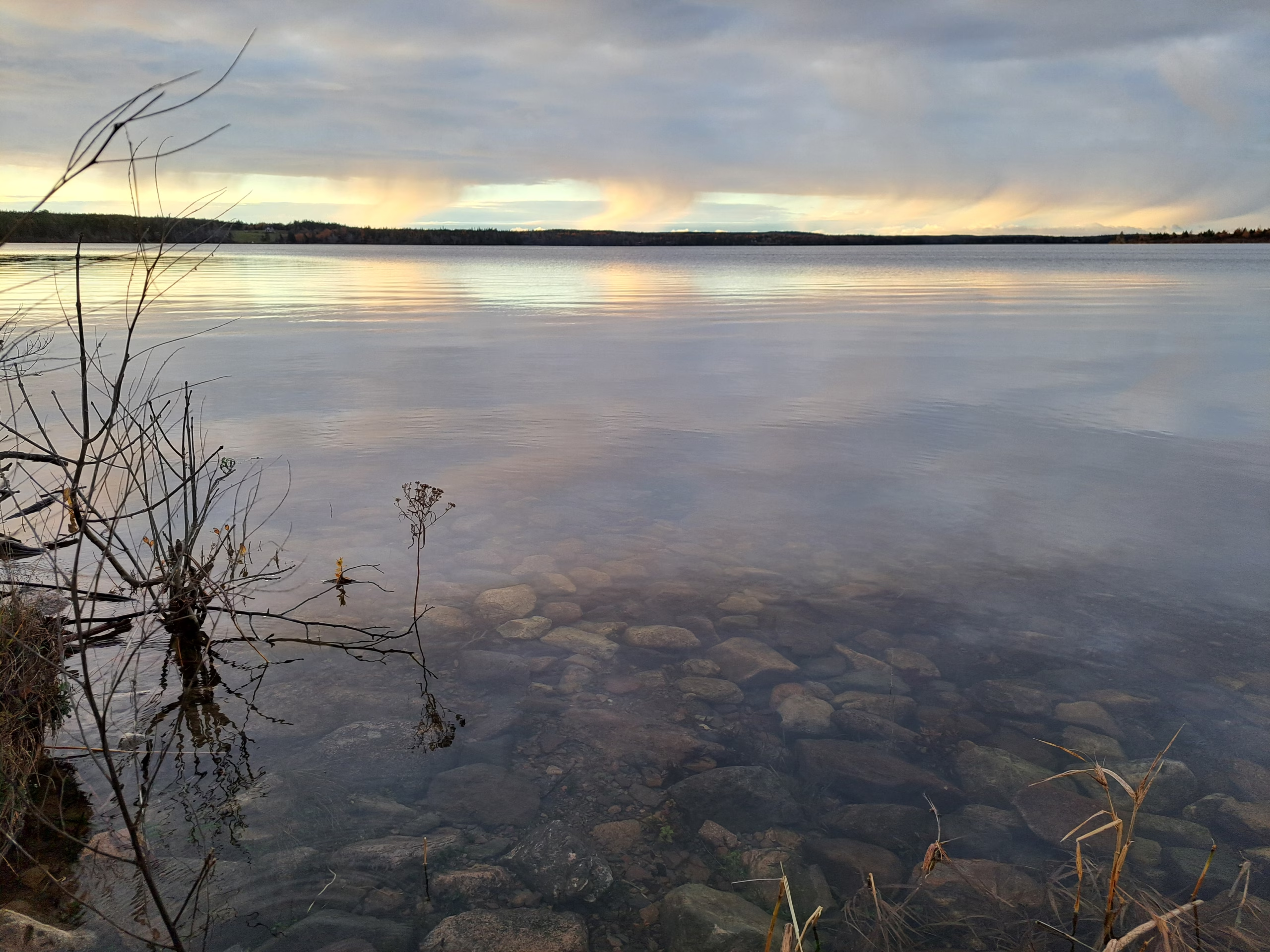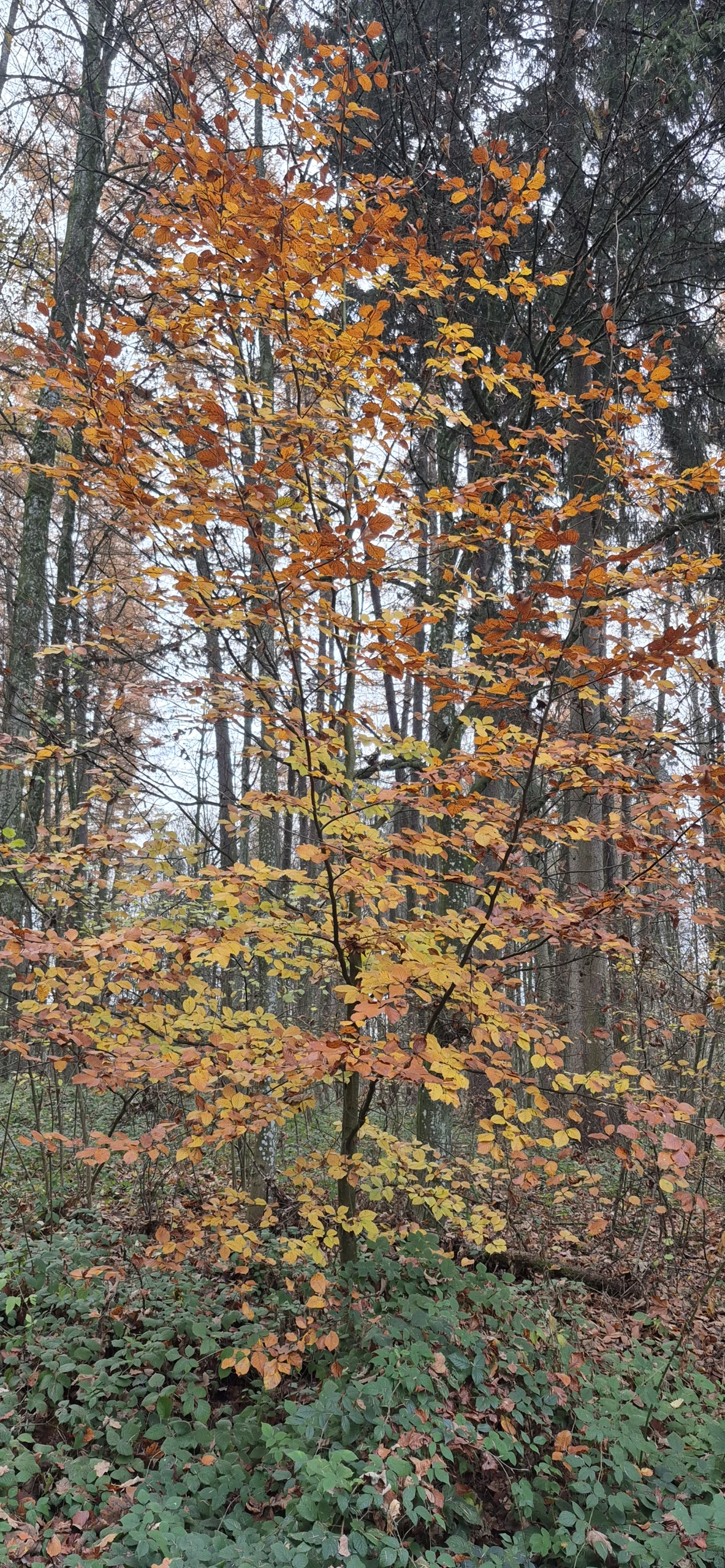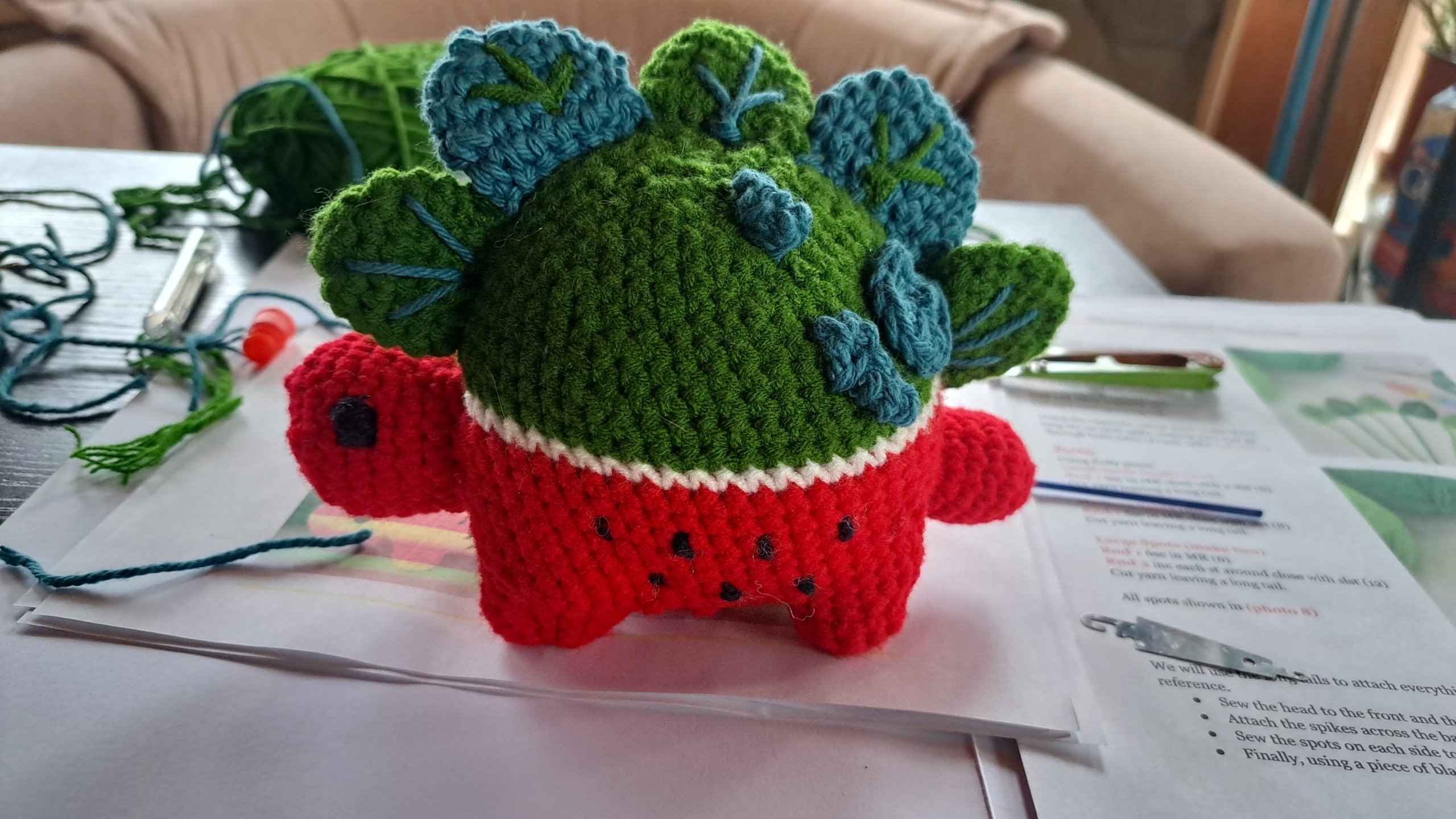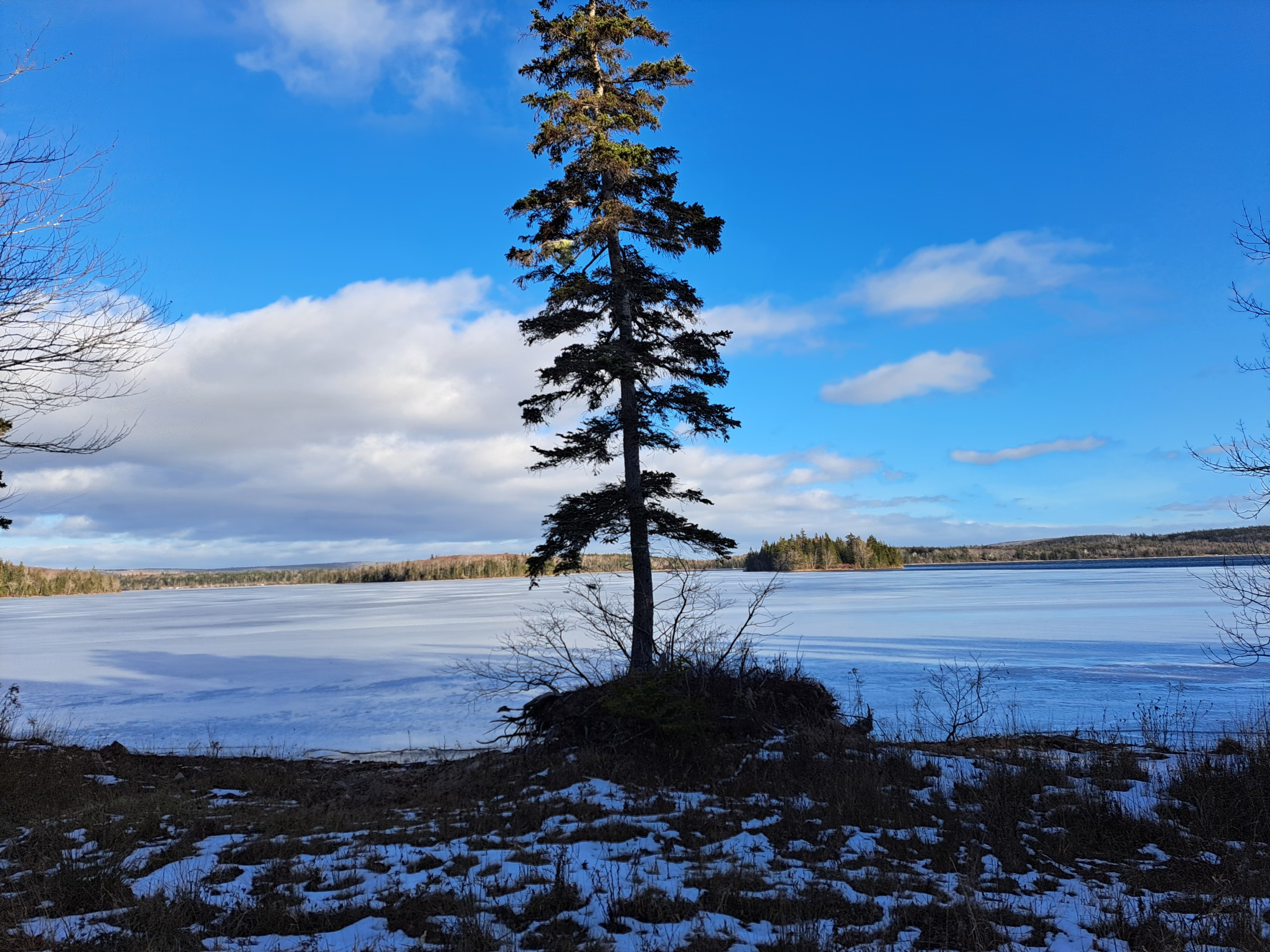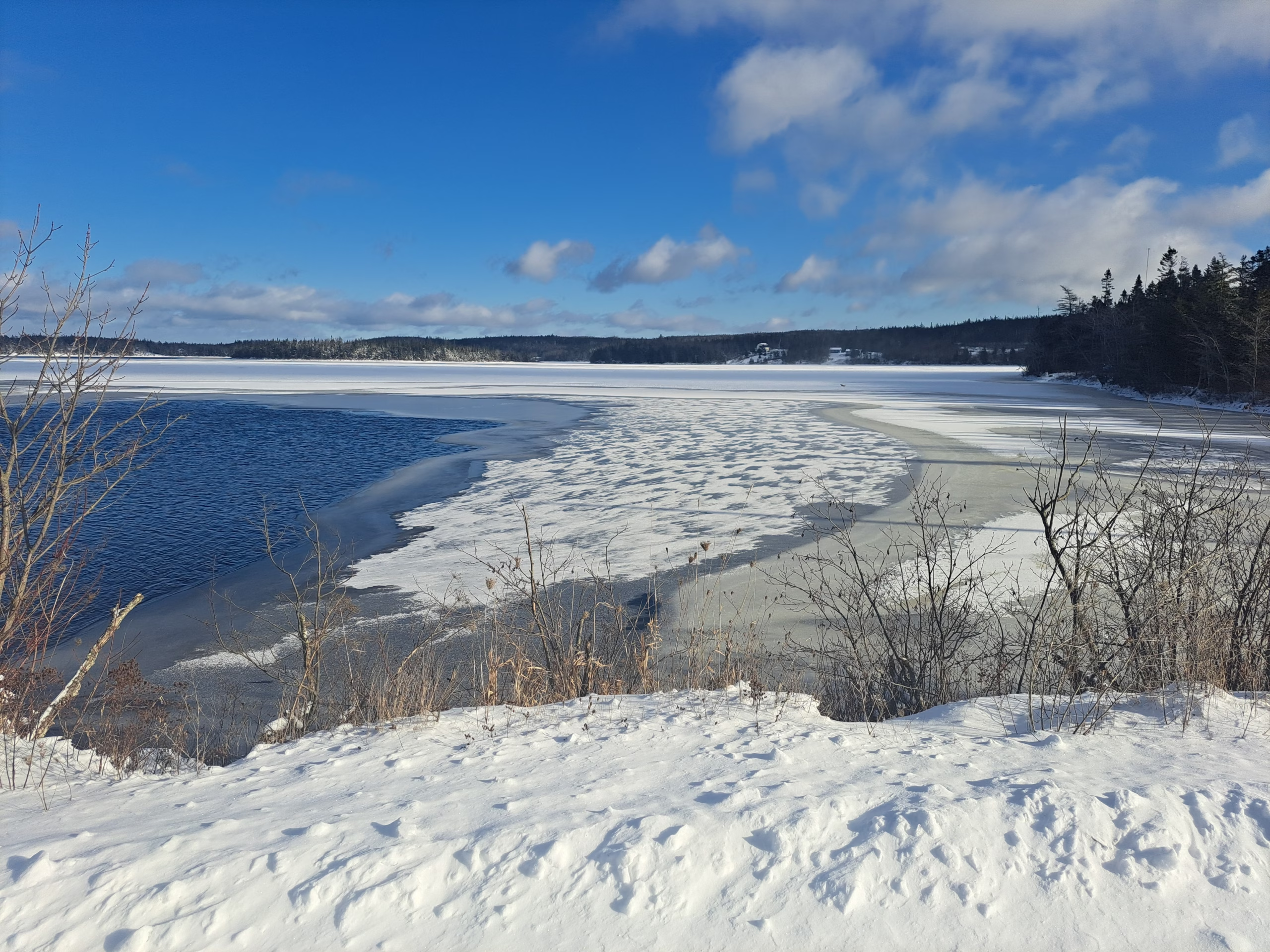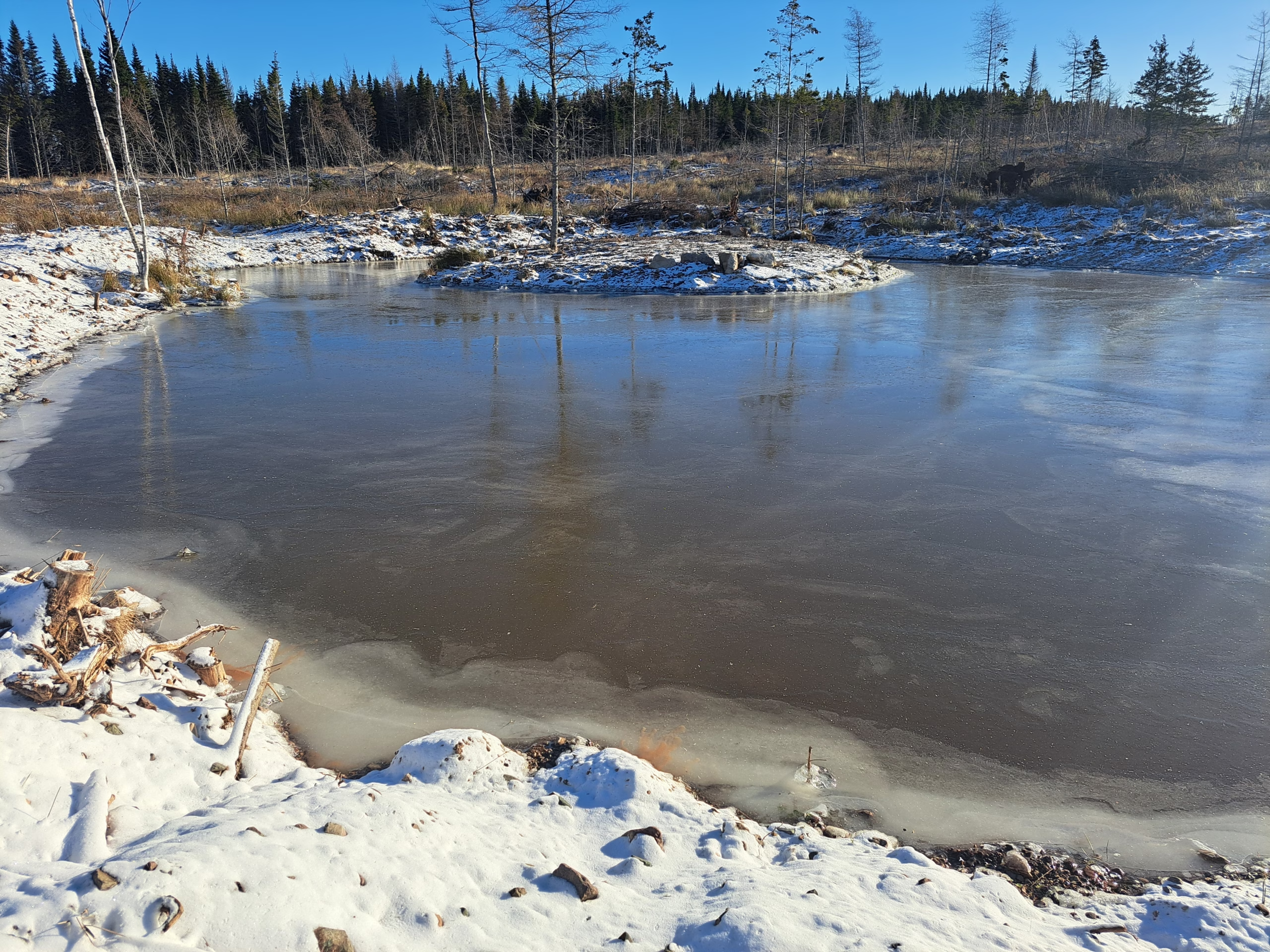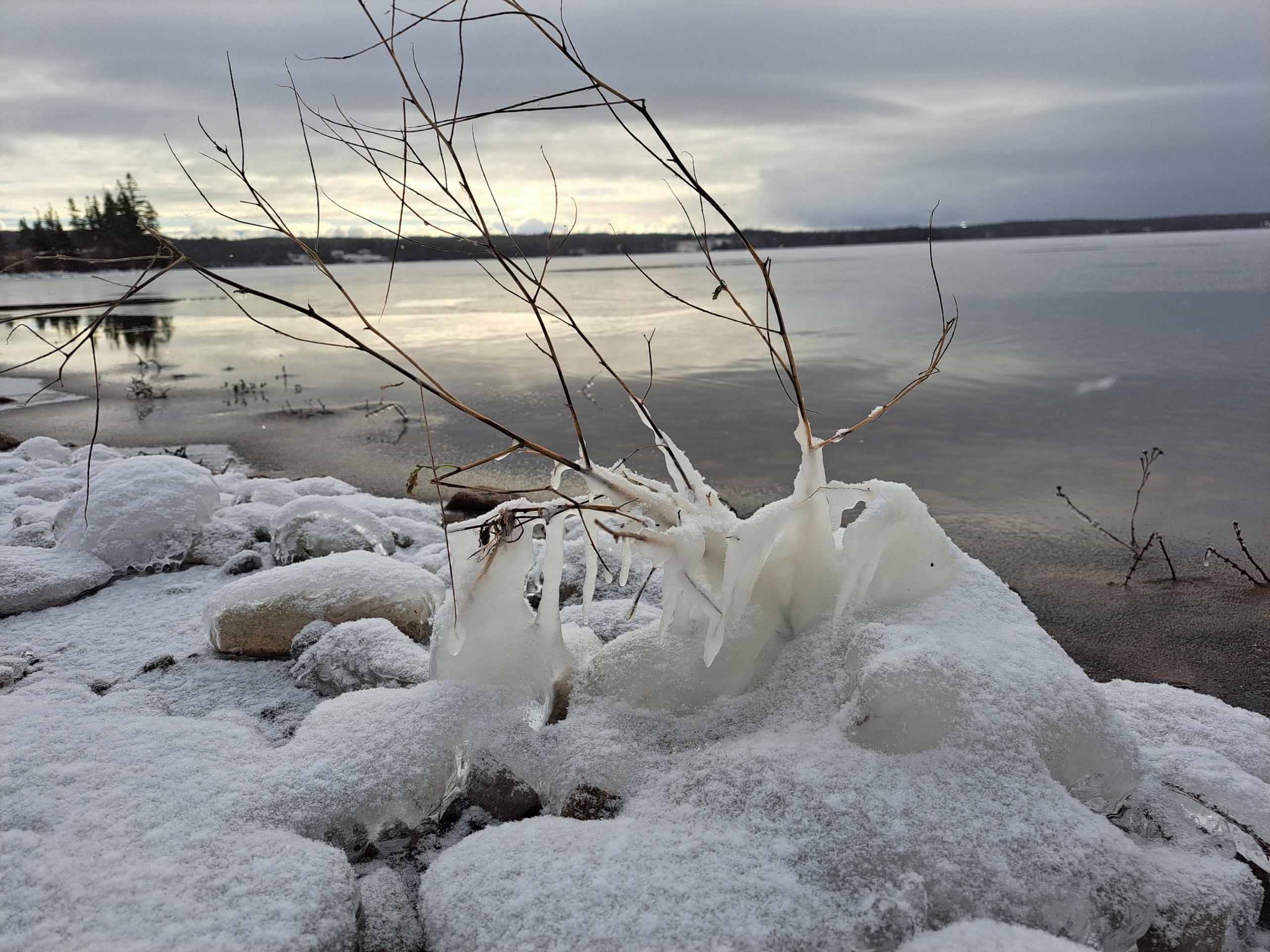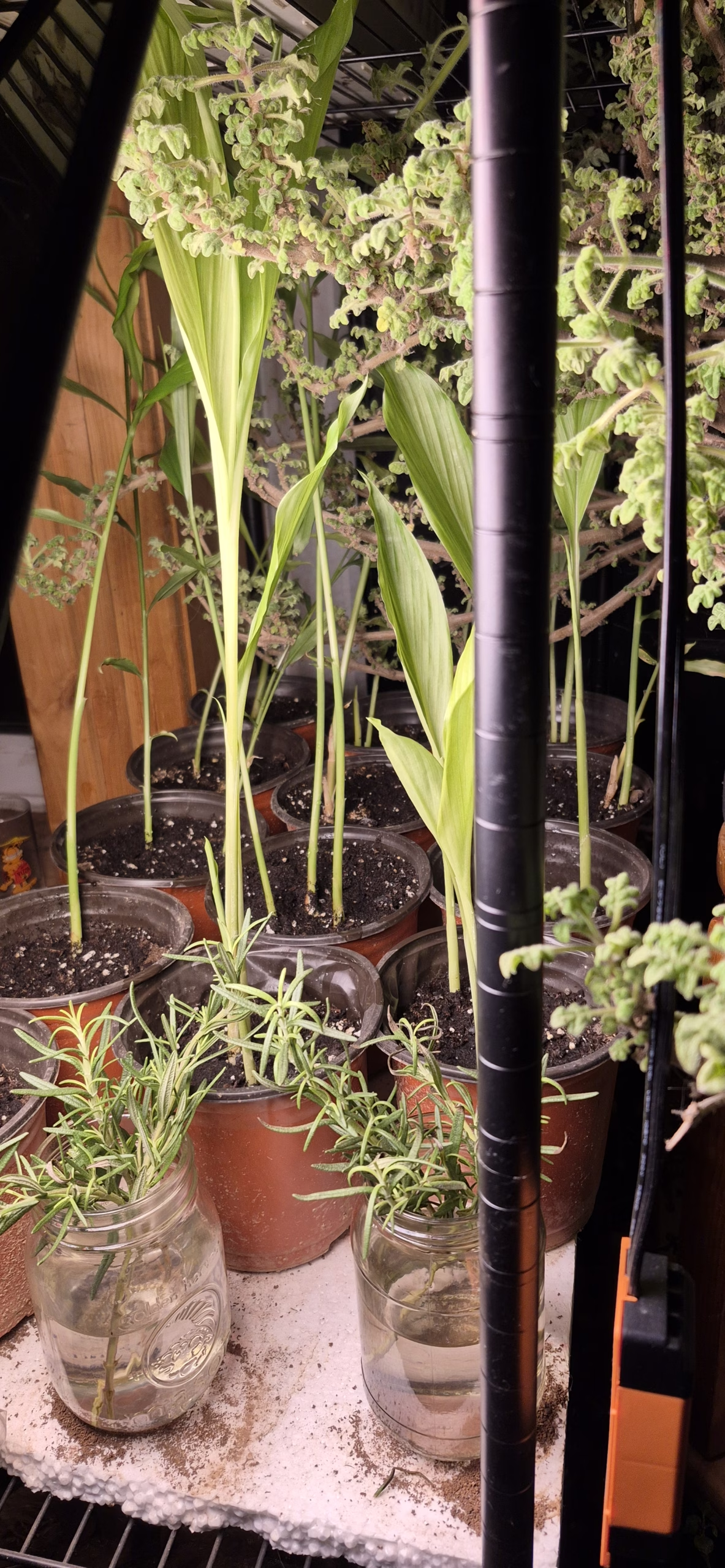
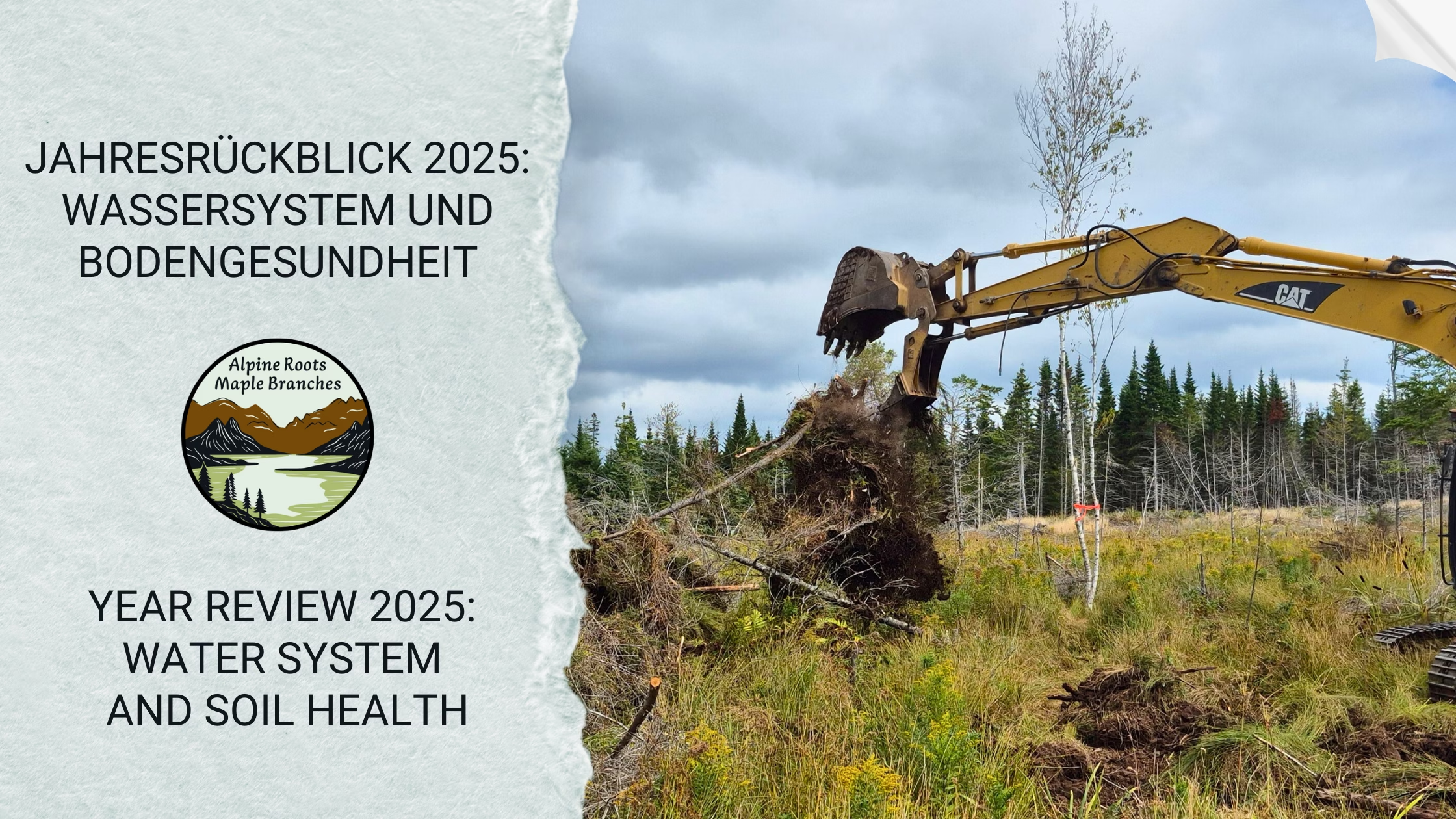
When a year comes to an end, we see the changes on our land most clearly in the photos.
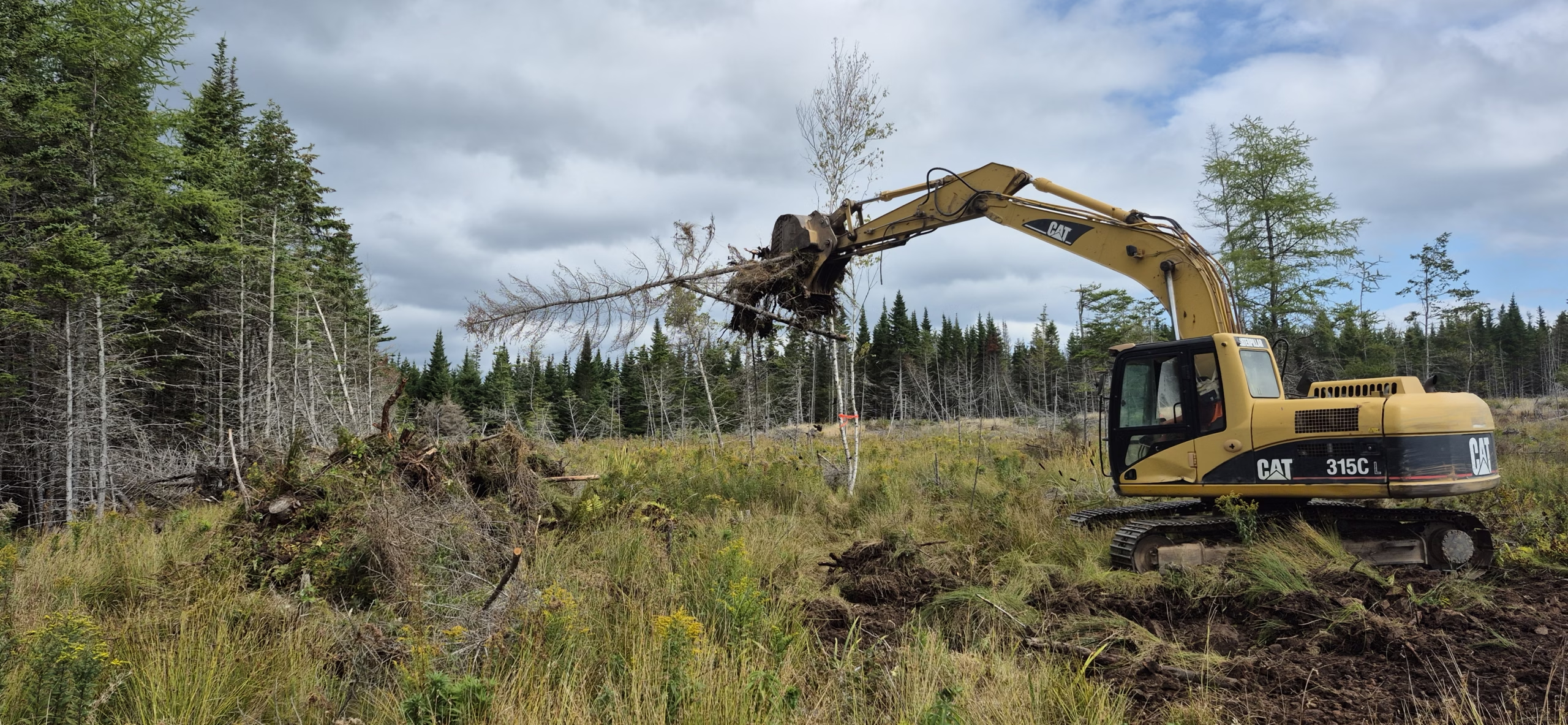
2024 was the year of first steps: clearing areas, taking soil samples, discovering the blueberry patches and building the first simple shelter.
2025 built on that – with priorities that are not always visible at first glance, but will shape the next years.
Table of Contents
January 2025
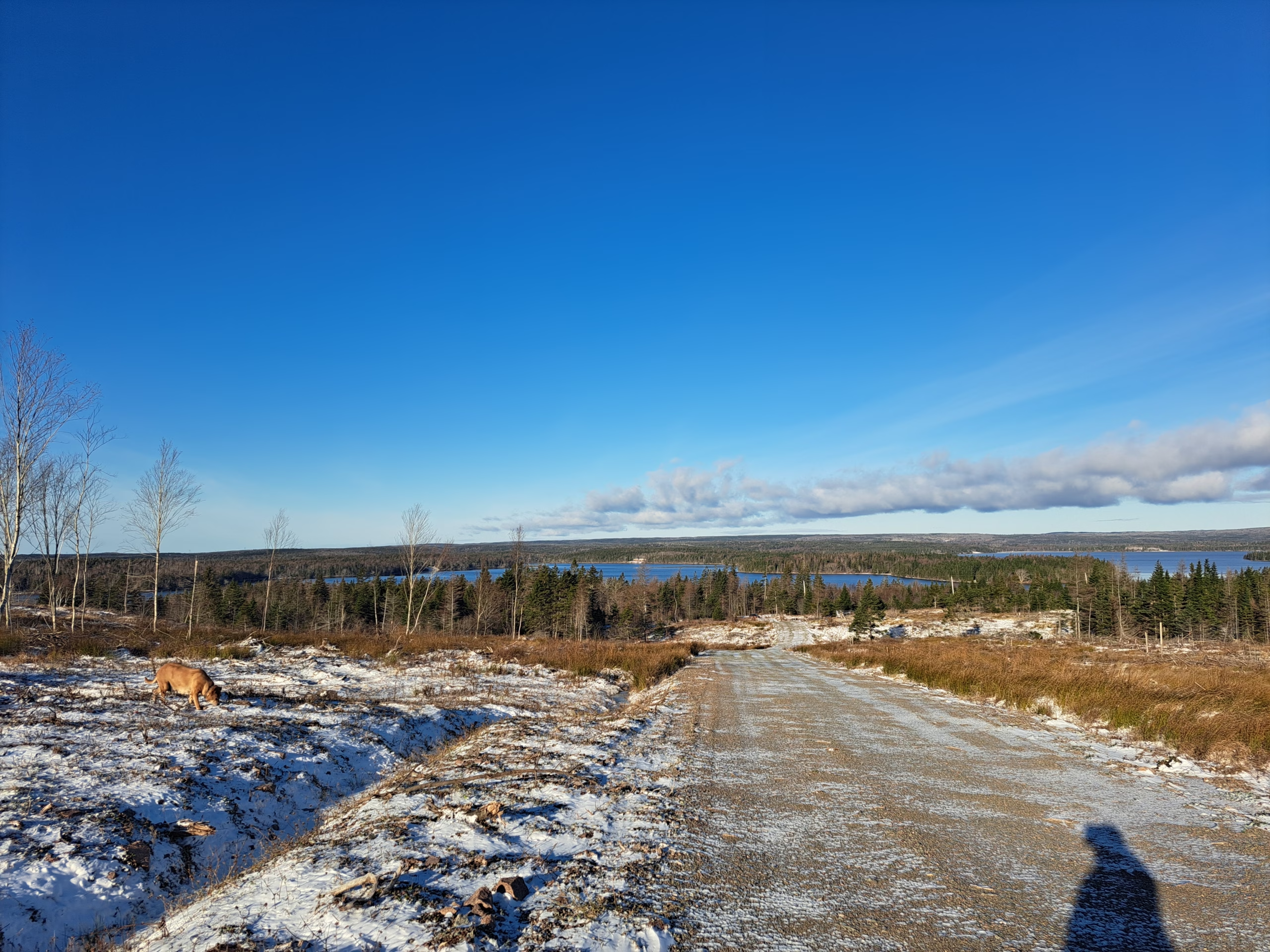
In January 2025 the focus is less on small details in the soil and more on the bigger picture.
The photos from this month mostly show wide views: lake, sky, light over snow and water.
It is the quietest phase of the year. Outside only the bare minimum happens, and inside we sort through what was started in 2024 and which projects should have priority in 2025.
Between short walks on the land and a lot of time indoors, lists, rough sketches and first decisions emerge: which areas we really want to tackle this year, how we can use water more efficiently and how we want to build up the soil in the long term.
January is therefore less a working month and more a mental starting phase – a slow beginning to a year in which many ideas turn into concrete steps.
February 2025
In February 2025 our land is still deep in winter. Snow and ice cover the ground, but that actually makes contour lines, wind corridors and possible water paths especially visible.
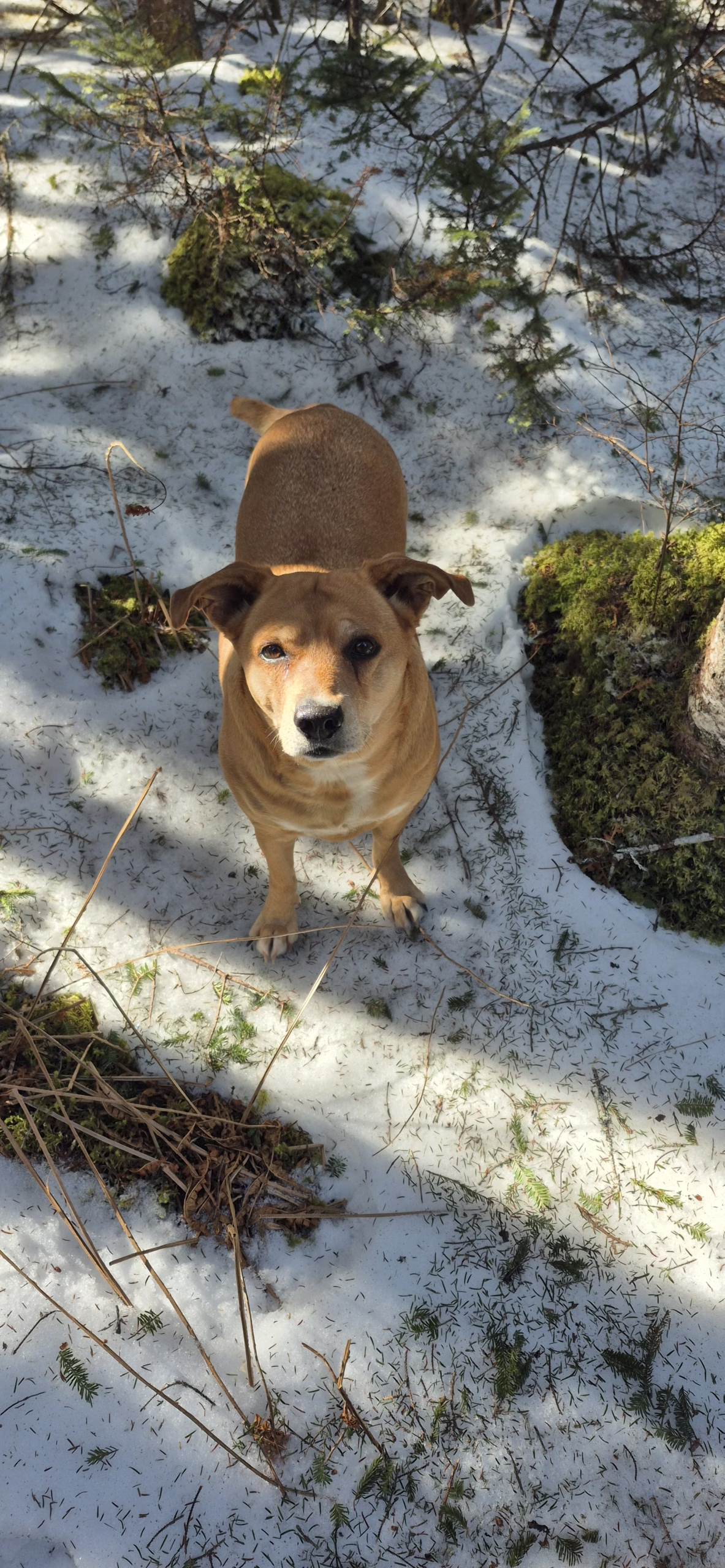
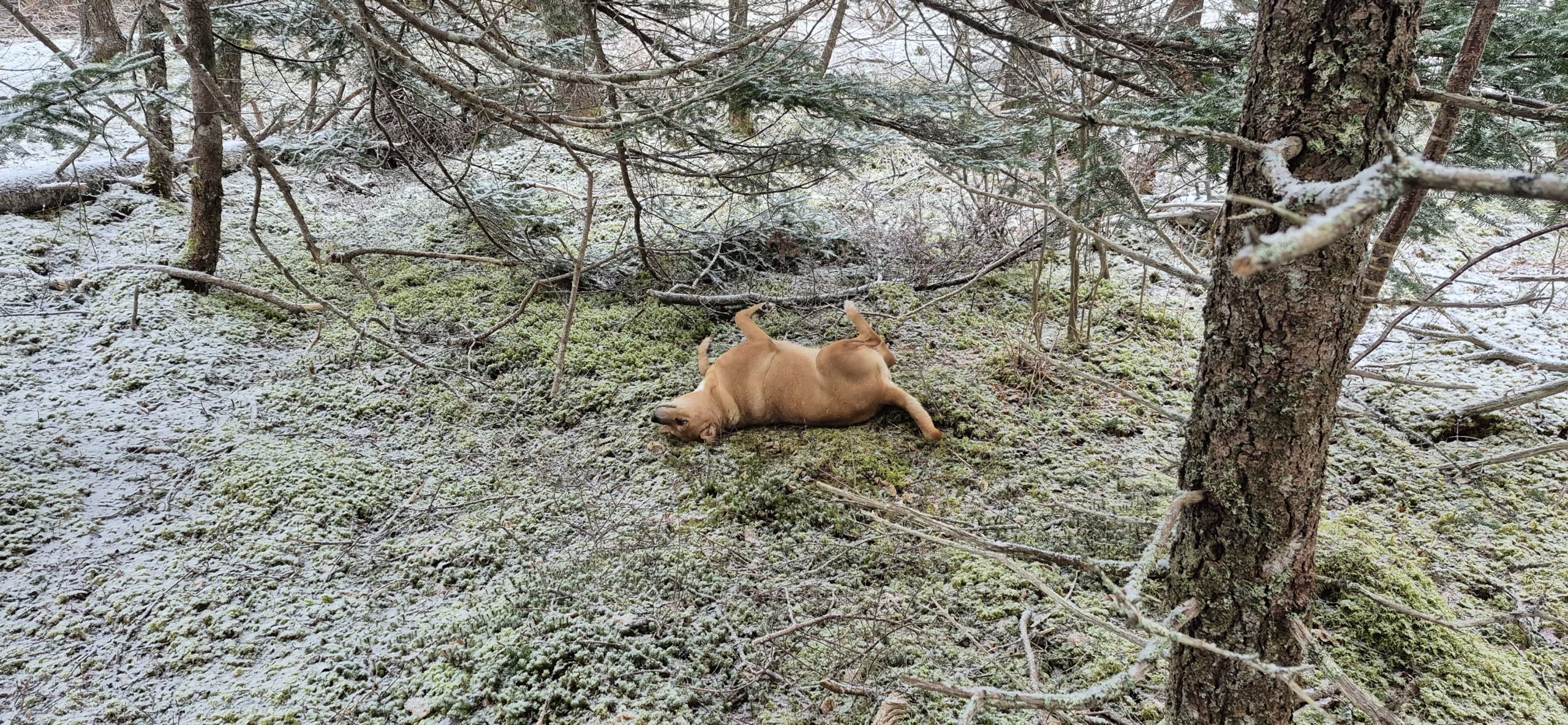
On drives around the lake and walks across the property – often with Diana at our side – we collect impressions:
Where does the snow stay longer, where does it melt first, where does ice form? These quiet winter days give us important clues for the future water system and help us decide which areas need to be relieved, protected or deliberately planted first in spring.
March 2025
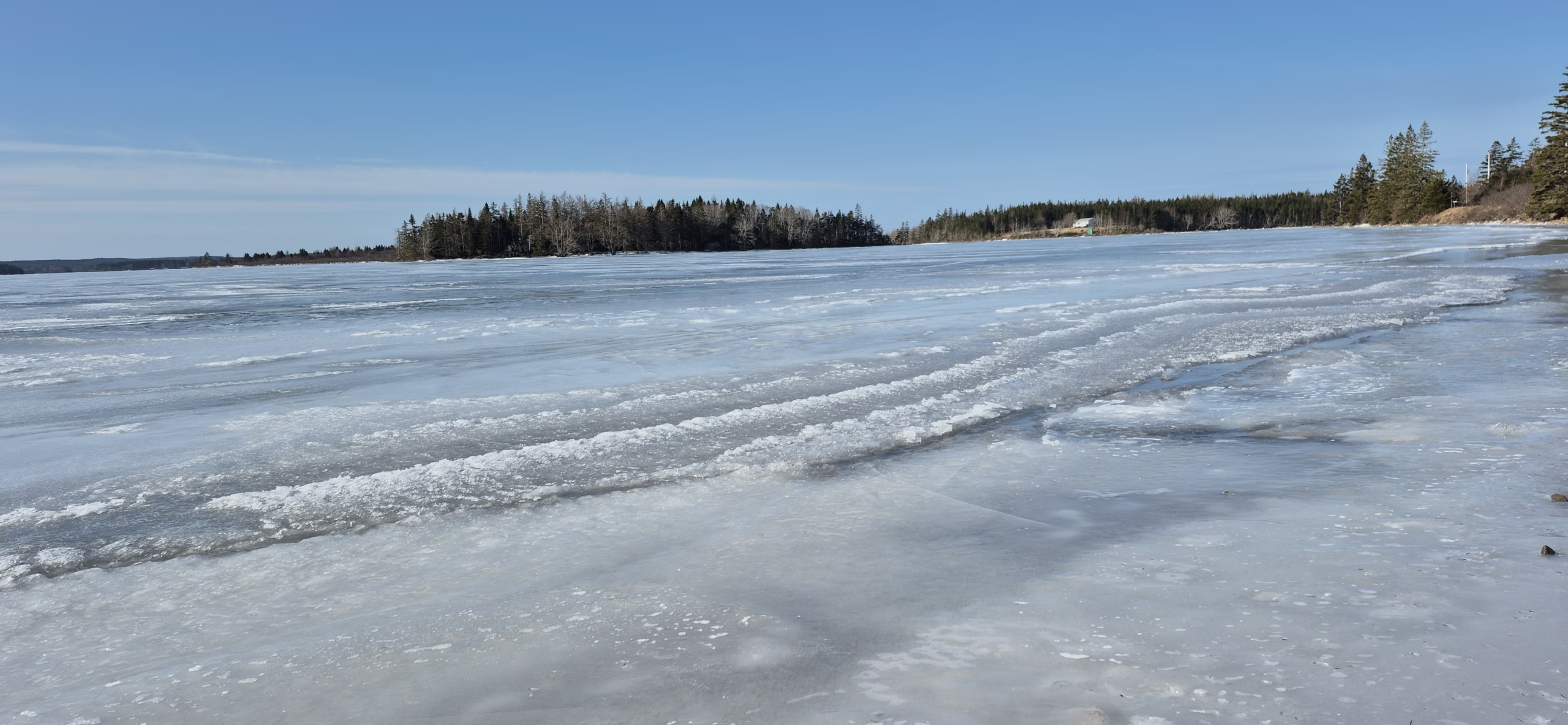
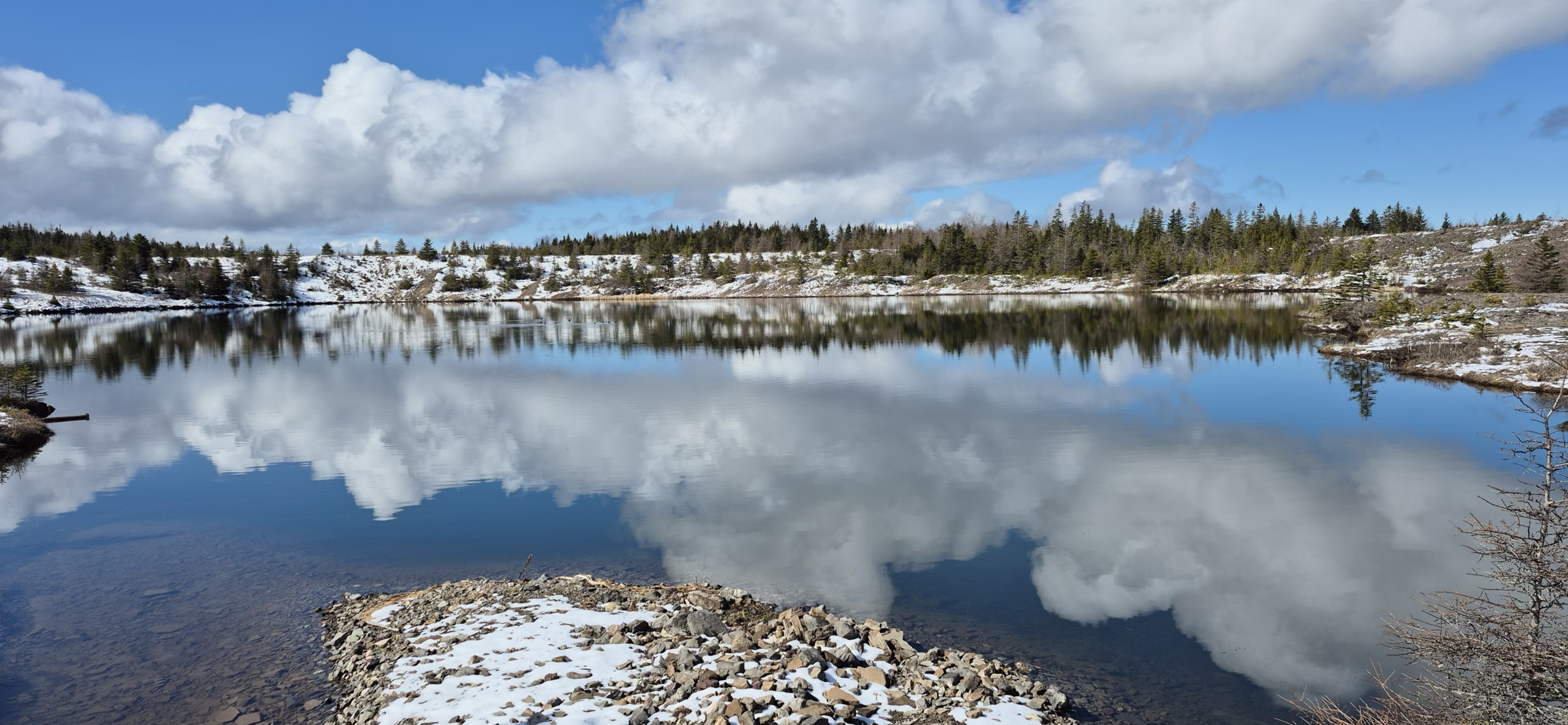
In March 2025 the mood slowly shifts from winter to early spring. The lake is still covered with ice, but the light and reflections become softer.
Between remaining snow, lichens and moss we plant the first young conifers and pay attention to how they fit into the existing vegetation.
On our walks across the land we see where the soil is already thawing, where winter still holds on and how the new planting spots are developing – with Diana, of course, regularly in the middle of it all.
April 2025
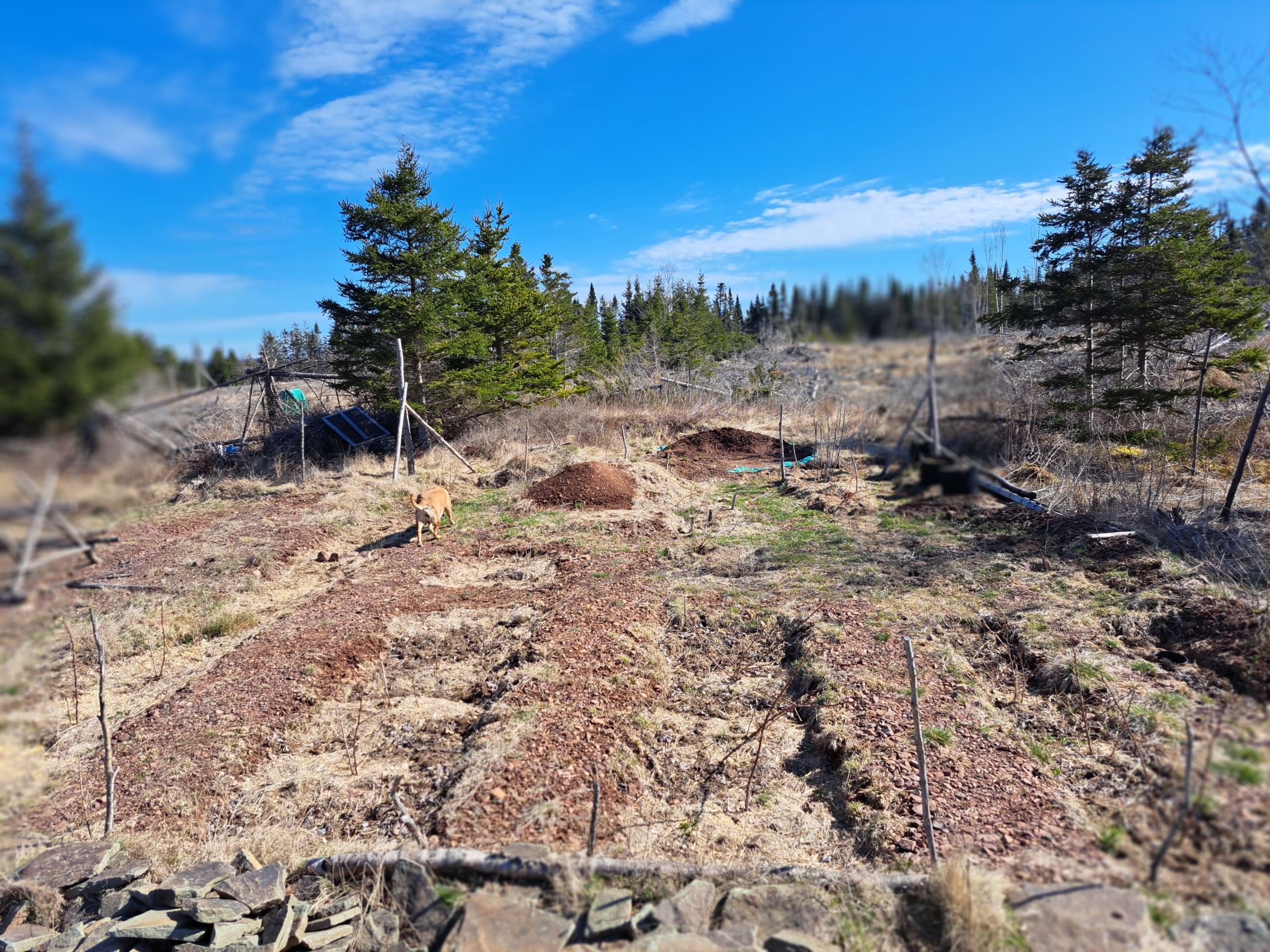
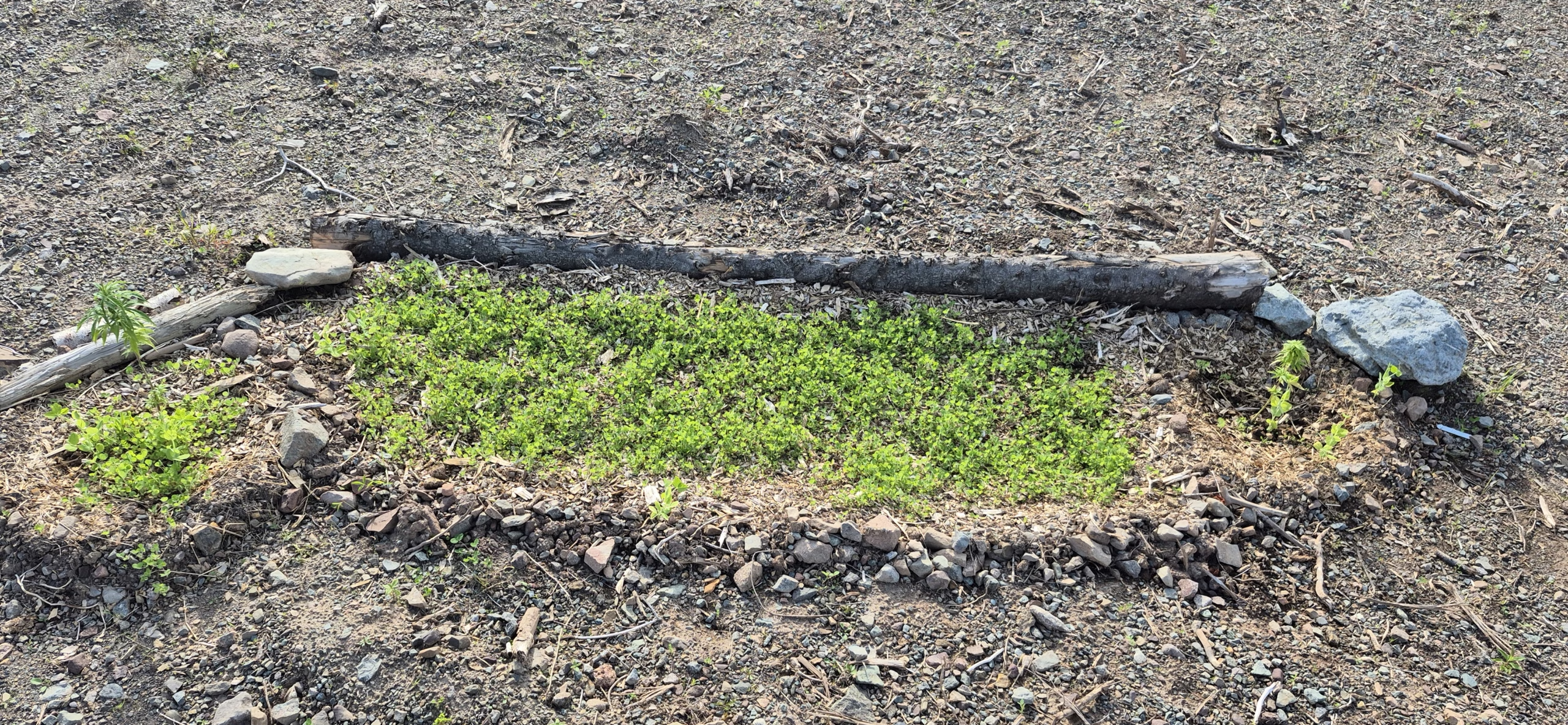
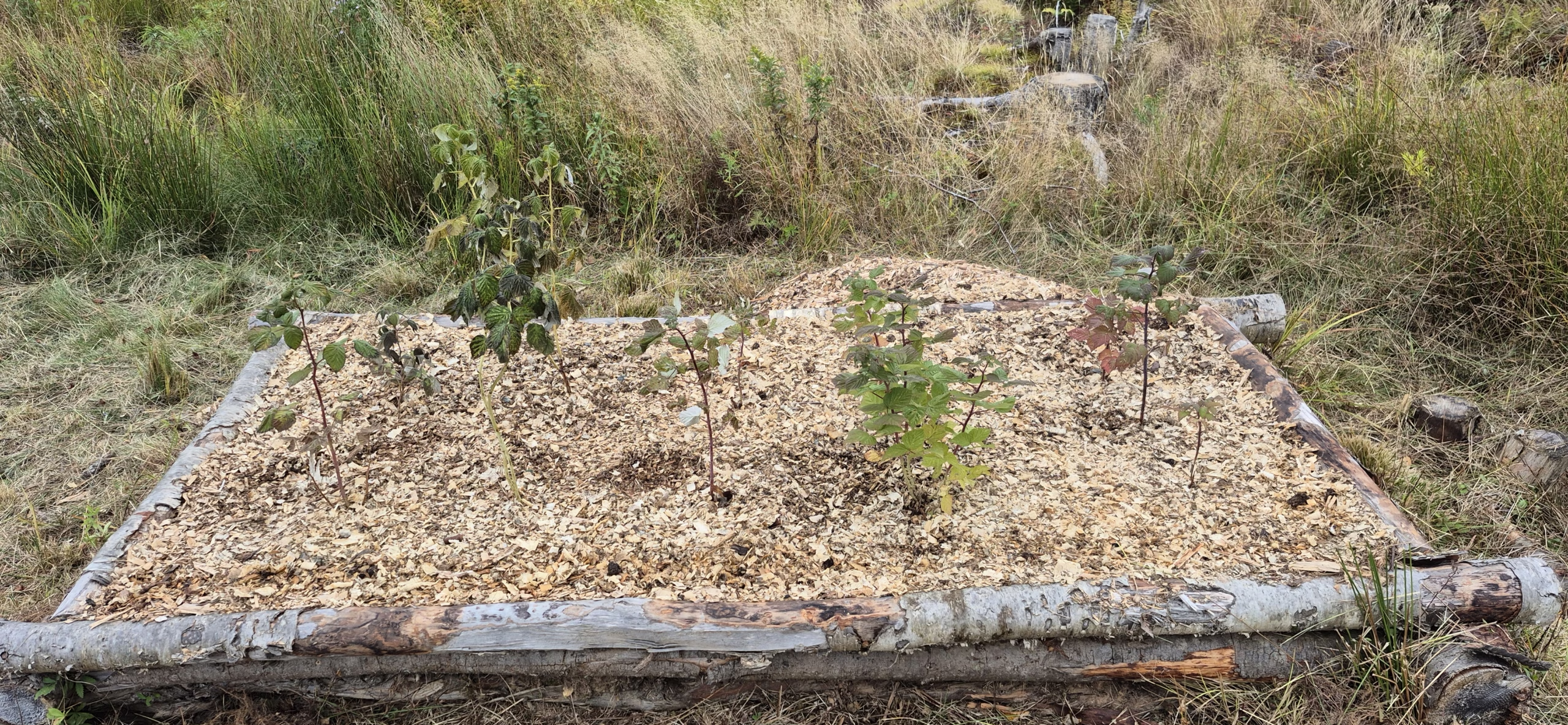
In April 2025 one of the first structures on our land moves more into focus: the level berry propagation bed. This is where we raise berry bushes and other plants that will later be distributed across the entire homestead.
Next to it in the photos you can see one of the young nut trees and the area where, after preparation the previous year, we planted several nut trees.
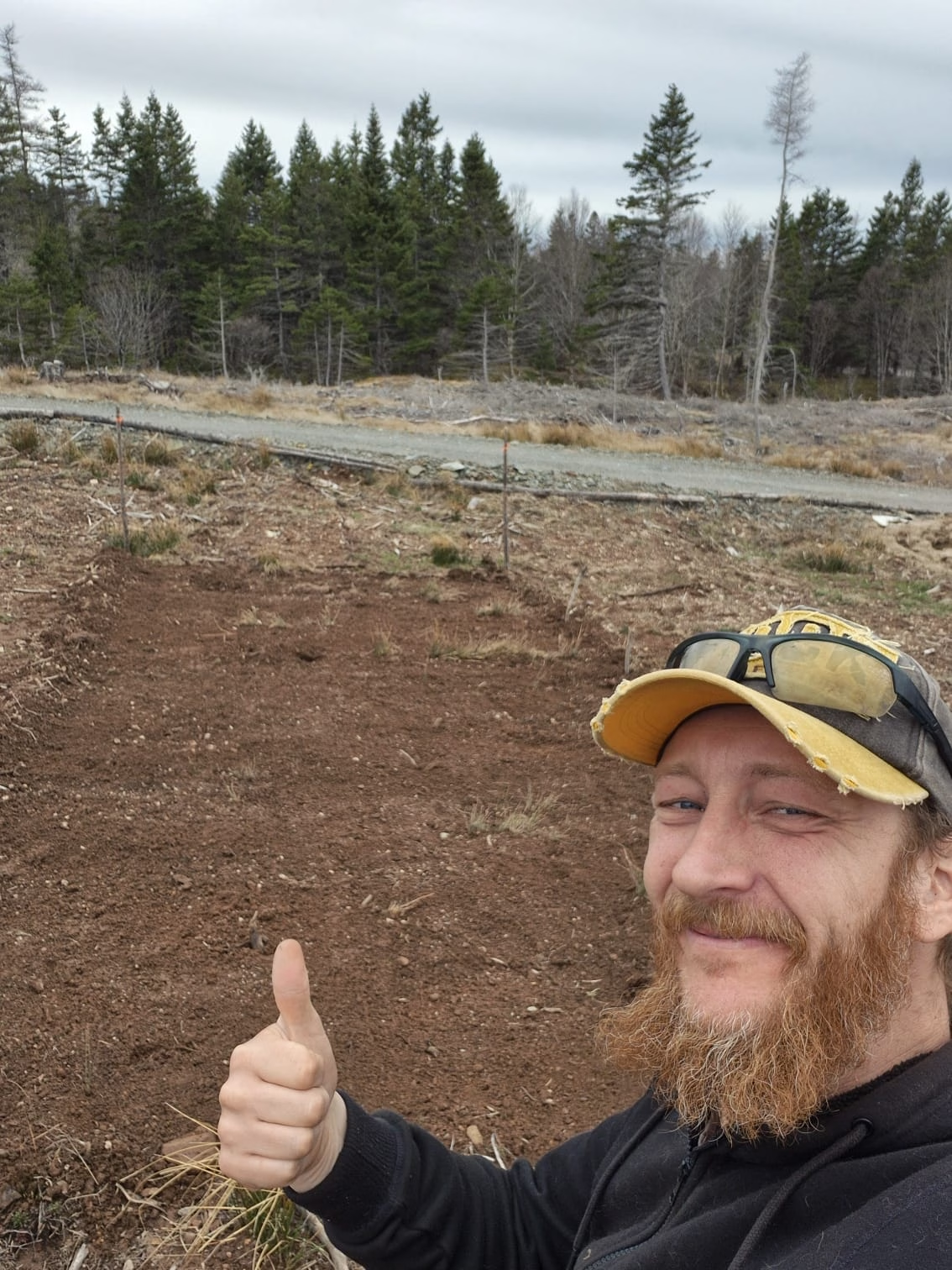
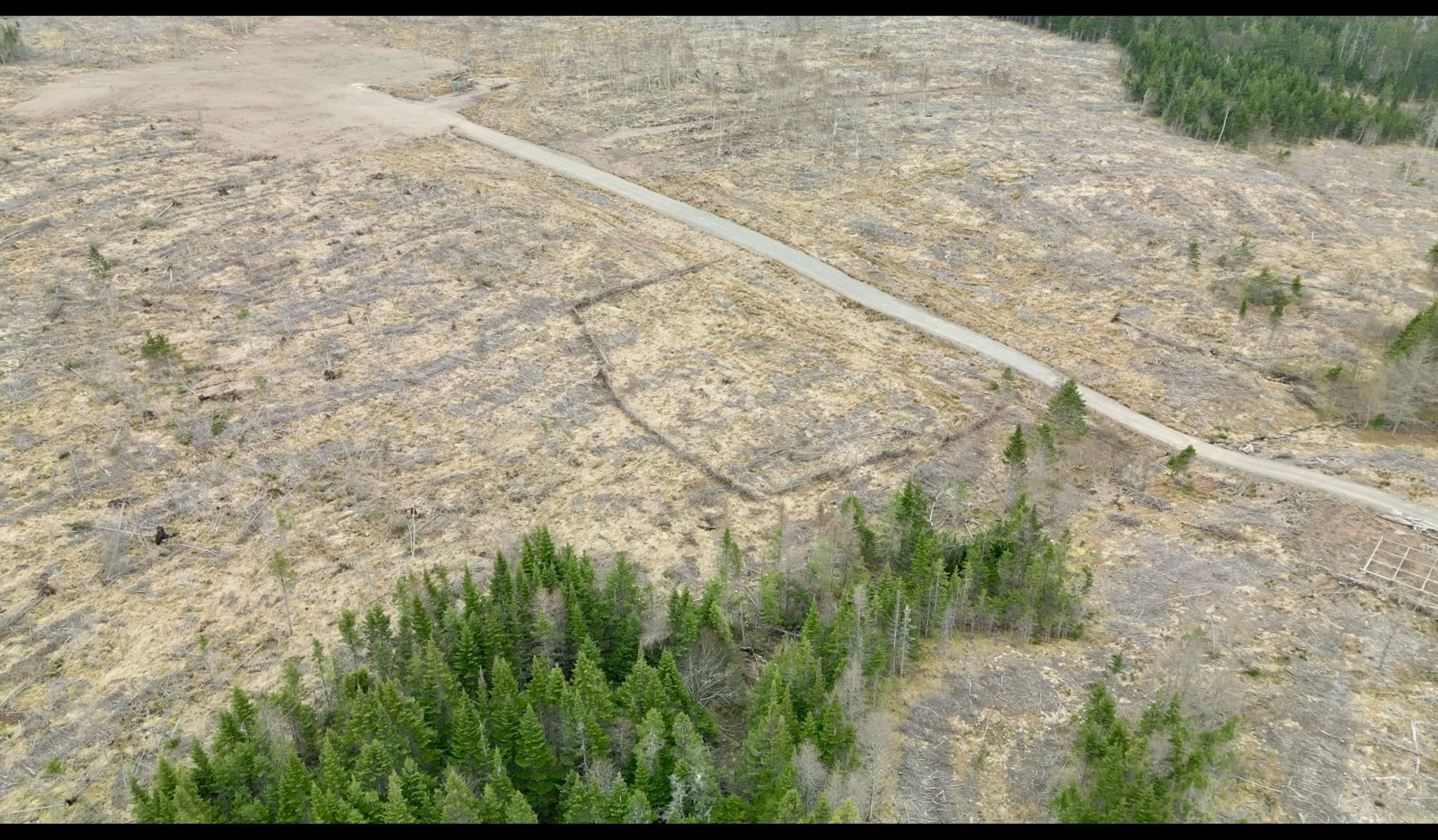
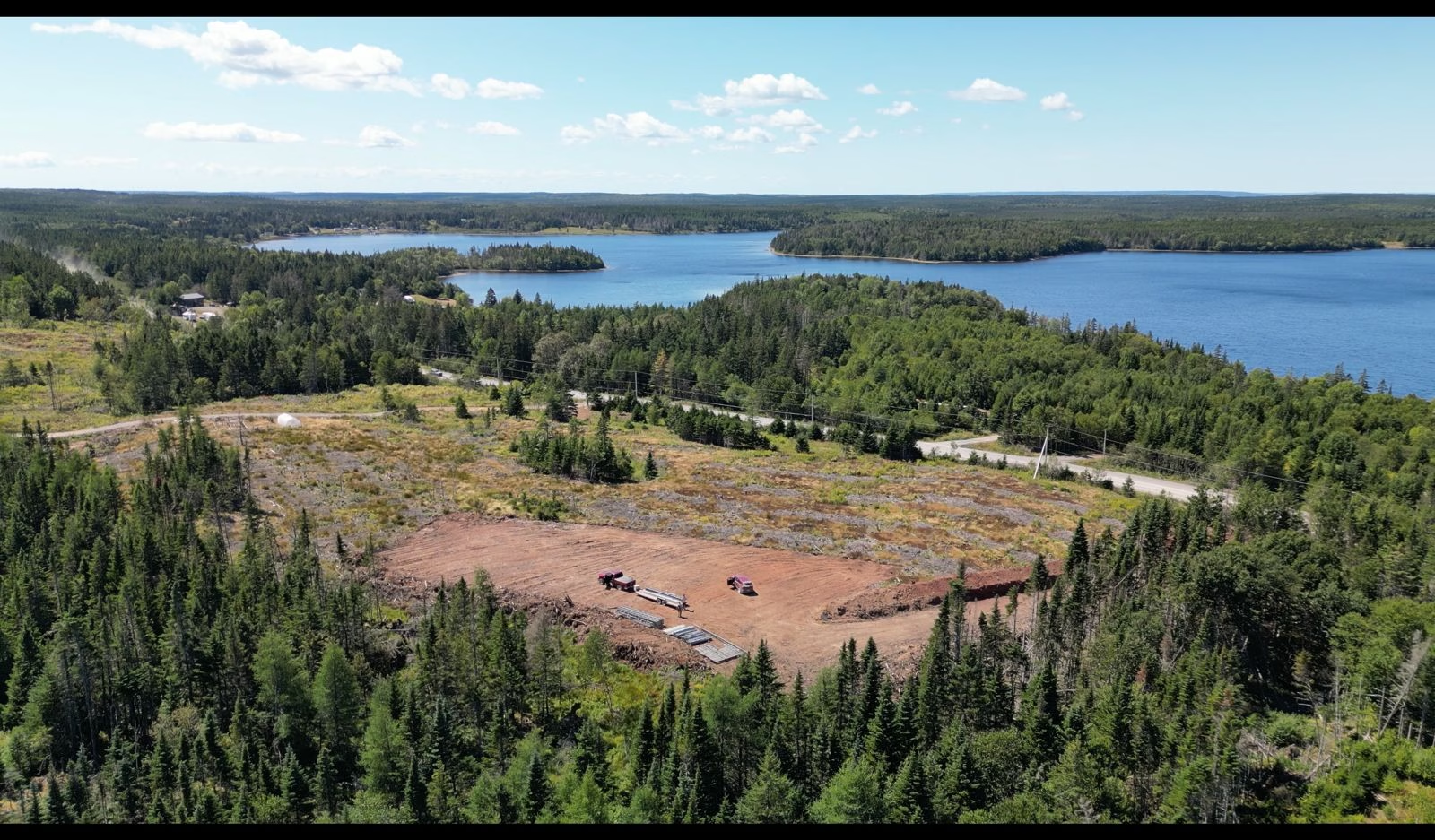
Where Gernot is standing in the picture, we are preparing the site for our future polytunnel; from the drone’s perspective you can see the newly installed wildlife fence that marks the area where we plan our first house on the property.
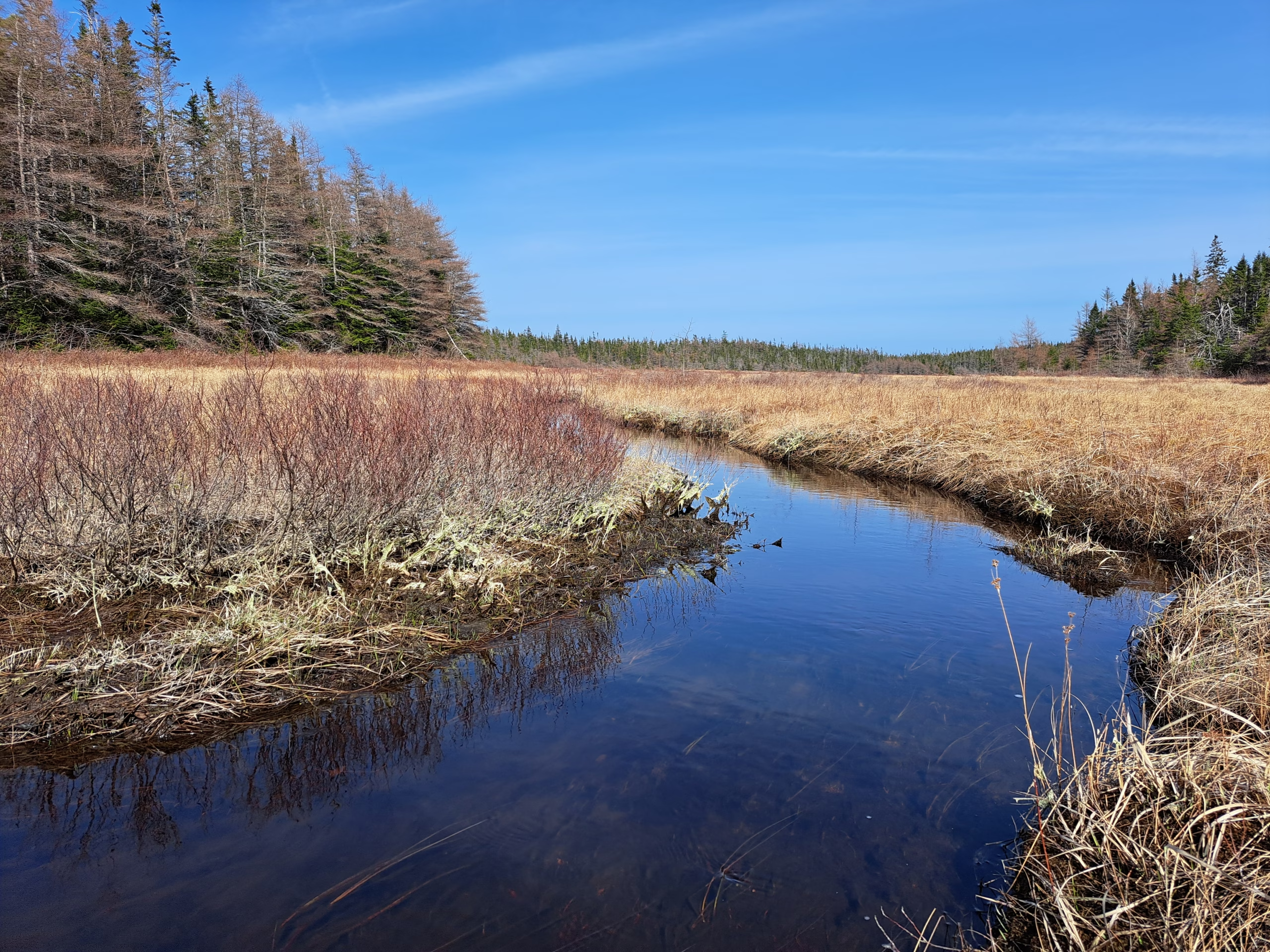
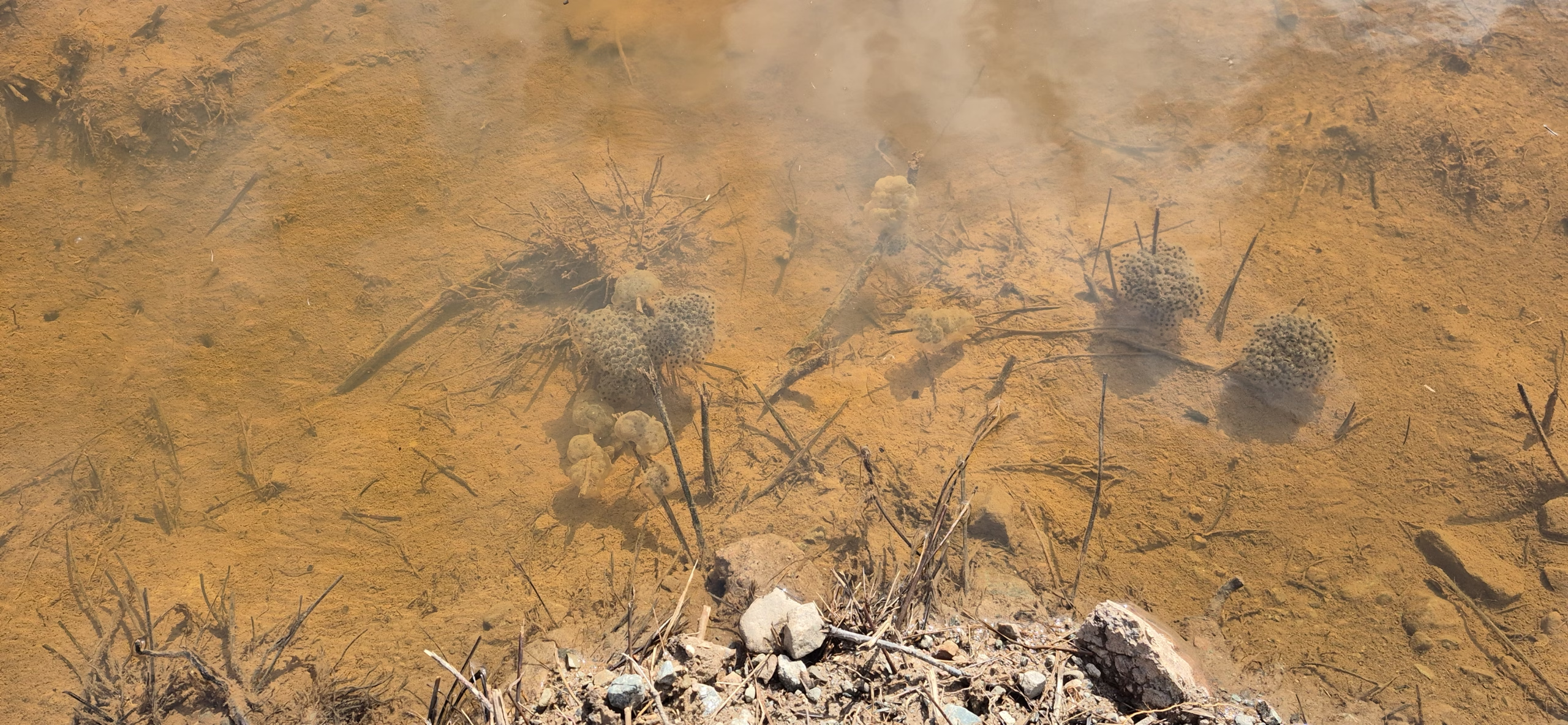
At the far edge of the land the river shows how much water is moving through the landscape, the nearby bog completes the picture of the natural surroundings, and in our own small water pockets frogspawn appears – a sign that the shallow basins we created are already functioning as habitat.
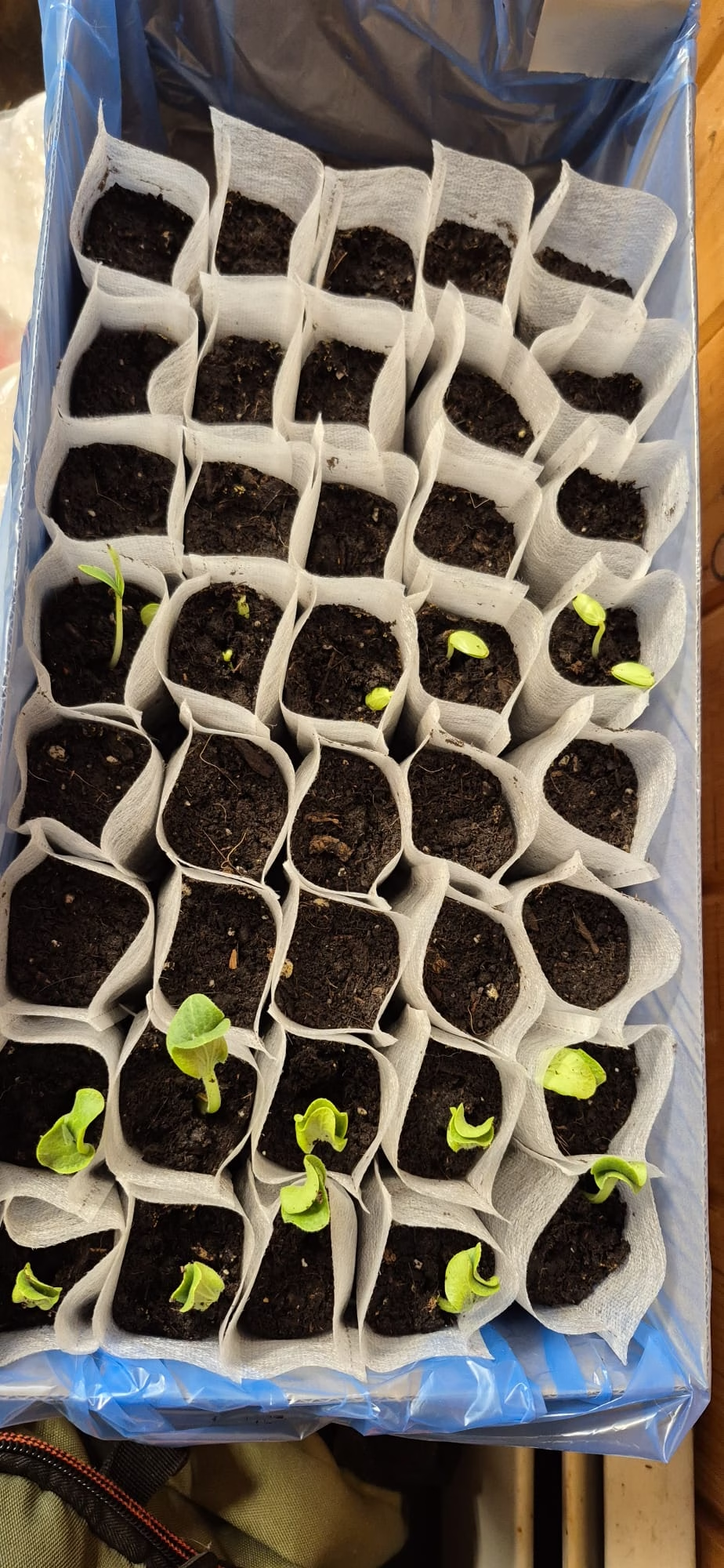
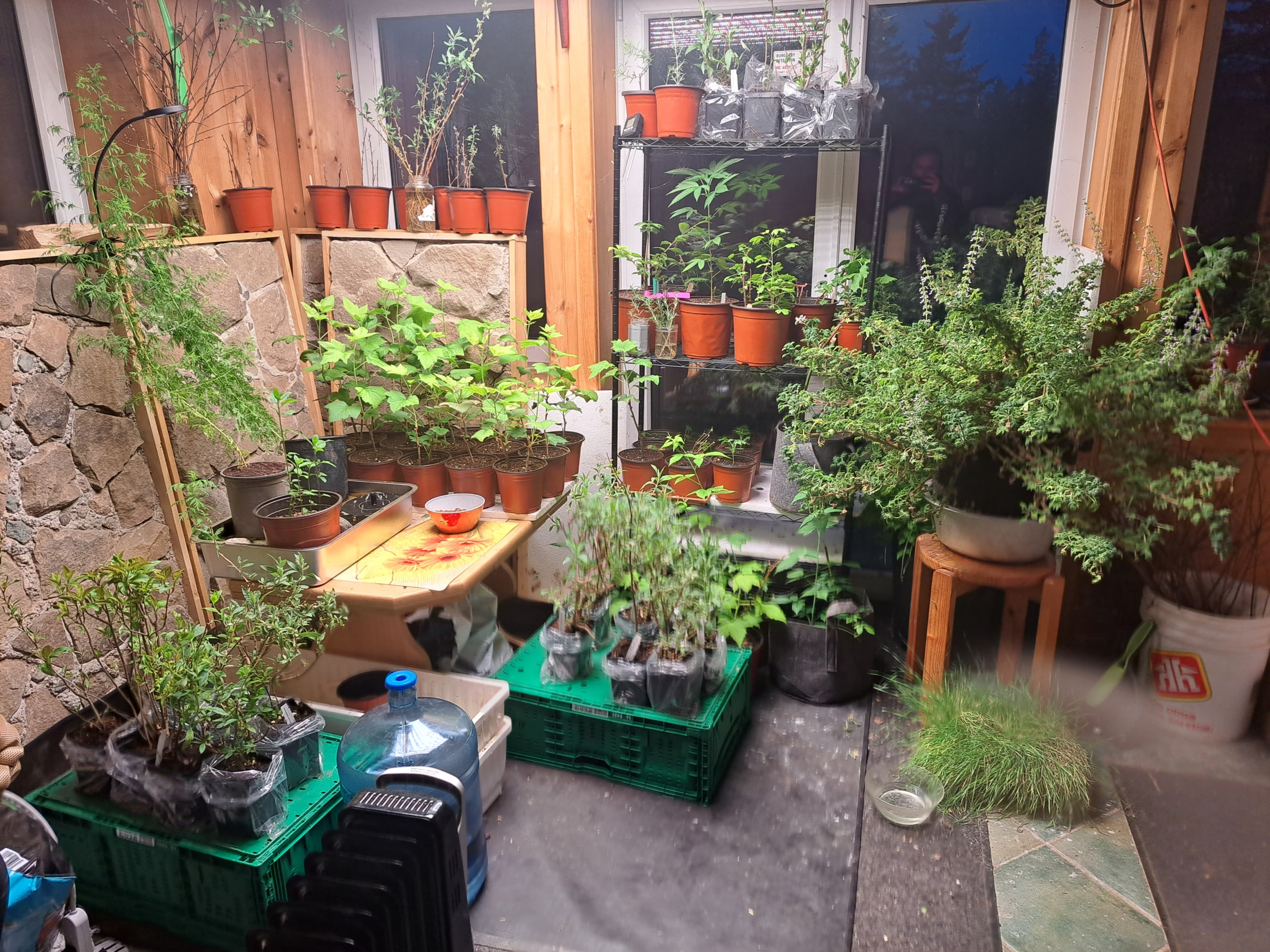
At the same time, seed trays and pots indoors are full: the seedlings for vegetables and cucurbits are in full swing and waiting to be moved into these prepared areas later on.
May 2025
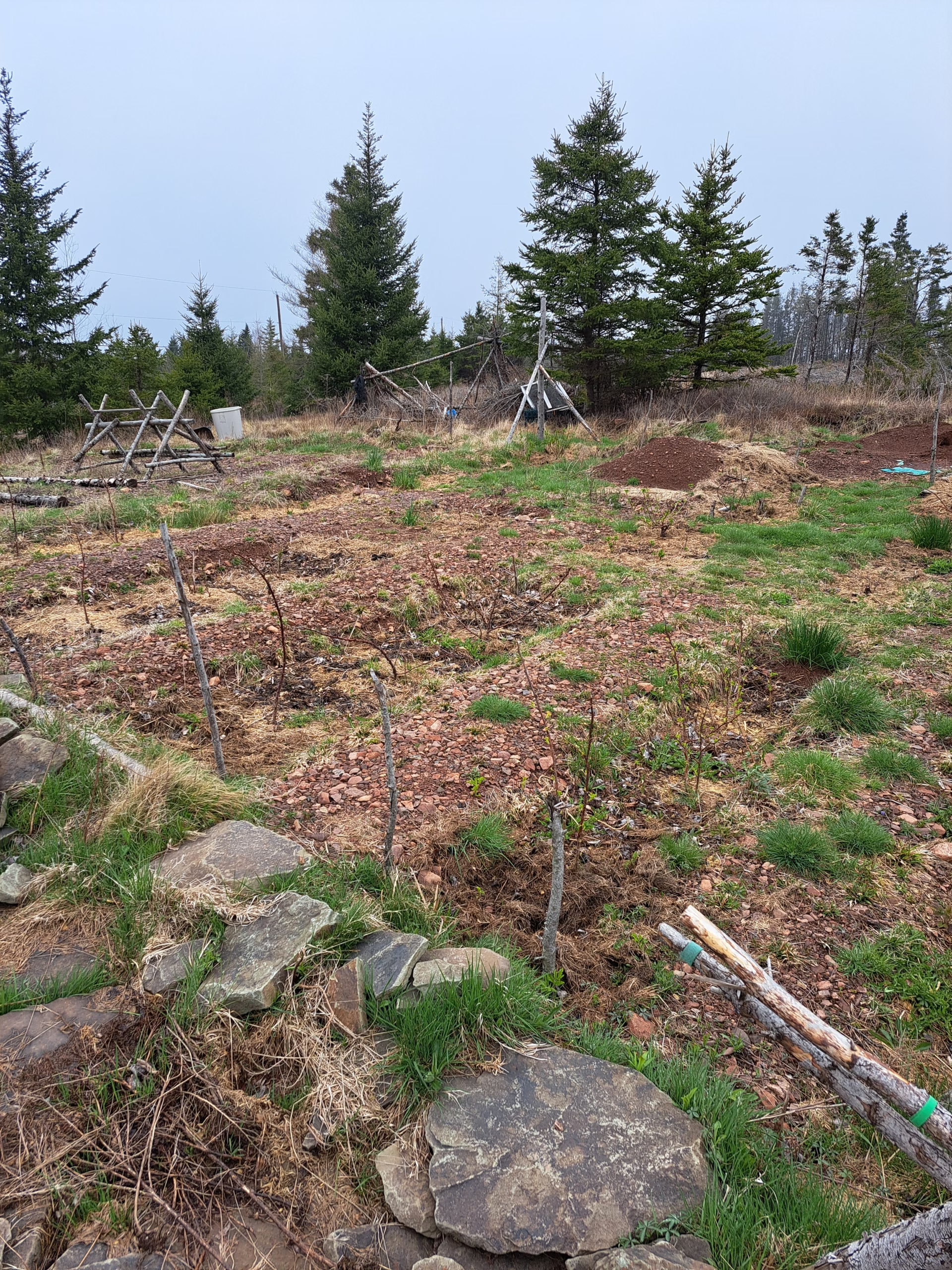
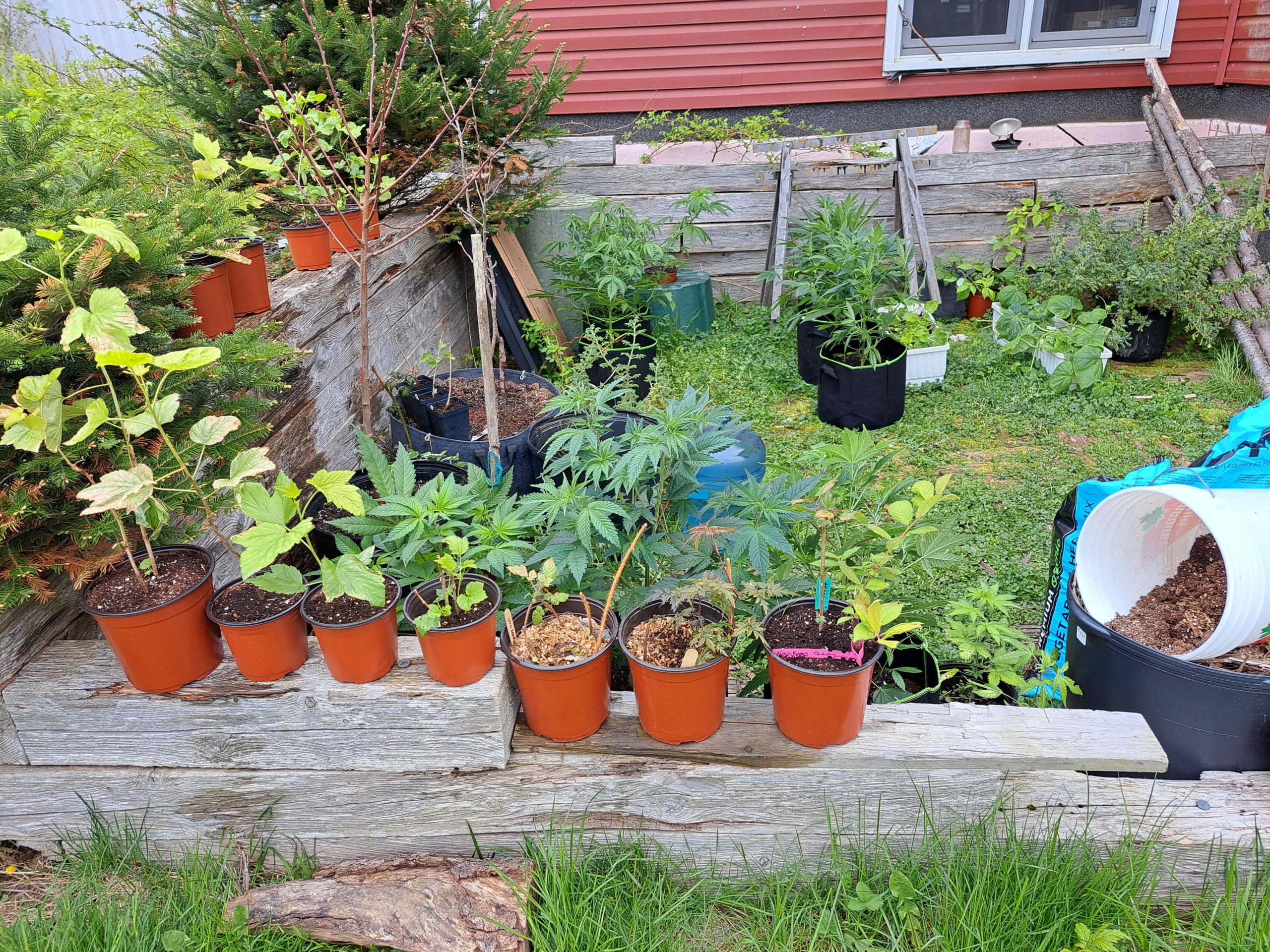
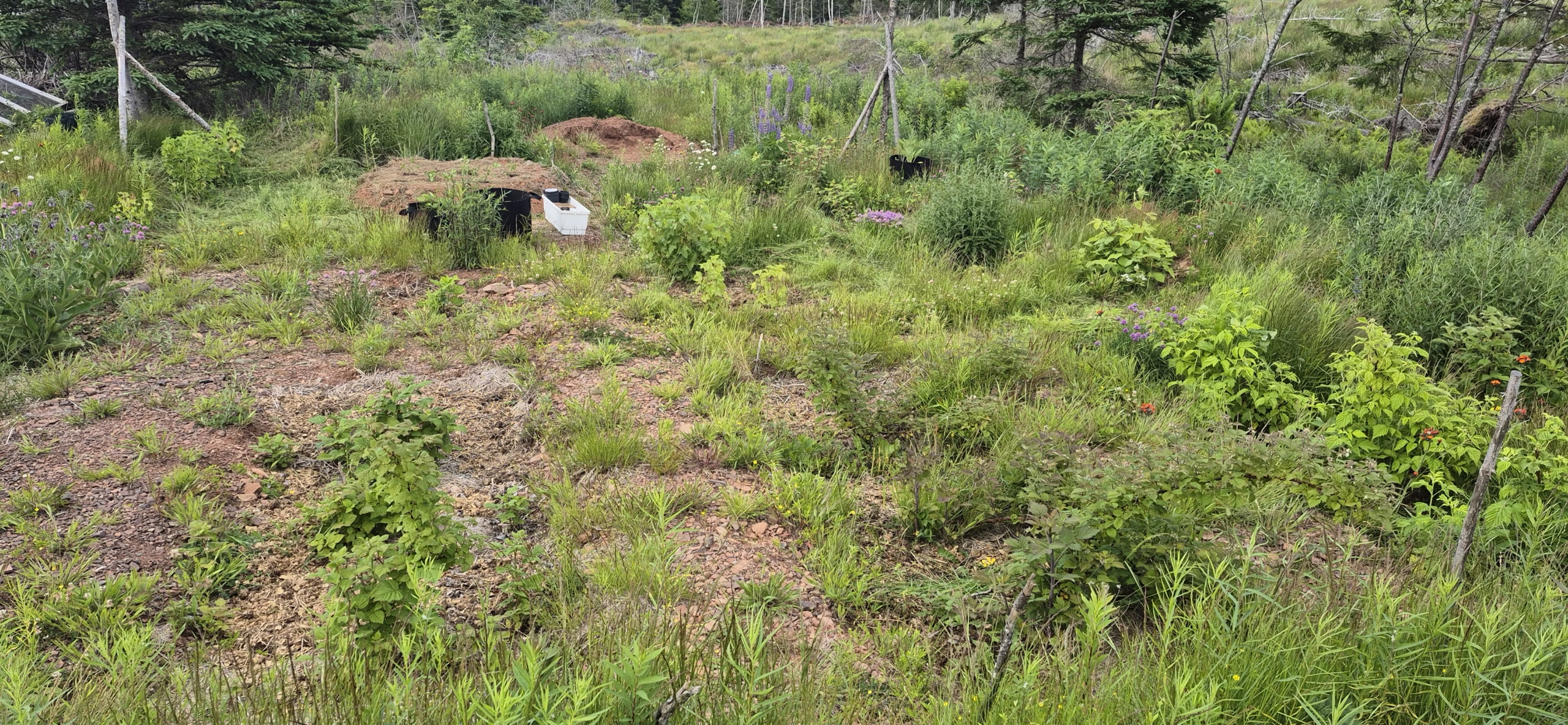
In May 2025 the berry propagation bed shows how much from the previous year is already paying off: many shrubs are putting out new growth, other planting spots are being prepared and gradually added.
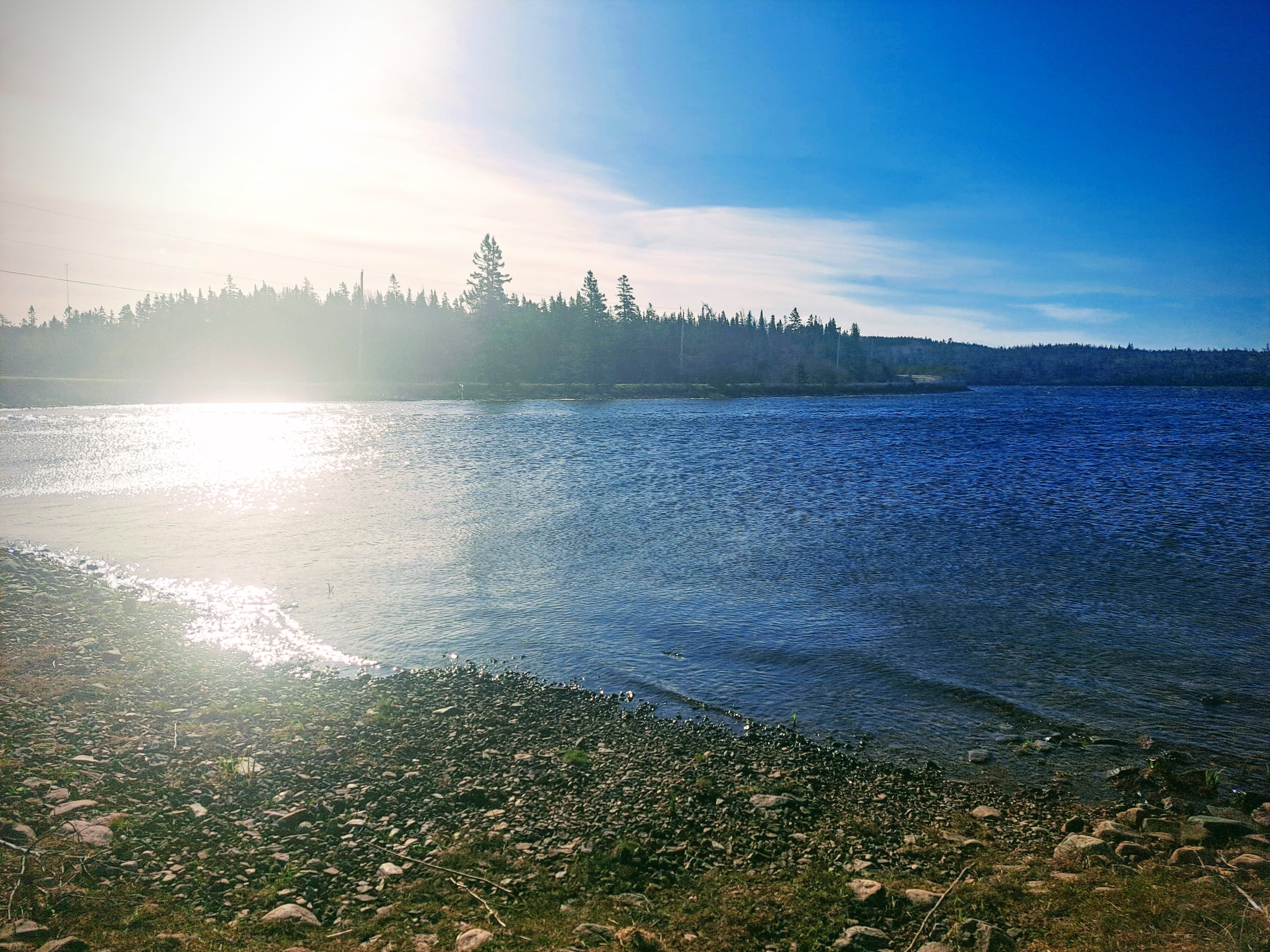
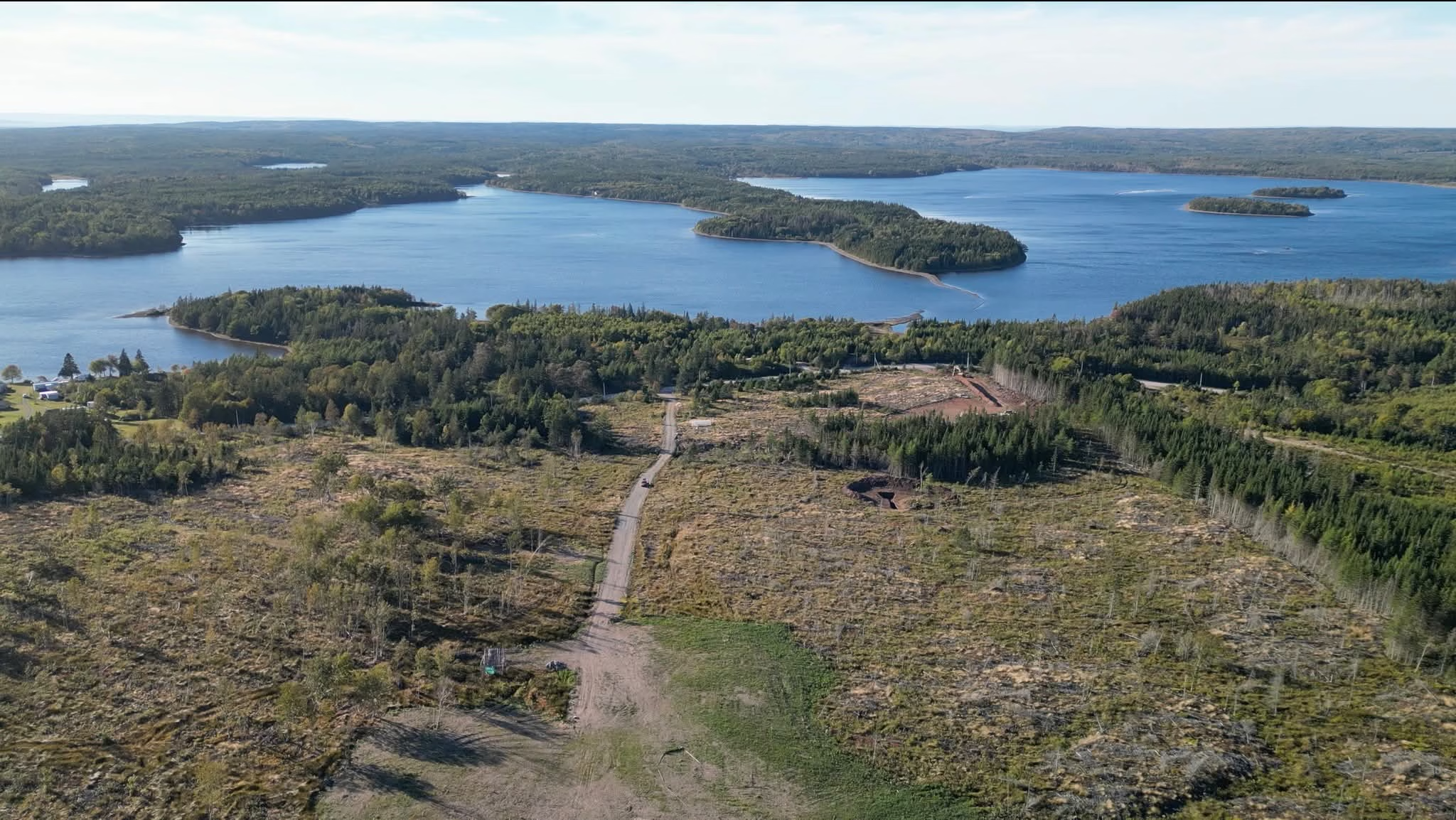
The view over the lake reminds us why we are doing all this – because this place, with its quiet, its light and its water, balances out everyday life and is noticeably good for the soul.
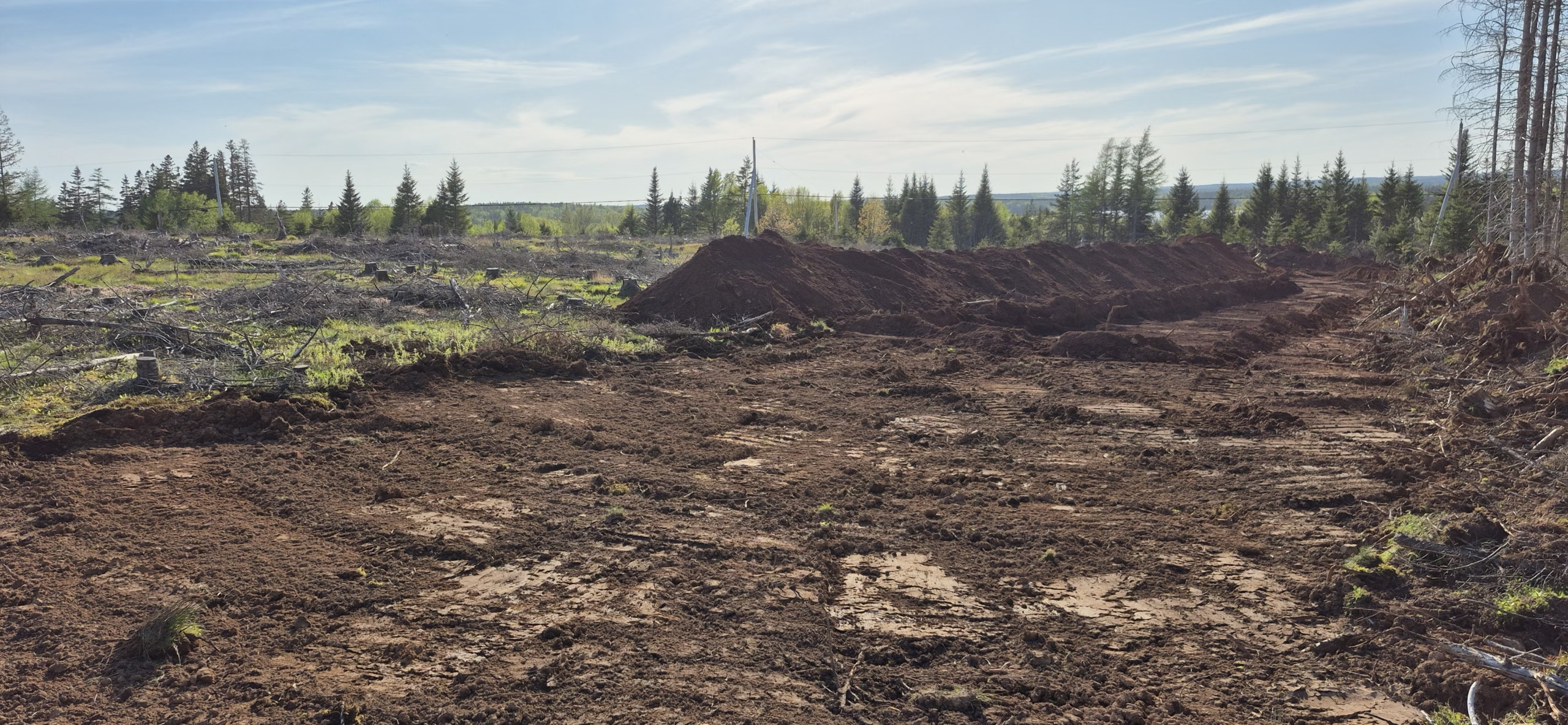
Along one of the side boundaries of the property a new path is being created, and with the soil from our own and neighbouring building projects we form a mound that will later break the wind and serve as a wild shrub area for birds and small animals.
Around the house, pots, crates and shelves are full of young plants waiting for their place in the open ground.
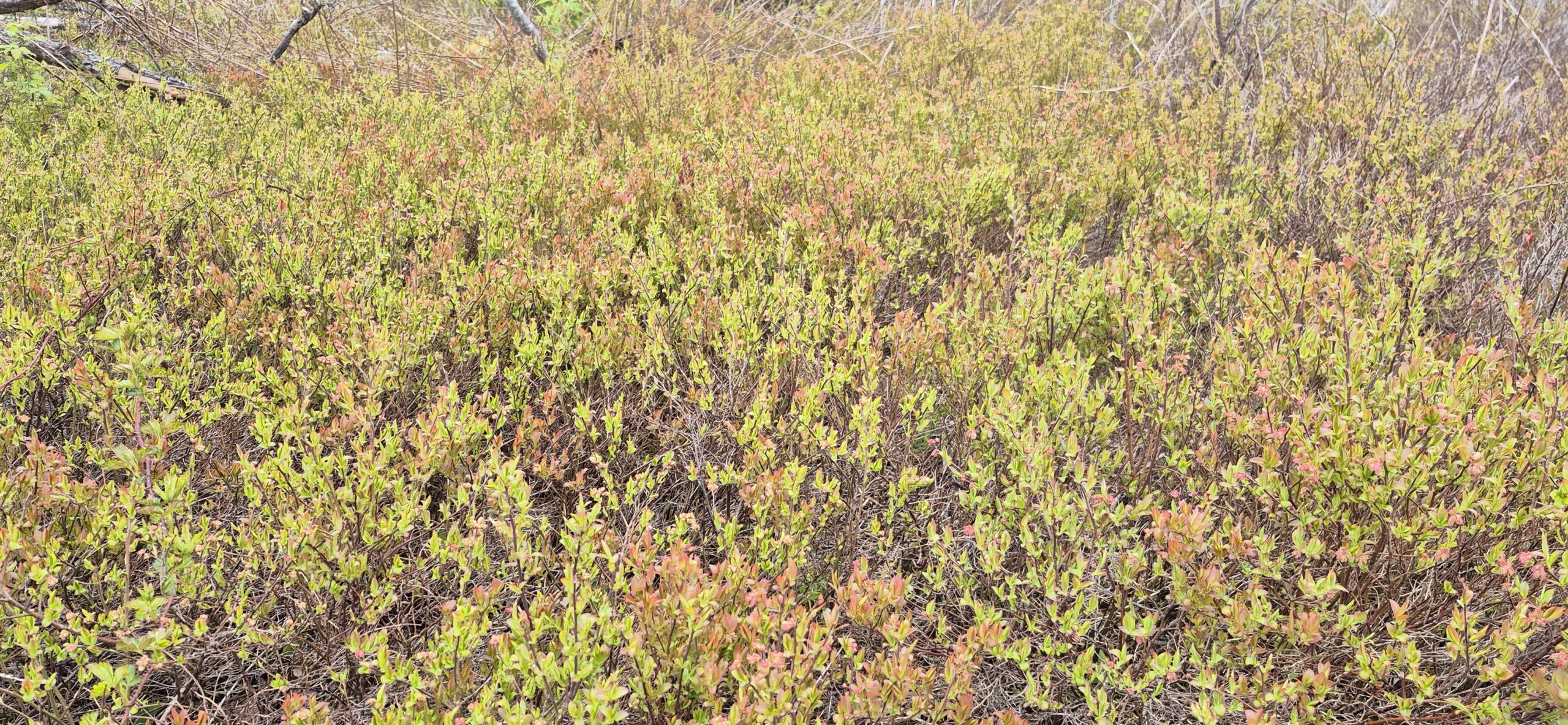
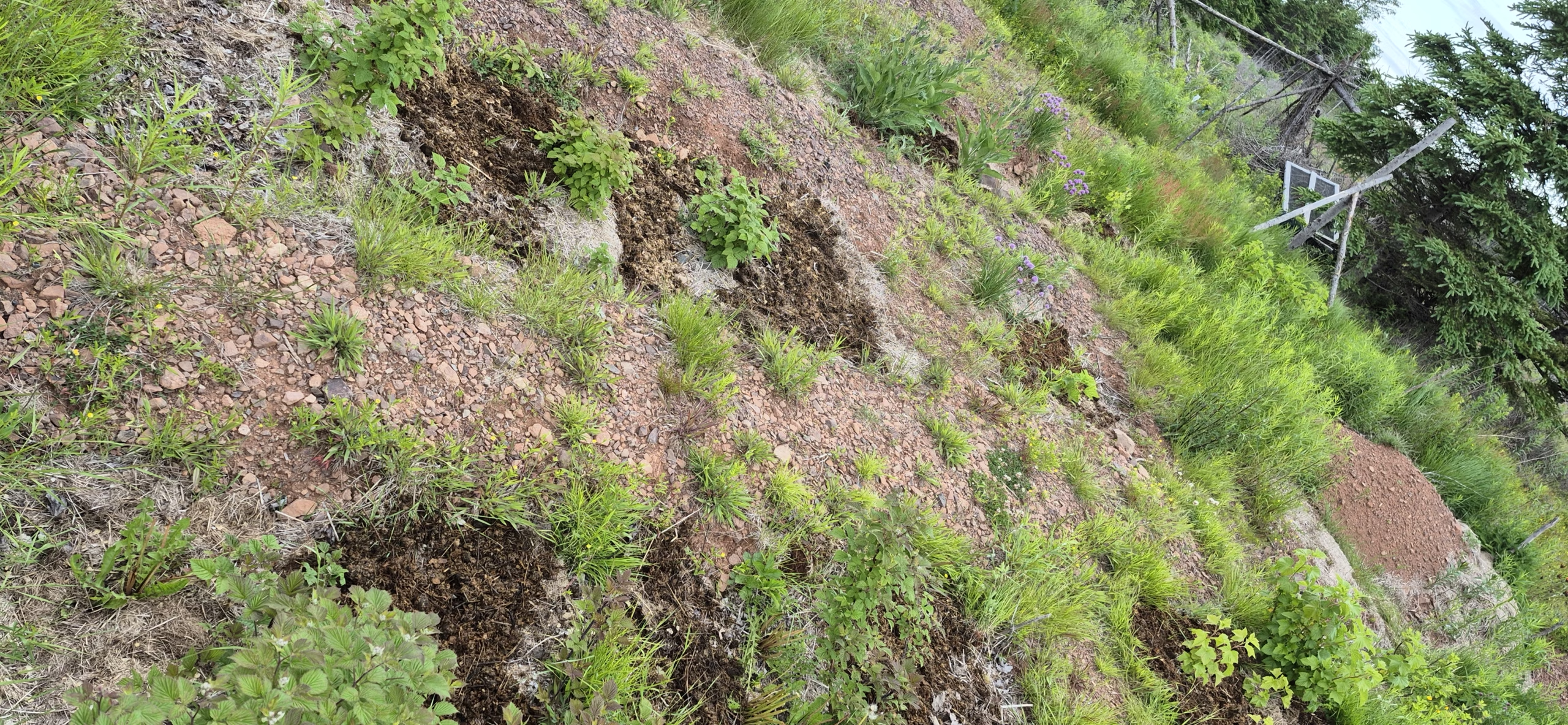
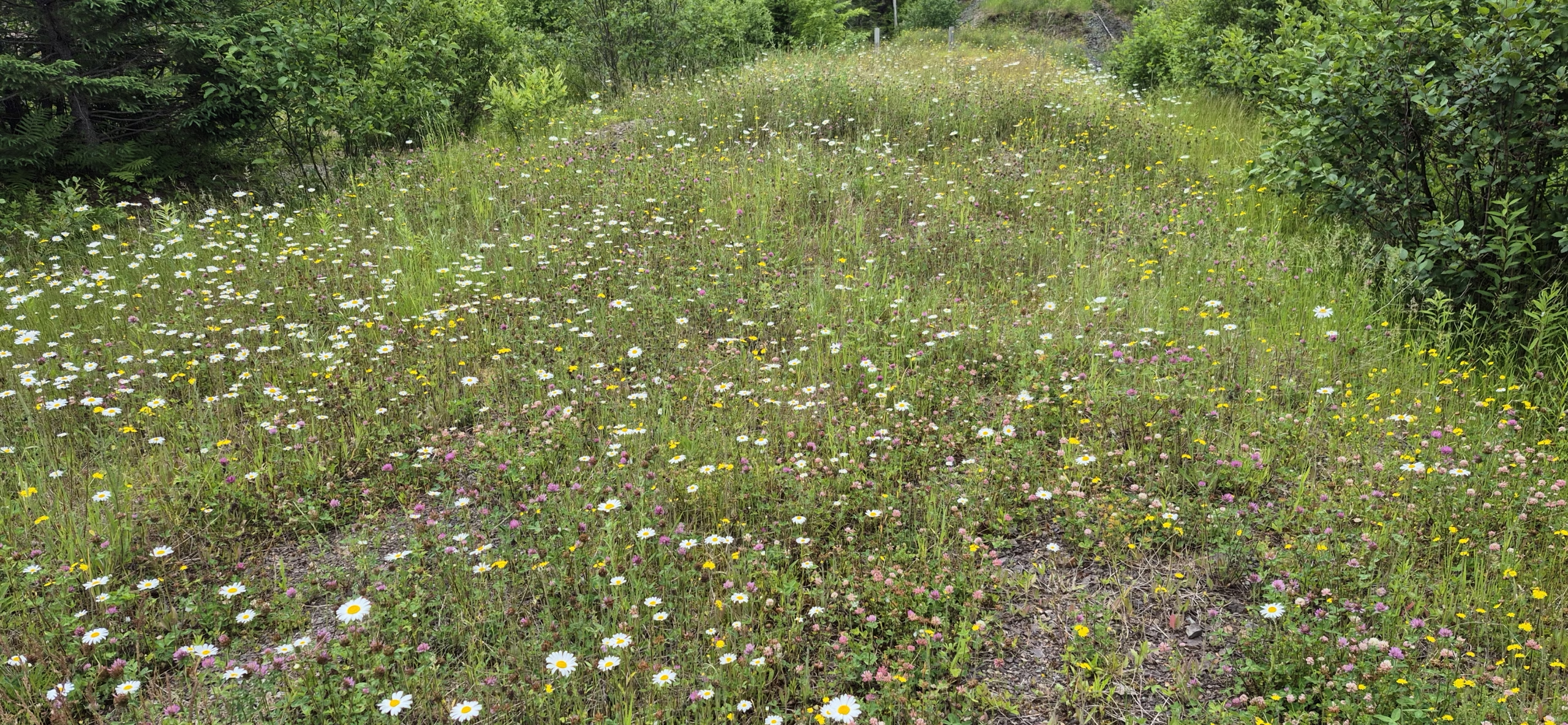
On the blueberry field the first fresh green appears, new strips are planted with butterfly shrubs and between old tracks and bare soil the first wildflowers show up.
Step by step it becomes visible how open ground turns into a diverse habitat with harvest, shelter and flowering areas.
June 2025
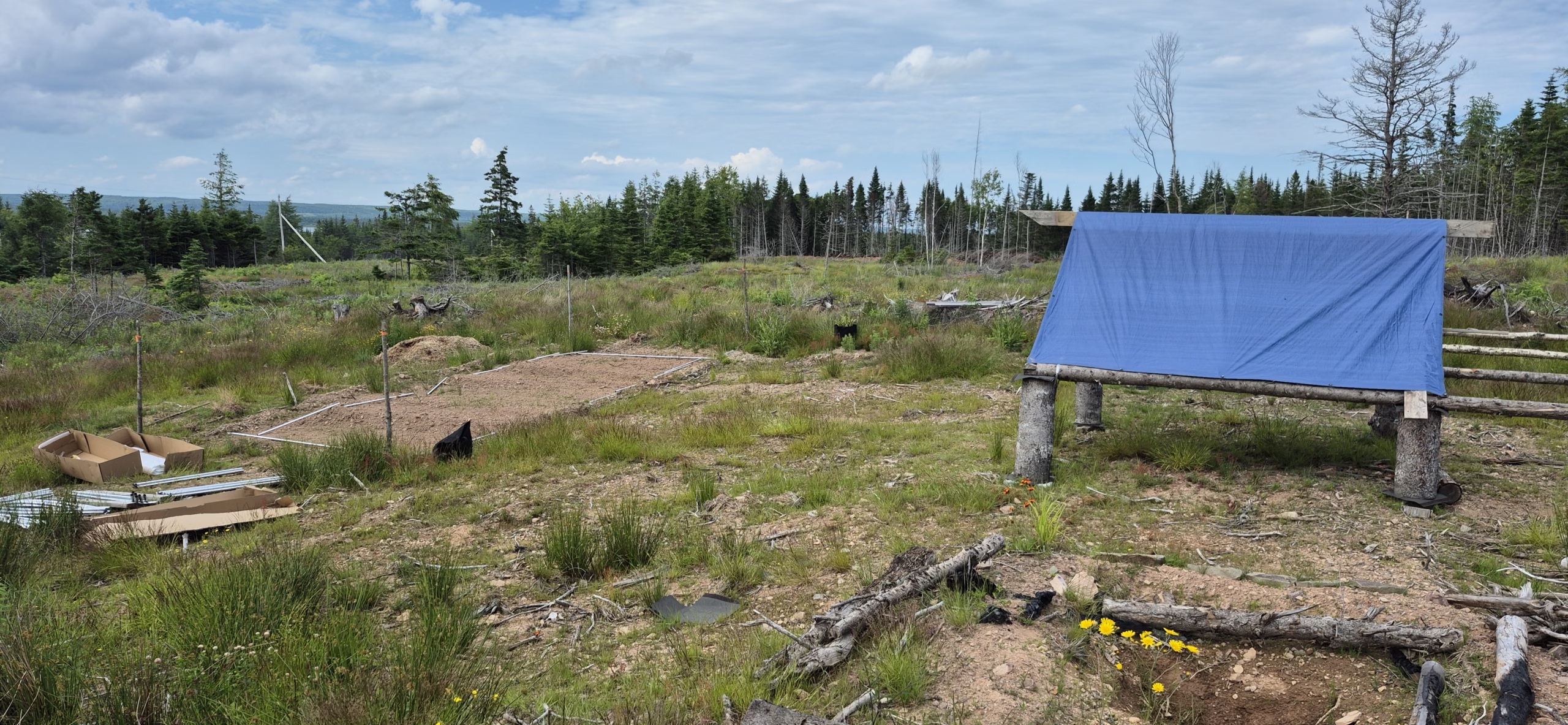
In June 2025 it becomes clear how planning and preparation interlock. At the future site of the polytunnel the soil is being prepared: earth is moved, levelled and shaped so that later there will be a stable, easily accessible location for the tunnel.
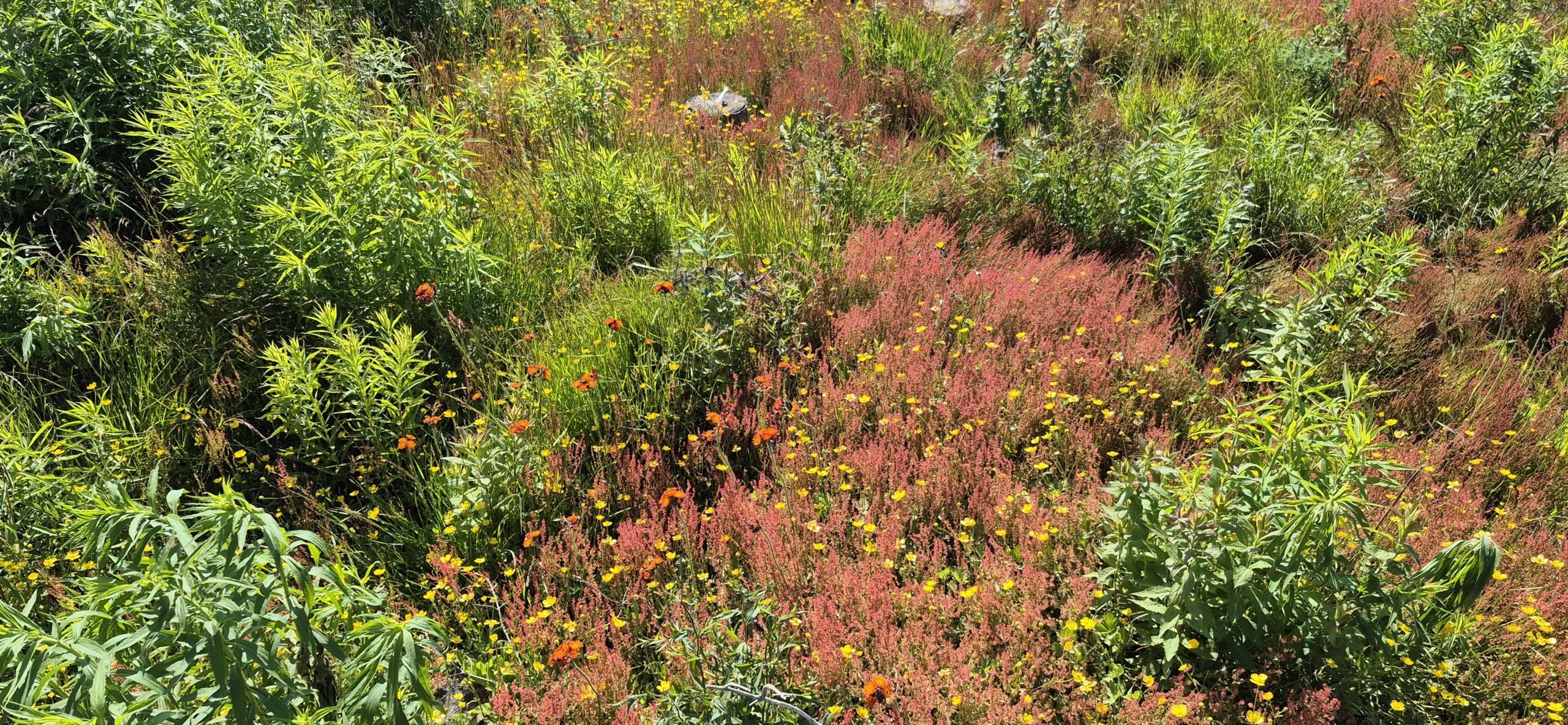
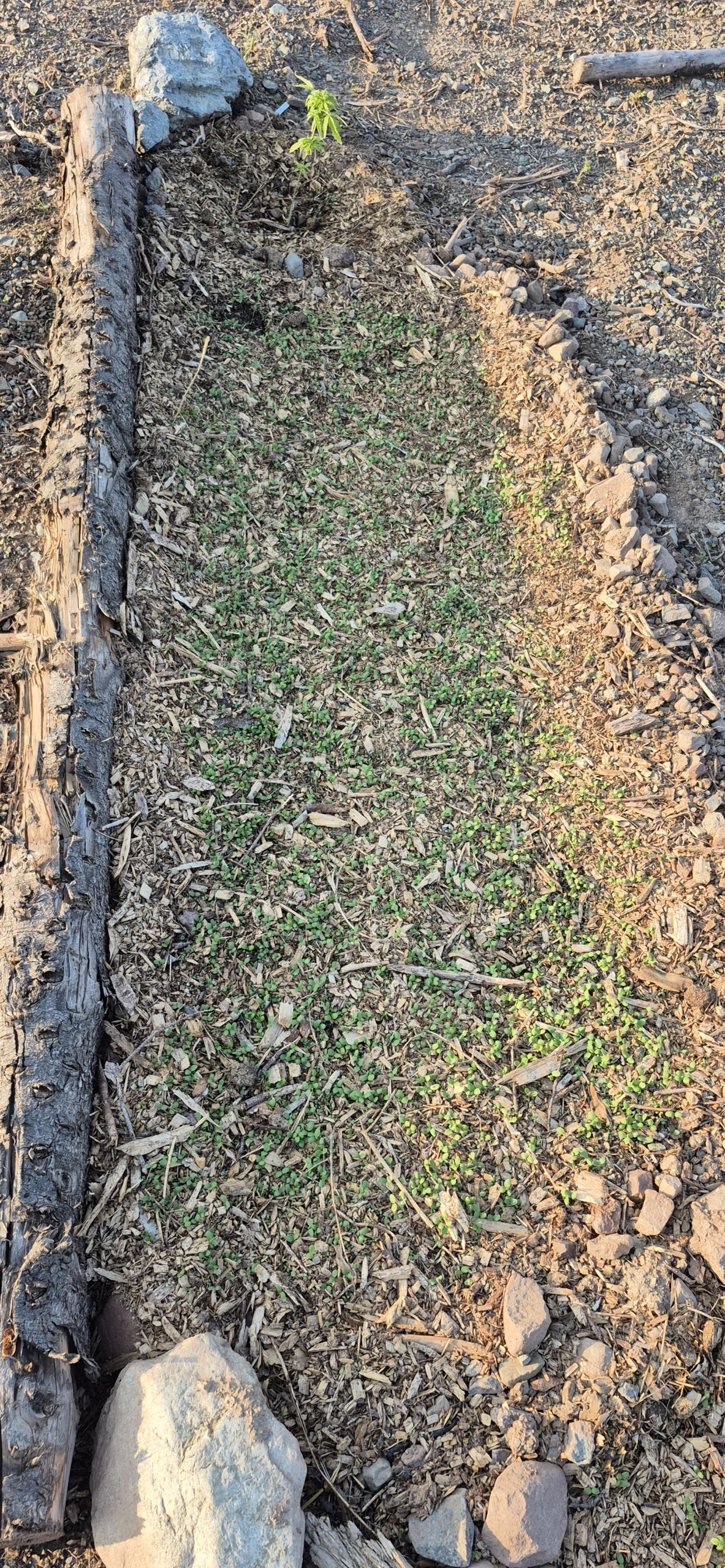
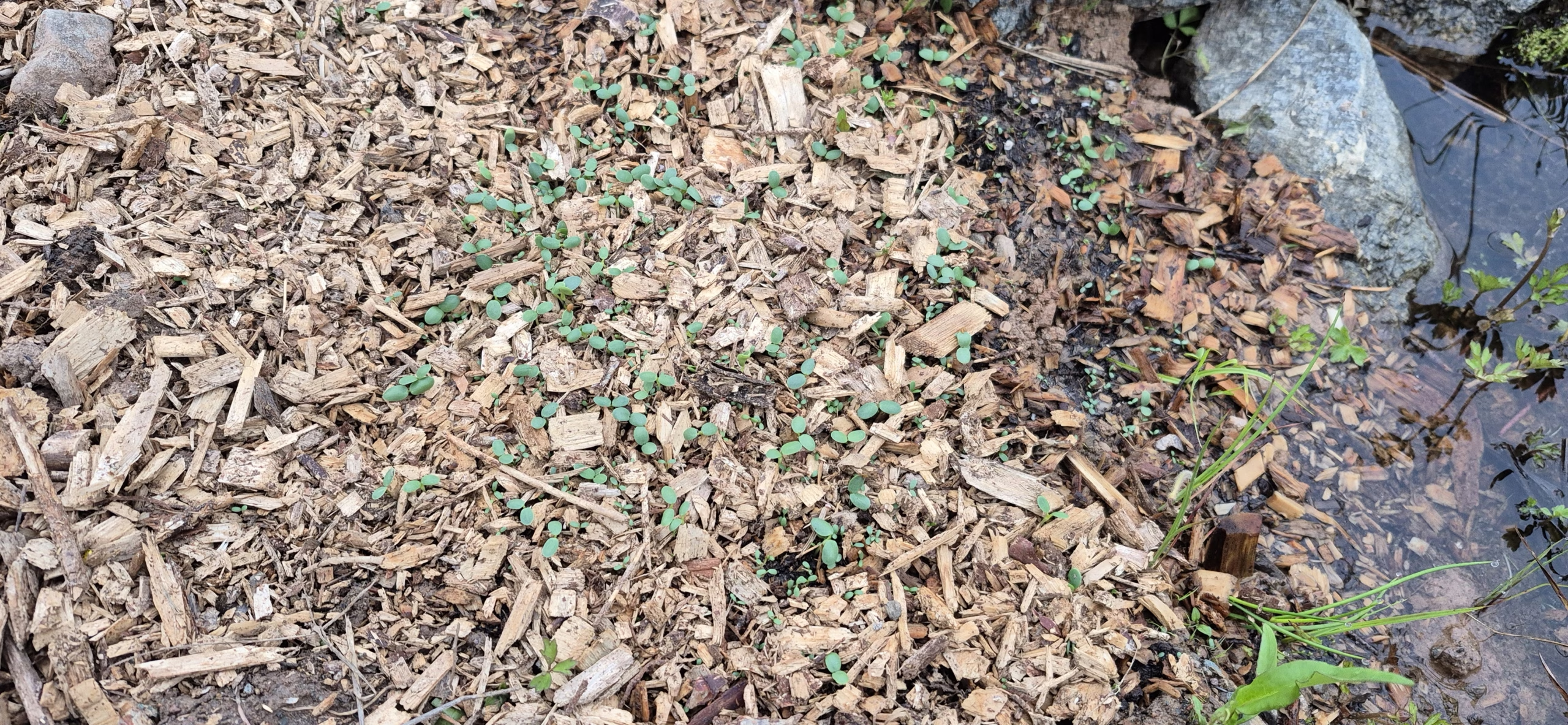
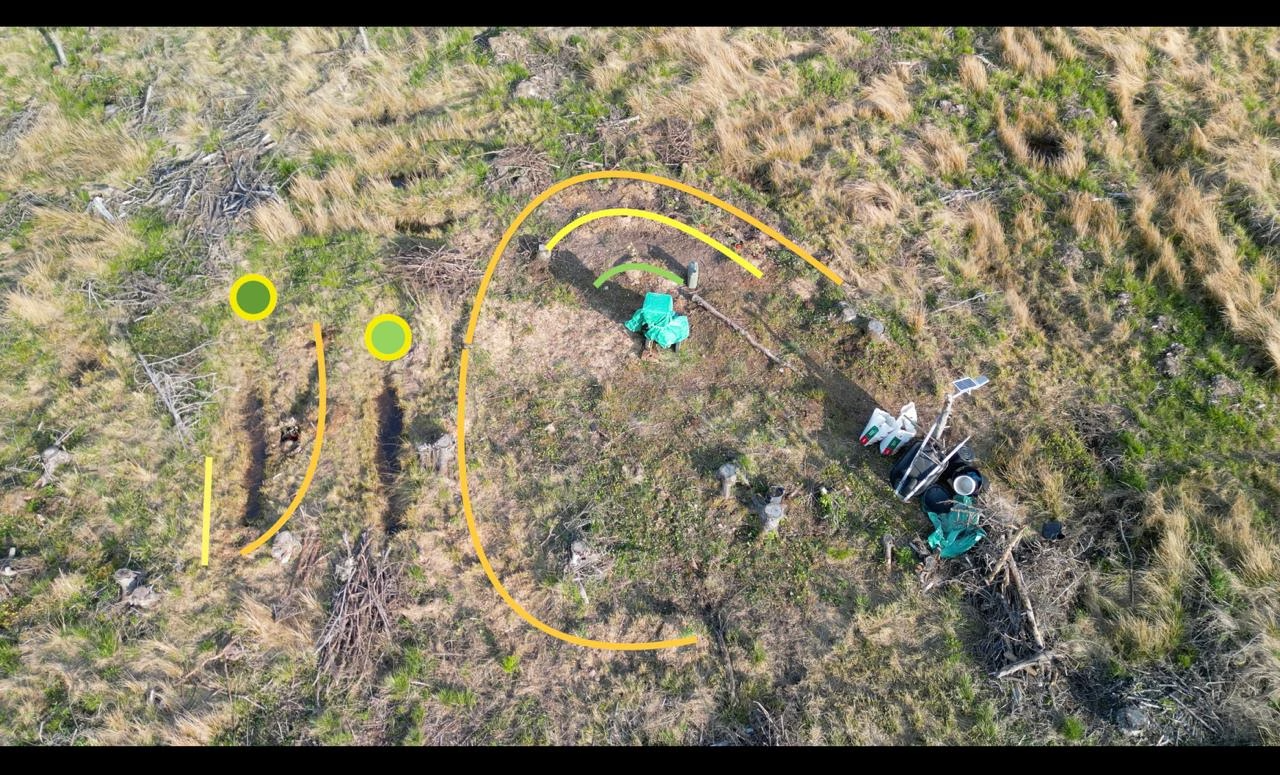
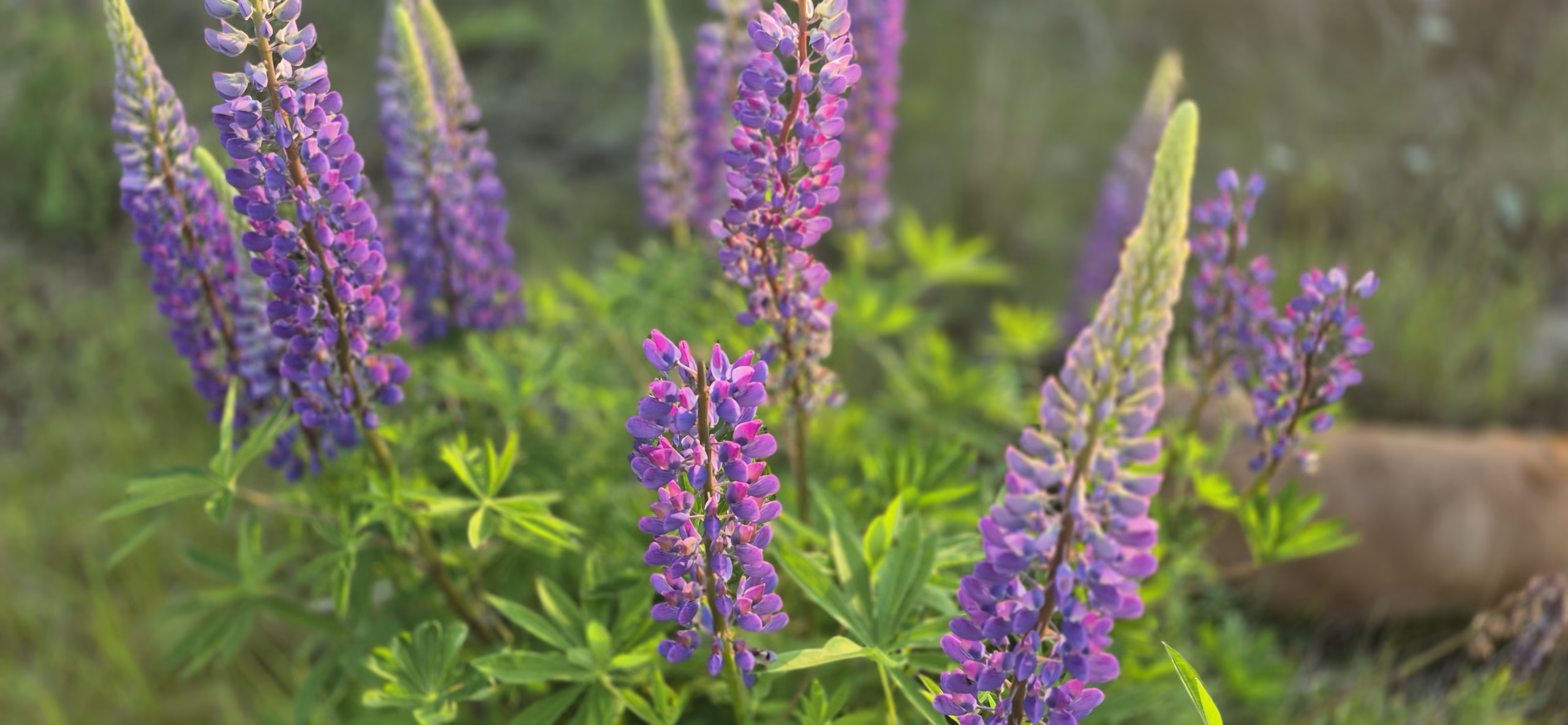
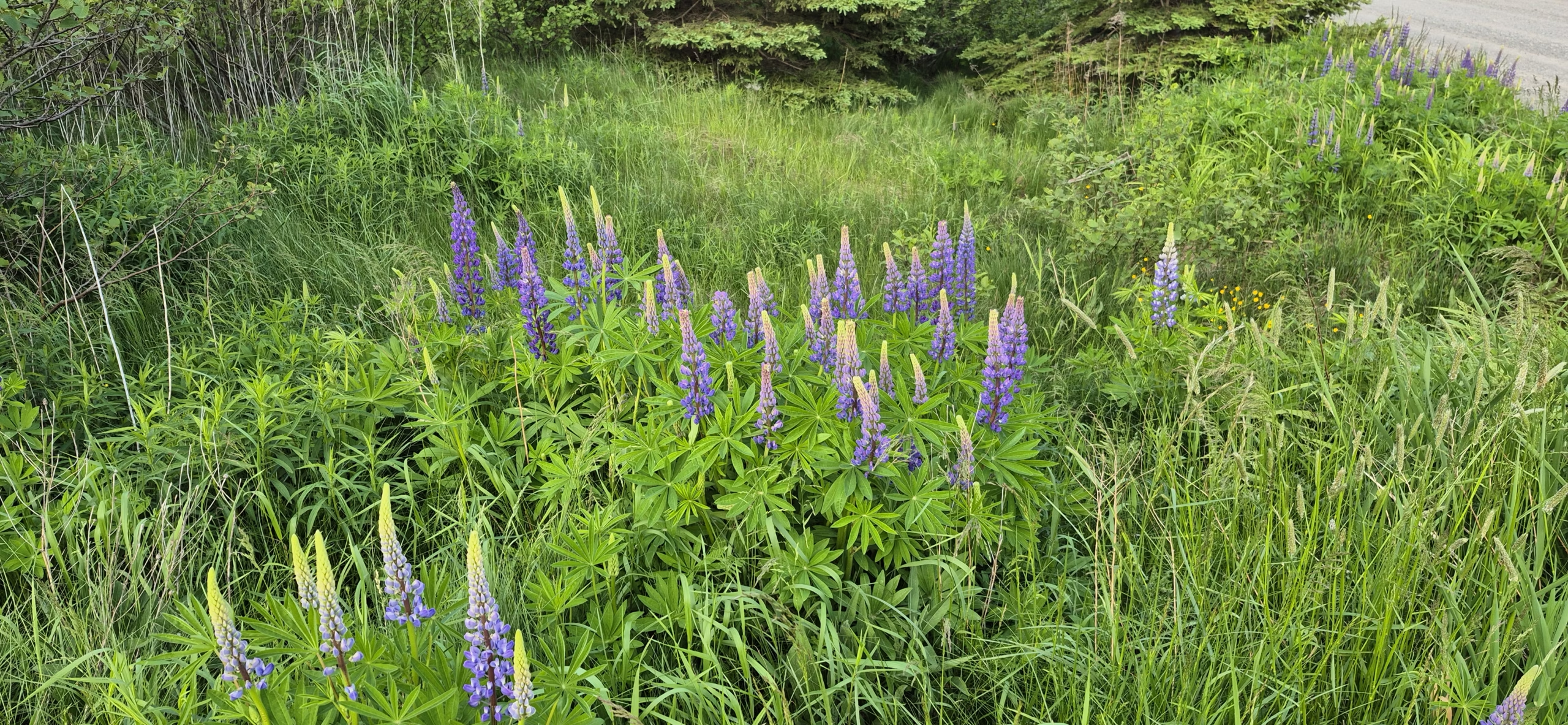
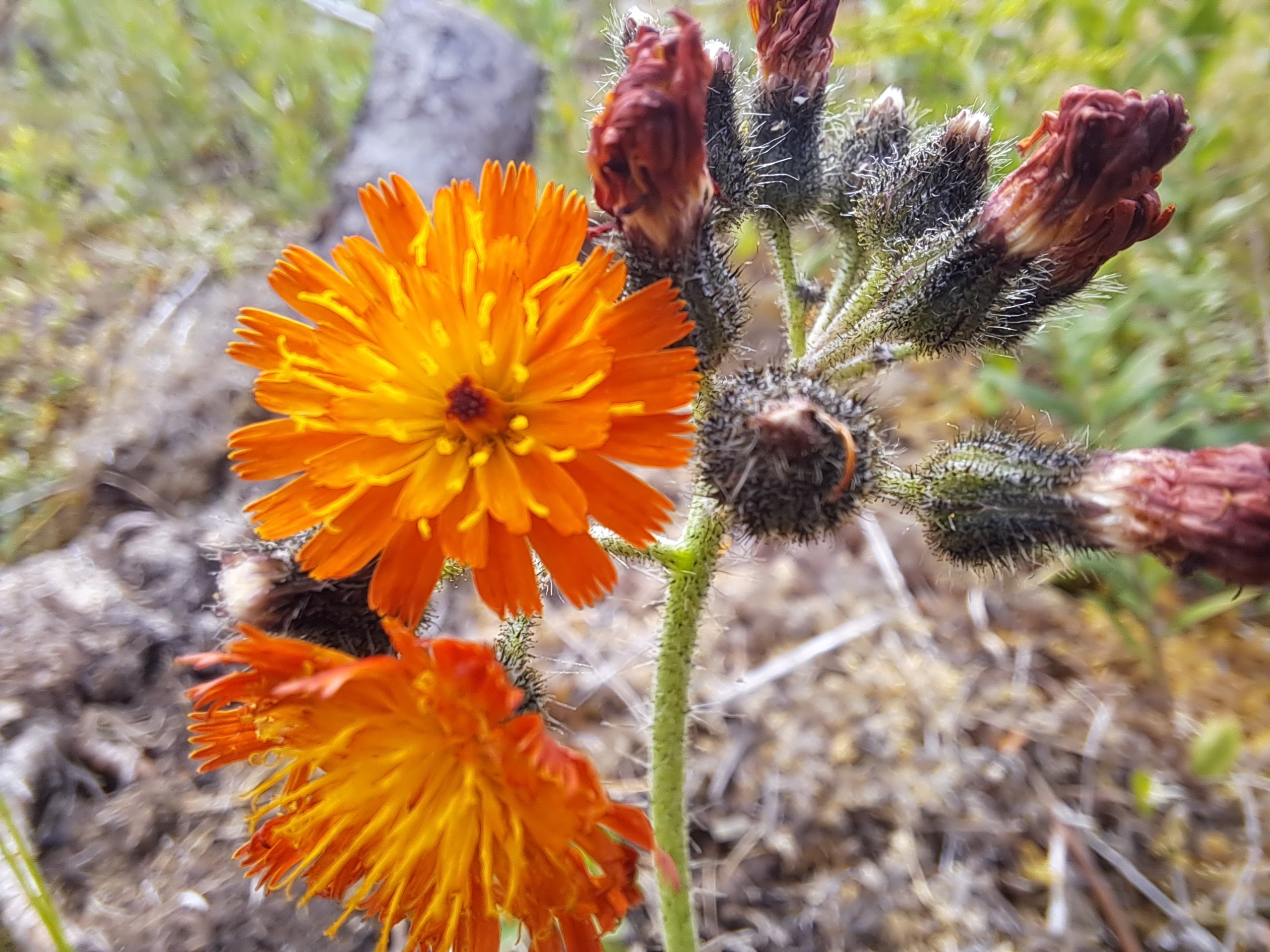
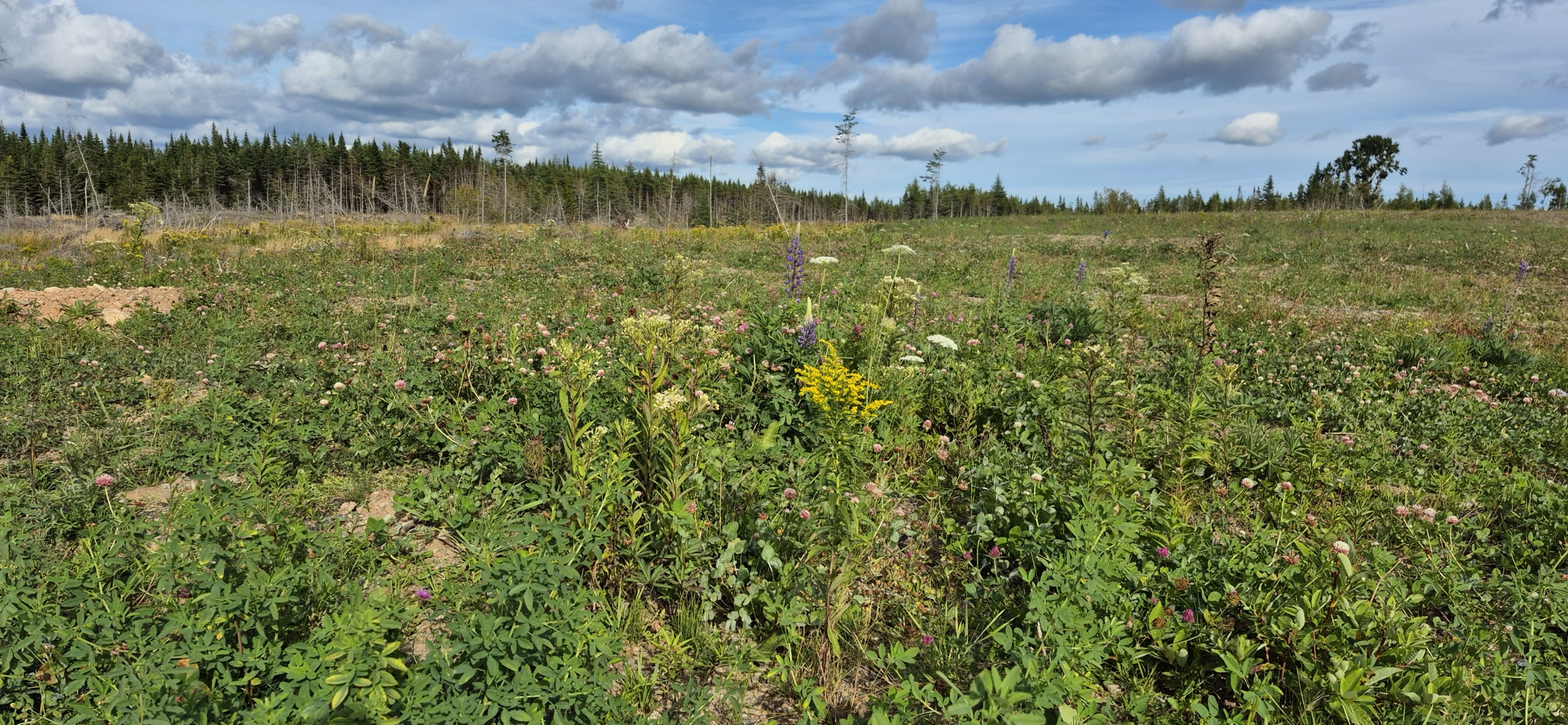
The newly created area along the property boundary is clearly visible in the drone images. On the freshly opened soil we sow wildflower seed – not for immediate bloom, but as a basis for these zones to become stable, flowering areas over the next years. At the same time, naturally occurring wildflowers and lupins are already visible in other spots, bringing more colour and insects onto the land.
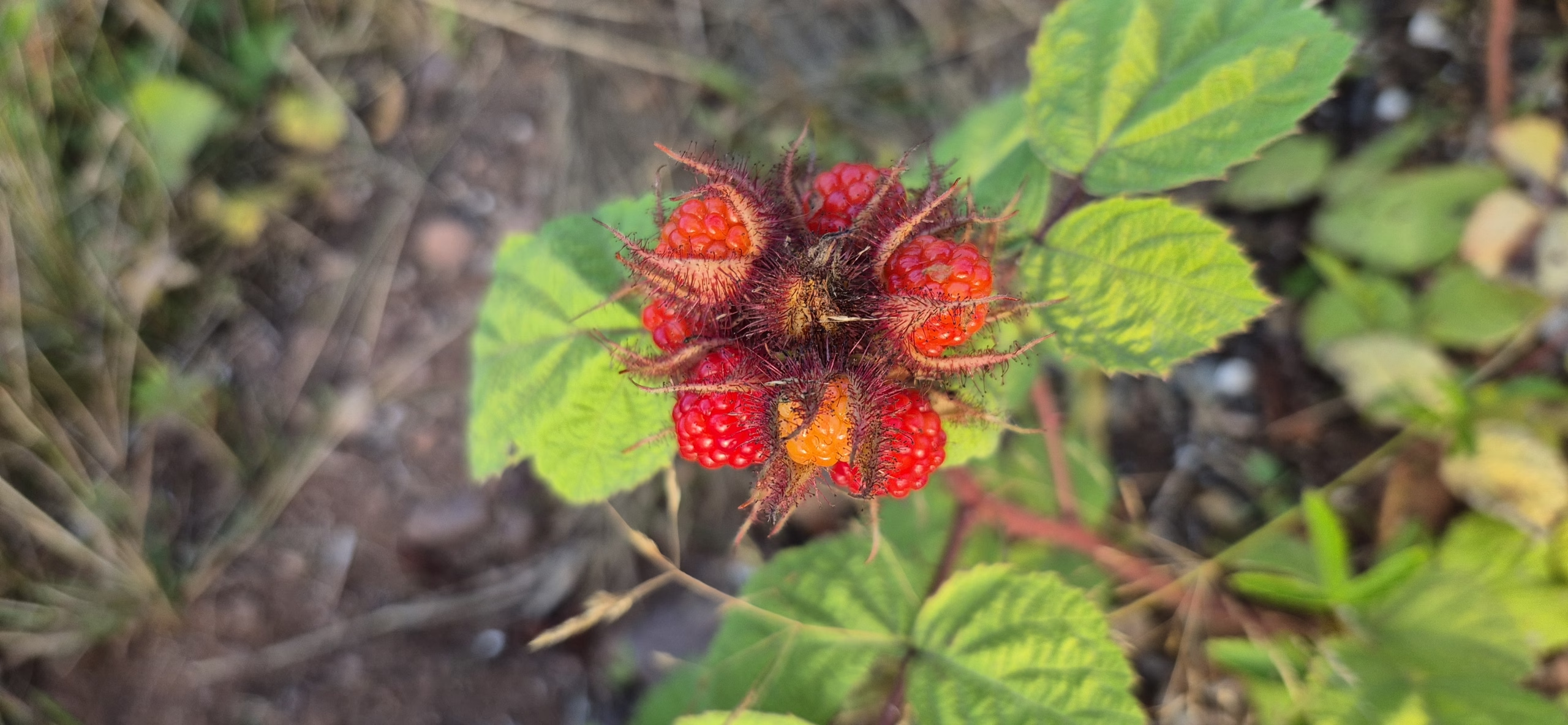
Berry bushes come into bloom, chives open their round flower heads and, with their strong scent, help make some planting areas less attractive to certain pests. In the berry propagation bed we add more plants and tend the existing shrubs.
Sunrise and sunset over the lake are, above all, moments to pause and breathe.
The planting plans for the butterfly meadow, windbreaks and new shrub zones are mostly created on quiet winter and rainy days at the computer; in summer we implement them step by step.
On the planning sketches with the watercourses you can see how the new area is meant to take up water later on, slow it down and pass it on to shrub and flowering zones.
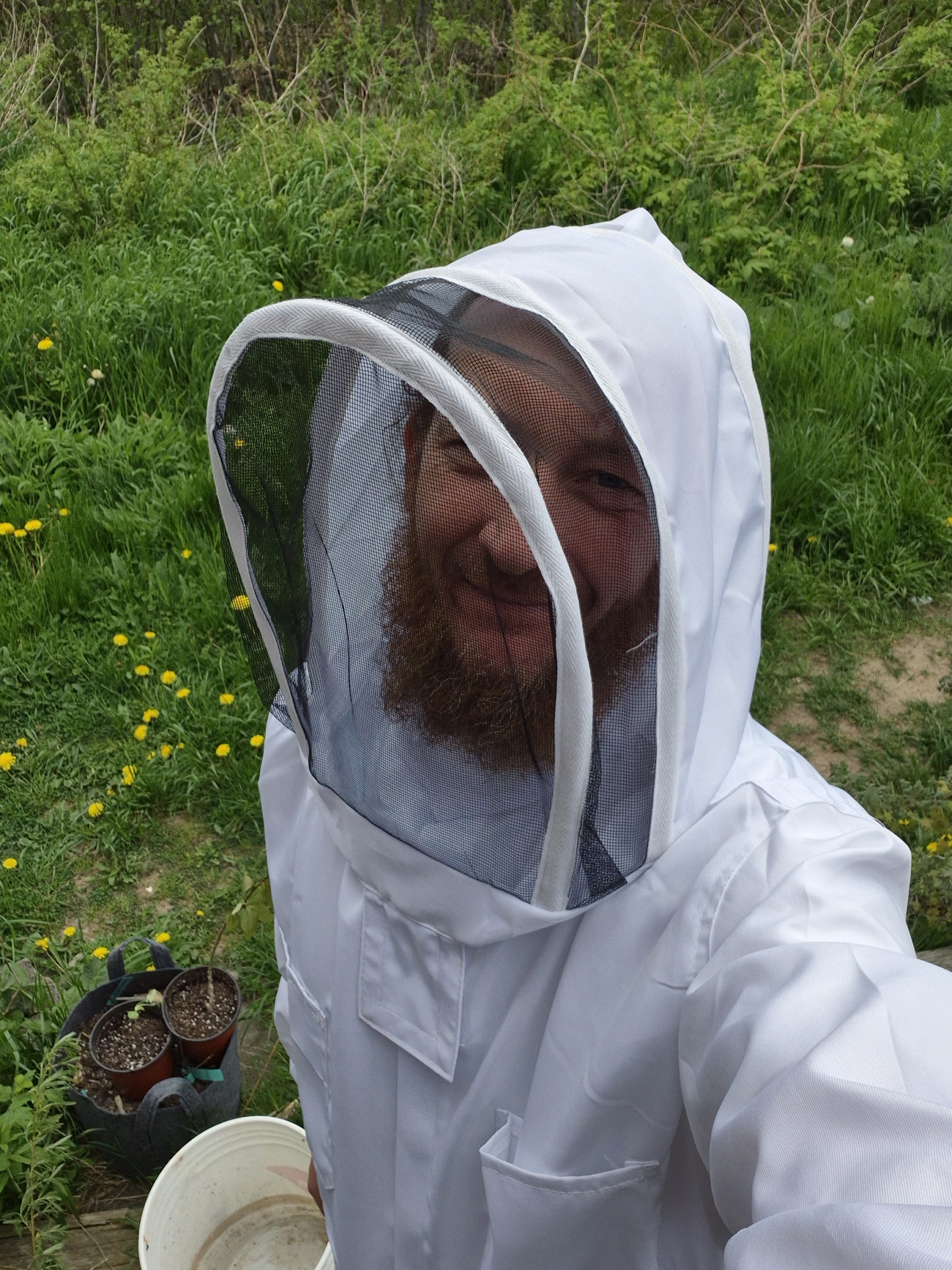
In between there are photos of Diana in the middle of the wildflowers and of Gernot in his beekeeping suit, which here mainly serves as protection against the blackflies while we work in the new zones.
July 2025
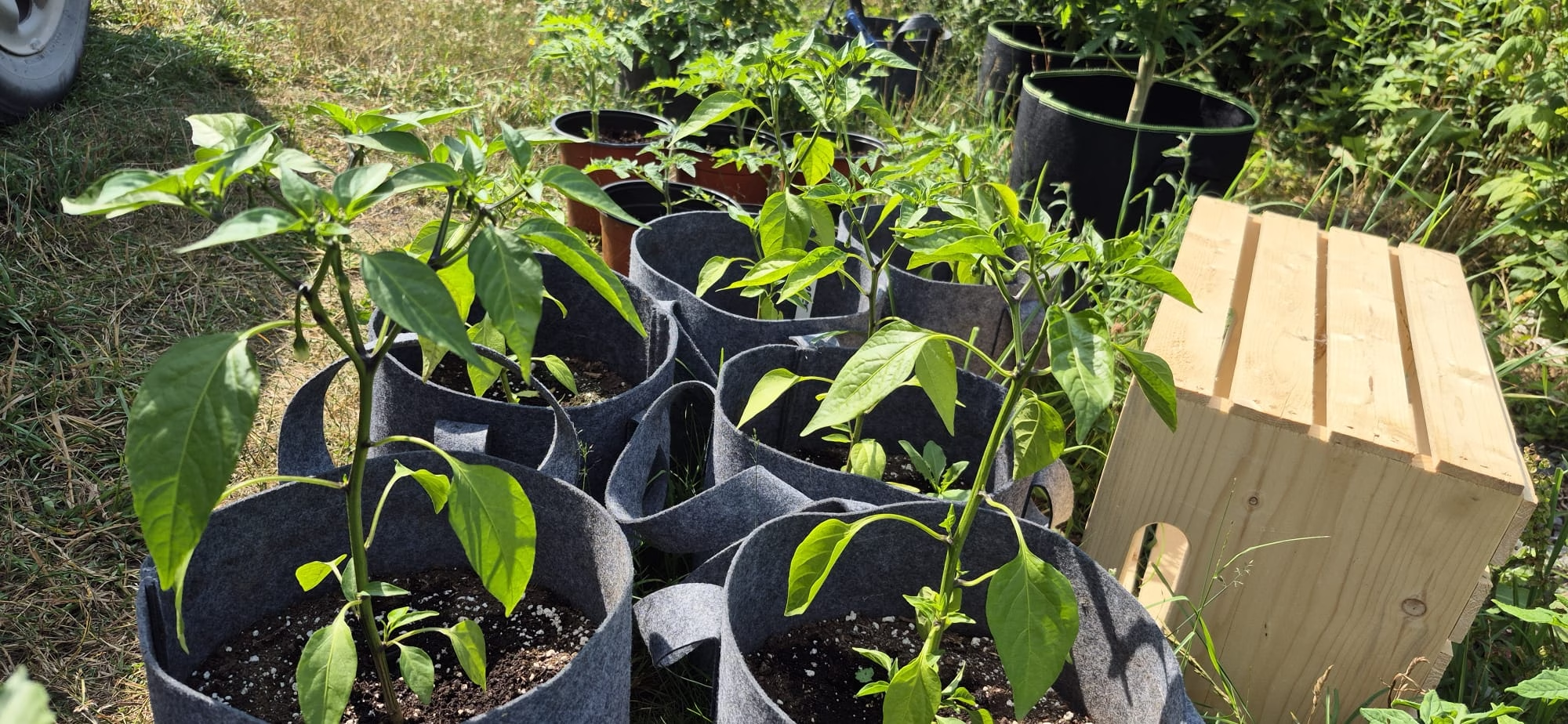
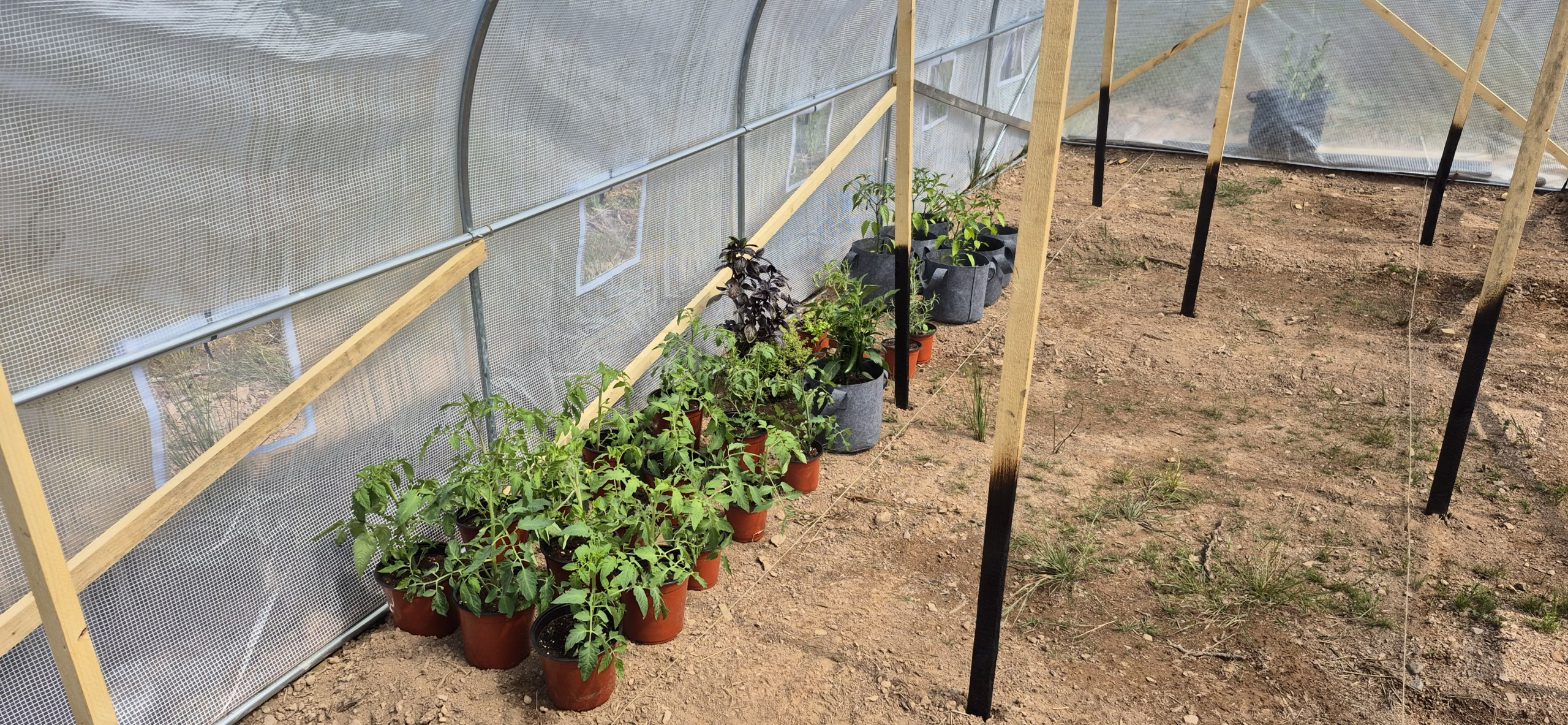
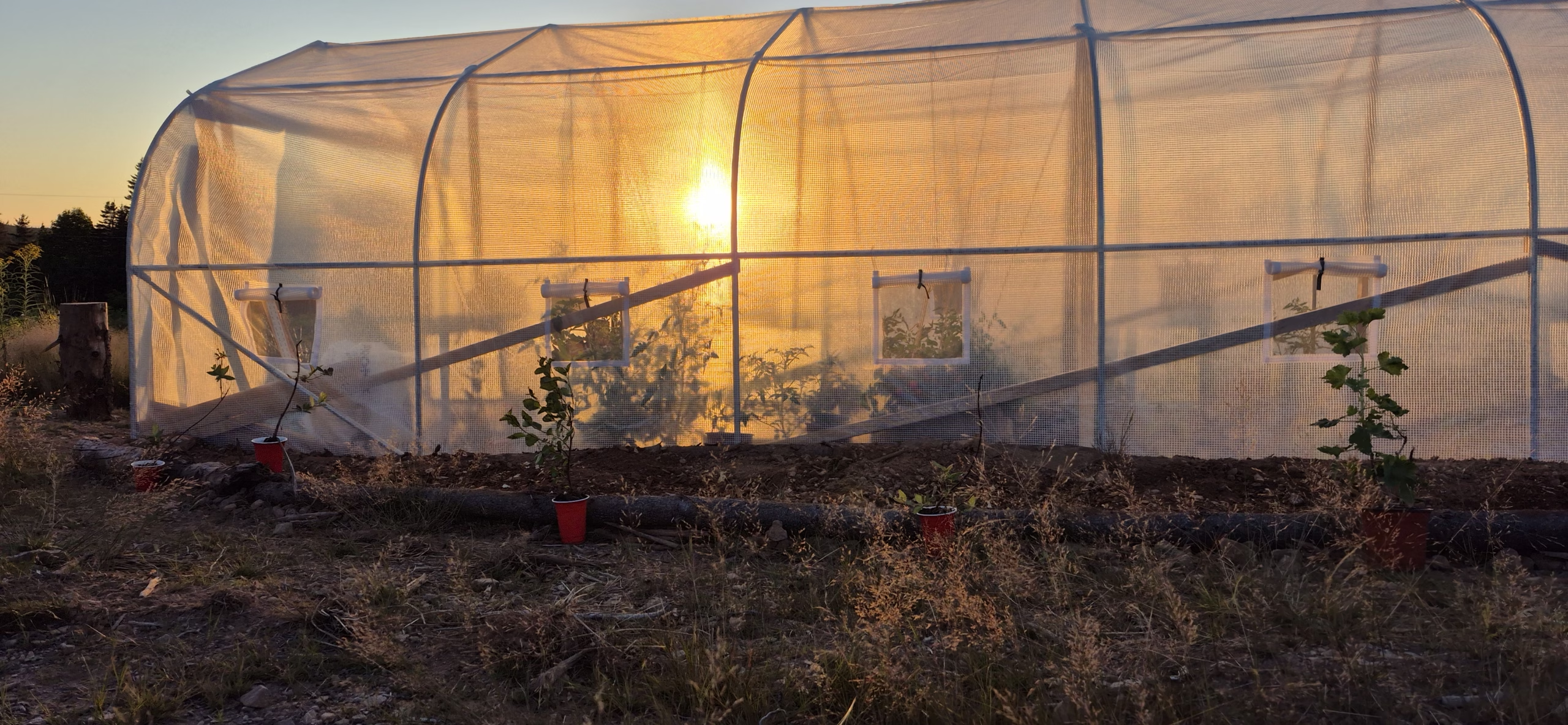
In July 2025, for the first time, it really feels like “garden” is on the agenda. Outside, the first wildflower areas are in bloom, while pepper plants in pots wait to move into the newly built polytunnel.
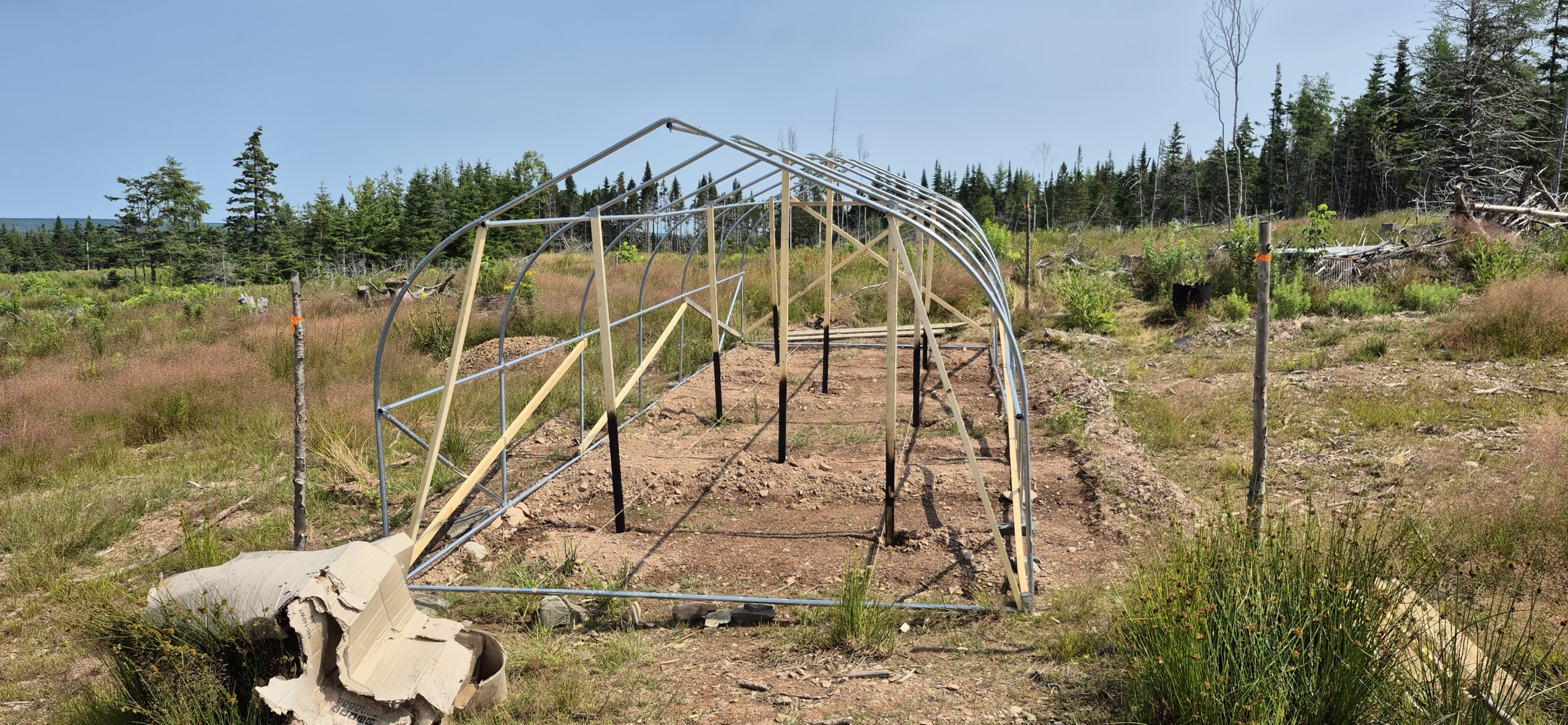
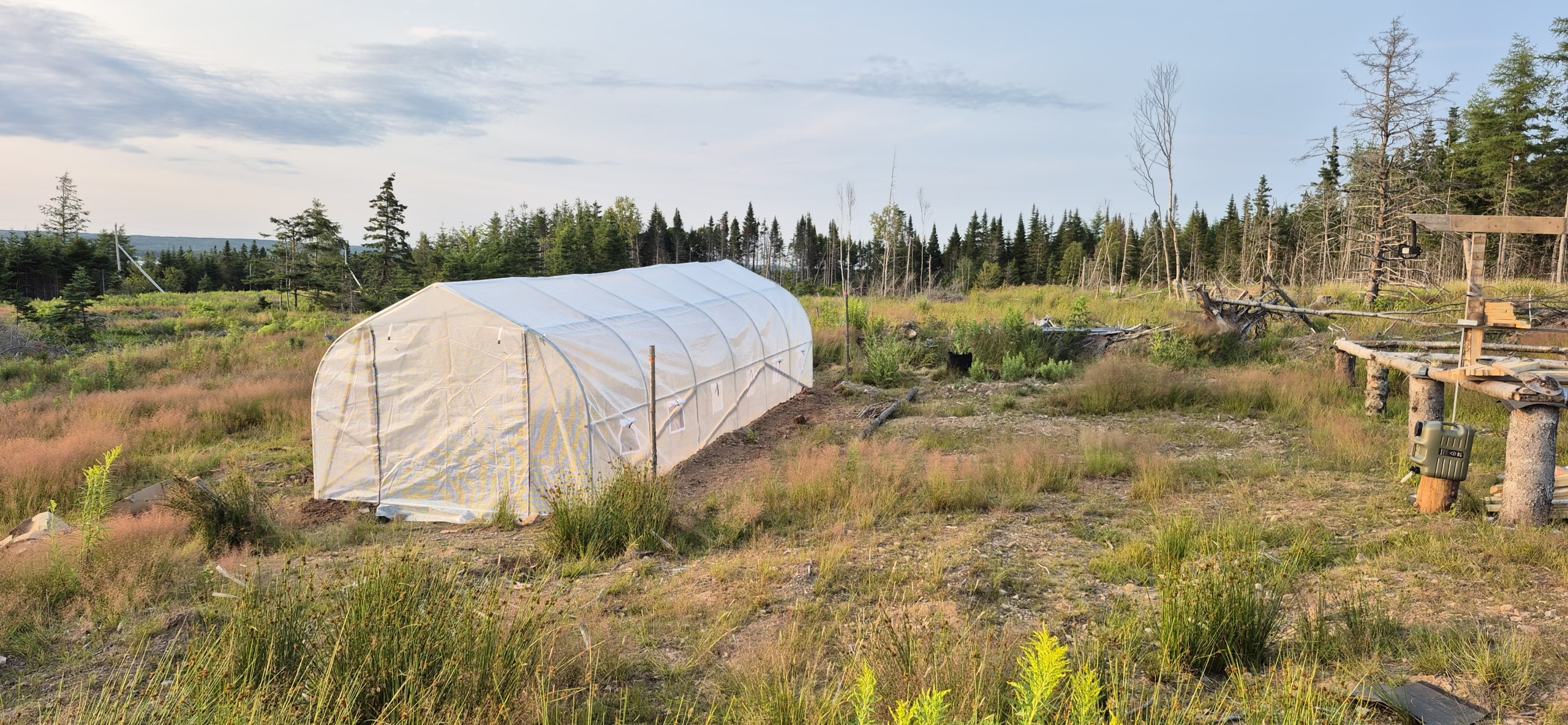
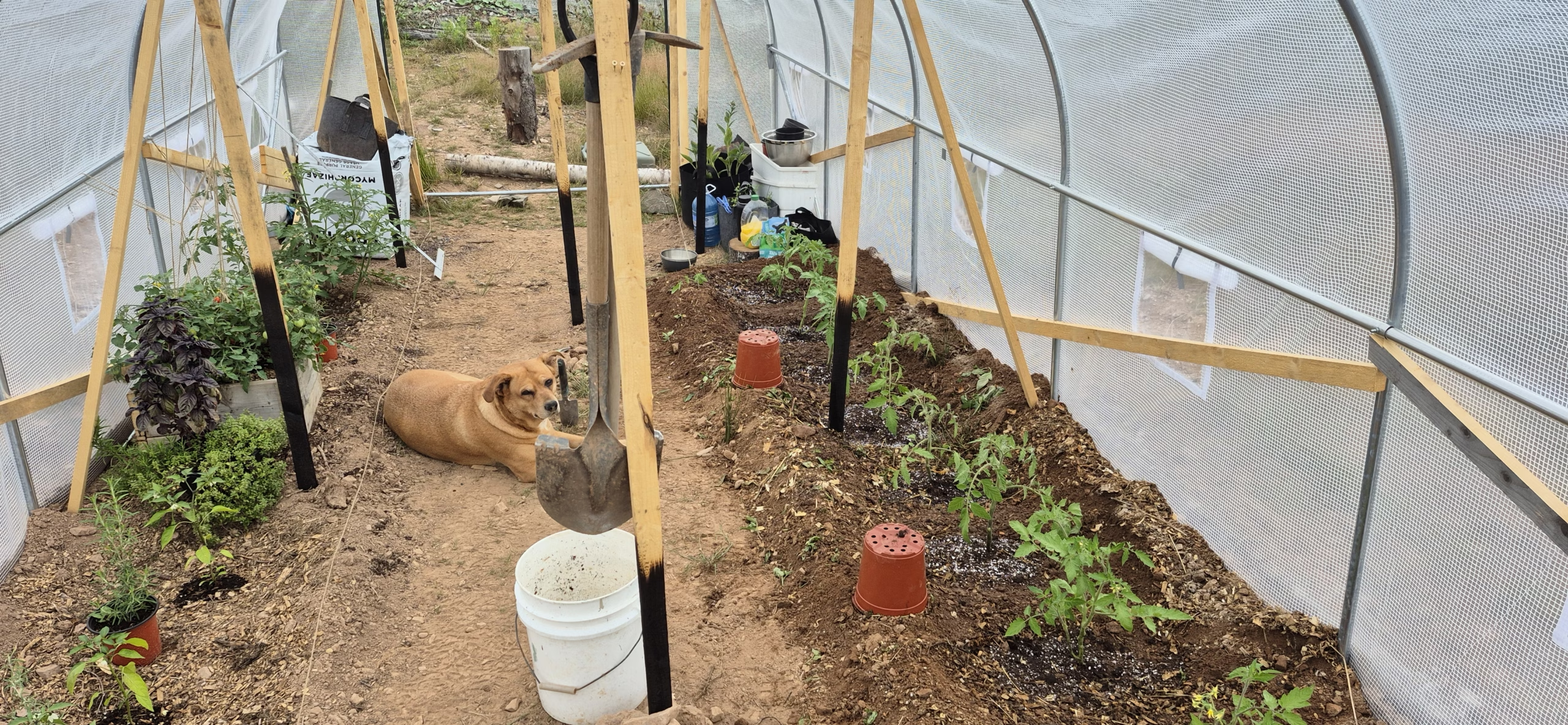
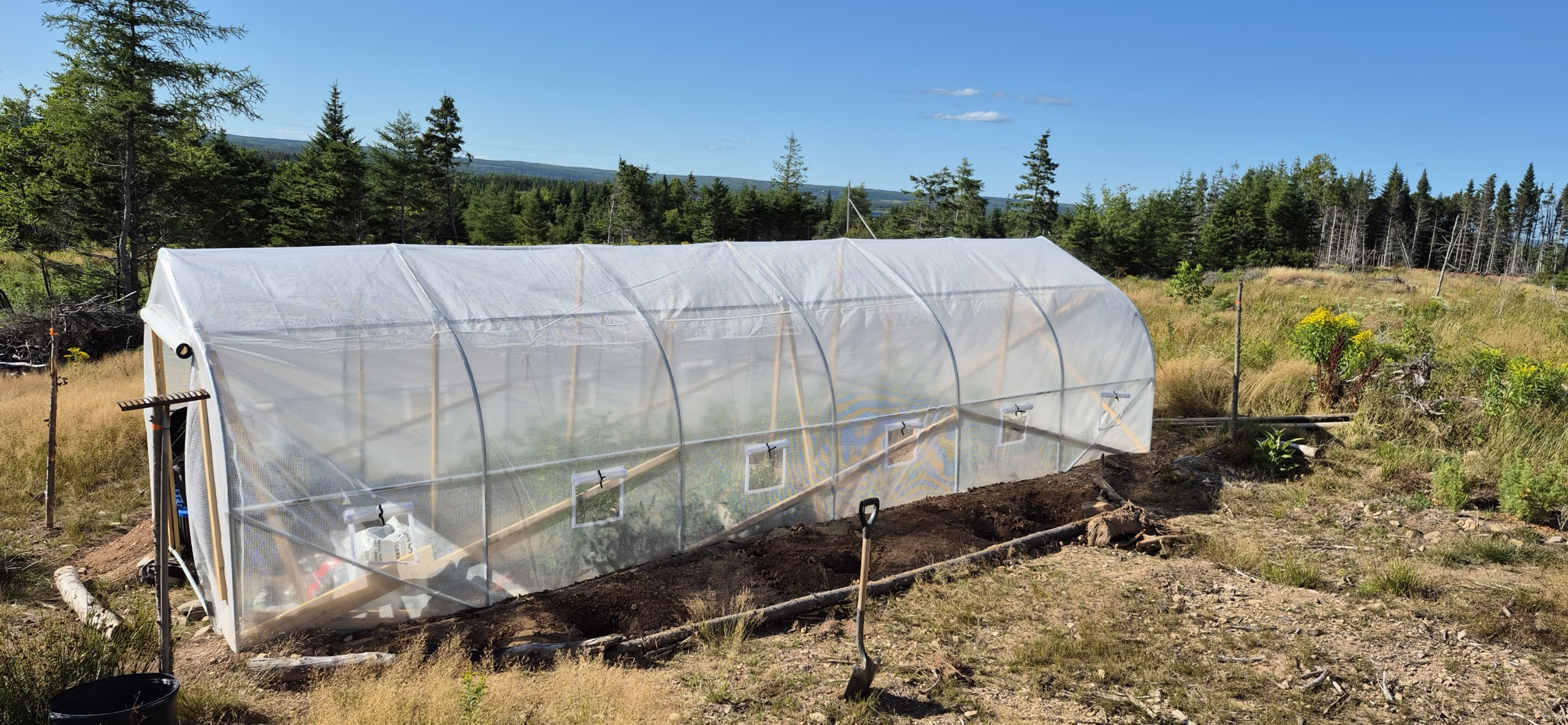
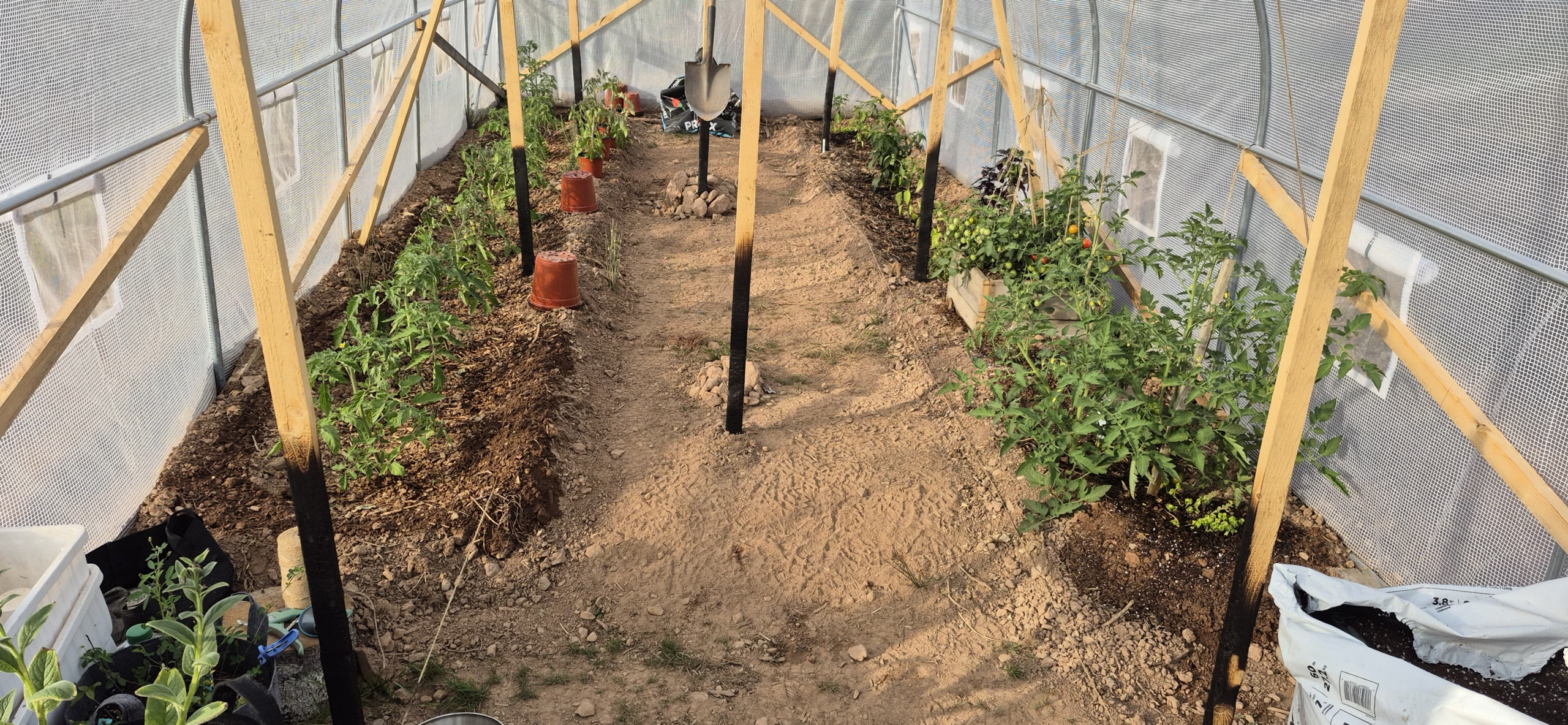
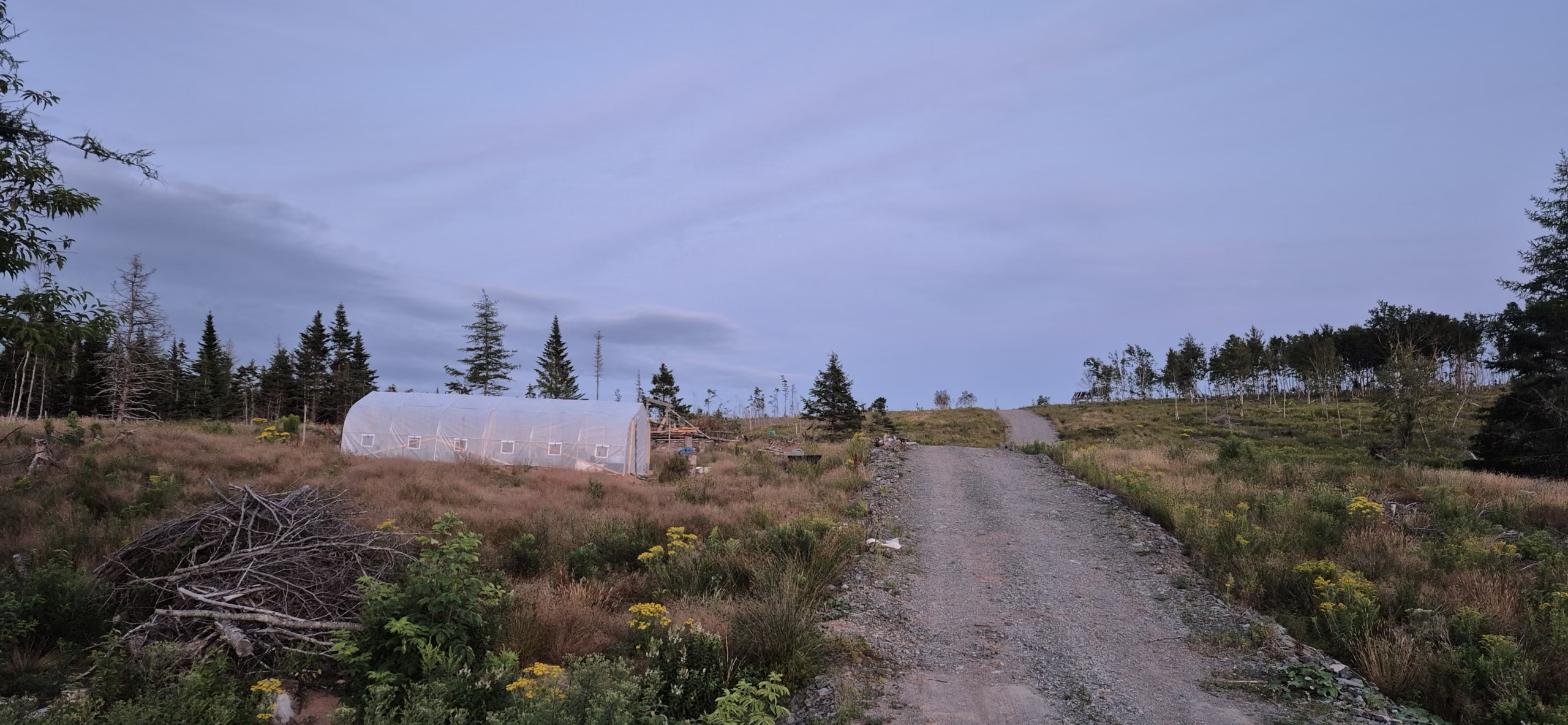
In the photos you can see the frame, then the finished covered tunnel and finally the prepared beds inside, before tomatoes and peppers move in and fill the rows. In front of that still lies the open plot as it looked before the greenhouse went up – a good reminder of how quickly structures can change over the course of a summer.
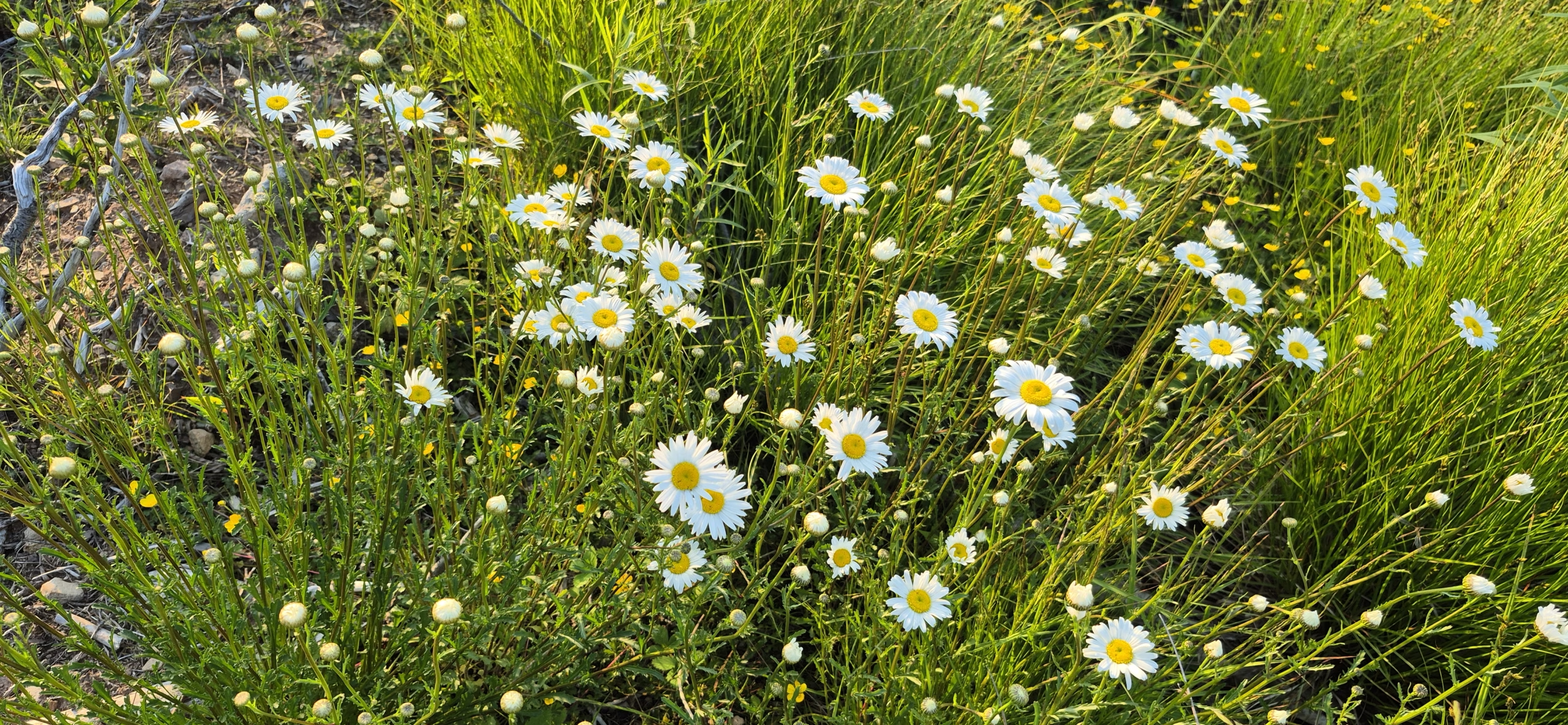
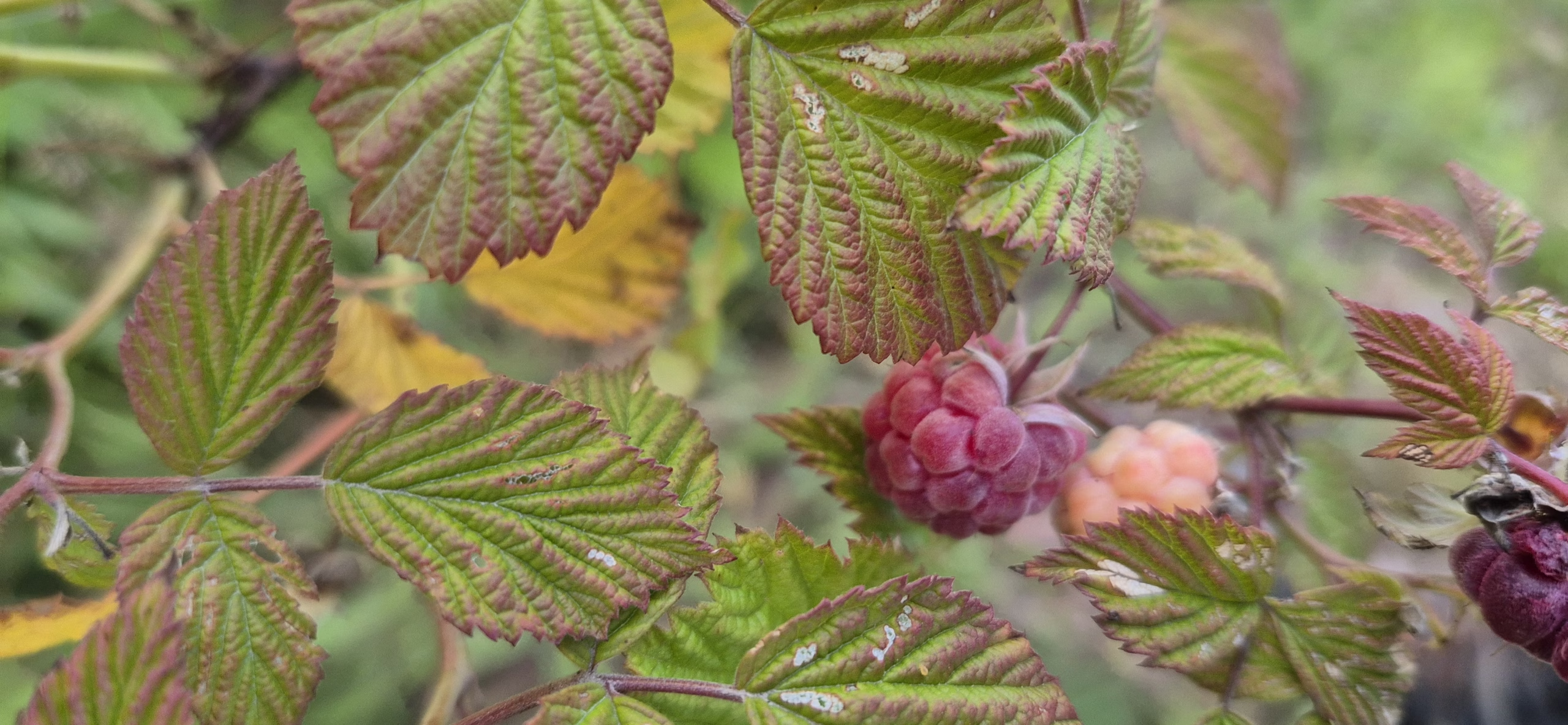
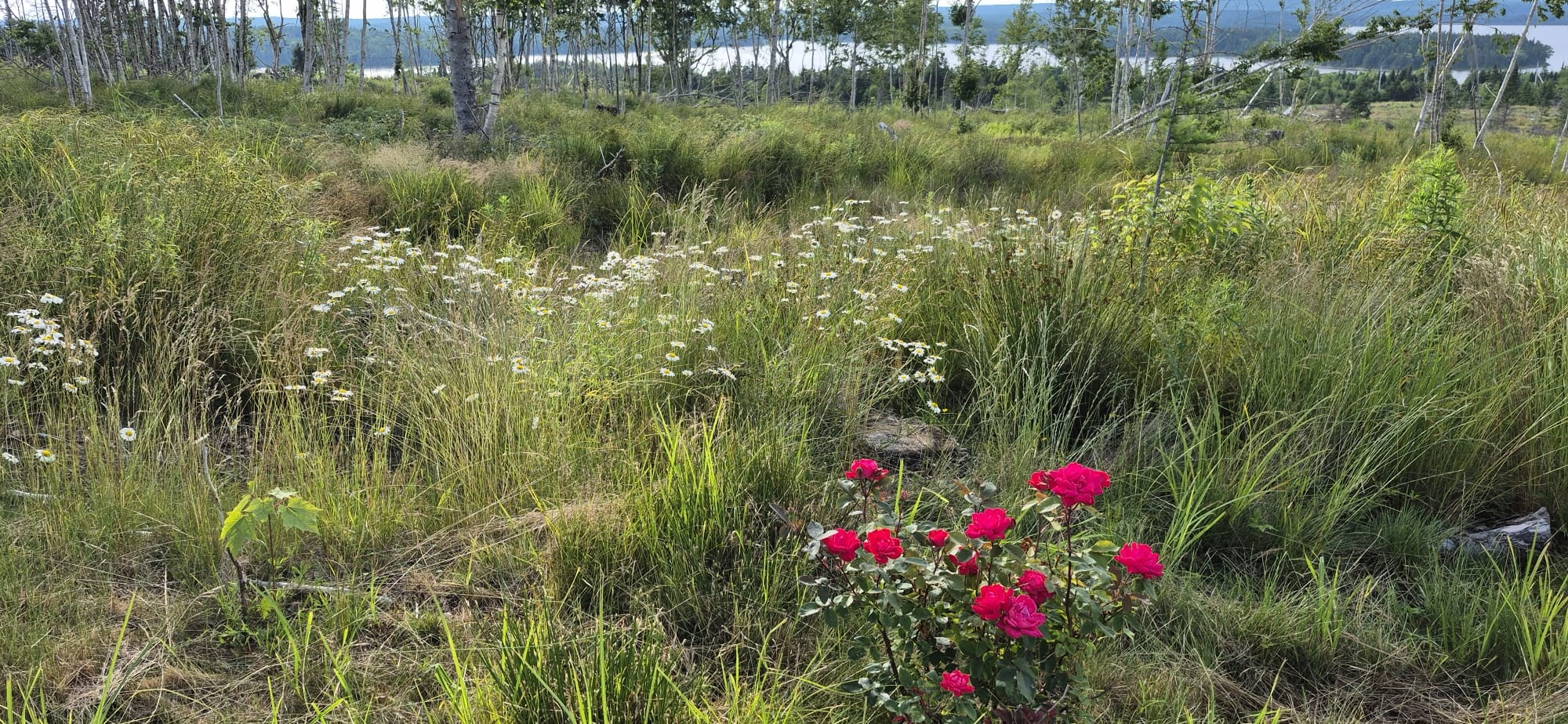
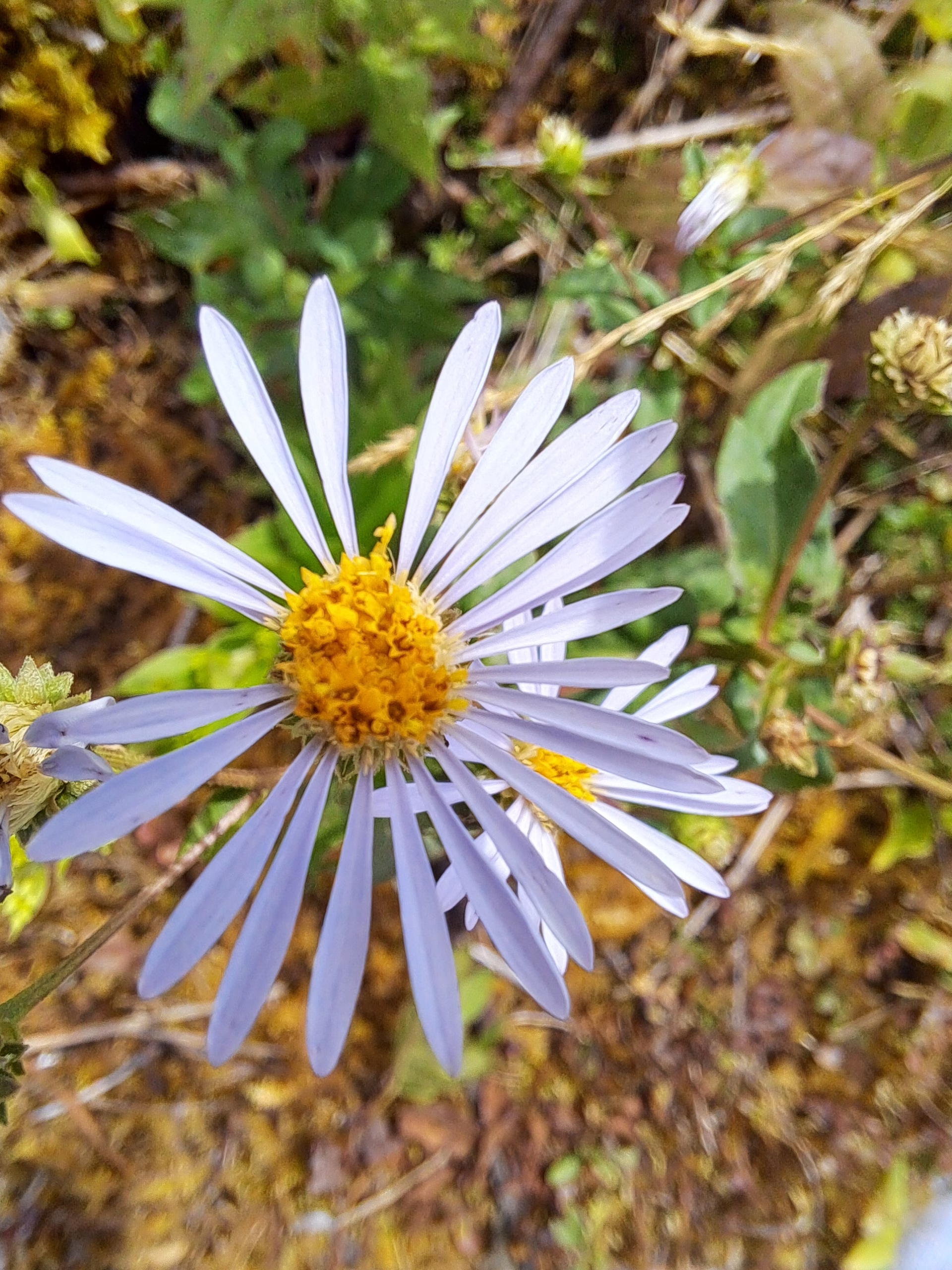
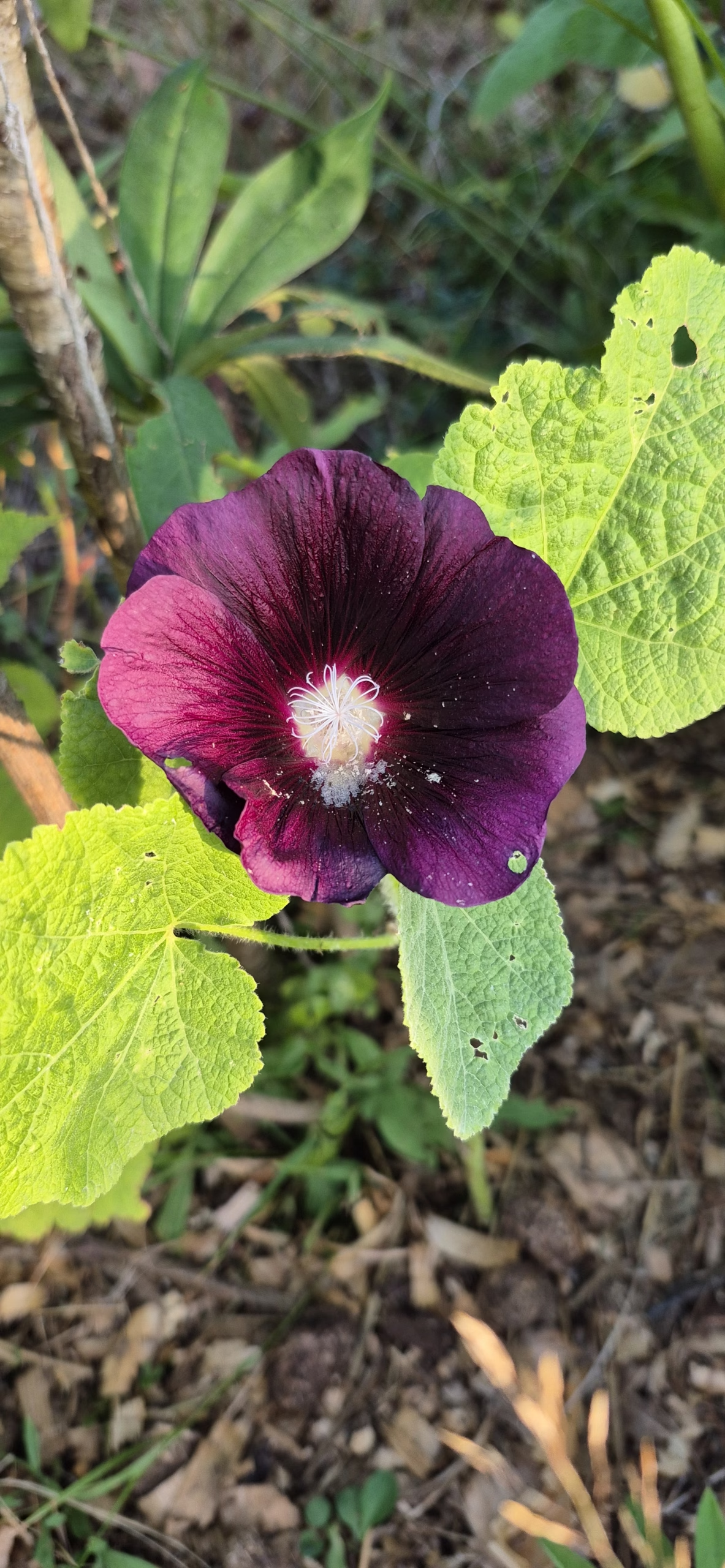
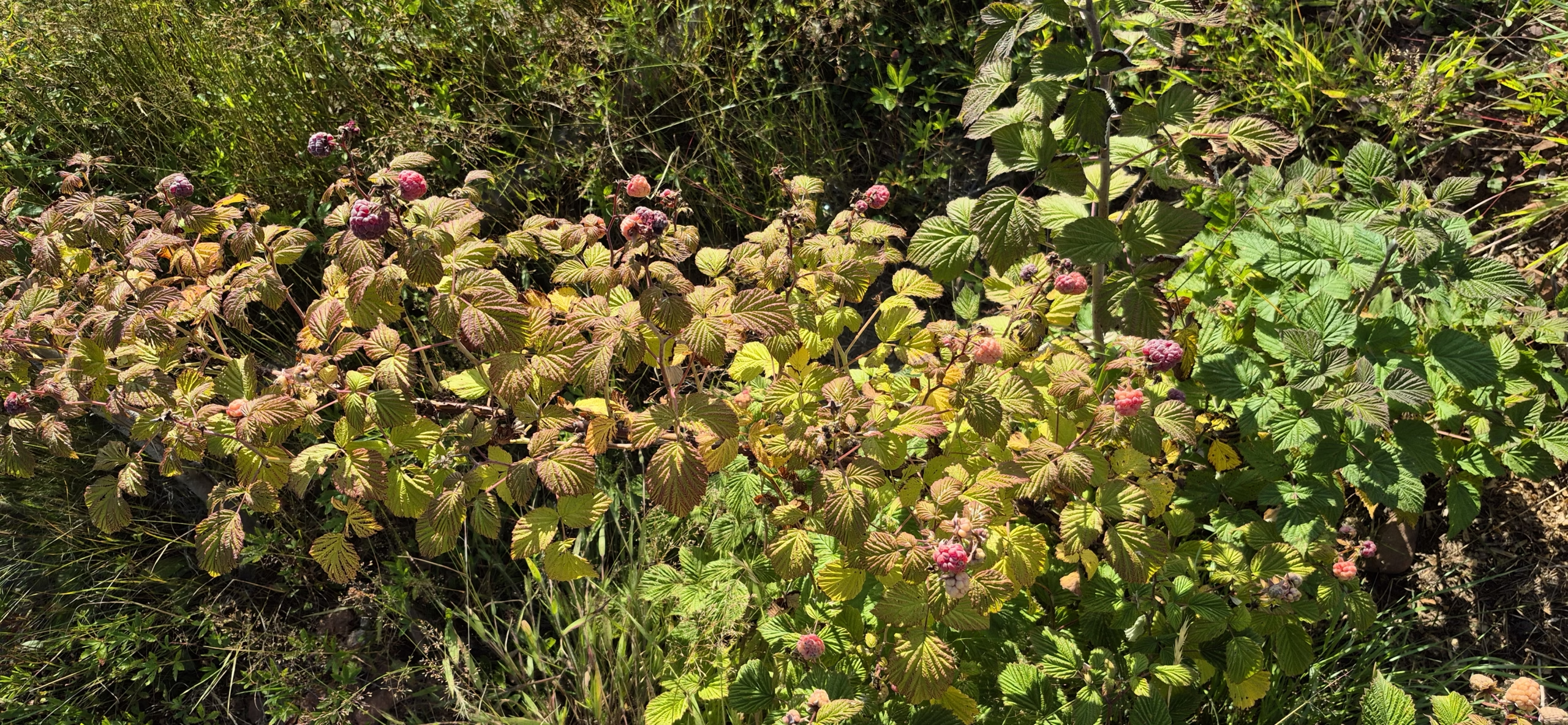
A lot is happening outside the tunnel as well: raspberries are bearing fruit, the first patches of our wildflower mix are clearly visible and blend with the existing flowering plants, while at the top of the property the rose at the spot where our cat Anubis is buried is in full bloom – surrounded by wild daisies.
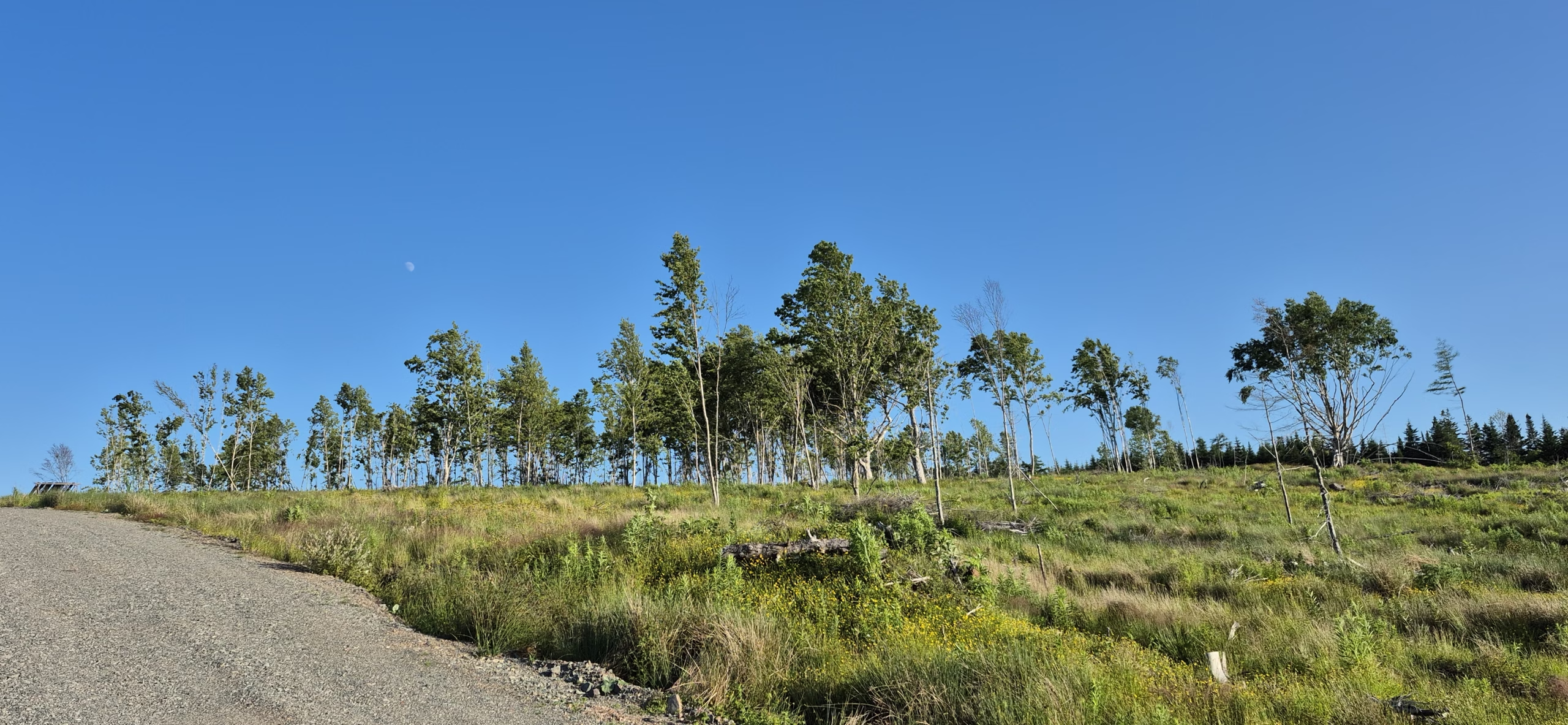
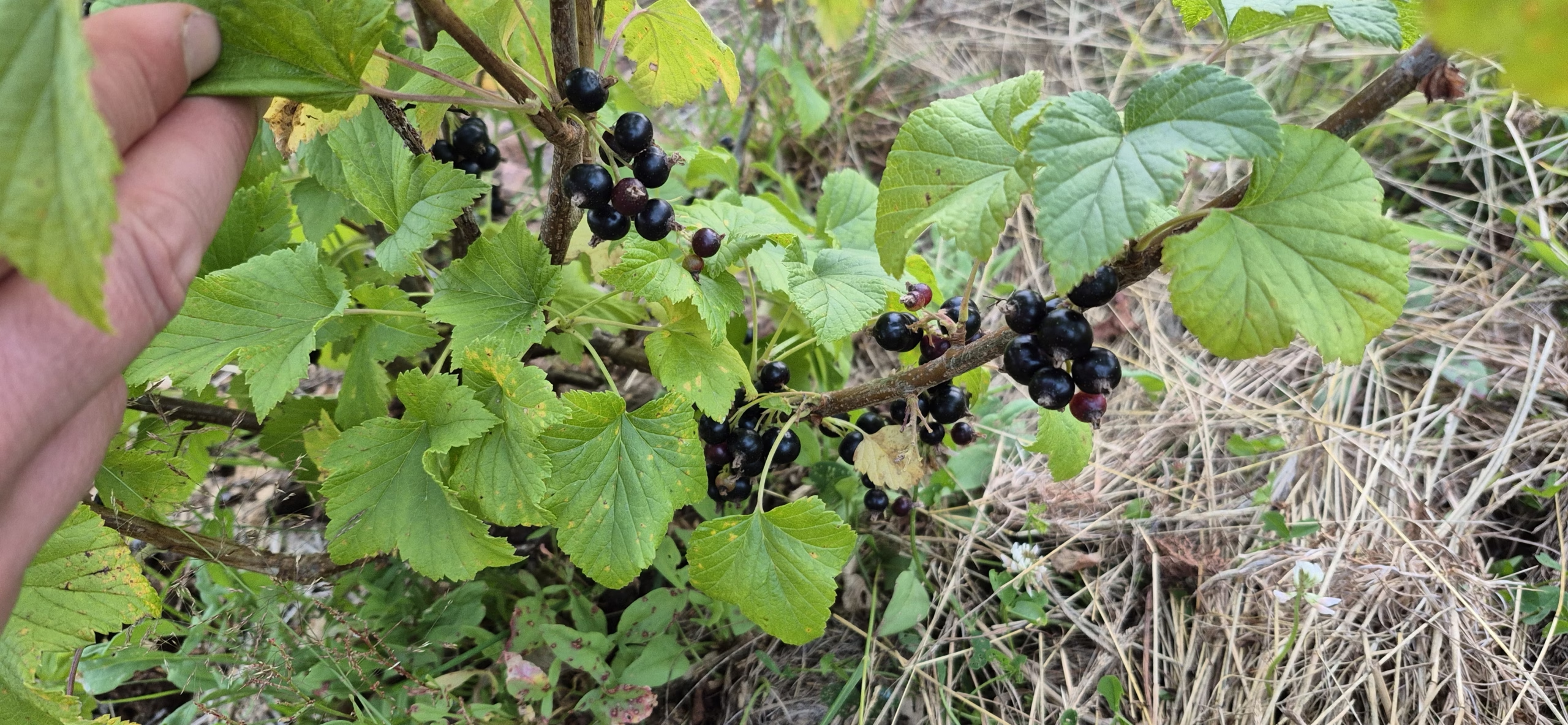
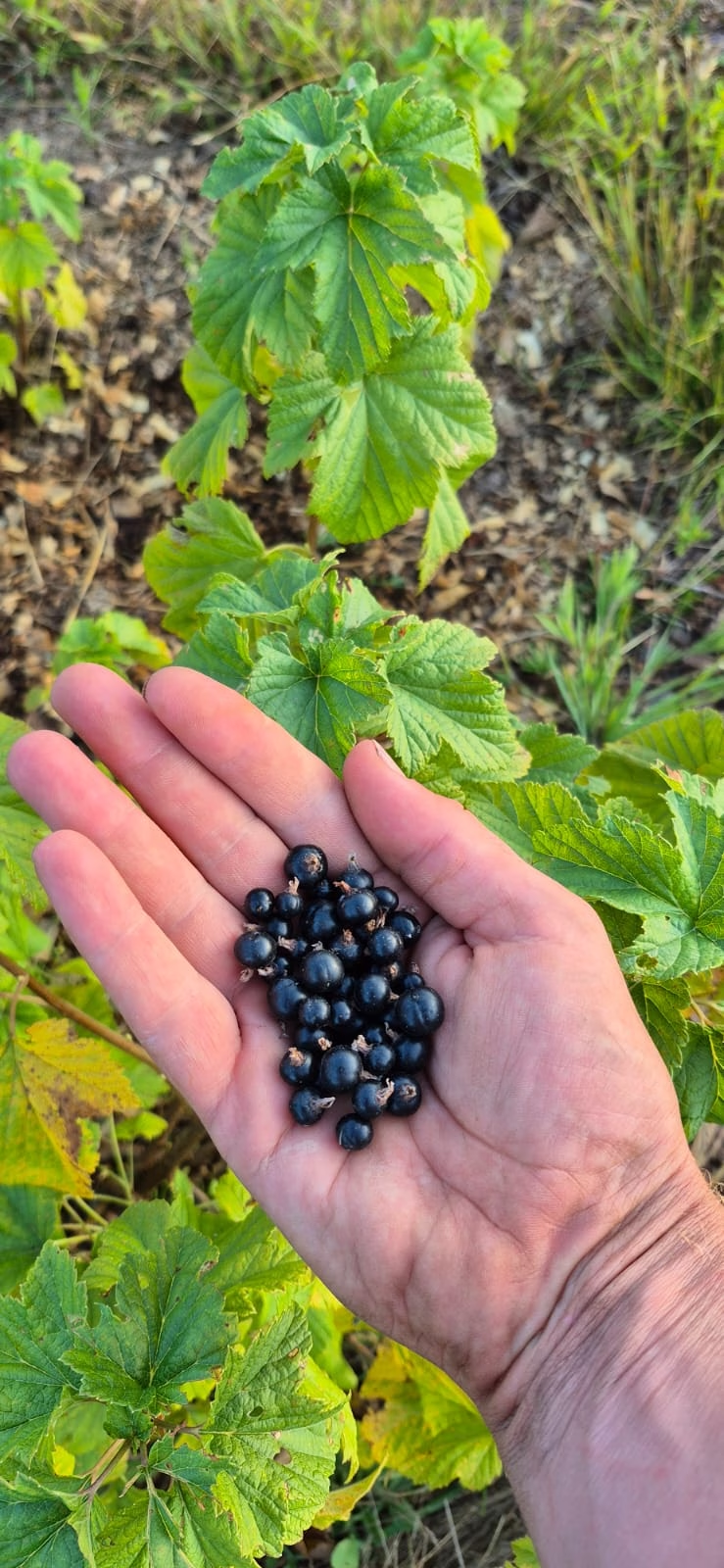
On the slope the young birch trees keep growing, and as a quiet end to the month blackcurrants ripen on the branches, showing how the combination of preparation, protection and patience is slowly turning into real harvest.
August 2025
In August 2025 you can see everywhere how much the land is in motion. Wildflowers accompany us along the paths, and from the drone’s perspective it is clear how paths, beds, fence lines and the area around the polytunnel have changed compared to previous months.
New beds are created next to the greenhouse, while inside tomatoes, peppers and others visibly gain height.
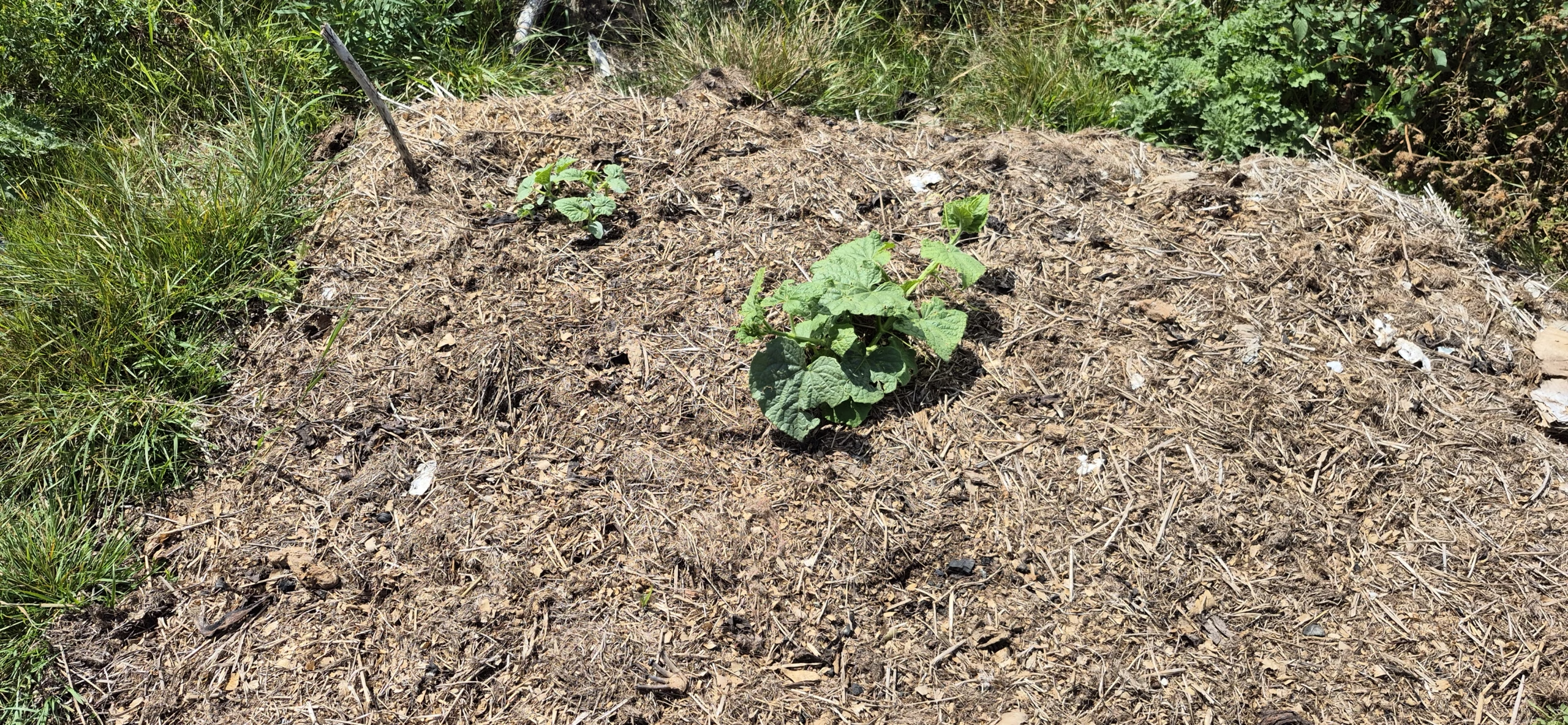
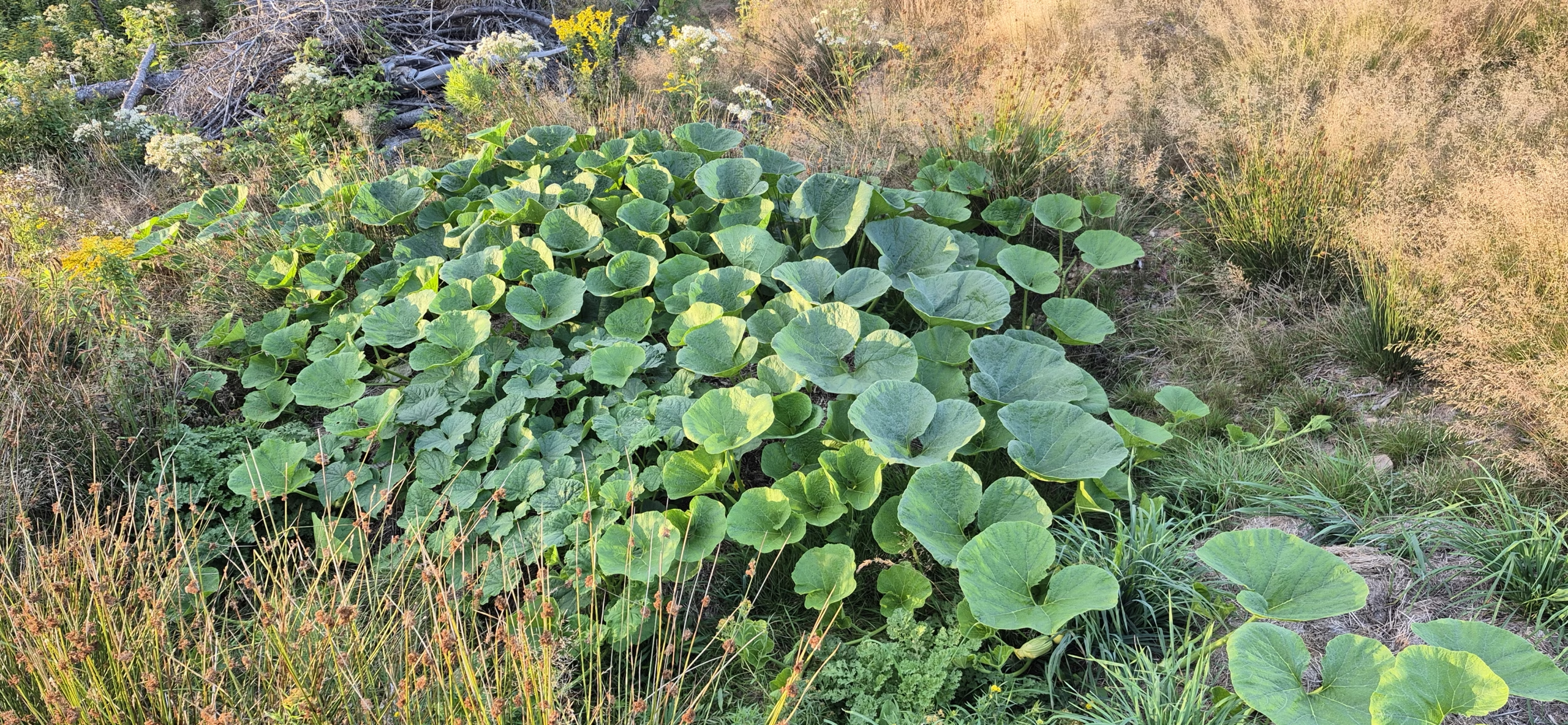
In the compost a pumpkin and a cucumber appear on their own, while one of the planted pumpkins outside is already carrying fruit.
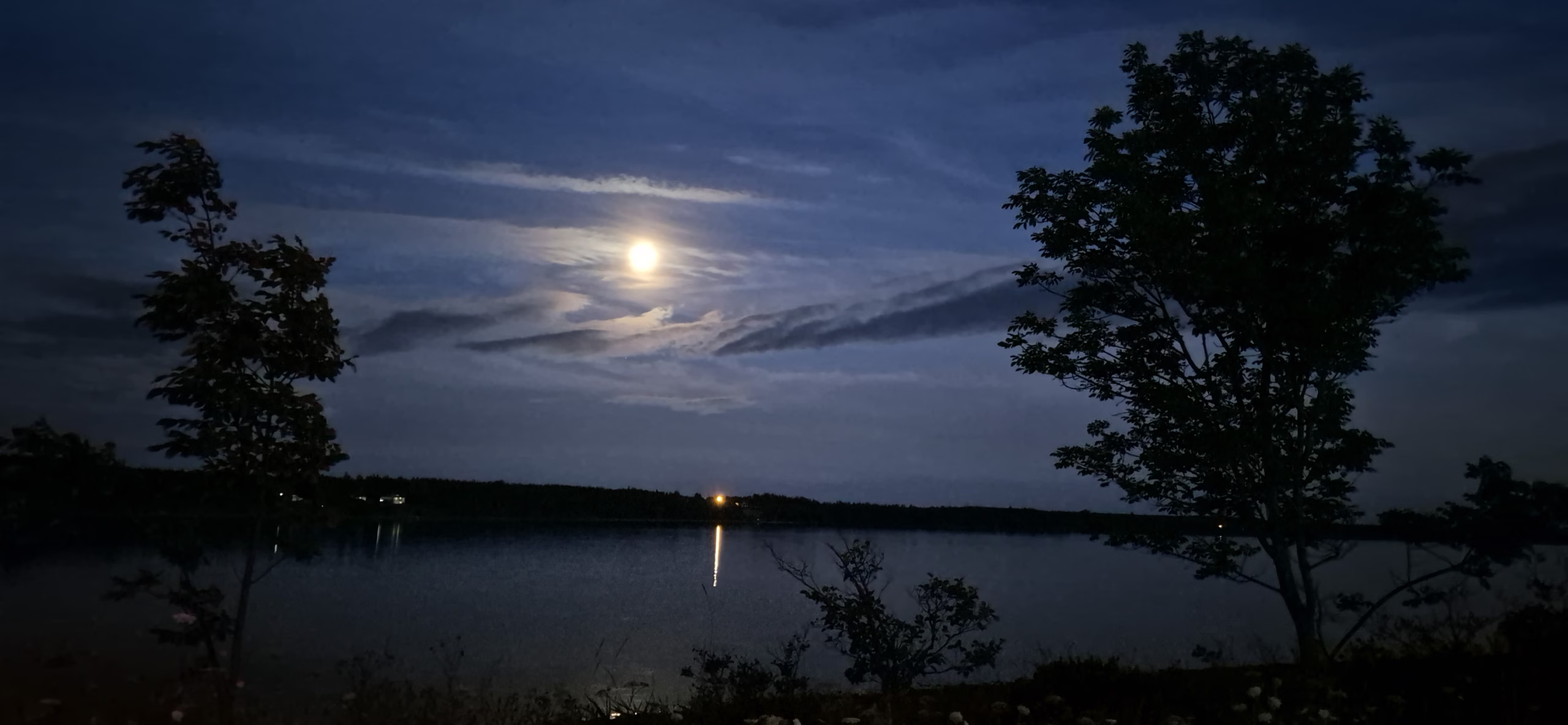
The raspberries continue to produce, and between them lie quiet moments with moonlight over the water and wide sky views over the property.
At the same time, on the areas where we sowed in early summer, it is already visible where our wildflower mix is establishing – the young plants clearly stand out from the surrounding vegetation.
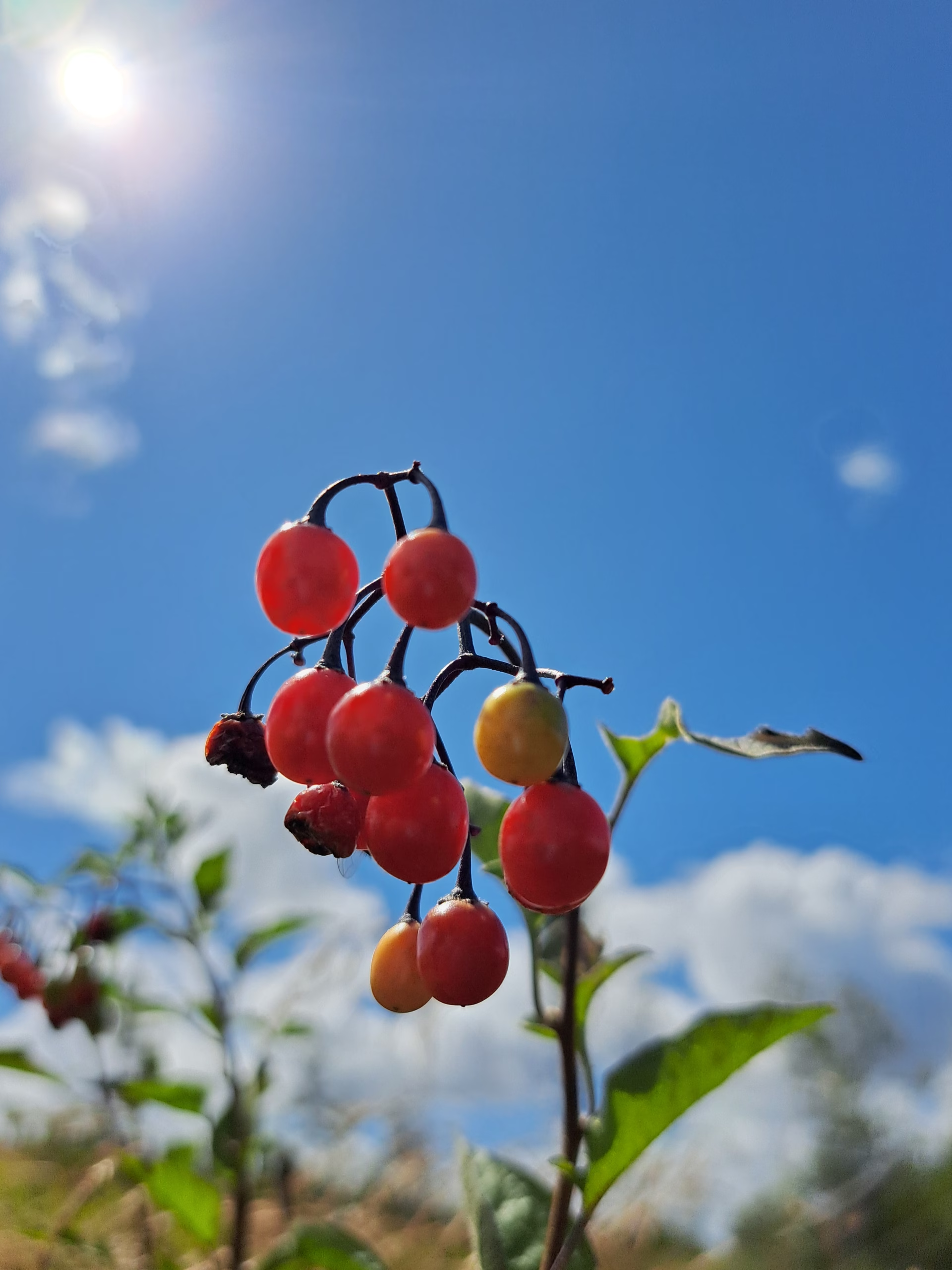
Ripe grapes show that the perennial crops are slowly getting going as well. Among the plants we actually want, poisonous nightshades also appear, reminding us how attentive you have to be in a developing area.
The month ends once more with blackcurrants in hand – a calm moment in which the work of the past months feels very tangible.
September 2025
In September 2025 the focus shifts clearly towards harvest.
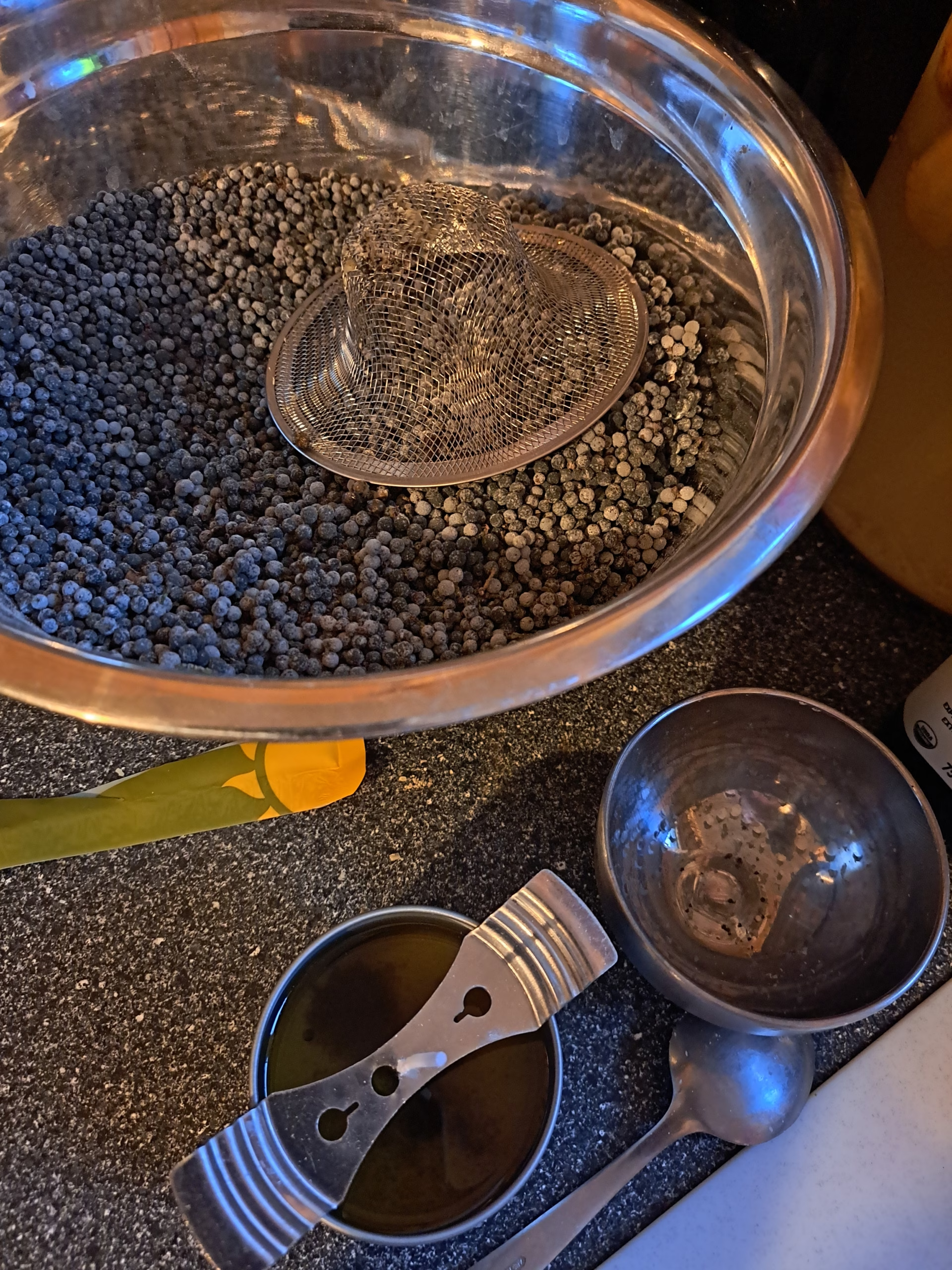
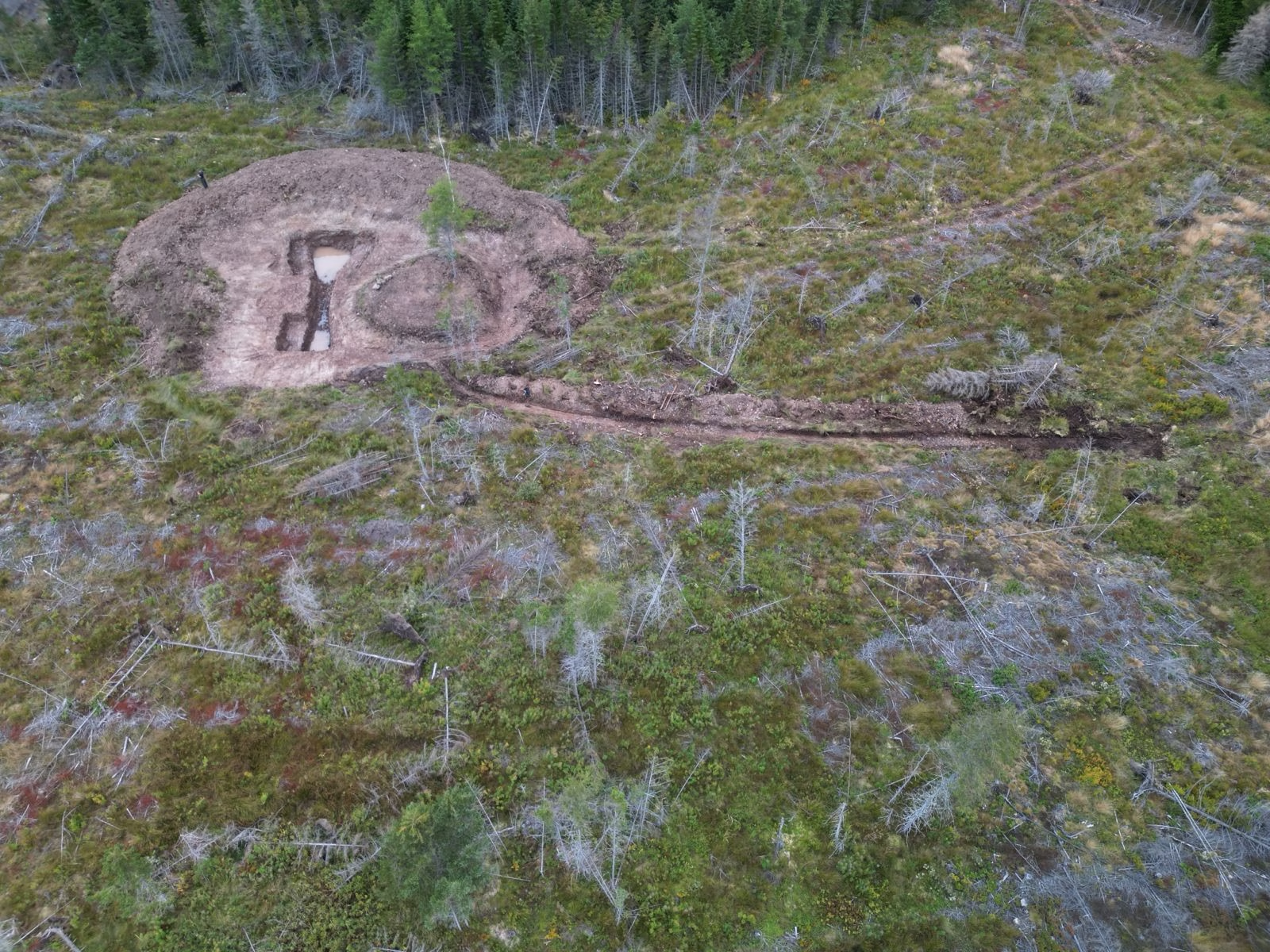
From gathered bayberries we make our first hand-poured candles, the wild cucumber shows its fruits and, from the drone’s perspective, you can see how the newly dug pond fits into its surroundings – from the excavated basin to the last passes of the digger.
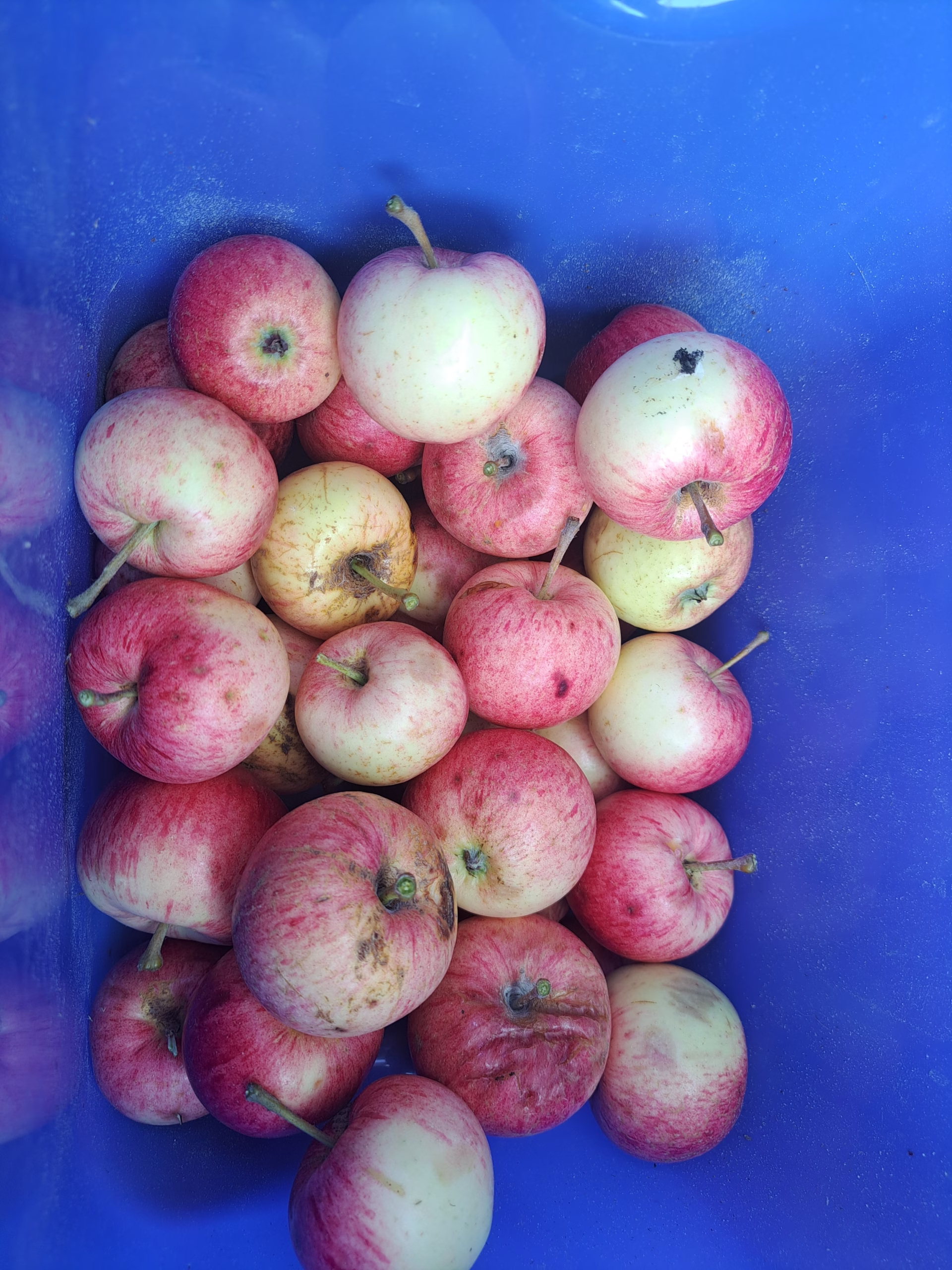
A special joy is our first apple harvest from a tree that was already on the land when we took it over.
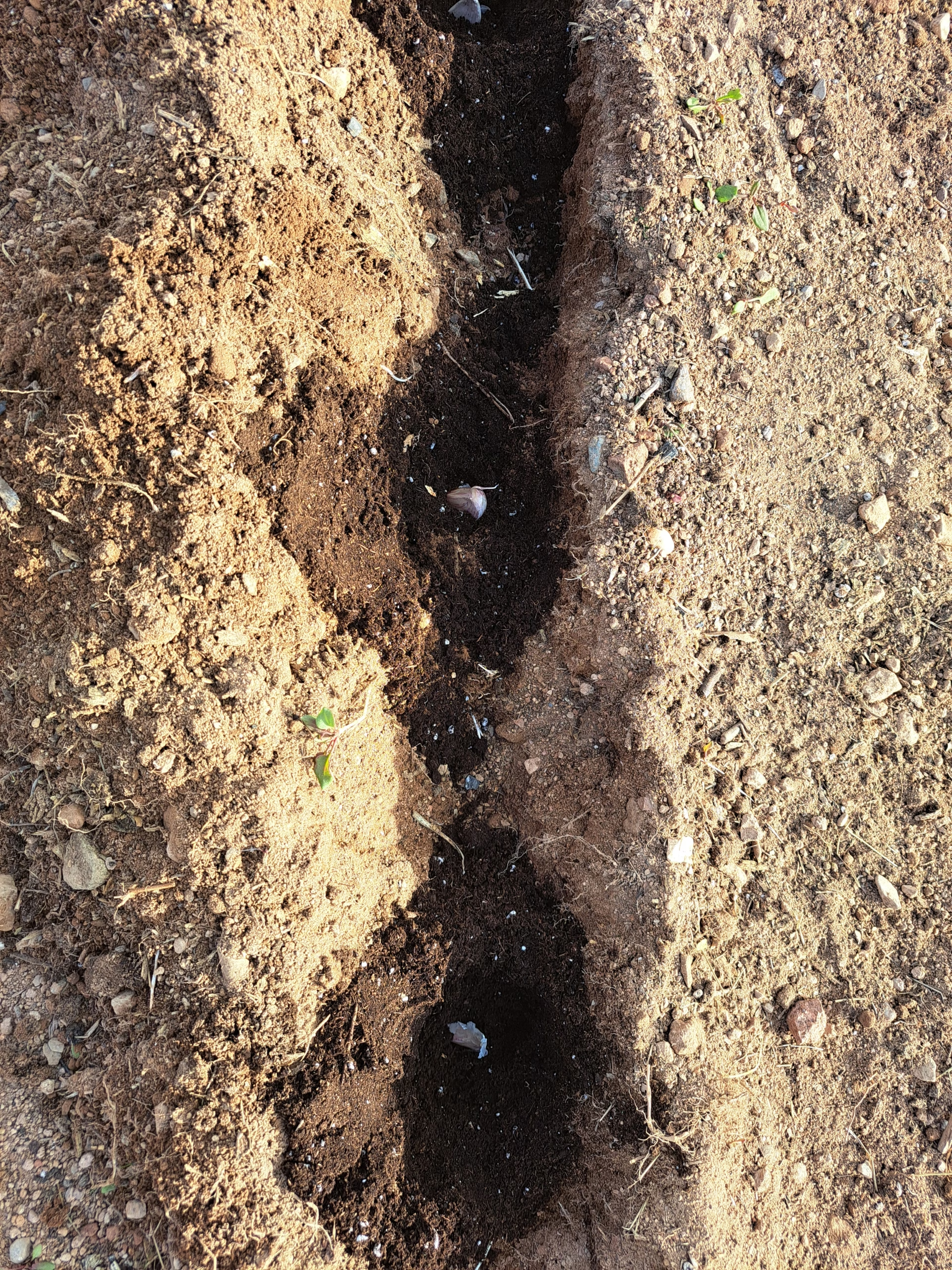
Towards the end of the month we plant the first garlic cloves, already thinking ahead to the next year as we put them into the soil.
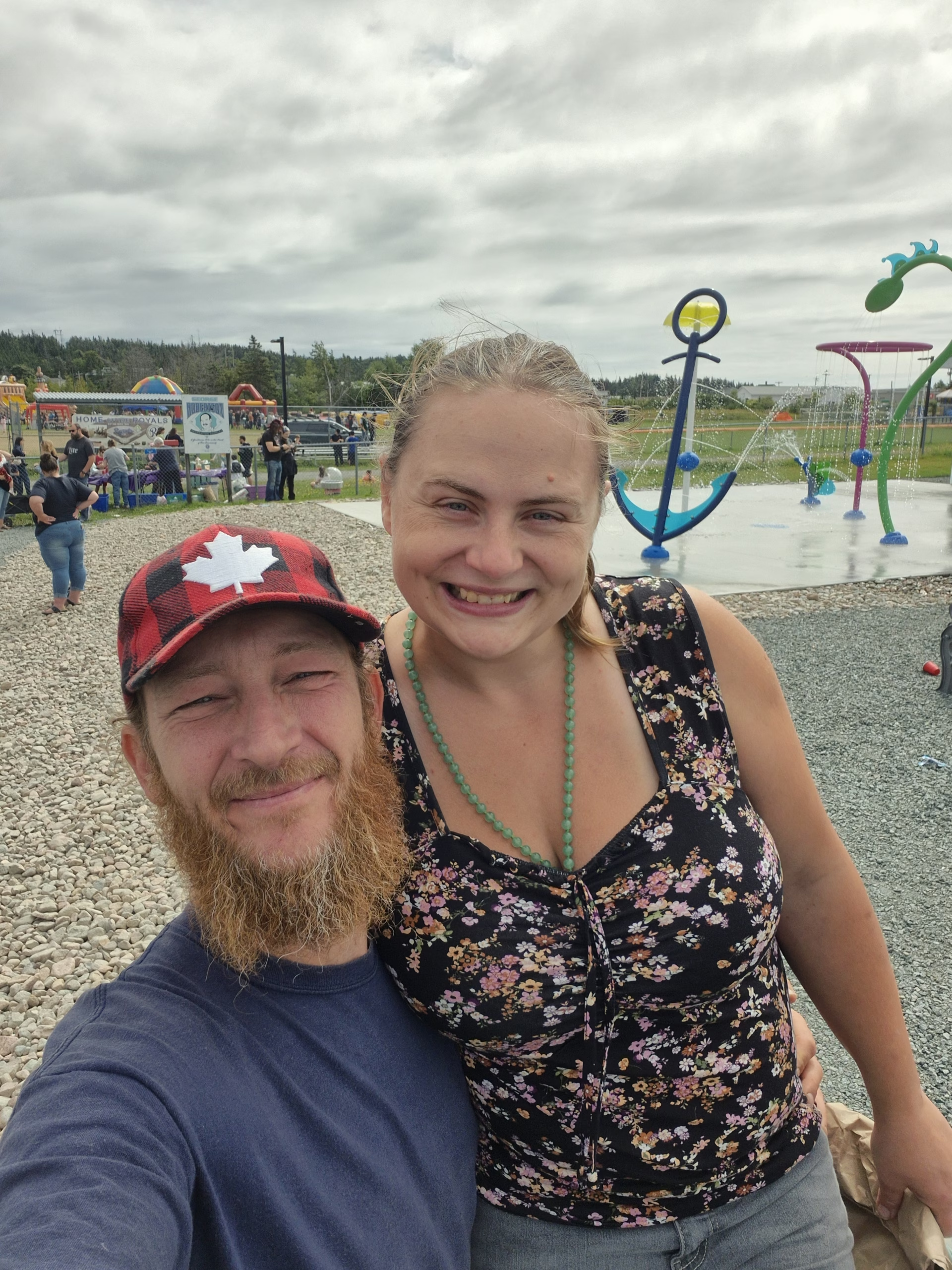
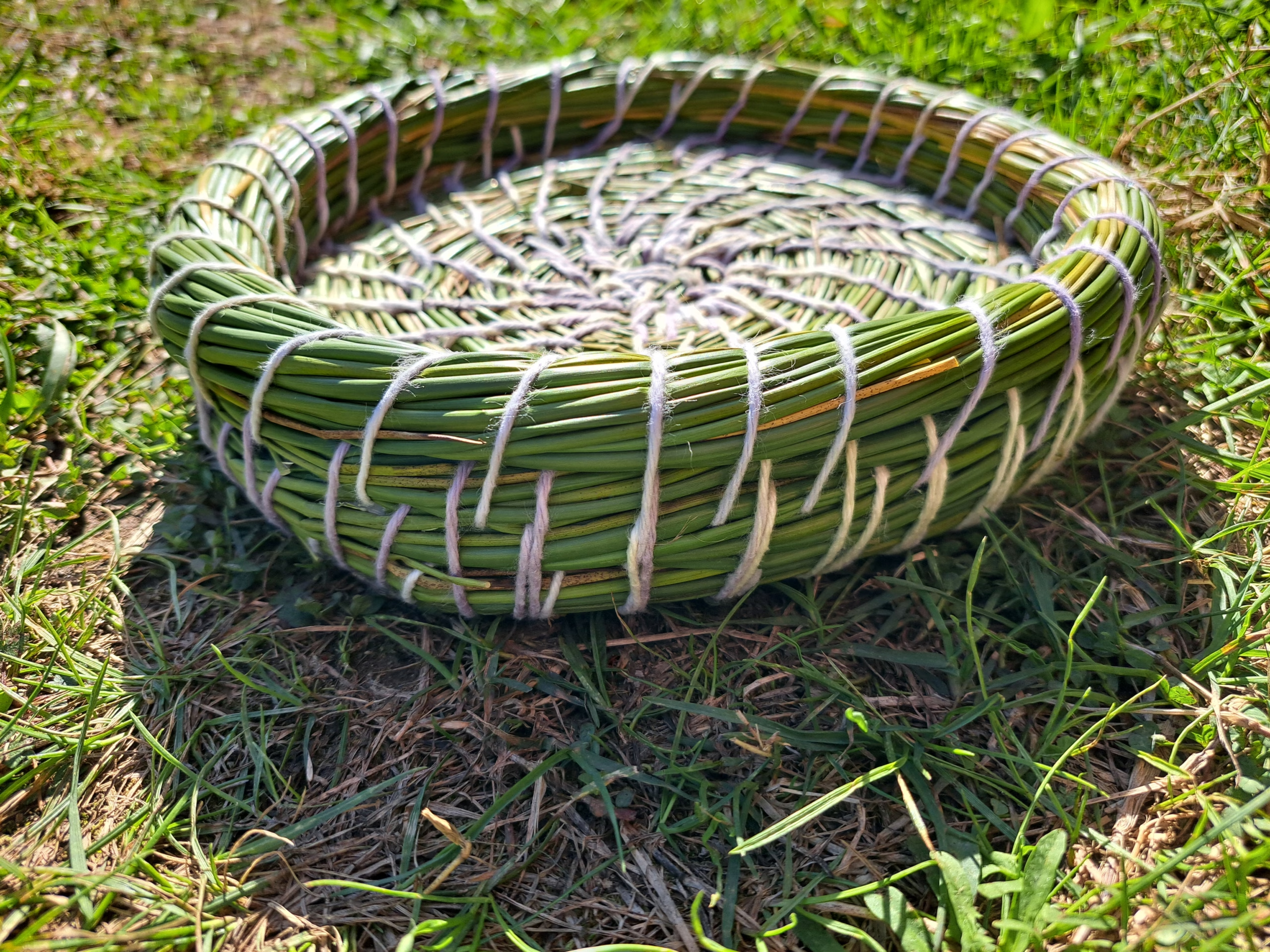
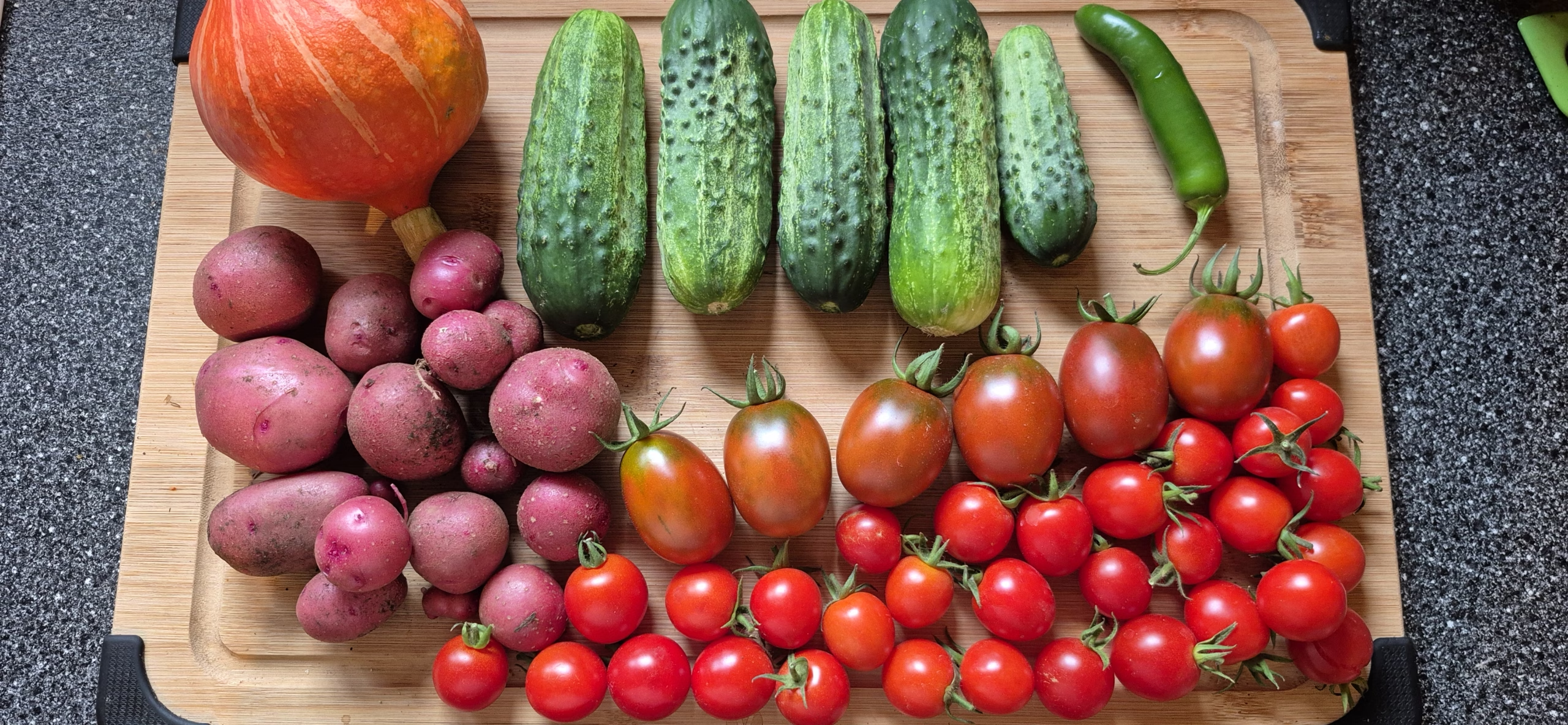
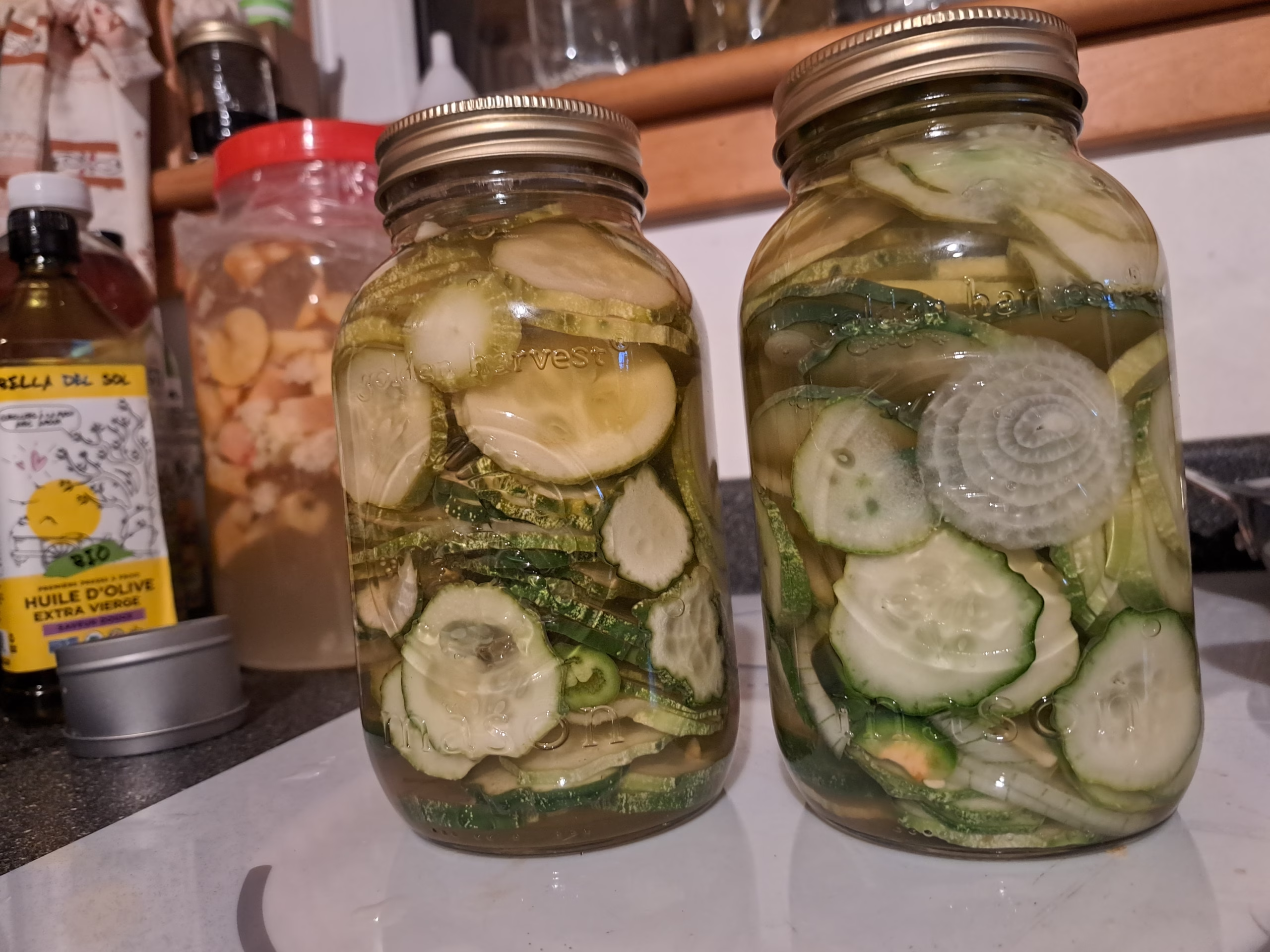
In between there is a lot of everyday life: a photo of the two of us at a market, a basket I wove from wild grasses from our land, a colourful vegetable harvest, strong peppers in the greenhouse and my first own pickled cucumbers in jars.
From the berry propagation bed the first raspberry suckers move out to new spots, while the wild pumpkin visibly explodes across the area.
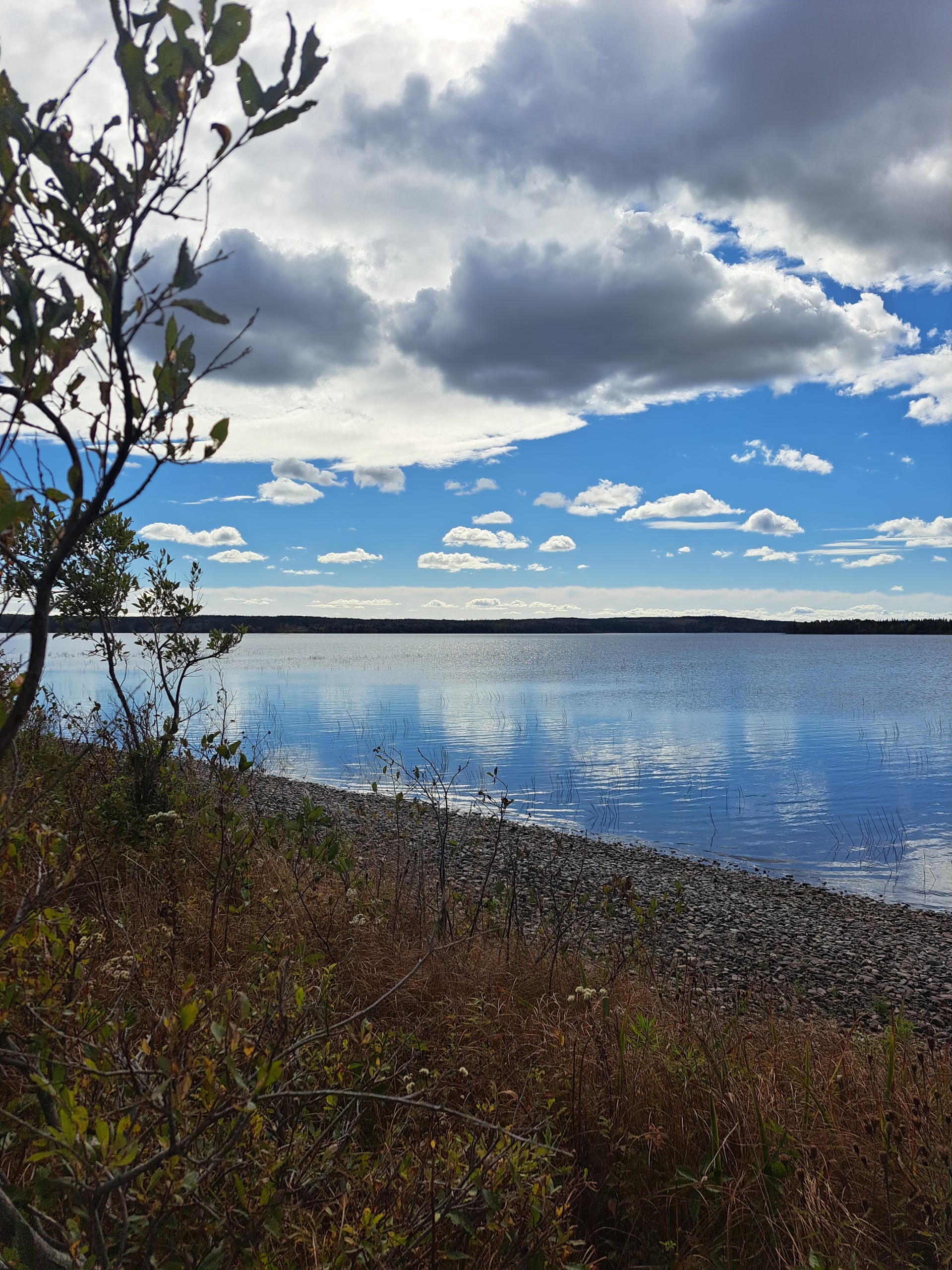
The last photos of the month belong to the landscape and its inhabitants – lake and sky in different moods and the sense of how alive our surroundings have become.
October 2025
In October 2025 the work on the soil continues.
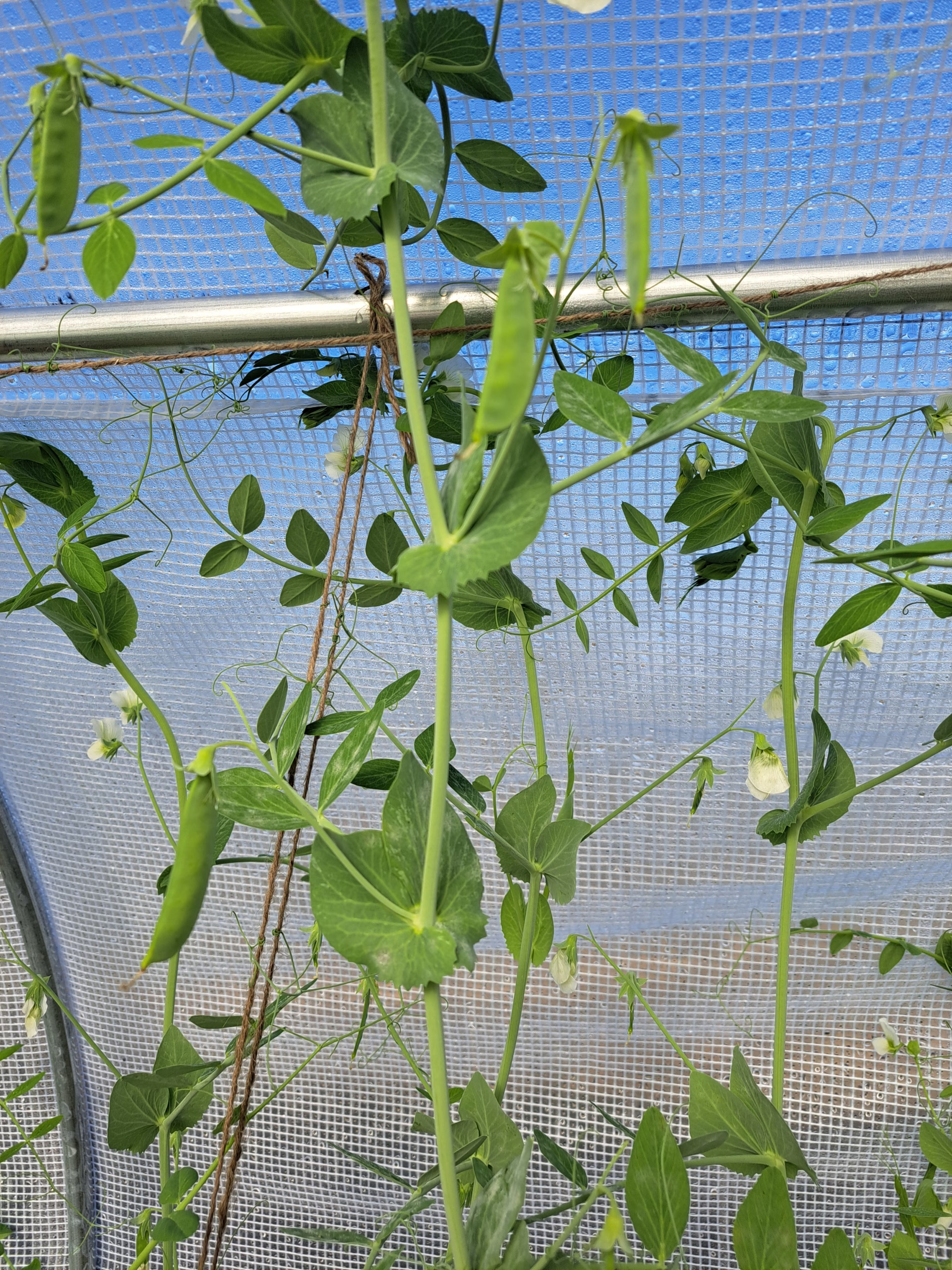
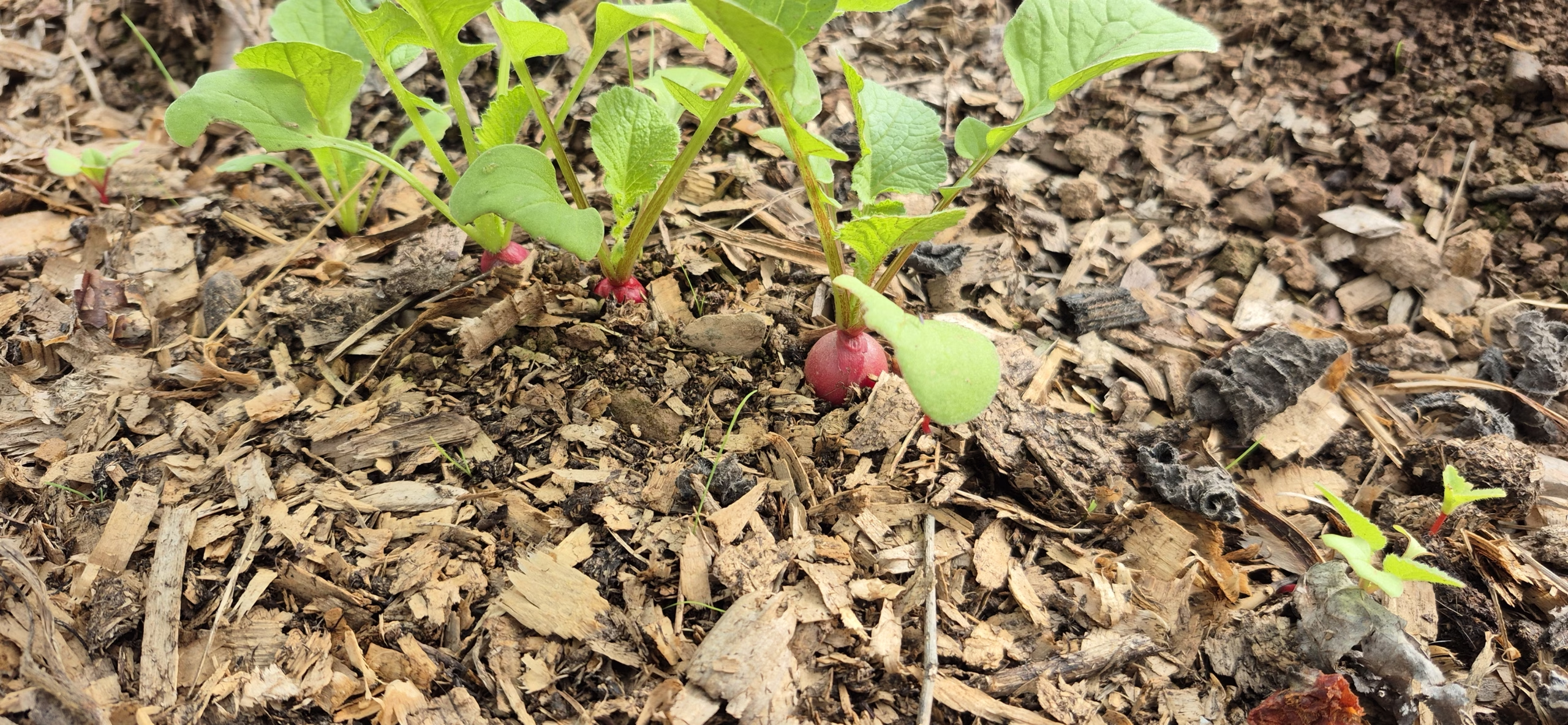
Next to the greenhouse more beds are created, and inside the tunnel tomatoes have now made room for peas and radishes.
In between there are quiet moments at the lake and a look at the area where we planted our nut trees, as well as at the ocean, which keeps reminding us where exactly we are living here.
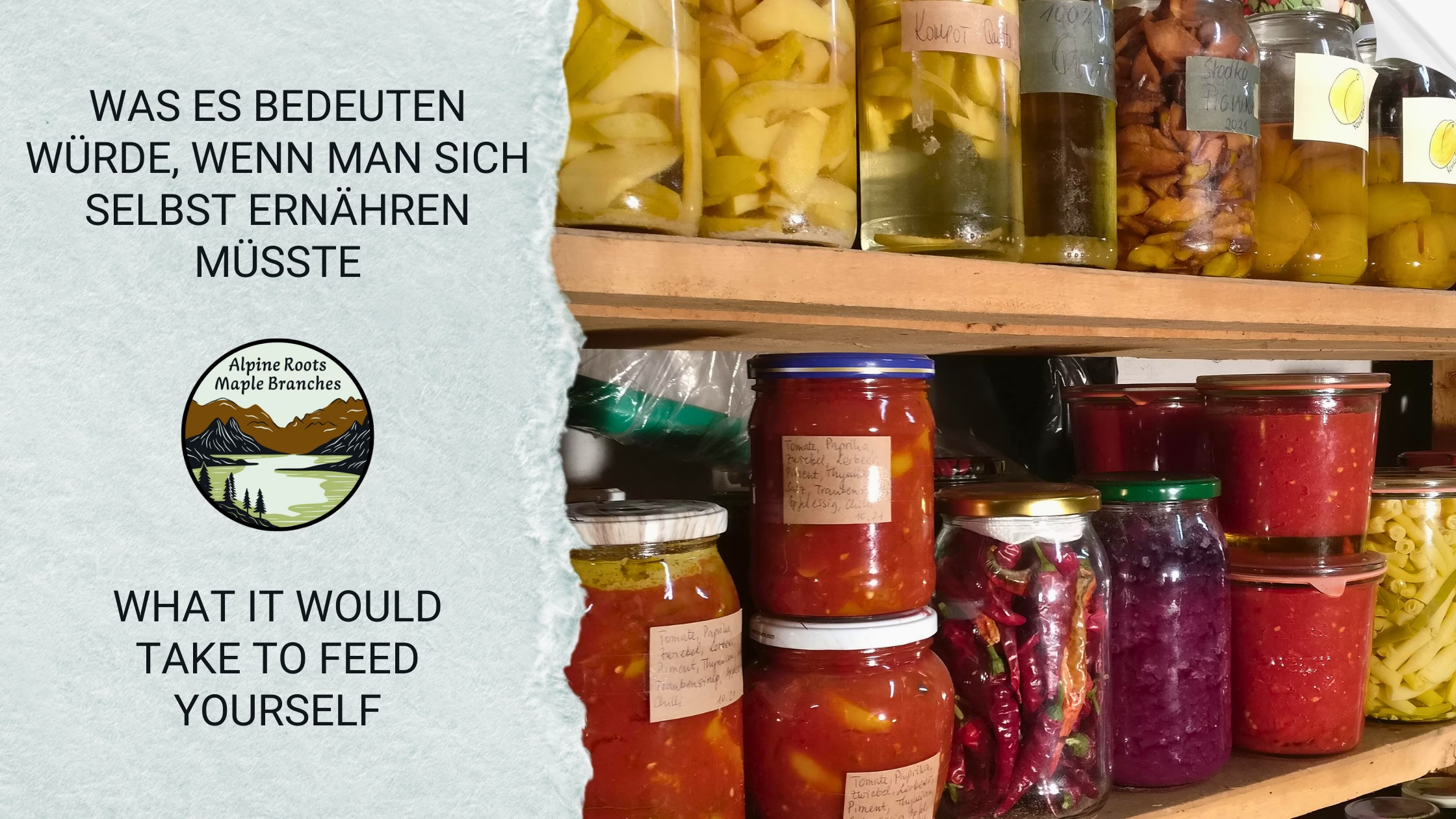
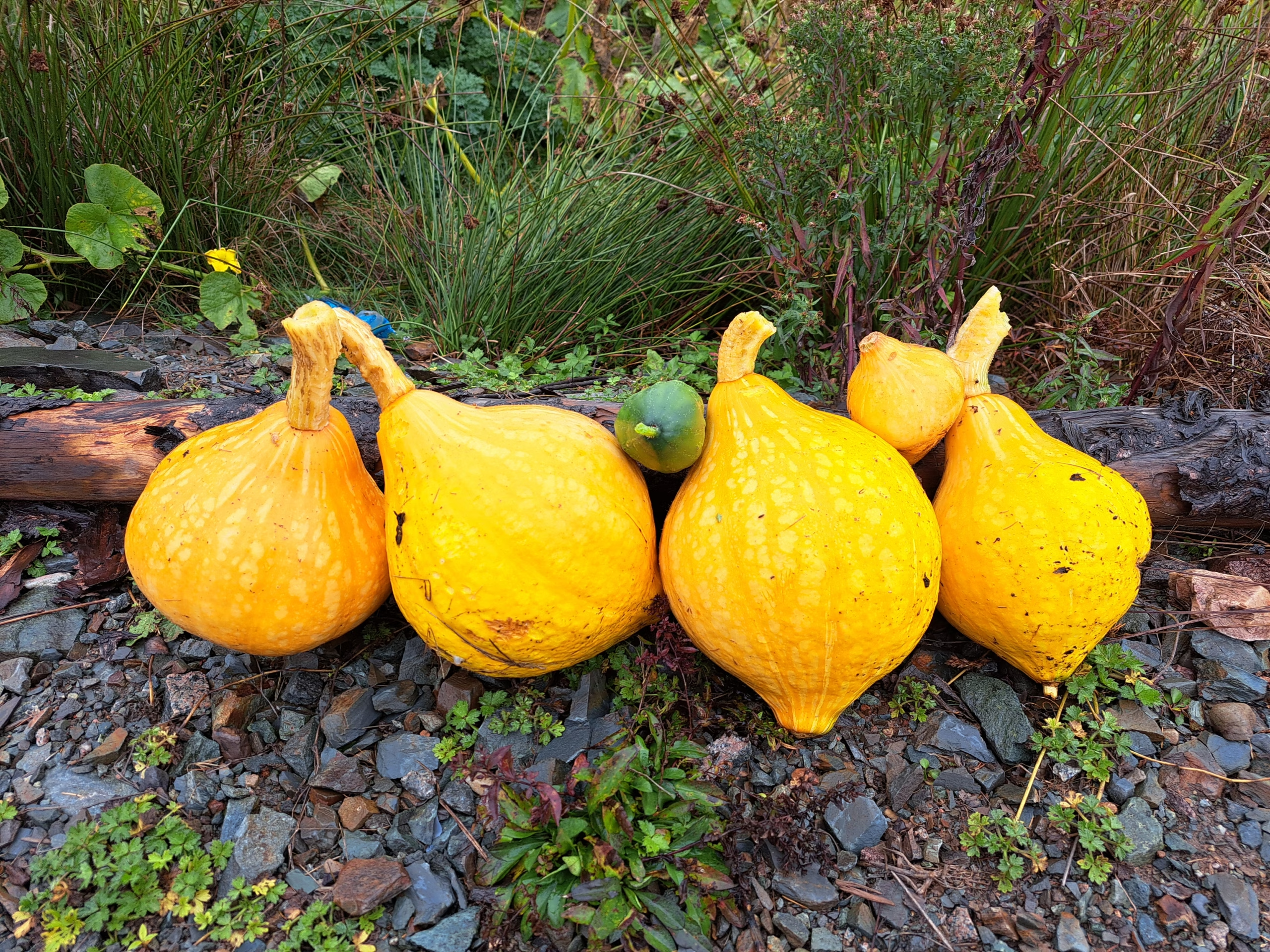
The pumpkin harvest is in, in the kitchen tomatoes are turned into sauce and seeds are saved for the next season.
Towards the end of the month the first frost appears on the plants, and a new framed bed next to the tunnel is built and filled with soil – the preparation needed so we can continue in an organised way next year.
November 2025
In November 2025 many things run in parallel. In the greenhouse the peas keep growing while we at the same time try to brace the structure from the inside, because extremely strong storms hit the land this month.
Outside, the berry propagation bed is put to bed for winter and mulched thickly to protect roots and young shoots from frost damage.
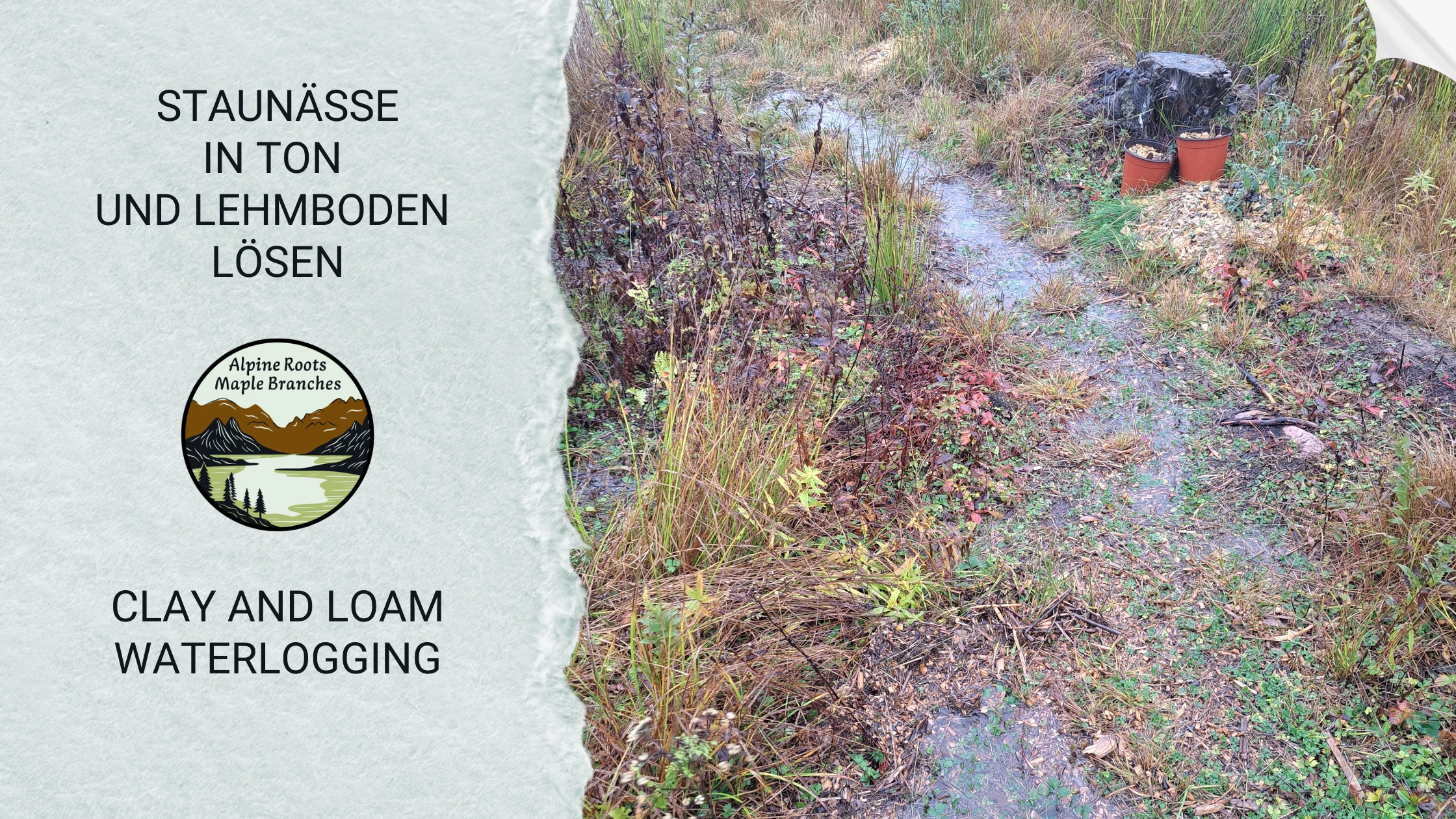
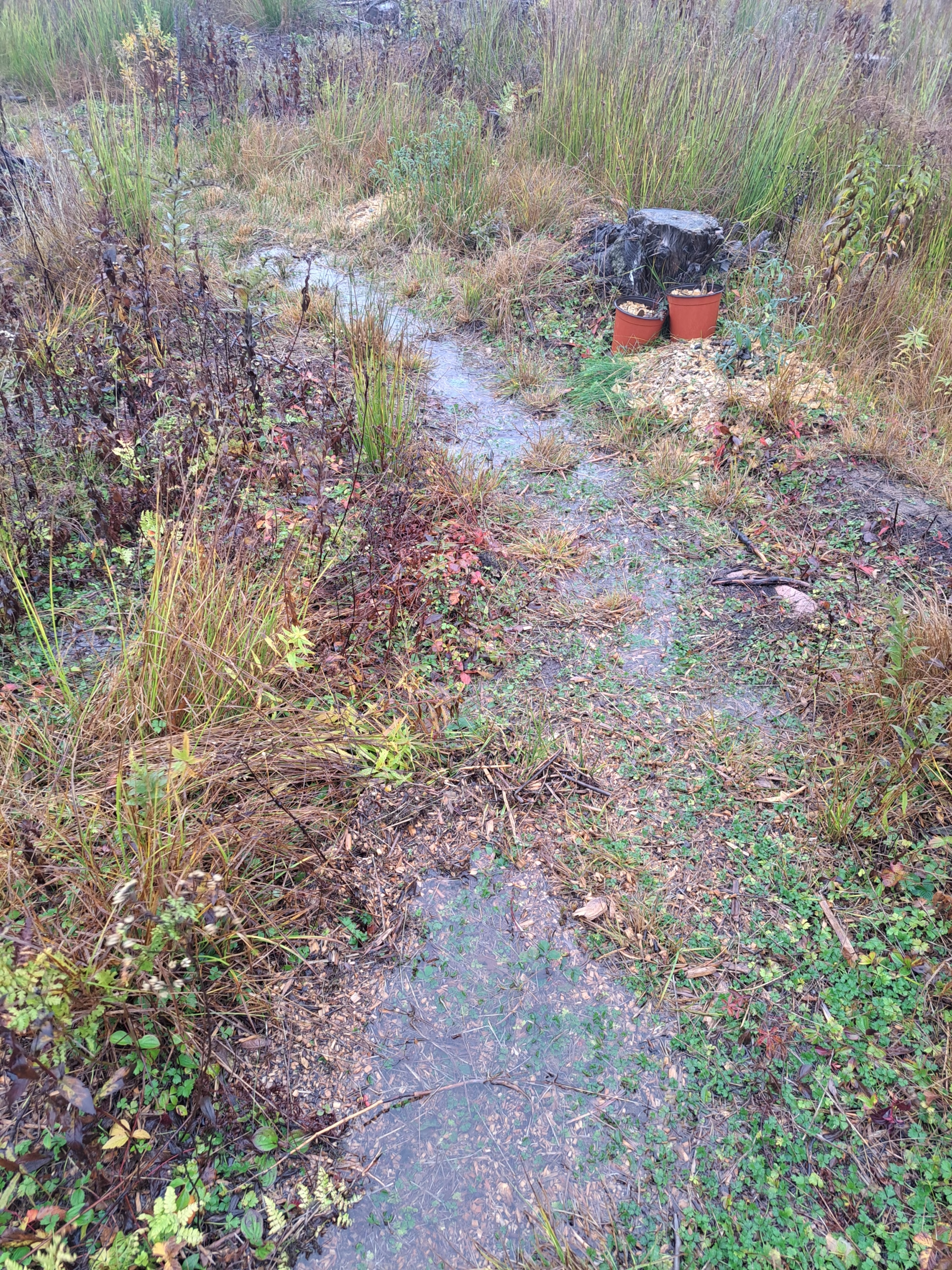
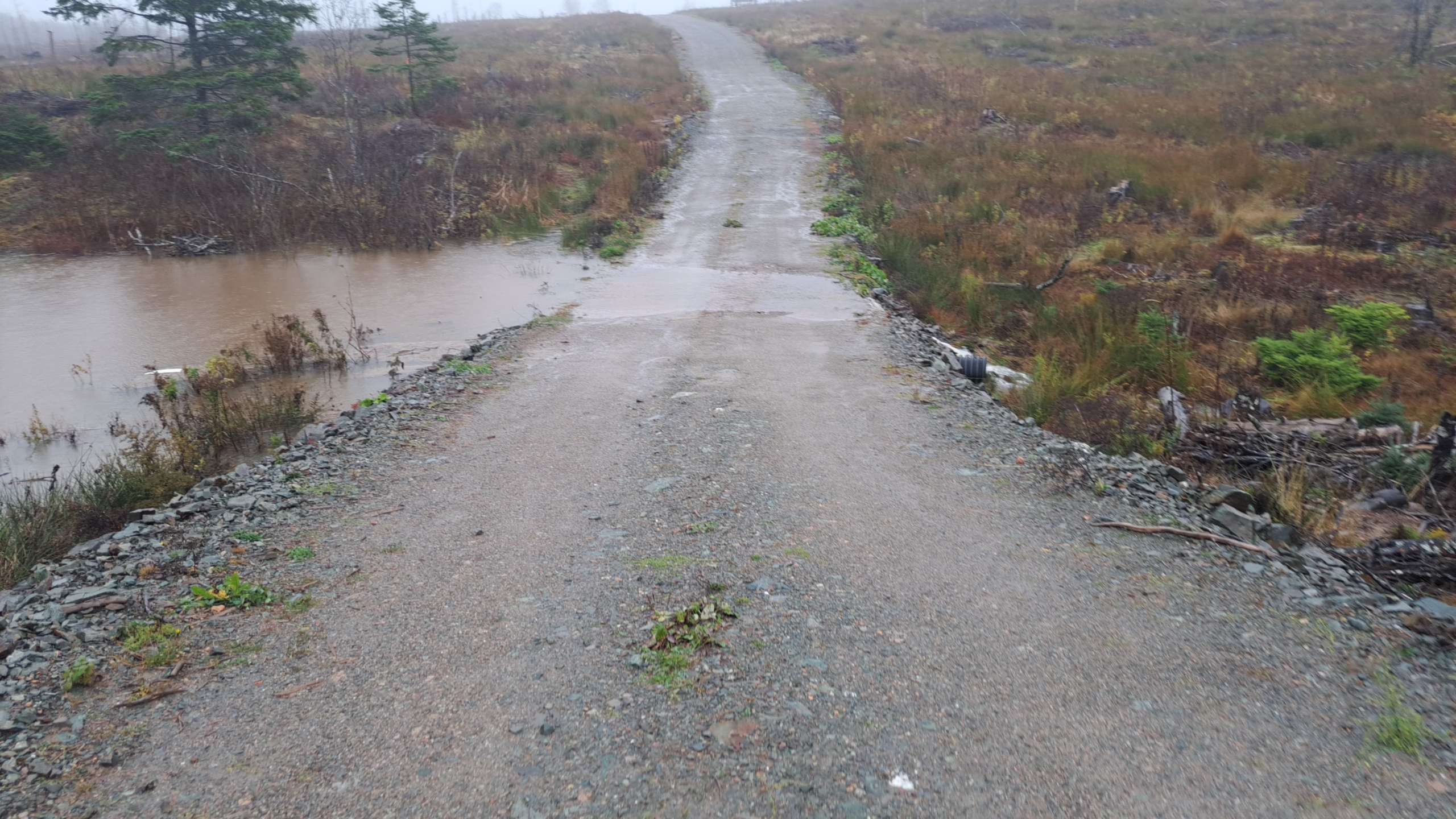
Small floods on paths and in shallow areas show how much rain suddenly arrives – exactly the water that was missing in summer.
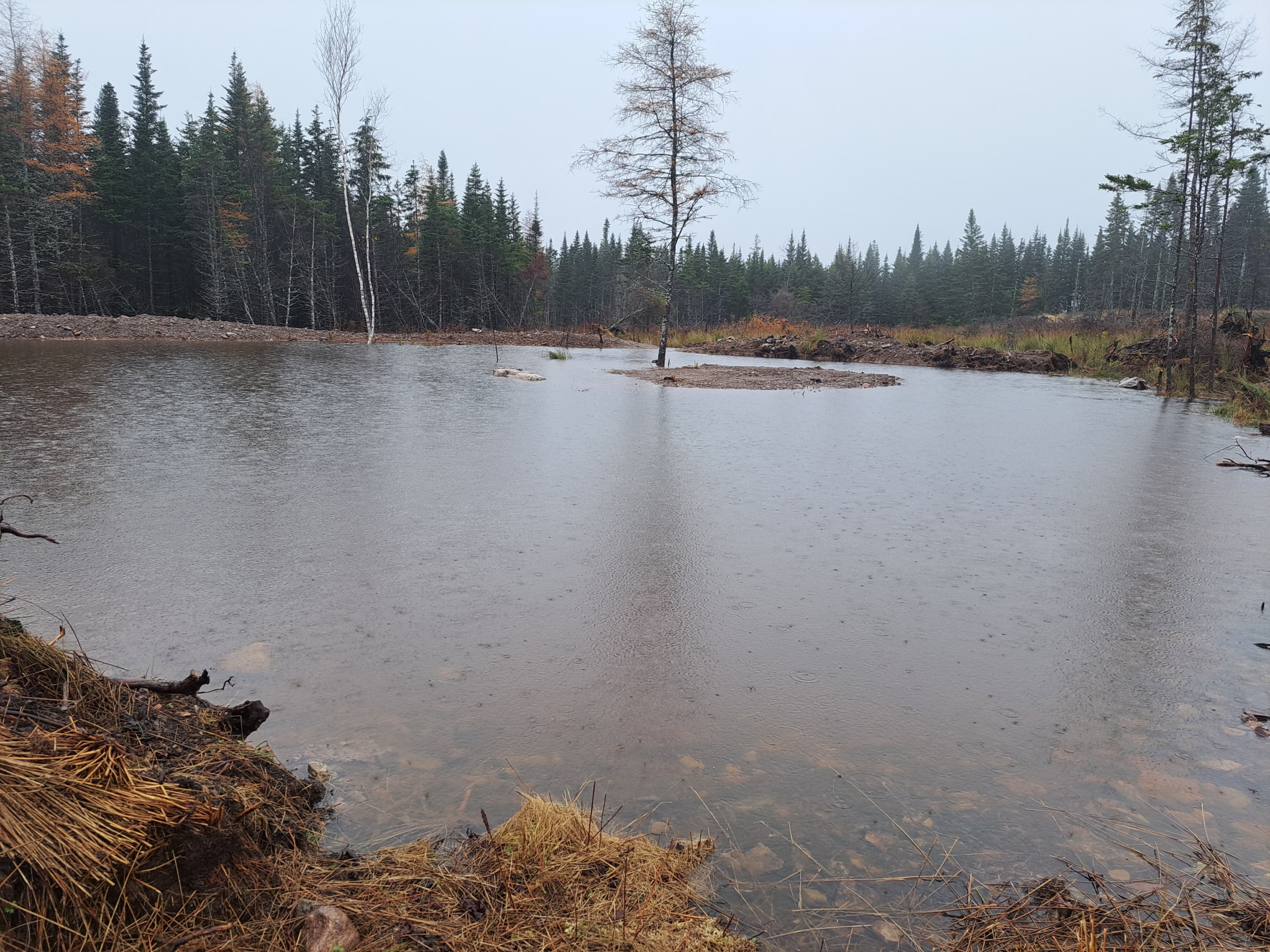
Between these days there are a few clear ones and the moment when the newly dug pond finally fills up.
A sunset spreads over it like a quiet ending.
We gather our first peanut harvest, which we had almost stopped believing in, and a single lettuce plant has held on in its little spot for two years now.
Between lake and forest views there is also time for something lighter: a small crochet project that shows that this outdoor life also includes quiet hours indoors.
December 2025
In December 2025 the focus shifts back strongly to rest and structure.
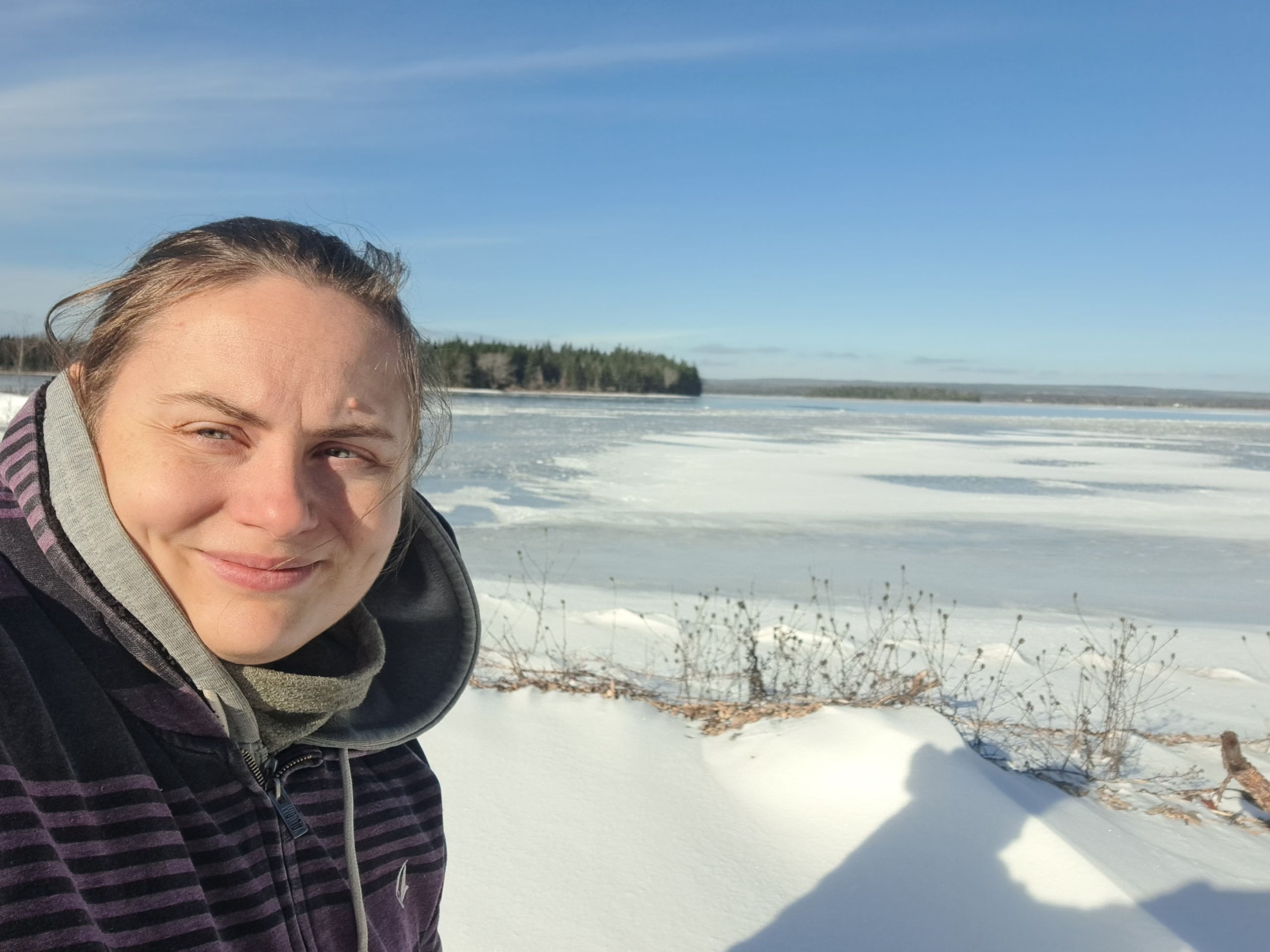
The lake and the newly created pond are frozen over, ice edges and small formations on the shore show how harsh winter can be here.
Many days consist of woodwork in the background – felling trees, cutting them, splitting and stacking them so the coming heating season is secured.
Inside, ginger and turmeric have found a place and are a reminder that something can still grow even in winter.
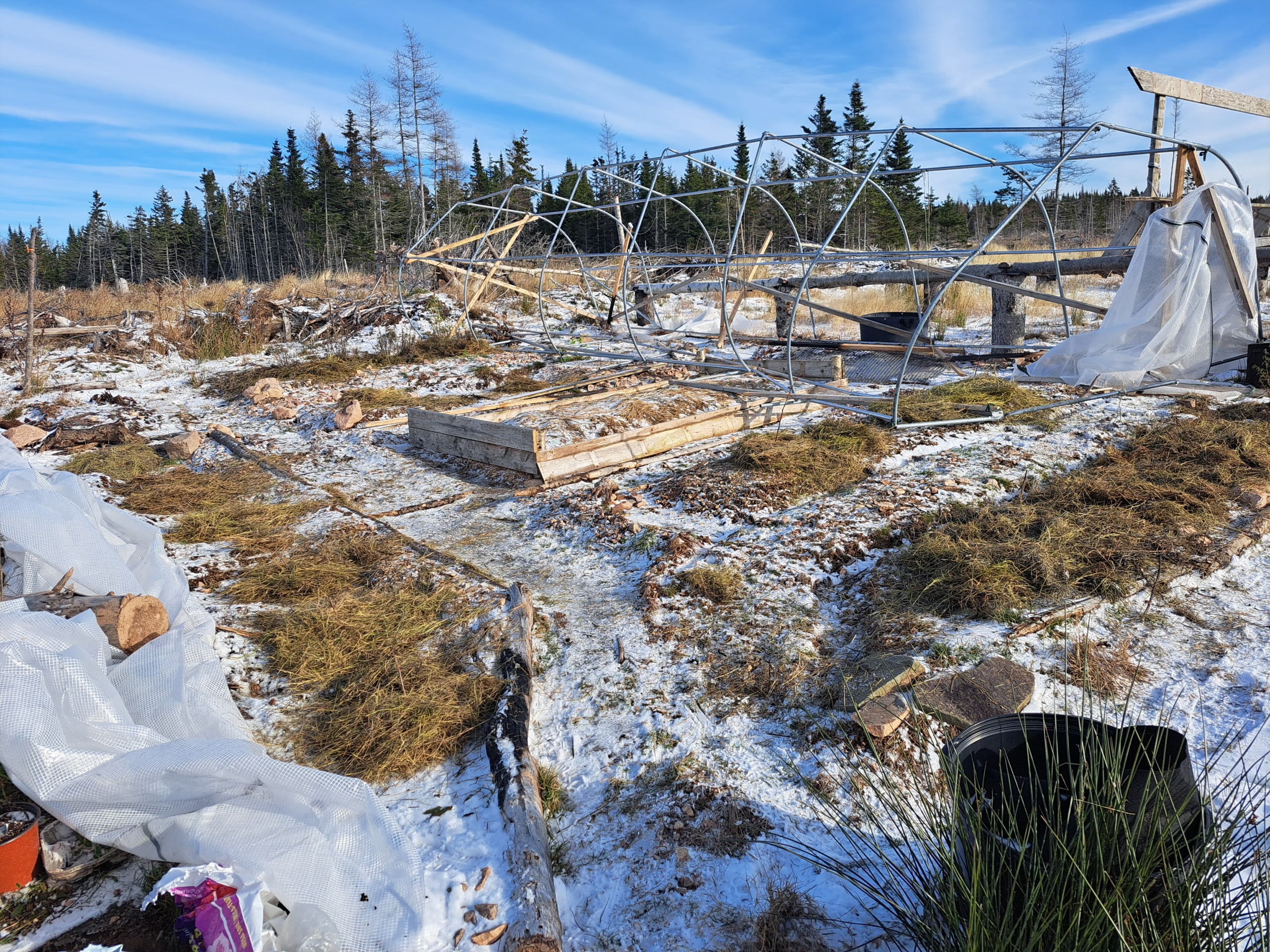
Outside it becomes clear that not everything withstands the weather: the greenhouse did not survive the last heavy storm, the plastic cover was blown away and what remains are the beds and frame as a starting point for the next version.
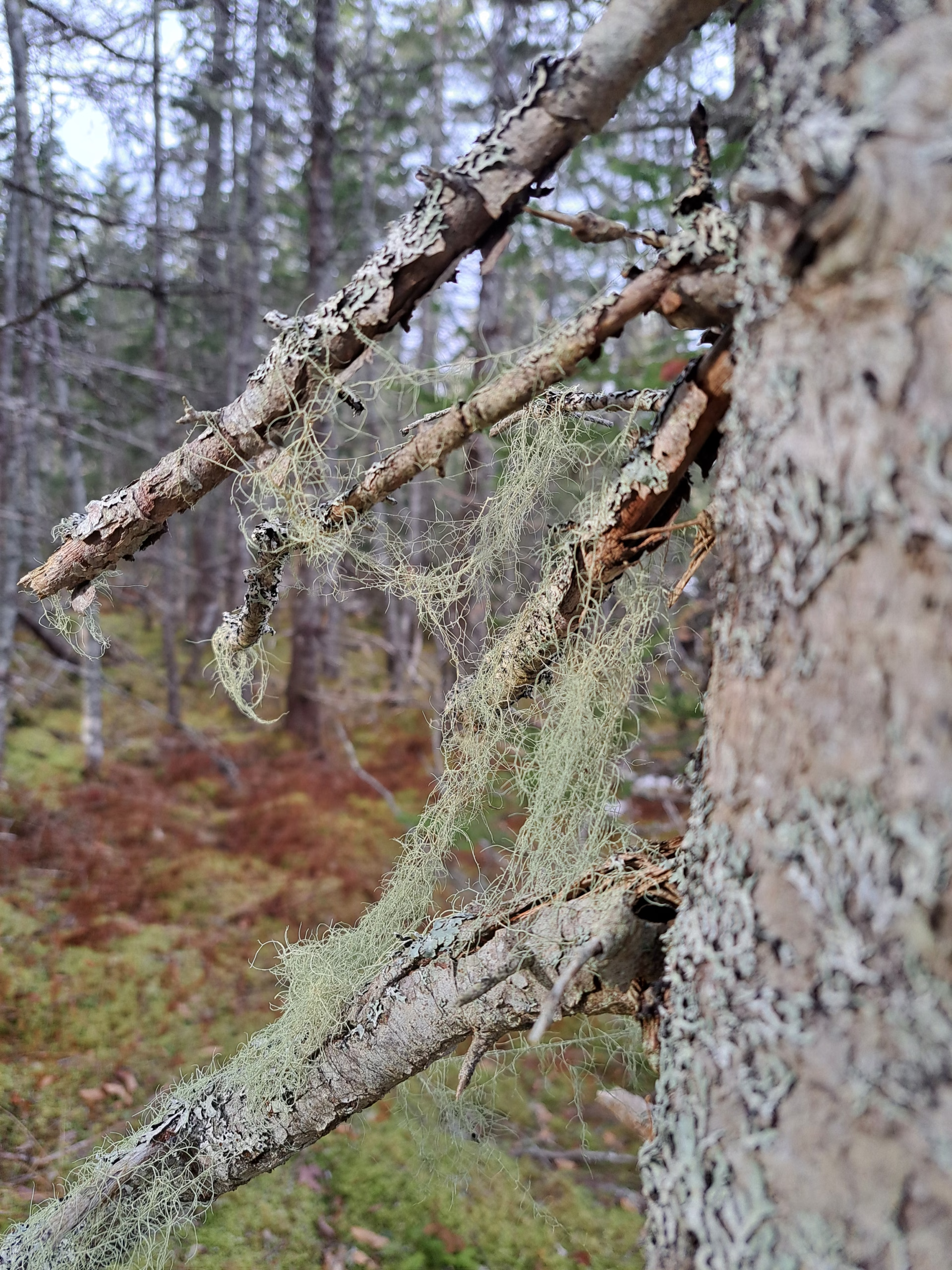
Along the paths, on the slope and in the forest with its lichens it is obvious how much the land is going into winter dormancy now – and how much of what was started in 2025 will only become visibly established in the years to come.
When we place the photos from the beginning and the end of 2025 side by side, we still do not see a finished homestead, but we do see a clearer framework: a thought-out water system with a second pond, prepared areas for future plantings, more knowledge about our soil and a garden plan that is aligned with our climate zone and with our real everyday life.
Which change interests you most? The pond and the water system, the prepared areas for beds, or rather the topics of soil, mulch and mental health in the garden?
Feel free to tell us in the comments – we will carry that into the next posts and photo updates from the land.