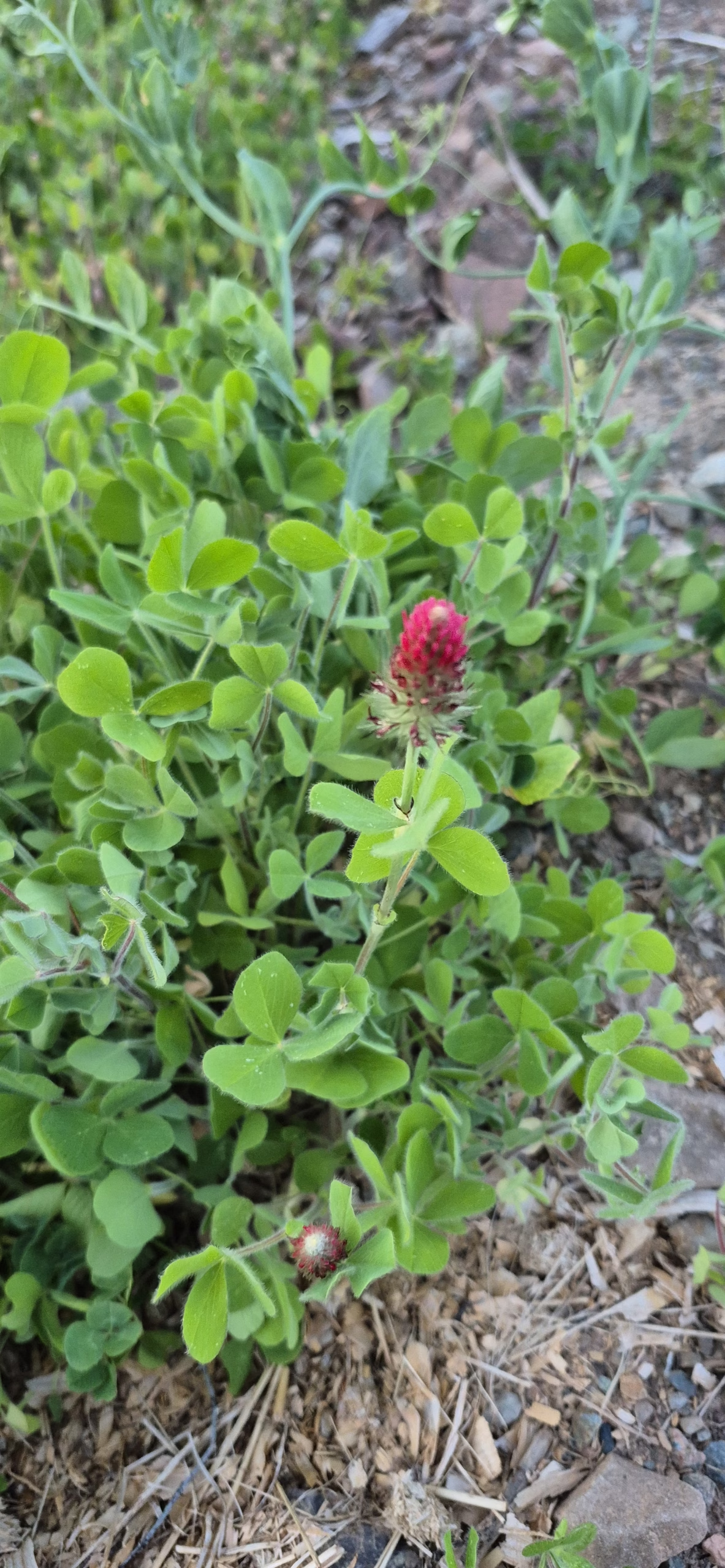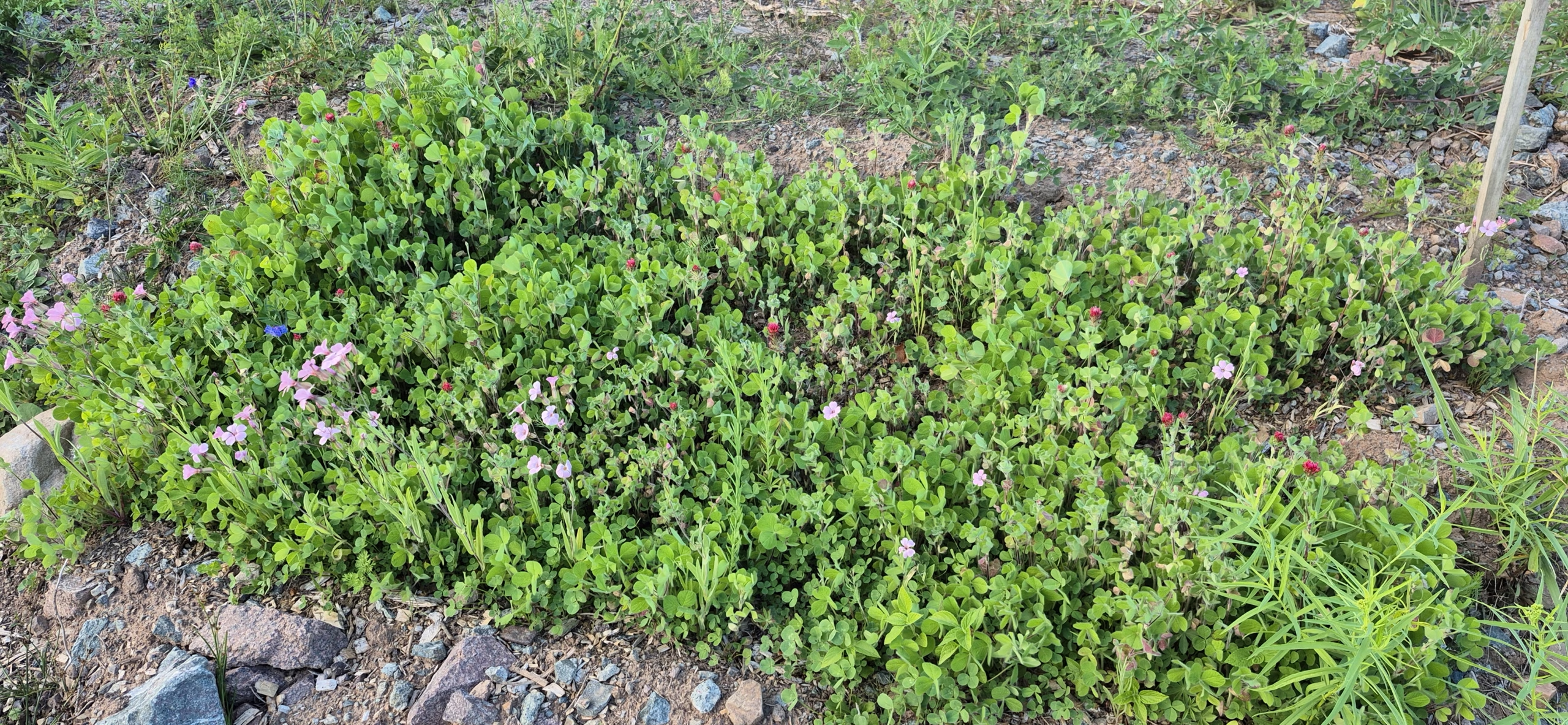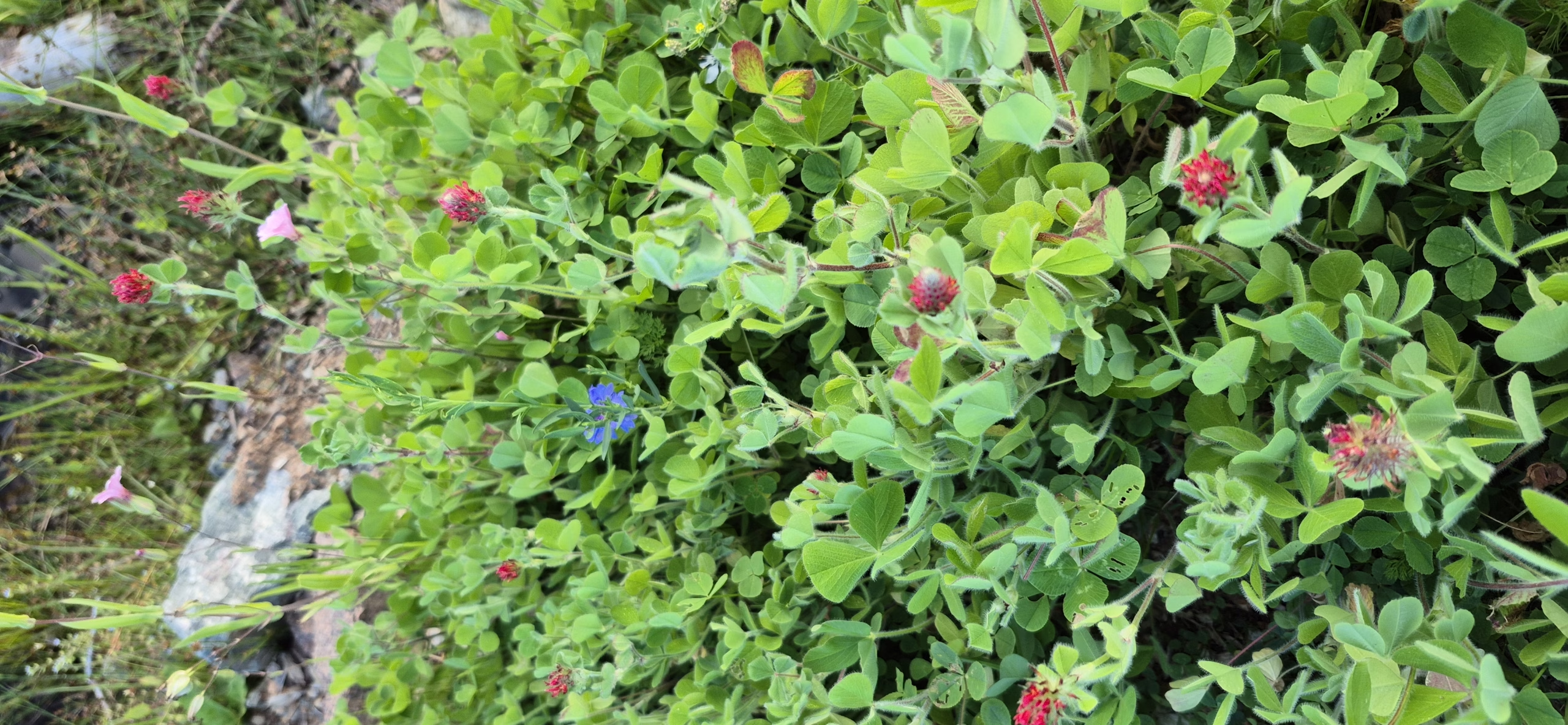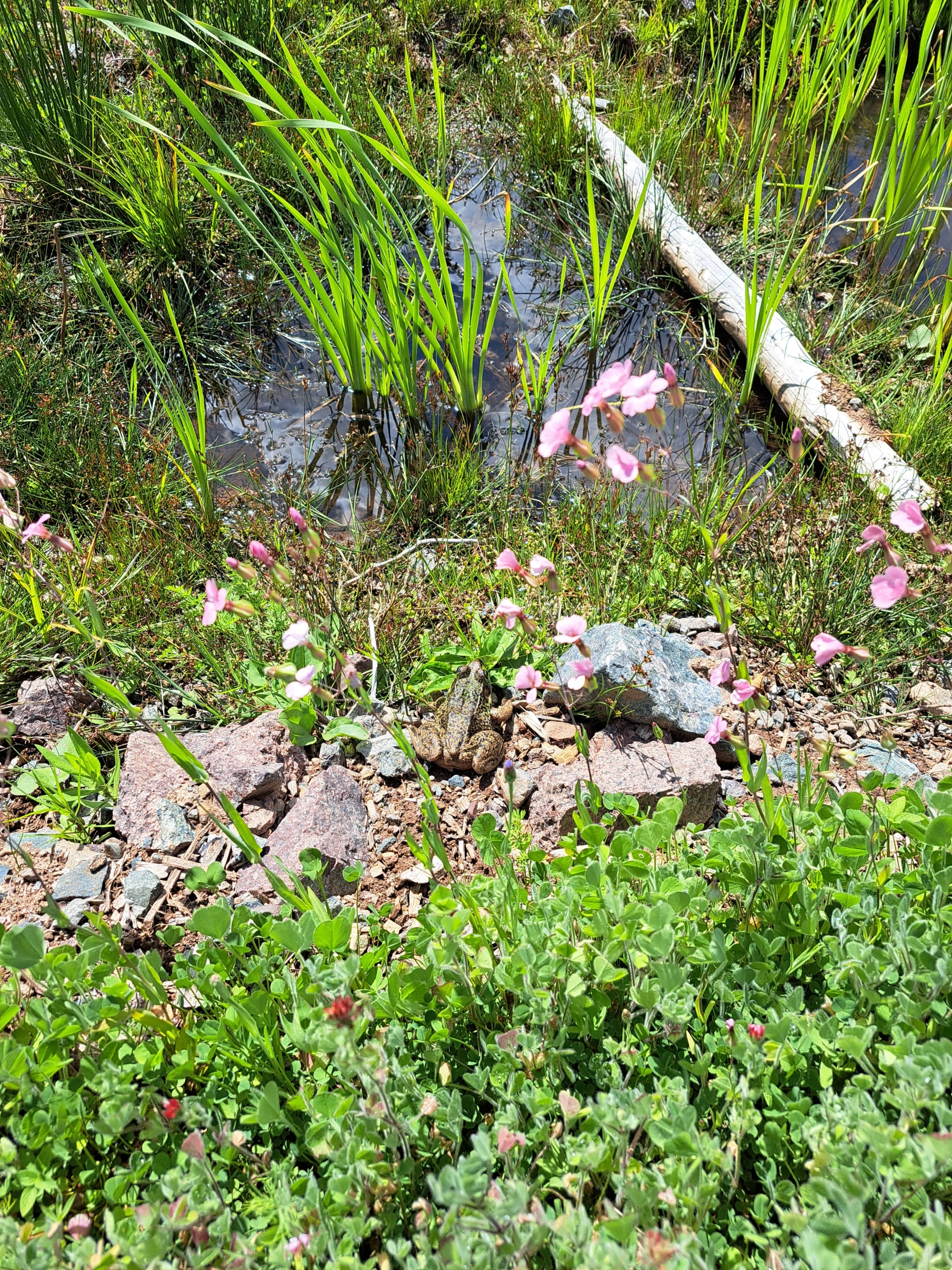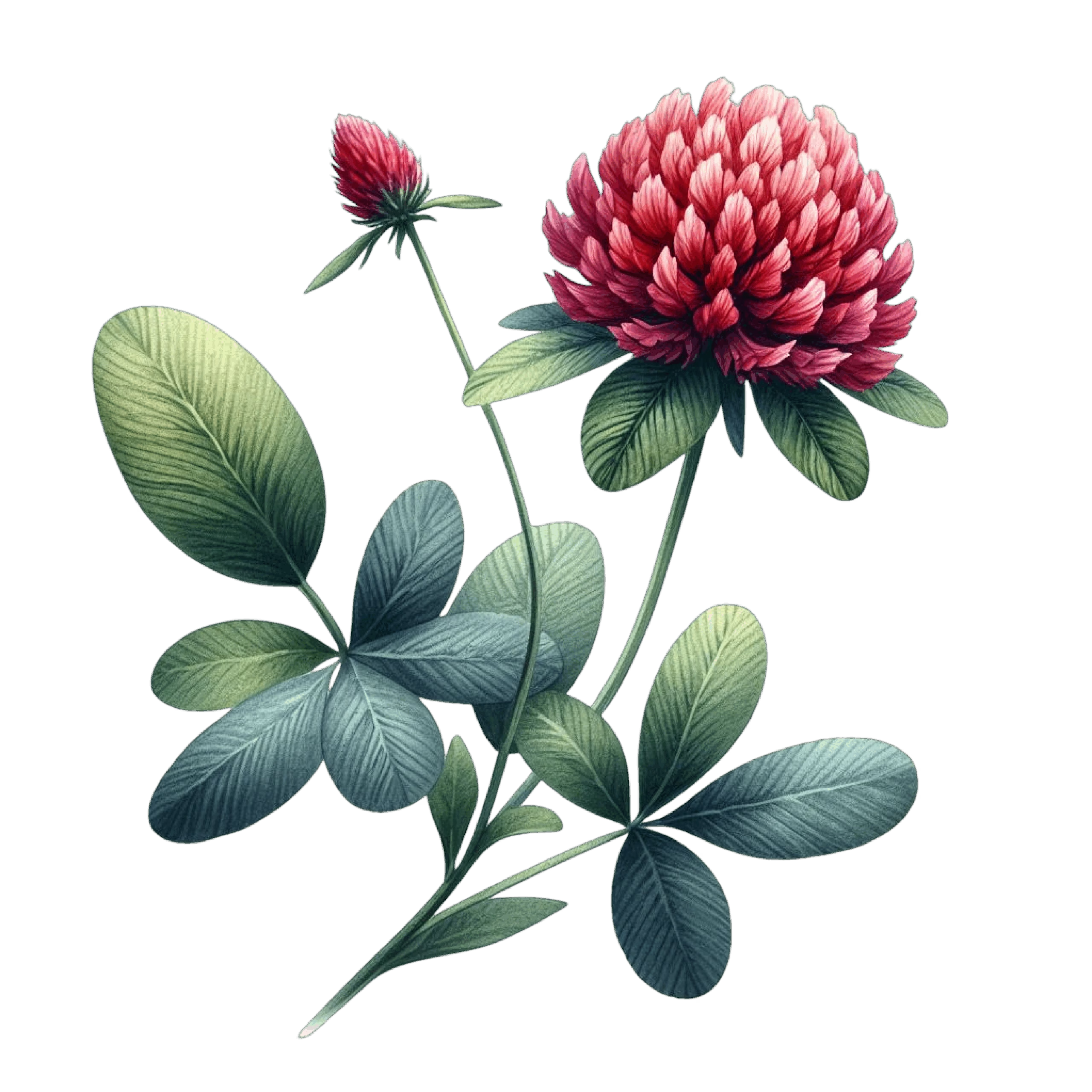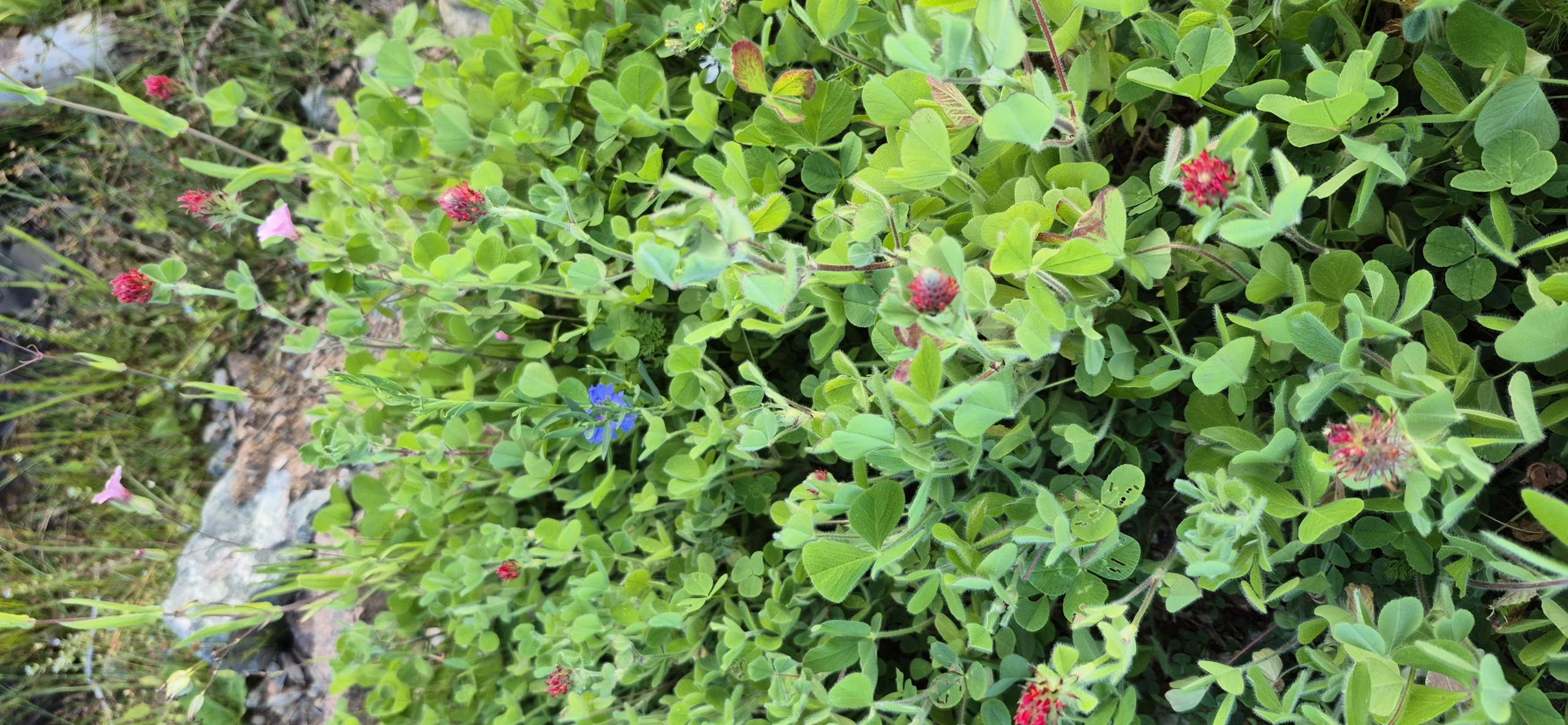
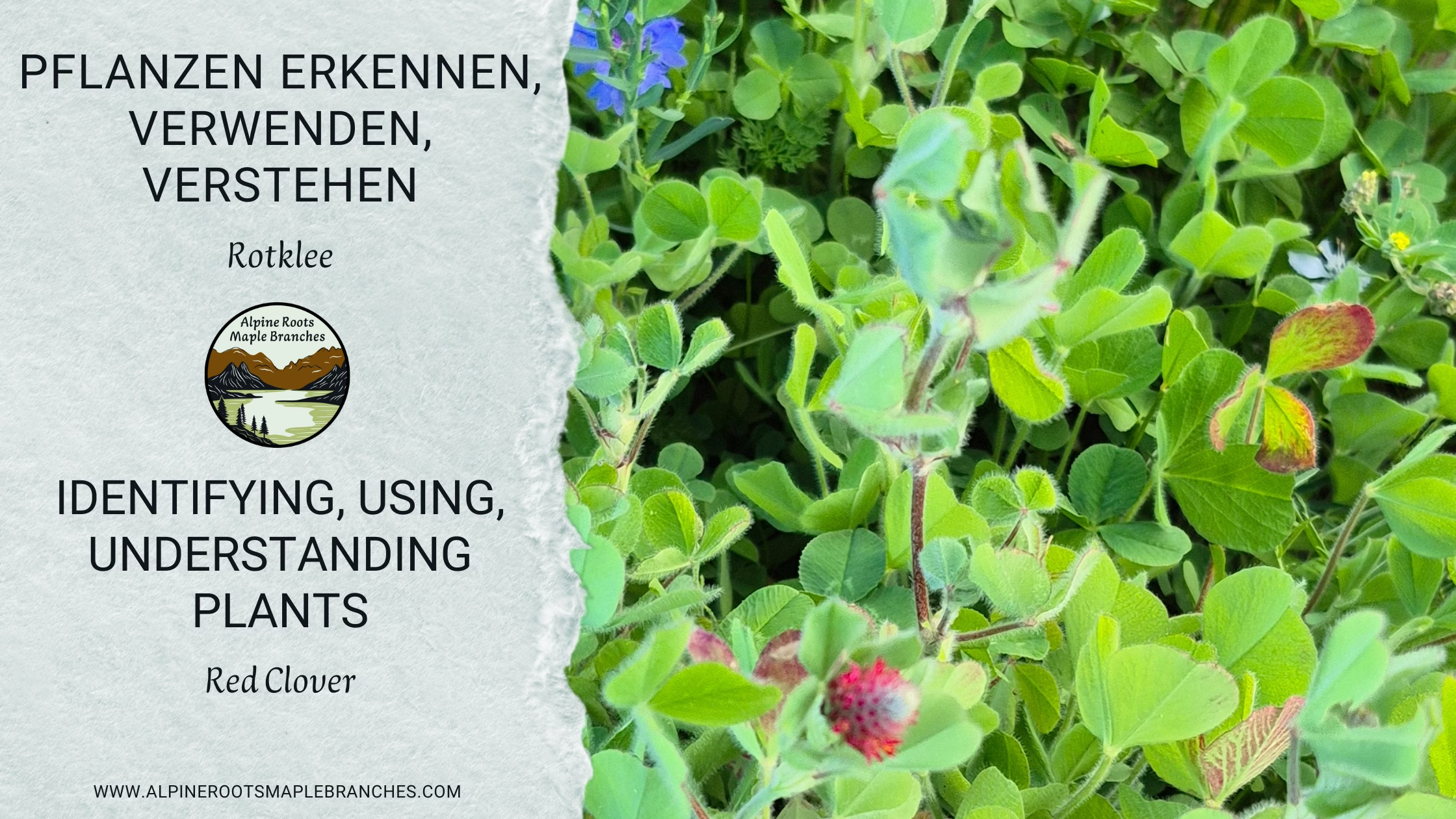
Imagine a plant that makes soils more fertile, keeps animals well fed, makes farmers less dependent on synthetic fertilisers – and at the same time has become a saying for a good life. Red clover sits exactly at this intersection.
In this article we are not looking again at plant profile facts like flowering time or identification features. Instead we take a step back and ask: how did red clover become a plant that connects agricultural history, folk belief, climate debates, and modern herbal medicine?
More than meadow fodder: why red clover is a key plant
Table of contents
Origins and early use
Red clover (Trifolium pratense) is native to Europe, Western Asia and North Africa and from there has conquered many temperate regions of the world. Even though today it looks like a “typical meadow plant”, this was not always just a coincidence of nature.
Early written sources suggest that red clover was already deliberately encouraged on meadows and fields in late antiquity and the early Middle Ages. It was not just a “weed”, but was discovered as a valuable fodder plant: rich in protein, easily digestible and robust in cool climates.
Over time, people not only tolerated red clover, but actively began to sow it in meadow mixtures and on arable land – a development that later played a central role in the European agricultural revolution.
Red clover and the agricultural revolution
From the 18th century onwards, crop rotations in many parts of Europe changed fundamentally. Instead of long fallow periods, legumes such as clover and lucerne were now integrated into the sequence of cereals and root crops.
Red clover was one of the most important species because it fulfilled several functions at once:
in clover–grass mixtures it supplied energy-rich, protein-rich fodder
via its roots and their nodulating bacteria it fixed atmospheric nitrogen and made it available to plants
the amount of fodder for cattle, sheep and horses increased – and with it the amount of farmyard manure and, in the long term, the yields of cereal fields
Agricultural historians describe this phase as a “silent revolution”: more clover in the fields meant more fodder, more animals, more organic fertiliser and thus a completely new yield basis. Without legumes – and without red clover – the transition to more intensive but still soil-based farming would have been much more difficult in many regions.
It is also interesting how this development is reflected in language: the English phrase “to live in clover” – literally “to live in clover”, similar to the German “im Klee leben” – has stood since the 18th century as a symbol for a comfortable, well-fed life. Whoever lives in clover has enough fodder, enough reserves, enough security.
From fodder field to climate plant
Today, red clover is still used as a fodder plant, in clover–grass mixtures, as an undersown crop in cereals and as a cover crop. Many agricultural advisory services recommend it wherever
the climate is cool to temperate
soils are rather heavy and nutrient-rich
the focus is on fodder quality, soil fertility and long-term yield stability
With the climate debate, red clover has once again moved into focus. Studies on cover crops show that, on average, they can help reduce greenhouse gas emissions from arable soils – among other things because they
add more organic matter to the soil
reduce erosion
can partly replace mineral nitrogen fertiliser
Red clover is an important building block here because it works on two levers at once: nitrogen fixation and humus build-up. How big the effect actually is depends strongly on the site, rainfall, management – and on whether the mineral fertiliser saved on paper is really reduced in practice.
At the same time, more recent work urges caution: where clover or other legume stands are poorly managed, more nitrate can reach the groundwater or, in extreme cases, more nitrous oxide (N₂O) can be released. Red clover is therefore not a “magic solution”, but a tool that needs to be embedded in a site-adapted crop rotation.
Symbolism, sayings and folk belief
Clover – and thus red clover as well – has put down deep roots in European symbolism.
A few lines from cultural history:
The three-part clover leaf has been linked in various cultures to divine or mythological triads long before it became a popular Christian symbol for the Trinity.
In Celtic and Irish traditions the clover leaf is considered a symbol of luck and protection; this is the line from which the modern “lucky clover” image is derived.
The four-leaf clover is seen in many folk traditions as a special lucky charm, often associated with ideas of protection, abundance or a “sign” from fate.
Red clover itself has in some regions been interpreted as a “flower of prosperity”, because lush clover–grass meadows were a visible sign of well-functioning agriculture: enough fodder for the livestock, enough milk, enough meat.
Clover also appears again and again as a symbol in politics and culture – for example in coats of arms, as a national or provincial flower or in association logos. Red clover has at times been discussed as a national or regional symbol plant; in Vermont (USA) it has been the official state flower since the end of the 19th century.
Many esoteric or spiritual interpretations – such as protection against “evil forces” or connections to the fairy world – can be traced culturally, but they are not empirical statements.
Herbal medicine in transition
In historical herbals, red clover has been recommended for very different complaints over many centuries: from skin problems and “blood purification” to coughs and even serious illnesses. Preparations included teas, syrups, compresses and ointments. Recipes for a tincture and a tea can be found in the plant profile.
Modern research draws a much clearer line and now mainly works with
standardised extracts in which isoflavone contents are precisely determined
defined daily doses, usually in the range of 40–80 mg isoflavones
Today the central question is whether red clover isoflavones can ease menopausal symptoms such as hot flushes without increasing the risk of hormone-dependent tumours.
In brief:
Some clinical studies and meta-analyses show a moderate reduction in hot flushes compared with placebo, especially after several months of intake.
Evaluation bodies such as EFSA and patient-oriented portals emphasise that red clover isoflavone preparations were mostly well tolerated in the investigated doses, but advise caution and individual assessment in cases of hormone-dependent tumours, tendency to thrombosis, anticoagulant therapy, pregnancy and breastfeeding.
Important for everyday practice: most of these data relate to capsules and standardised extracts, not to individually prepared teas or tinctures where the actual amount of isoflavones is much harder to estimate.
For people who want to use red clover in a therapeutic way – for example for hot flushes – it therefore makes sense to consult medical professionals who know their medical history, medication and current guidelines.
What this means for garden and farm
If you bring together the plant profile and the background story, several clear conclusions emerge:
Red clover is a traditional crop closely tied to the development of European agriculture – from fodder supply to soil improvement.
In modern crop rotations it can help reduce mineral nitrogen fertiliser, improve fodder quality and build humus over the long term.
In gardens and on smaller plots it works well as green manure, as part of clover–grass mixtures, as a bee pasture and as a living soil improver – especially on heavier, nutrient-rich soils.
In terms of cultural history, red clover offers plenty of material for storytelling: from “living in clover” as an image of prosperity to lucky symbols and state flowers. This can be used in educational projects, guided walks or blog series on meadows, pastureland and regenerative agriculture.
In herbal medicine, red clover sits between tradition and modern evidence: its symbolic and historical weight is considerable, and there is a body of data on standardised preparations, albeit limited. Precisely for that reason, a careful, well-informed approach is worthwhile – without promises of cures, but with respect for its long history of use.
In this way, red clover becomes more than “just” a meadow plant in project contexts: it connects ecological, agricultural, historical and health questions – and at the same time tells the story of how closely our food is linked to seemingly inconspicuous plants in the grassland.
Sources
Botany, distribution, cultural background
History and agricultural development
- Fergus, E.N. (1960): „Red clover.“ In: Advances in Agronomy 12, 365–436.
- Taylor, N.L., Quesenberry, K.H. (1996): Red Clover Science. Springer, Dordrecht (Kapitel zu Geschichte und Züchtung).
- A plant that changed the world: the rise and fall of clover 1000–2000 – Thorkild Kjærgaard
- USDA NRCS Plant Guide – Red Clover
- Red Clover’s Deep Roots and History – Smith Seed
Nitrogen fixation, yields, practical cultivation
- Rice, W.A. (1980): „Seasonal patterns of nitrogen fixation and transfer in clover.“ Canadian Journal of Plant Science.
- Yang, J.Y. et al. (2010): „Estimating biological N₂ fixation in Canadian agricultural land.“ Agriculture, Ecosystems & Environment.
- Why use red clover? – AHDB
- Nitrogen fixing clovers and climate smart farming – Germinal
- Red clover cover crop factsheet – Government of British Columbia
Climate mitigation and cover crops
- Schön, J. et al. (2024): „Cover crops support the climate change mitigation potential of European agriculture.“
- Valujeva, K. et al. (2025): Studien zu Rotklee und Treibhausgasemissionen in gemäßigten Agrarsystemen.
- Jiang, Y. et al. (2025): „Contribution of red clover to nitrate loading in an agricultural watershed.“
- Cover crops and climate resilience – USDA Climate Hubs
- Cover Crops for Climate Change Adaptation and Mitigation – EESI
Folk belief, symbolism, culture
Historical herbal use and modern evaluations
- Red Clover (historical use) – Métis Museum PDF
- Gościniak, A. (2023): „Multidirectional Effects of Red Clover in Support of Menopause Therapy.“
- Gartoulla, P. et al. (2014): Studien zu Rotklee-Extrakten bei Hitzewallungen.
- Red Clover: Benefits, Uses, and Side Effects – Healthline
- Red Clover – WebMD
- Research Breakdown on Red Clover Extract – Examine