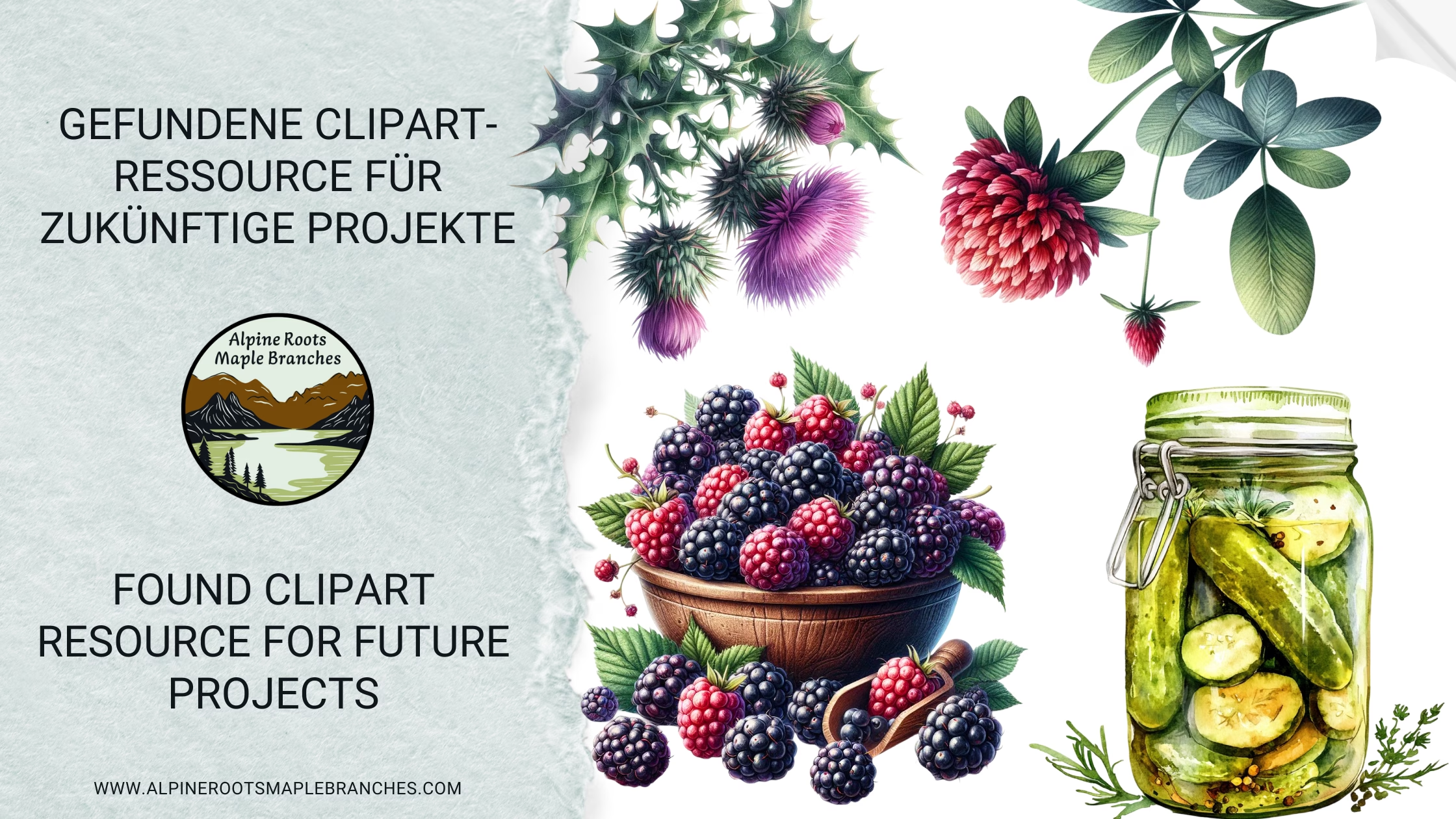
A New Clipart Library for My Content

Over the past few days I came across a resource that immediately caught my eye: CraftNest. The site offers a curated collection of digital design resources such as cliparts, coloring books, junk journals, sublimation designs and SVG files, created specifically for crafting and creative projects.

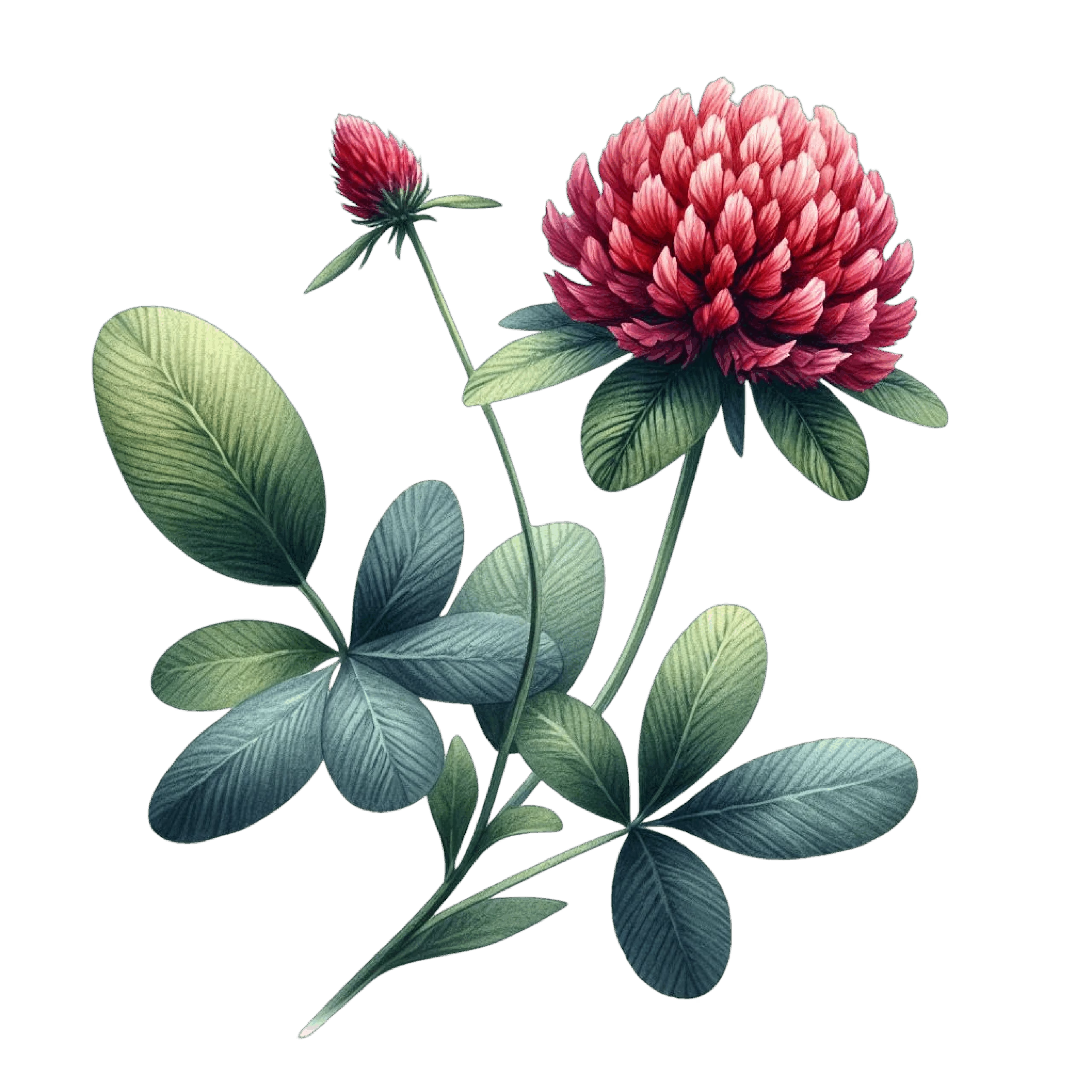
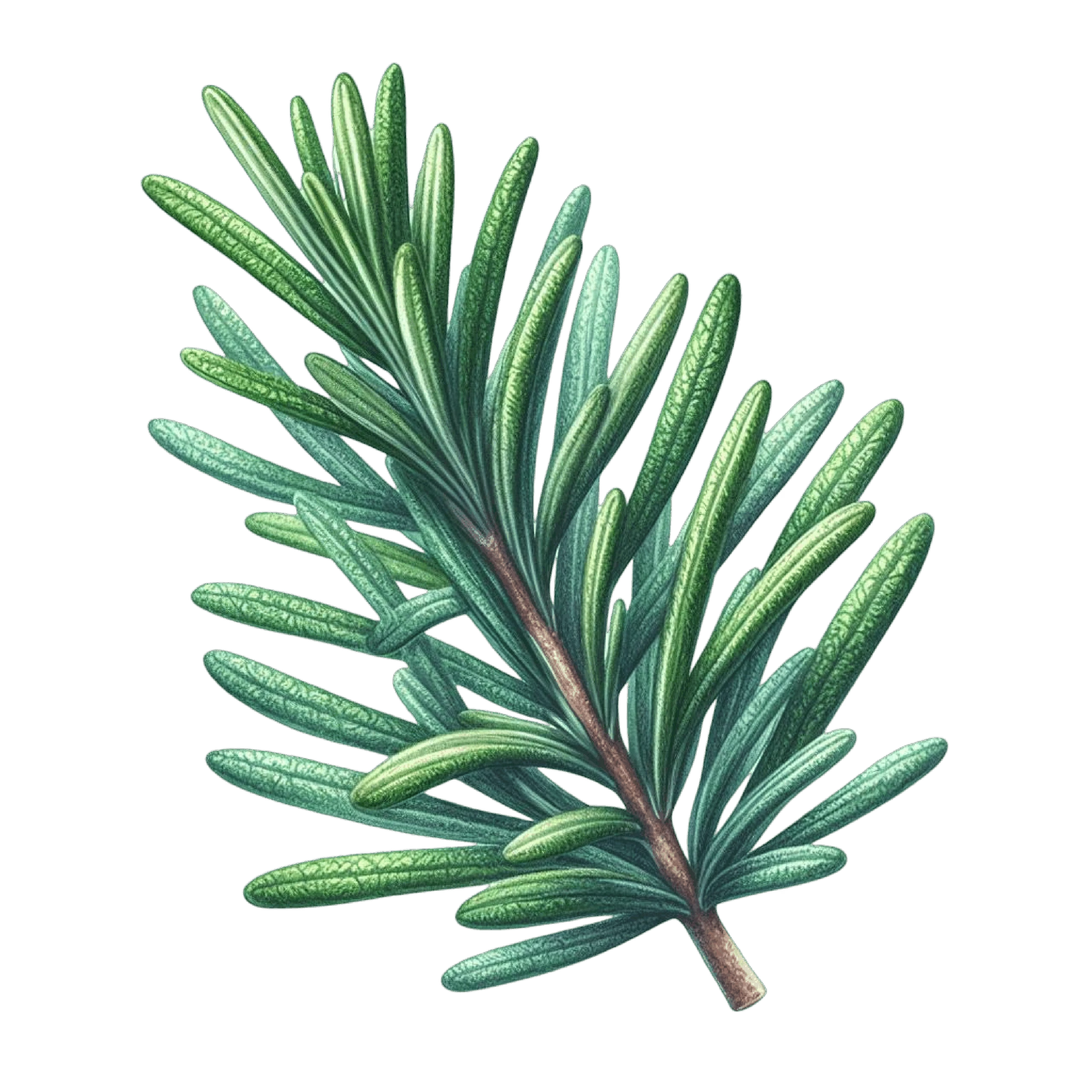
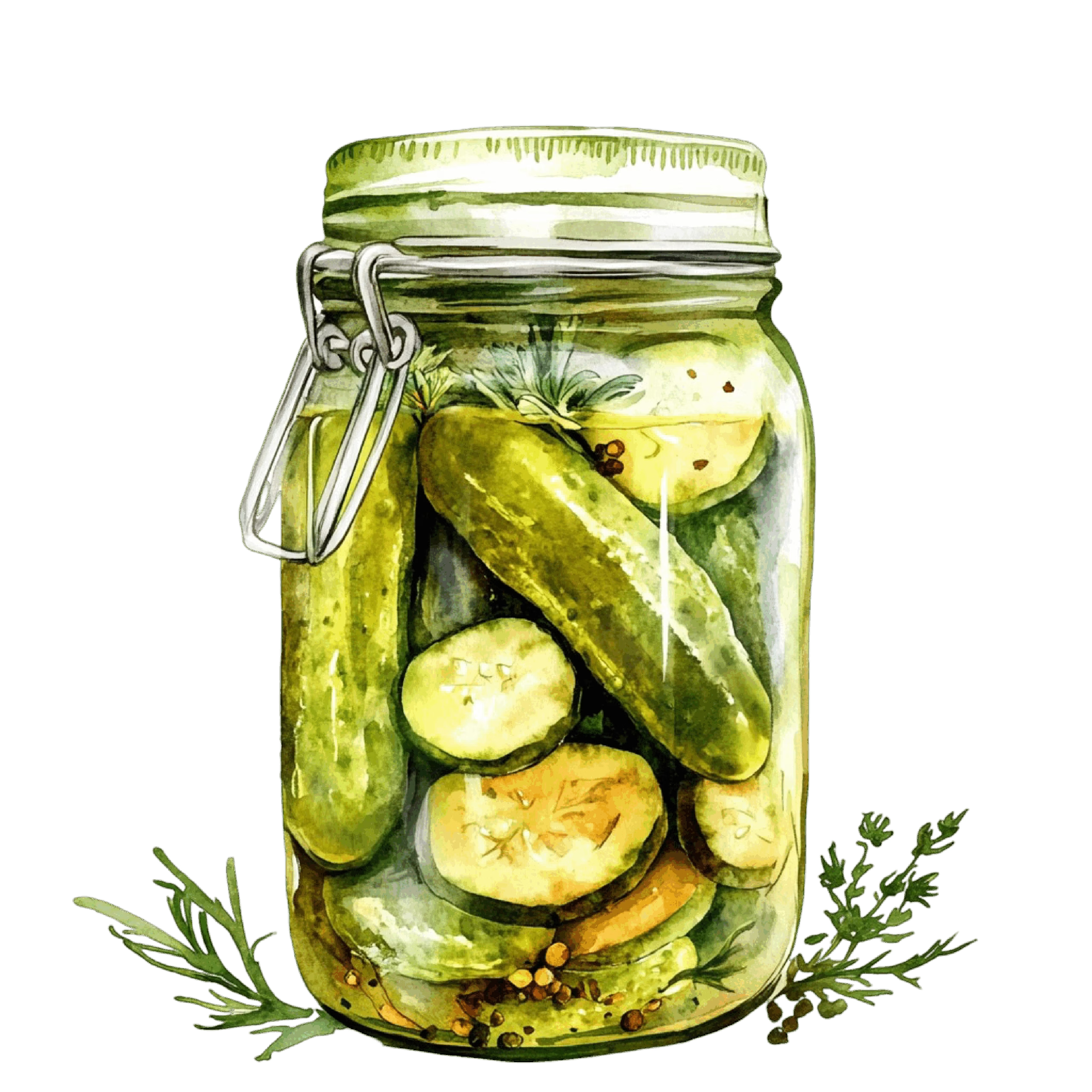
The clipart section alone covers a wide variety of themes – animals, fruits and vegetables, seasonal designs, hobbies, professions, fantasy art and more. All of this is organised into many different categories, for example “Fruits and Vegetable Clipart”, “Food Clipart”, “Animals Clipart” or “Gardening Clipart”.

What I find especially useful is the technical side: many clipart sets are provided as ready-to-use graphics with transparent backgrounds, at a resolution of 300 dpi. According to the product descriptions, this makes them suitable for both web and print, and a commercial use licence is already included.

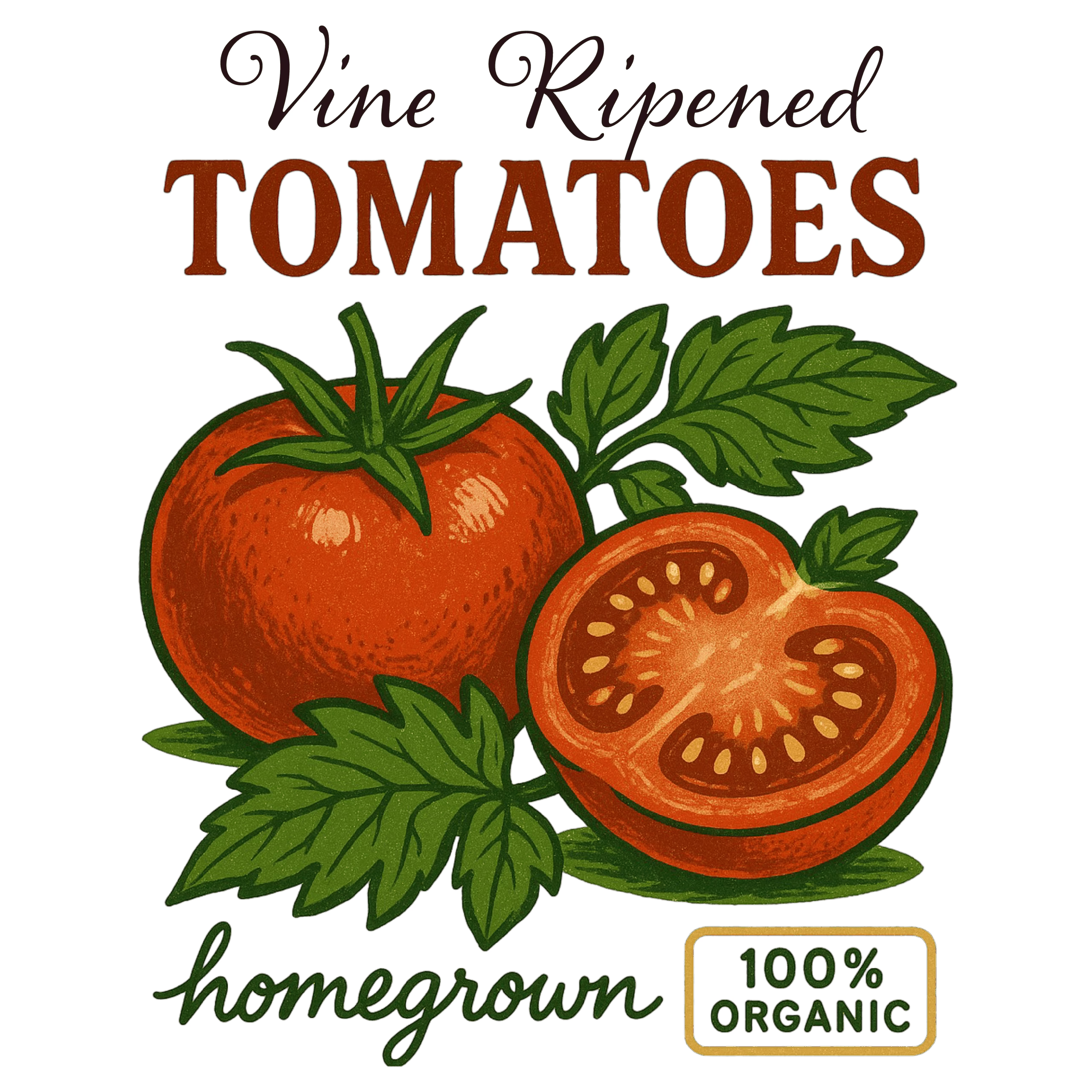
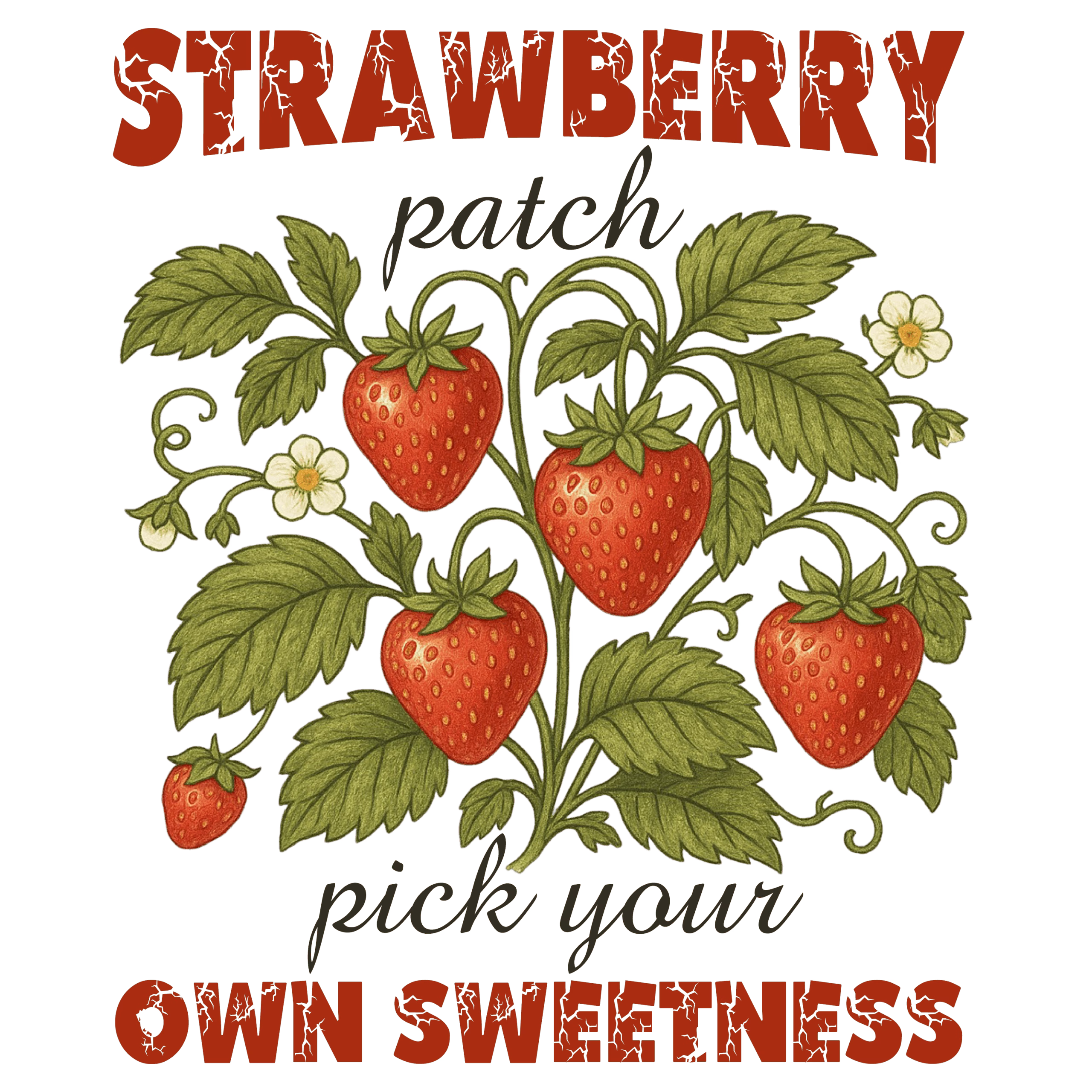
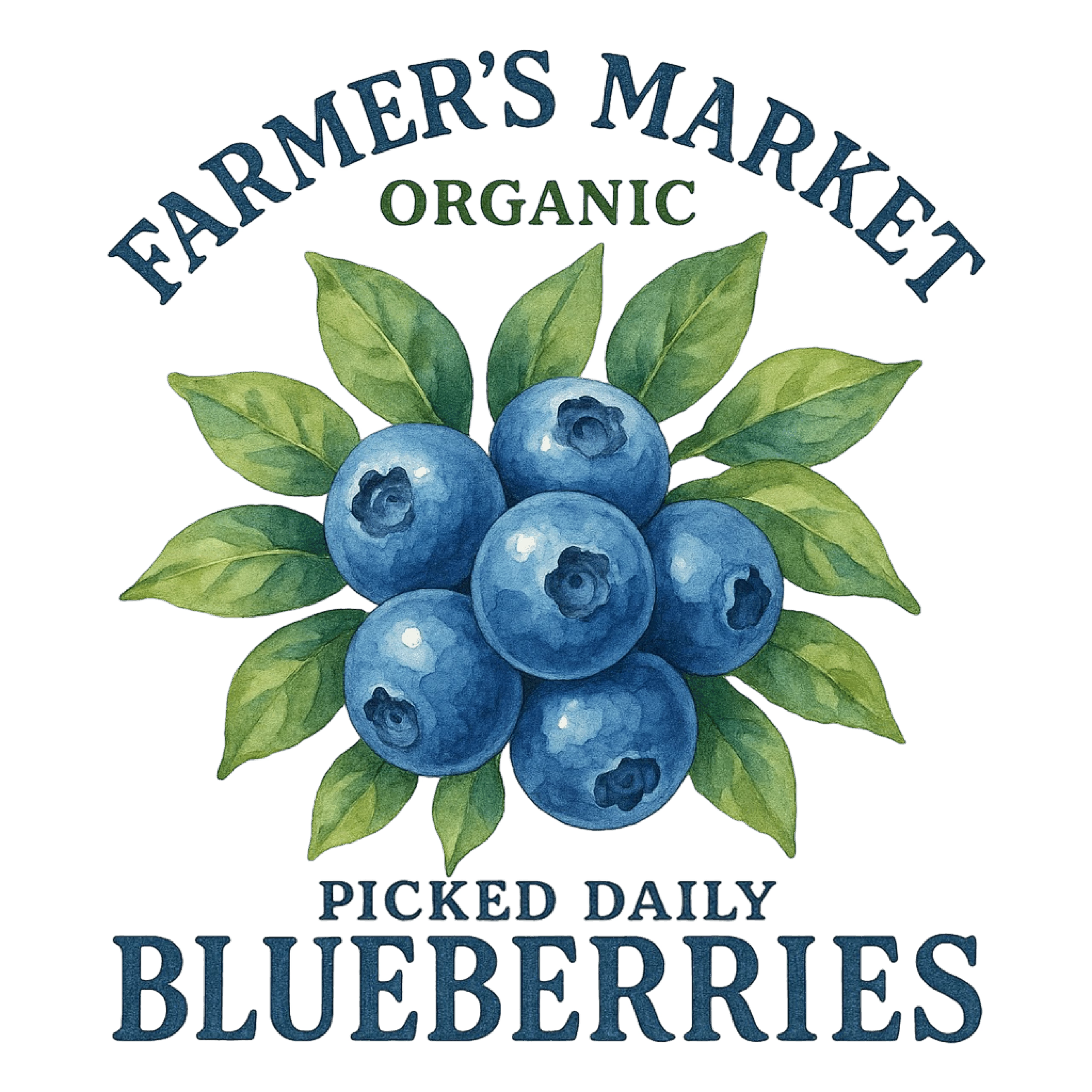
My plan is to mainly work with the fruit, vegetable and food-related motifs in upcoming recipes, worksheets and PDFs. This way I can pick individual elements that fit a specific post, instead of relying entirely on fully pre-designed layouts. I’ll also test where a few of these illustrations can be integrated into the homepage in a subtle way that doesn’t disturb the overall calm look of the site.

Another aspect that matters to me is community. These kinds of graphic packs are usually created by individual designers or very small teams. By purchasing finished sets I can support their work directly. At the same time, I save time because I don’t have to design every illustration myself or build everything from scratch with AI tools – including prompt experiments, corrections and post-processing. Instead, I can browse an existing library, pick what fits and invest more energy into writing, concepts and structure.

Over time you’ll see these little illustrations appear in my blog posts, recipes, downloadables and – wherever it visually fits – on the homepage as well. For me, CraftNest is mainly a flexible toolbox in the background that I can dip into whenever I need a visual accent for future projects.
Together, We Achieve More!

Explore more posts!

More from the Plant World

aktuelle Beiträge / latest Posts

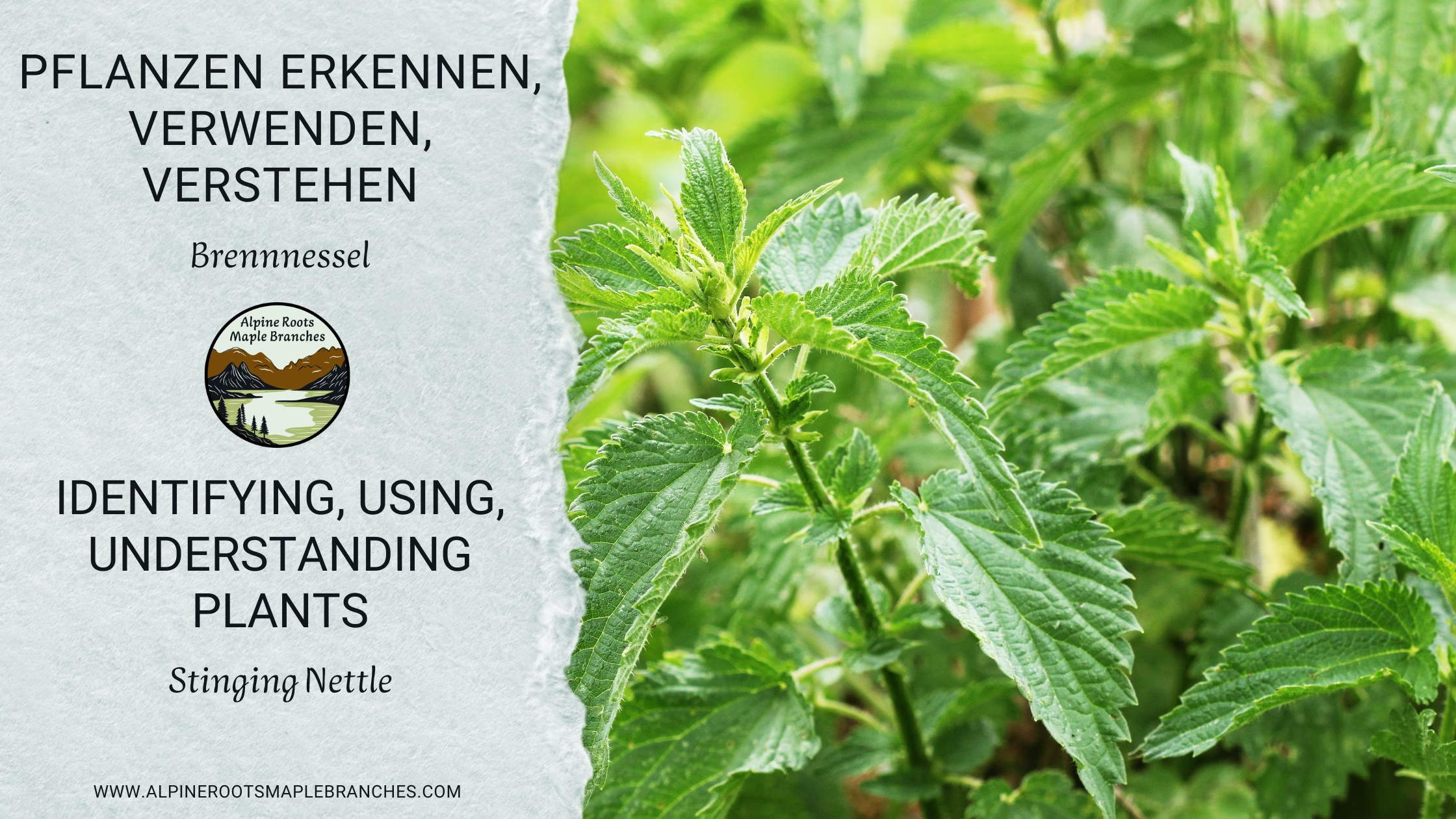
The Nettle Paradox: Why the Island Denies Us Its Presence

Discover the Nettle Paradox in Cape Breton: Why this resilient plant is absent from the boreal wild and how we are strategically reintroducing it. Learn about our ecological pioneer work, from soil pH management and 15% safety-buffered yield planning to the production of high-performance liquid manure for short growing seasons. A deep dive into biodiversity, soil health, and sustainable self-sufficiency in Climate Zone 5b/6a.

Read More

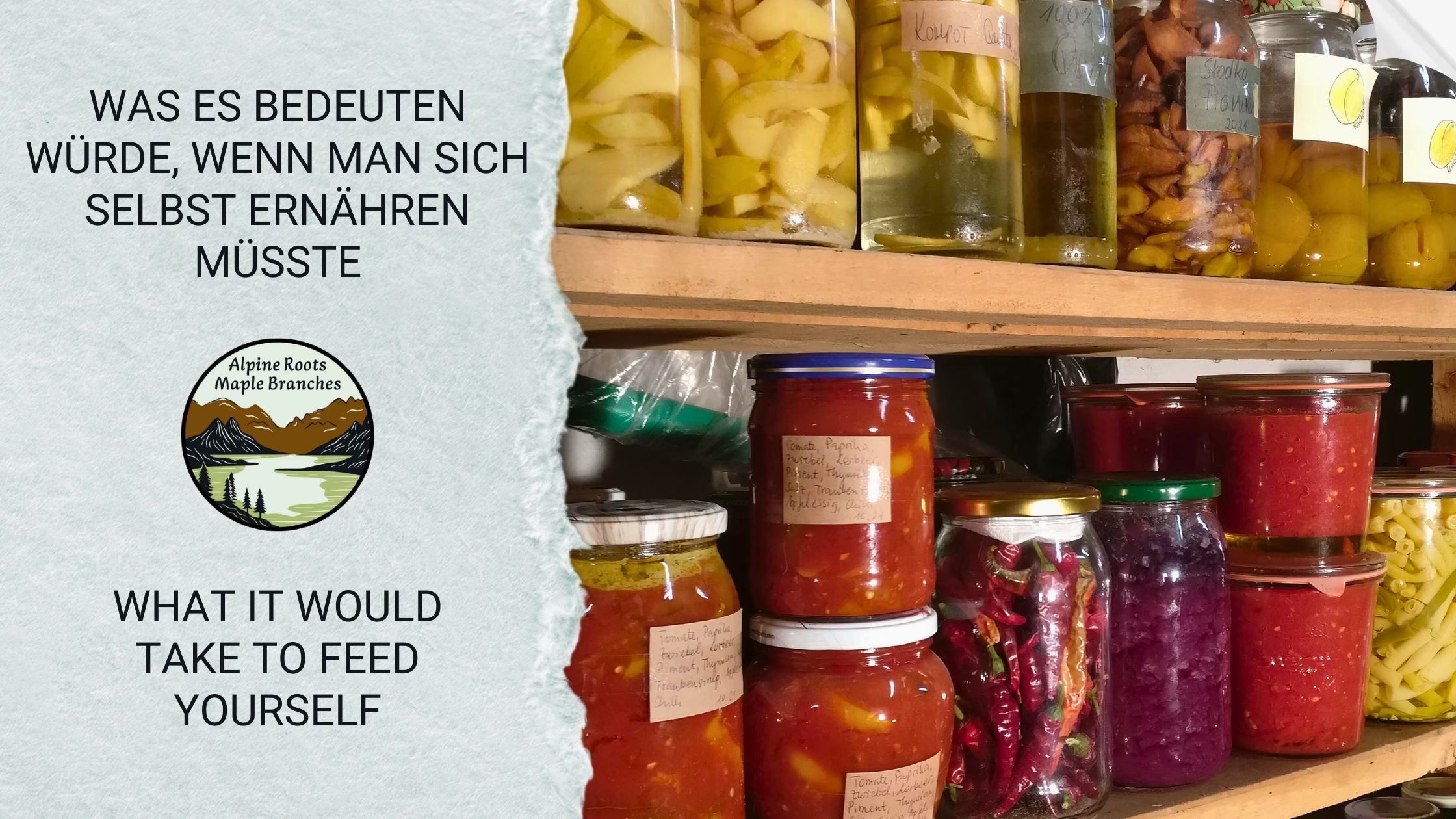
What It Would Take to Feed Yourself

This article shows, step by step, what it would take for two adults to feed themselves from their own land for a full year. We translate nutrient targets into concrete crop choices and areas: calorie staples (potatoes, sweet potatoes, winter squash, roots), protein from dry beans, soy, lentils and lupins, leafy/brassica greens, sauce and summer vegetables, grains and pseudograins for bread and pasta, plus fat-rich seeds, berries, fruit trees and nuts. Realistic field and storage losses are budgeted; processing (canning, fermenting, milling, flaking) and storage needs are built in. The result is a practical, cool-climate-ready plan with total area requirements, seasonal workload, and resilient meal building blocks that keep plates filled year-round.

Read More

Year in Review 2025: Water System and Soil Health

2025 was a year of quiet but decisive changes on our land in Cape Breton: a new water system with a second pond, prepared beds, a polytunnel, first harvests and many hours of observation. Looking back, it becomes clear how closely water management, soil health and mental wellbeing are interwoven in our everyday life.

Read More

Planning your vegetable garden: goals and eating habits

Before you order seeds or design new beds, it helps to step back and ask two simple questions: what do you want your garden to do for you, and how does your household really eat? When you align garden goals with your everyday meals – instead of an idealised wishlist – planning suddenly becomes clearer, more realistic and far easier to sustain through the season.

Read More

Leave a Reply

Your email address will not be published. Required fields are marked *

Receive the latest news

Subscribe To Our Bi-Weekly Newsletter

Get notified about new articles