Since moving to Canada, we’ve been constantly learning more about our land and preparing it for our permaculture project. An essential part of this process involves taking soil samples from different areas of the property. These samples help us understand the soil better and identify the best spots for specific plant types, such as herbs.
Soil Samples – The First Step Towards Permaculture
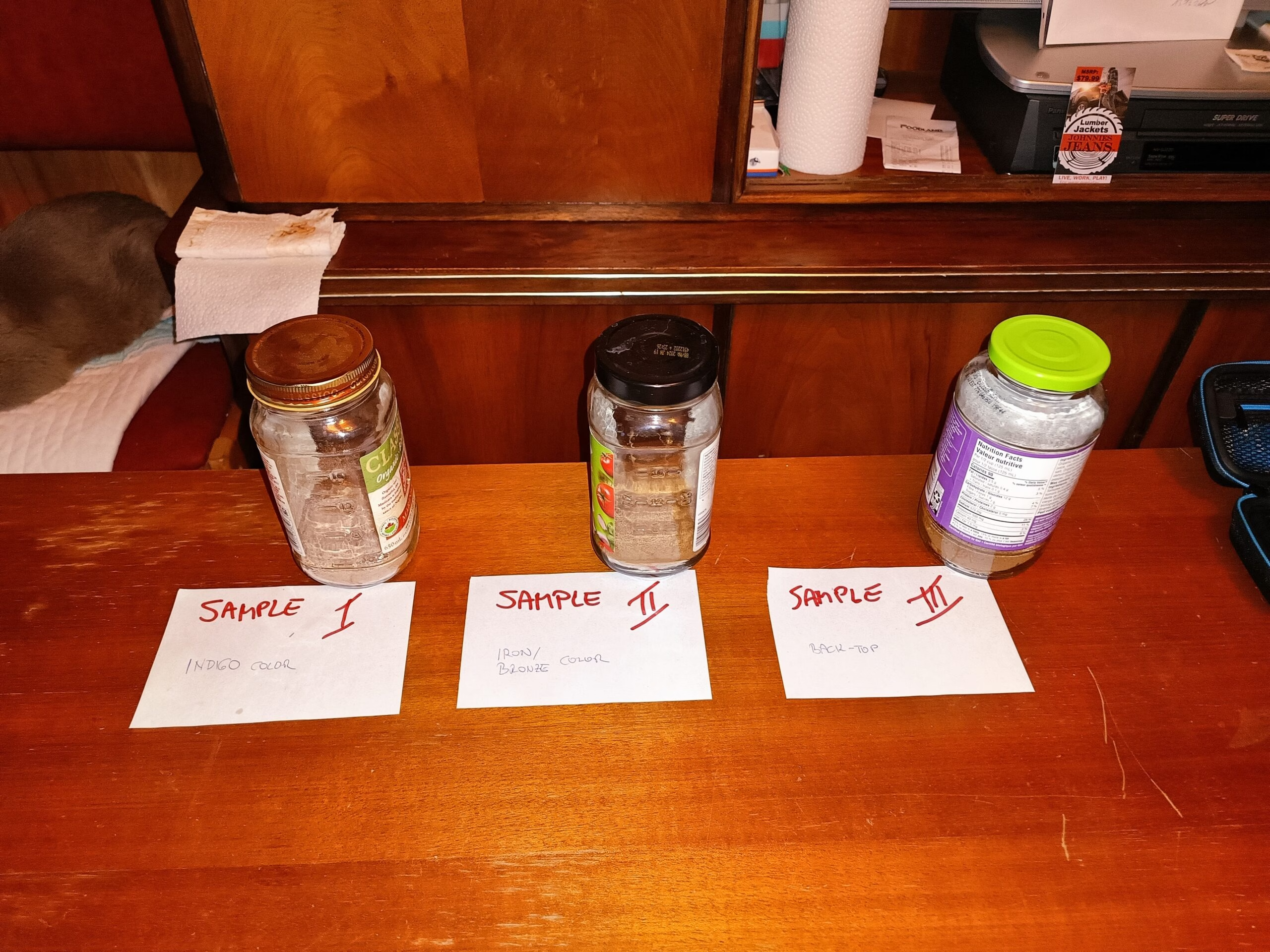
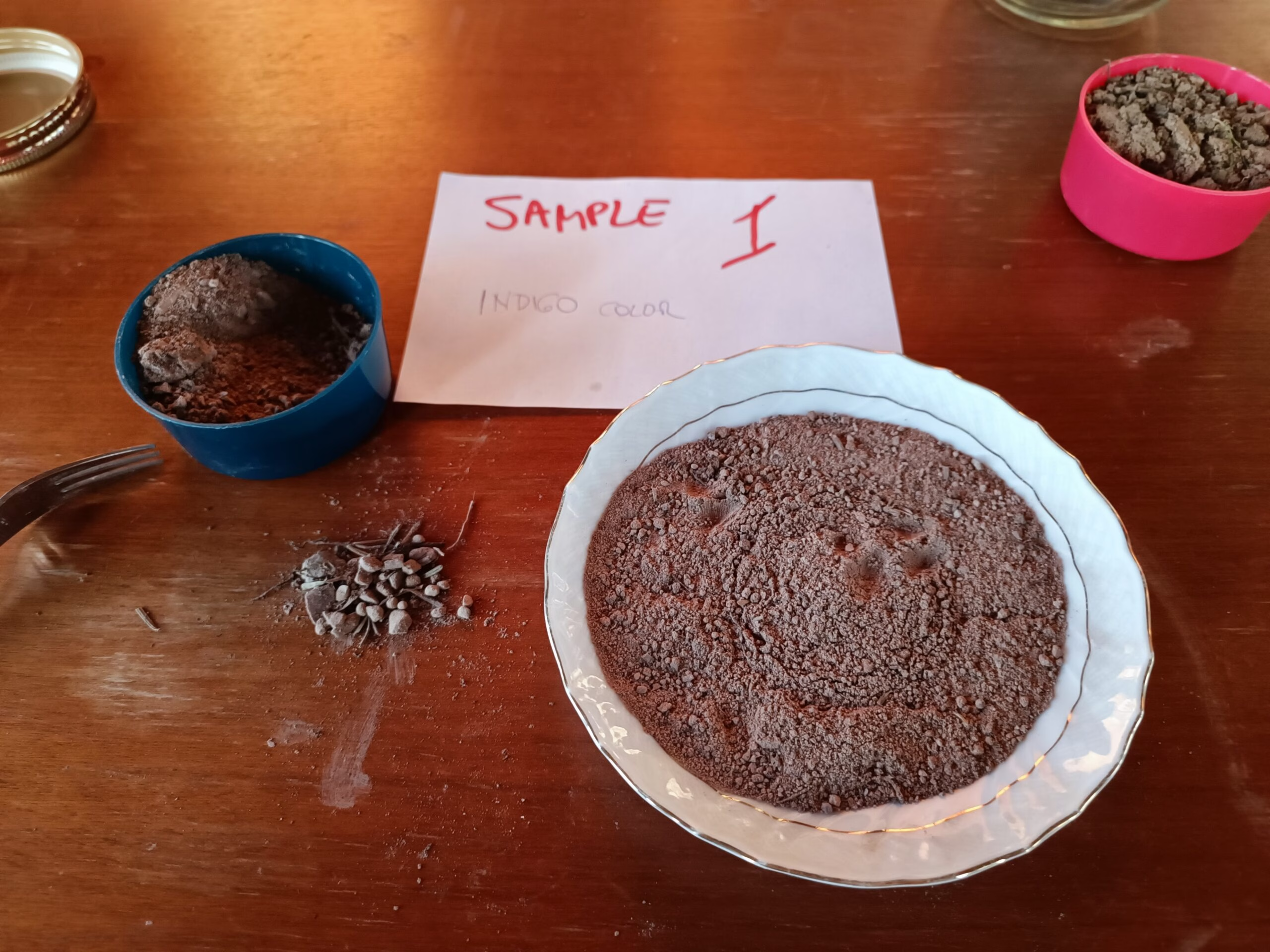
To determine which plants will thrive best on our property, we collected and analyzed various soil samples. Each sample comes from a different location and varies in color, texture, and composition:
- Sample I: A fascinating indigo-colored soil that might indicate the presence of specific minerals. The deeper color immediately caught our attention.
- Sample II: This sample has a bronze hue, which suggests a high iron content. This soil could be particularly fertile for plants that prefer iron-rich environments.
- Sample III: This sample comes from a rocky area. Here, we are specifically looking for spots that are suitable for herbs, which can thrive in harsher soils.
pH Tests: Understanding the Soil
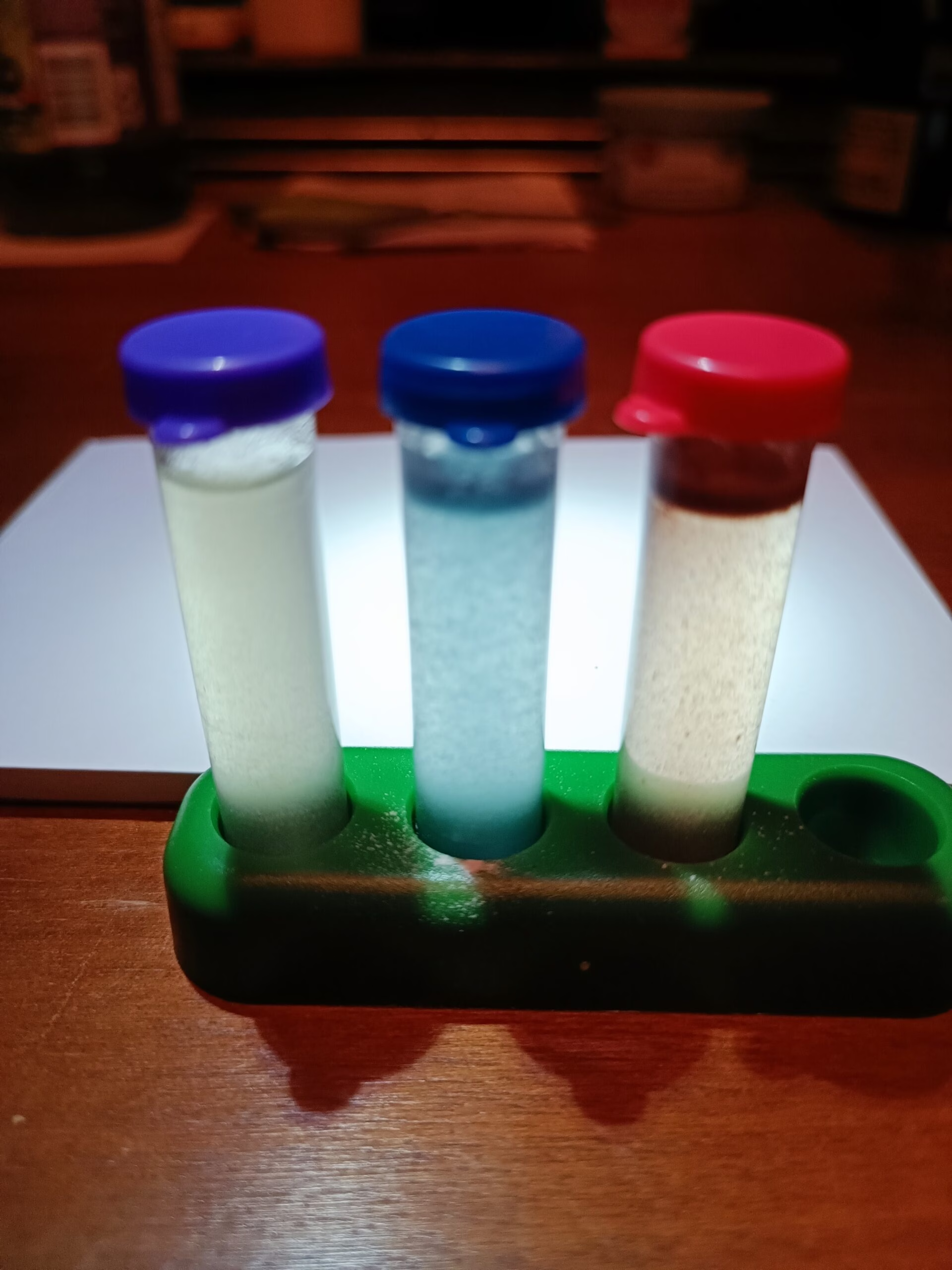
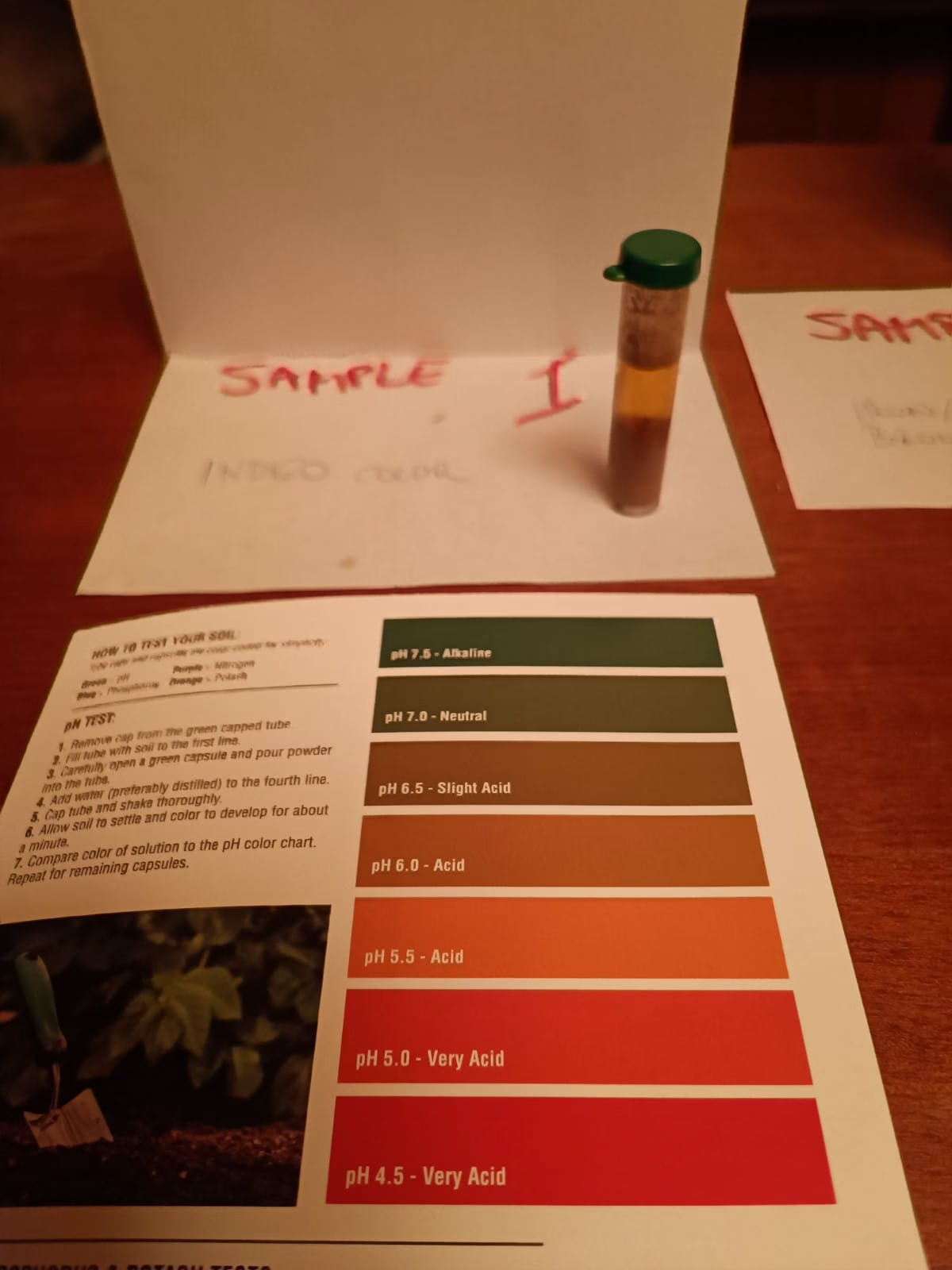
To gain deeper insights into our soil, we also conducted pH tests. These tests tell us whether the soil is acidic or alkaline, which is crucial for selecting the right plants:
- Sample I turned out to be slightly acidic, which could be ideal for plants like blueberries.
- Sample II had a neutral pH, making it suitable for a wide range of plants.
- Sample III was slightly alkaline, so we will need to find plants that thrive in such conditions.
Which Plants and Trees Prefer Which pH Levels?
To make the most of our soil’s potential, we researched which plants and trees grow best in specific pH ranges. Here’s an example overview:
| pH Level | Preferred Plants and Trees |
|---|---|
| 4.5 – 5.5 | Blueberries, Cranberries, Rhododendrons, Ferns |
| 5.5 – 6.0 | Potatoes, Pumpkins, Sweet Potatoes, Azaleas |
| 6.0 – 6.5 | Onions, Garlic, Tomatoes, Apples, Pears |
| 6.5 – 7.0 | Carrots, Cabbage, Brussels Sprouts, Peas, Plums |
| 7.0 – 7.5 | Asparagus, Beans, Broccoli, Kohlrabi, Figs, Walnut, Hazelnut |
| 7.5 and higher | Lavender, Rosemary, Sage, Prickly Pear, Olive Trees |
In addition to these tests, we can also learn from the plants themselves. Certain indicator plants can reveal a lot about the soil in which they grow. For example, plants commonly found on Cape Breton, like dandelion, white clover, and sedge, give us clues about whether the soil is dry or moist, acidic or alkaline. It’s fascinating how much we can learn from nature by simply observing carefully — I definitely have much more to learn than Gernot.
Our First Campfire: An Unforgettable Summer Evening
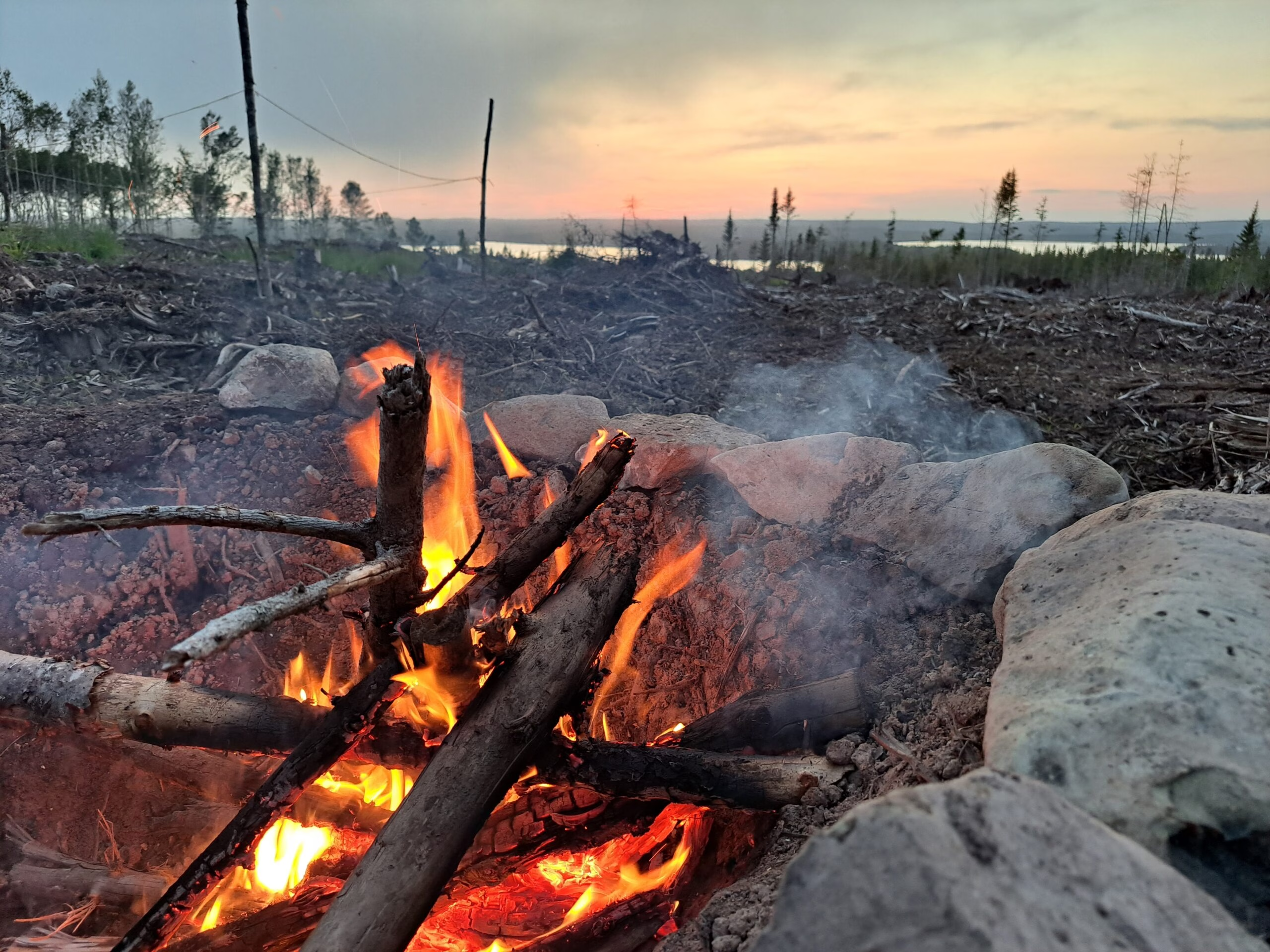
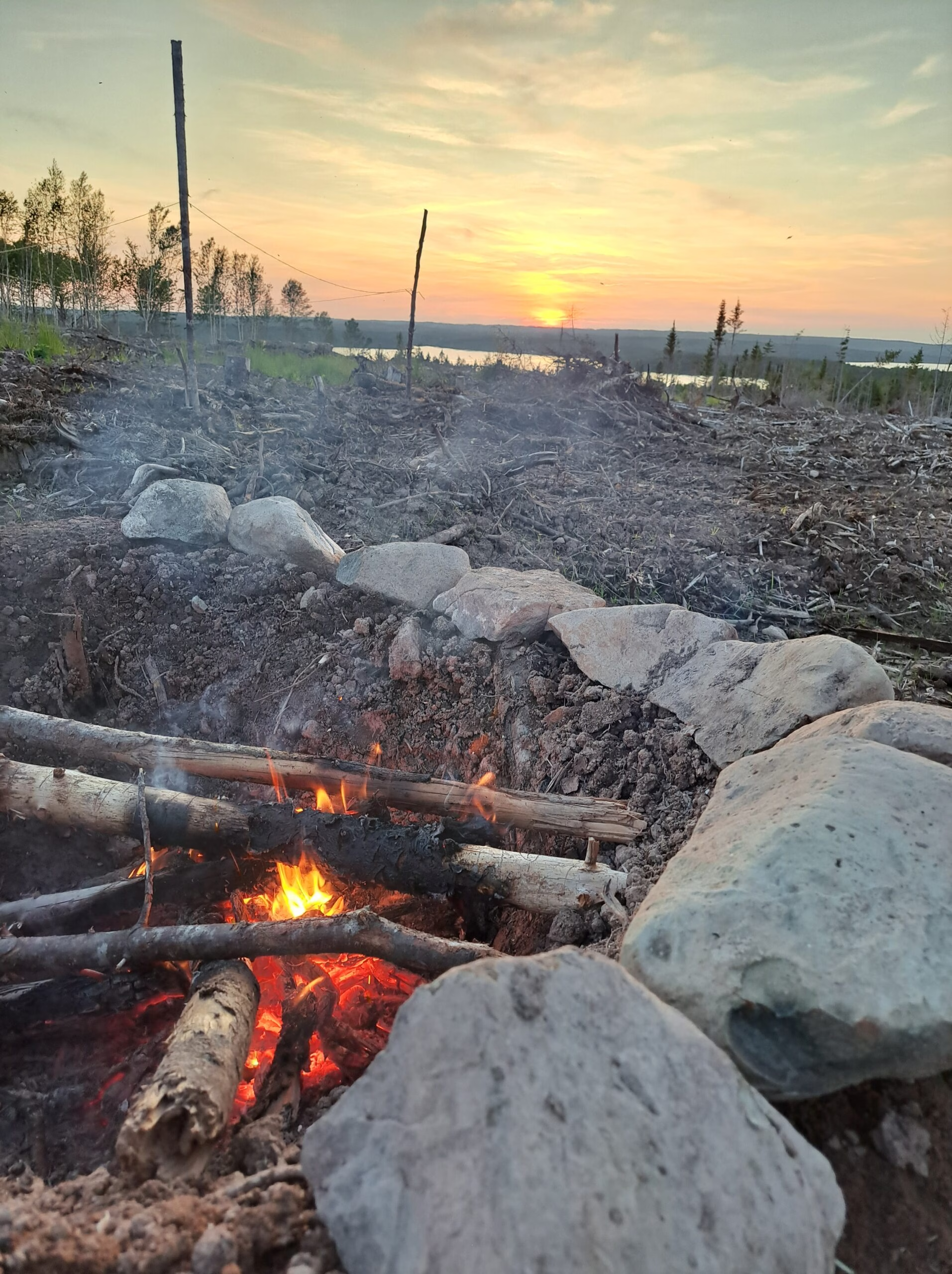
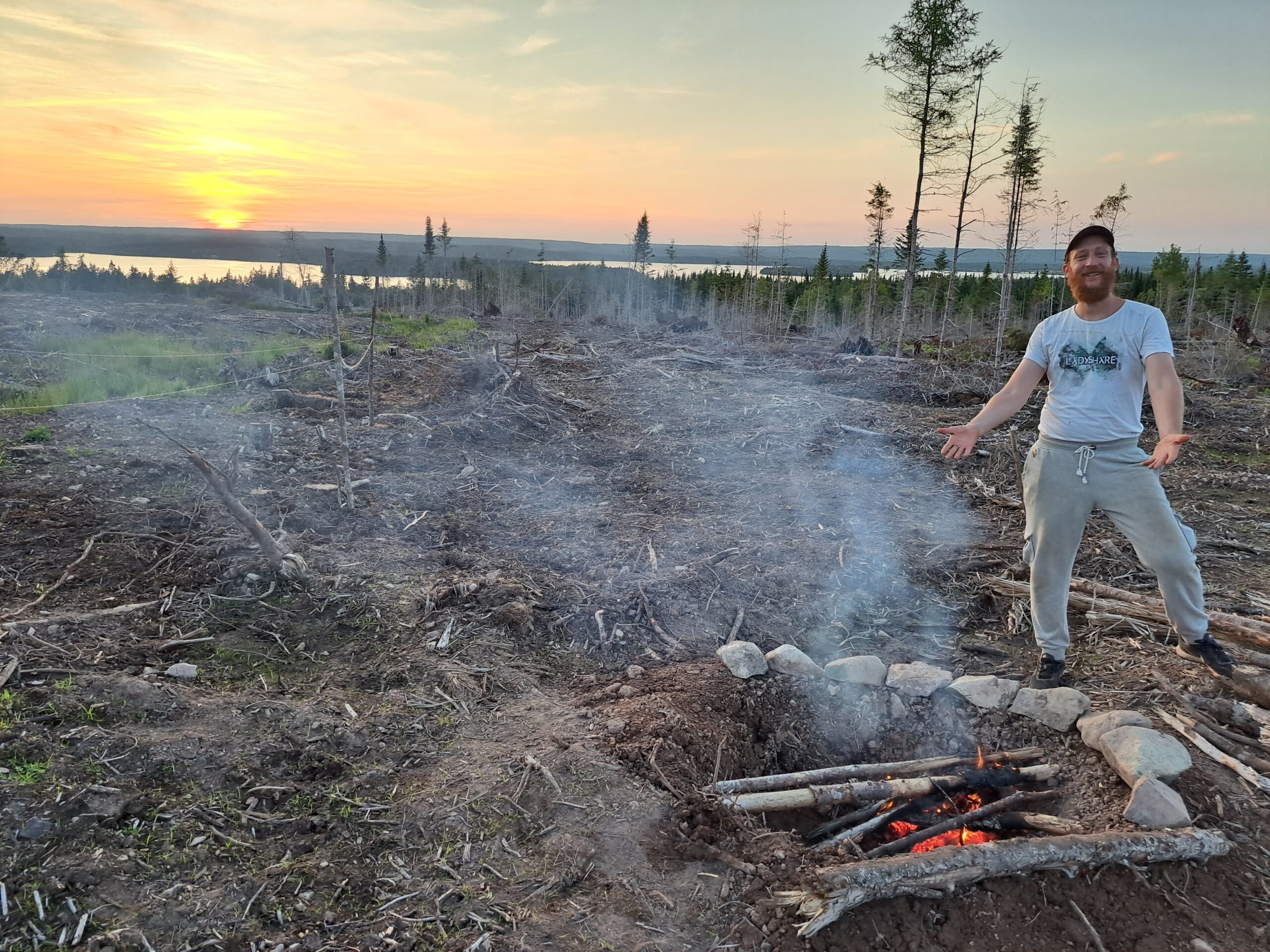
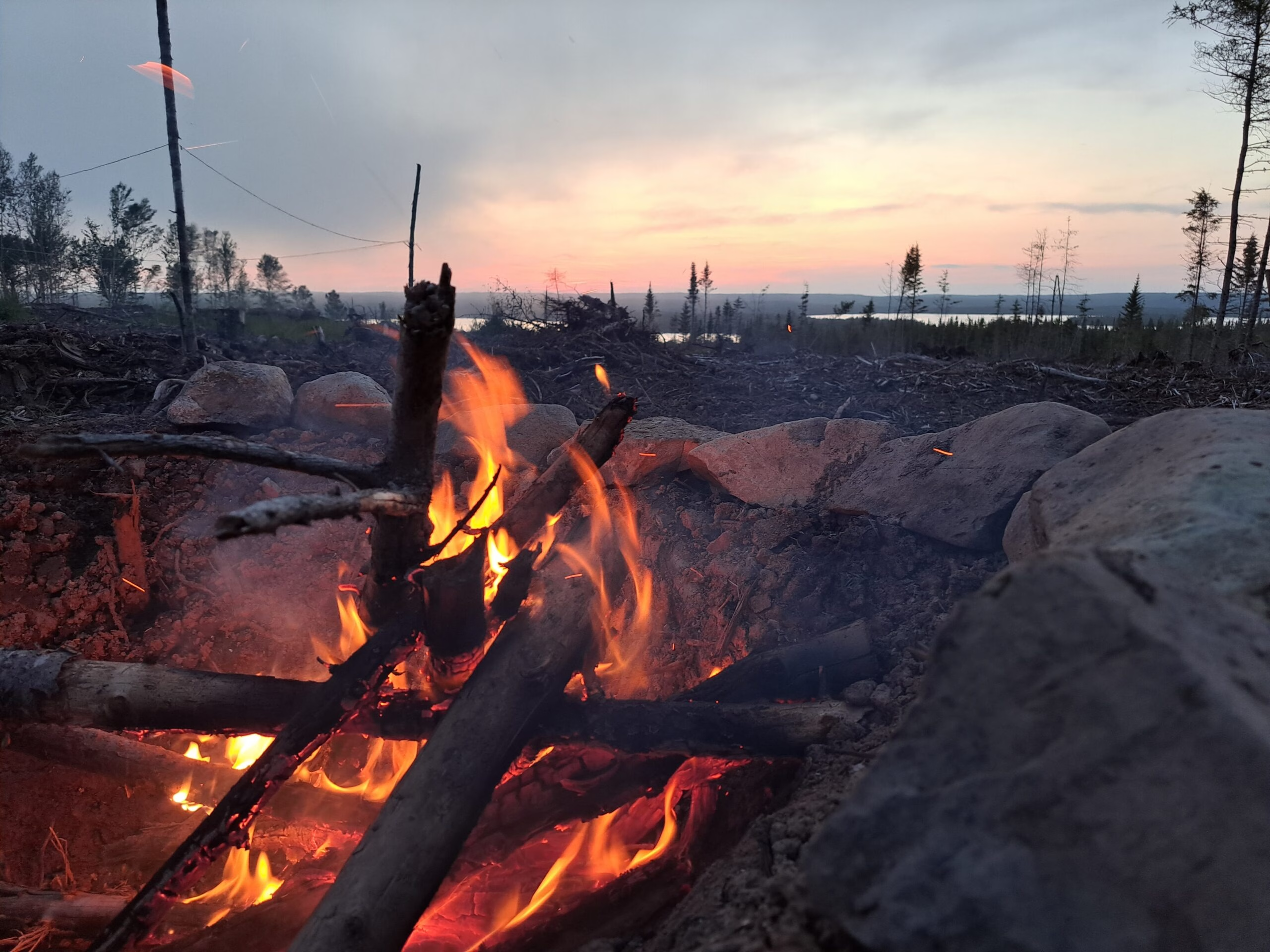
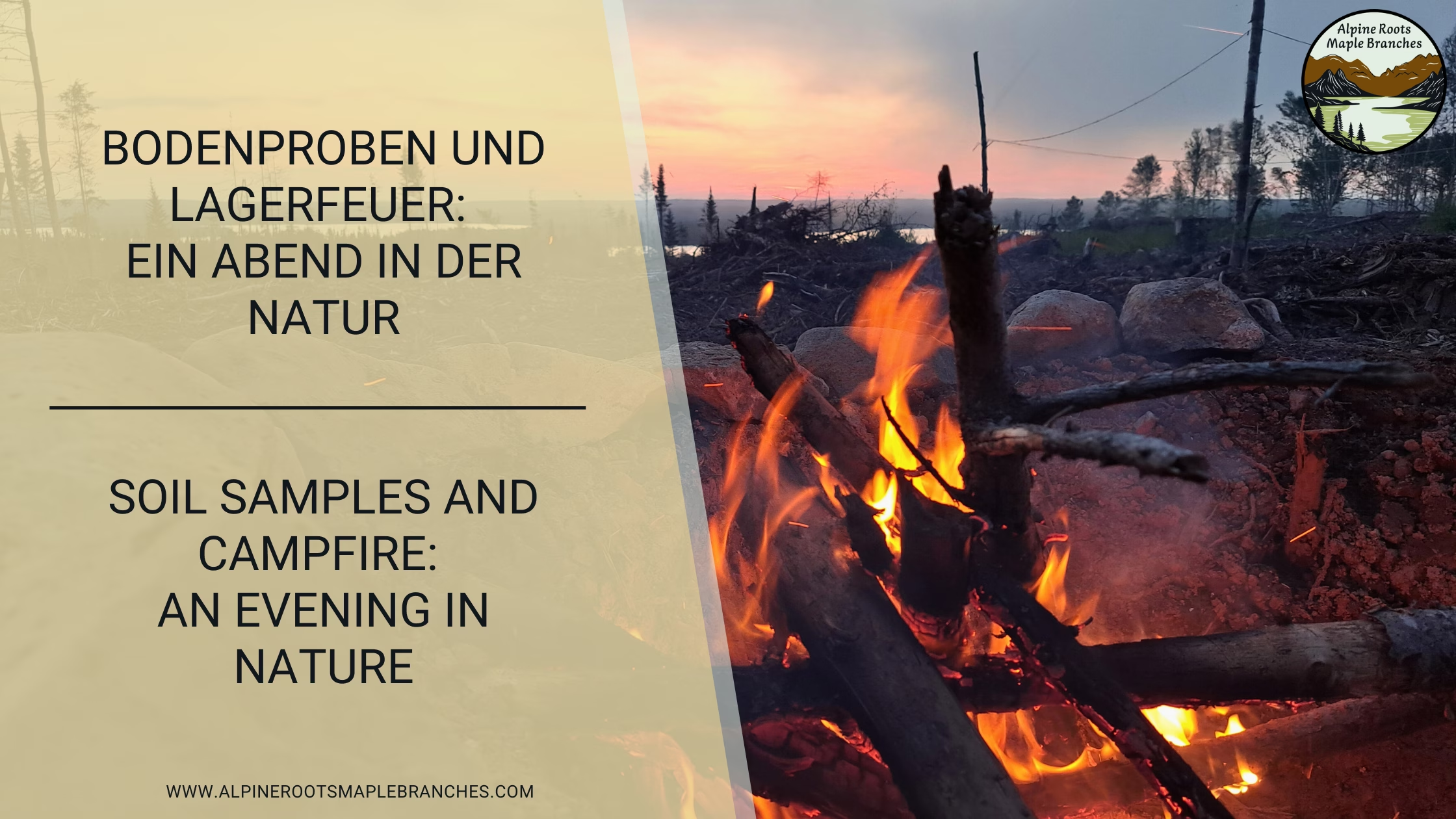
After a day full of work and soil sampling, we wanted to relax in the evening. What better way to do that than with a campfire overlooking the lake? We built a simple fire pit using stones we found on our land and enjoyed the calm atmosphere around us.
Sustainability in Mind
While the fire crackled, we talked about how we plan to integrate the land around us into our permaculture design. We used only fallen wood for the fire to avoid cutting down any trees unnecessarily. In Canada, there are strict regulations about when and where campfires are allowed, so we always check the daily updates on the Nova Scotia BurnSafe website to make sure fires are permitted in our area.
Diana, our dog, first explored the area for mice and other little creatures. However, as the smoke increased, she quickly retreated to the safety of the car since she doesn’t like smoke.
Insights and Future Plans
This evening wasn’t just a nice way to wrap up a busy day; it was another step on our journey towards a sustainable life in nature. The soil samples give us valuable clues about how best to plant our land, while the campfire reminded us of how connected we feel to this place and the exciting challenges and learning experiences that lie ahead.
Your Thoughts?
Have you ever worked with soil testing or built a fire pit in your own garden? We’d love to hear your tips and ideas in the comments!