Quiet Roads, Big Challenges: How to Prepare for Blackflies and Breakdowns in Canada

When spring arrives in Canada, it brings not only colorful flowers and green foliage but also the less welcome presence of blackflies. These small flies, also known as buffalo gnats, can make outdoor life quite difficult, especially if you’re not prepared.

What are Blackflies?

Blackflies are tiny, blood-sucking insects that are particularly active during the warmer months, from May to July, in northern parts of Canada. What many don’t know is that these gnats also exist in Austria! They thrive in damp, wooded areas and are often found near flowing water, where their larvae develop. Their bites are painful and can leave severely itchy, inflamed spots.

How Can You Protect Yourself from Blackflies?

The best protection against blackflies is preparation:

  • Clothing: Wear light-colored, long clothing that covers as much skin as possible. Net hats and specialized insect-proof suits can be especially effective.
  • Timing: Avoid being outdoors in the early morning or late evening, as this is when blackflies are most active.
  • Insect Repellent: There are plenty of insect repellents available on the market. Some contain DEET, a potent ingredient that is, however, controversial. Studies have shown that DEET may have carcinogenic properties, so use it sparingly and consider natural alternatives, which include essential oils like lemon eucalyptus or lavender.
  • Shelter: If possible, use mosquito nets in your sleeping areas to ensure an undisturbed night’s rest.

We used the following products from Amazon Canada:

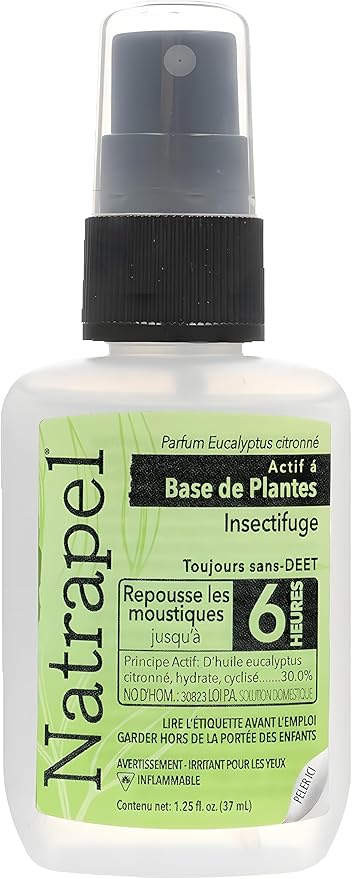
I also applied Natrapel on Diana. I sprayed it on my hands first and then rubbed it on her ears and teats, where she is most often bitten.

The provided links are affiliate links.

Preparation for More than Just Insects

While it’s essential to protect yourself from nature’s pests, Canada poses other challenges that you shouldn’t underestimate—something we learned the hard way. As idyllic and peaceful as the roads outside the cities may be, they come with their own risks, especially if you encounter a breakdown without being prepared.

What to Do if You Have a Flat Tire?

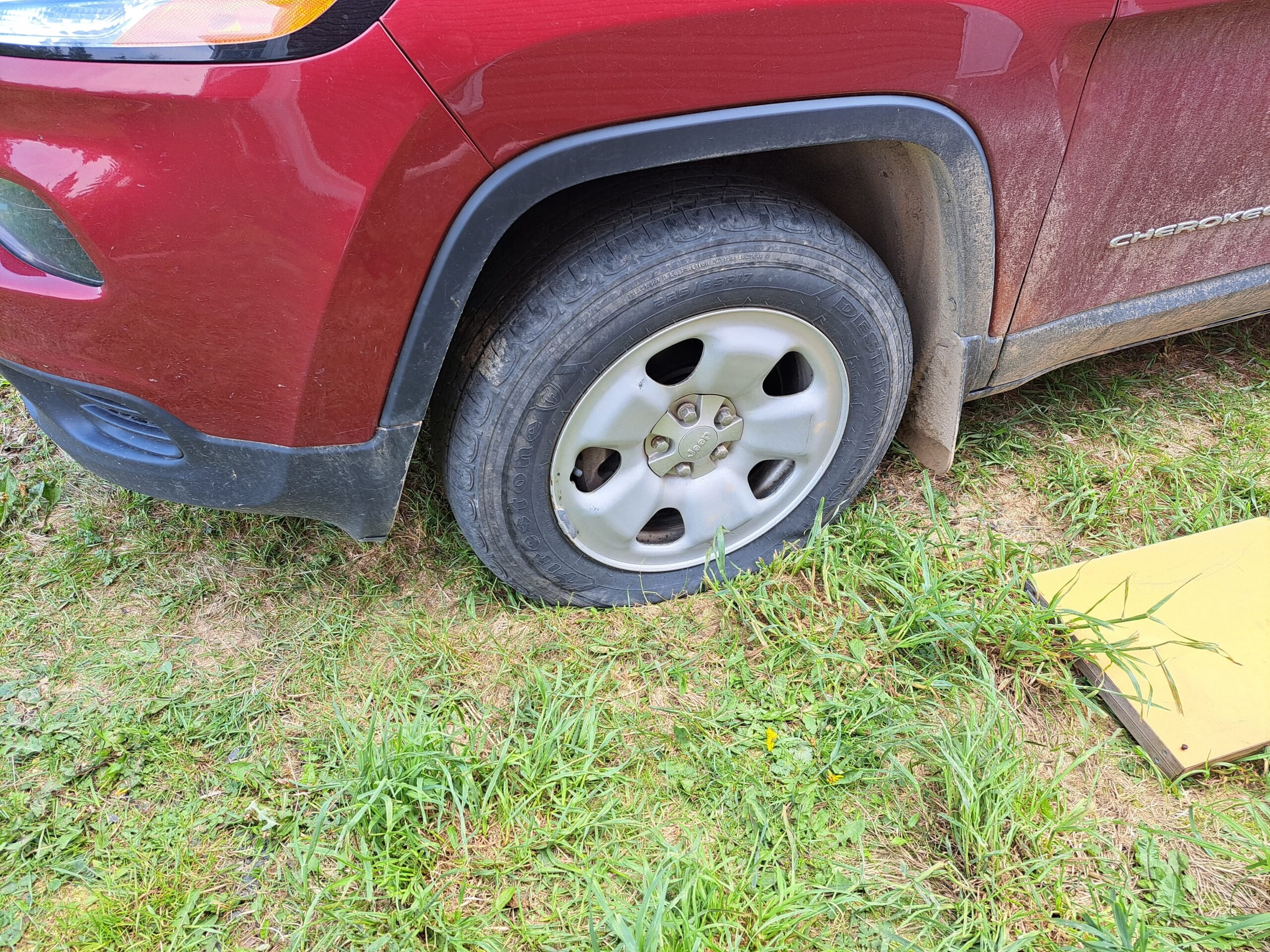
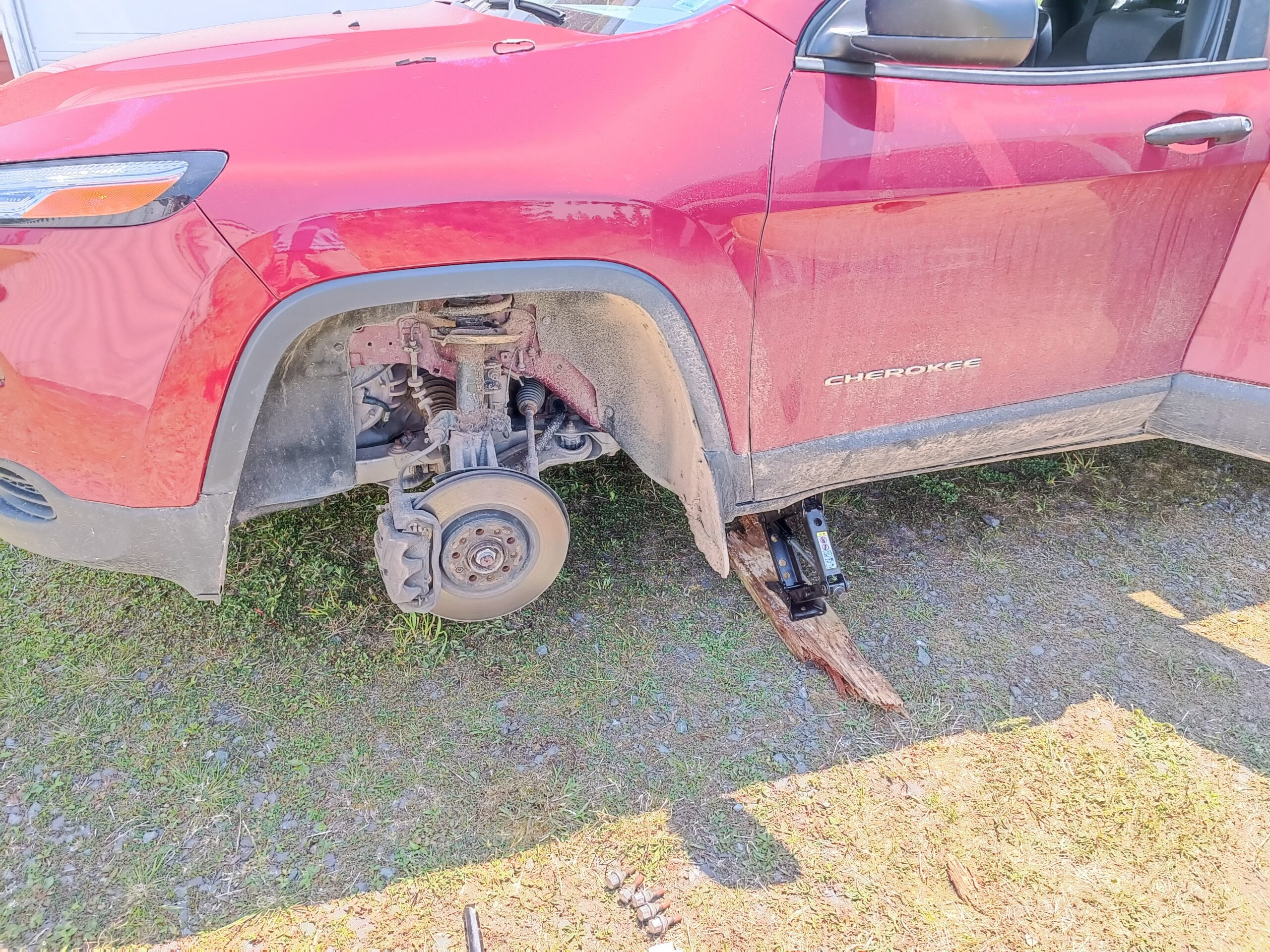
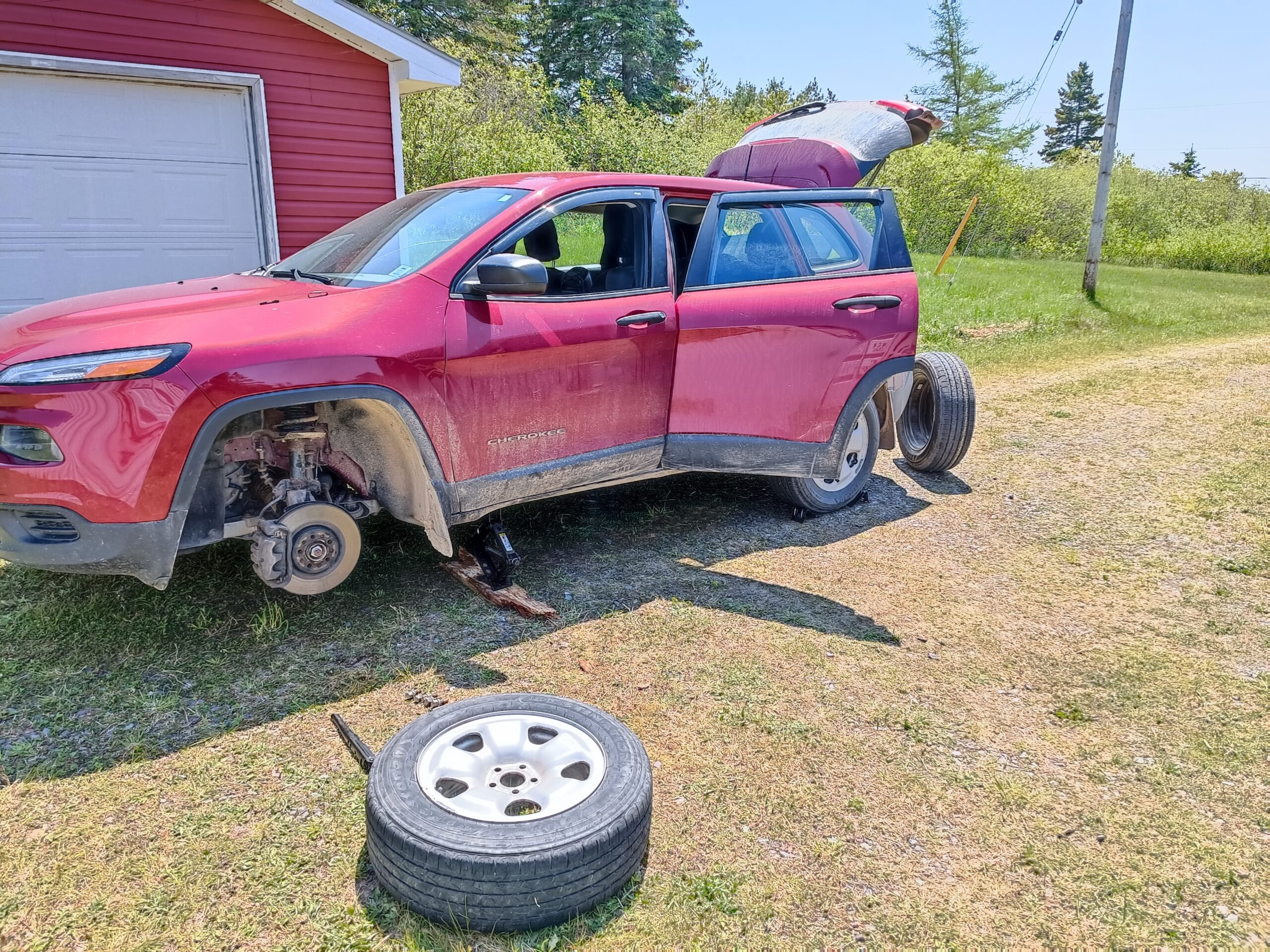
One morning, when we were about to leave, we discovered that one of our car tires was flat. Fortunately, this happened right in front of our house, so we didn’t find ourselves stranded on the road or in a remote area without help. Without cell phone reception, which is common in many parts of Canada, this could have become problematic.
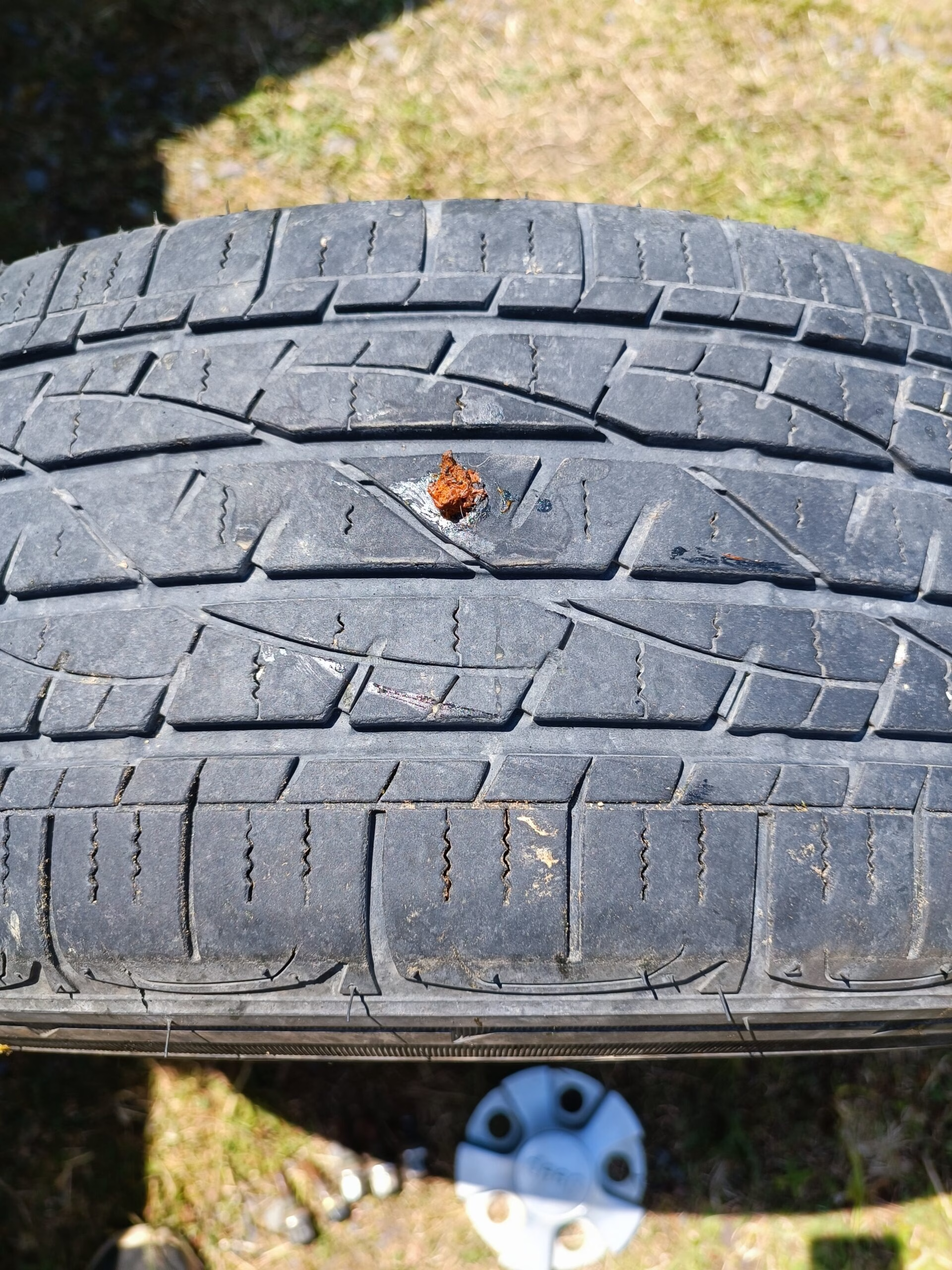
A helpful neighbor showed us how to patch a tire—a useful skill we hadn’t learned in Austria. In Austria, many cars no longer come with a spare tire. Instead, most drivers rely on roadside assistance services like the ÖAMTC or similar organizations. Tire repair kits or materials are rarely used anymore, which made us realize how important it is to be prepared in Canada.

After this experience, during our next trip to Walmart, we purchased a repair kit that we now always carry in the car. This allows us to repair minor tire damage ourselves, ensuring we can at least make it to the nearest garage if we get another flat tire. Additionally, we decided to always have a spare tire on hand, along with everything needed to change it, such as a jack and a wrench. This way, we are prepared for all eventualities, whether it’s patching or changing the tire.

Why It’s Important to Be Prepared

In Canada, you can’t always rely on mobile networks. Along many roads, there’s often no reception, which means you must rely on yourself and the kindness of others. It’s common practice here for drivers to stop and ask if help is needed when they see someone on the roadside. It’s an unwritten rule—people look out for each other.

Preparing for All Eventualities (That Came to Mind Later)

In addition to the repair kit, we prepared ourselves for other potential challenges. That’s why we now always carry some useful tools in the car, such as a saw, a shovel, a portable jump starter, and an air compressor that we can plug into the car’s cigarette lighter. This equipment is particularly useful in remote areas where there is no cell reception, and help is not always readily available. With this gear, you can clear small obstacles like fallen trees, give a jump start, or inflate a patched tire to safely continue your journey.

Your Thoughts?

Have you ever experienced a breakdown, and how did you handle it? We’d love to hear from you! Share your stories, tips, or concerns with us—we’re excited to engage in a conversation.

Together, We Achieve More!

Explore more posts!

More from the Plant World

aktuelle Beiträge / latest Posts

The Nettle Paradox: Why the Island Denies Us Its Presence

Discover the Nettle Paradox in Cape Breton: Why this resilient plant is absent from the boreal wild and how we are strategically reintroducing it. Learn about our ecological pioneer work, from soil pH management and 15% safety-buffered yield planning to the production of high-performance liquid manure for short growing seasons. A deep dive into biodiversity, soil health, and sustainable self-sufficiency in Climate Zone 5b/6a.

Read More

What It Would Take to Feed Yourself

This article shows, step by step, what it would take for two adults to feed themselves from their own land for a full year. We translate nutrient targets into concrete crop choices and areas: calorie staples (potatoes, sweet potatoes, winter squash, roots), protein from dry beans, soy, lentils and lupins, leafy/brassica greens, sauce and summer vegetables, grains and pseudograins for bread and pasta, plus fat-rich seeds, berries, fruit trees and nuts. Realistic field and storage losses are budgeted; processing (canning, fermenting, milling, flaking) and storage needs are built in. The result is a practical, cool-climate-ready plan with total area requirements, seasonal workload, and resilient meal building blocks that keep plates filled year-round.

Read More

Year in Review 2025: Water System and Soil Health

2025 was a year of quiet but decisive changes on our land in Cape Breton: a new water system with a second pond, prepared beds, a polytunnel, first harvests and many hours of observation. Looking back, it becomes clear how closely water management, soil health and mental wellbeing are interwoven in our everyday life.

Read More

Planning your vegetable garden: goals and eating habits

Before you order seeds or design new beds, it helps to step back and ask two simple questions: what do you want your garden to do for you, and how does your household really eat? When you align garden goals with your everyday meals – instead of an idealised wishlist – planning suddenly becomes clearer, more realistic and far easier to sustain through the season.

Read More

One Response

Leave a Reply

Your email address will not be published. Required fields are marked *

Receive the latest news

Subscribe To Our Bi-Weekly Newsletter

Get notified about new articles