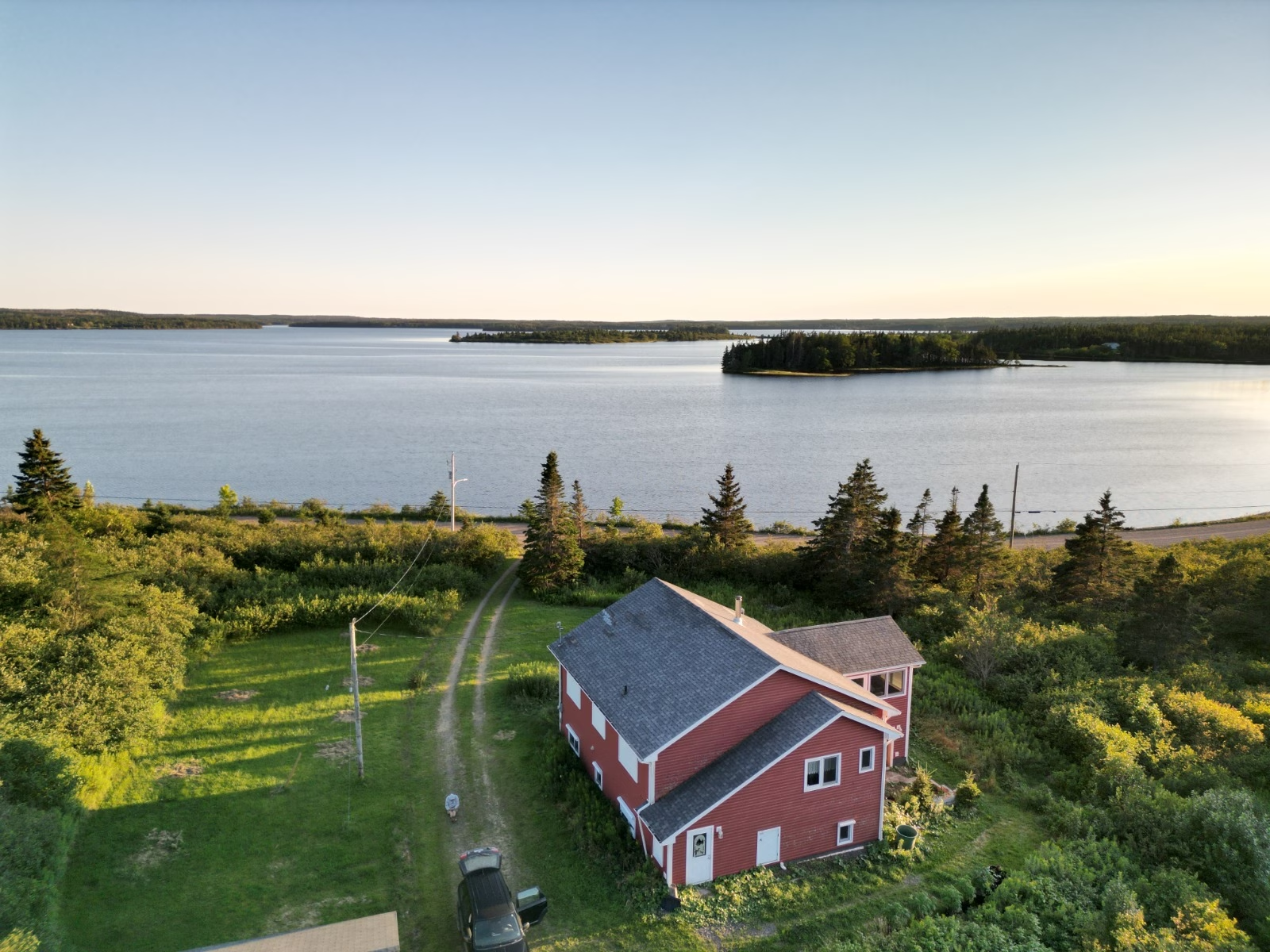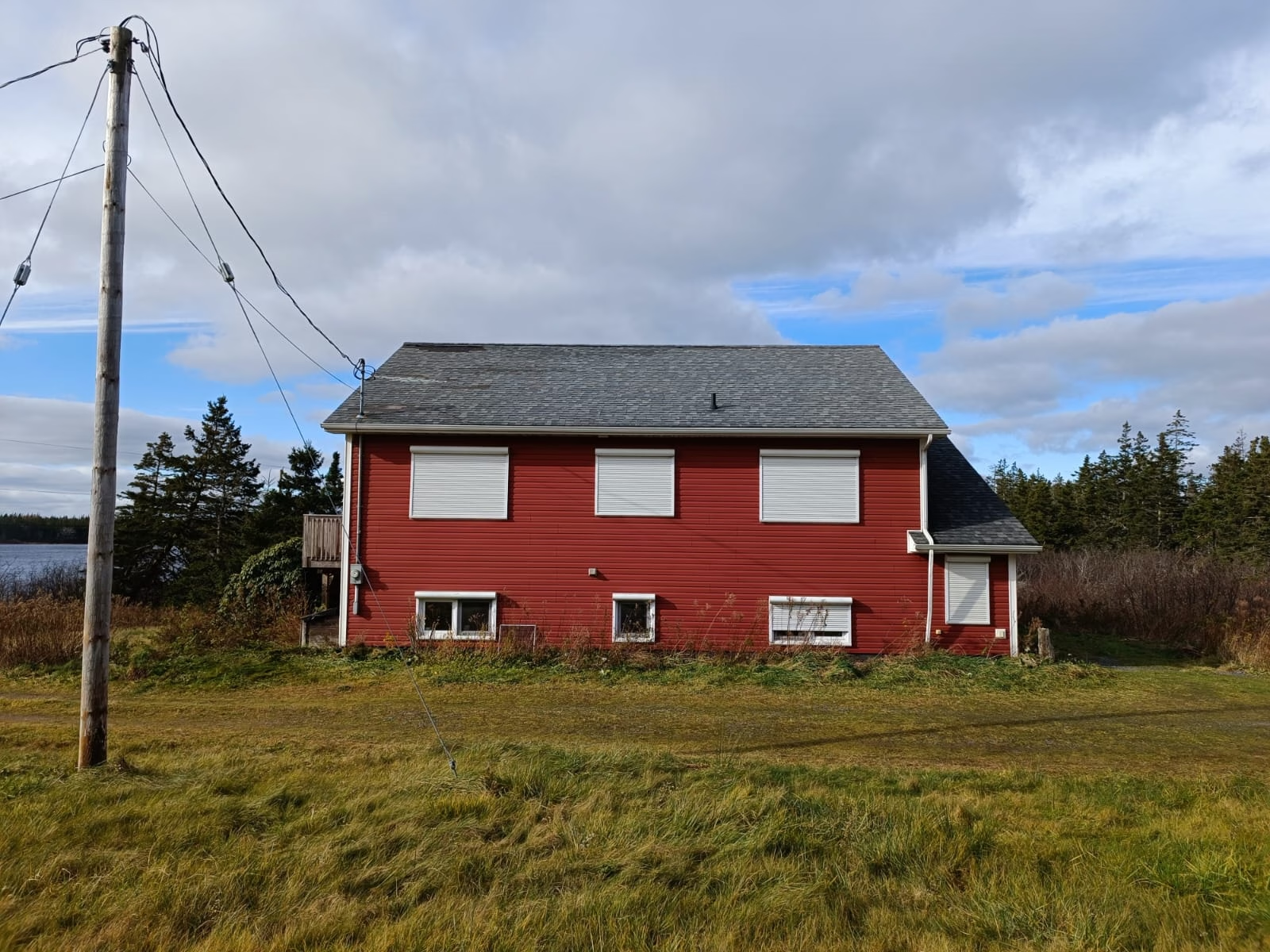
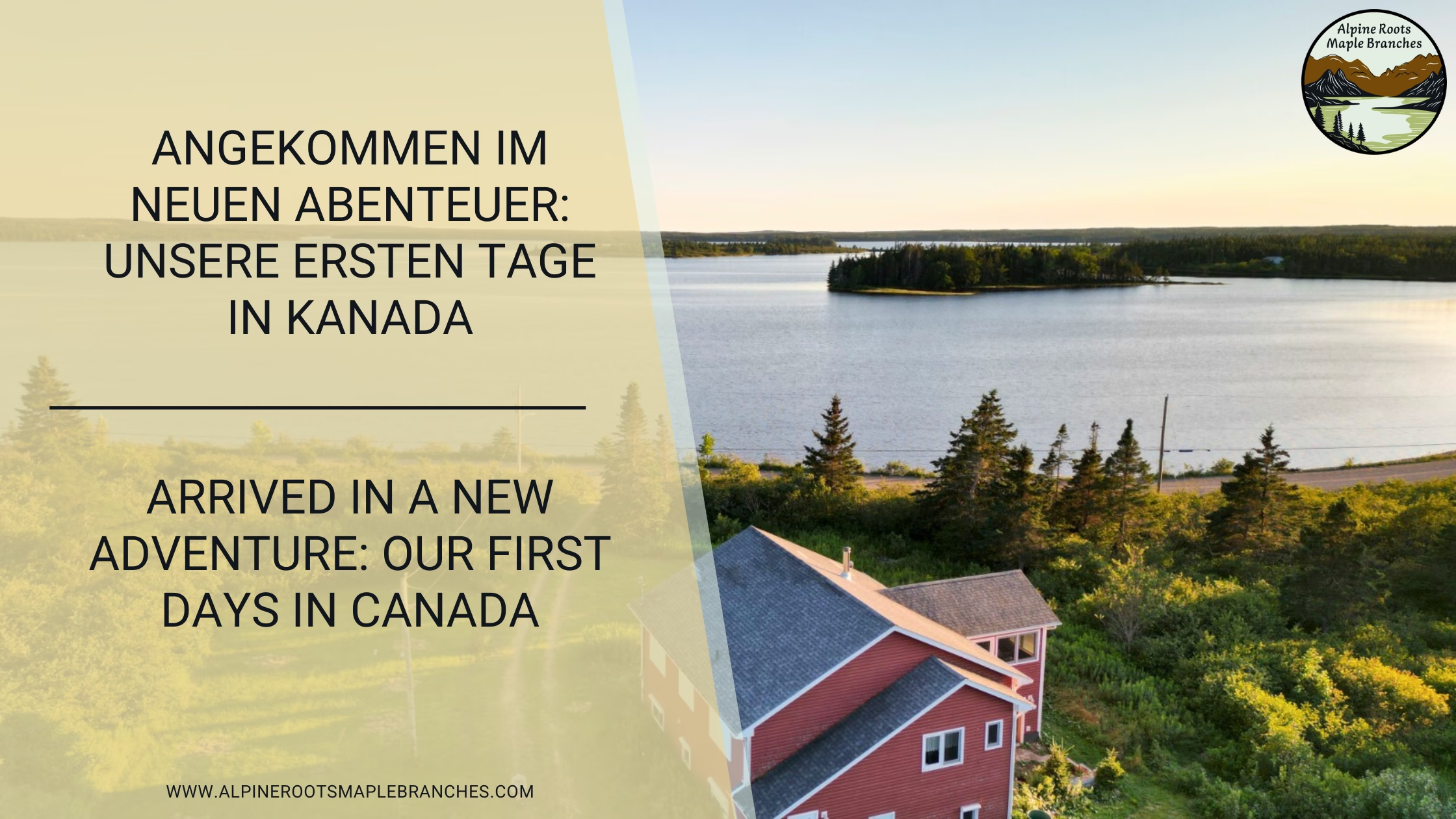
After a long journey, we’ve finally arrived in Canada and are now settled in the house we rented, which we had found earlier through our online networks. The house is located close to the property we purchased. Our German landlords, who own this vacation home, traveled here specifically to meet us in person and welcome us, which made us very happy.
However, after the long flight and extended car ride, it was clear we first needed a few hours of sleep and rest.
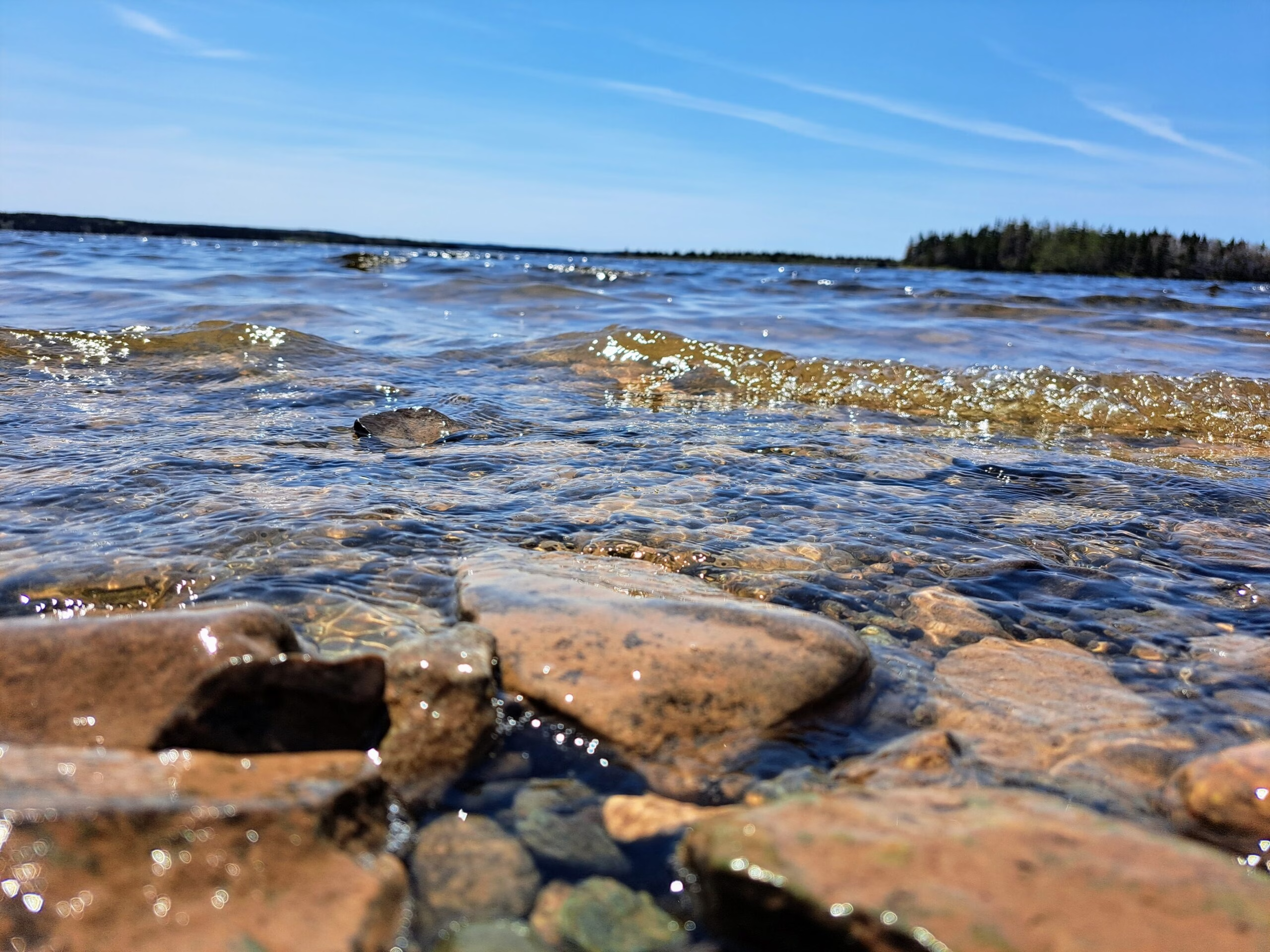
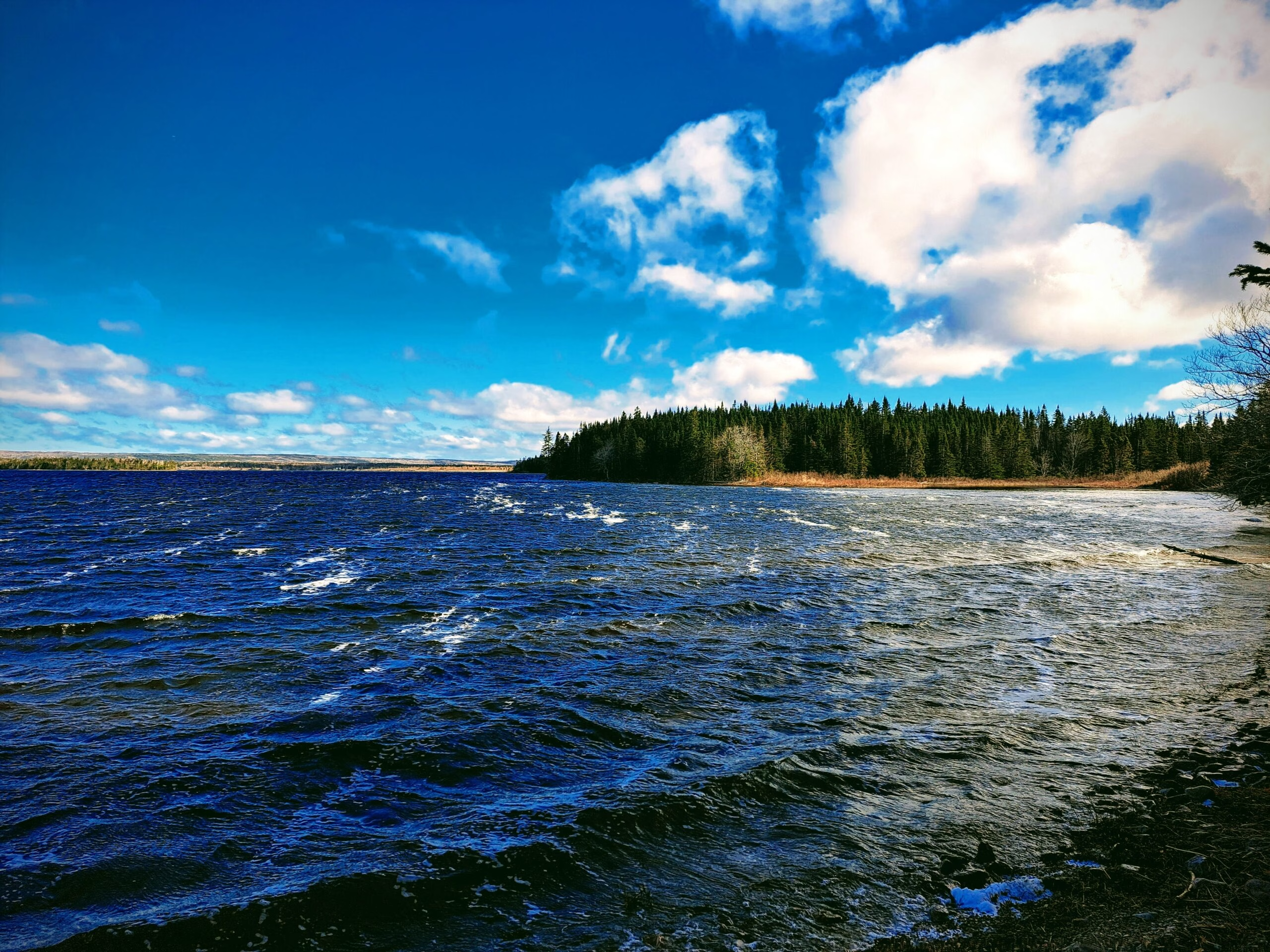
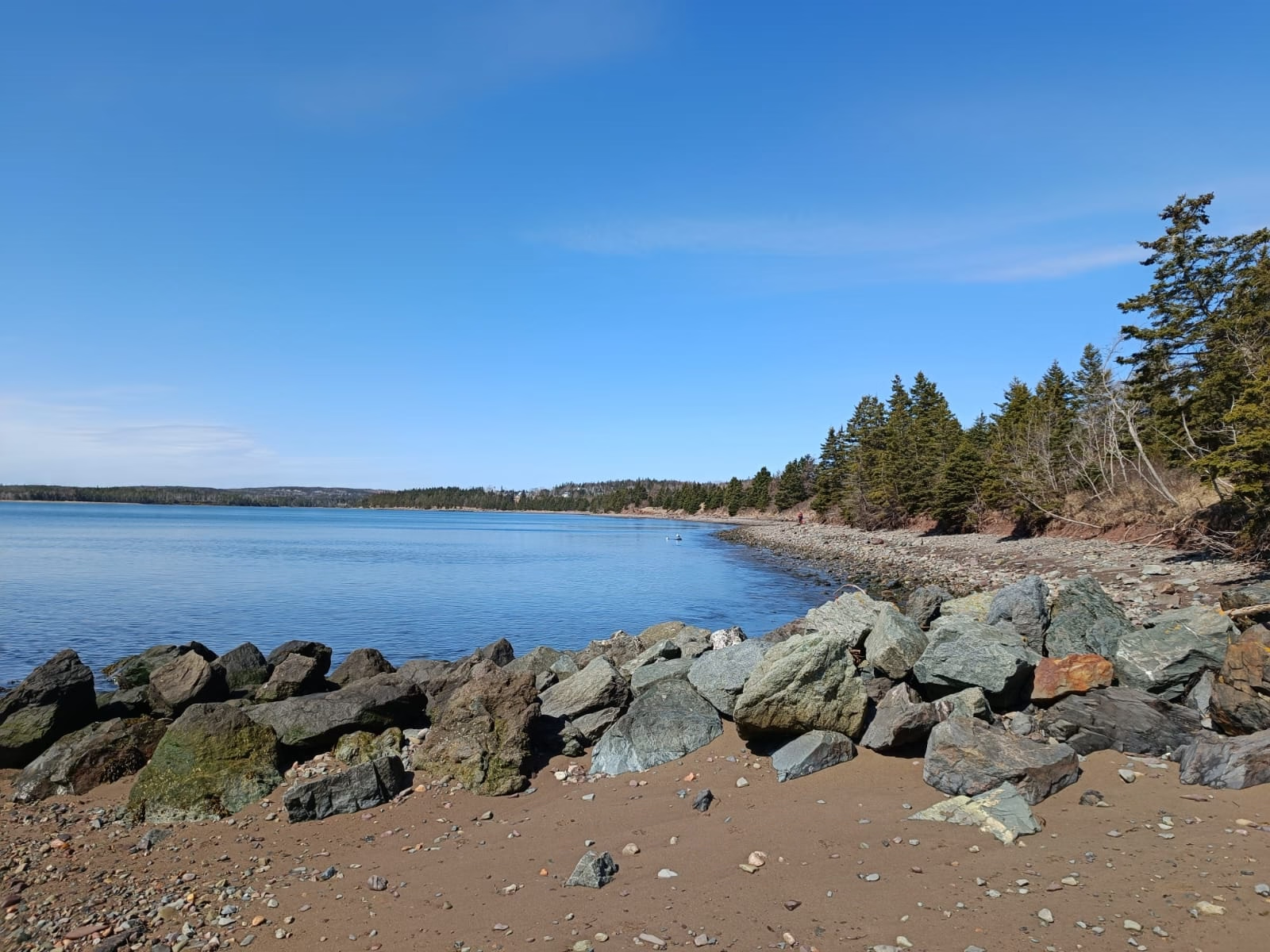
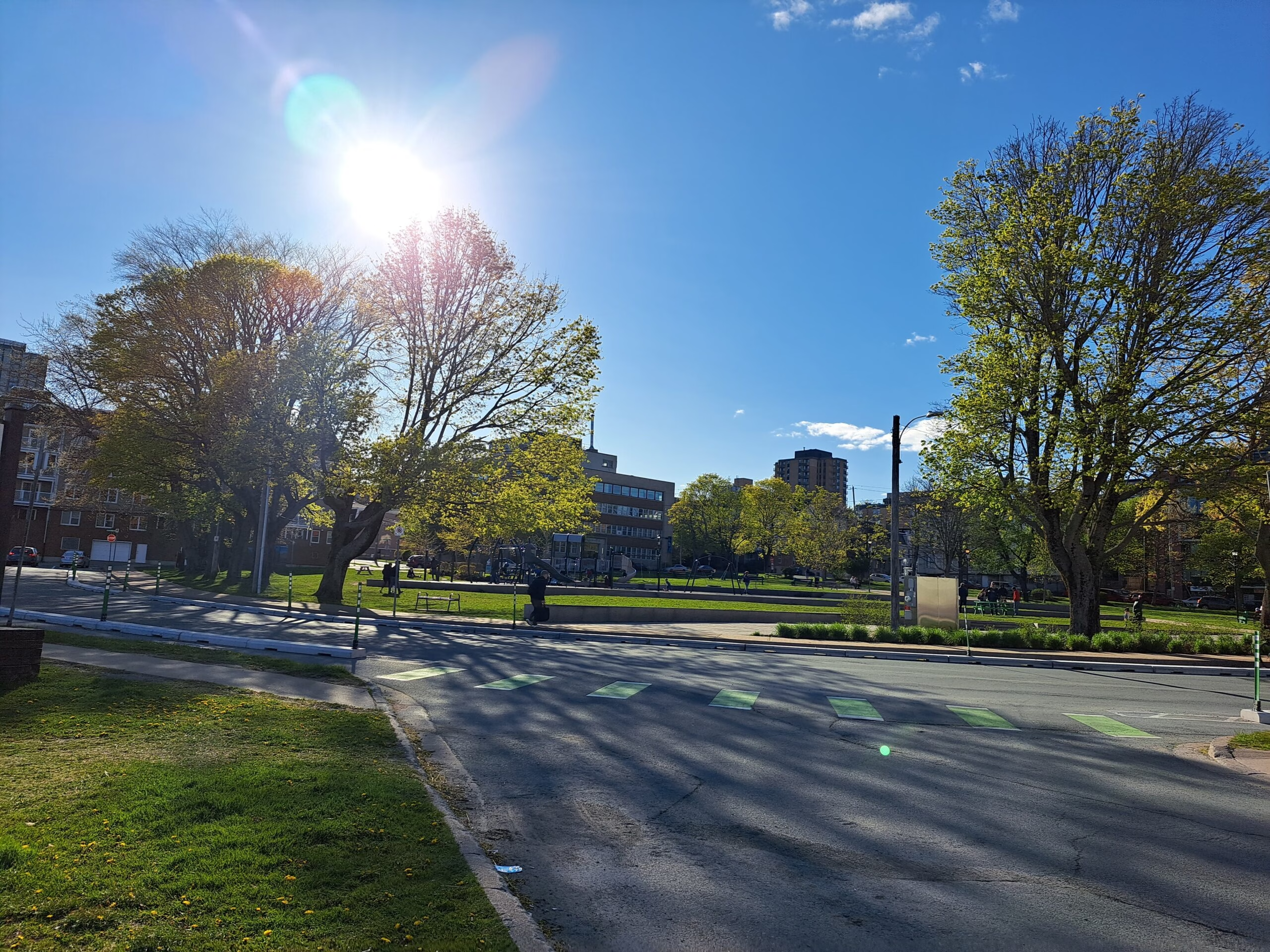
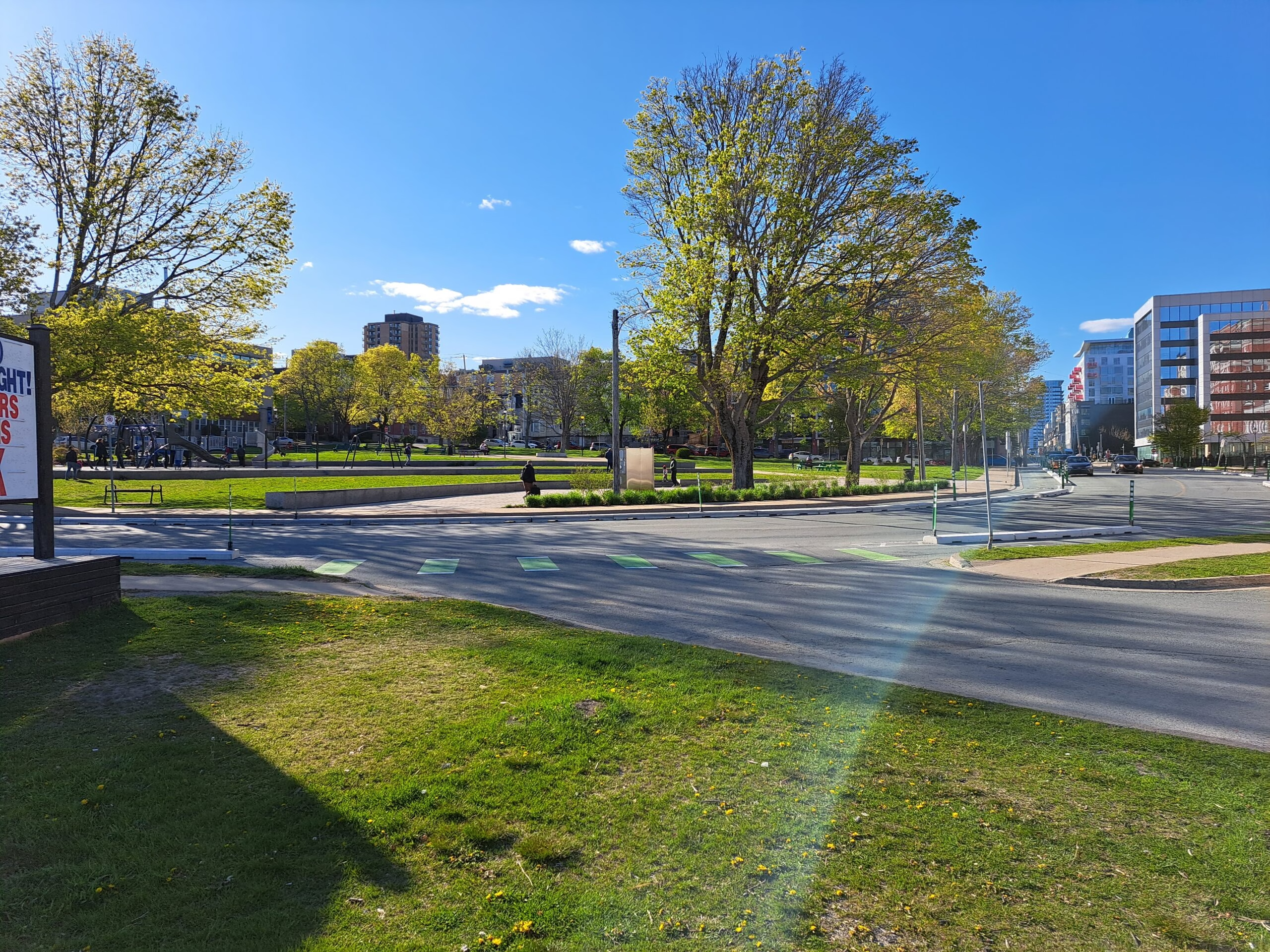
Our first impression of Canada was surprisingly warm. In mid-May 2023, we experienced an unusually warm spell with lots of sunshine and temperatures ranging between 25 and 35 degrees Celsius (77-95 Fahrenheit). In comparison, the average temperatures in May on Cape Breton are normally between 11 and 14 degrees Celsius (52-57 Fahrenheit) (Time and Date) (Current Results). We began to wonder if we had really arrived in Canada!
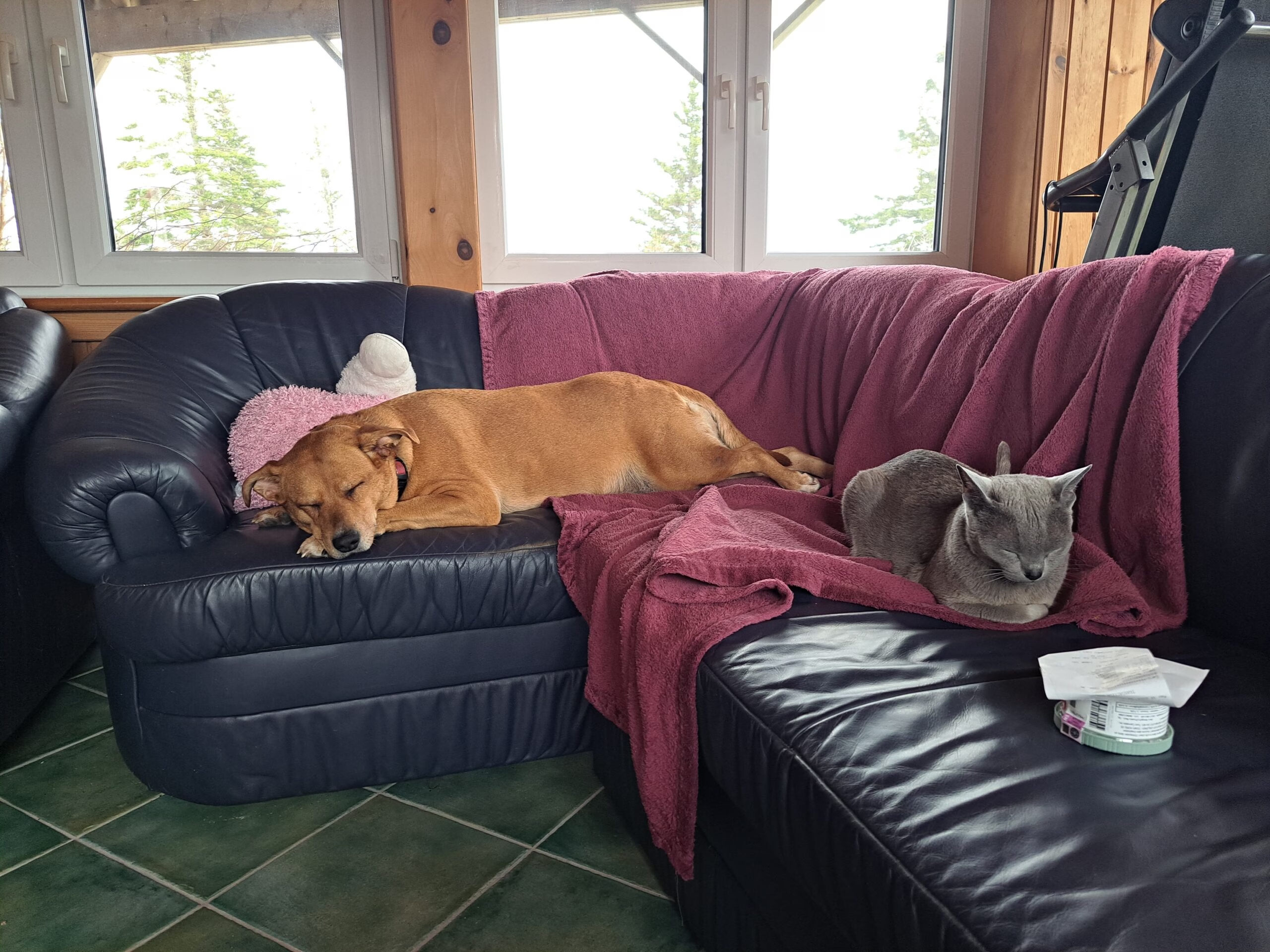
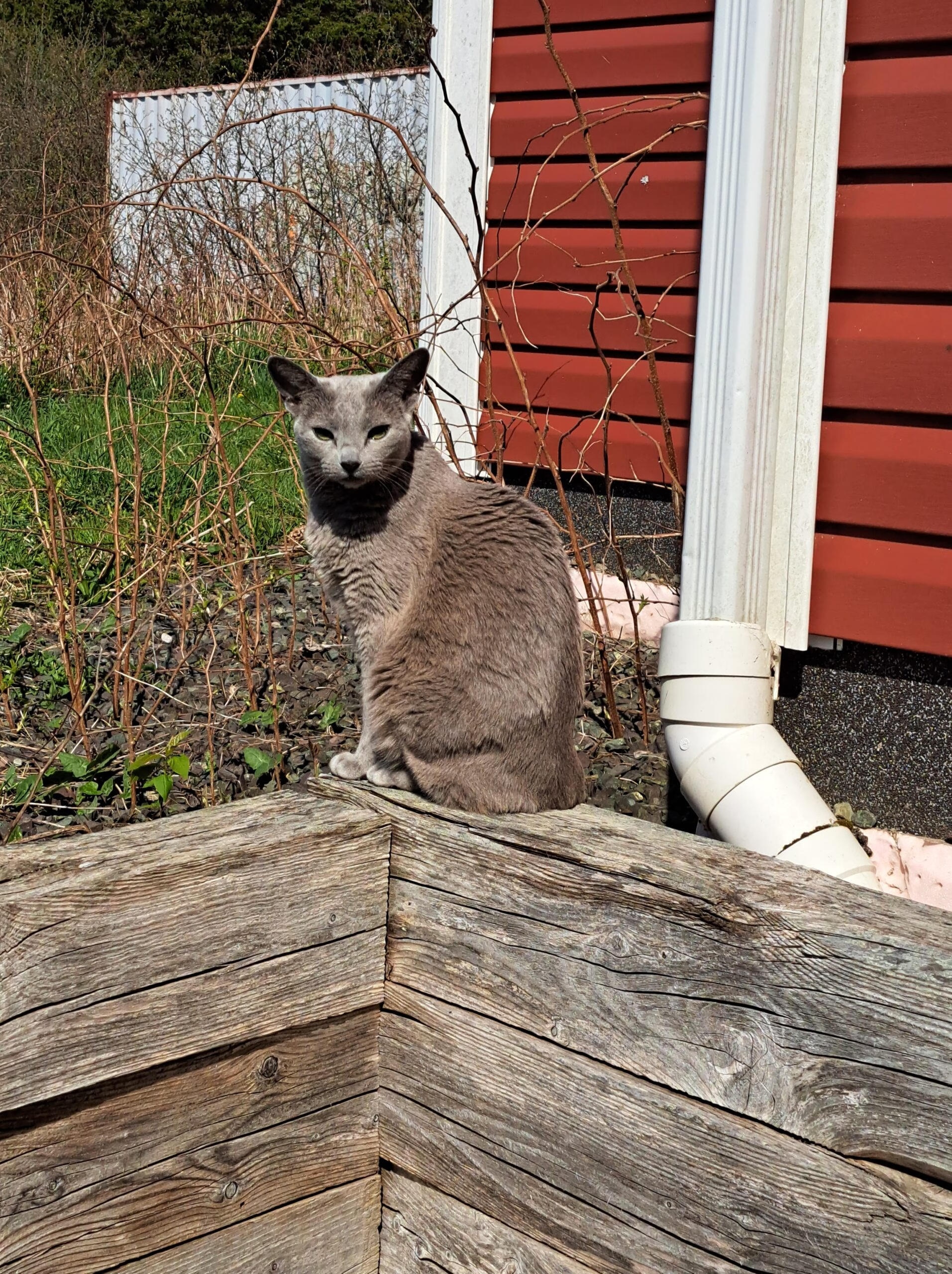
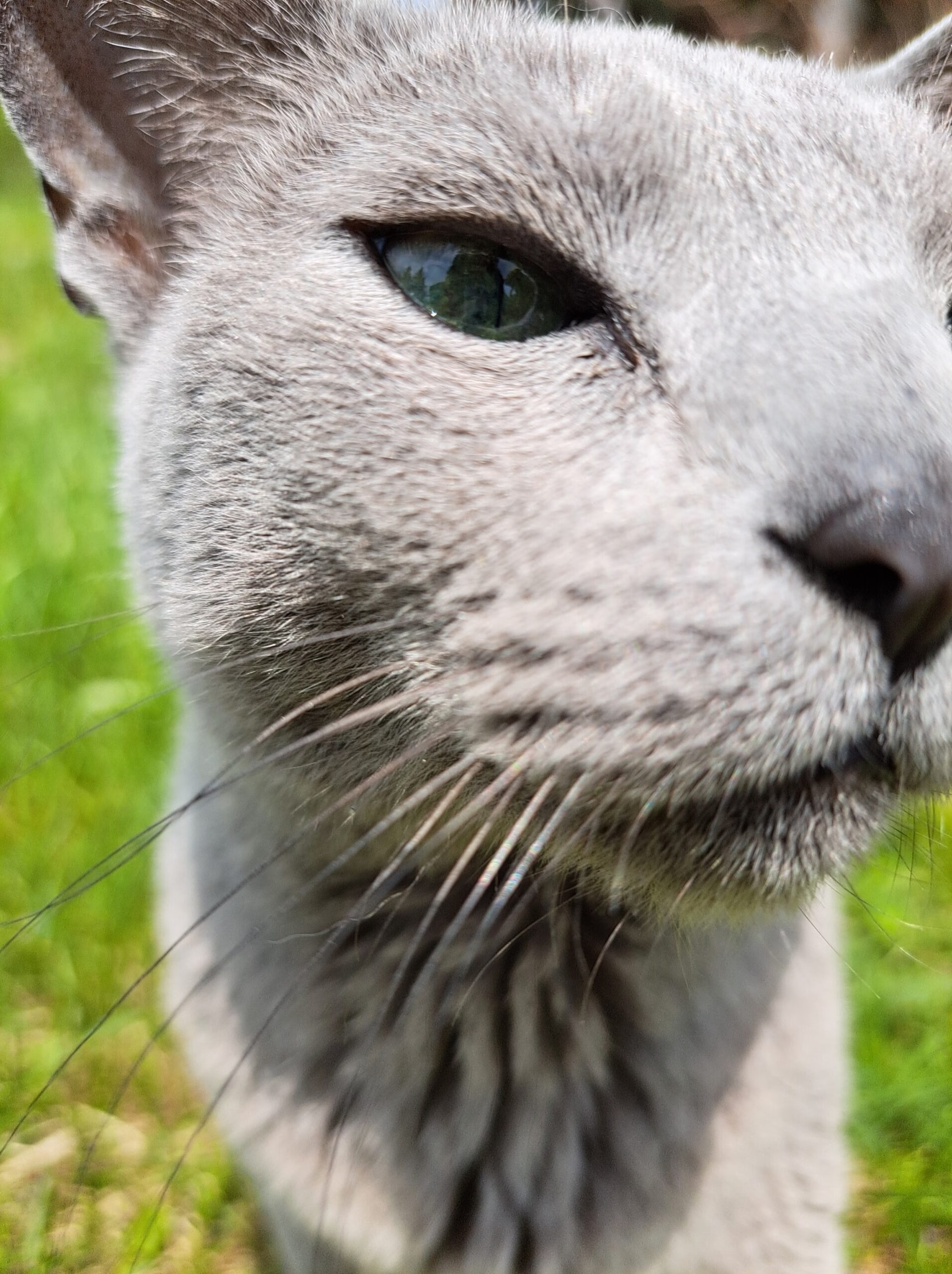
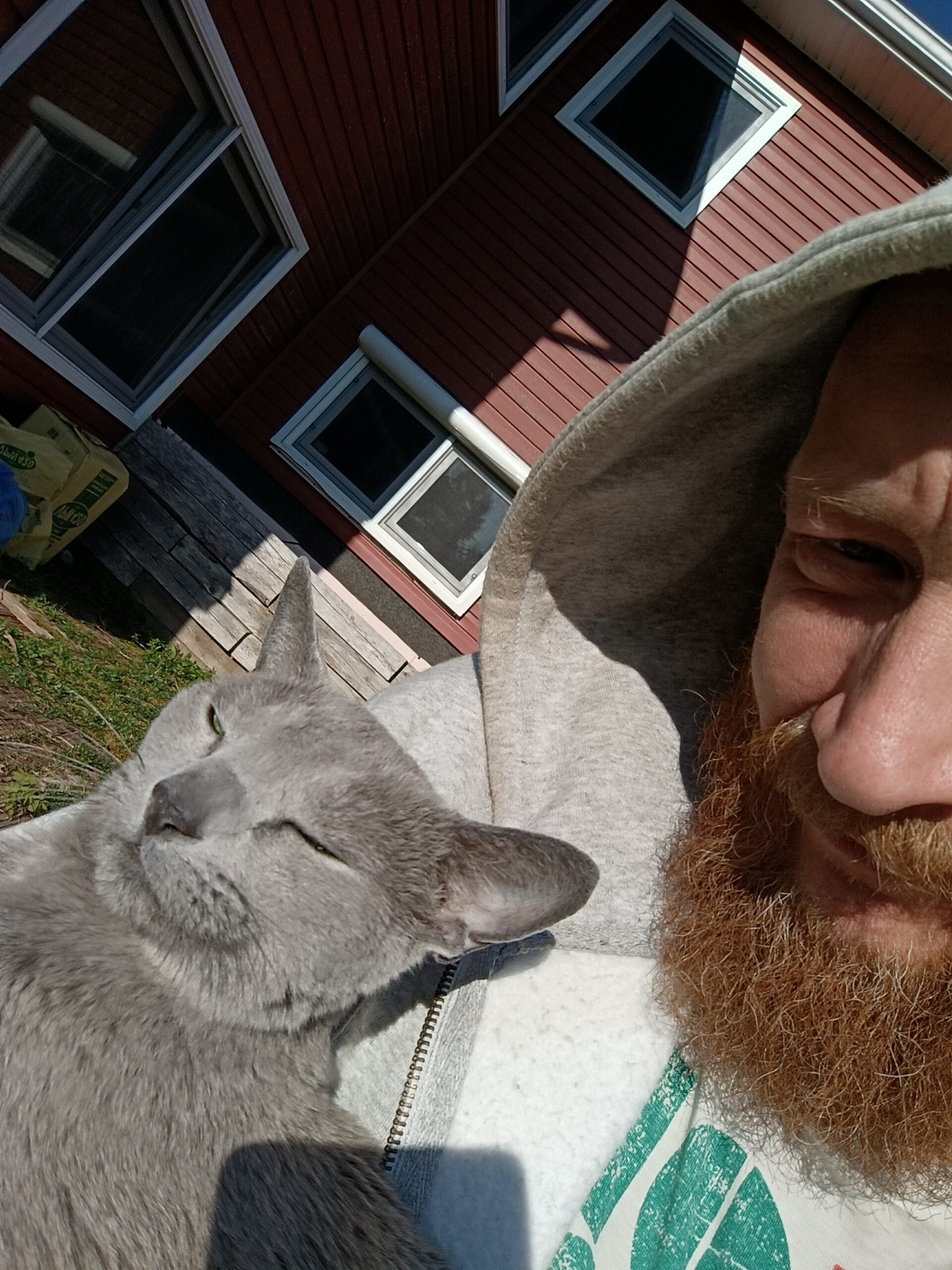
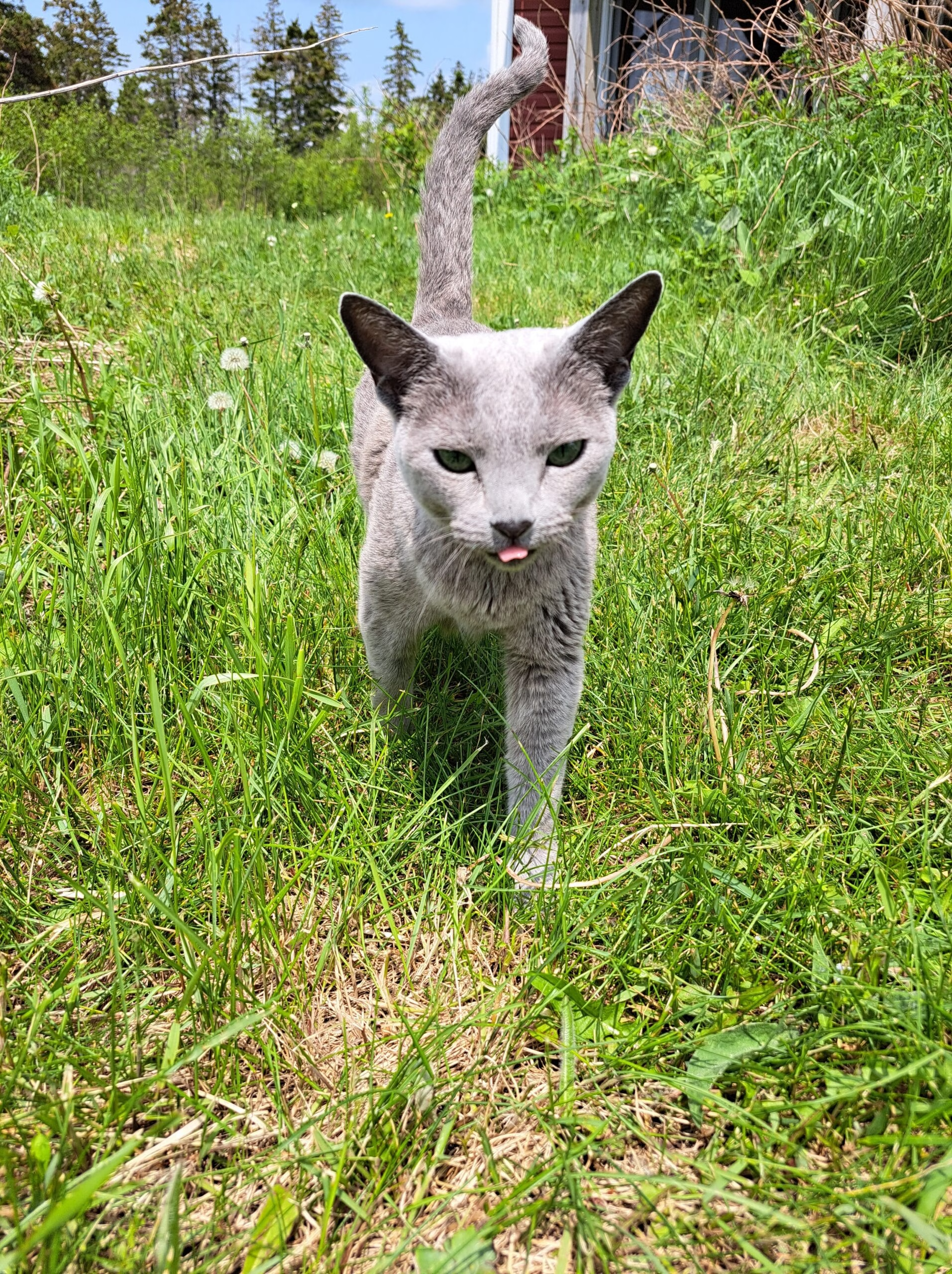
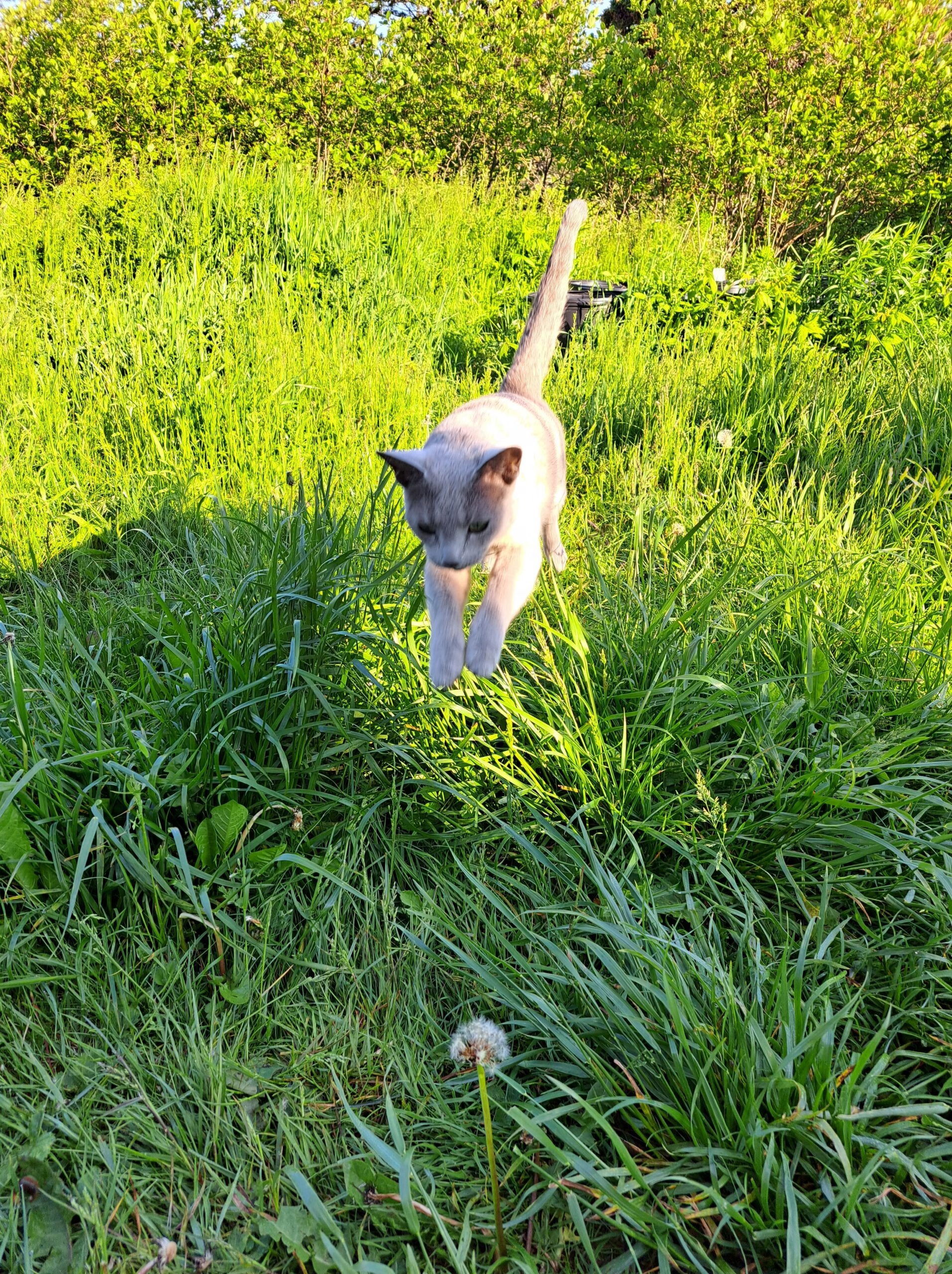
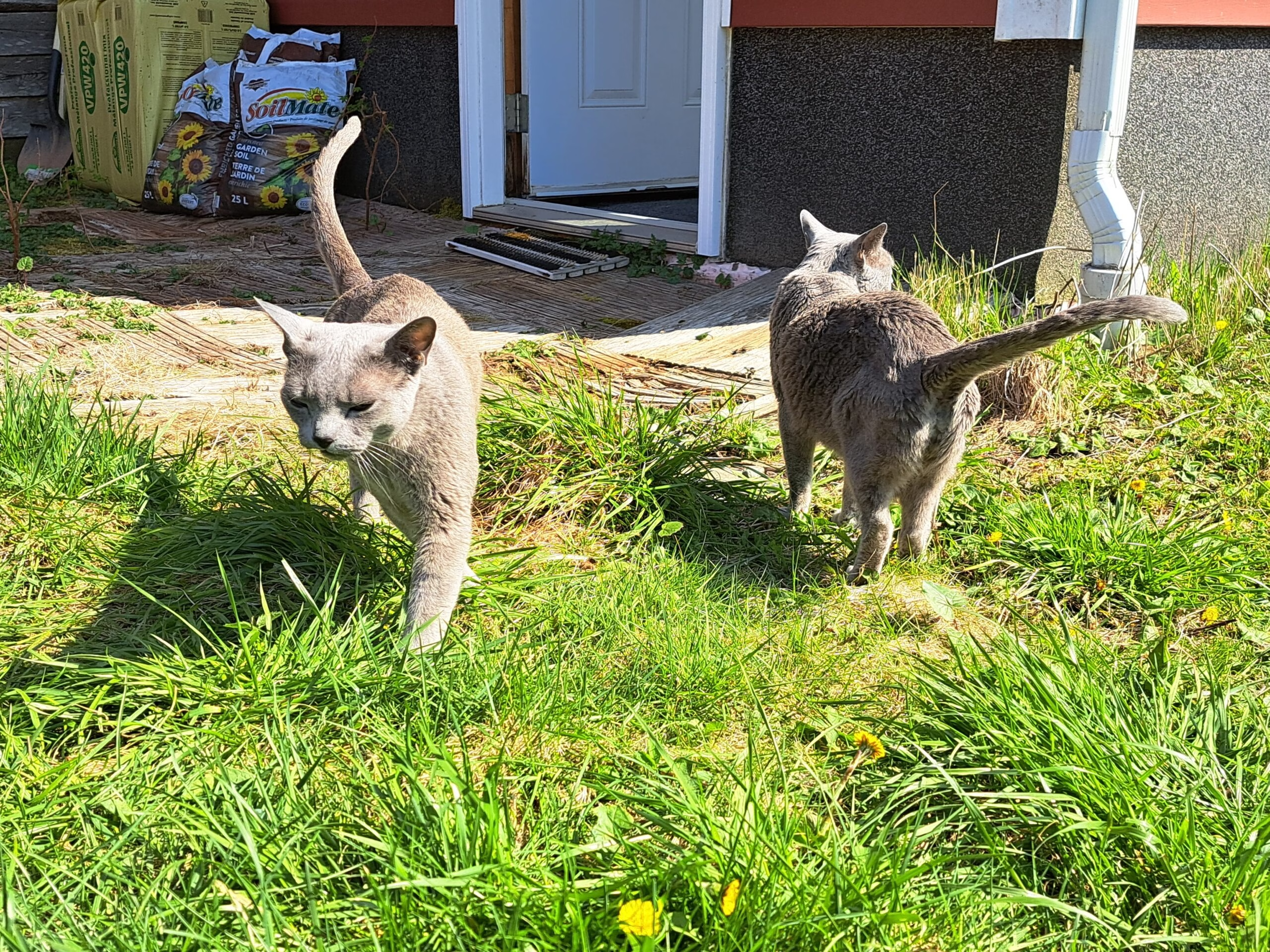
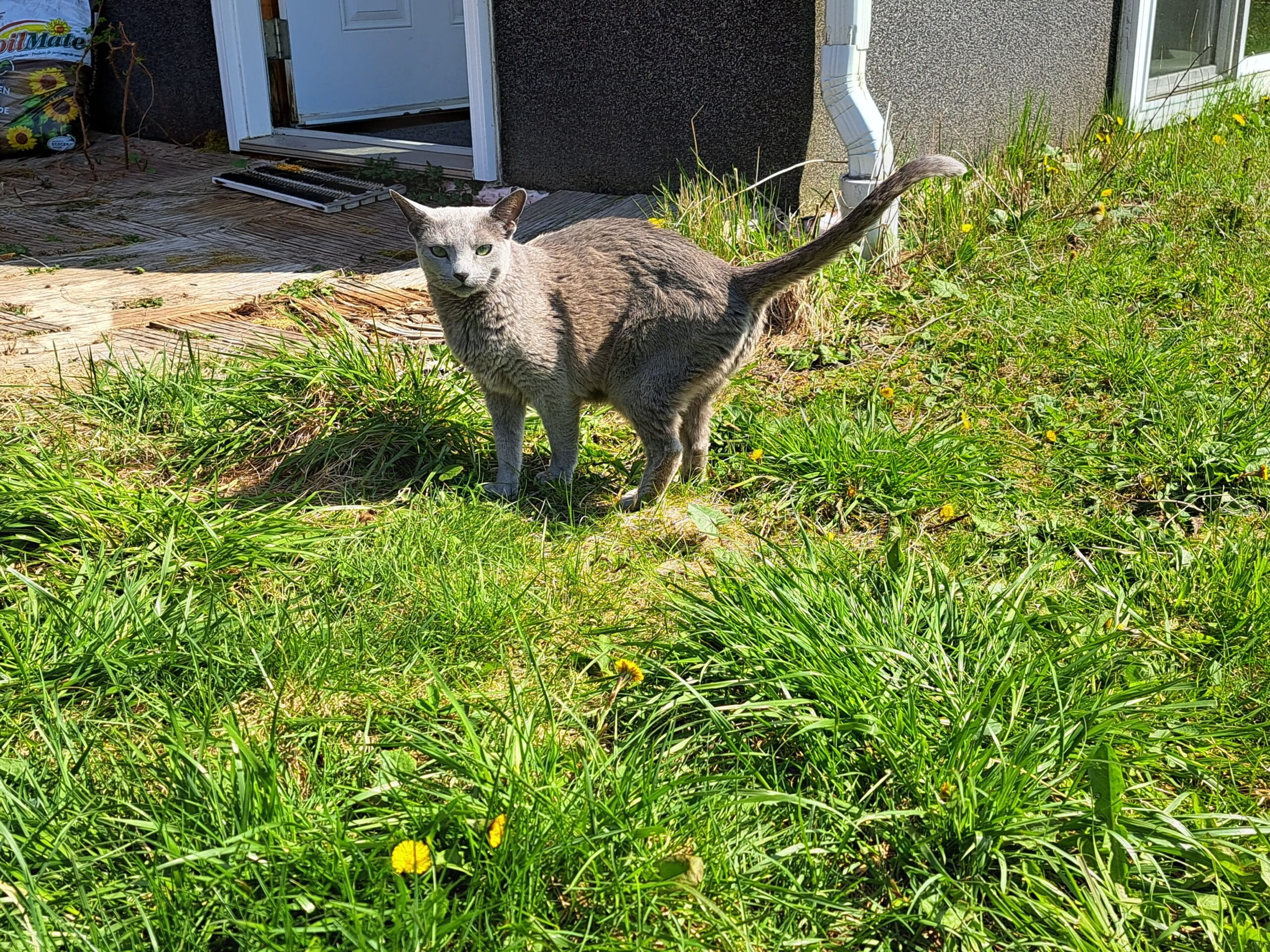
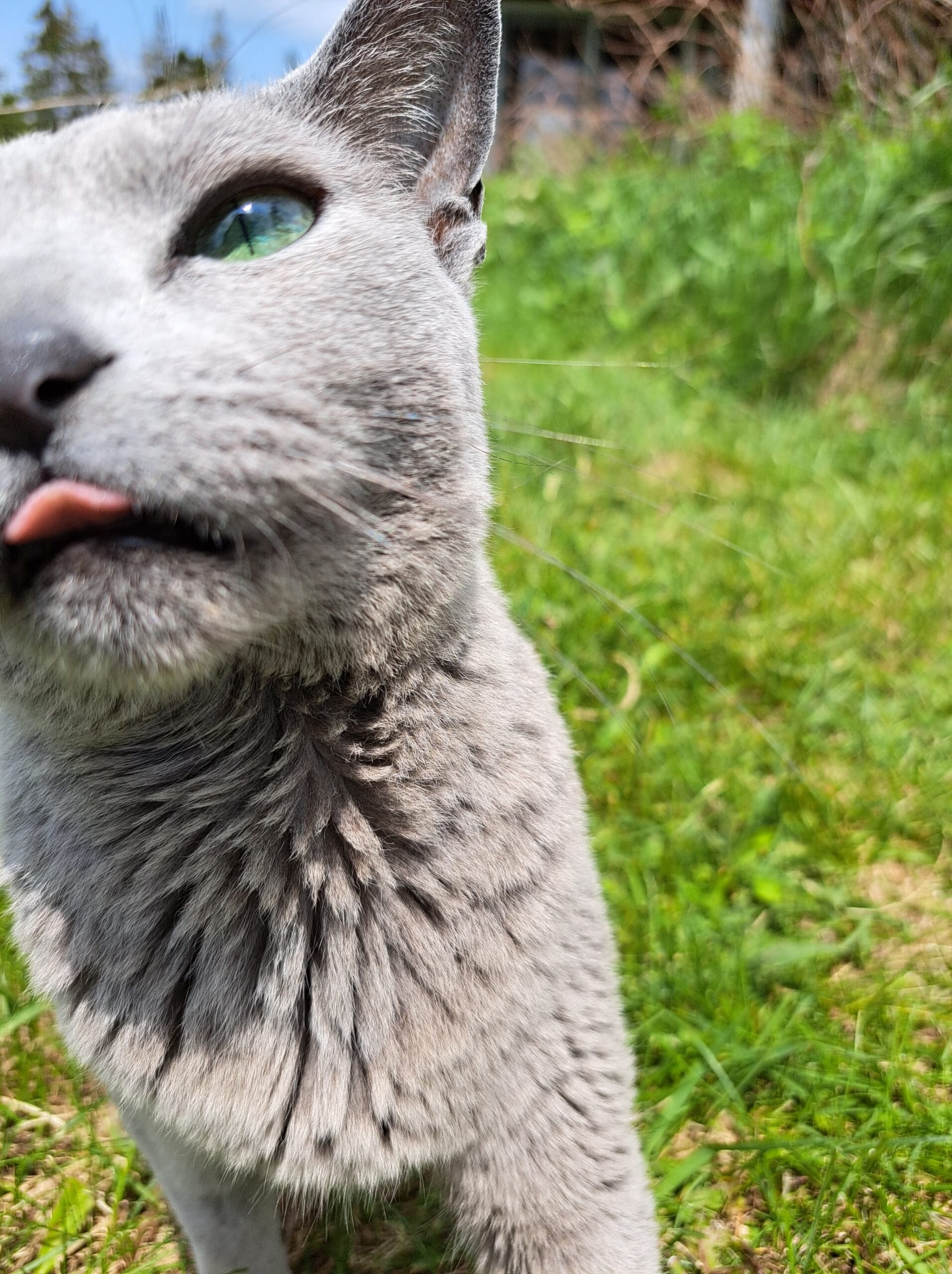
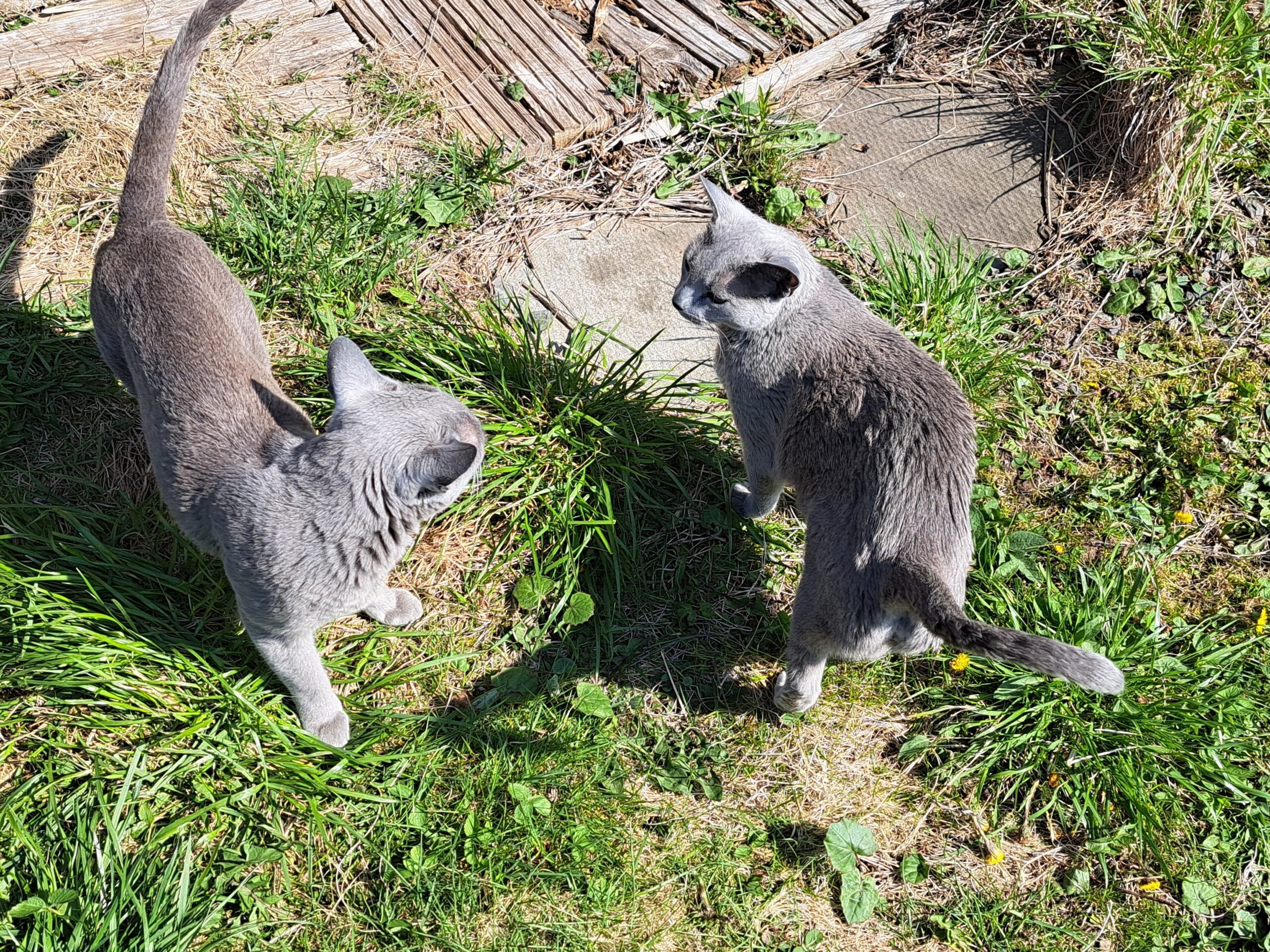
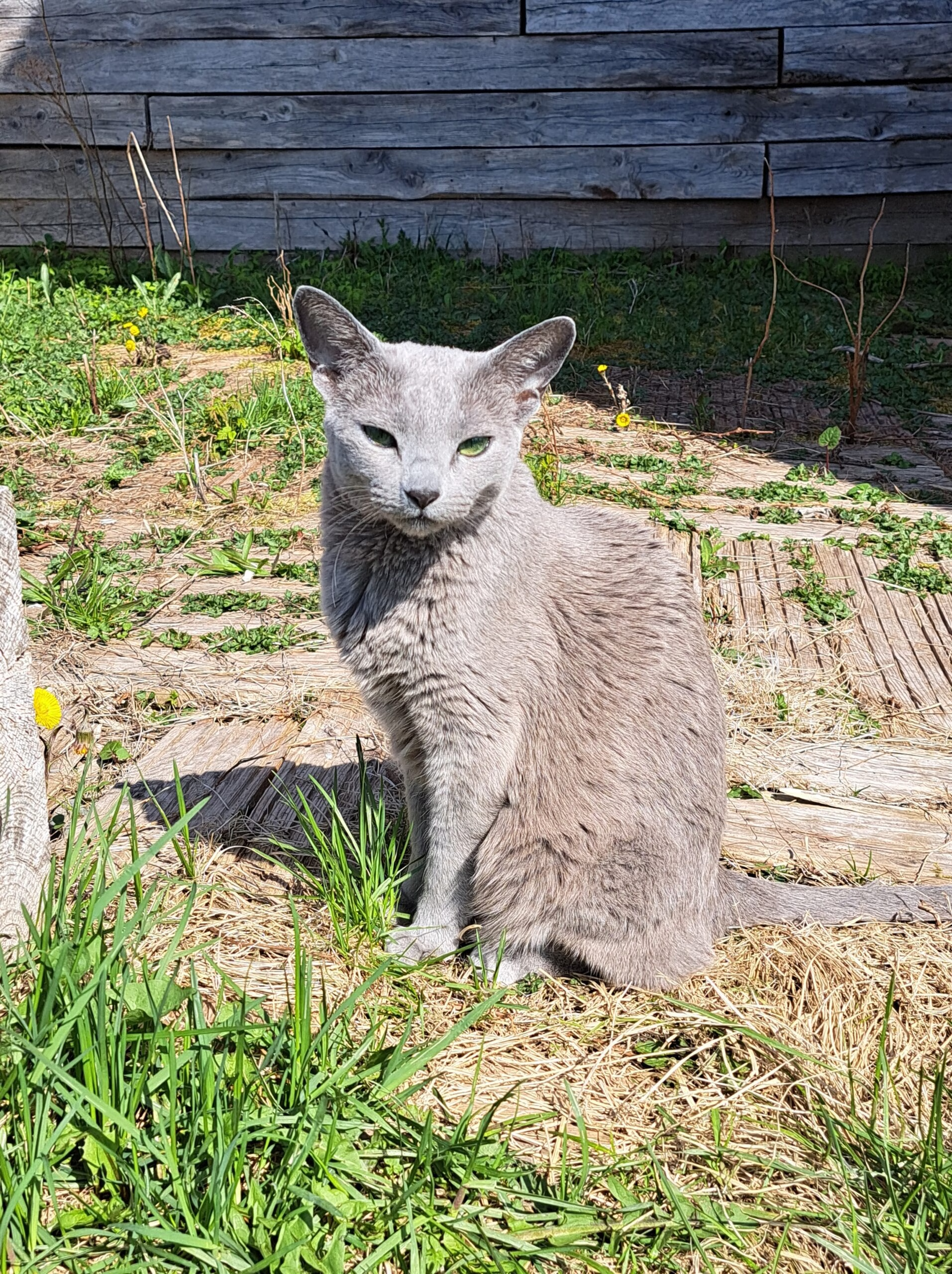
Our pets adjusted quickly to the new environment. However, the cats weren’t allowed outside for the first week, so they could get used to the new surroundings and not get lost. From the second week on, they gradually explored their new territory. First, just the doorstep, then a few centimeters beyond, and by the fifth day, they had begun exploring within a 20-meter radius.
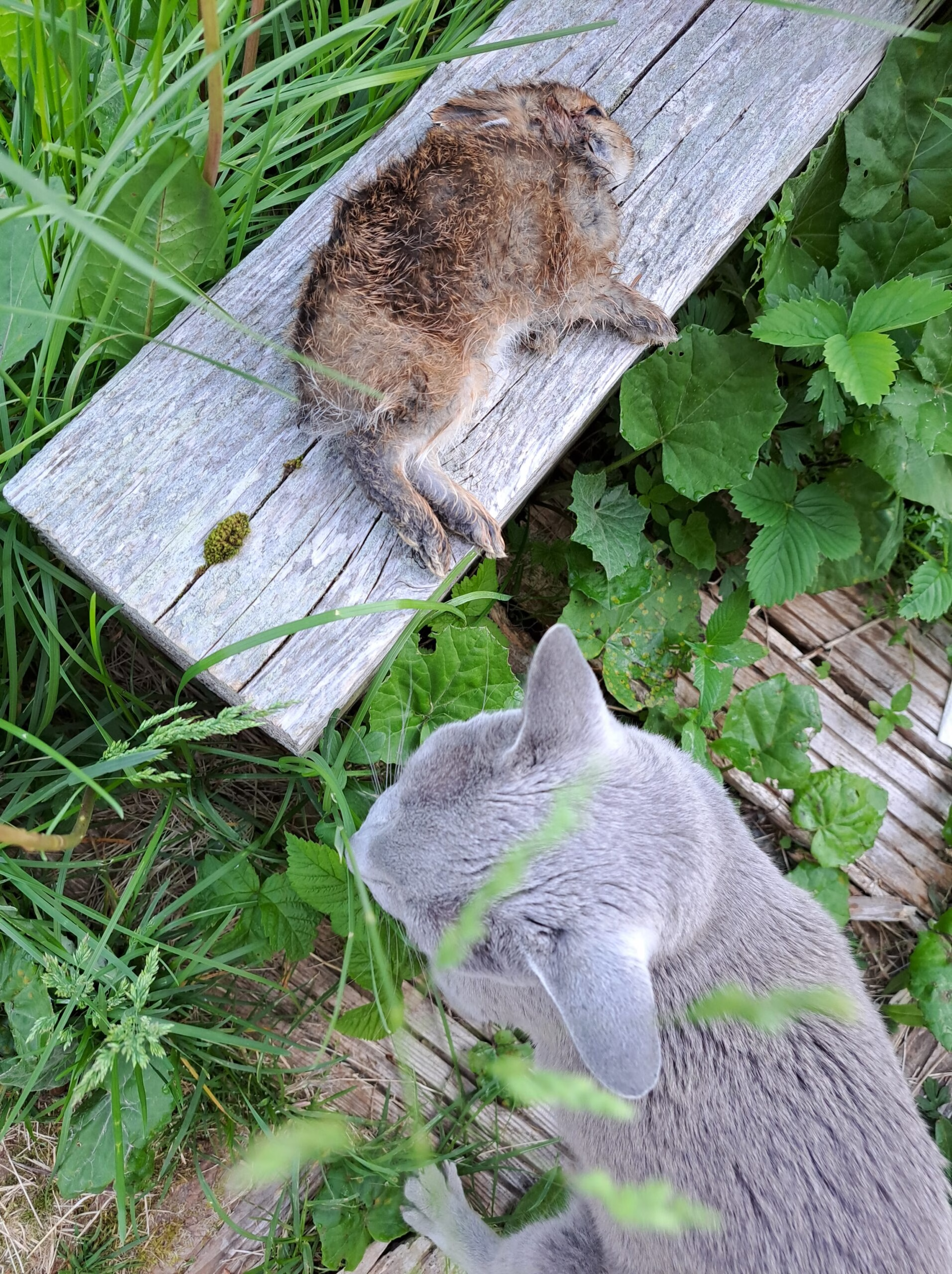
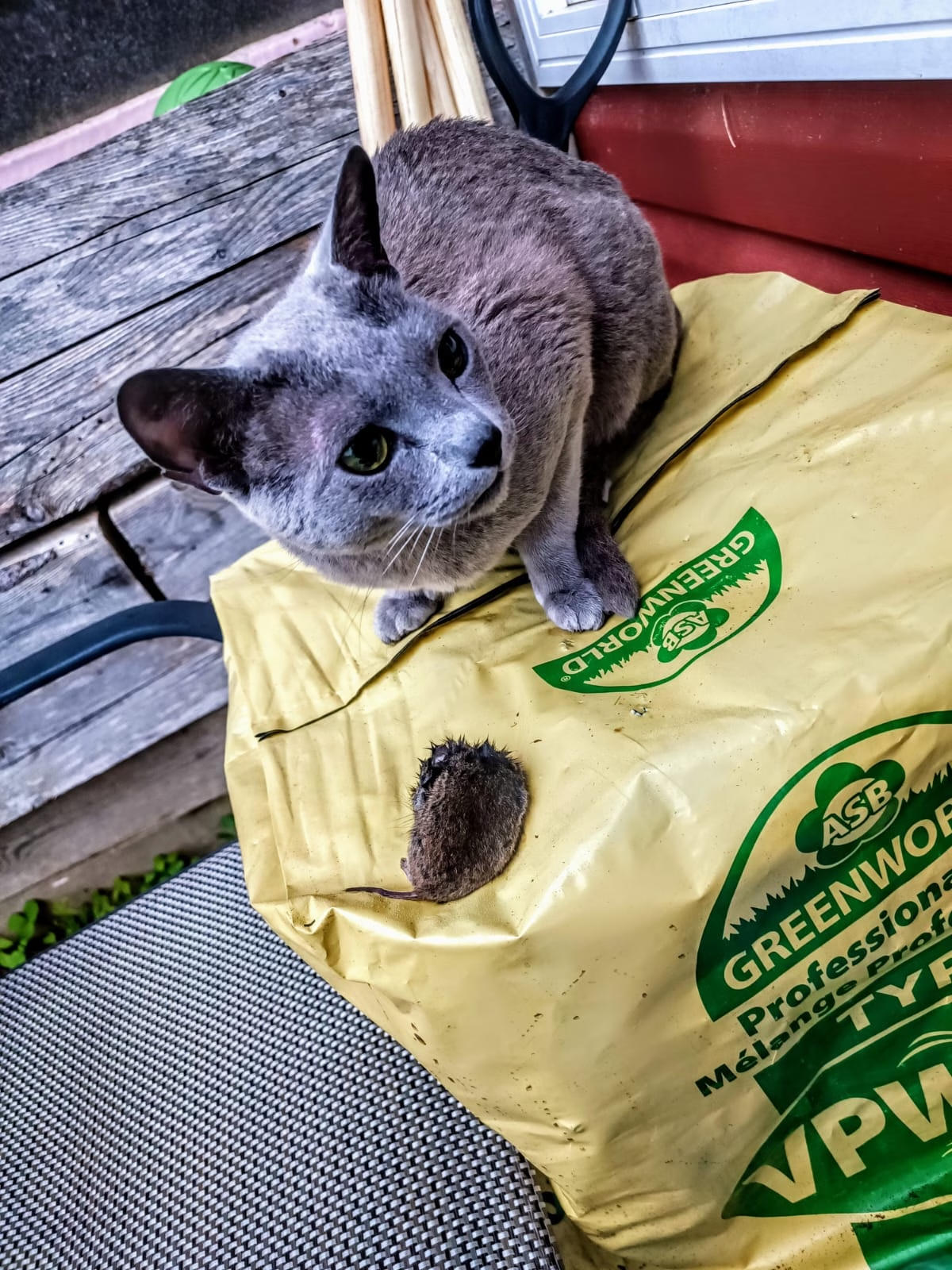
Much to the delight of our landlords, the first “catch” wasn’t far behind. They had been dealing with a mouse problem in the house, but after just two weeks, we can say that won’t be an issue anymore.
On the second day after our arrival, we had to make the trip to Halifax to return the rental car and pick up our pre-ordered car from the dealership. The dealership, which is now also our trusted auto repair shop, is in Port Hastings, the last town on Cape Breton before you head to mainland Nova Scotia. The temporary registration sticker in the windshield, issued by the dealership, allows you to drive for up to one month.
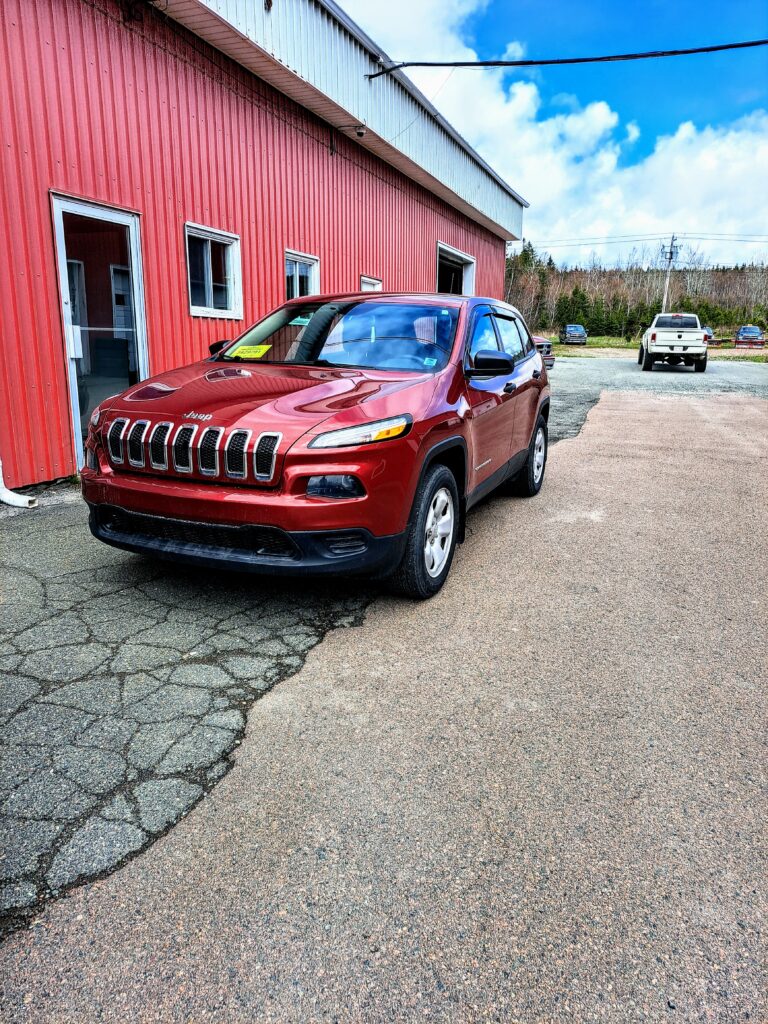
And yes, if you look closely, you’ll see there’s no front license plate holder. To our surprise (and not the only one), license plates are only placed on the back of the car.
We faced an unpleasant surprise when registering for insurance: although we had been continuously insured in Austria, the first insurance company we approached did not accept this. In Canada, insurance covers the person(s), not the car, unlike in Austria. The insurance agent, recommended by our car dealer, unfortunately had no policy that recognized Austrian data. To avoid disrupting all our plans, we signed a six-month insurance policy and used this time to research more thoroughly. Unfortunately, we found that the information we had from Austria and our networks was no longer accurate or only happened to be correct by chance. Not all insurance companies accept foreign driving histories, even if they can be verified in English. As a result, we had to pay the full cost of car insurance, which, at 3,000 CAD for six months, was significantly higher than expected.
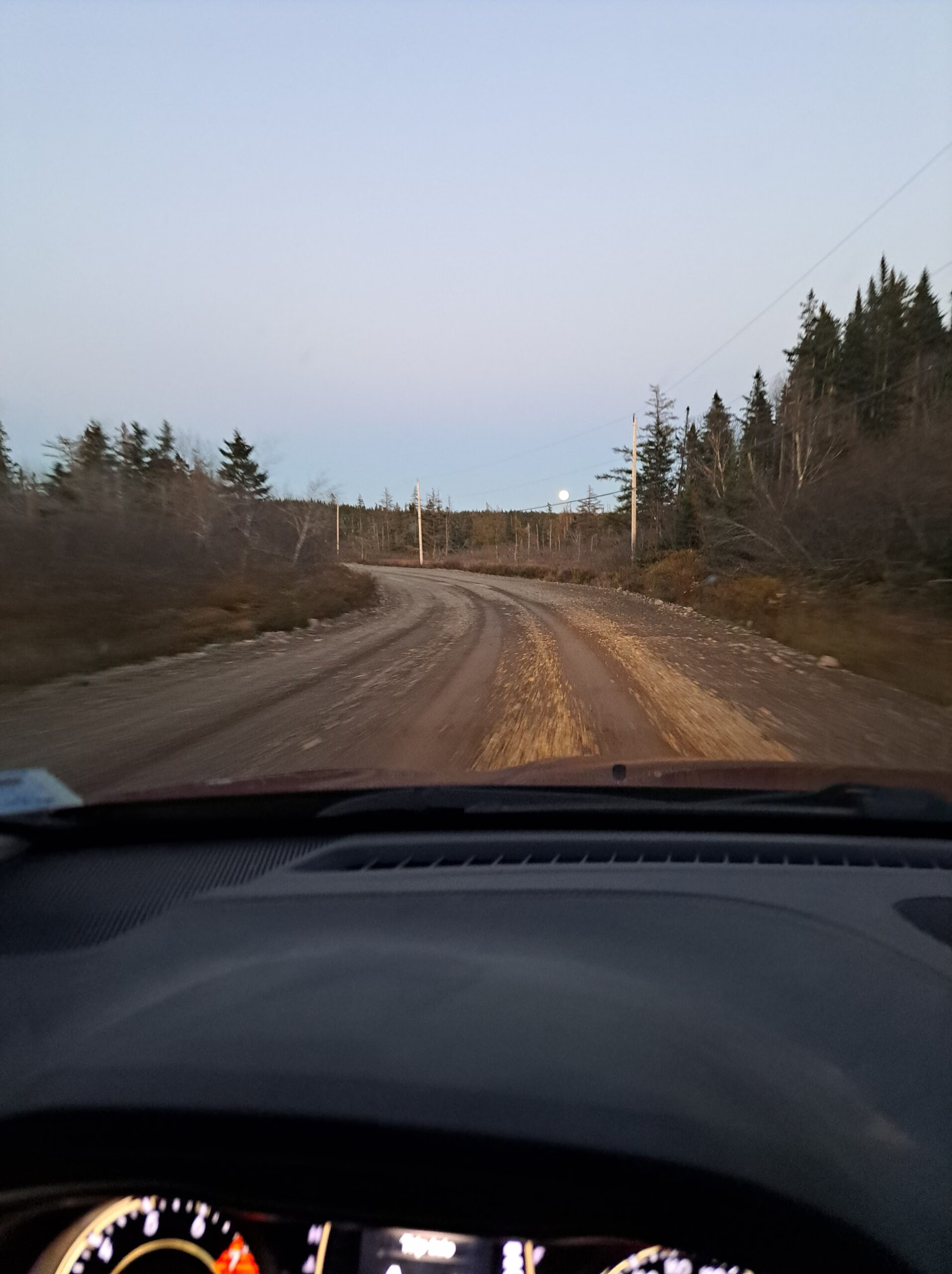
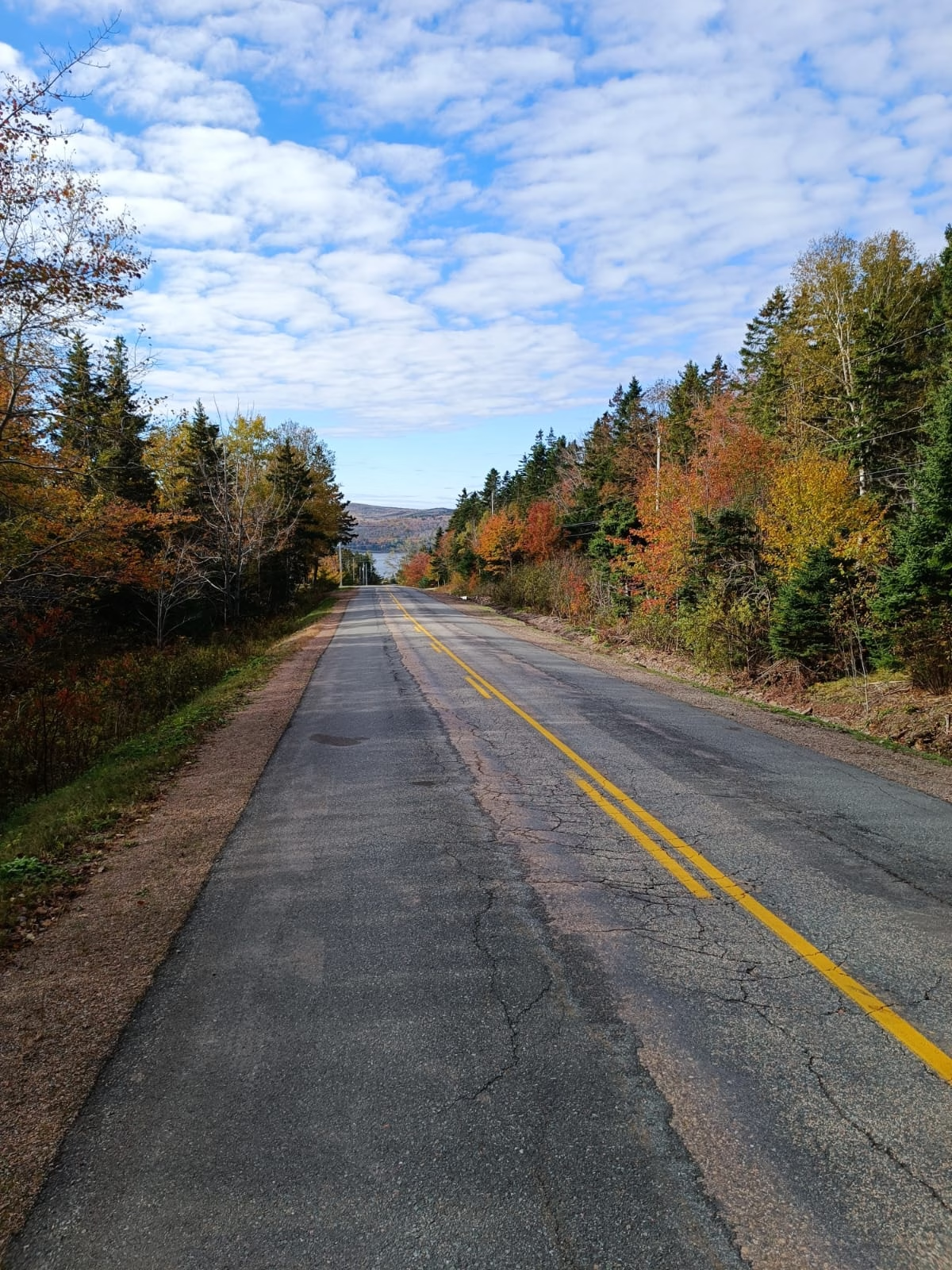
The drive to Halifax, which took almost four hours, was long but uncomplicated. Diana, now fully recovered from the flight, returned to her old car-loving self. In Cape Breton and likely other parts of Canada, it’s common not to pave all roads. Only highways, main roads, and streets in cities are paved. Otherwise, there are what’s called “roads,” which are gravel roads. However, unlike in Austria, these roads are not narrow and nearly impassable but can be up to four lanes wide. They are maintained several times a year to repair any potholes.
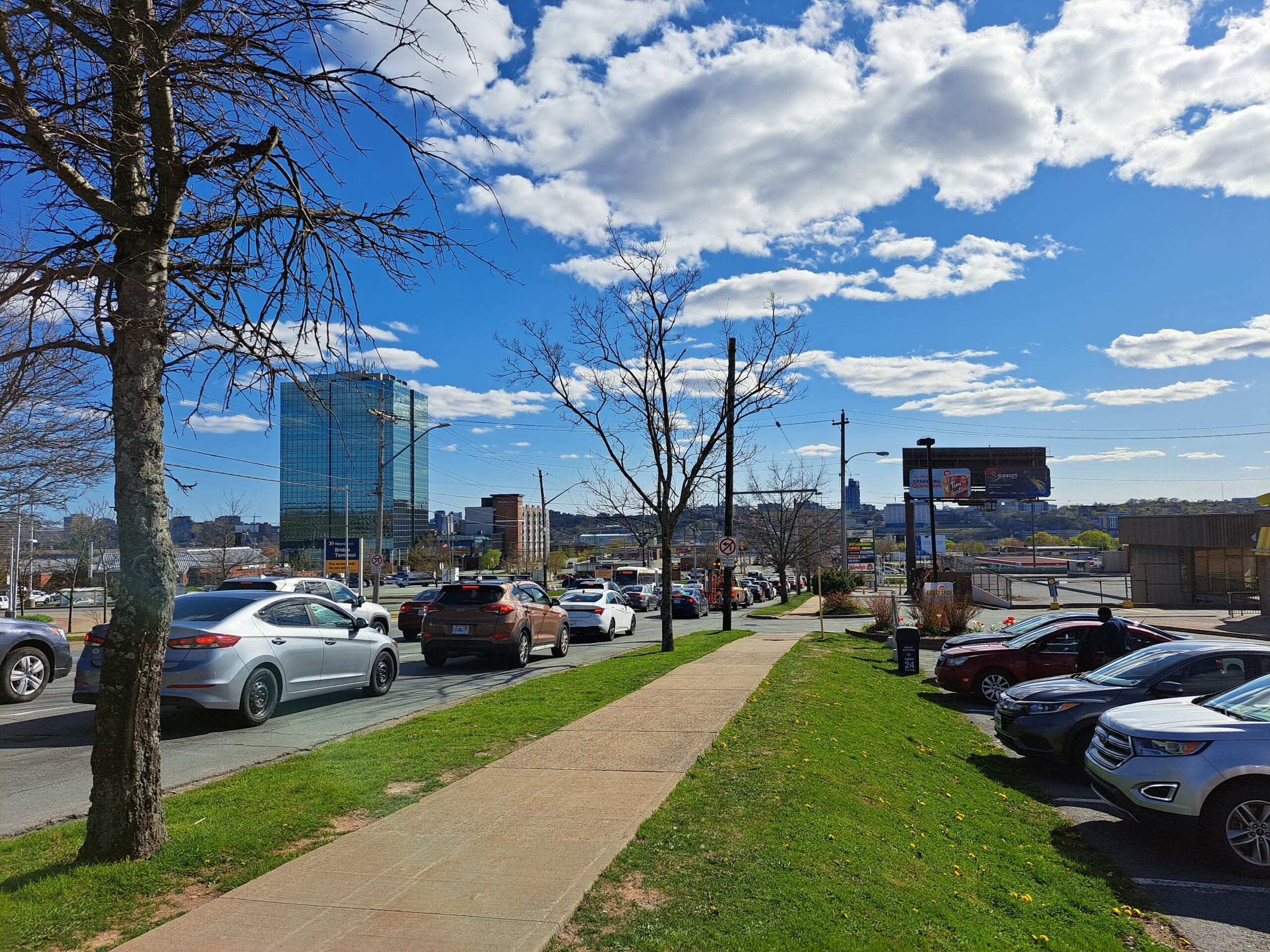
In Halifax, we experienced the incredible kindness of Canadians. Due to our exhaustion and the stress from Diana’s disappearance at the airport, which caused us to be delayed, we had forgotten to exchange Euros for CAD. However, to enter Halifax via the Angus L. Macdonald Bridge, you need to pay a small toll. Since we had chosen the one lane where you could only pay in cash, the toll officer was kind enough to let us pass for free. Later, when our search for an ATM in Halifax was unsuccessful, a Canadian approached us in a hotel parking lot and explained that you can only exchange money at a bank. Since it was too late to do so, he generously handed us the money for the return trip across the bridge, chatted with us briefly about Austria, and then went on his way.
The drive home in our new car was pleasant and problem-free. Now that all the urgent and costly tasks were taken care of, we had two full weeks of pure vacation ahead of us.
Your Thoughts?
Would you like to hear more about our adventure in Canada? Subscribe to our blog and follow us on Instagram so you don’t miss any updates! Feel free to leave your questions and suggestions in the comments. We look forward to hearing from you!
Become part of our community on this exciting journey towards self-sufficiency and permaculture. Together, we can learn, grow, and achieve our dreams!