A Day at Michaud Beach: Sea, Wind, and Adventure

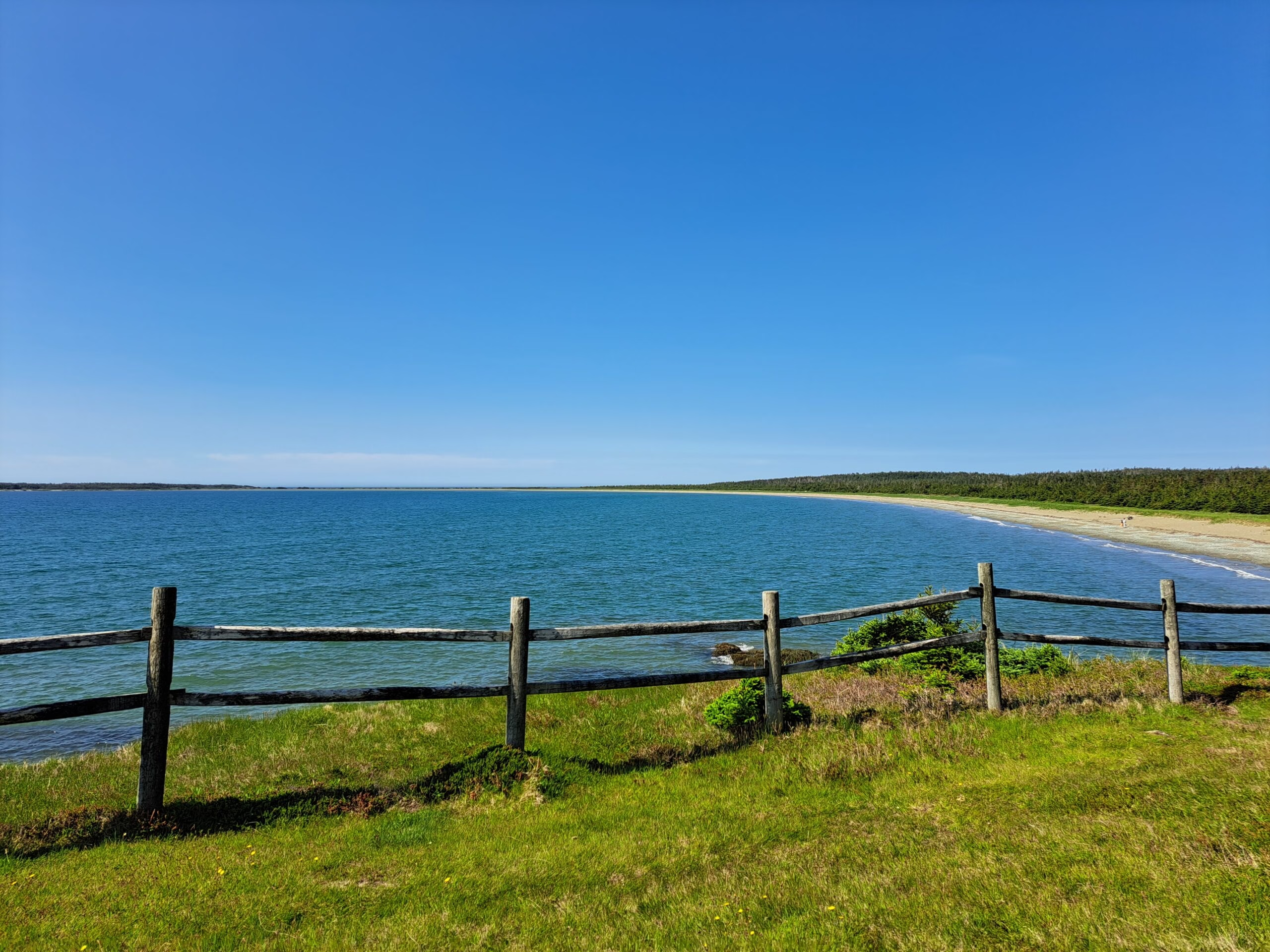
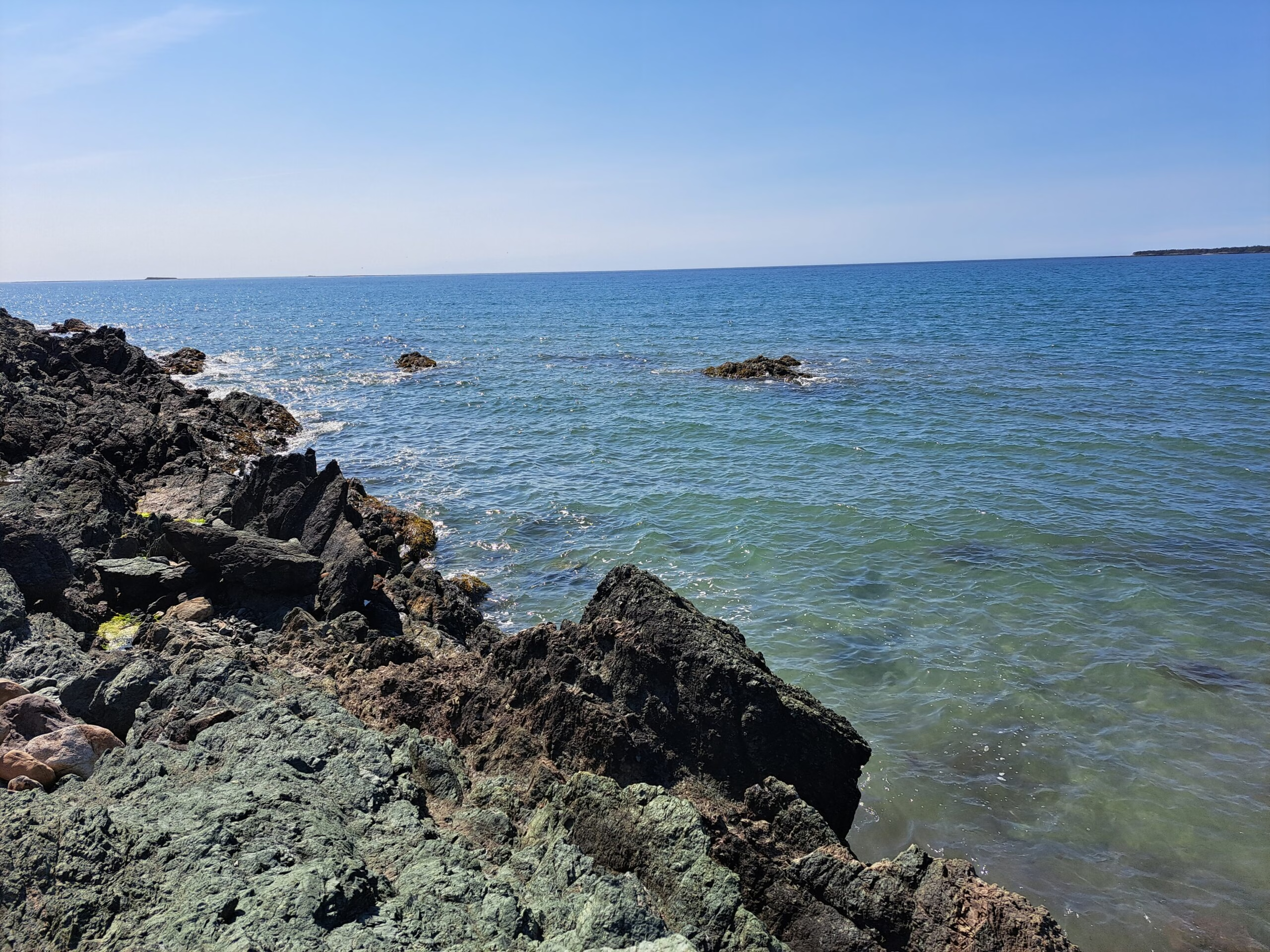
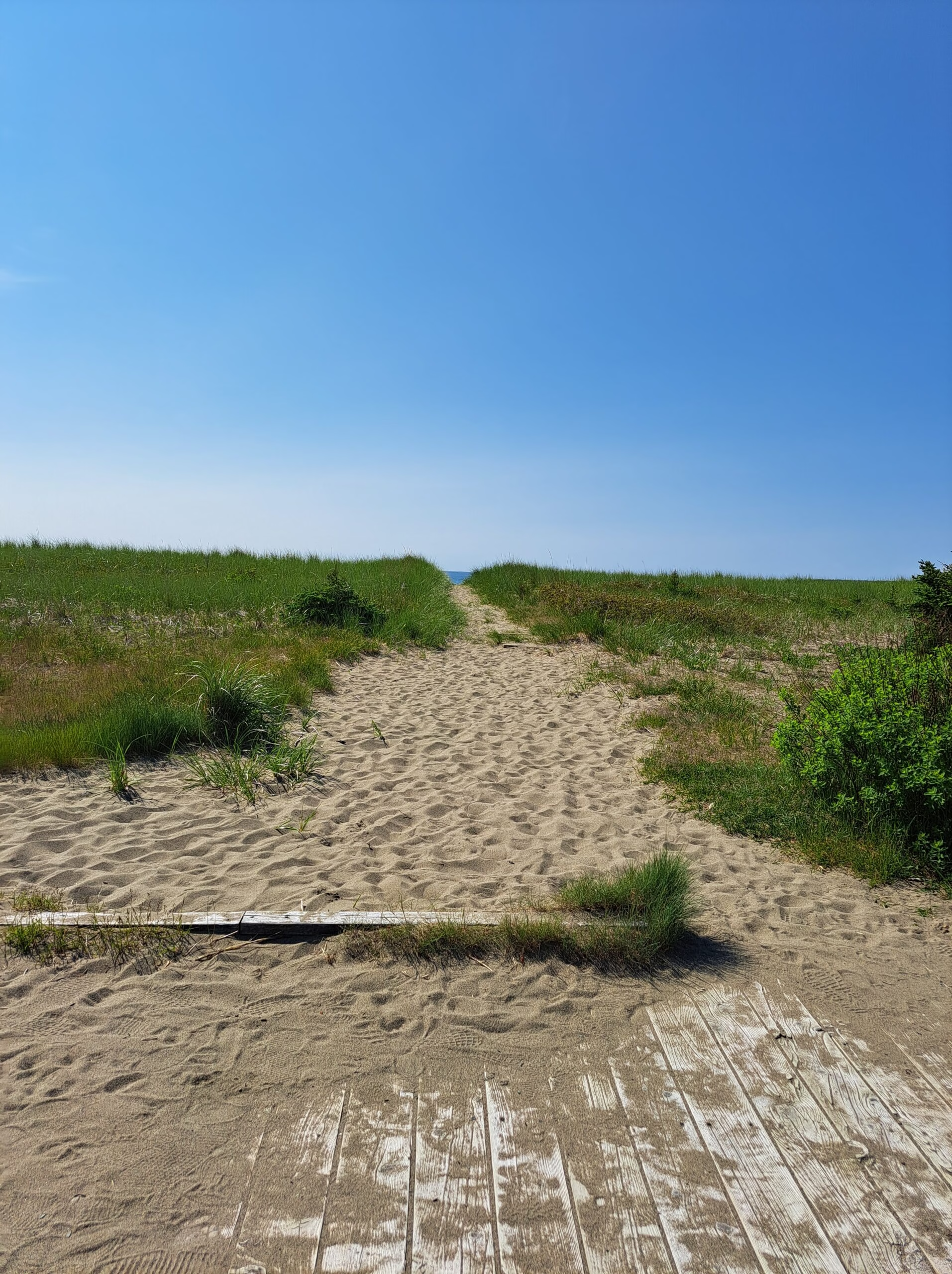
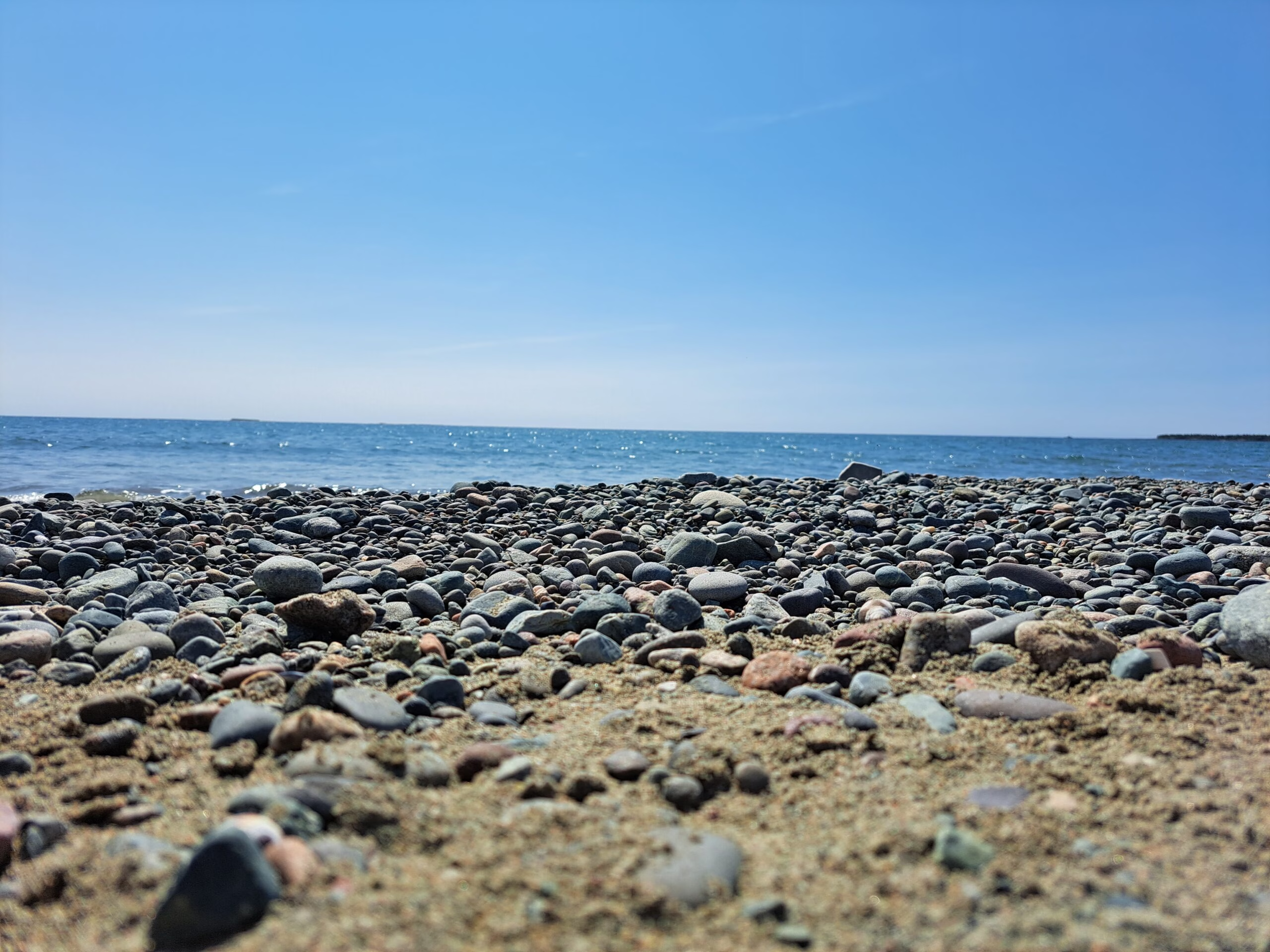
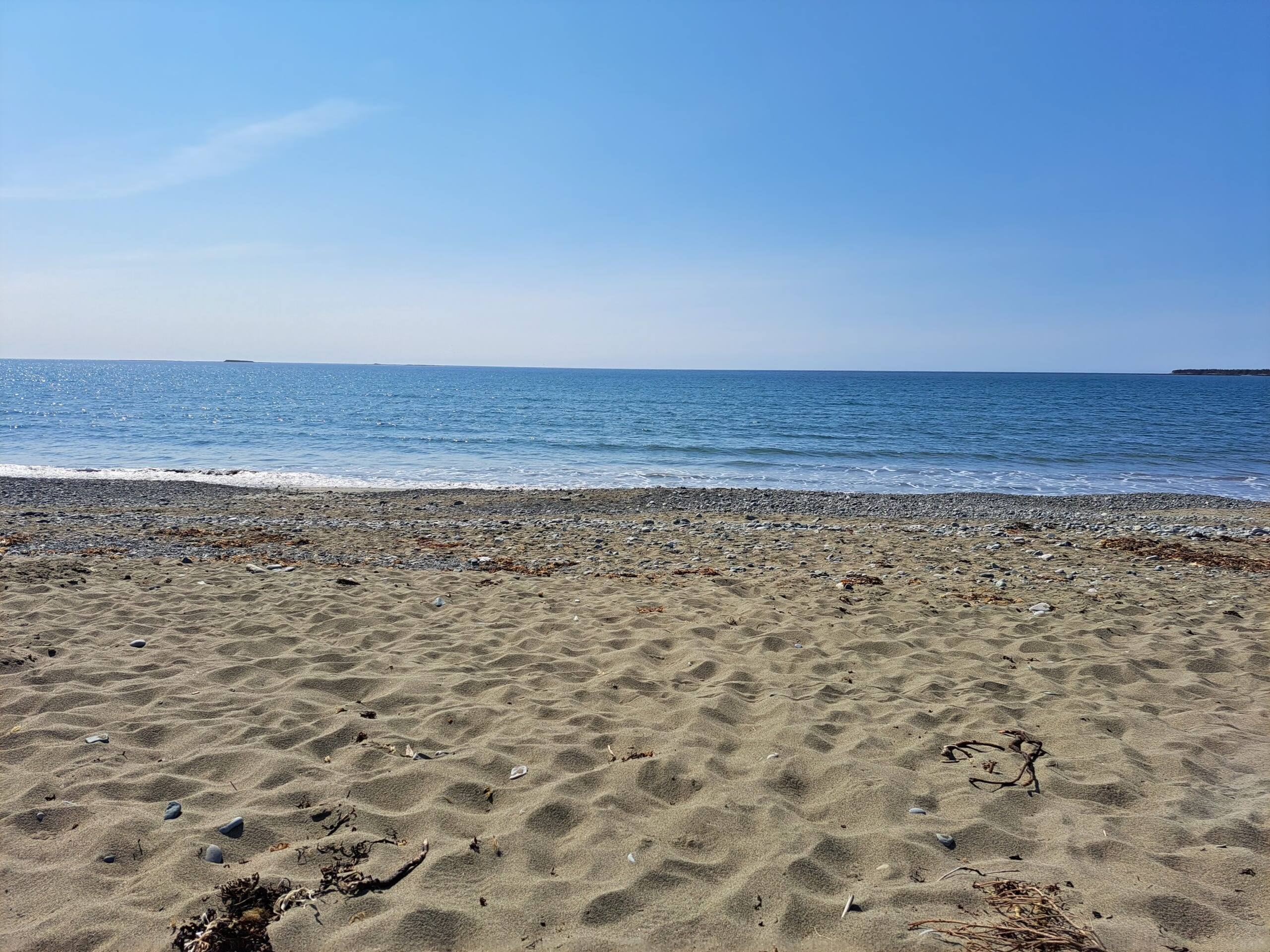
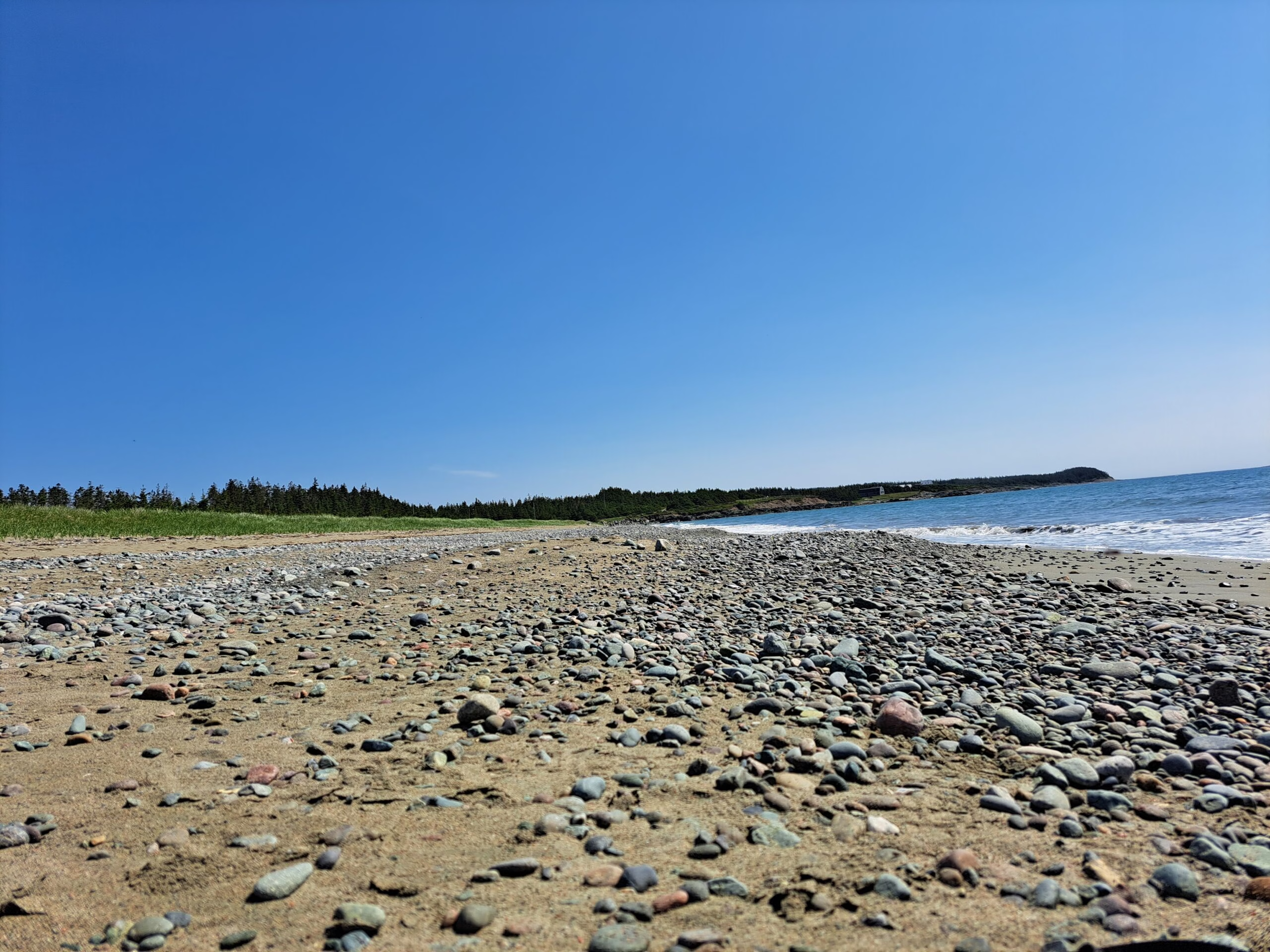
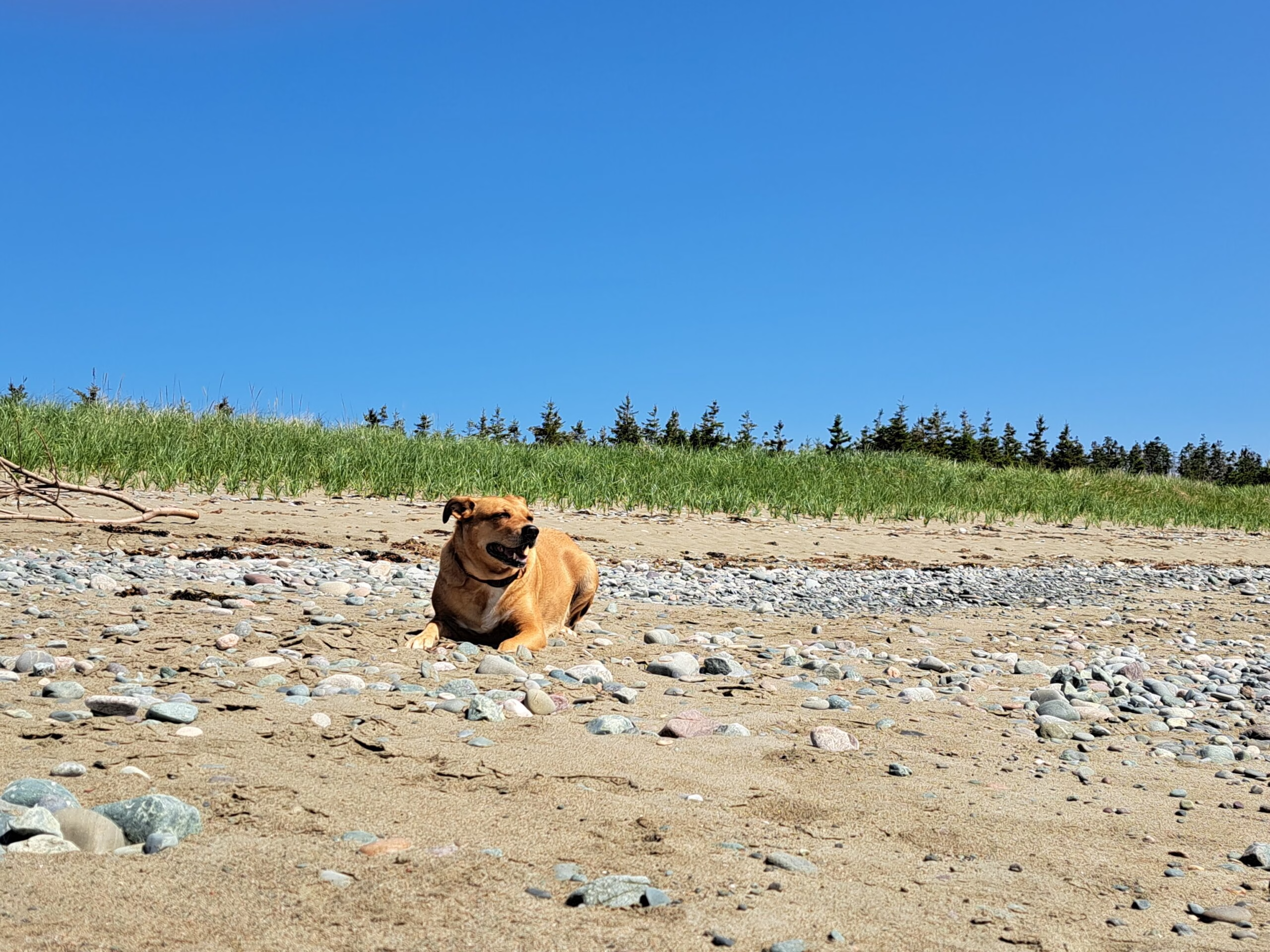
On a Friday in June, we set off for Michaud Beach, an idyllic and quiet spot about 45 minutes from our home in Loch Lomond. Michaud Beach, part of the Point Michaud Beach Provincial Park, is located on the east coast of Cape Breton and is known for its natural beauty and peaceful atmosphere.
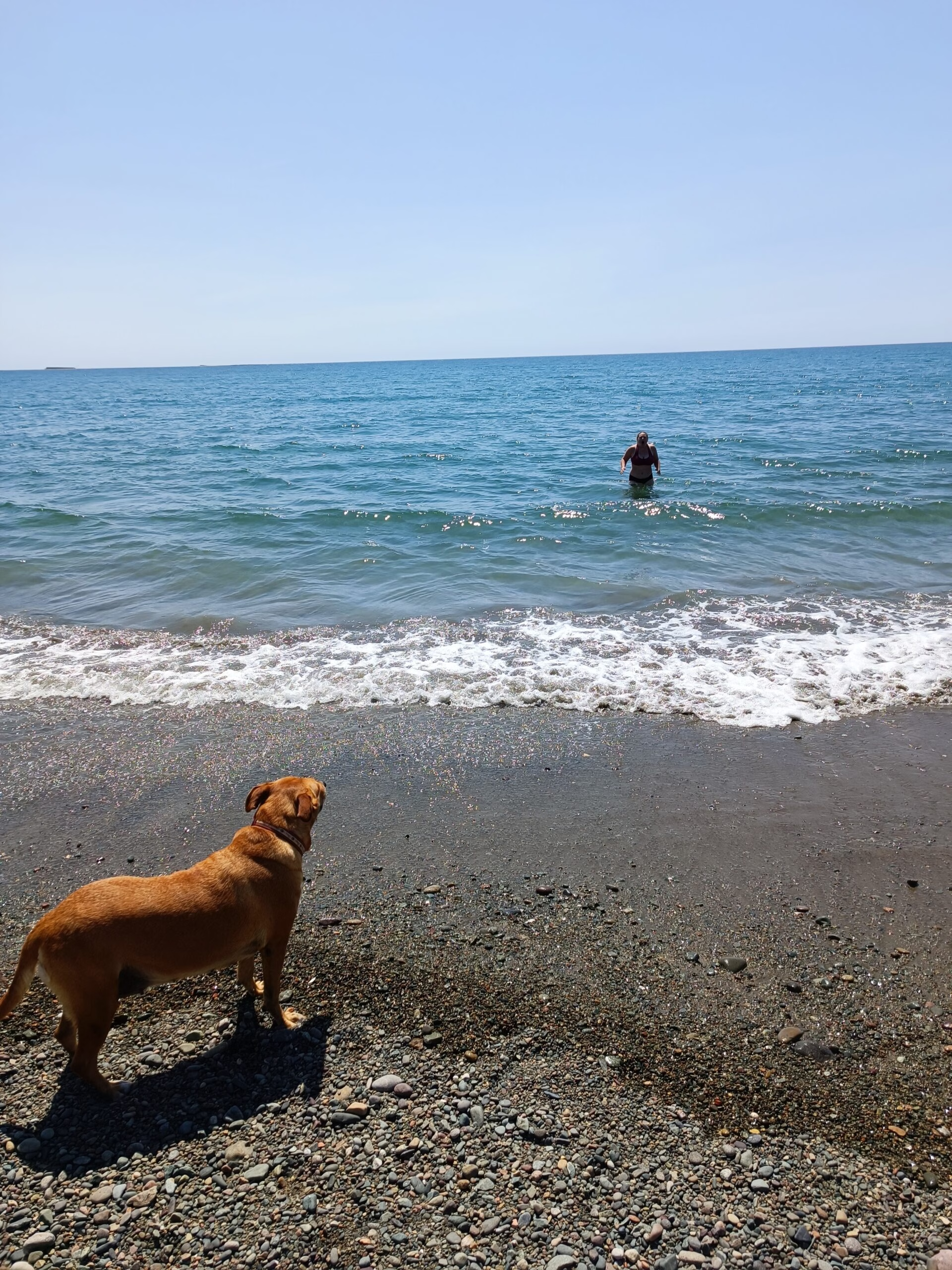
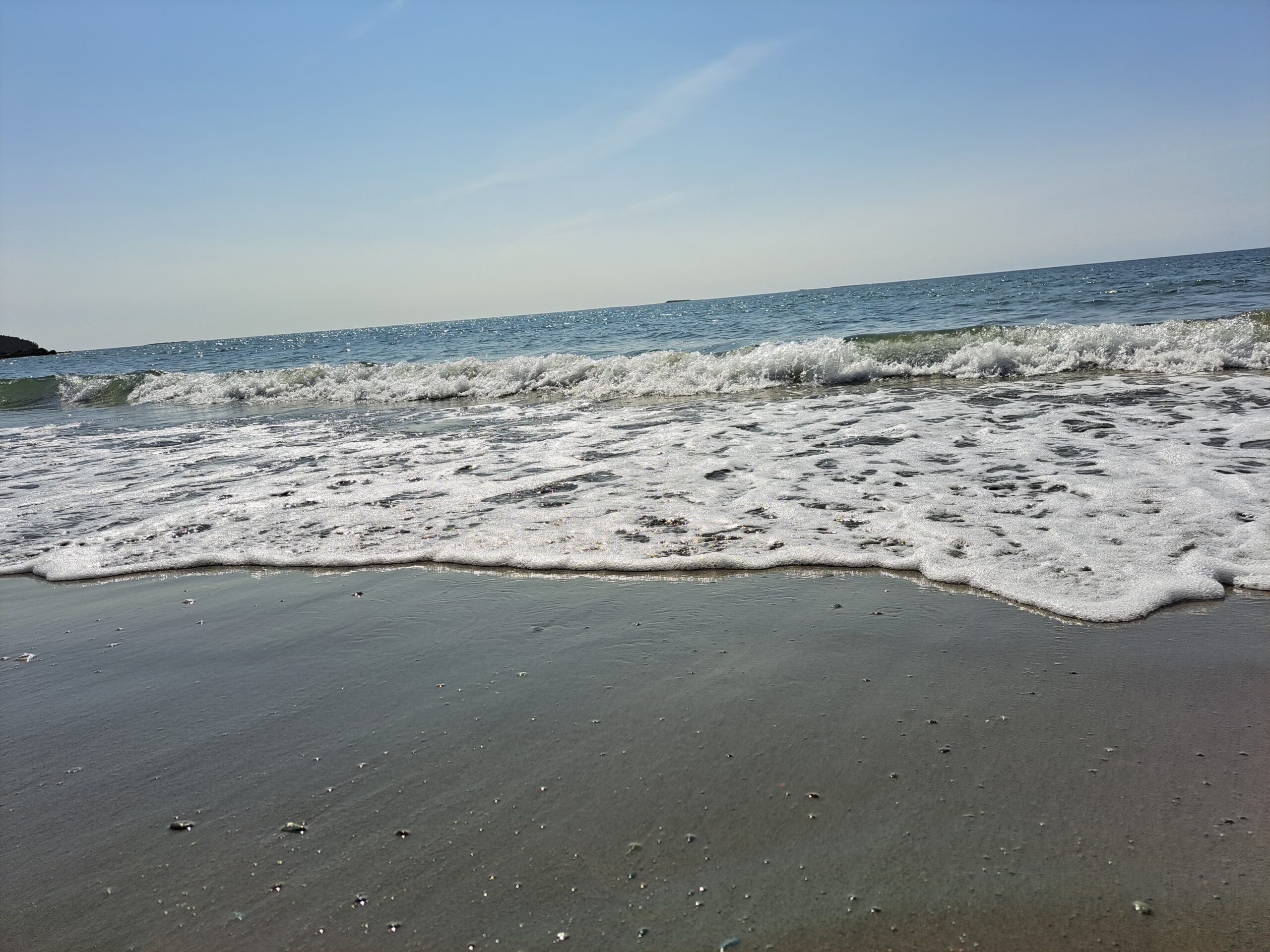
The day was pleasantly warm, with temperatures around 25°C, but the wind was strong, and the Atlantic waves gently lapped the beach. The sea temperature that day was about 13°C, which is typical for June in this region. Despite the chilly water, I couldn’t resist diving into the cool waves, while Gernot only waded in knee-deep. Diana, who doesn’t enjoy swimming, ventured only as far as her belly into the water.
Diana wasn’t exactly thrilled that I went so far into the water, but she bravely tried to rescue me.
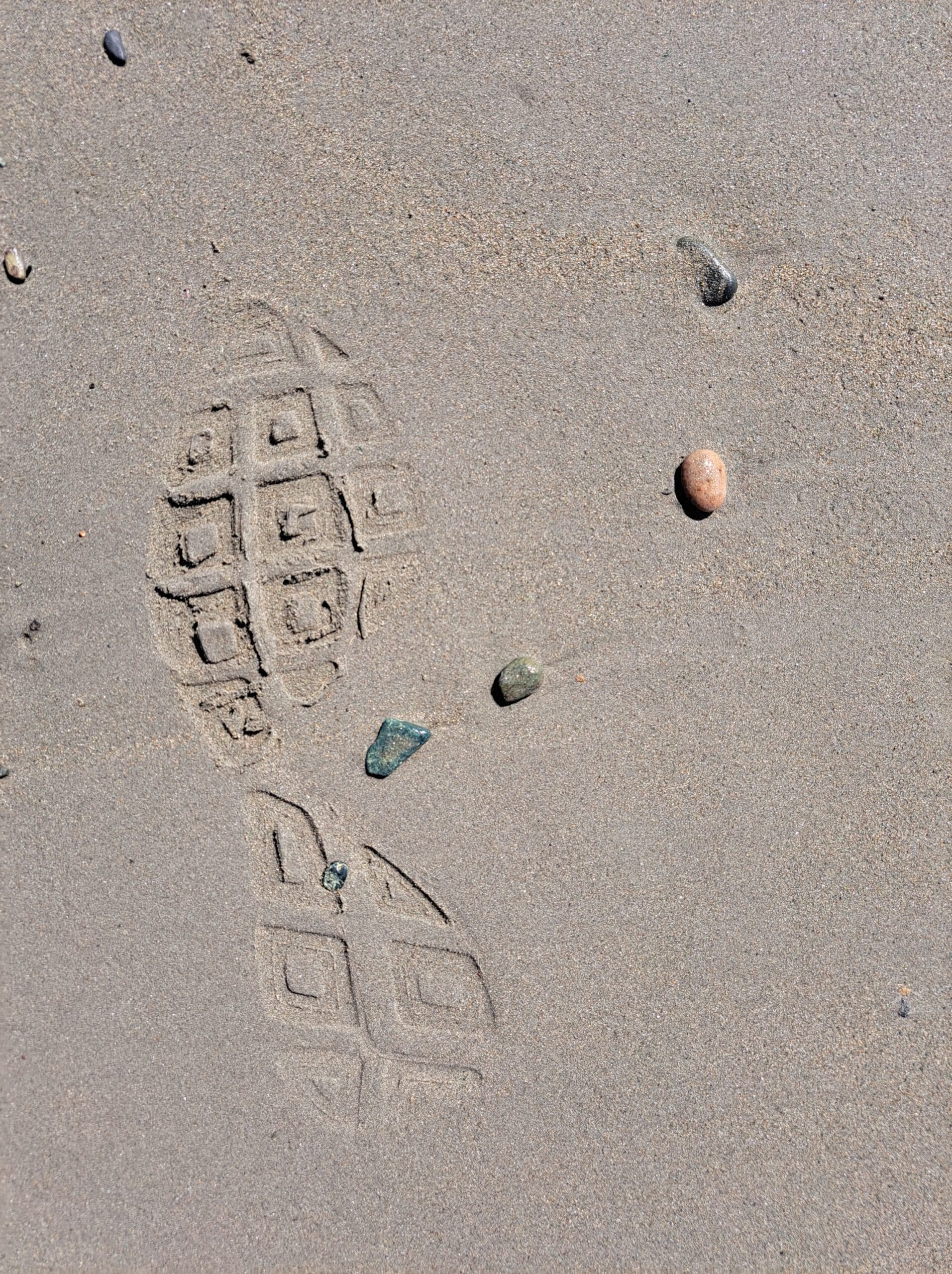
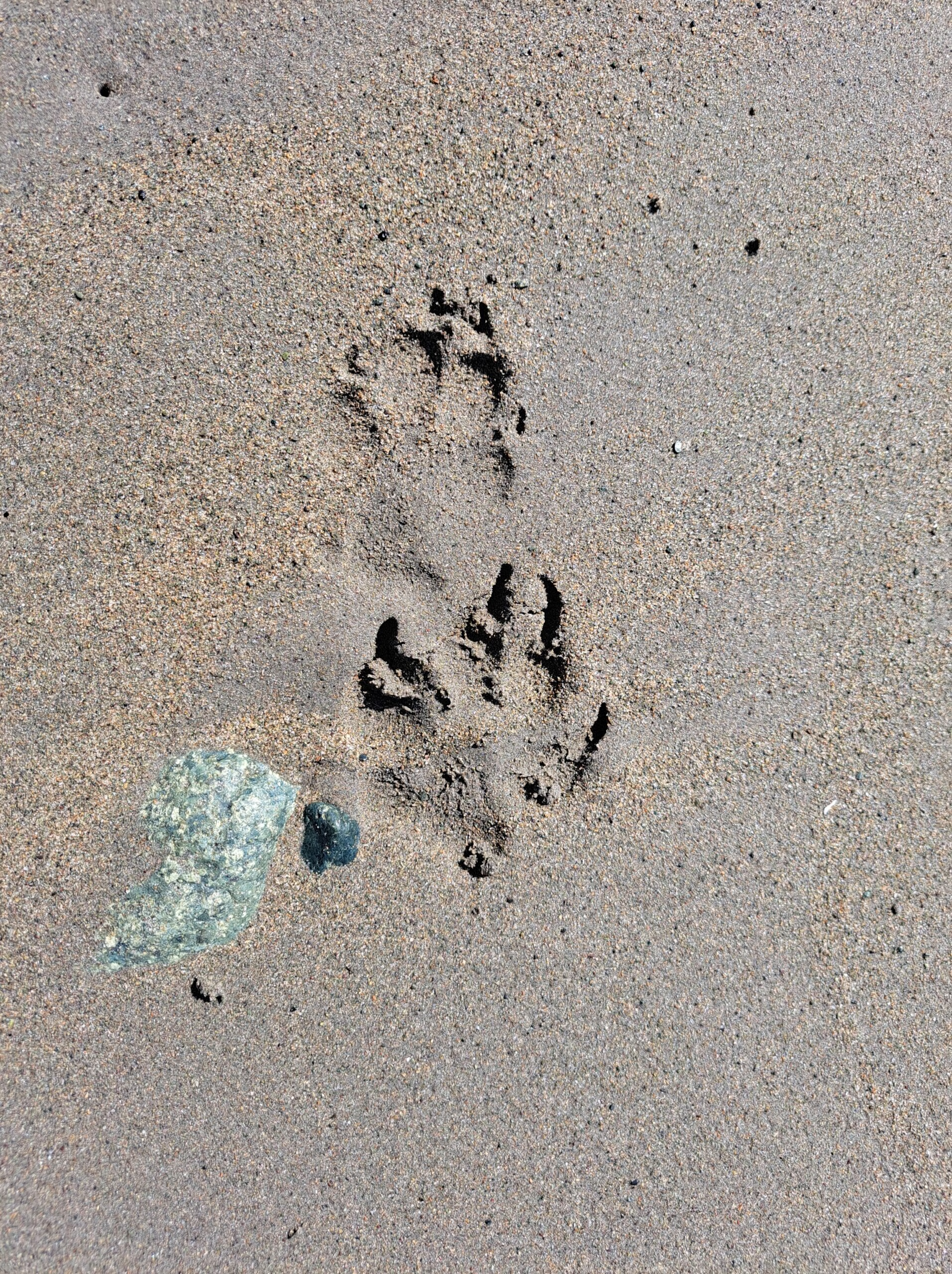
We enjoyed the nearly deserted beach, explored the surroundings, and eventually settled down in the sand to take in the soothing sound of the ocean. During our walk, Diana discovered the remains of a crab—a little find that made her day perfect.

Michaud Beach is not only distinguished by its tranquility and seclusion but also by the diverse wildlife that calls it home. One particularly interesting feature is the opportunity to observe seals, which often search for food in the nearby waters. Unfortunately, we weren’t lucky enough to spot any seals that day.

If you do encounter seals, it’s important to keep a respectful distance. While they generally pose no threat to humans, they can become aggressive if they feel threatened. It’s essential to remain calm and not disturb the animals. Extra caution is advised during breeding season when mother seals are protective of their young.

History of Michaud Beach:

Point Michaud Beach not only offers stunning scenery but also has an interesting history. The area around Point Michaud was originally inhabited by the Mi’kmaq, the Indigenous people of Nova Scotia. The beach and surrounding land played a vital role in their daily life and culture, especially in fishing and gathering seafood. Later, in the 18th and 19th centuries, the area was exploited by European settlers who took advantage of the coast’s natural resources.

Over the years, the beach became a popular recreation spot for both locals and visitors, while its natural landscape remained largely preserved. Eventually, the beach became part of the Provincial Park to protect its natural beauty and historical significance.

Michaud Beach enchanted us, and we look forward to visiting this beautiful place again soon.

Your Thoughts?

Have you ever been to a place that absolutely captivated you? We’d love to hear from you! Share your stories, tips, or even concerns with us—we’re excited to hear from you.
Together, We Achieve More!

Explore more posts!

More from the Plant World

aktuelle Beiträge / latest Posts

The Nettle Paradox: Why the Island Denies Us Its Presence

Discover the Nettle Paradox in Cape Breton: Why this resilient plant is absent from the boreal wild and how we are strategically reintroducing it. Learn about our ecological pioneer work, from soil pH management and 15% safety-buffered yield planning to the production of high-performance liquid manure for short growing seasons. A deep dive into biodiversity, soil health, and sustainable self-sufficiency in Climate Zone 5b/6a.

Read More

What It Would Take to Feed Yourself

This article shows, step by step, what it would take for two adults to feed themselves from their own land for a full year. We translate nutrient targets into concrete crop choices and areas: calorie staples (potatoes, sweet potatoes, winter squash, roots), protein from dry beans, soy, lentils and lupins, leafy/brassica greens, sauce and summer vegetables, grains and pseudograins for bread and pasta, plus fat-rich seeds, berries, fruit trees and nuts. Realistic field and storage losses are budgeted; processing (canning, fermenting, milling, flaking) and storage needs are built in. The result is a practical, cool-climate-ready plan with total area requirements, seasonal workload, and resilient meal building blocks that keep plates filled year-round.

Read More

Year in Review 2025: Water System and Soil Health

2025 was a year of quiet but decisive changes on our land in Cape Breton: a new water system with a second pond, prepared beds, a polytunnel, first harvests and many hours of observation. Looking back, it becomes clear how closely water management, soil health and mental wellbeing are interwoven in our everyday life.

Read More

Planning your vegetable garden: goals and eating habits

Before you order seeds or design new beds, it helps to step back and ask two simple questions: what do you want your garden to do for you, and how does your household really eat? When you align garden goals with your everyday meals – instead of an idealised wishlist – planning suddenly becomes clearer, more realistic and far easier to sustain through the season.

Read More

Leave a Reply

Your email address will not be published. Required fields are marked *

Receive the latest news

Subscribe To Our Bi-Weekly Newsletter

Get notified about new articles