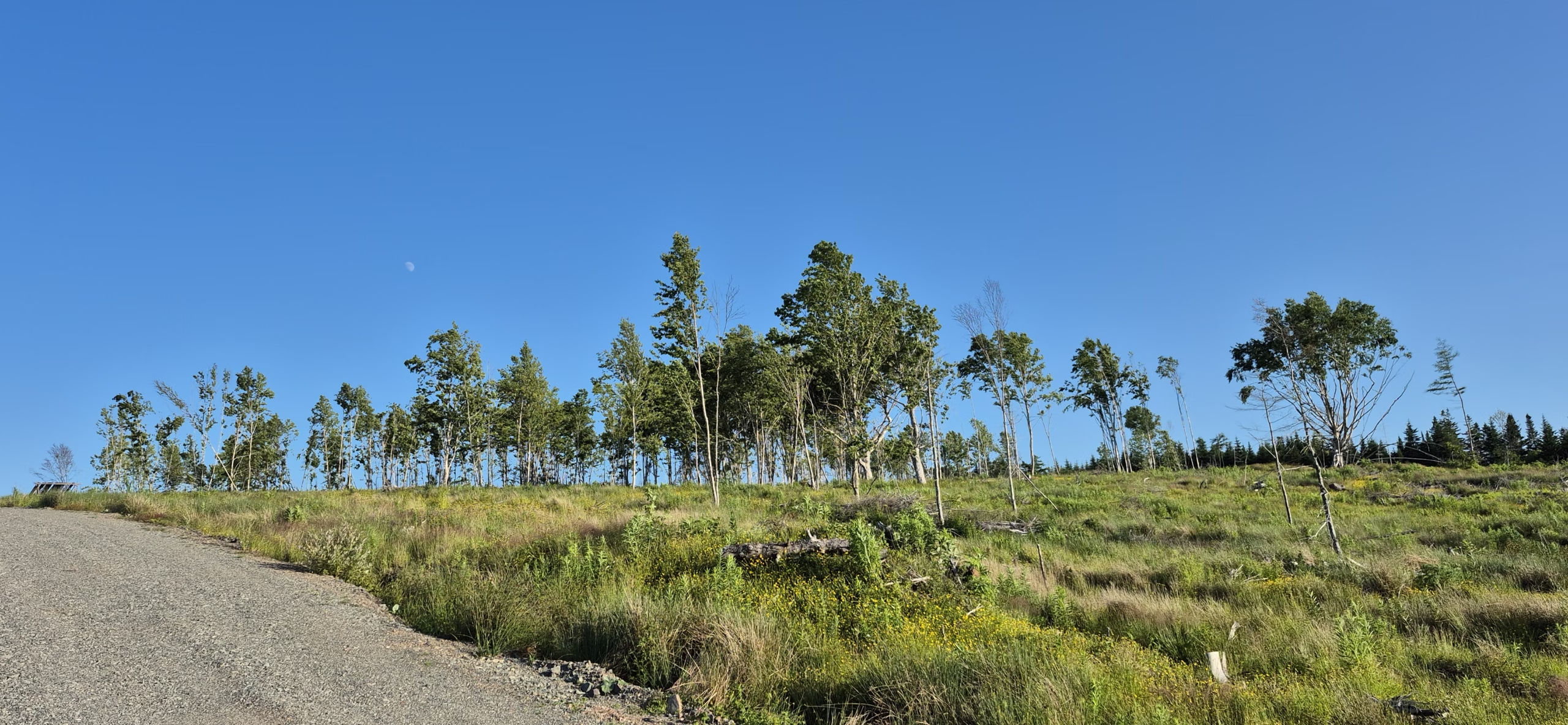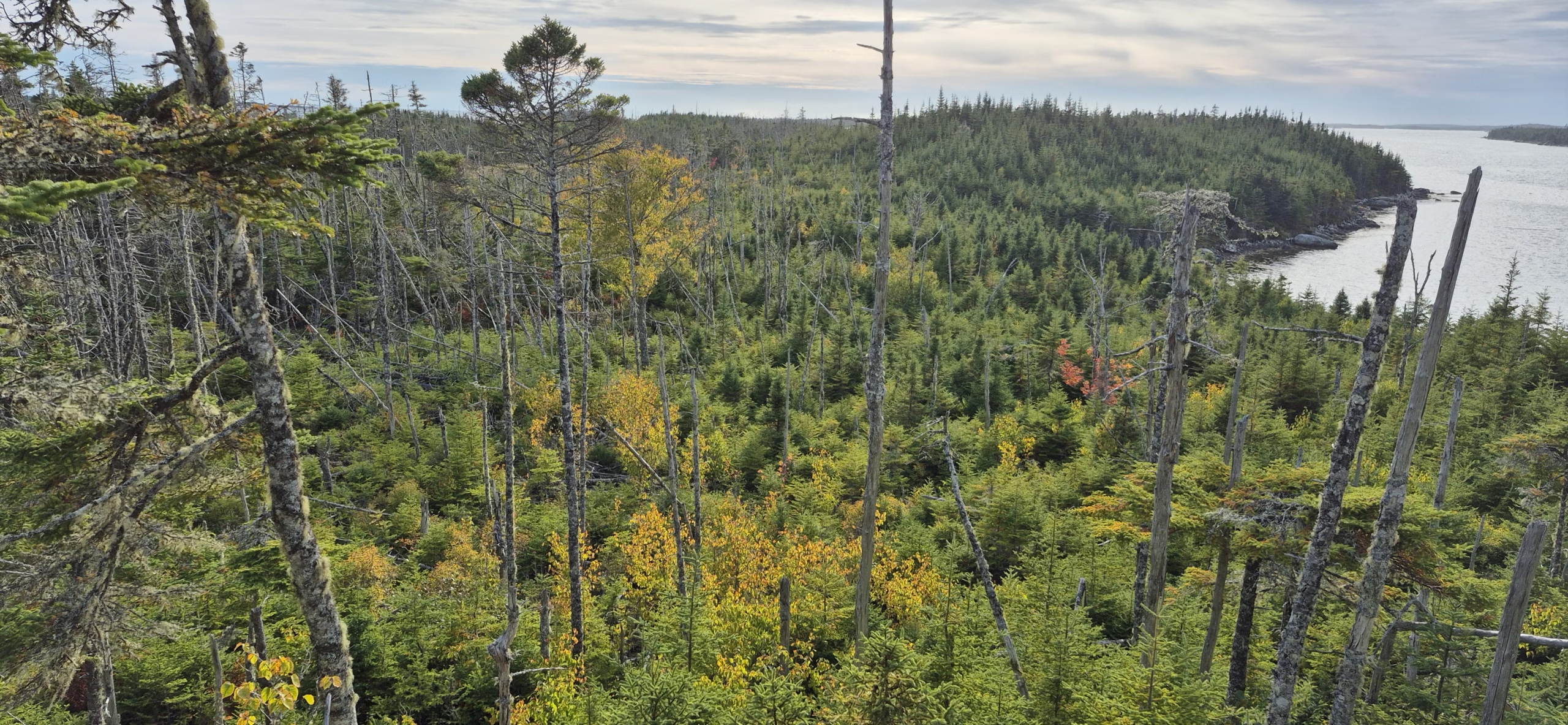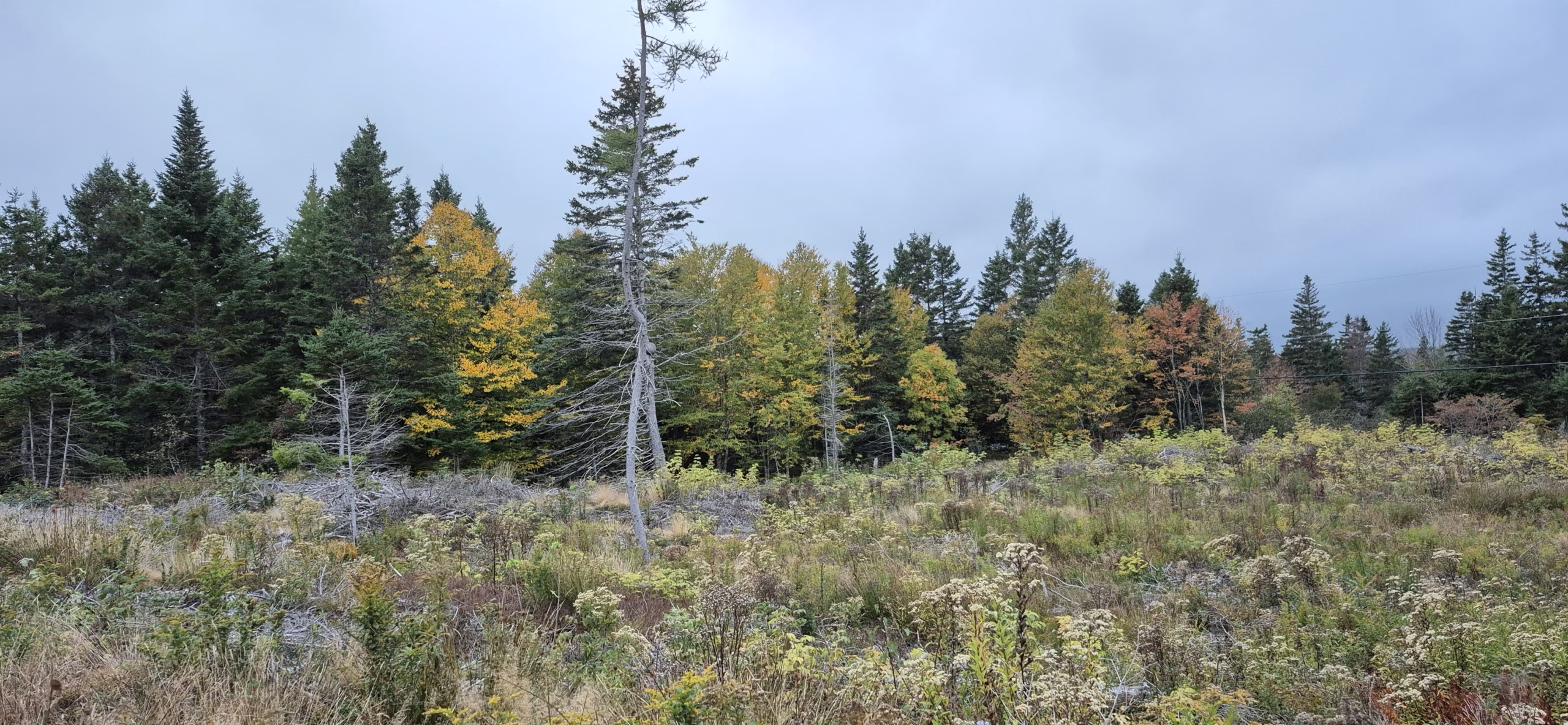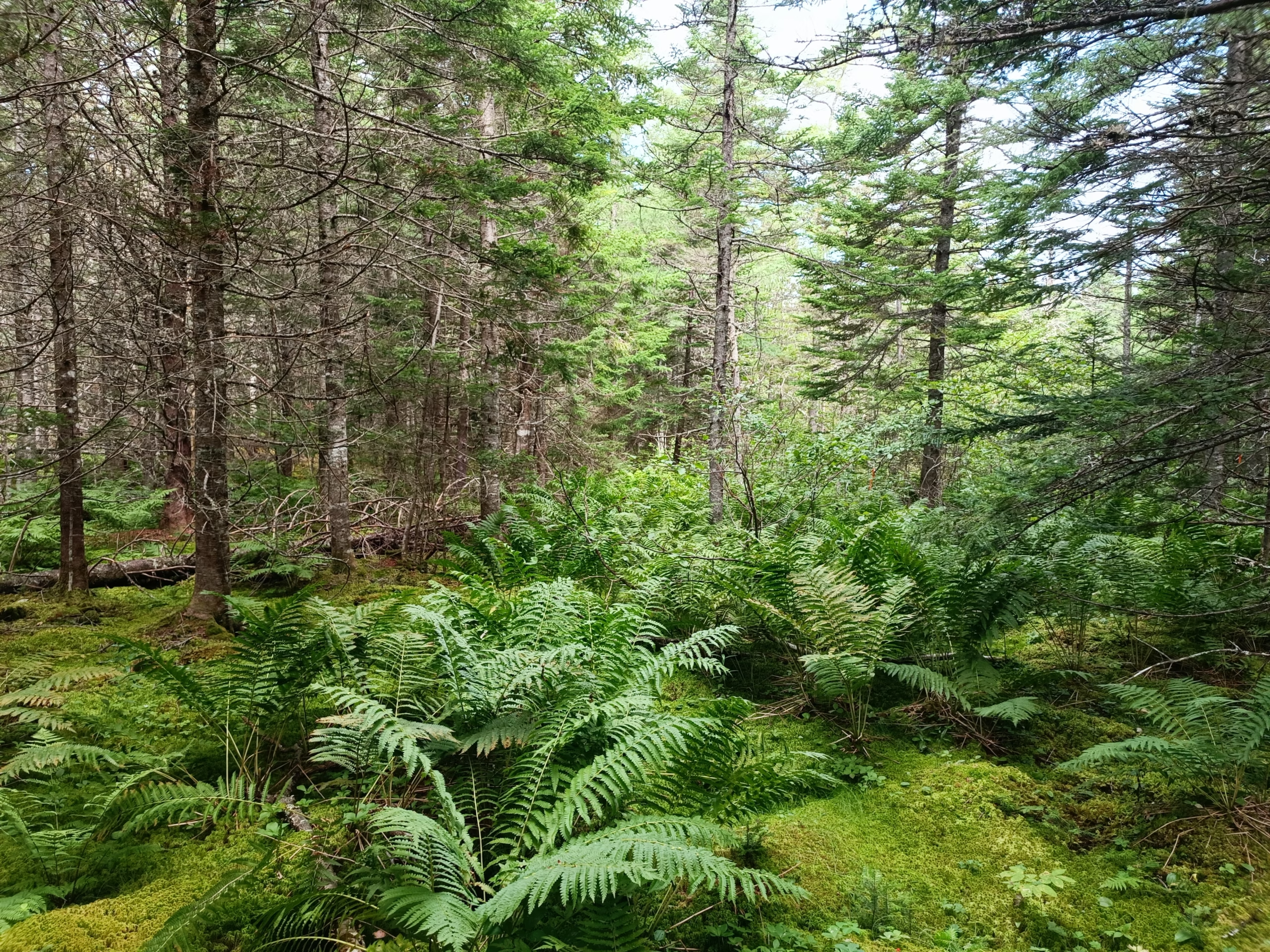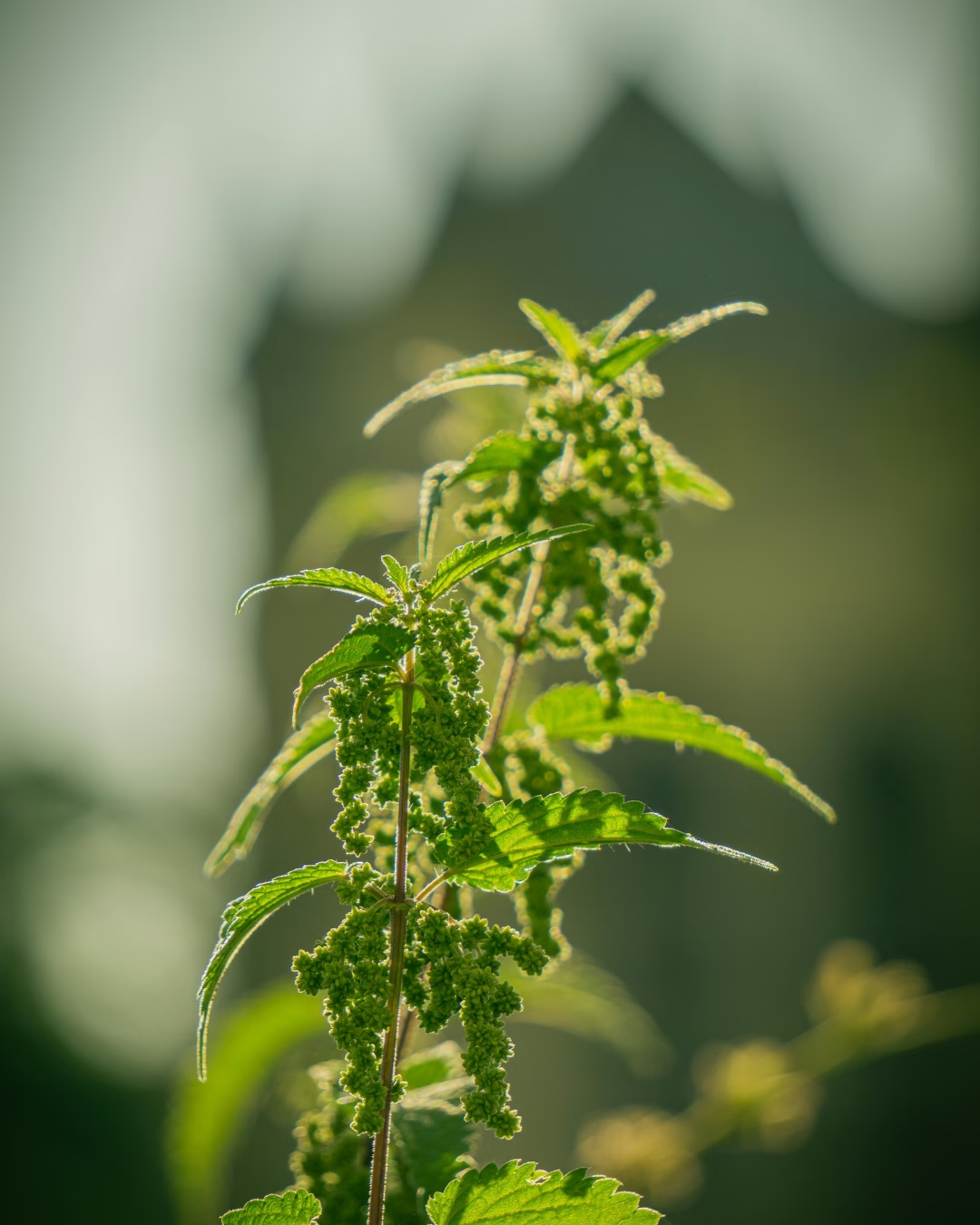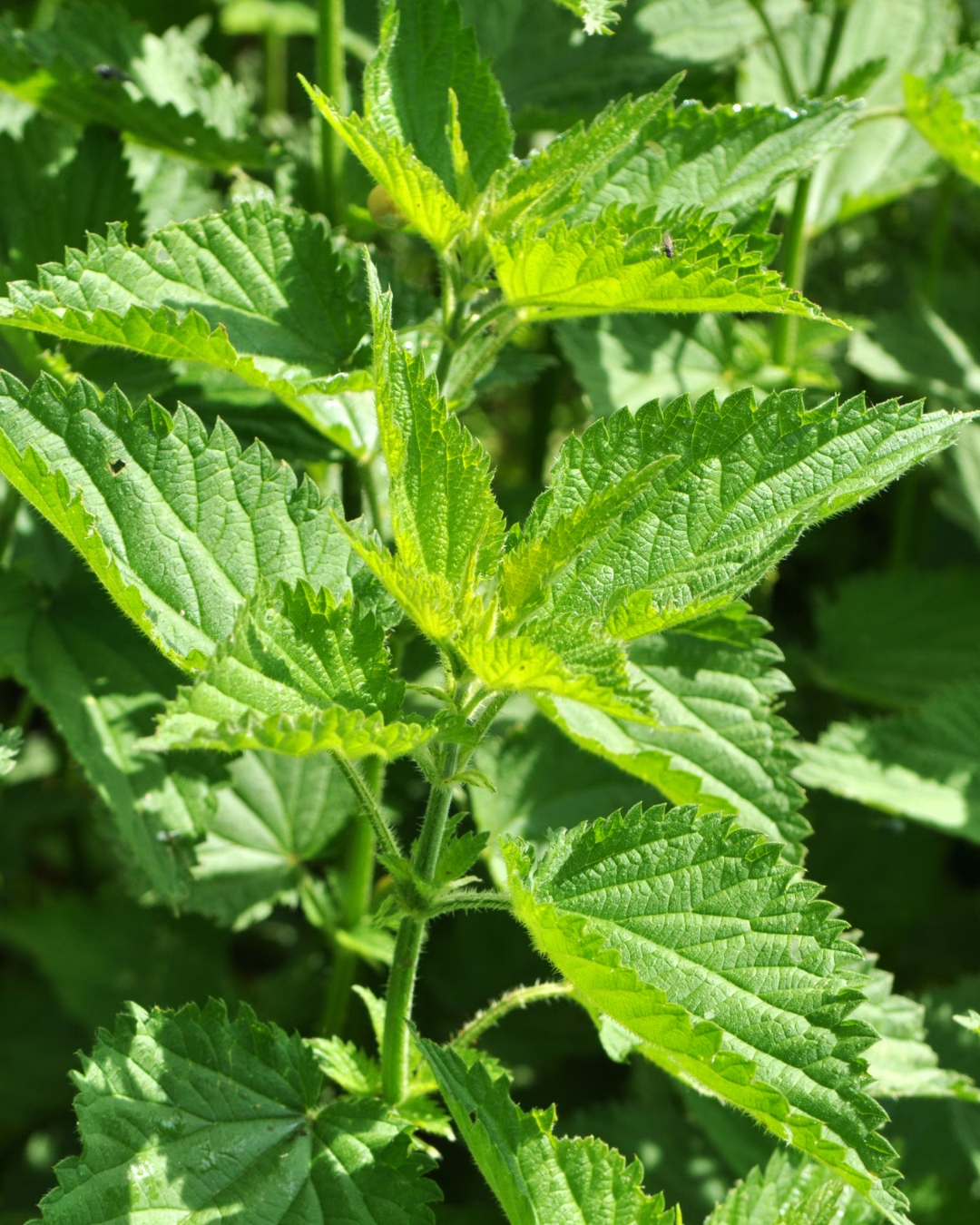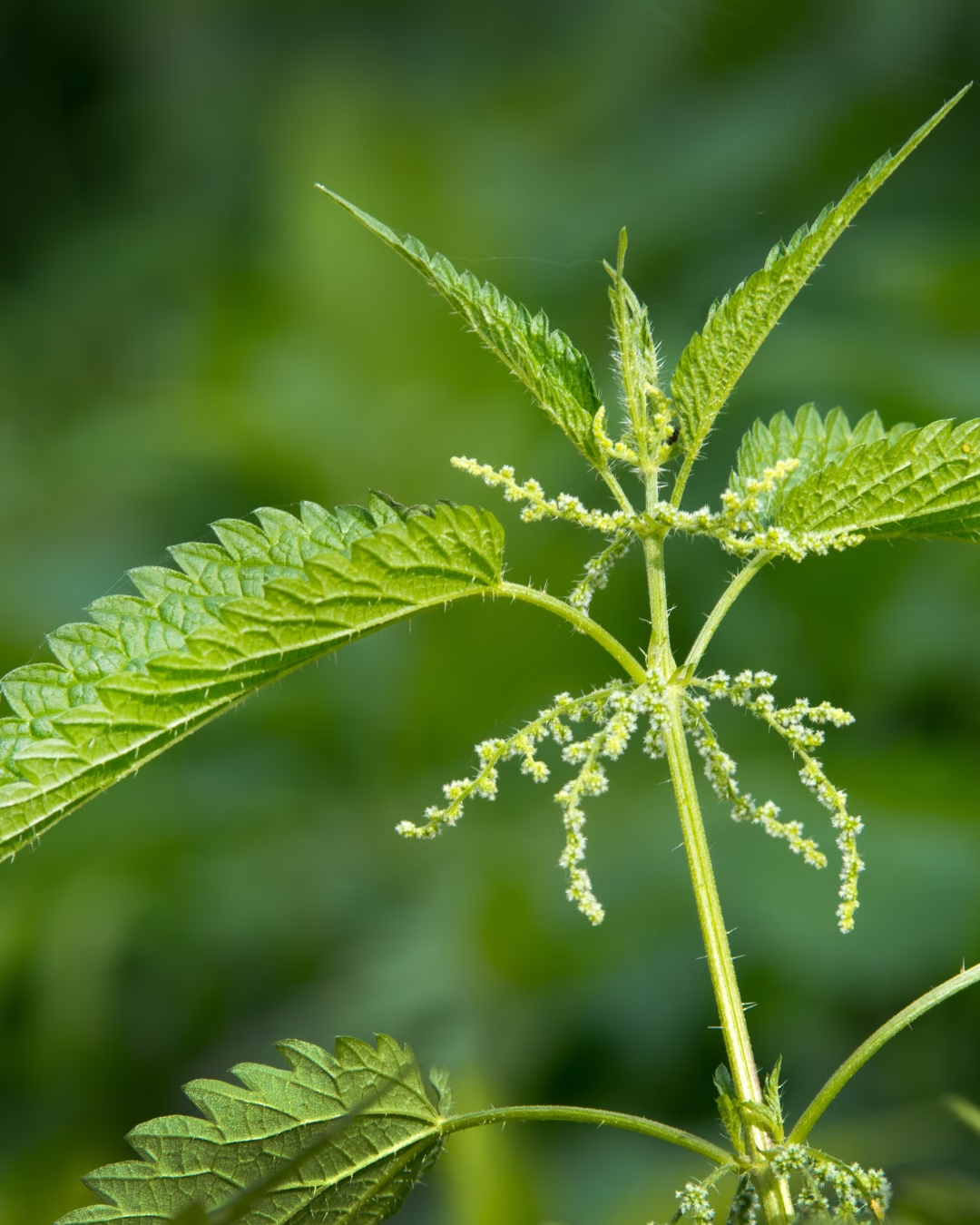
Anyone wandering through the wilderness of Cape Breton often looks in vain for a familiar face in the flora: the Stinging Nettle (Urtica dioica). While it is considered an indestructible “weed” in many parts of the world, here on our island, it is almost like a ghost. This absence is no coincidence; it is a direct testament to our local soil conditions. The boreal, acidic forest soils and the extreme nutrient leaching caused by Atlantic precipitation make it nearly impossible for the plant to gain a foothold without our targeted assistance.
The fact that the nettle is missing here is not a flaw of nature, but a clear message about the lime and nitrogen balance of our earth.
Table of Contents
The Ecological Barrier: Why It Doesn't Grow Wild Here
In large parts of Cape Breton, conifers, ferns, and mosses dominate, keeping the soil in a pH range that is simply too acidic for the nettle. Since the plant requires large amounts of calcium to build its stinging hairs and stable stems, it rarely finds the necessary mineral “hotspots” in the island’s untouched nature.
To date, we have not been able to find a single wild nettle on our land or in the immediate vicinity. This suggests that natural succession bypasses these nitrogen indicators as long as humans do not intervene in the metabolic cycle.
Strategic Establishment Instead of Wild Harvesting
Since we find no wild stands to use for our preparations, our focus has clearly shifted to the active establishment of our own cultivated areas. We do not view the nettle as a weed, but as a valuable cultural asset that requires an intensive starting phase.
Our Soil Preparation: Establishment only succeeds if we massively raise the local pH value. We specifically use wood ash from our stoves or agricultural lime to break the acidic signature of the boreal soil. Additionally, we introduce large amounts of organic matter to activate microbial life.
Site Selection: We specifically look for wind-sheltered hollows with high soil moisture. In the coastal region of Cape Breton, wind stress is an often underestimated factor; the nettle evaporates a lot of water through its large leaf surface, which quickly leads to wilting on our often shallow soils.
Succession Management: We have learned that we must actively protect the young plants in the early stages against competition from native pioneer species. Without manual intervention, local grasses and ferns would simply overgrow the small nettle rhizomes.
Ecological Symbiosis: The Nettle as a Nursery and Powerhouse
Behind the rough exterior of the nettle lies one of the most valuable ecological niches in our agriculture. By helping it gain a foothold in Cape Breton, we are doing more than just creating a raw material source for fertilizers; we are building a biological powerhouse for the local fauna.
Butterfly Nursery: The nettle is the exclusive host plant for the caterpillars of numerous butterfly species. In particular, the Red Admiral and the Question Mark butterfly depend on the specific components of the leaves.
Beneficial Insect Sanctuary: Ladybugs and lacewings find a safe retreat in the dense stands, acting as a natural bodyguard for our garden.
Soil Improvement via Biomass: The deep root system acts as a mineral elevator, transporting nutrients upwards and, after the plants die back in the fall, leaving behind a nitrogen-rich mulch that accelerates humus formation.
A Critical Look: Displacement Potential and the Question of Nativity
When specifically introducing such a competitive plant as the nettle, we must address a necessary ecological debate: Are we improperly interfering with the existing ecosystem? Does the nettle displace native specialists of the Atlantic flora?
To answer this question soundly, we must look at the botanical reality of North America. The nettle is not a pure “invader” here. With Urtica dioica ssp. gracilis, there is a genuinely North American subspecies that has been part of the ecosystem for millennia. Since we find almost no wild stands in the immediate wilderness of Cape Breton, the risk of displacing local pioneer plants is classified as extremely low.
The nettle is a so-called “synanthrope” (culture follower). It relies on nitrogen levels and pH values that our natural boreal soils simply do not provide without human input of ash or organic fertilizer. Therefore, it is unlikely to “escape” into the untouched, acidic bogs or dense coniferous forests; instead, it remains a site-loyal companion to our specifically prepared cultivation areas. We are creating a controlled nutrient oasis, not an invasive monoculture.
This deep ecological networking is also evident in the promotion of butterflies and beneficial insects:
Native Butterflies: The Red Admiral (Vanessa atalanta) is native to all of North America and has always used the nettle as its primary host plant. The Question Mark (Polygonia interrogationis), a typical resident of our latitudes, also benefits massively from these new feeding sites.
Beneficial Populations: The ladybug species and hoverflies attracted by these nettle hotspots are integral parts of the North American ecosystem. In an environment often characterized by sparse coniferous forests, we are simply providing these native helpers with an improved foundation for life.
Through our establishment, we are essentially repairing the ecological network in places where natural succession has stalled due to extreme soil acidity. We are promoting local biodiversity by bringing back a valuable resource that would be lost under Cape Breton’s harsh conditions without assistance.
Yield Planning in Cape Breton
When starting a new patch, we must evaluate yields very differently than with an established wild stand. Since the plant puts its energy primarily into anchoring itself in the tough soil during the first year, we calculate as follows:
Yield Expectation: We conservatively estimate only 500 g (0.5 kg) of fresh mass per m².
Safety Factor: To compensate for unpredictable sea winds and late frosts, we add a 15% safety buffer.
Calculation Example for Our Annual Needs:
To safely harvest the 10 kg of plant material required for our brews and preparations, the following area planning results:
Net Area: 10kg/0,5kg/m2 = 20m2
Gross Area (incl. 15% buffer): 20m2 x 1.15 =23m2
This buffer ensures that we can continue our biological processes without interruption, even in the case of moderate harvest losses.
Why 10 kg is our target: The 10 kg target is defined by our system capacity: our 100-liter fermentation barrel requires exactly this ratio (1 kg of plant to 10 liters of water) for optimal active ingredient concentration. This also allows us to set aside small amounts for teas and seed salts.
Application and Coverage
One might ask why we go to such lengths just to produce a few liters of liquid manure. The answer lies in the extreme efficiency of this natural product, which becomes the decisive growth accelerator in our harsh climate.
The “Turbo Effect” for Short Growing Seasons
In Cape Breton (Climate Zone 5b/6a), every week counts. Our growing season is short and often characterized by cool nights. Nettle tea (liquid manure) offers a decisive advantage: the nutrients—above all nitrogen, potassium, and iron—are already present in the manure in dissolved, ionized form. While organic solid fertilizer often takes weeks to be broken down by soil organisms, the manure acts as a “biological infusion.” Plants can absorb the minerals immediately through the roots (and, when diluted, even through the leaves). This gives heavy feeders like cabbage, tomatoes, or potatoes the necessary vitality boost to reach full maturity in the short time before the first frost.
Strengthening Cell Structure and Defenses
In addition to its fertilizing effect, the manure is rich in dissolved silica (silicon). This integrates into the cell walls of the cultivated plants and makes them mechanically more resistant. In a region characterized by high humidity and sudden sea winds, this is worth its weight in gold:
Fungal Resistance: Strengthened leaves are less susceptible to mildew or blight.
Pest Defense: Biting insects have a much harder time with silica-rich, “hard” cell walls.
Application, Coverage, and System Integration
The liquid manure is one of our cornerstones in soil care—complementing our use of Biochar (which stores the nutrients of the manure like a sponge) and regular mulching.
The Mix: After the 14-day fermentation, we dilute the concentrate 1:10 with rainwater. The color should then resemble light tea.
Coverage: From a single 100-liter batch, we obtain 1,000 liters of ready-to-use watering solution. This is enough to intensively nourish a garden area of approx. 500 m² once.
The Rhythm: We apply the solution every 14 days for heavy feeders. For us, this means that with just two to three batches per season, we secure the basic supply of our entire self-sufficiency garden.
The effort of establishment is therefore an investment in the sovereignty of our land. We replace expensive, imported synthetic fertilizers with a local, living system that improves our soil year after year.
Our Honest Approach: The Challenge of Isolation
Starting a nettle culture in Cape Breton means true pioneer work. It is a process that demands patience and shows that ecology is site-specific. What grows by itself elsewhere requires our full attention and appreciation here.
Find more details and recipes for nettles in our Plant Profile.