
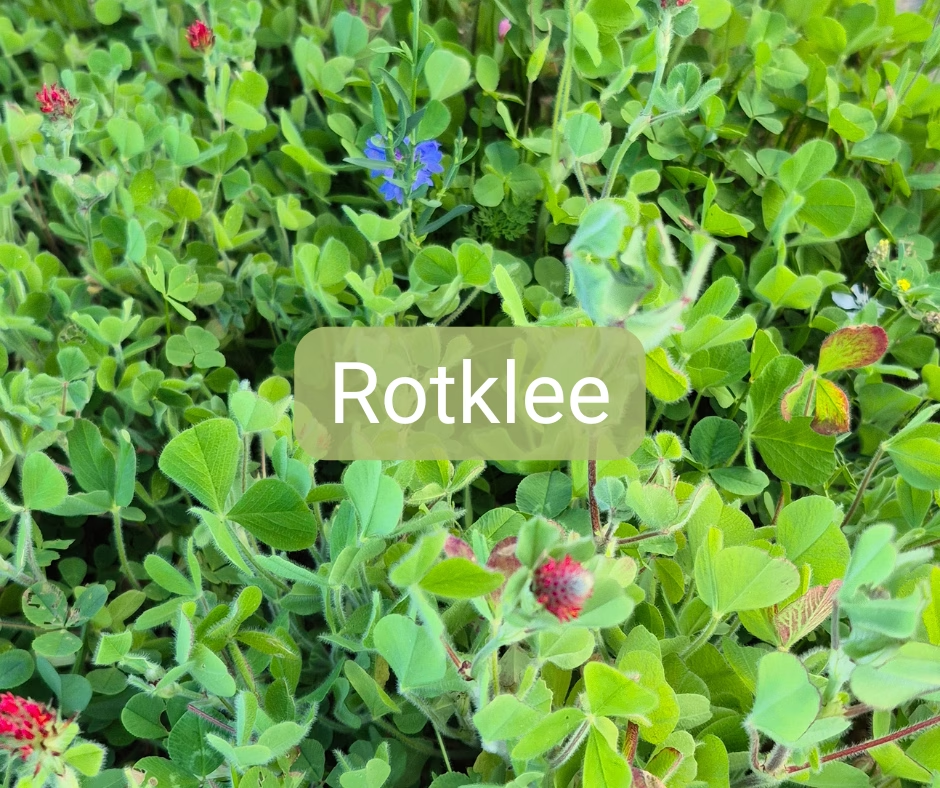
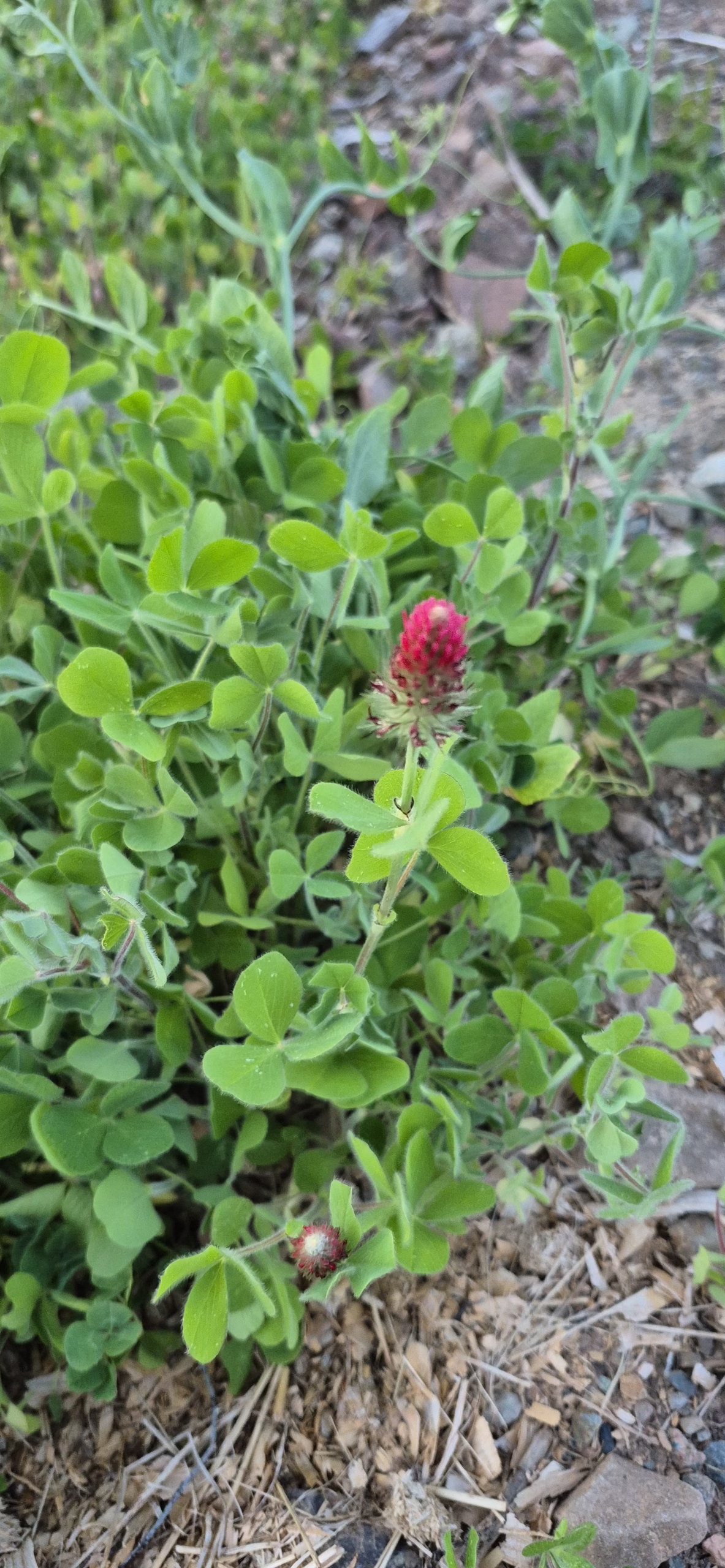
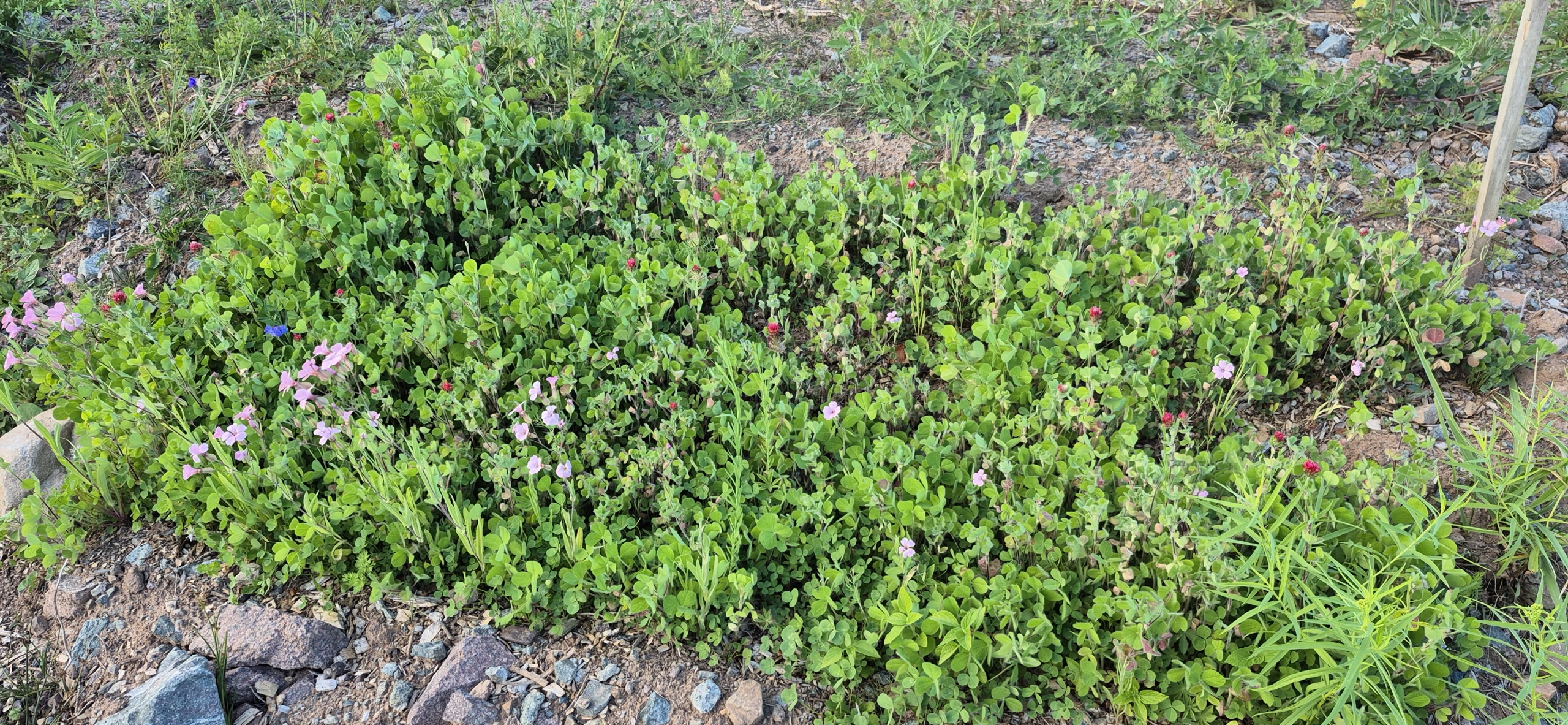
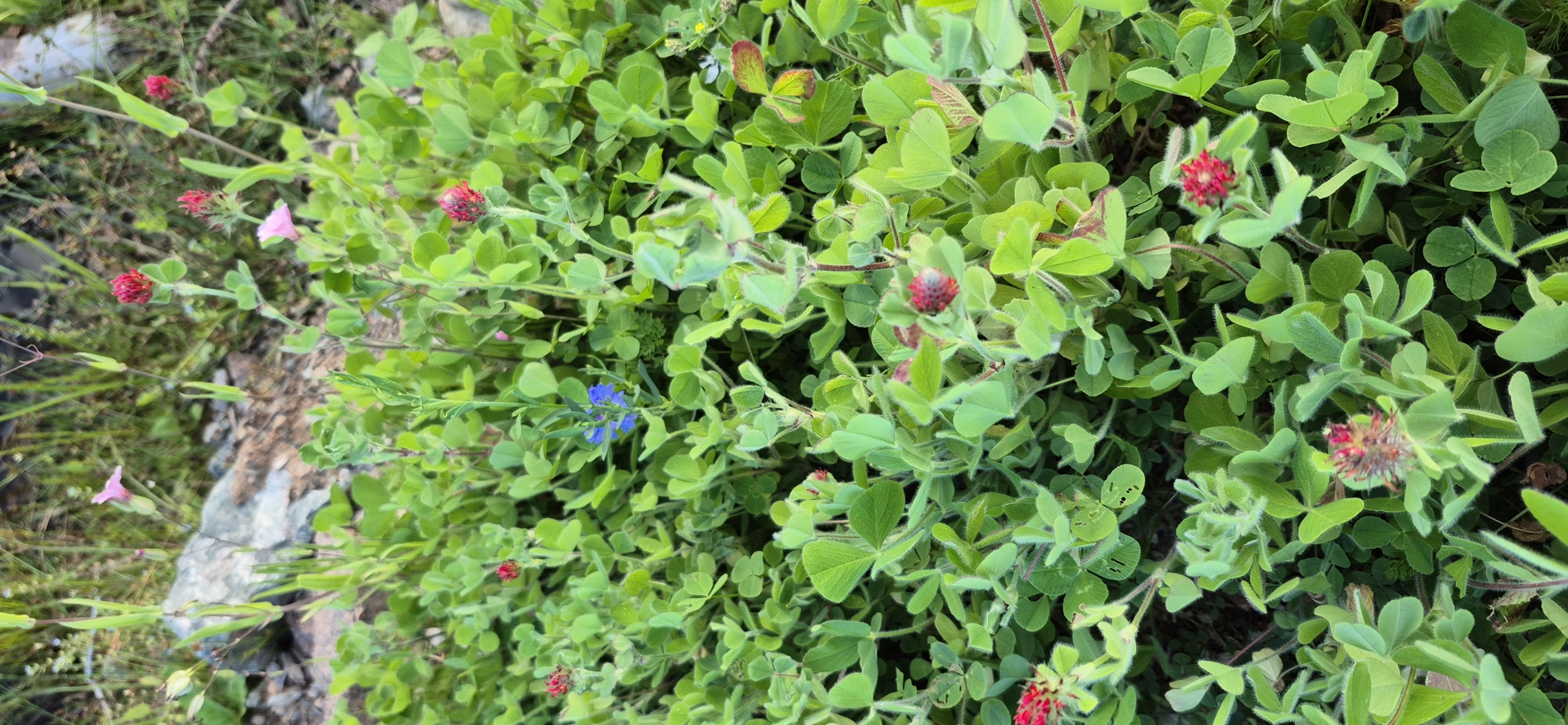
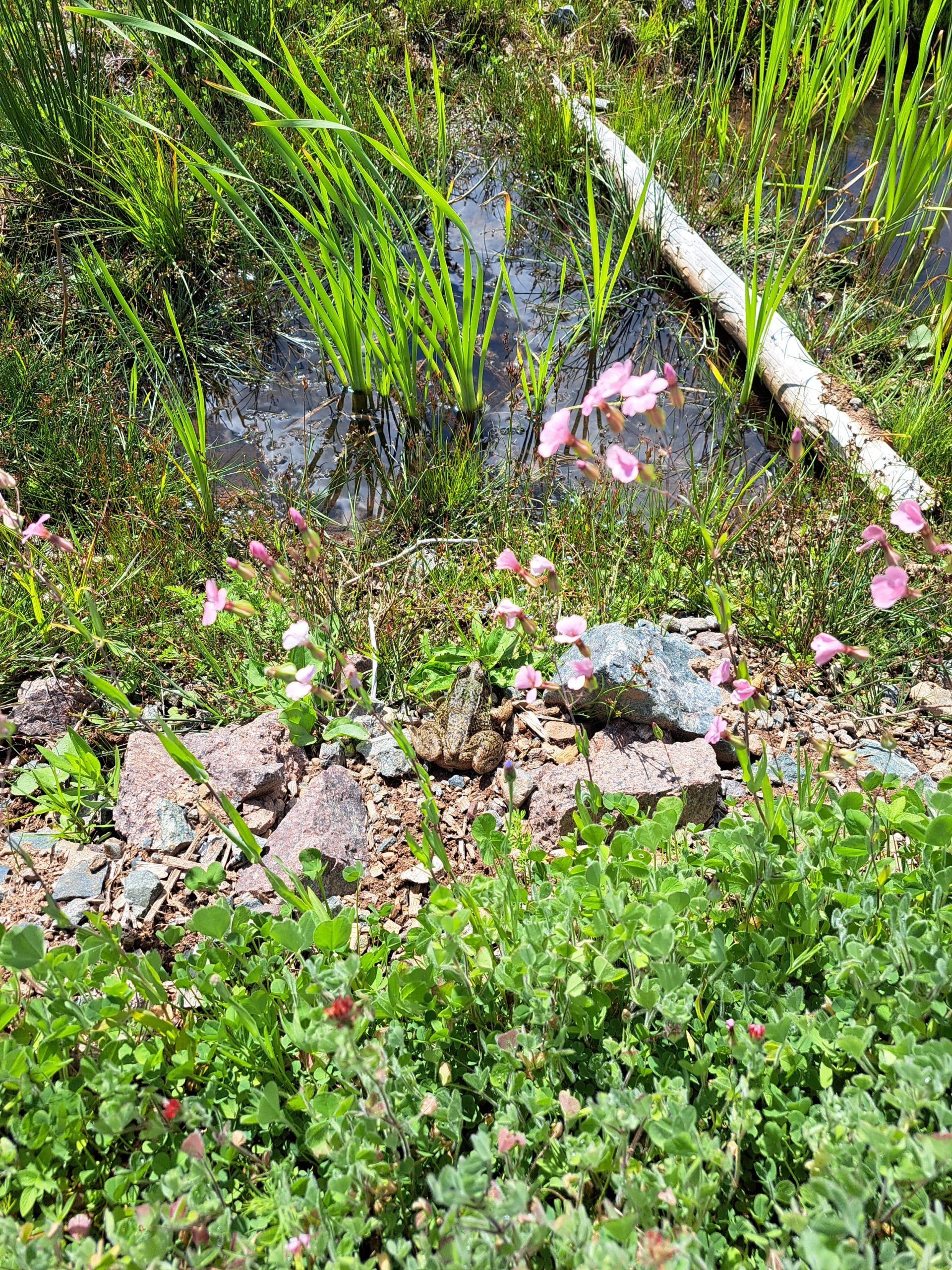
Red clover (Trifolium pratense) is a perennial clover from the legume family. It originates from Europe, Western Asia, and North Africa, is now naturalized in many temperate regions of the world, is an important fodder and soil-improving plant, a valuable bee forage, and contains isoflavones that are used in phytotherapy, among other things, for menopausal complaints.
Name
German: Rotklee, Wiesenklee, Wiesen clover, red meadow clover
English: red clover
Latin: Trifolium pratense L.
Plant group / family
Family: Fabaceae (legumes, papilionaceous plants)
Subgroup: Genus Trifolium (clover)
Distribution
Original range:
Native to Europe, Western Asia, and Northwest Africa; it is also described as originally occurring in Macaronesia as well as parts of Central and South Asia.
Current distribution:
The species is naturalized in many temperate regions of the world and is grown globally as a fodder and soil-improving plant, including in North and South America, New Zealand, Australia, and parts of Africa.
Identification features
Height:
Evergreen, perennial herbaceous plant, usually 15–80 cm tall, with upright to ascending stems.
Leaves:
Palmately trifoliate leaves with ovate to elliptic leaflets; often with conspicuous, pale, V-shaped marks in the centre of the leaf. Leaves and stems are glabrous to finely appressed-hairy.
Flowers:
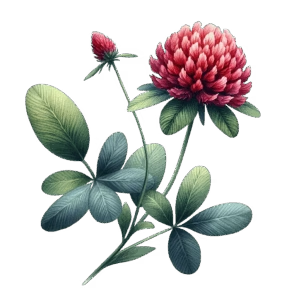
Dense, globose to slightly ovoid heads composed of many individual papilionaceous flowers, about 1–2 cm in diameter; colour reddish-violet to purple. Main flowering period, depending on region, is roughly April/May to September/October.
Fruits:
Very small, inconspicuous pods (fruits) with usually one to two seeds; in meadows and gardens, the main focus in practice is on the flower heads and seed ripening (August to October).
Bark/stems:
Stems upright to ascending, more or less round in cross-section, glabrous to appressed-hairy; growth tufted to loosely clump-forming, without climbing or woody parts.
Uses
Medicinal
- Traditional use: In folk medicine, red clover blossoms are traditionally used, among other things, for “blood purification”, digestive complaints, coughs, rheumatic complaints, and gout, usually as a tea or extract.
- Modern phytotherapy: Red clover contains isoflavones (e.g. formononetin, biochanin A) with oestrogen-like activity. Standardized red clover isoflavone preparations have been investigated in studies primarily for the relief of menopausal symptoms (e.g. hot flushes, night sweats)
- Several randomized trials and meta-analyses report a moderate reduction in hot flushes compared with placebo after about 3–6 months of intake; the clinical relevance of this effect is evaluated differently depending on the review.
- Further lines of research are investigating possible effects on lipid profiles, bone metabolism, and other postmenopausal factors, with some indications of benefit but an overall heterogeneous data situation.
Culinary
Young leaves and shoots can be used in small amounts as part of wild herb mixes, salads, or cooked vegetable side dishes; the blossoms can be used fresh, for example as an edible garnish or in herbal teas.
Ornamental
Red clover is used in meadow mixtures, nature-oriented lawn substitutes, and flower strips, and its globose, red flower heads add colour accents to species-rich stands.
Other
Fodder plant: An important forage legume in grassland and forage cropping; high protein and mineral content, usually used in clover–grass mixtures.
Bee and bumblebee forage: Rich source of pollen and nectar; above all, bumblebees and other long-tongued wild bees can exploit the relatively long corolla tube well.
Soil protection and soil improvement: As a legume with root nodules, red clover binds atmospheric nitrogen, improves soil structure and humus build-up, and can reduce the need for mineral nitrogen fertiliser for subsequent crops in crop rotations.
Climate relevance: Studies discuss the contribution of red clover to reducing greenhouse gas emissions in agricultural systems (e.g. through reduced mineral fertiliser applications and improved soil parameters).
Toxicity
Toxic plant parts:
Red clover is not classified as a typical poisonous plant; leaves and flowers are generally well tolerated in usual food quantities. From a toxicological perspective, the most relevant constituents are the isoflavones (phytoestrogens).
Symptoms / risks:
With normal consumption as a food there are no systematic poisoning cases reported.
Food supplements with red clover isoflavones can, according to clinical data, cause gastrointestinal discomfort, headaches, or skin reactions in some users; overall they are usually well tolerated in studies over up to about two years.
For people with hormone-dependent tumours (e.g. breast or endometrial cancer) or a high familial risk, reviews and patient information point to theoretical risks due to oestrogen-like effects; in these cases, medical consultation and caution are recommended.
First aid:
In the event of unusual symptoms after taking high-dose red clover preparations or in the presence of existing tumour diseases, medical advice should be sought; in the case of severe symptoms (e.g. acute allergic-type reactions), the emergency services or an emergency department should be contacted. (General recommendation based on clinical safety assessments and standard emergency procedures.)
Risk of confusion
Similar plants:
White clover (Trifolium repens): Lower growth, creeping stems, mostly white flower heads; common species in lawns.
Swedish clover / Alsike clover (Trifolium hybridum): Flower heads initially white, later pink; different growth height and site requirements, but similar in mixed stands.
Other clover species (e.g. Trifolium medium): Partly similar red flower heads; precise identification is based, among other things, on leaf shape, stem characteristics, and inflorescence.
Confusion with strongly poisonous species such as typical poisonous plants (e.g. some buttercup or umbellifer species) can usually be avoided by carefully examining the trifoliate leaves and the typical clover flowers.
Additional information
Management
In the garden, red clover can be sown as a green manure or bee forage. As a fine seed, it should be sown as shallowly as possible and pressed in; it is often used in mixtures with grasses.
In crop rotations, red clover phases (clover–grass) can significantly reduce the need for mineral nitrogen fertiliser for subsequent crops; the exact nitrogen equivalence depends on biomass quantity, site, and management.
With intensive use as a fodder plant, cutting times and cutting frequency are crucial for yield, persistence in the stand, and contribution to soil fertility.
Growing conditions
Red clover prefers sunny to lightly semi-shaded locations with fresh, nutrient-rich, deep clay or loam soils; light sandy soils and very dry, humus-poor sites are colonised much less well. It is considered to be lime-loving and relatively adaptable within the temperate climate range.
Special notes
As a legume with intensive nitrogen fixation, red clover can contribute to a tendency to bloat in ruminants, especially with very clover-rich feed rations; this is a well-established issue in forage management.
In crop rotations, red clover management should be adapted to site, rainfall pattern, and subsequent crops in order to limit nitrogen losses (e.g. N₂O emissions) and support the positive balance in terms of soil build-up and climate effects.
For the use of standardised isoflavone preparations in patients with existing or past hormone-dependent tumours, most evidence-based reviews recommend an individual benefit–risk assessment with oncologically experienced professionals.
Red Clover Tincture
Red Clover Tincture
Equipment
- clean screw-top jar (e.g. 250–300 ml)
- small sieve, coffee filter, or nut milk bag
- brown glass dropper bottles for storage
- label for date and contents
Ingredients
- 1-2 loose handfuls of fresh red clover blossoms jar filled to about ½–¾, loosely packed
- 200 ml extraction alcohol with at least 35–40% vol. e.g. vodka, grain spirit – adjust the amount so that all blossoms are fully covered
Instructions
- Carefully check fresh red clover blossoms (shake out insects, remove visible dirt; do not wash to avoid rinsing out aromatic compounds).
- Loosely fill the blossoms into the clean screw-top jar without firmly packing them down.
- Pour over the alcohol until all plant parts are safely covered.
- Close the jar well and label with date and contents.
- Leave to macerate for 3–4 weeks in a warm, dark place.
- Gently shake the jar every 1–2 days so the constituents distribute well.
- After 3–4 weeks, strain the tincture through a filter or fine sieve and press out the plant material thoroughly.
- Fill the finished tincture into brown glass dropper bottles and store in a cool, dark place.
Notes
- Folk herbal recipes often use dosages of about 2–4 ml tincture up to 3 times daily. Specialist sources mention similar ranges for red clover extracts but emphasise that benefit and safety should always be assessed individually.
- Because of the isoflavones, the same precautions apply as for tea (hormone-dependent tumours, anticoagulants, pregnancy/breastfeeding, children) – the more concentrated form makes it more suitable for use under professional guidance rather than as an everyday home remedy.
- Alcoholic extracts are not suitable for people with alcohol problems or for those who must avoid alcohol completely. In practice, alcohol-free alternatives (e.g. glycerites) are sometimes used, but there is even less data available for these.In t
- he event of unusual symptoms (gastrointestinal complaints, headaches, changes in the menstrual cycle), stop using the tincture and seek medical advice.
Red Clover Blossom Tea

Equipment
- heat-resistant mug or small teapot (250 ml)
- tea strainer, paper filter, or teapot with insert
- Kettle or small saucepan
Ingredients
- 2-3 tsp dried red clover blossoms approx. 2–4 g
- 250 ml freshly boiled water
Instructions
- Place the red clover blossoms in a mug or small teapot.
- Bring 250 ml of water to a rolling boil.
- Pour the boiling water over the blossoms.
- Cover and steep for 10–15 minutes.
- Strain through a sieve or filter.
- Drink plain or refine with a little lemon juice to taste.
Notes
- Typical amount according to various guides: up to 1–3 cups per day as a short-term course over several weeks. For red clover tea, the evidence base is clearly weaker than for standardised isoflavone preparations; medical effects are not documented to the same extent.
- Red clover contains isoflavones (phytoestrogens). In cases of existing or previous hormone-dependent tumours (e.g. breast or endometrial cancer), known tendency to thrombosis, use of anticoagulants, or during pregnancy/breastfeeding, red clover should only be used after medical consultation.
- In the case of unexplained symptoms, new complaints, or concurrent use of other medicines, medical assessment is advisable.
- For children, red clover preparations are generally not routinely recommended in many sources; paediatric advice is needed here.
Red Clover Blossom Sugar
Equipment
- clean screw-top jar (e.g. 250–300 ml)
- spoon for layering and mixing
- label for date and contents
Ingredients
- 15-20 g dried red clover blossoms a loose handful
- 200 g fine sugar e.g. organic raw cane sugar
Instructions
- Dry the red clover blossoms thoroughly (dark, airy, not in direct sun) until they are crisp-dry. Any residual moisture promotes spoilage.
- Prepare a clean, dry jar.
- Alternately add a thin layer of sugar and a thin layer of dried red clover blossoms to the jar until both are used up. Finish with a layer of sugar.
- Close the jar and label it with date and contents.
- Leave to infuse for 7–14 days at room temperature in the dark; gently shake every few days so that sugar and blossoms mix well.
- After the infusion time, the blossom sugar can be used directly. If you prefer a finer texture, briefly grind the mixture in a mortar or spice mill.
Notes
- Use: In small amounts for sweetening herbal teas, on porridge, in plain yoghurt, or for desserts. The sugar is a treat and not a “remedy” in the strict sense.
- Shelf life: With fully dried blossoms, clean handling, and a well-sealed jar, it will keep for several months. If there are signs of moisture, clumping with musty odour, or visible mould, do not use.
- Anyone wishing to reduce sugar can instead use red clover blossoms directly in tea blends; many herb guides recommend red clover as a component of such mixtures.
Medical disclaimer
The information is provided for educational purposes only and does not replace consultation with medical professionals. In the event of suspected poisoning, please contact your local poison control centre immediately. (See toxicity sources.)
Sources
Sources
- Wikipedia (DE) – Wiesenklee (Rotklee)
- Wikipedia (EN) – Trifolium pratense (red clover)
- FloraWeb – Trifolium pratense L. (Rot-Klee)
- NABU – Roter Wiesenklee
- Feedipedia – Red clover (Trifolium pratense)
- LegumeHub – Kapitel „Red Clover in Cropping Systems“ (PDF)
- CABI – „Red clover in cropping systems“
- SARE – Red clover (Legume cover crop)
- Kanadys et al. 2021 – Clinical Meaningfulness of Red Clover Isoflavones
- Kanadys et al. 2020 – Red clover isoflavones and lipid profile
- Błaszczuk et al. 2022 – Phytoestrogen-Rich Substances (incl. Trifolium)
- ClinicalTrials.gov – Effect of Red Clover on Menopause Symptoms and Lipid Profile
- iNaturalist – Trifolium pratense (red clover)
- Datenportal Flora von Bayern – Trifolium pratense / T. medium
