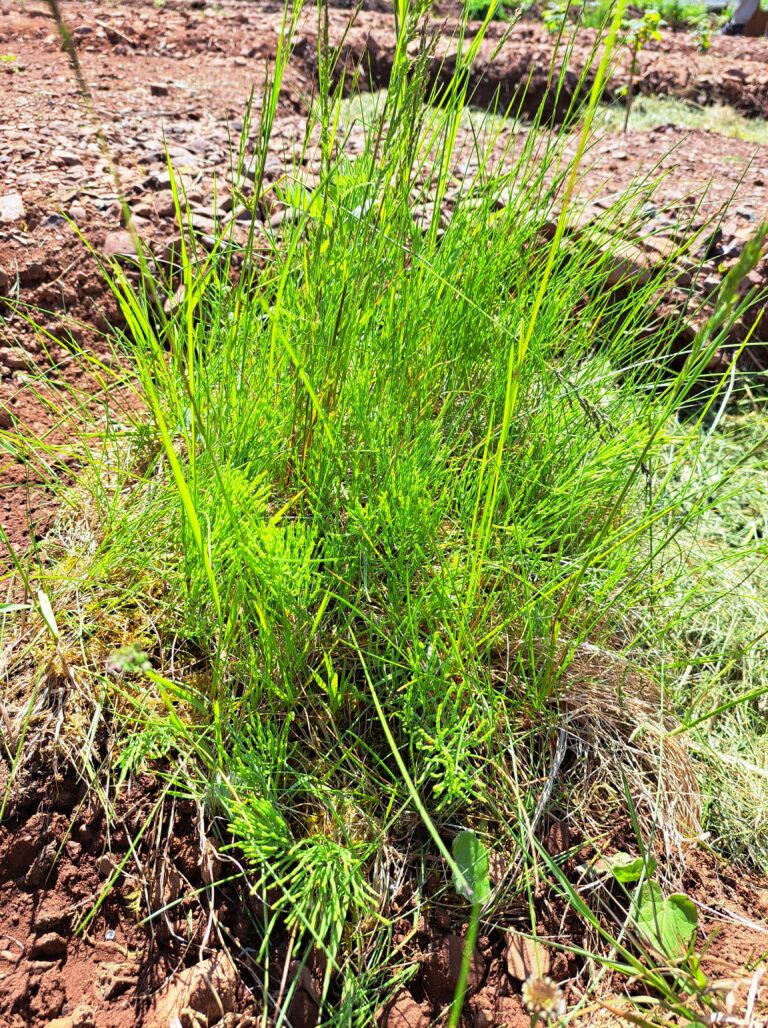
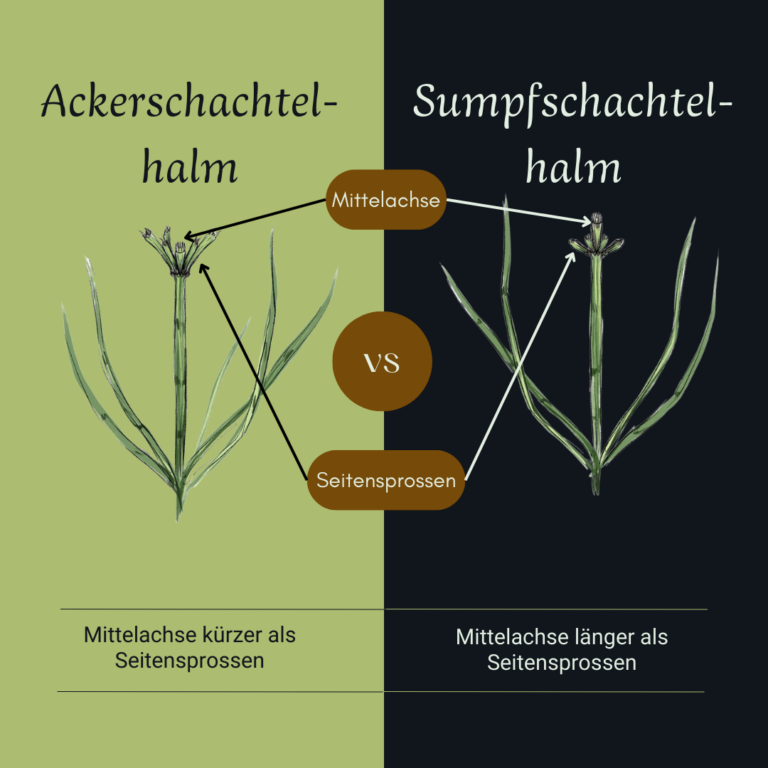

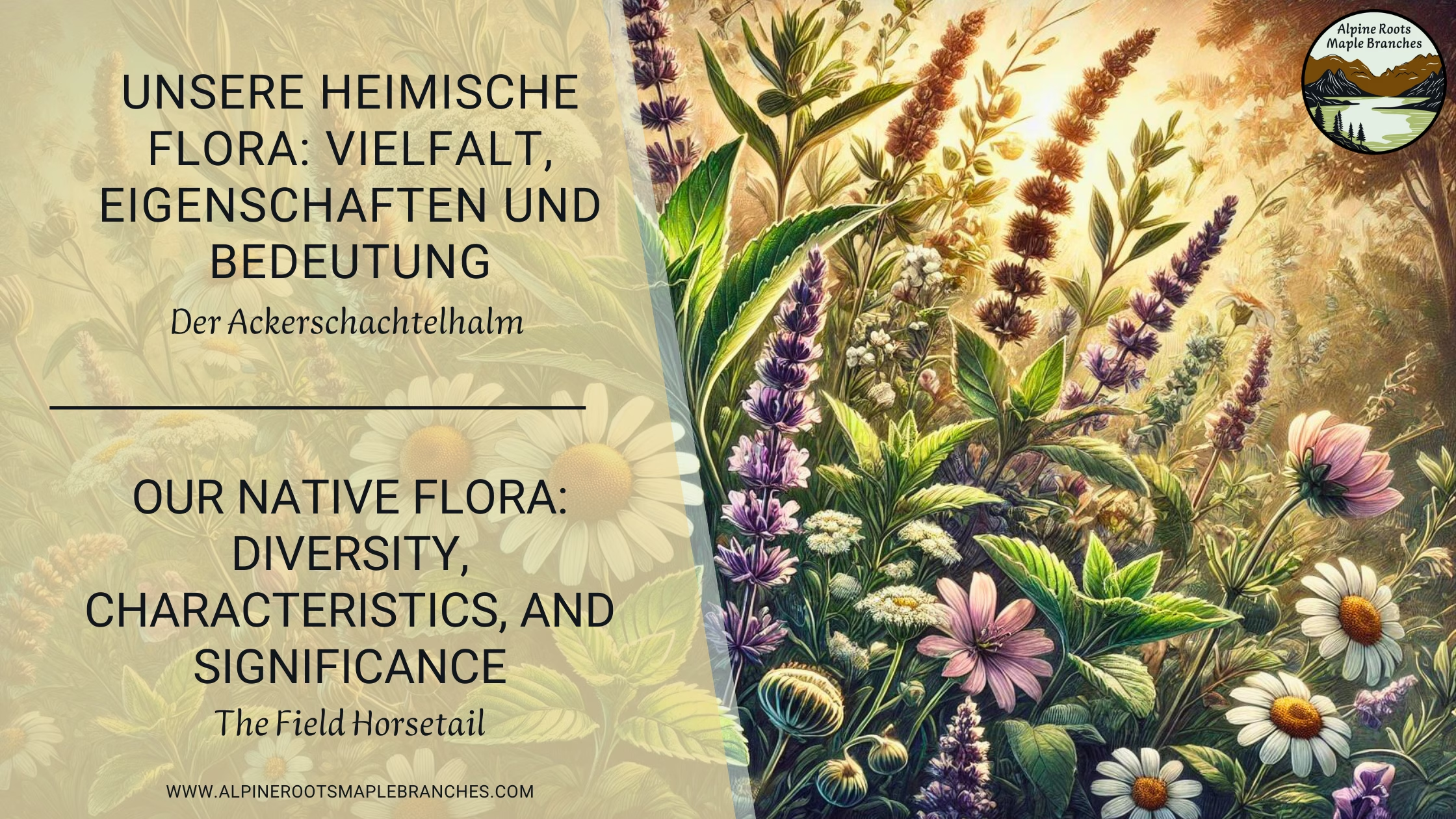
Field horsetail, also known as scouring rush, is one of the oldest plants on Earth and has played an important role in natural medicine for centuries. With its anti-inflammatory and diuretic properties, it is especially effective in treating bladder and kidney problems. Even today, it is widely used in the form of tea, tinctures, and ointments.
An ancient legend tells that field horsetail emerged from the remnants of a prehistoric fern that once covered the Earth. It is said that the gods preserved this plant from extinction and bestowed it with special powers. People believed that field horsetail could not only heal physical wounds but also ward off evil spirits.
In modern use, field horsetail is commonly utilized in the form of tea, tinctures, or ointments. The tea is particularly effective for urinary tract infections or kidney stones, while tinctures and ointments are applied externally for wound healing and the treatment of skin issues. However, due to its potential toxicity, caution is advised, and proper dosage is essential.
You can find more details about field horsetail and its uses here.
Your Thoughts?
Do you already use field horsetail regularly and have more information to share? We’d love to hear from you, so feel free to share your insights!
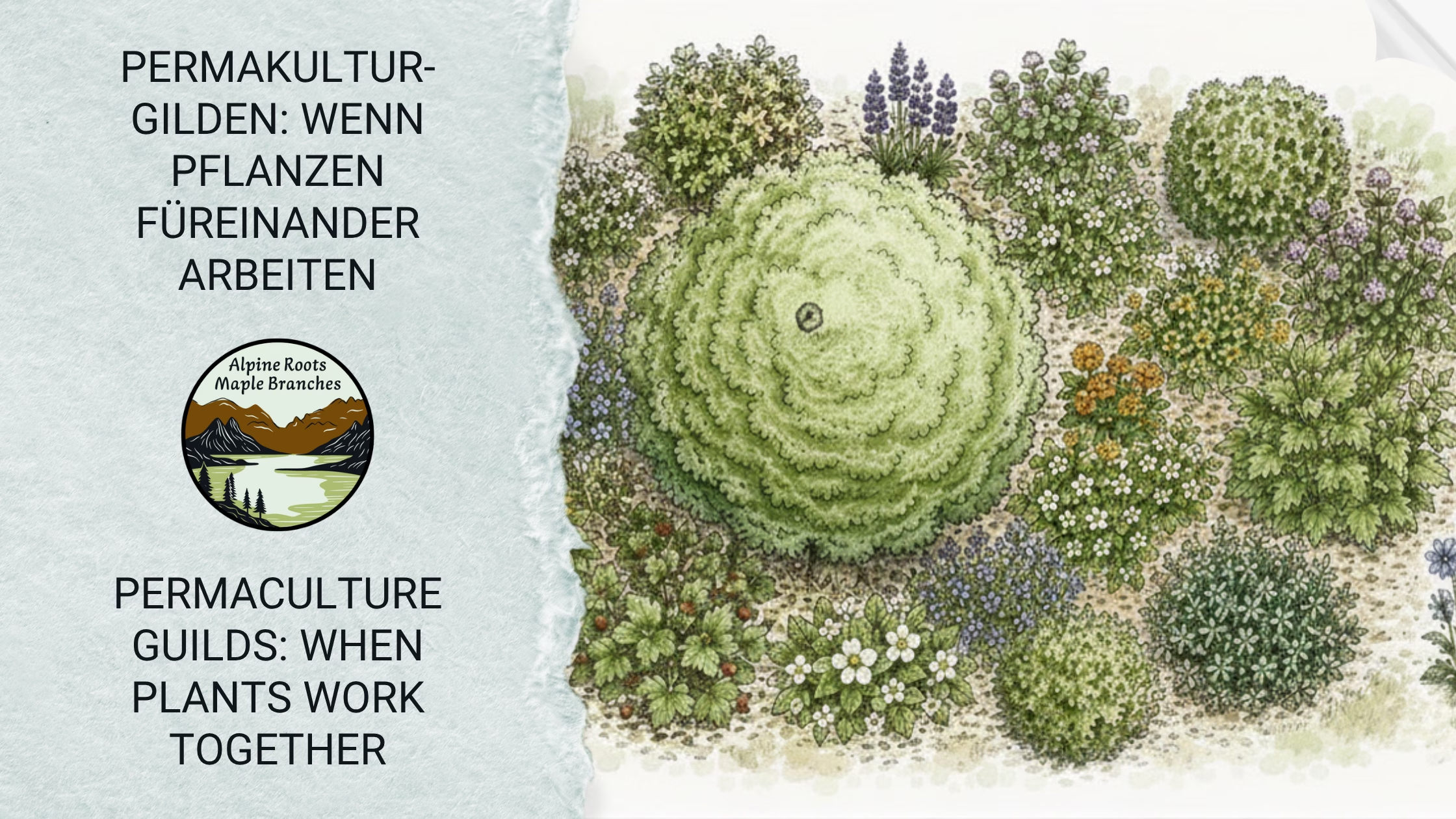
A garden that functions as a closed system drastically reduces your workload after the establishment phase. Instead of fighting weeds and heavy clay soil, permaculture utilizes functional plant communities: guilds. Learn how to arrange companion plants from the inside out to naturally fix nitrogen, manage waterlogging, and build stable soil aggregates.
Urine as fertiliser: nitrogen, phosphorus, potassium – free and available every day. Learn how to apply it safely, strengthen your soil life, and close the loop. Regenerative gardening from the inside out.
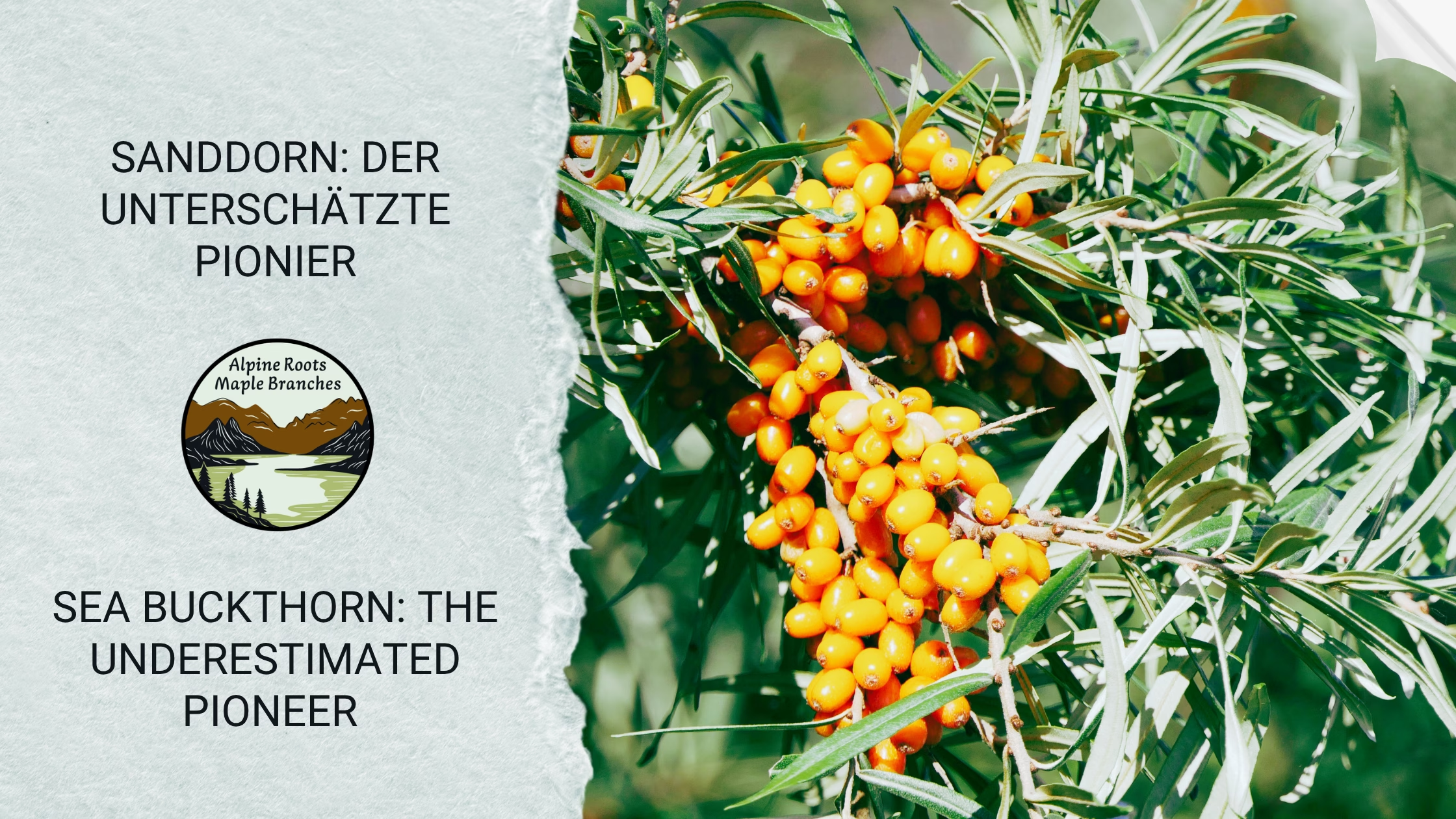
Sea buckthorn is one of those plants you completely underestimate at first glance. With its silvery-green leaves and vivid orange
When the heaviness of depression takes over, reality becomes abstract. Learn how manual labor and crafts act as a biological antidote by activating the brain’s reward system through physical self-efficacy.