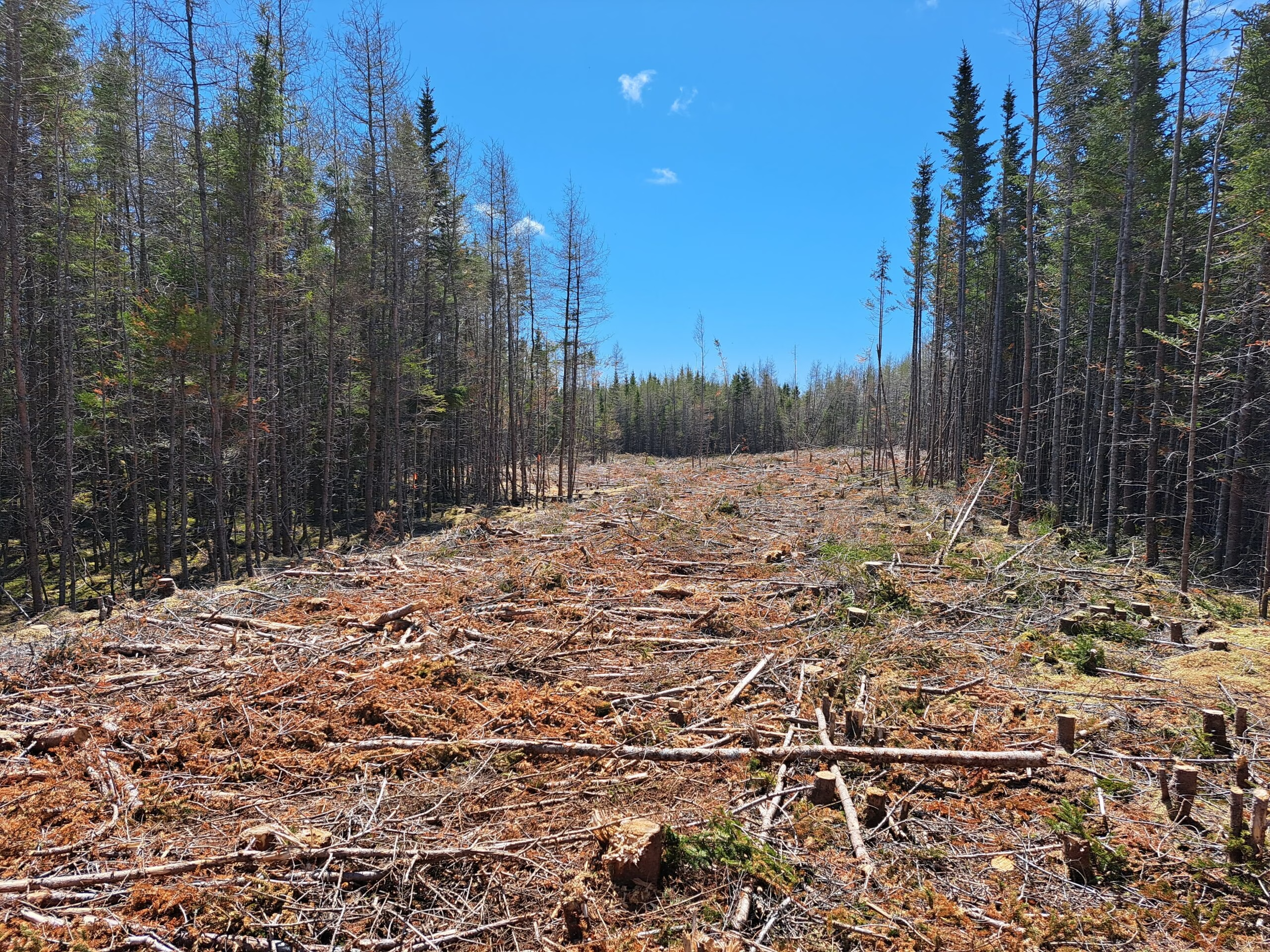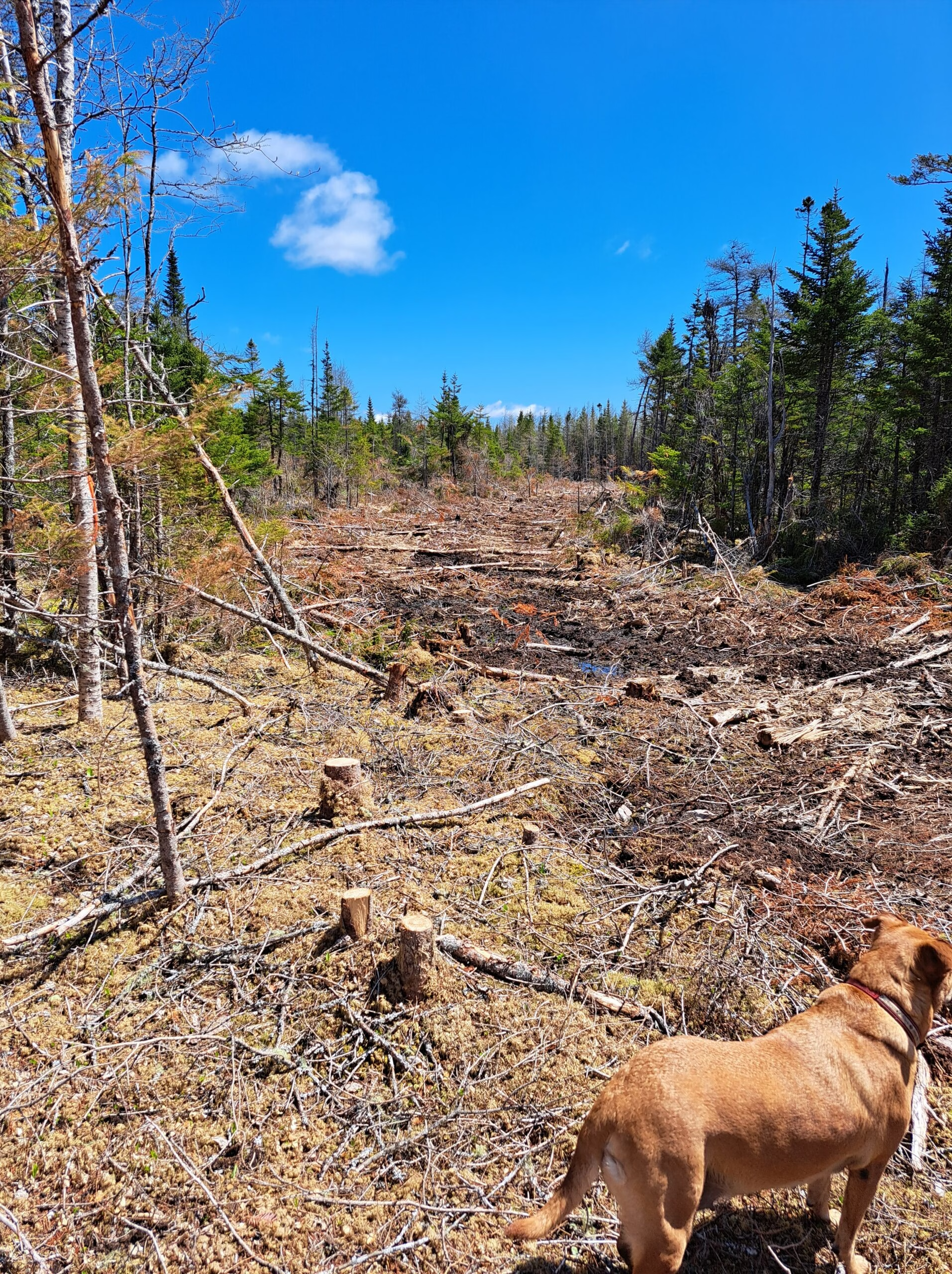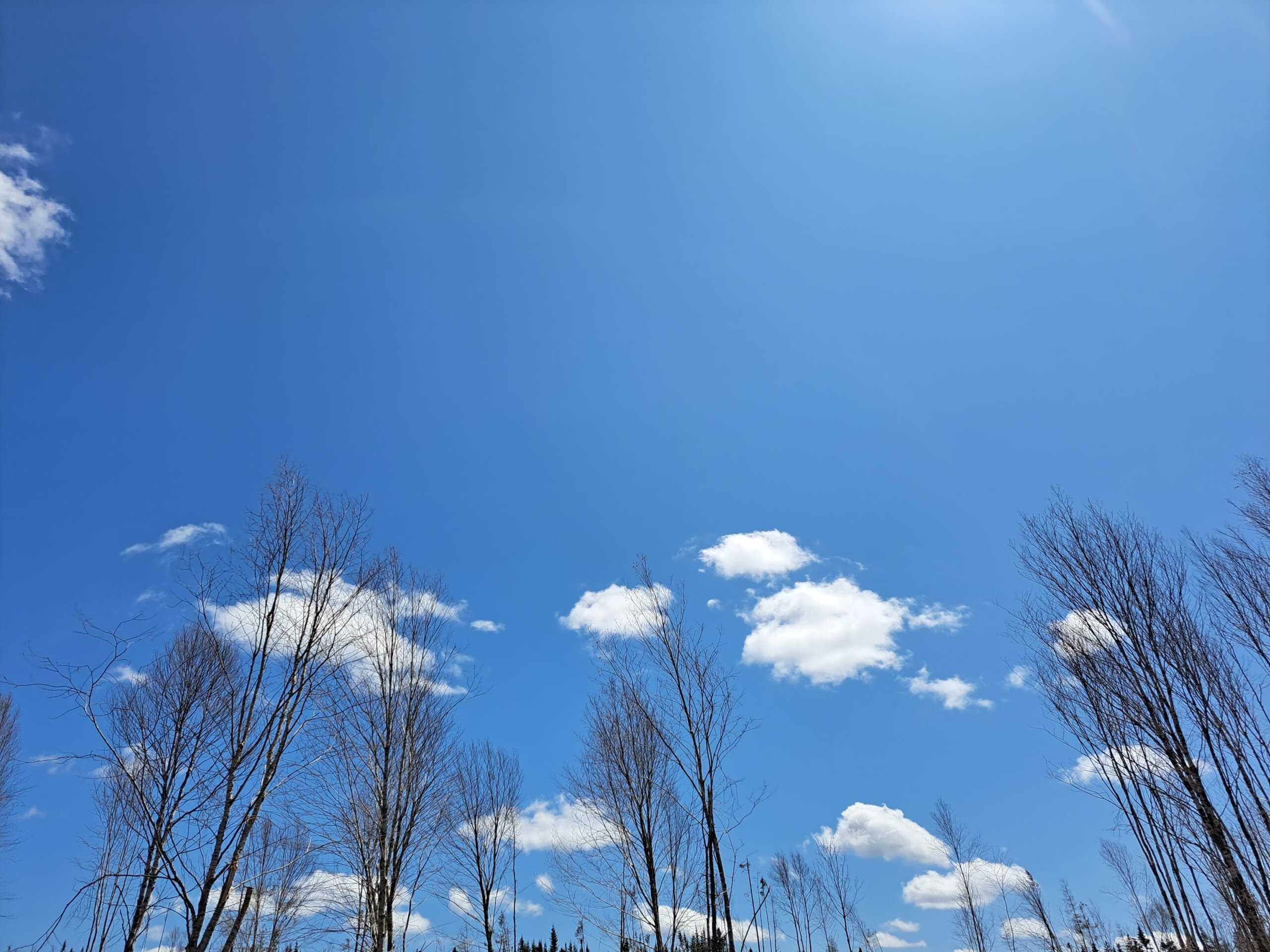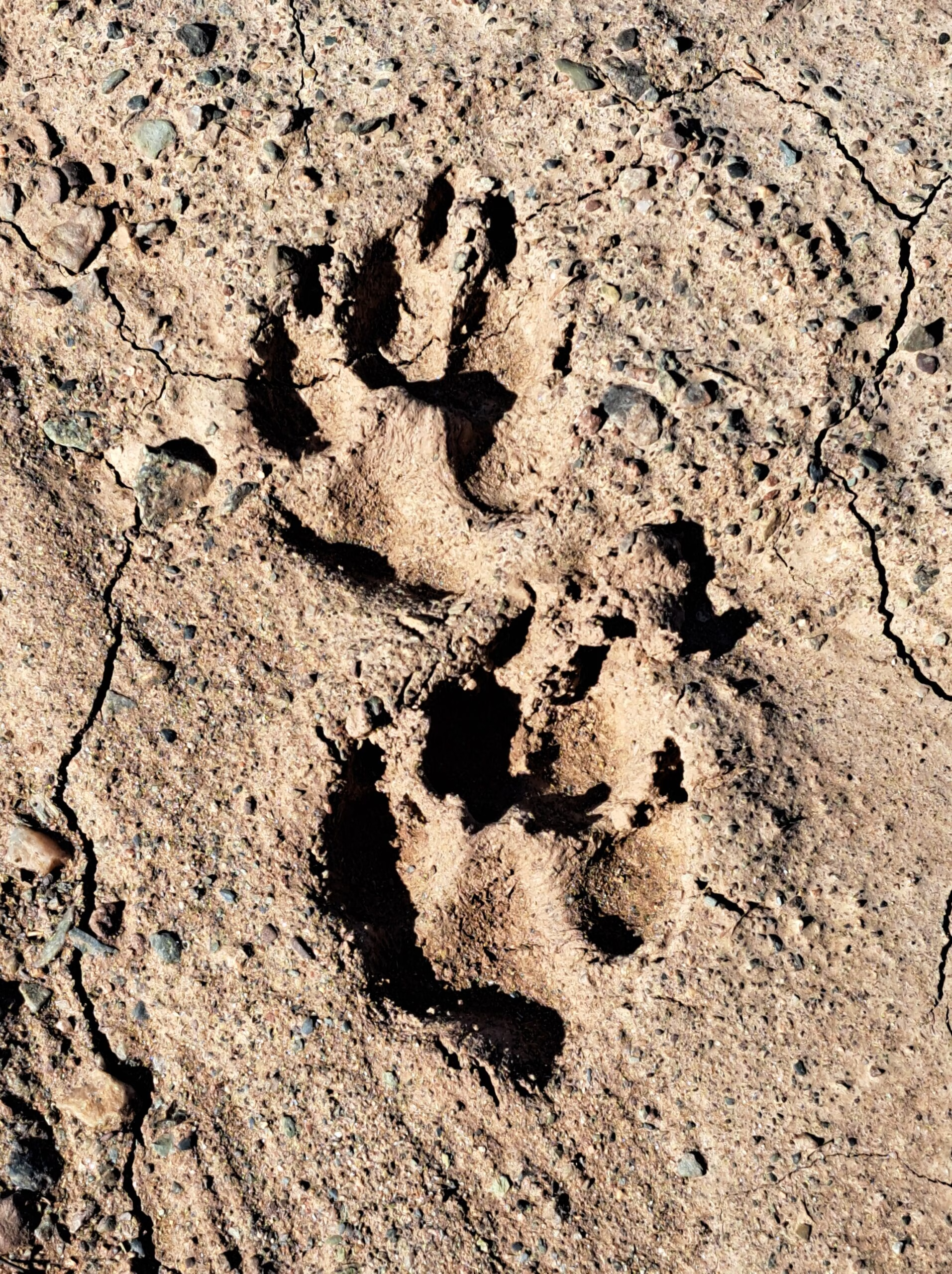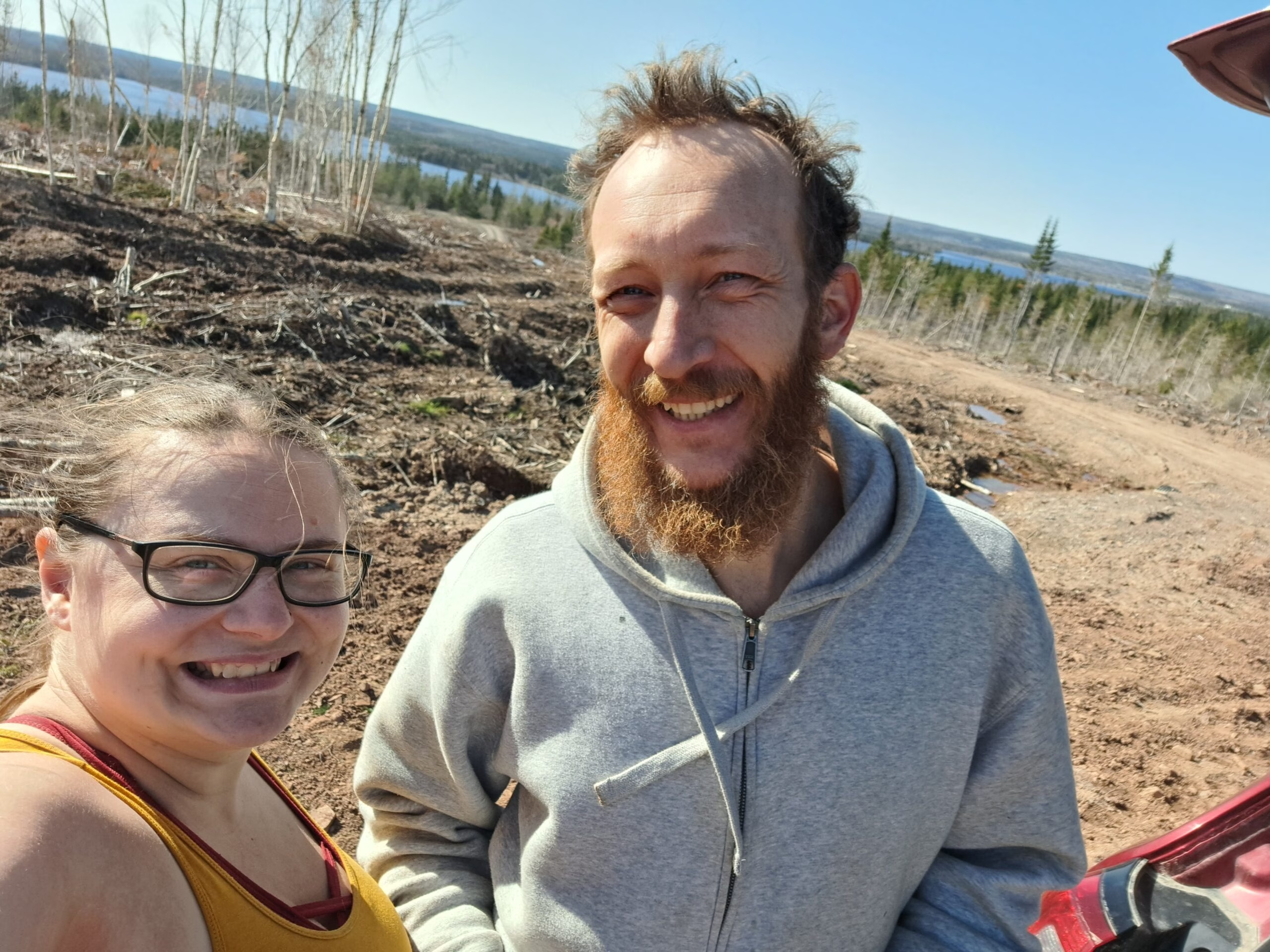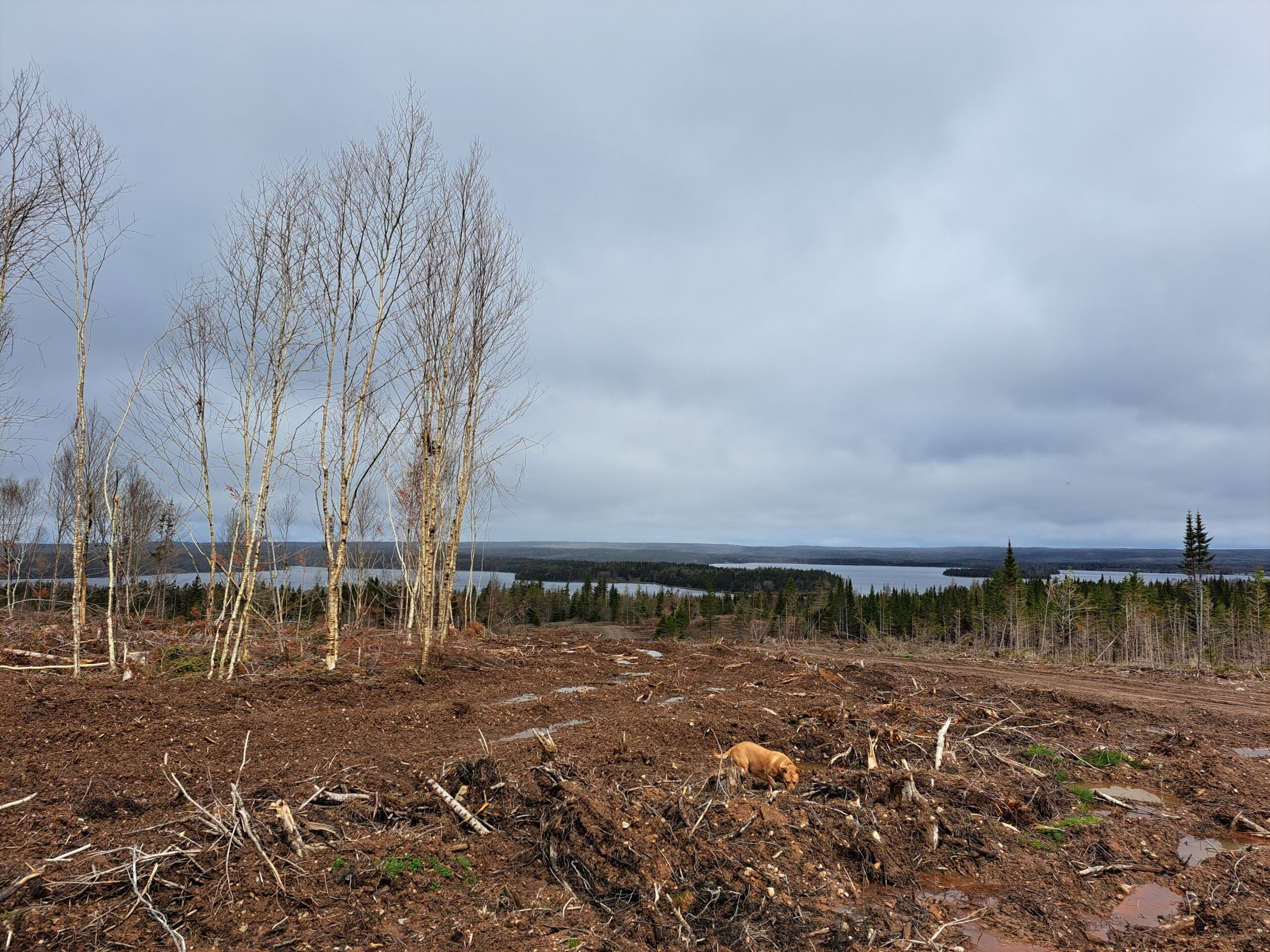
After our first exciting adventure on our property, we decided to regularly embark on small excursions. Although the cleared land looks barren and bleak at first glance, there is always something new to discover.
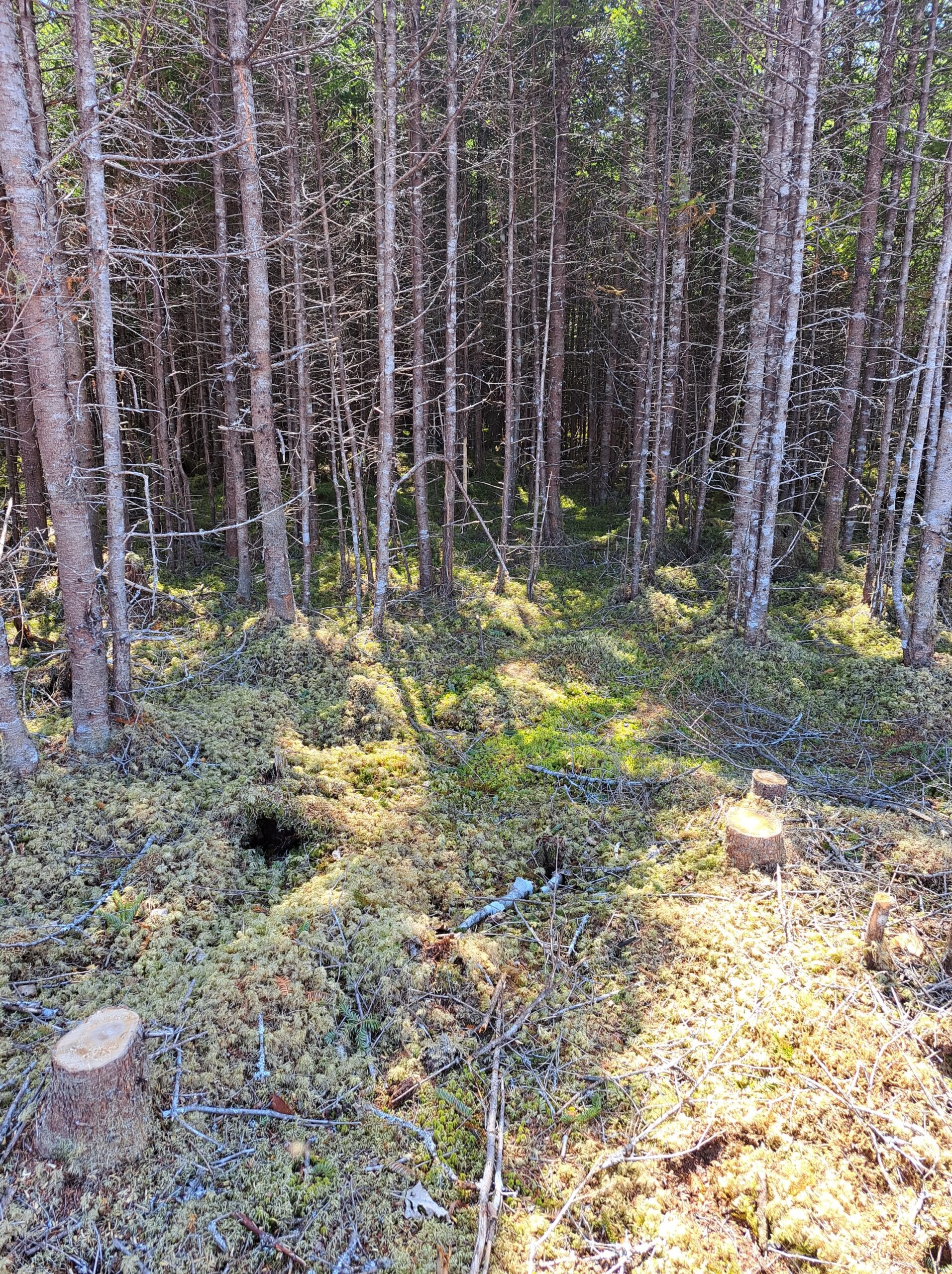
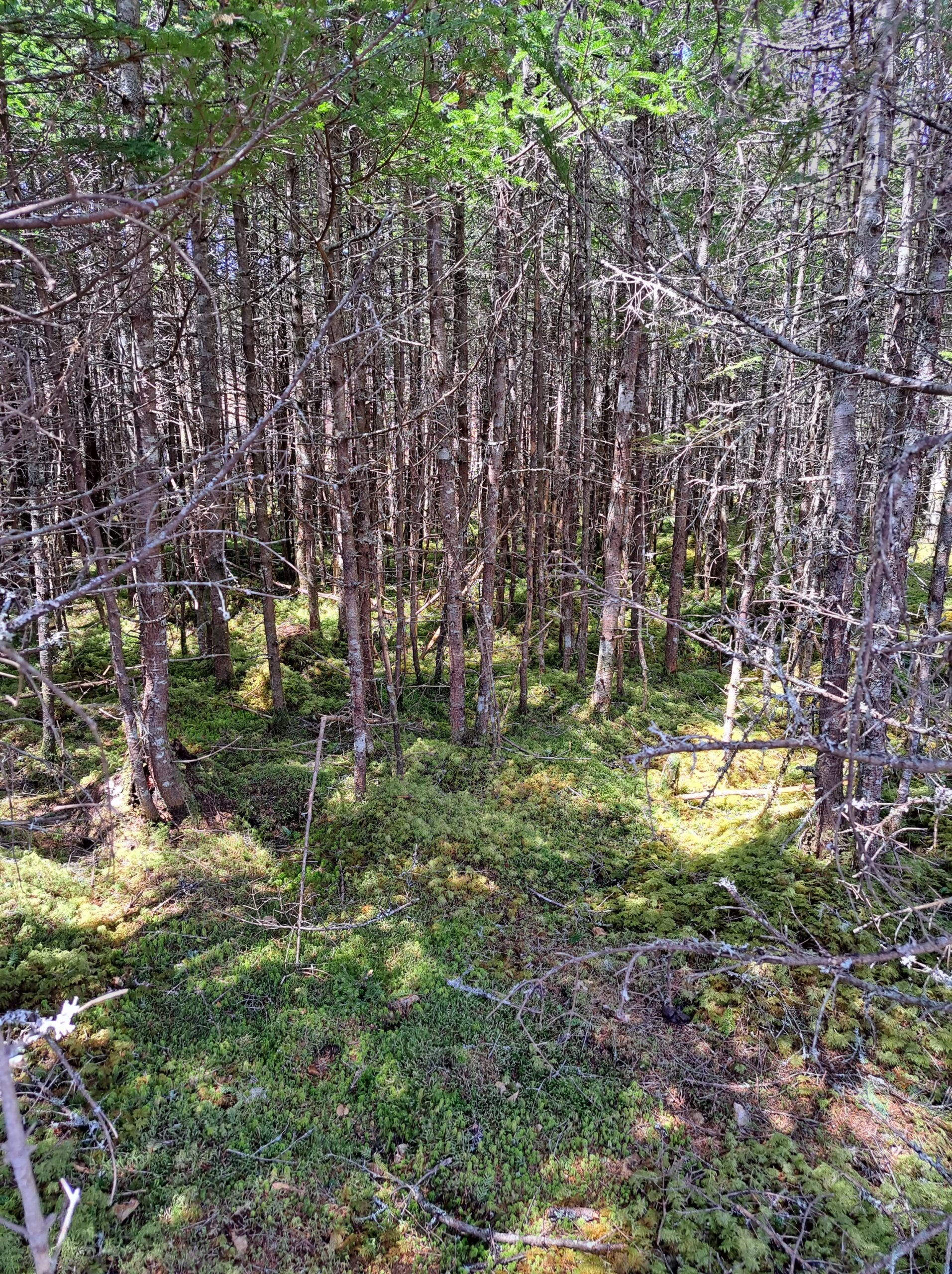
We wander over the fallen trees and through the underbrush (as much as possible), past the remaining birches, and observe how nature is slowly fighting back and adapting to the changed situation. The beautiful mossy ground, which covers many parts of the property, adds a magical atmosphere to the landscape. To our great delight, the moss, contrary to our fears, is not drying out despite the reduced number of trees. Instead, it remains lush and green in most places without the shade. Small plants are sprouting from the ground, and birds, small animals, and insects are returning.
We are also delighted to discover a variety of tadpoles, dragonfly larvae, and other small water creatures in the tiny ponds created by the logging vehicles. Every excursion reveals new corners of our land, teeming with life and potential.
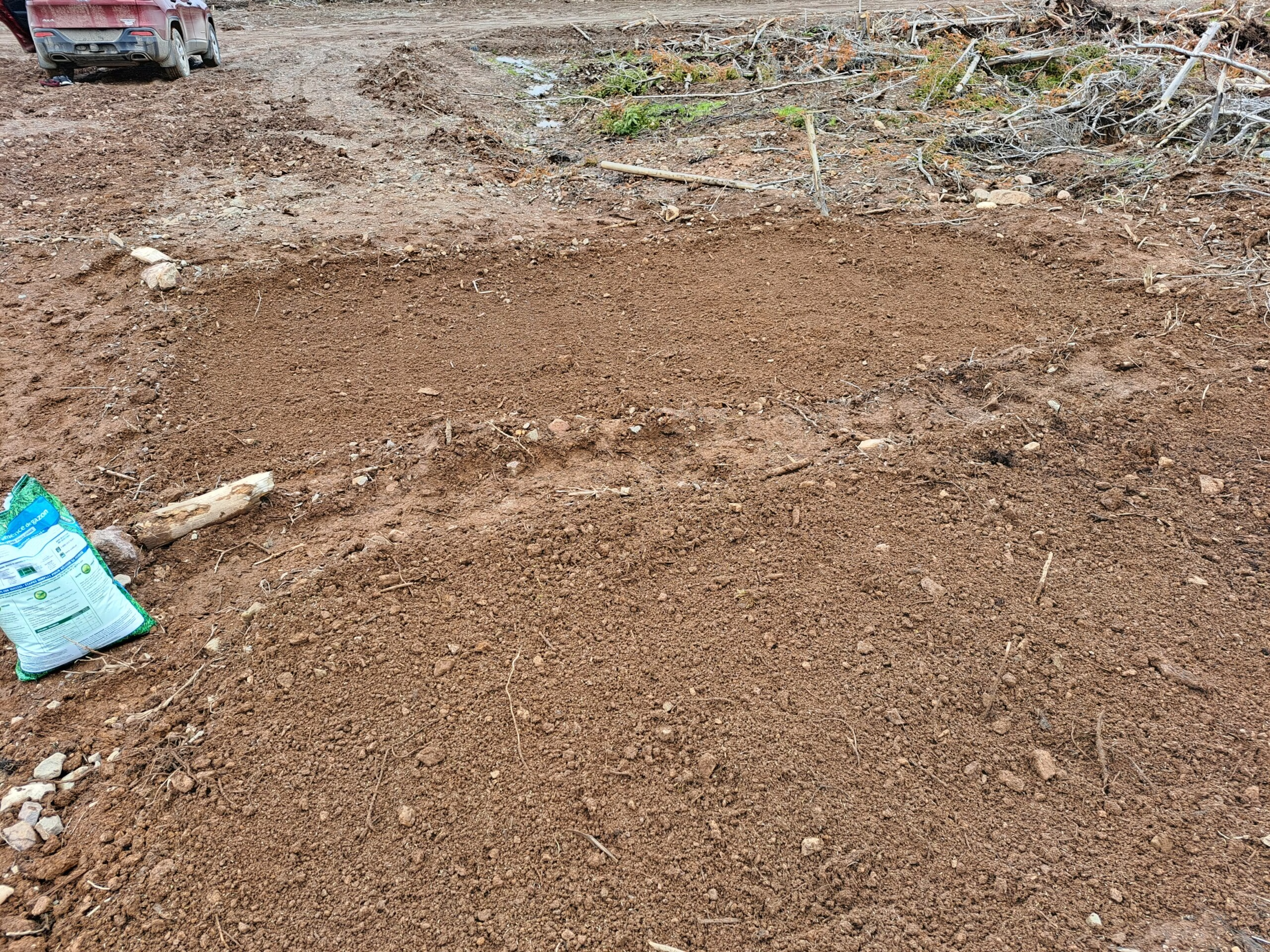
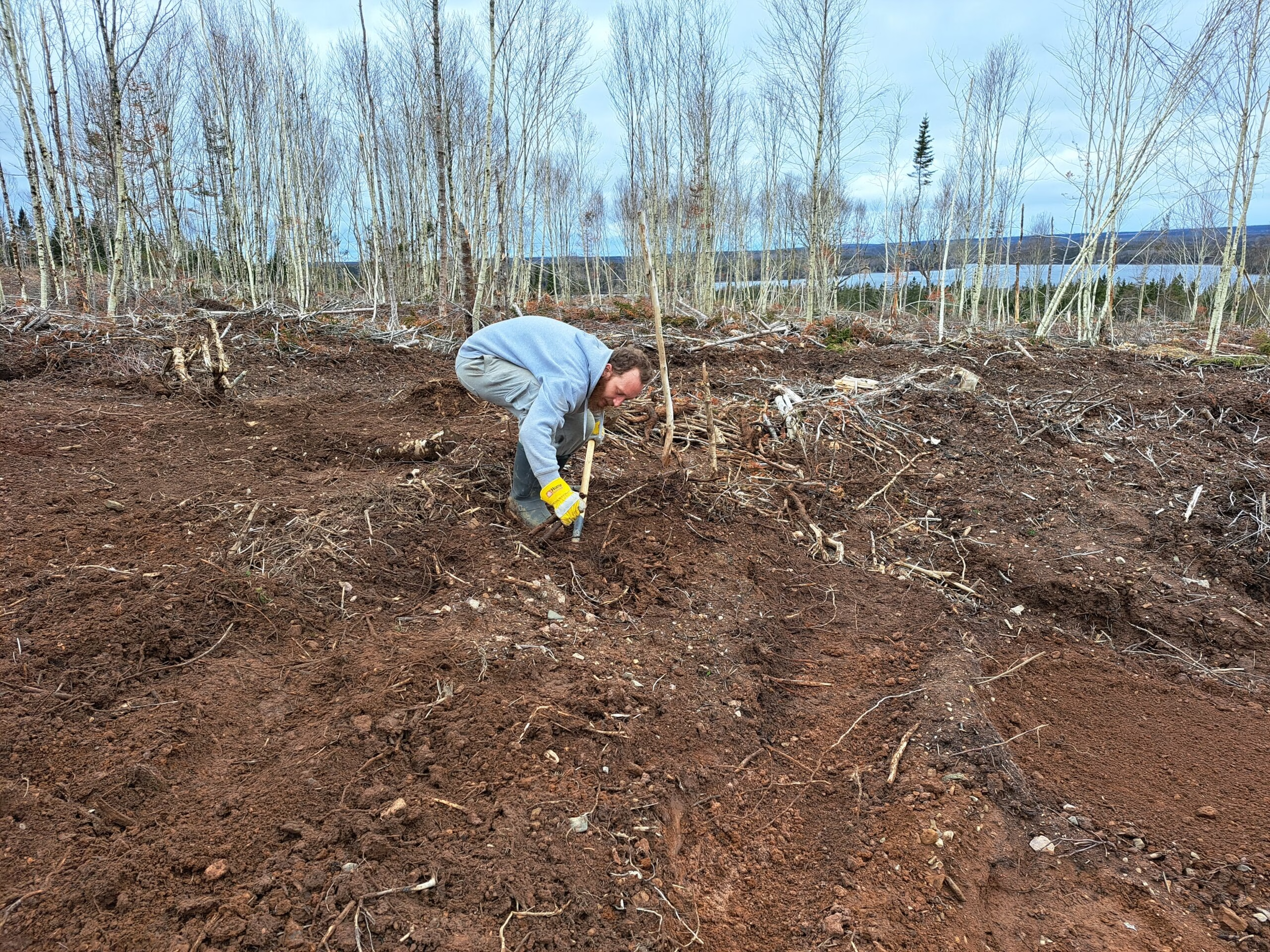
The first areas we’ve worked on already show significant progress. Even if it may not be obvious in the pictures, we’ve managed to create some lovely, flat spaces free of tree stumps. We sieved the soil to remove stones, creating an ideal foundation.
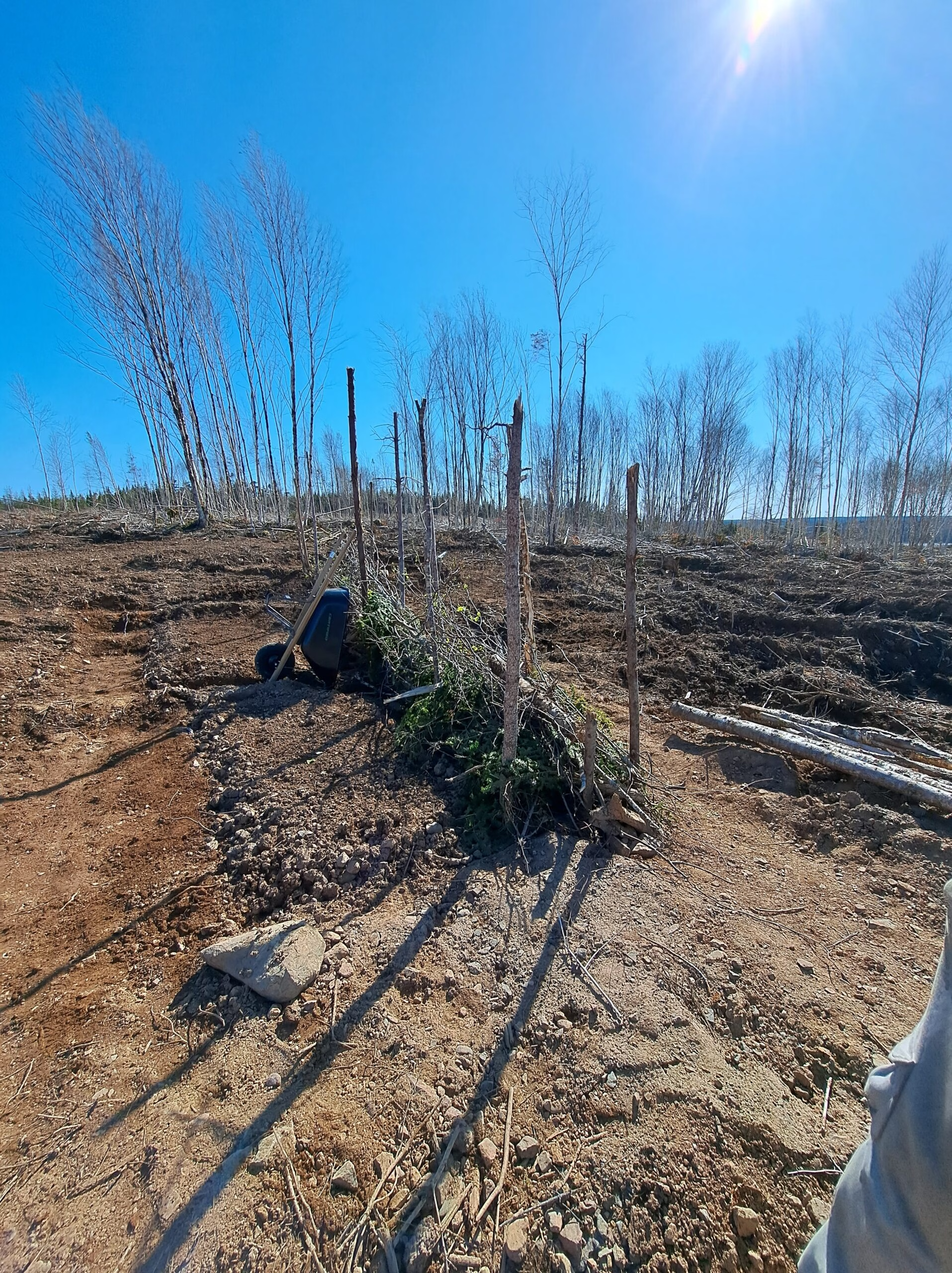
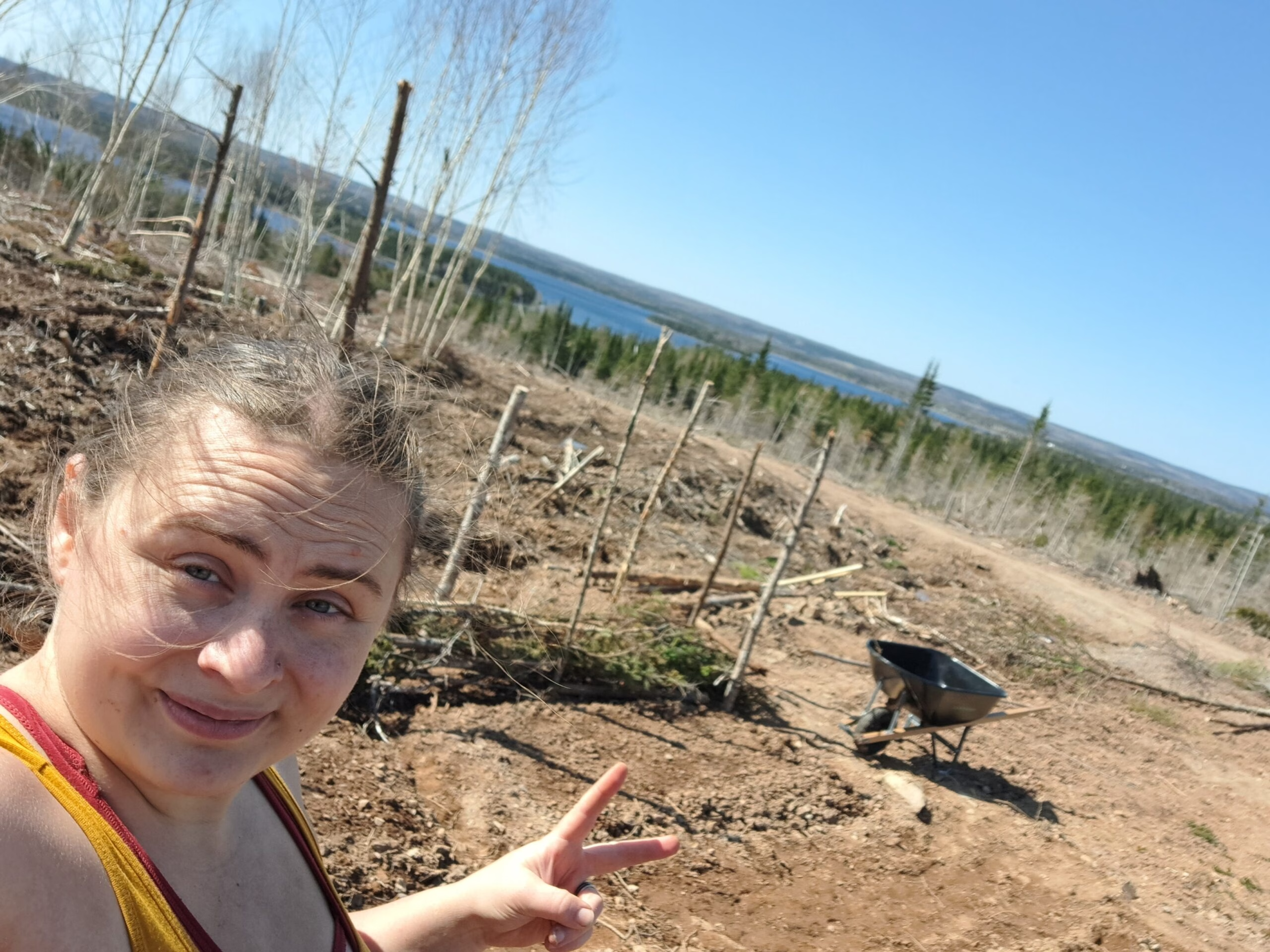
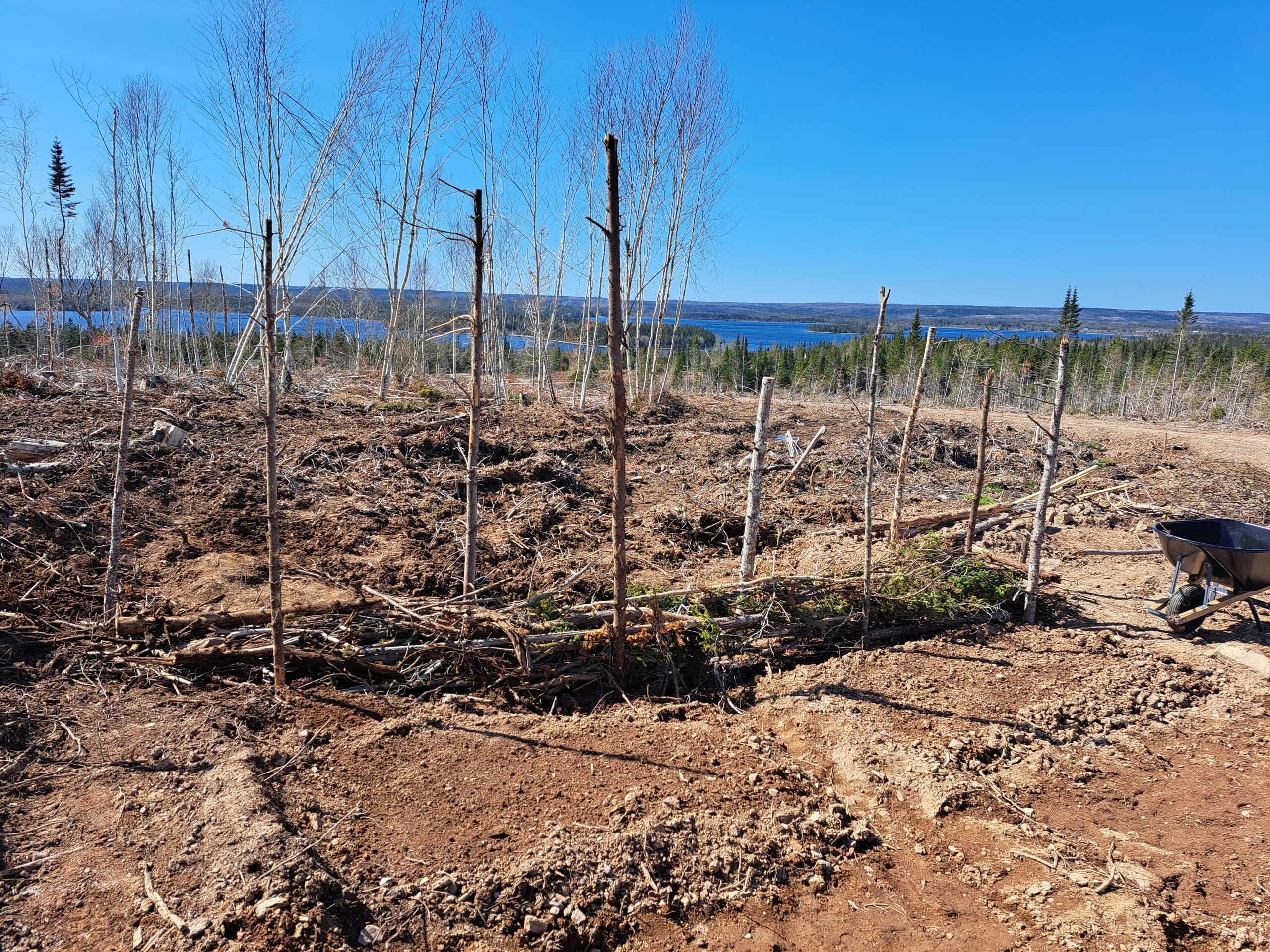
Another project we’ve started is building a windbreak in the form of a deadwood wall. This natural barrier will not only help protect the garden beds but also provide a habitat for many small animals and insects. The approximately 50 cm wide fence consists of vertical posts, between which we stack deadwood of various types and lengths to create a windbreak about 1.70 m high.
The deadwood wall contributes to changing the microclimate by softening the wind and retaining soil moisture better. This creates a more pleasant and stable environment that promotes plant growth. The ecological benefits are also remarkable: Using recycled wood is a sustainable choice that conserves resources and helps reduce waste. Additionally, the deadwood wall creates valuable habitats for many small animals and insects, promotes biodiversity, and supports the ecological balance on our property.
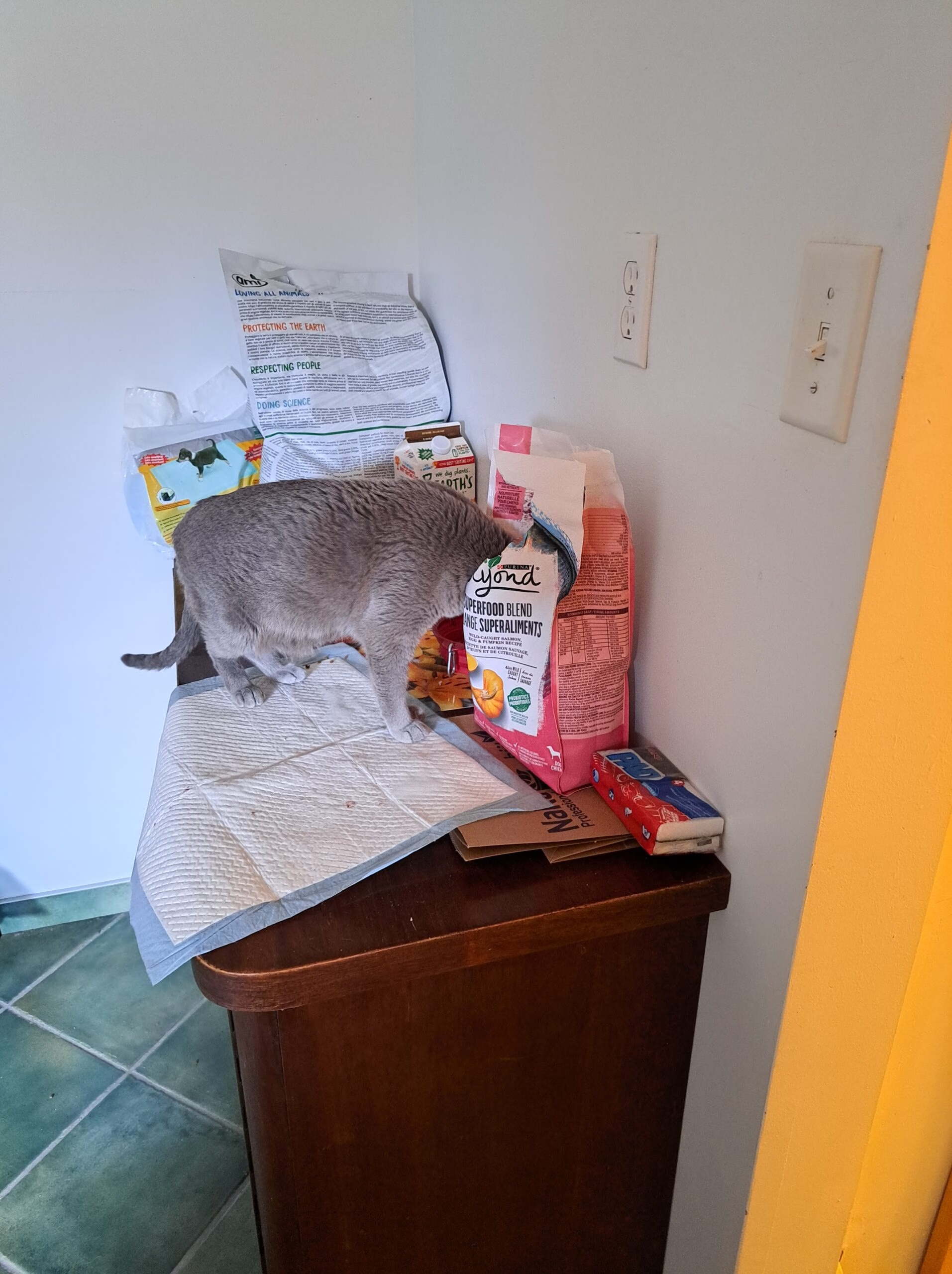
After so much outdoor activity, it’s important to rest and recharge. Diana and Gernot enjoy a shared nap, while Isis sneaks a snack directly from the food bag to replenish her energy.
We also haven’t forgotten about communication and computer work. Gernot uses the laptop to make plans and stay in touch with supporters. Of course, Diana is involved again, taking on the role of proofreader.
We honestly don’t know what we’d do without Diana. It must be incredibly exhausting for her to manage all these tasks and make sure everything runs smoothly. She really keeps an eye on everything, and without her, we’d be completely lost!
Your Opinion?
Have you already emigrated and have your own story to tell? Feel free to share it with us! Are you planning to emigrate? What are your hopes and fears for a fresh start? Do you have other tips and tricks you’d like to share with us? We look forward to your messages!