
With great enthusiasm and a clear vision, we are beginning to make our property livable. Preparing the land is a necessary step in realizing our dream of a sustainable life surrounded by nature. The property in Cape Breton offers us the ideal foundation for our permaculture project. Here, we don’t just want to live but also protect and promote the natural environment.
The Story
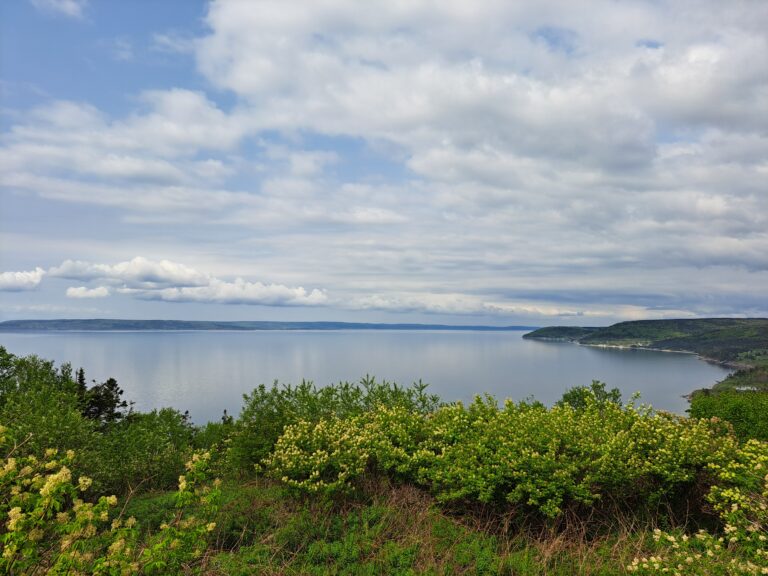
We chose this property because of its enormous potential. The decision to settle on this specific piece of land in Cape Breton, Canada, was based on several carefully considered factors. Besides its size and accessibility, the freedom from third-party rights and the opportunity to build a sustainable permaculture system were especially important to us. These criteria, along with our considerations in choosing the property, are detailed in our blog post about searching for the perfect emigration destination.
Reasons for Holding Back
Our decision to avoid making significant investments at the moment is due to various factors. Our container, filled with urgently needed tools and equipment, is still in Austria. Due to bureaucratic obstacles, we haven’t been able to ship it yet. You can read more about this in our blog post on container transport. Additionally, we have ongoing costs, such as rent, and are currently not permitted to generate income in Canada. This situation forces us to be mindful of our resources and invest only in the essentials for the property.
First Steps
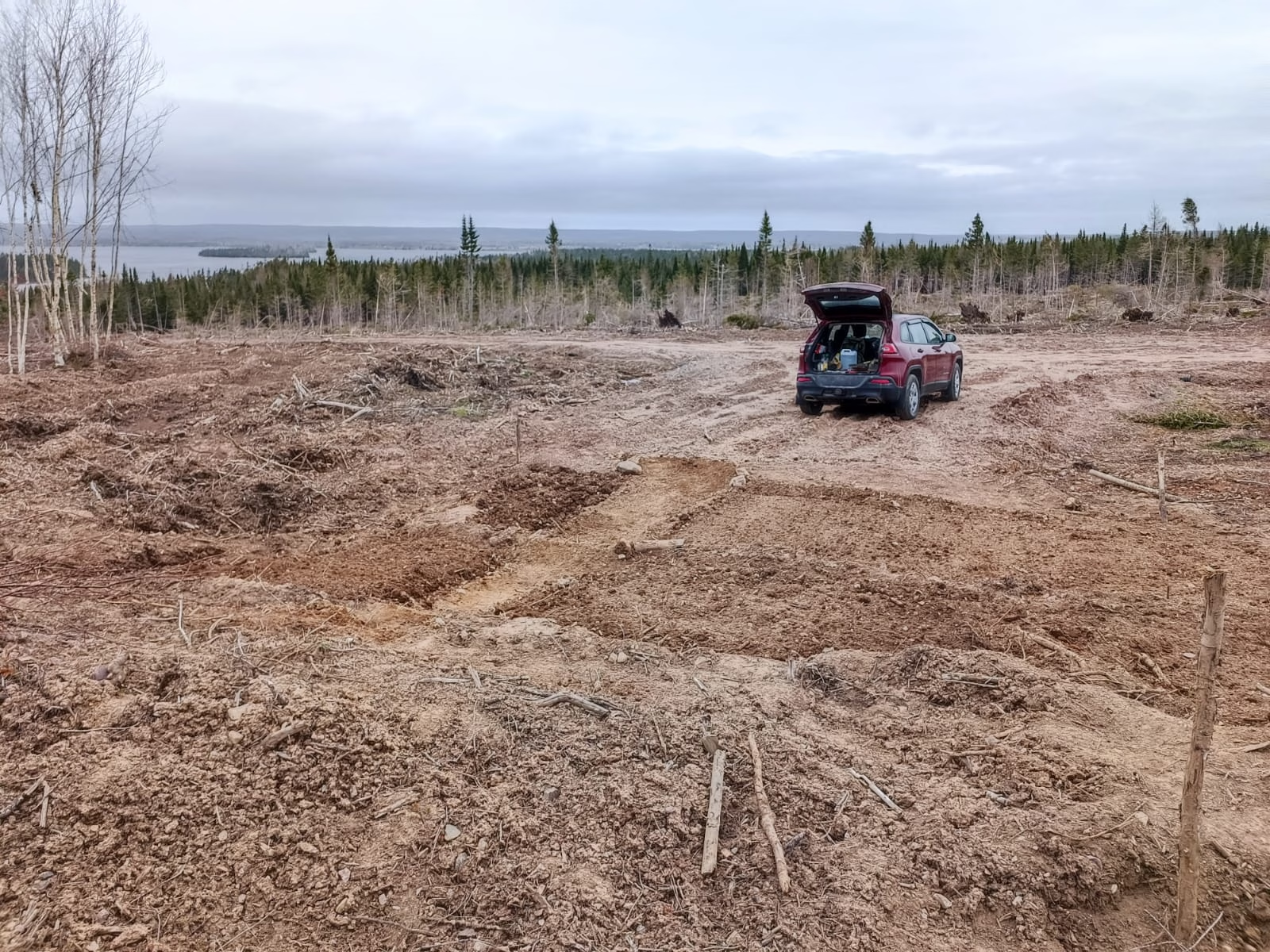
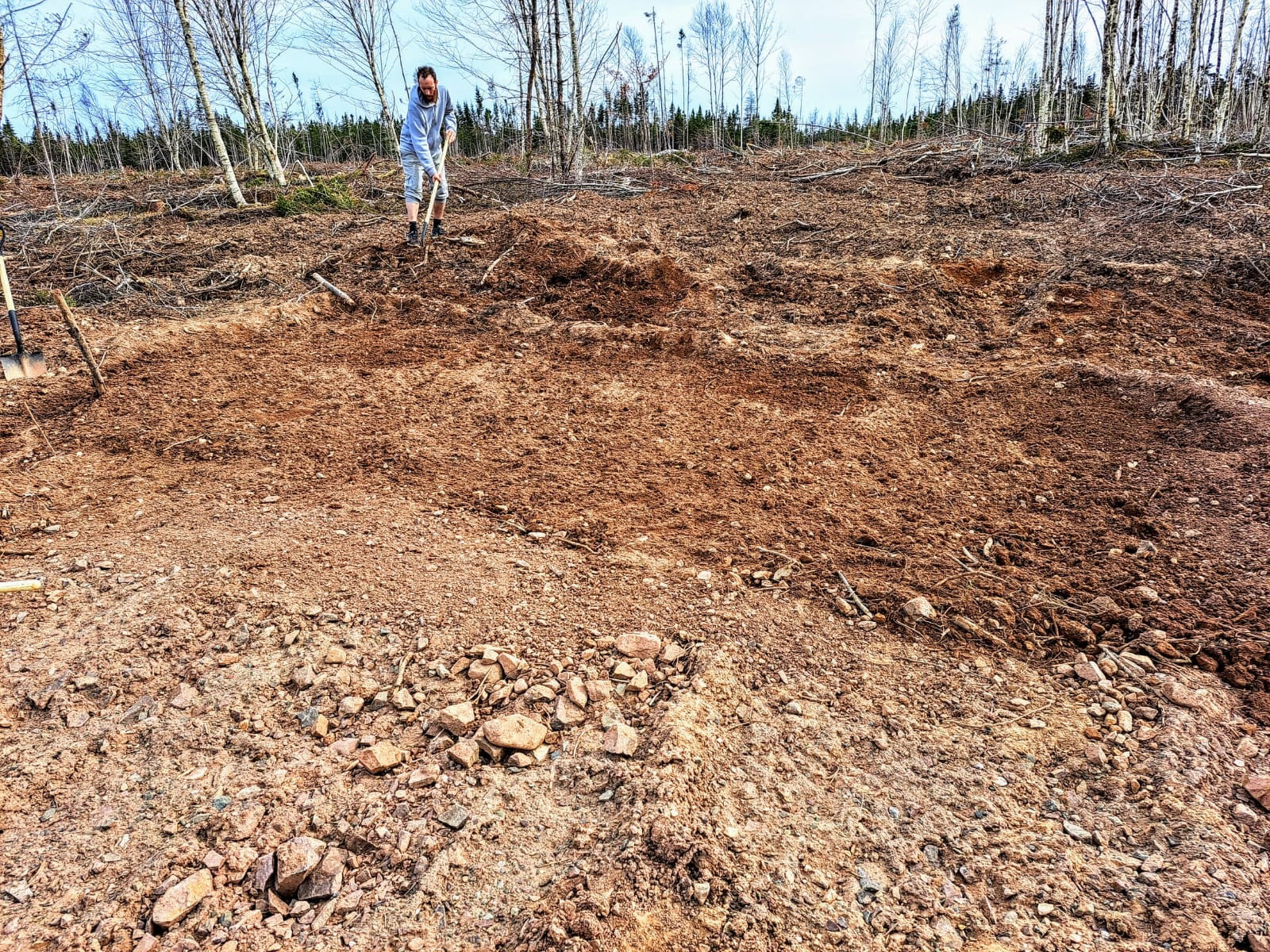
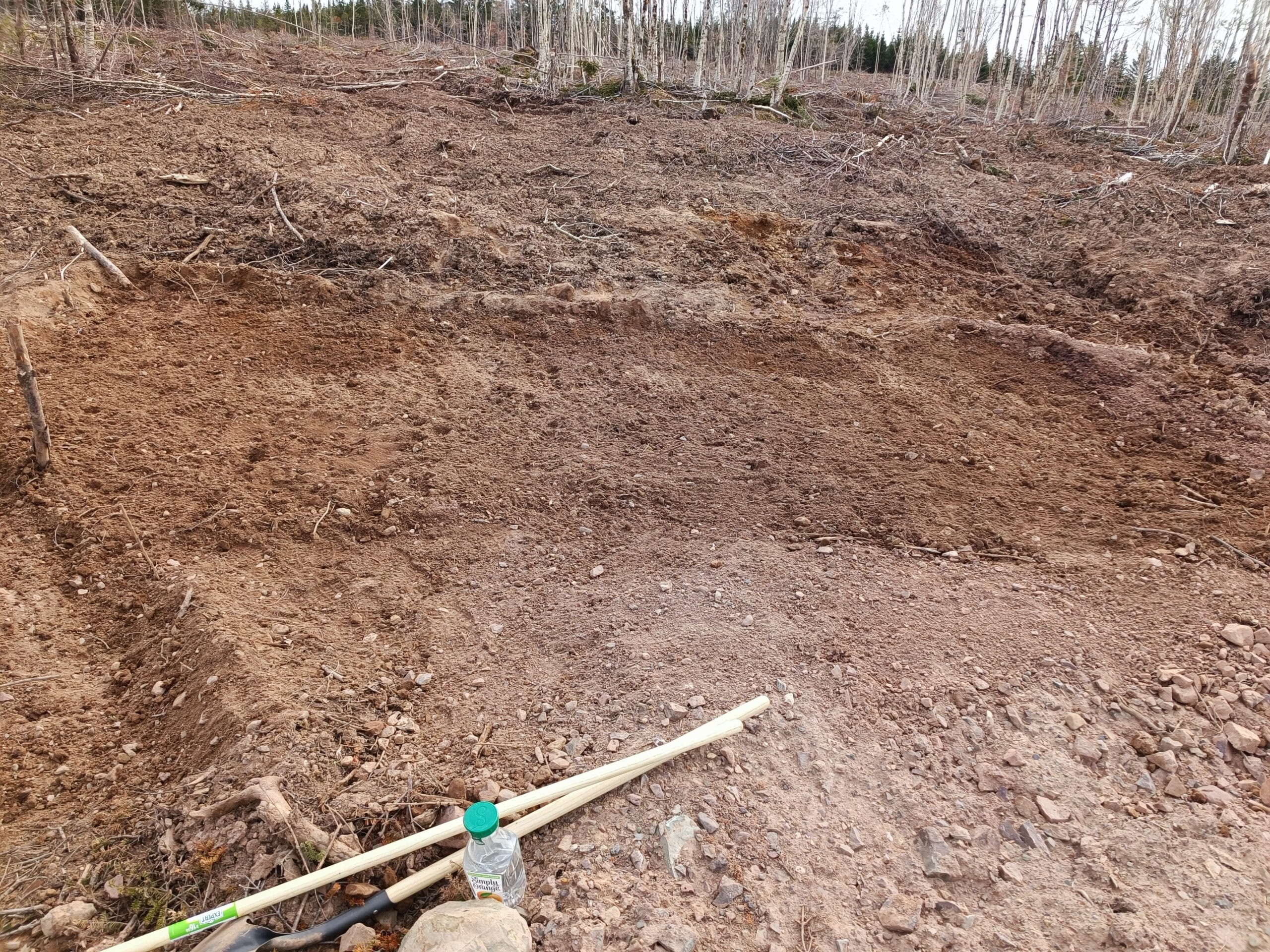
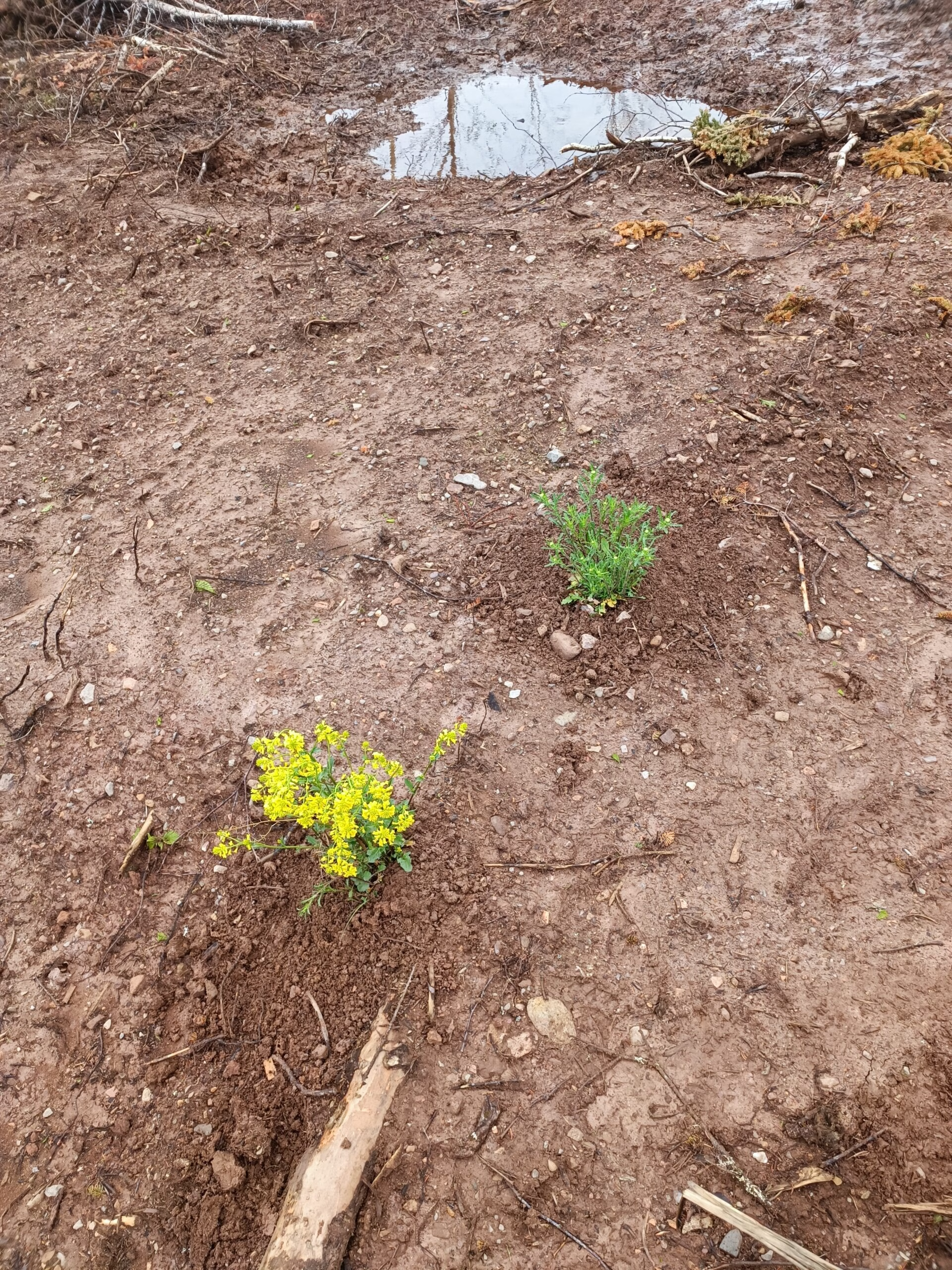
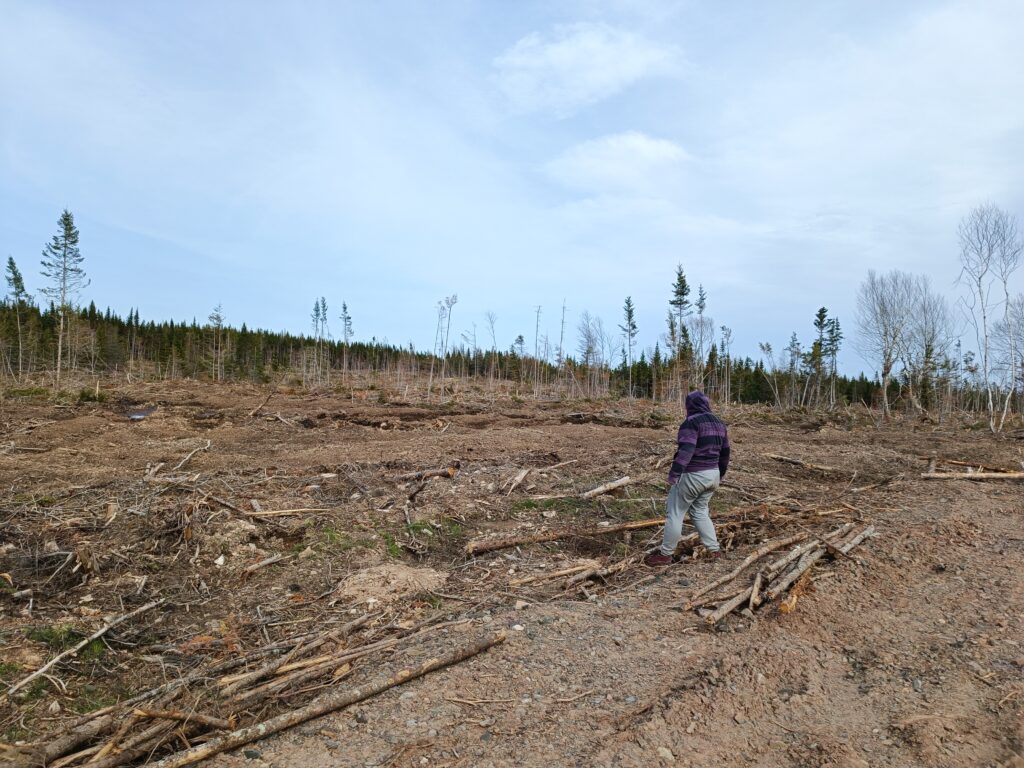
The beginning is challenging but incredibly satisfying. We’ve started by clearing and leveling the first 50 square meters next to the turnaround point at the highest spot on the property. Here, we are planting a small meadow and the first flower beds. This meadow is particularly important for Diana, so she has a comfortable spot to rest without having to lie in the undergrowth or on the gravel road.
Our work begins by clearing debris and wild growth and removing the remaining tree stumps from the previous logging. Using simple tools and a lot of manual labor, we level the ground and prepare it for planting.
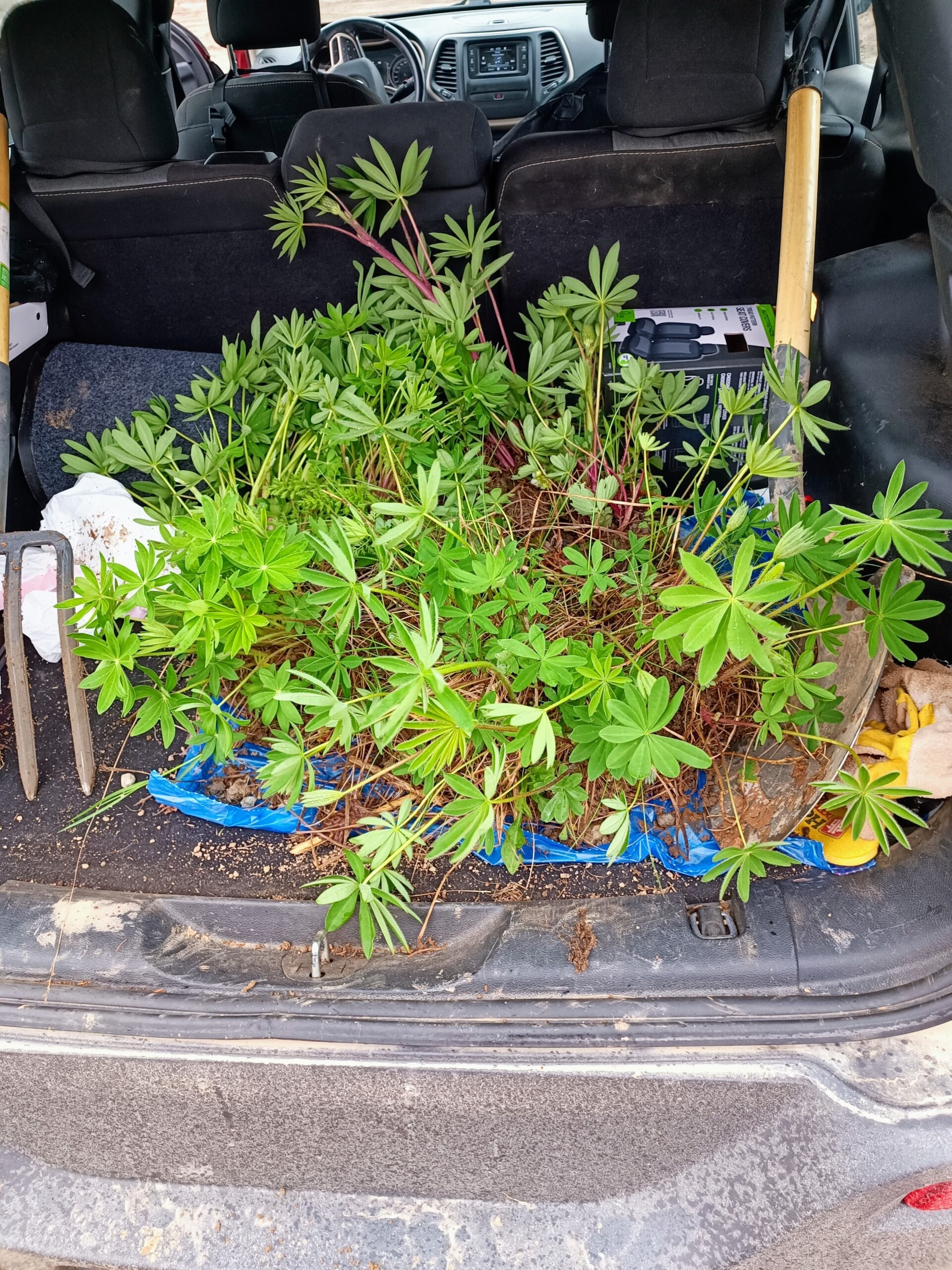
We are taking the first plants from the edges of our property and the roadside. The goal is to create an area that is suitable for both growing plants and for us to relax. The first flower beds are a real highlight. We are choosing native plant species to promote biodiversity and provide a new habitat for local wildlife.
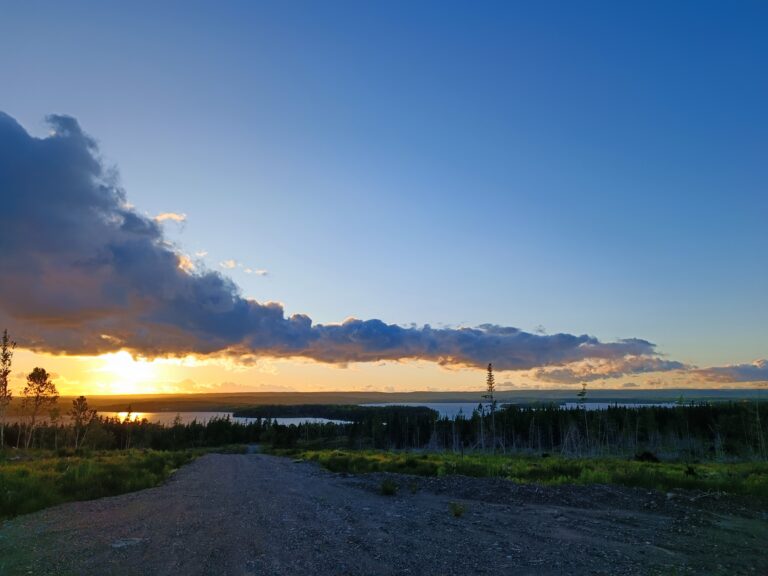
Clearing the entire 70 hectares of land will be a long-term project for the coming years, if not decades. Every stump removed and every cleared area brings us closer to our dream. With each day we spend working on the land, our connection to nature and to each other deepens.
Discovering Flora and Fauna
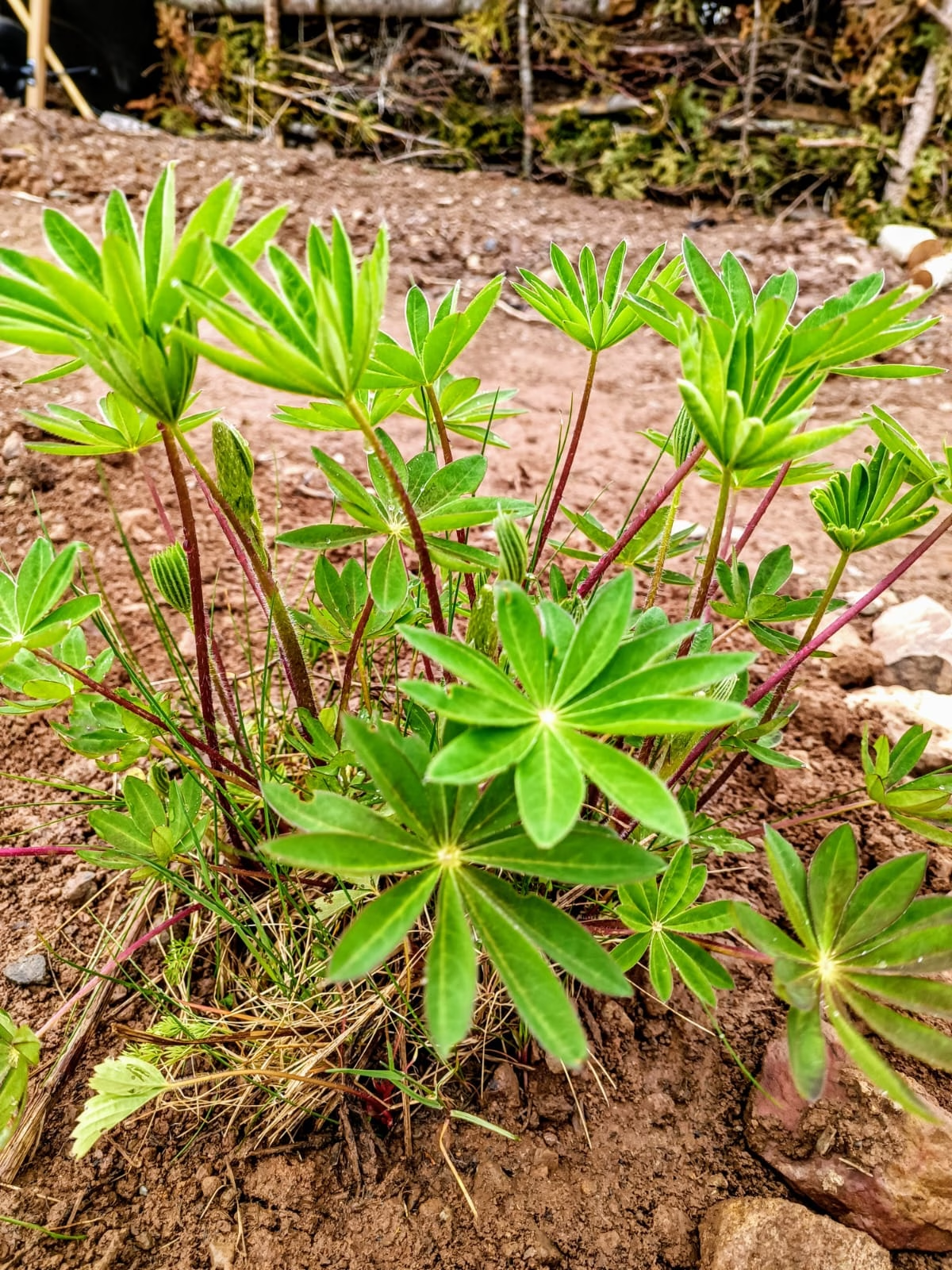
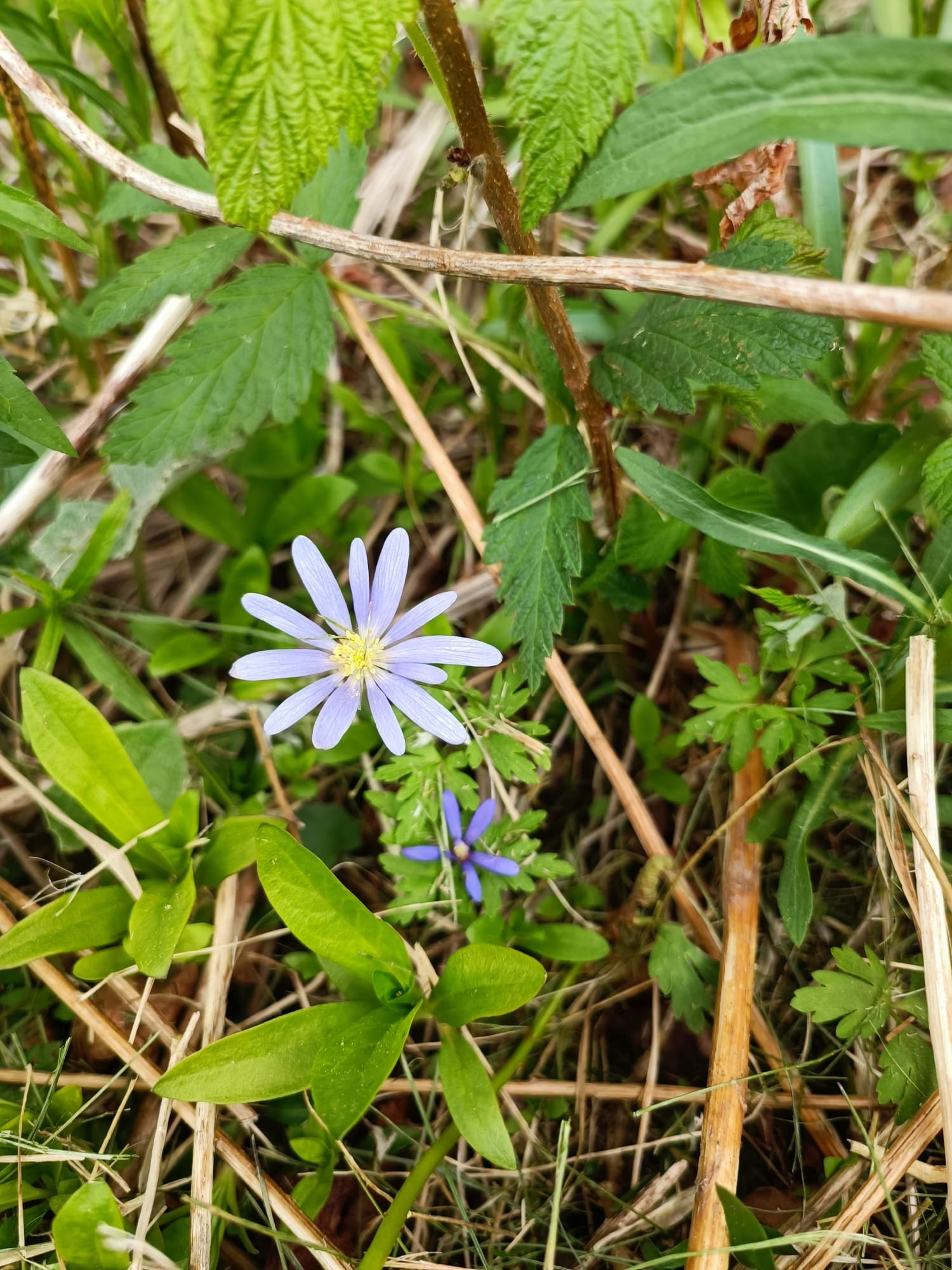
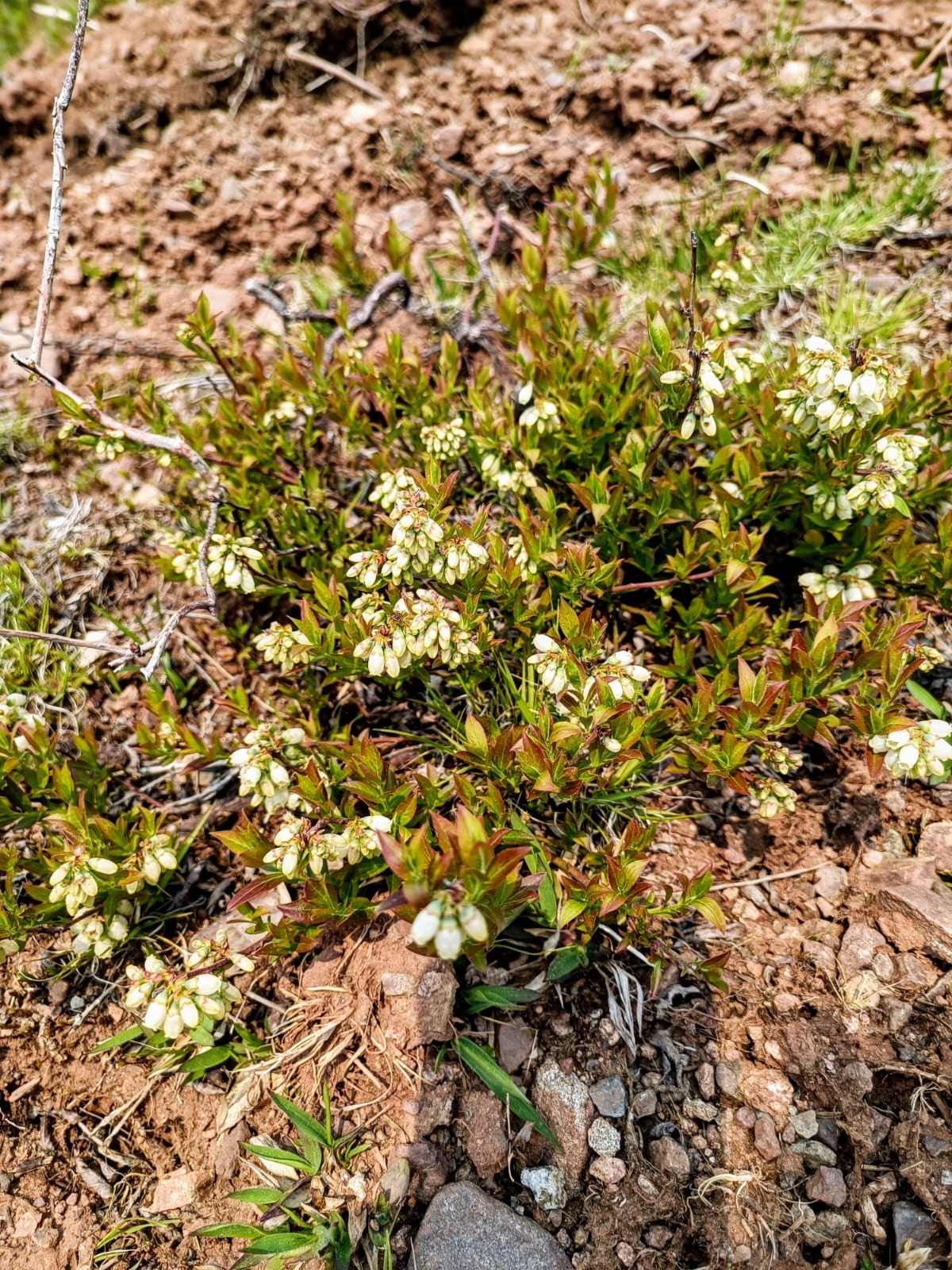
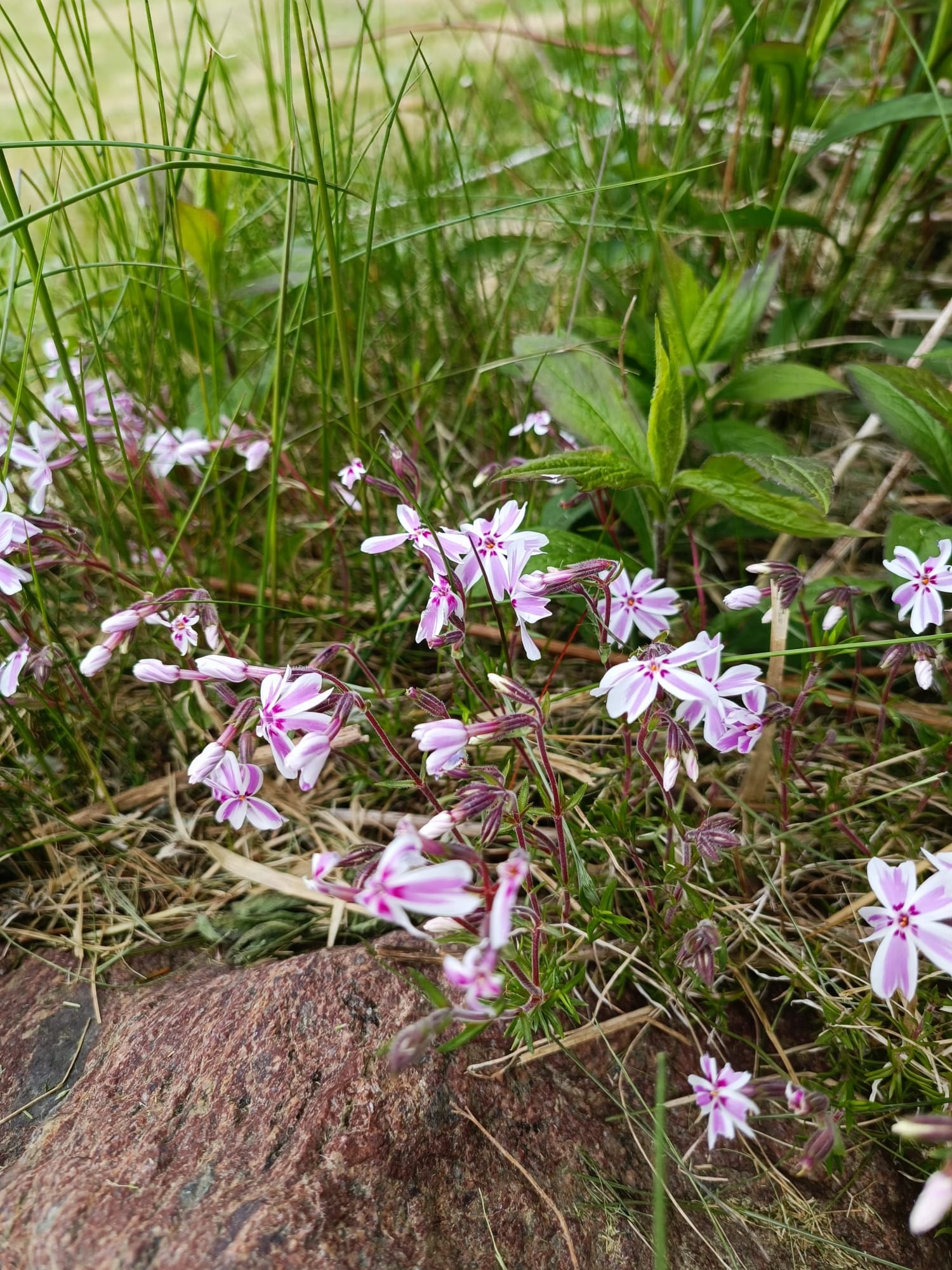
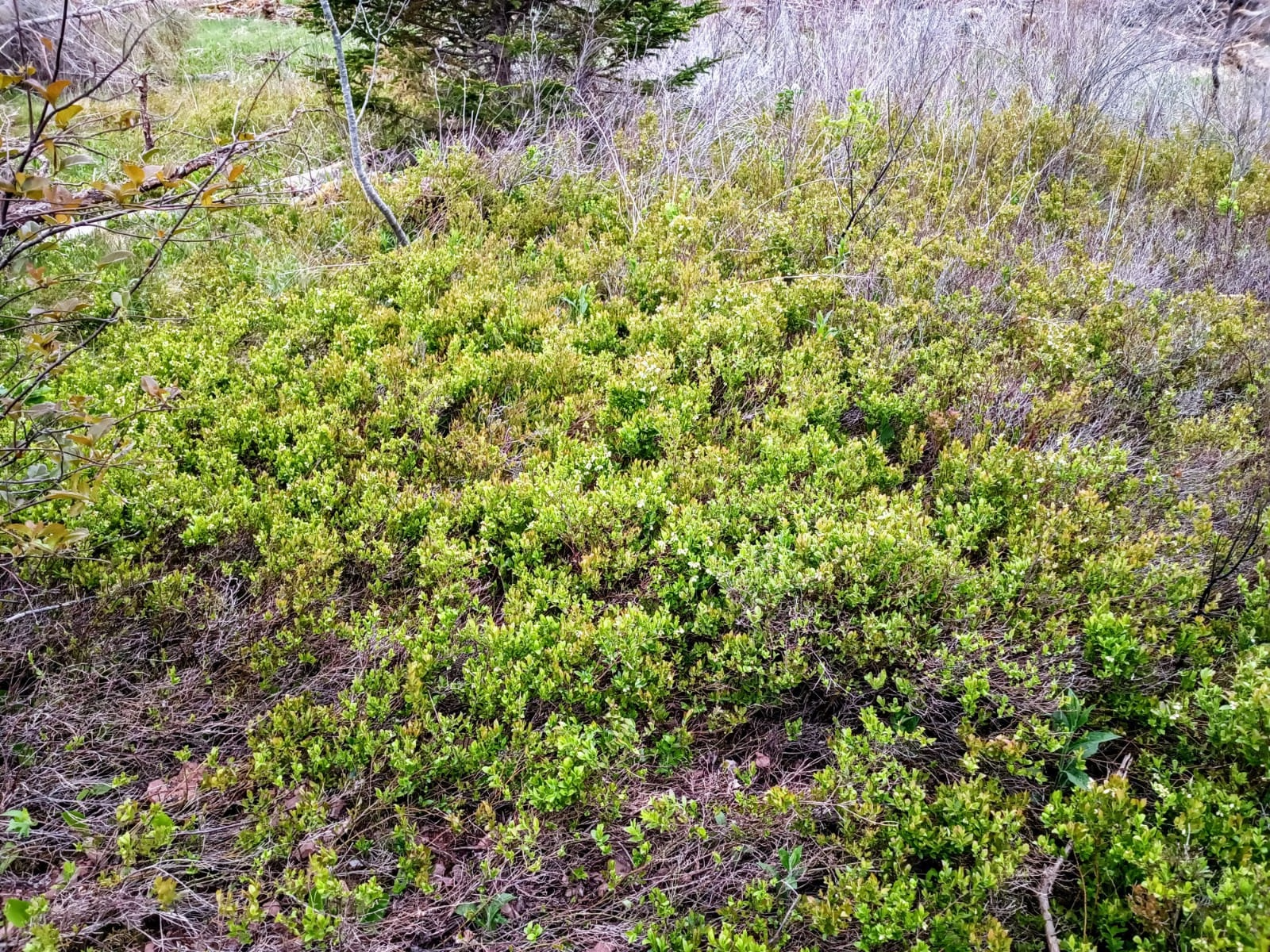
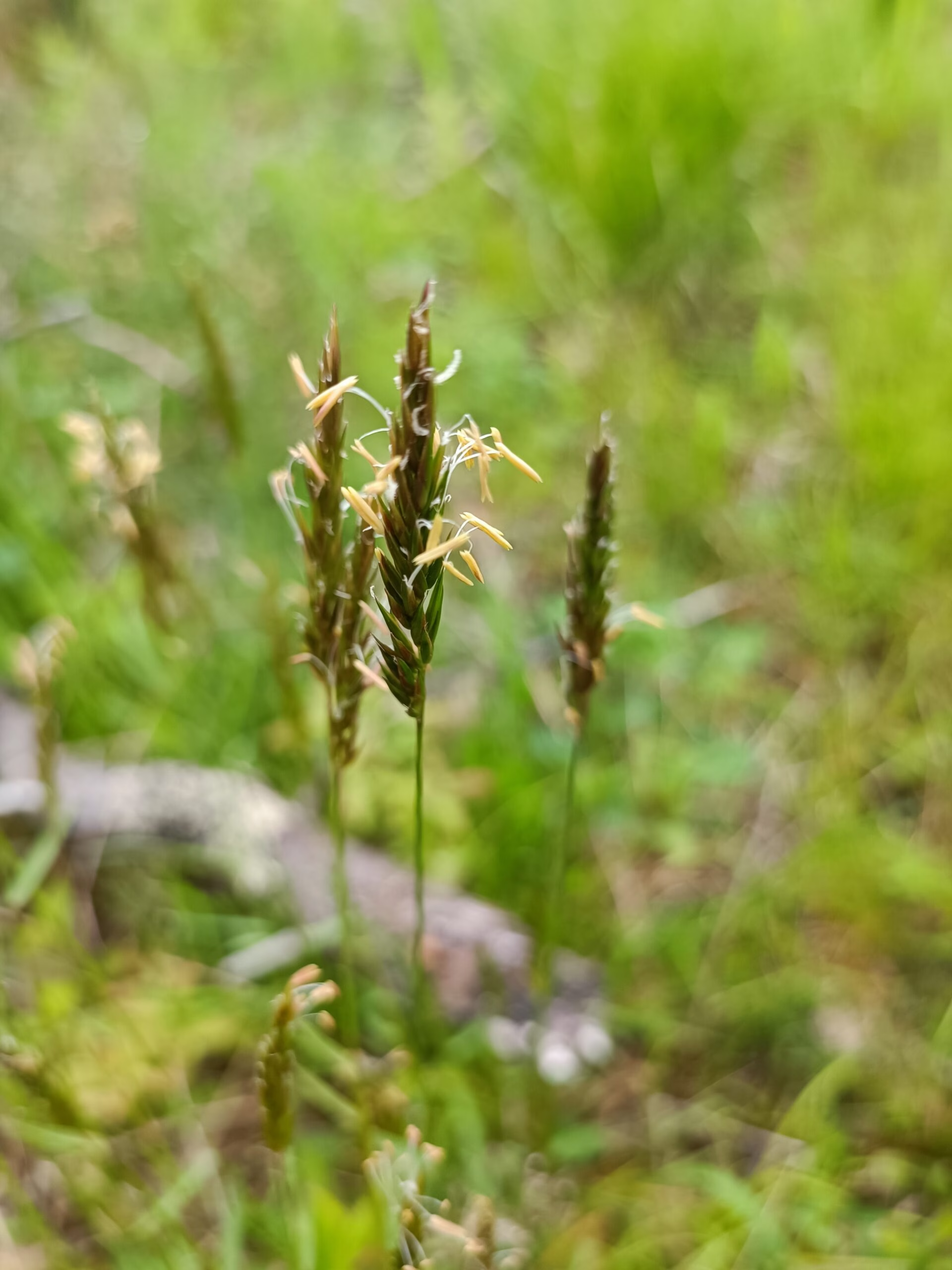
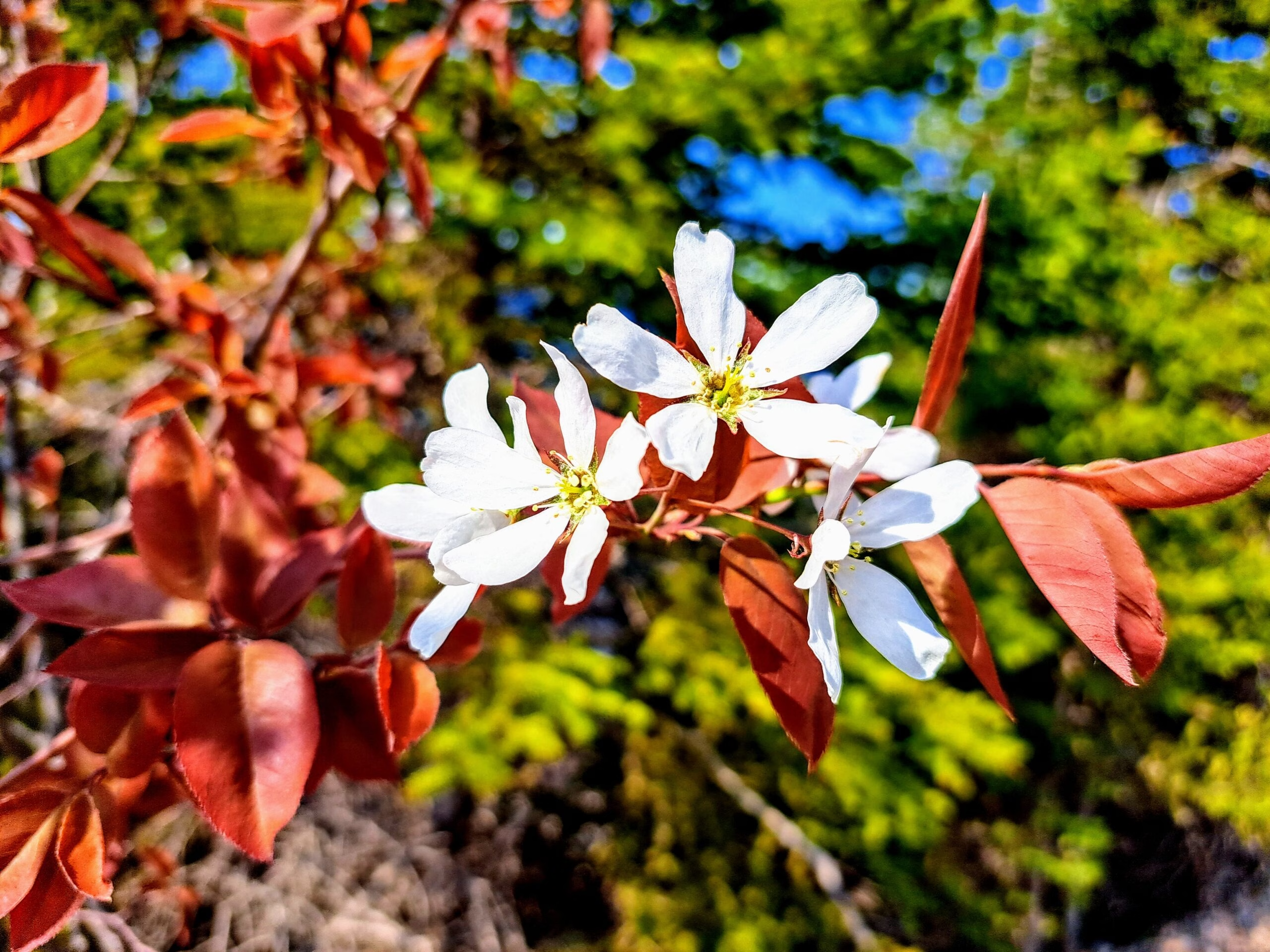
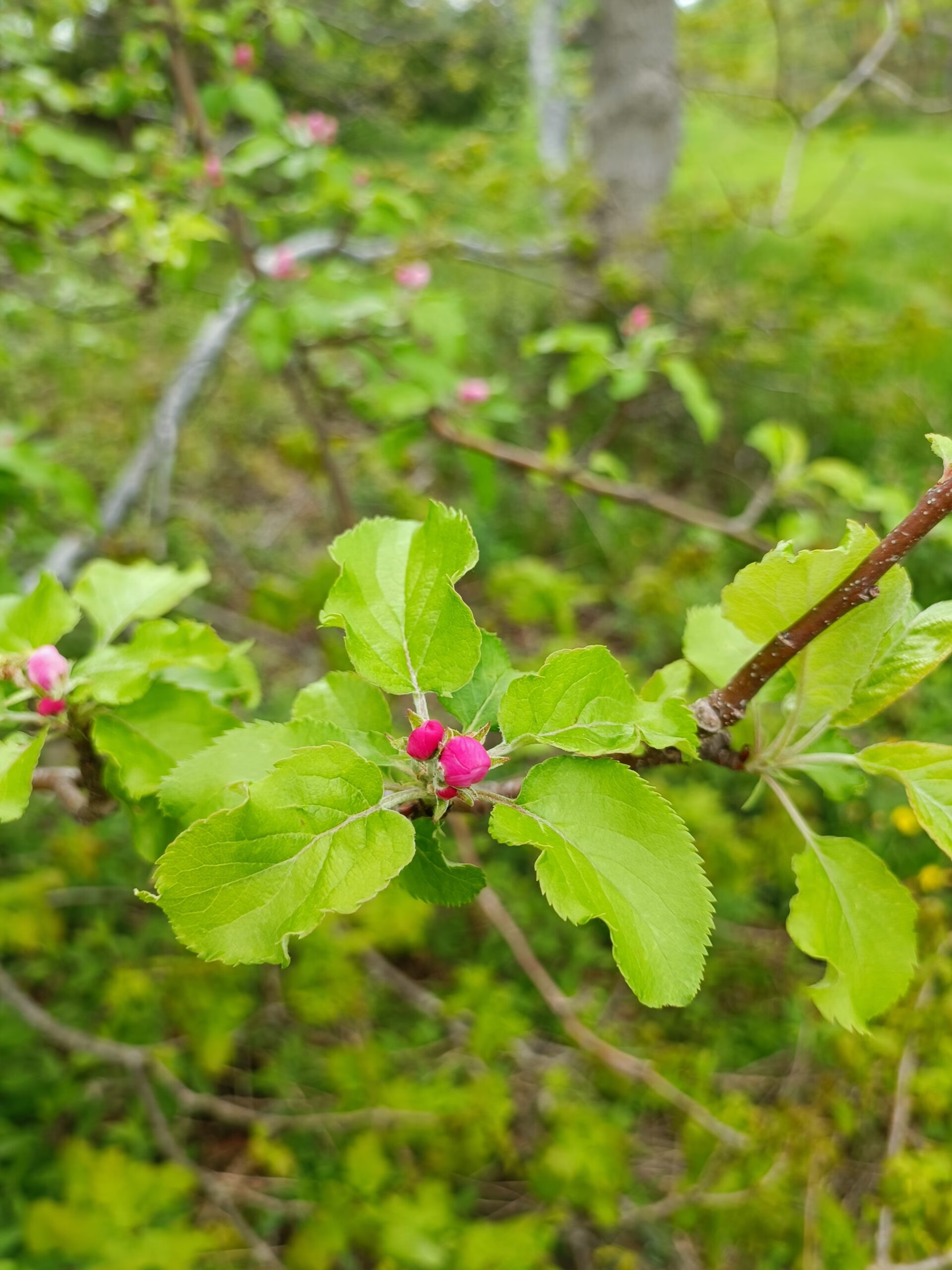
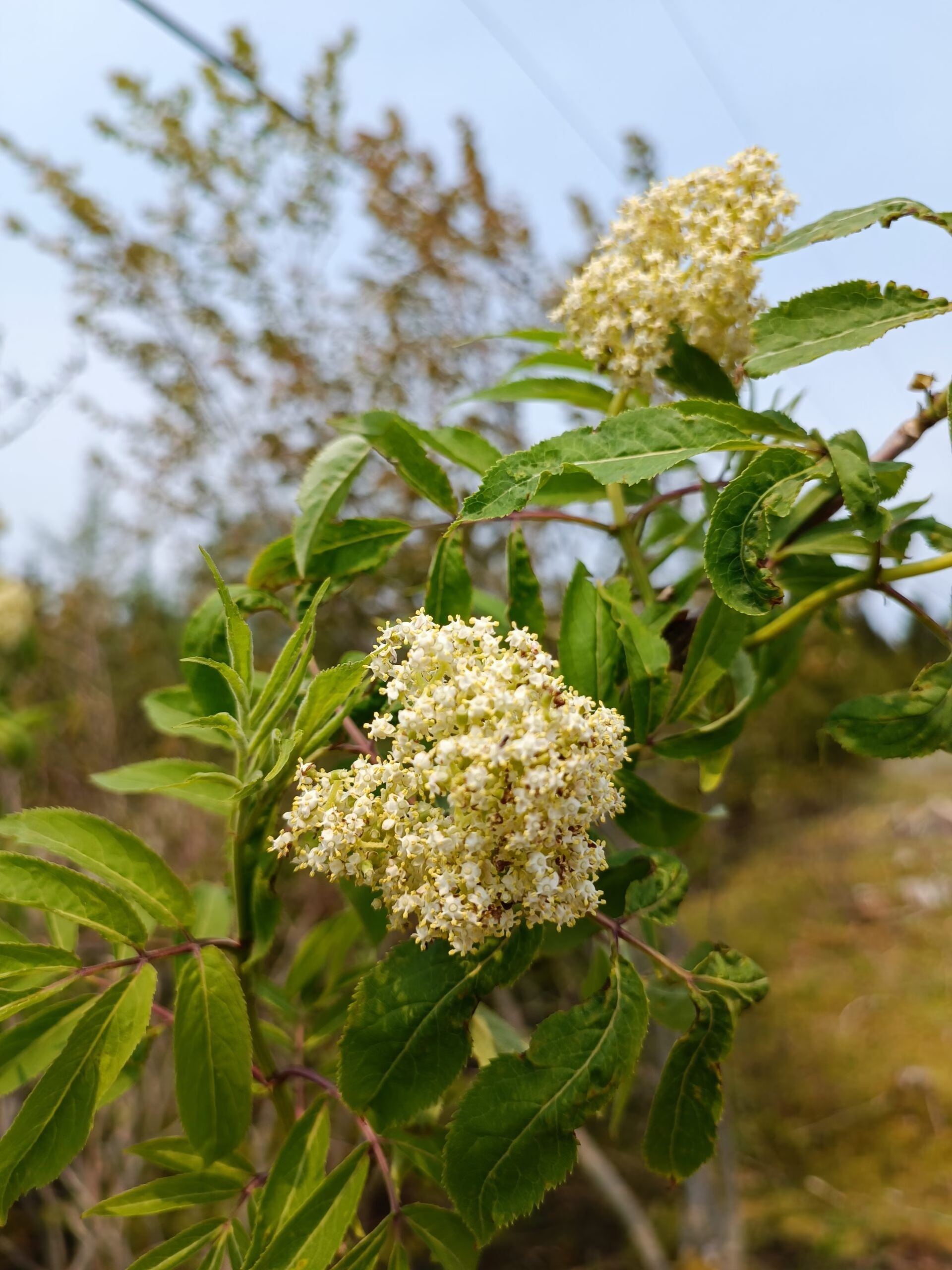
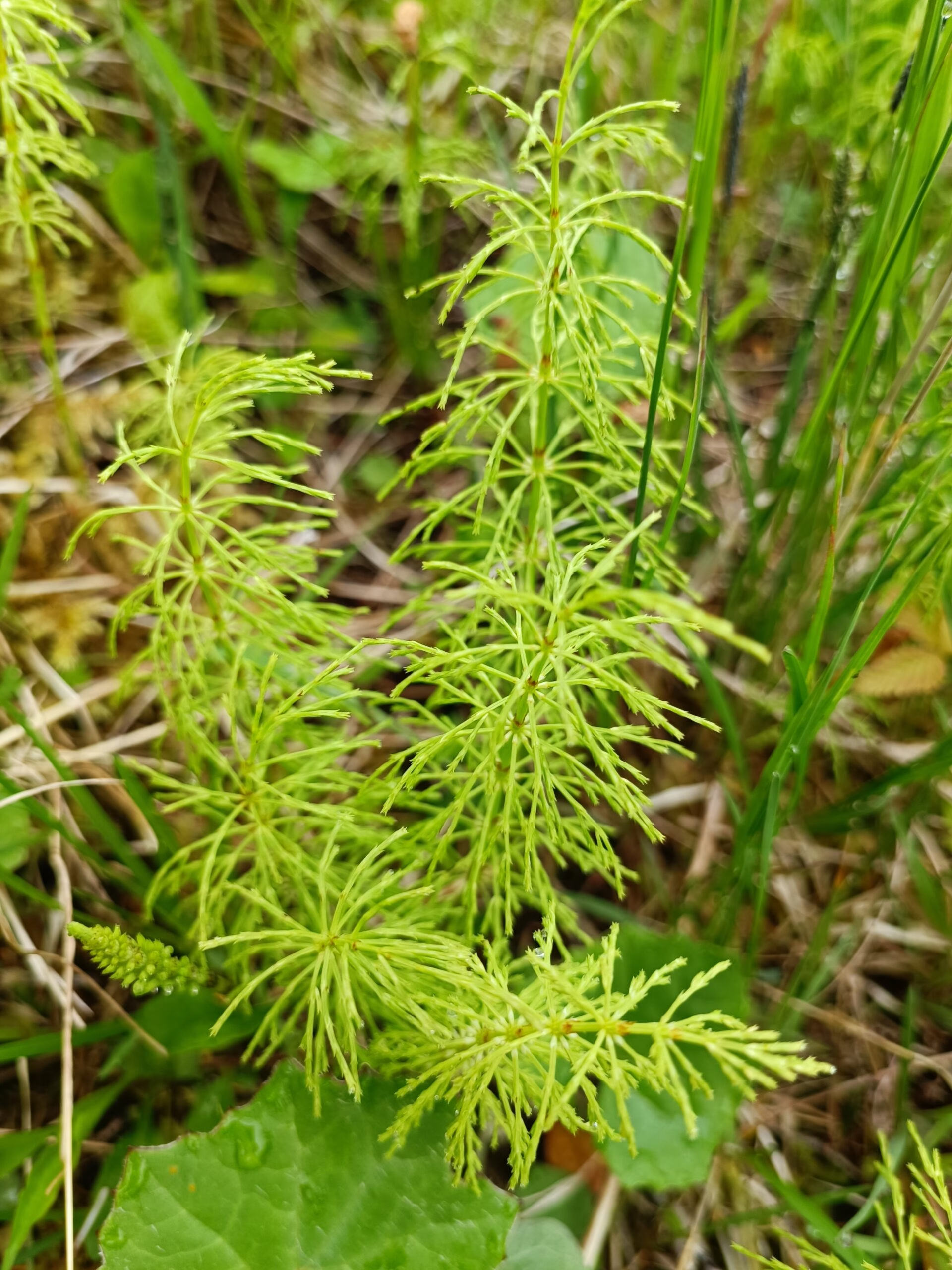
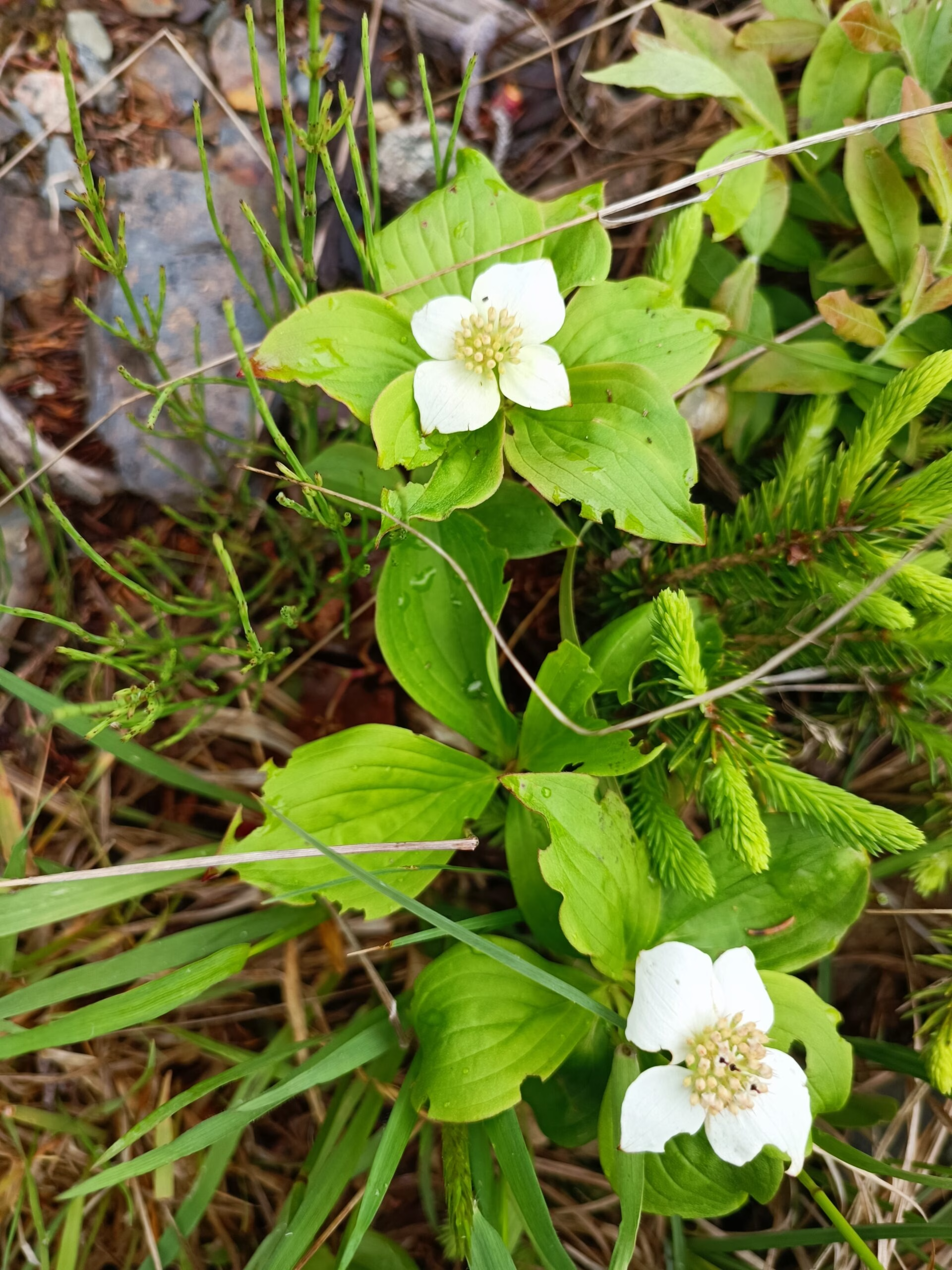
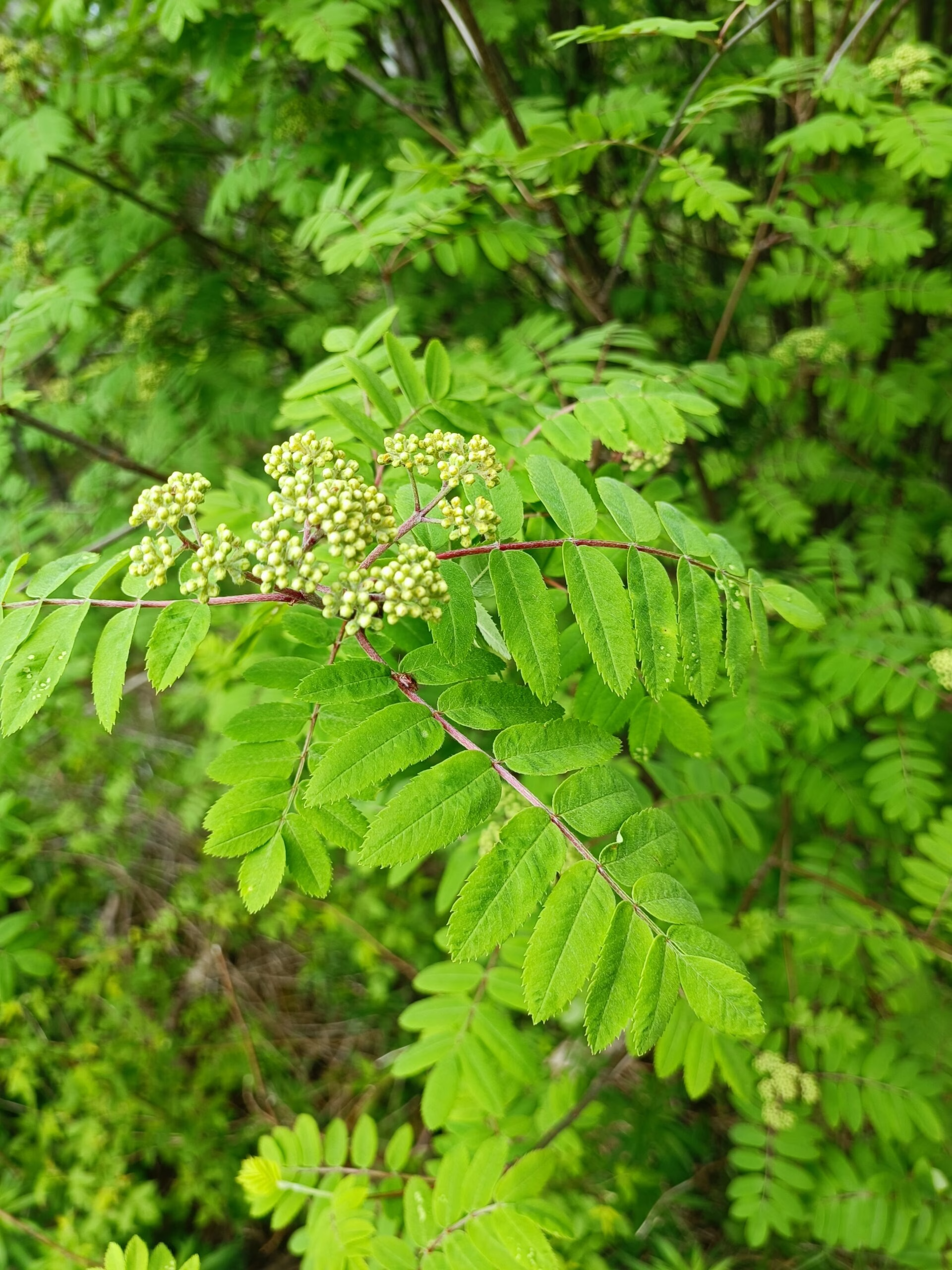
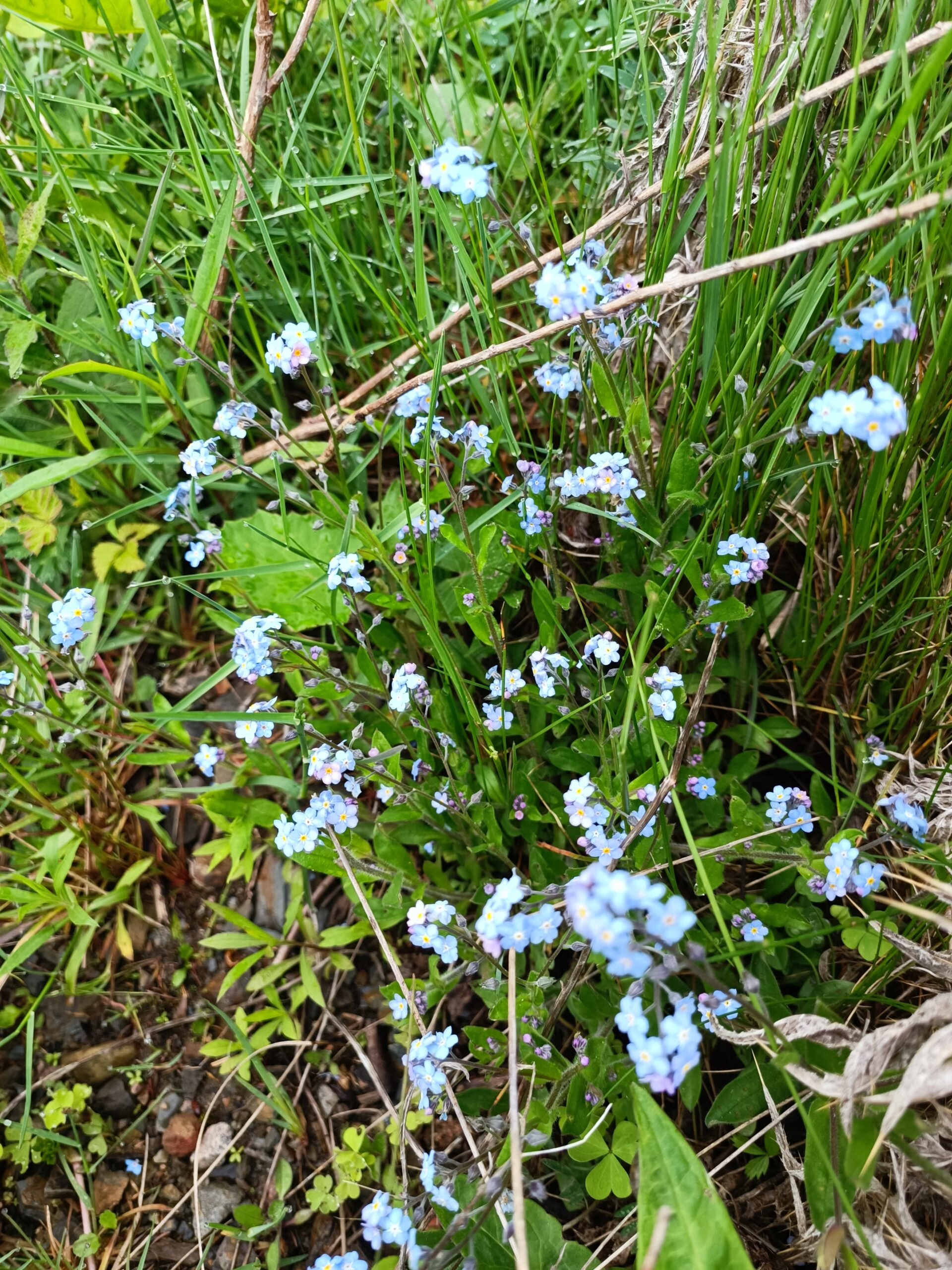
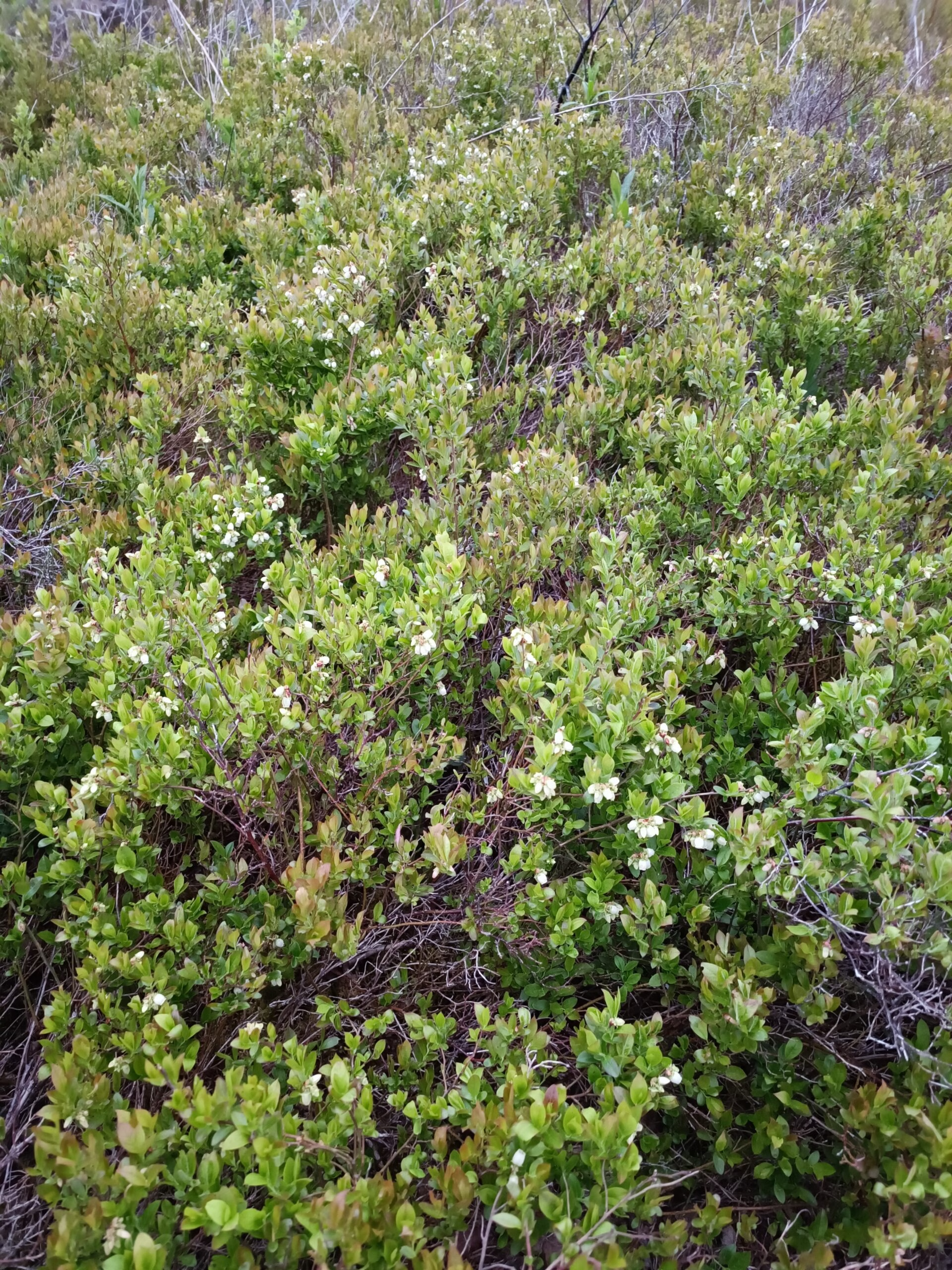
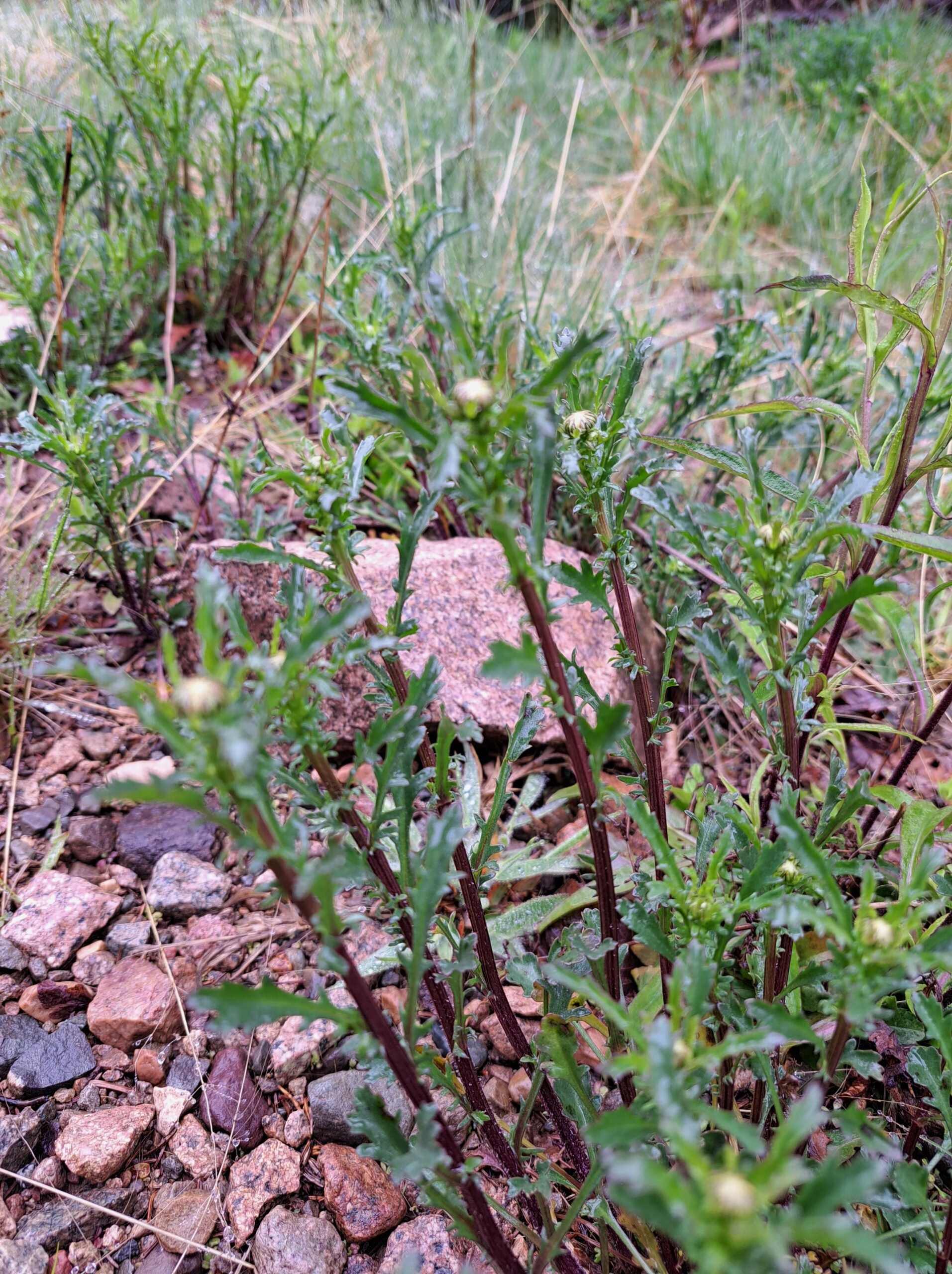
While working, we are discovering the first beautiful flowers that are native to the area. These discoveries are especially valuable to us as they highlight not only the diversity and beauty of our property but also serve as important indicators of the ecological health of the surrounding environment.
We’ve decided to dedicate a special section of our blog to these plants. In this section, we will present photos, descriptions, and key details of the plants we find on our property. Our goal is to create a comprehensive catalog that will not only be of interest to us but also to other nature and plant lovers.
Check out the plant profiles here!
Conclusion
Clearing the property is the first step on our journey toward self-sufficiency and realizing our dreams. Each day brings us closer to our goal and helps us appreciate the beauty of nature even more. Stay tuned for more updates and stories from our adventure!
Your Thoughts?
Have you already emigrated and have your own story to tell? We’d love to hear about it! Are you planning to emigrate? What are your hopes and fears when starting fresh? We look forward to hearing your messages!